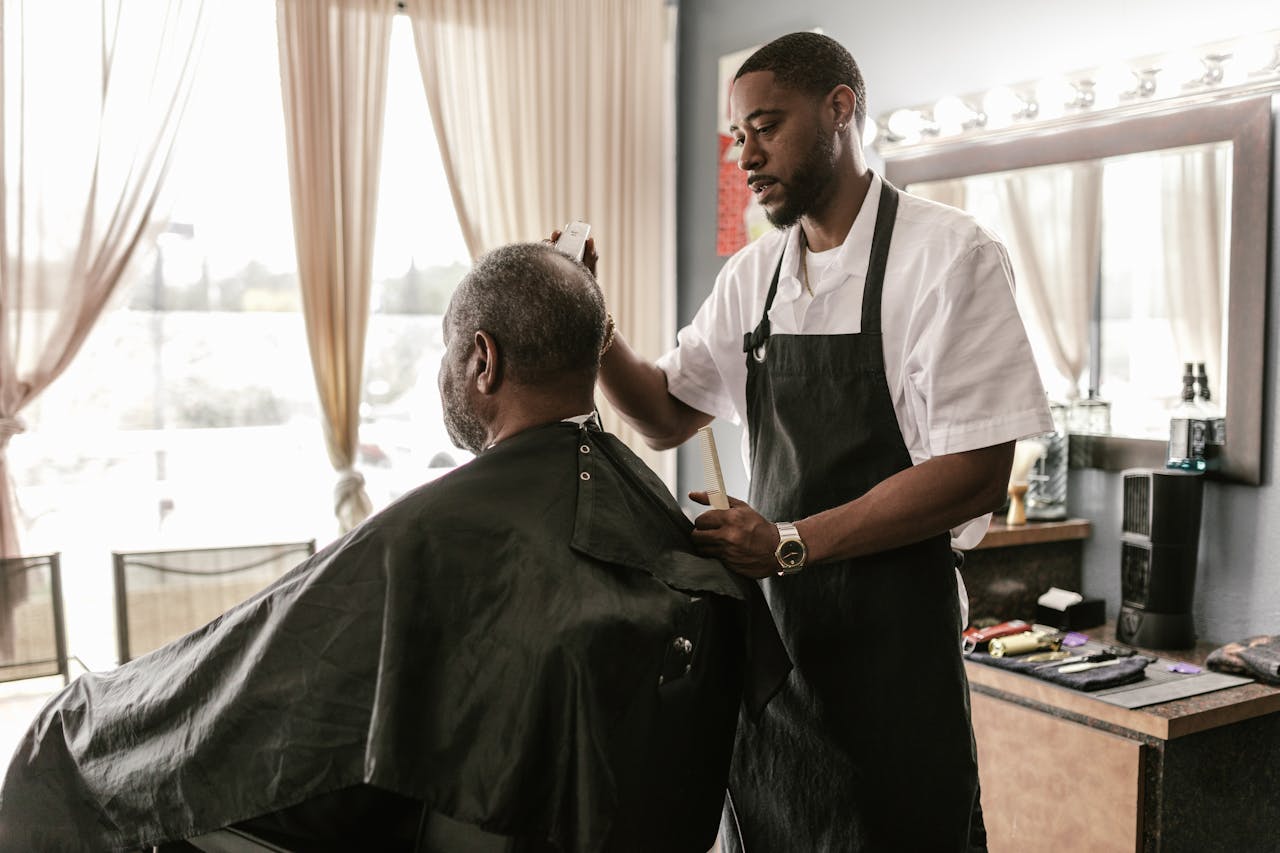
A good salon visit can feel like a small reset: a clean cape, warm water at the bowl, and a mirror that hints at a fresh start. Behind that calm, stylists run a tight schedule while tracking formulas, tools, and the tiny details that make hair behave. Most friction does not come from texture or trend requests. It comes from habits that blur communication, derail timing, or undo the result before the next wash. Those habits are usually innocent, built from rushed routines or old myths. With a few smarter swaps, appointments run smoother, services stay on track, and the finished look holds up in real life, not just under salon lights, for everyone involved.
Treating Appointment Times as Suggestions
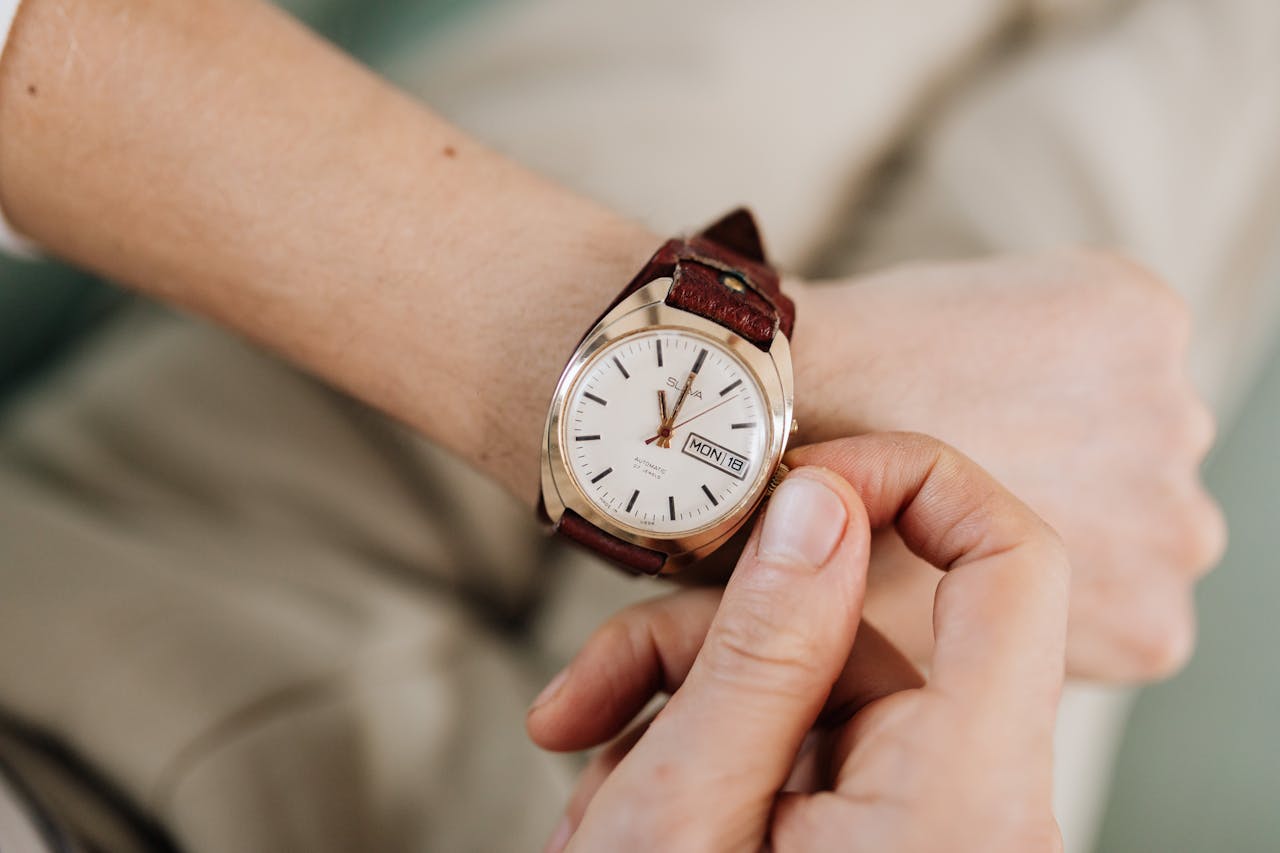
Running late, arriving without warning, or disappearing after booking forces a stylist to either rush a service or leave a gap that cannot be recovered once the day is moving. Color bowls get mixed too early, foils wait, and the next guest starts with an apology instead of a calm consultation with clear expectations. A better habit is confirming the service length, reading the salon’s cancellation window, planning parking or transit, showing up five to 10 minutes early, and calling the moment timing slips so the slot can be resized, a simpler service can be chosen, or the opening can go to someone on a waitlist now, without drama.
Bringing Vague or Heavily Filtered Inspiration
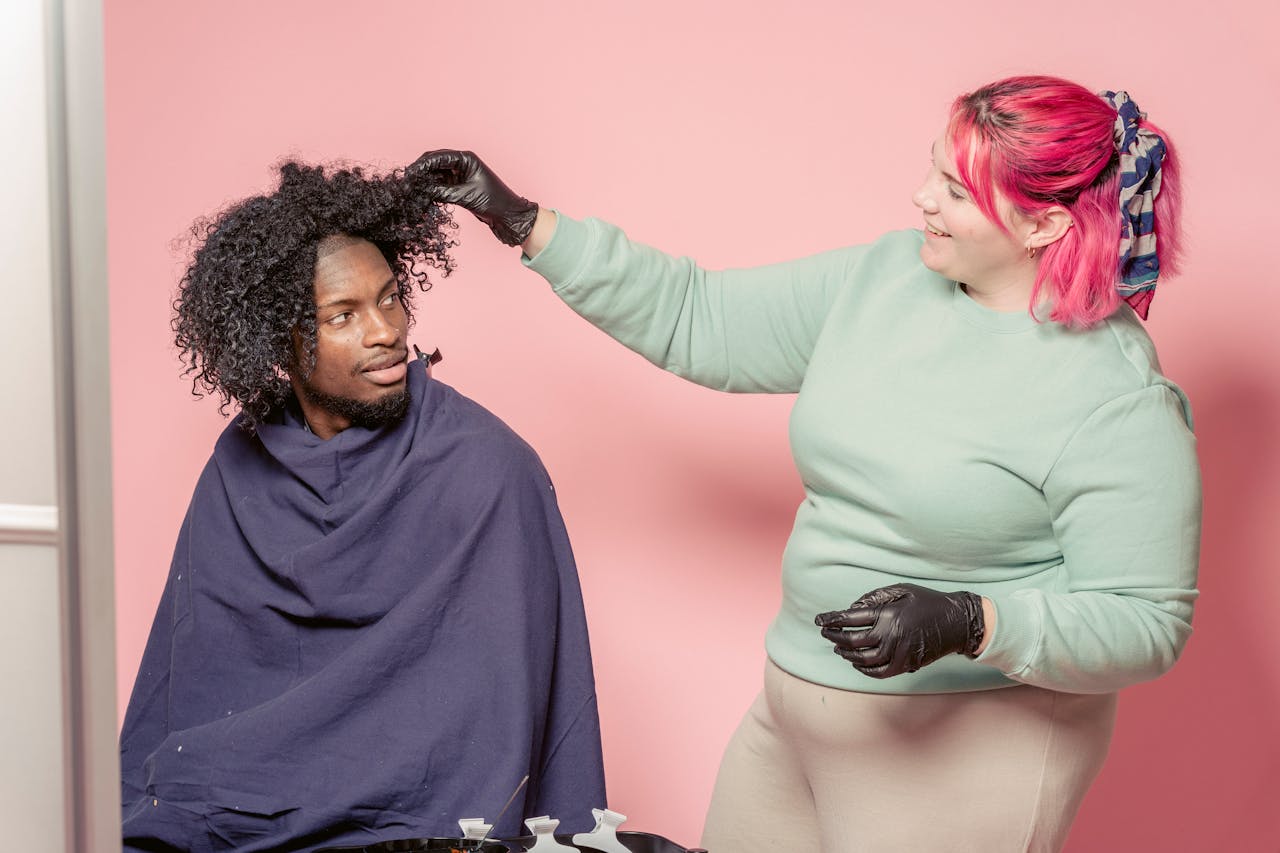
Arriving with one blurry screenshot and saying something like make it trendy leaves too much unsaid about length, density, cowlicks, and the time available each morning. Filtered inspiration can hide the true tone and texture, so even a technically correct result may read different once lighting, humidity, and natural wave pattern take over. A smarter swap is bringing two or three clear photos from multiple angles, on a similar hair type, naming what matters most, sharing daily styling habits and wash frequency, and being open about work or cultural boundaries so the plan fits real life, fades well, and stays easy to repeat at home.
Arriving With Product Buildup and a Coated Scalp
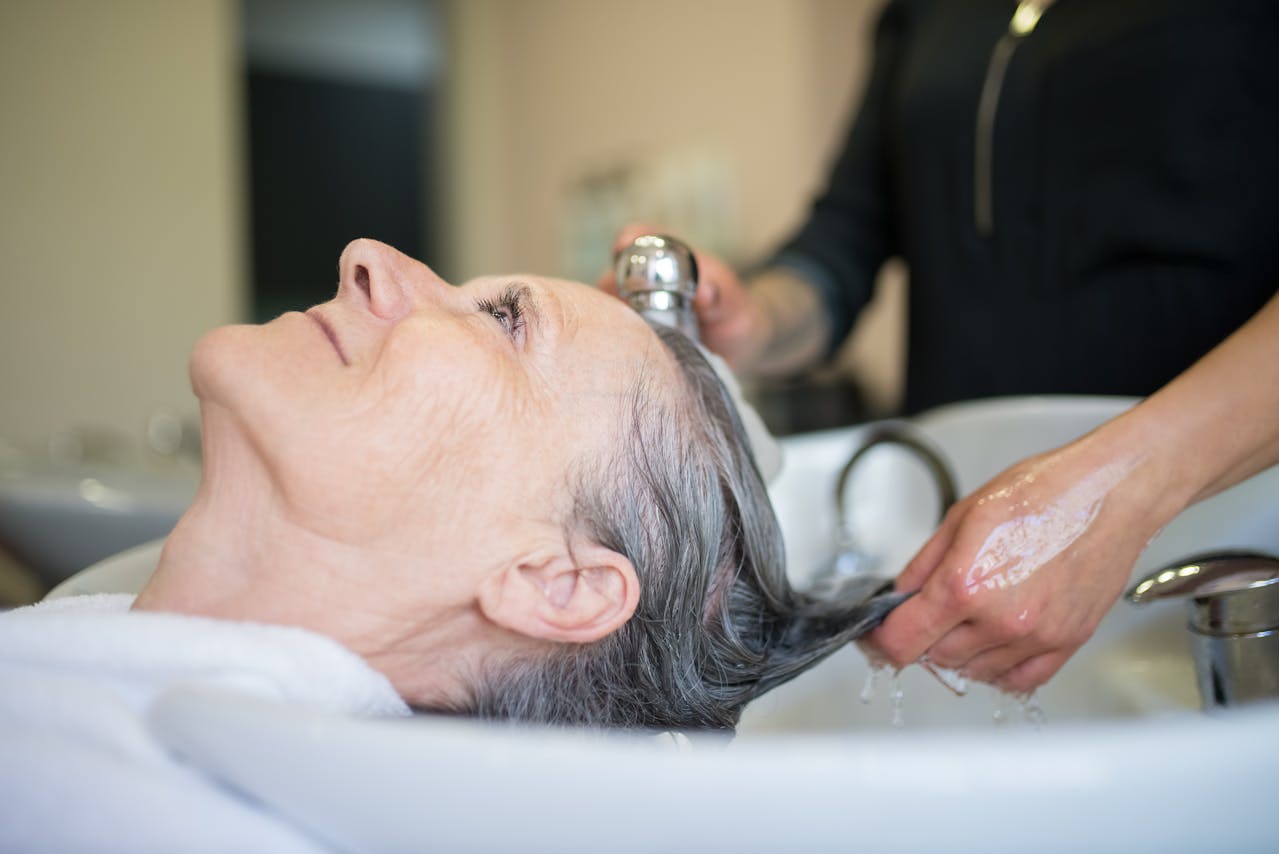
Showing up with days of dry shampoo, heavy oils, or sticky styling paste can block water, slow shampooing, and skew how color and toner deposit, especially near the hairline and crown. It also stretches the appointment because the first minutes become a deep clean, and the scalp can feel tender after extra scrubbing. The better move is arriving with hair clean from the day before, skipping thick leave-ins on service day, and flagging sensitivity, flakes, or hard-water buildup so the stylist can plan a gentle cleanse or clarifying step, keep heat settings comfortable, and make sure the finish reads true under salon lights in photos.
Wearing High Collars and Tangly Accessories
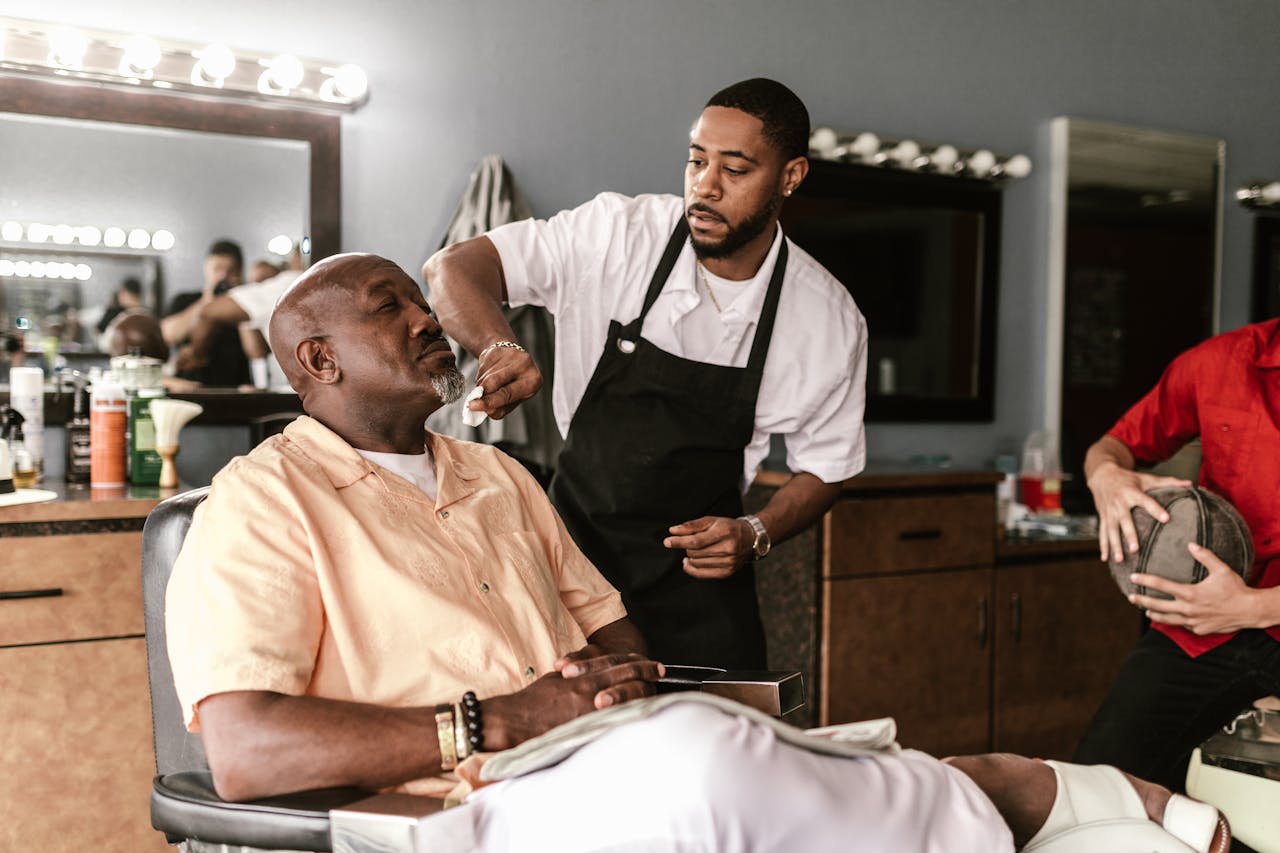
High collars, bulky hoodies, and statement earrings turn a precise cut, blowout, or foil placement into a tug-of-war with fabric and metal. Necklines shift under the cape, clips snag, and color can rub onto collars that were meant to stay pristine, all while symmetry is being built strand by strand. What helps is wearing a simple crewneck or button-down in a dark, washable fabric that can handle a stray drip, removing hoops and necklaces before the cape goes on, and bringing a small tie so the face stays clear during detail work, neckline cleanup, blow-dry work and the final mirror check without constant readjusting.
Hiding Box Dye, Henna, or Chemical History
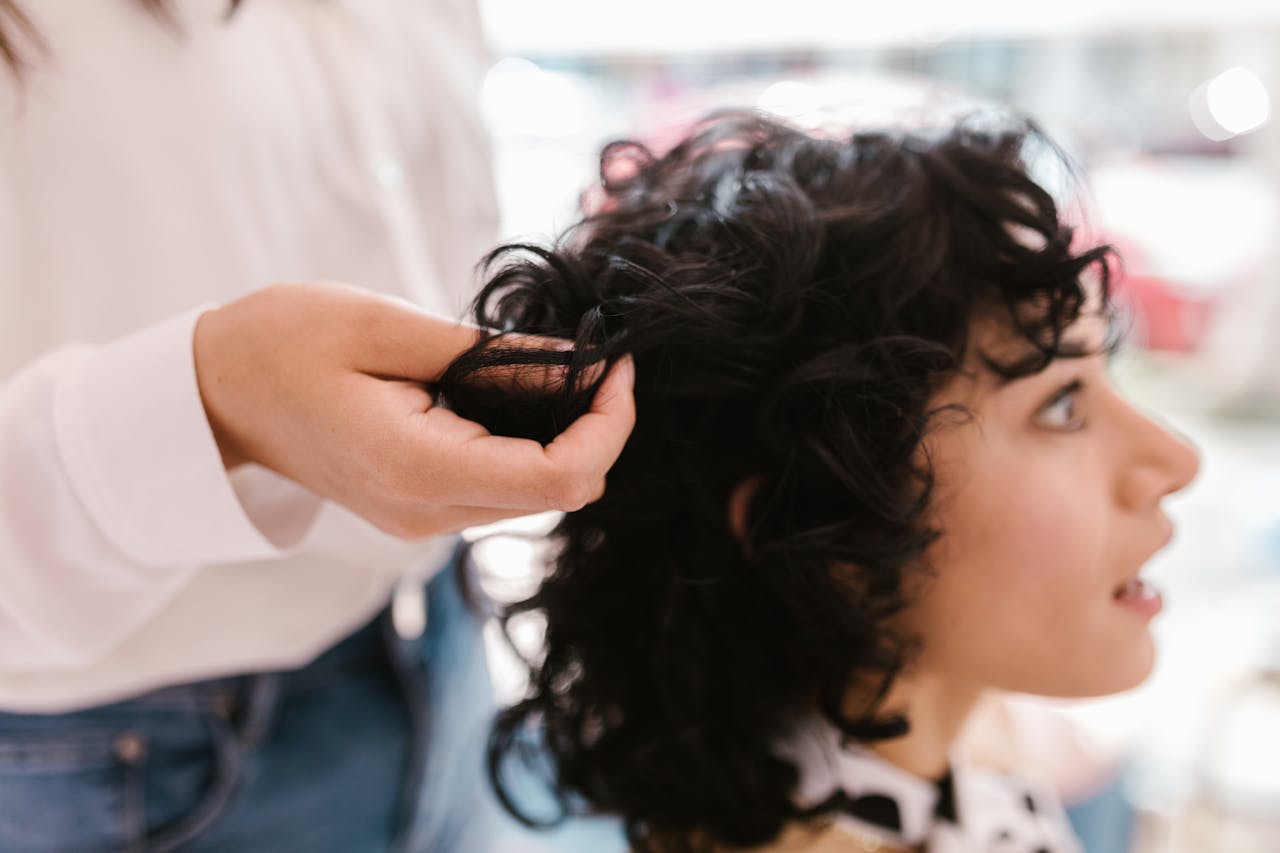
Saying hair is natural when box dye, henna, keratin, relaxers, or years of pool exposure still live in the strands is the fastest way to invite surprise results. Color is chemistry, and hidden layers can grab too warm, reject lightener, or create uneven bands that take hours to correct and may cost more than expected. The clean alternative is sharing a simple timeline, including at-home glosses and drugstore toners, bringing photos of products used, and asking about a strand test or a phased plan so integrity stays the priority, timing stays predictable, and tone lands right, even if the goal takes two or three visits in the end.
Booking Short, Expecting Major Transformations
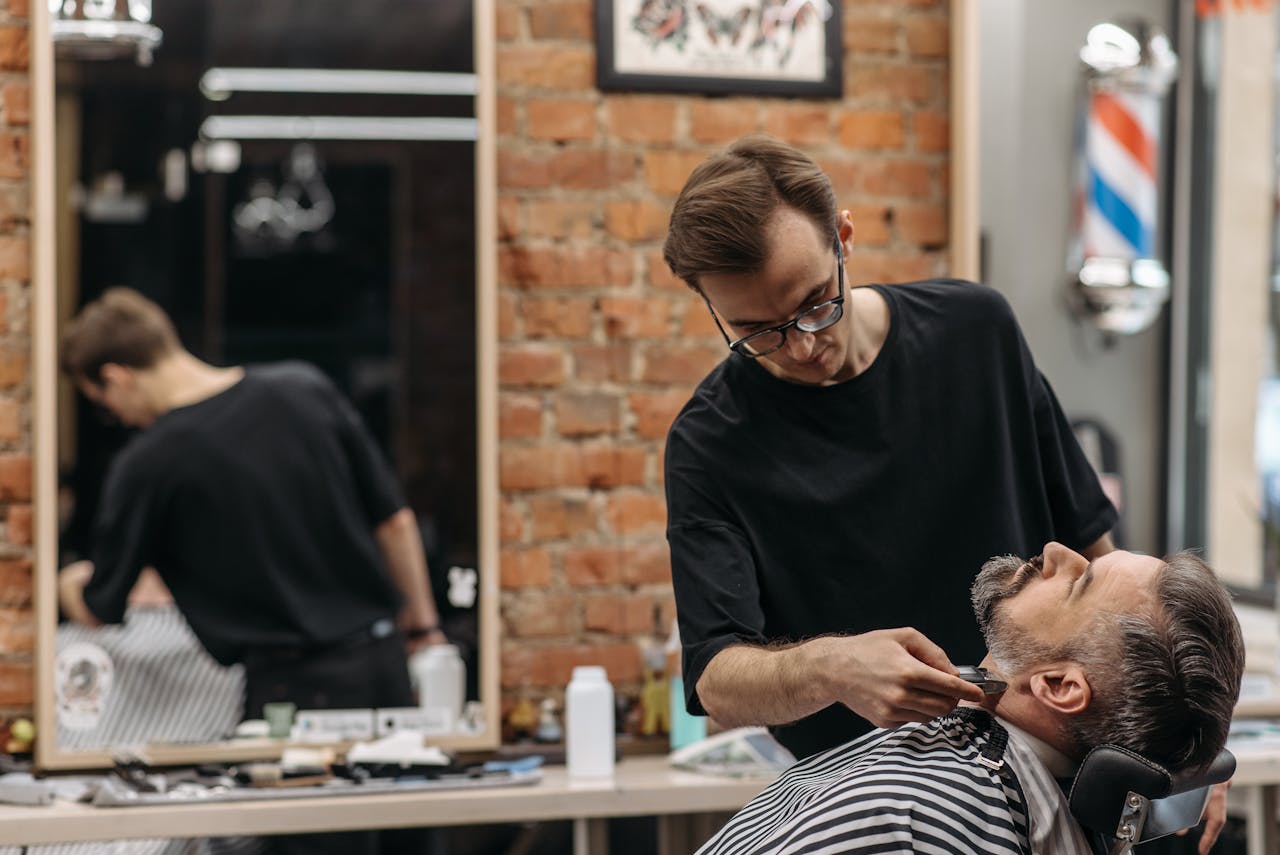
Booking a quick trim while expecting a major transformation turns an appointment into an impossible math problem, because processing windows, sectioning, and detailed placement do not bend. The pressure can push shortcuts that cost hair strength, especially with blonding, vivid shades, or corrective work where patience is part of the craft. A better approach is booking the right service, scheduling a consultation when needed, and agreeing on a staged roadmap with clear timing, pricing, and home care, such as a gloss first, then lightening later, so progress stays even, healthy, and satisfying between visits without surprise add-ons.
Moving Constantly During Precision Work
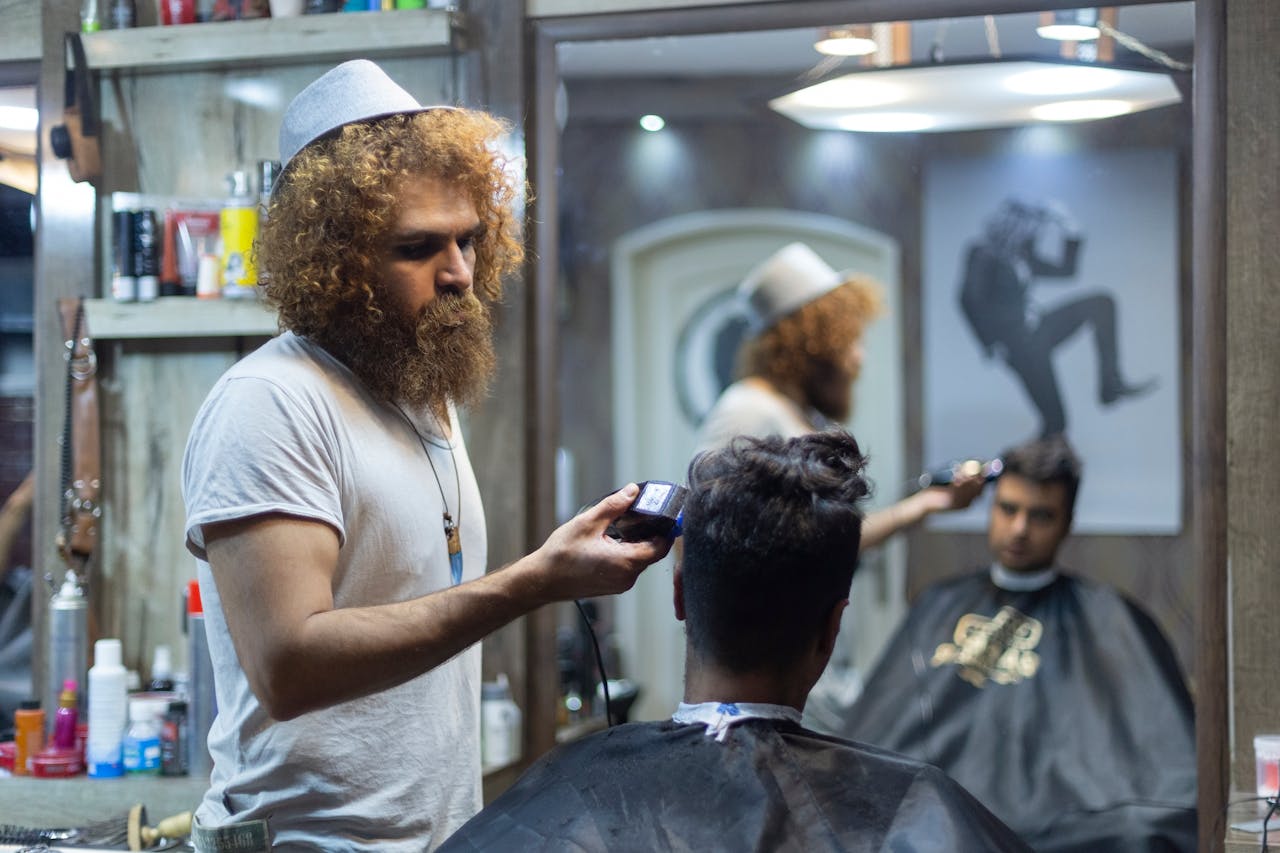
Constantly tilting the head to check a phone, shifting shoulders, or crossing and uncrossing legs can move the cape just enough to change a line. A haircut lives in millimeters, so small posture changes can turn a crisp perimeter into a wobble, or make face-framing read different on each side once the hair settles. The fix is simple: silence the phone, keep hands in the lap, sit tall with feet planted, and let the stylist guide chin and head position during bangs and neckline work, saving longer stories for the shampoo bowl so the shape stays clean and the appointment still feels relaxed from the first snip to the final photo.
Showing Up With Tangles, Teasing, or Half-Removed Extensions
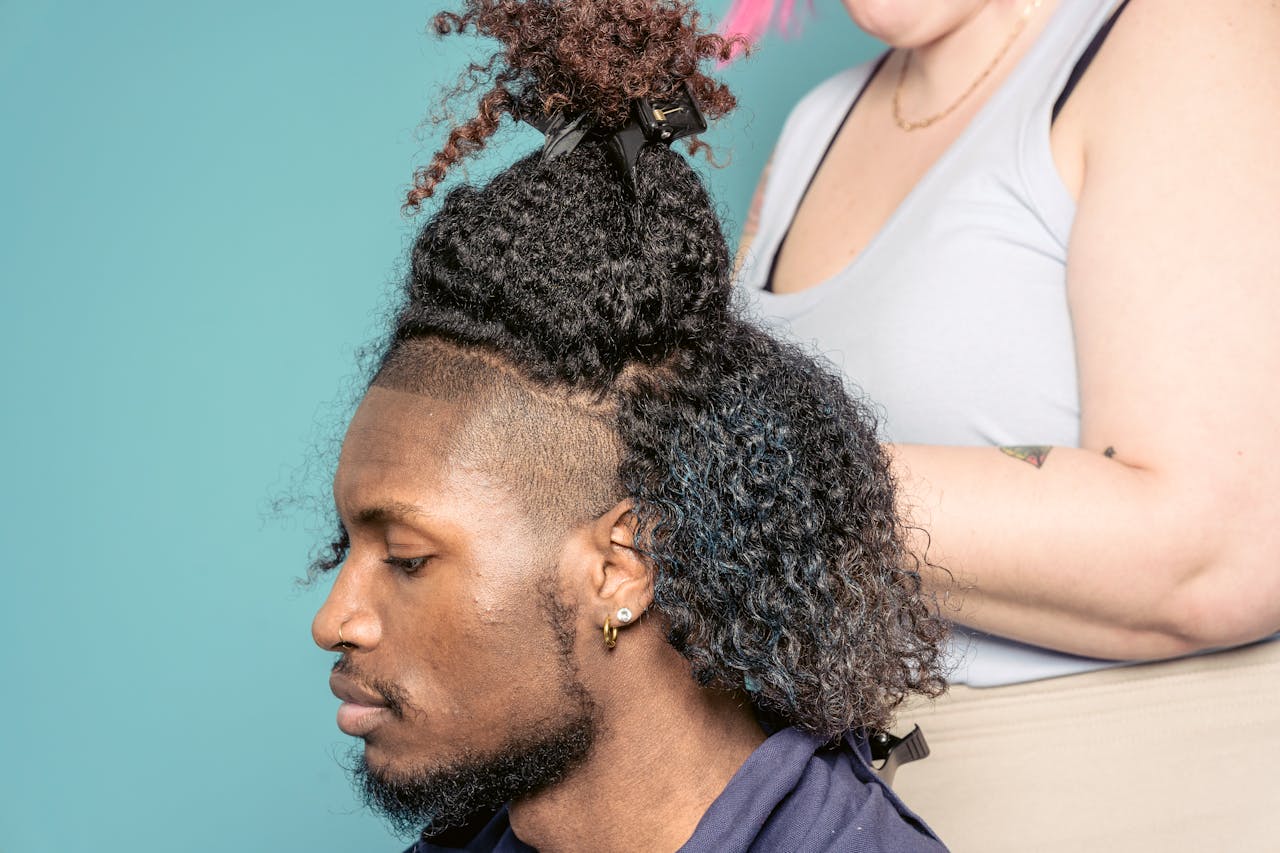
Arriving with tight knots, heavy teasing, or half-removed extensions turns the first part of the service into detangling duty instead of creative work. It can be painful, it risks breakage, and it steals time needed for clean sectioning and precise placement, especially around the crown and nape. The better habit is gently brushing before arrival, using a light detangling spray if needed, removing clip-ins and elastics at home, and mentioning mats early, along with extension type and last removal, so a detangling add-on, a gentler plan, or extra time can be booked without embarrassment and without rushing the rest of the appointment.
Doing Kitchen-Scissor Maintenance Between Visits
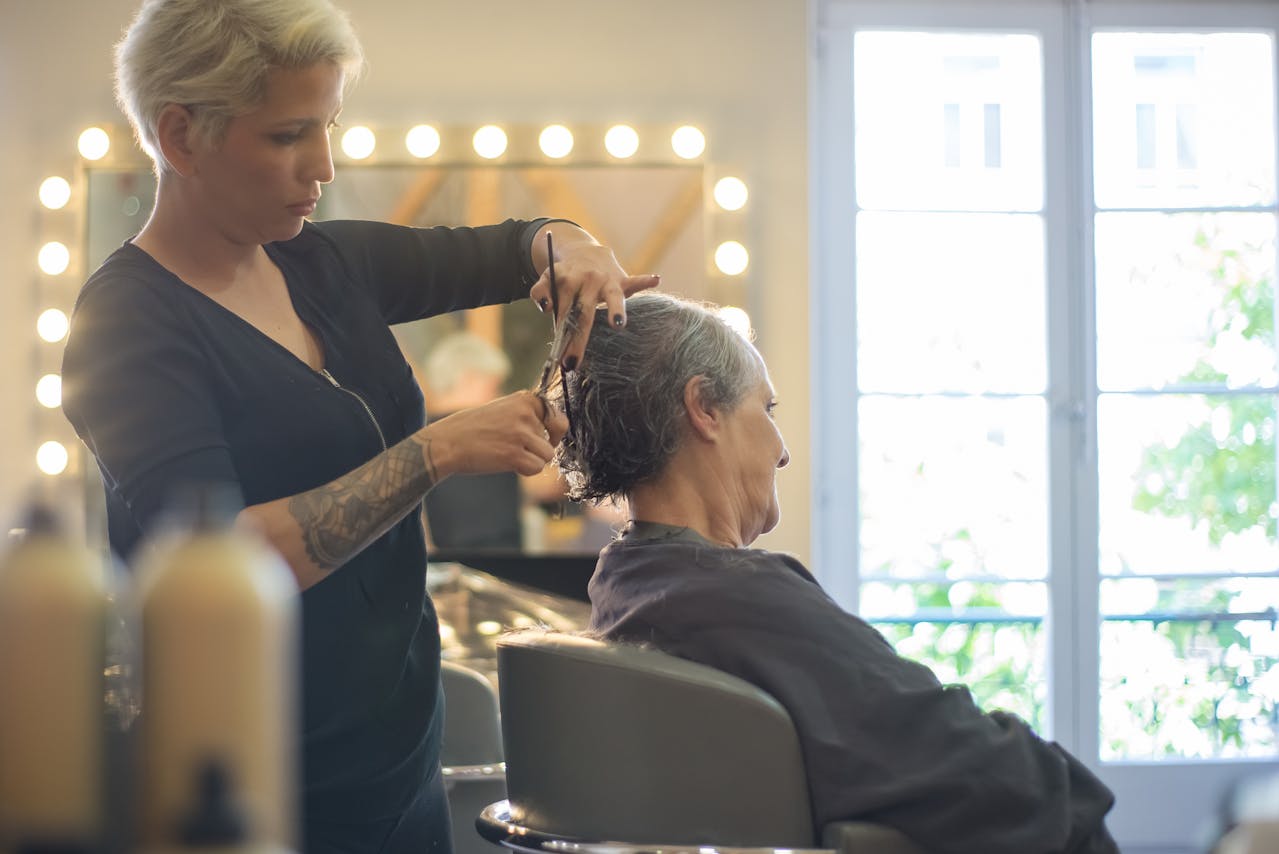
Kitchen-scissor trims and bathroom bang snips often create hidden corners, choppy points, and uneven layers that behave like a puzzle once the hair is wet. Stylists can fix a lot, but rebuilding a clean shape takes more time than a standard cut, and it can reduce how much length is saved because the shortest mistake becomes the new baseline. A better swap is leaving the perimeter alone between visits, using a small amount of smoothing cream to tame frayed ends, and booking a quick maintenance appointment when the shape starts drifting, while being honest about any at-home cutting so the reset is fast and precise with less sacrifice.
Skipping Aftercare, Then Blaming the Cut
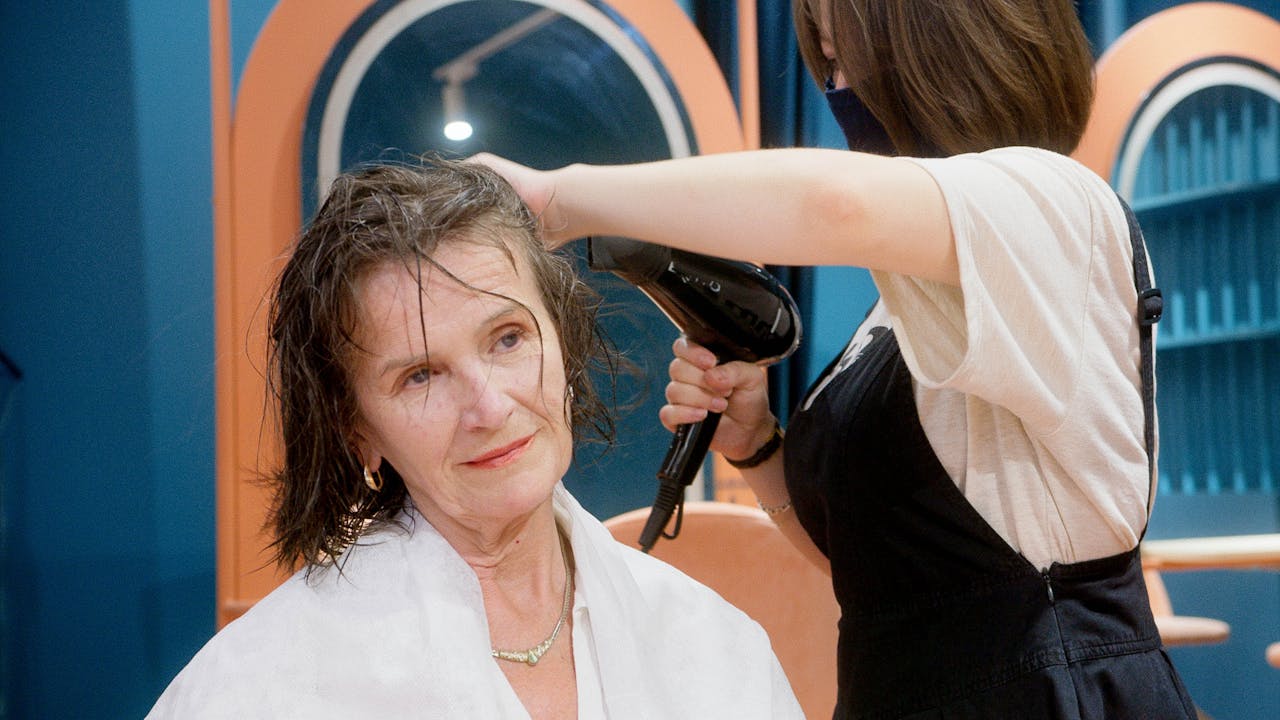
Treating salon hair like it will stay perfect on its own is a quiet heartbreak for stylists, because great work still needs basic support once the cape comes off. Skipping heat protectant, shampooing harshly, using hot water, or overusing purple products can fade color, roughen ends, and make a blowout collapse, then the mirror blames the cut. What works better is following a simple routine the stylist recommends, using the right cleanser and conditioner for the goal, protecting hair during sleep with a loose tie or satin scarf, and returning for trims or toners on schedule so the look stays polished without constant reinvention.