Most museum visits feel open and predictable, yet behind the familiar flow of maps, ticket counters, and bright galleries sit areas that remain permanently closed to the public. These spaces hold fragile manuscripts, unfinished restorations, and artifacts that cannot survive constant handling or temperature shifts. Curators move through them with a quiet sense of purpose, preserving pieces that may not see display for decades. Knowing such rooms exist adds a subtle weight to the experience, as if each museum operates with two worlds: one polished for everyday visitors, and another reserved for patient, deliberate care behind locked doors.
Louvre Museum: A Hidden Fortress of Art in Liévin

The Louvre’s public galleries show only a fraction of what the institution owns, while hundreds of thousands of works rest at the Conservation Center in Liévin. This massive facility was built to rescue collections from unstable storage beneath Paris and to give delicate pieces a safer long-term home. Inside, specialists navigate tall racks filled with paintings, crates, sculptures, and fragments awaiting restoration or careful study. Climate controls stay steady day and night, and entry is reserved for trained staff and researchers. For visitors, the center remains a quiet force behind the Louvre’s ability to rotate exhibits and protect masterpieces for generations.
Vatican Museums: Archives Closed to All but Scholars
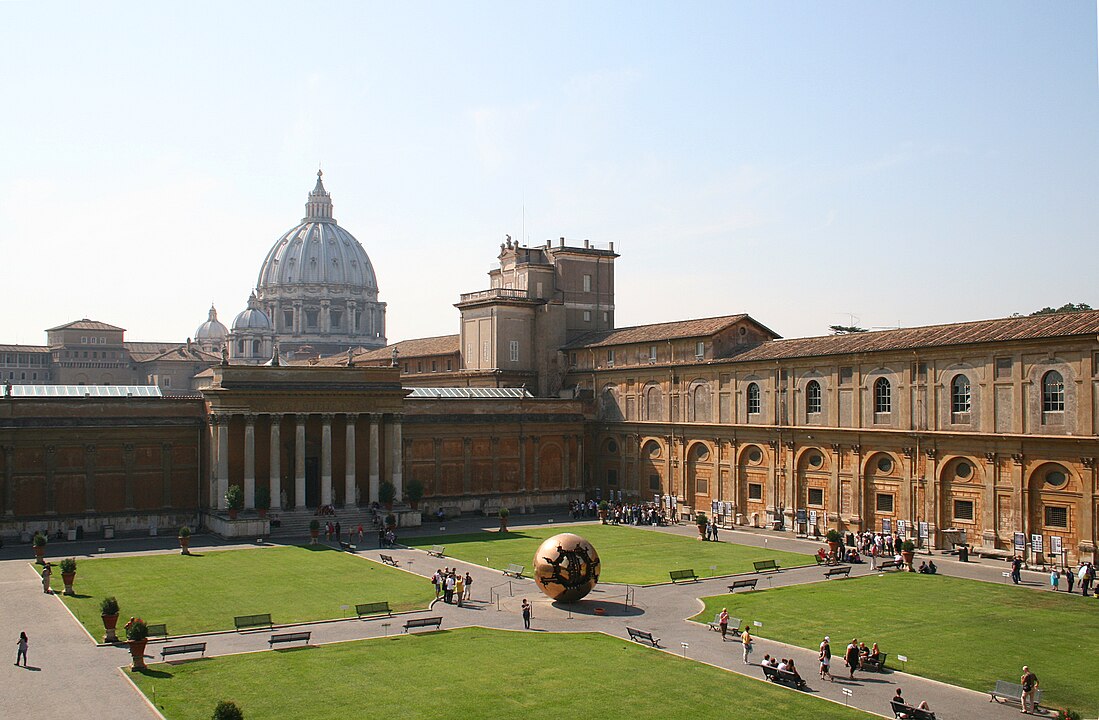
The Vatican Museums draw crowds to storied halls, yet the Apostolic Archive stands as their most guarded realm. It houses centuries of papal documents ranging from royal letters to trial records to diplomatic dispatches. The materials require such precise handling that only approved scholars may enter, each vetted for their research purpose and granted access to a limited set of requested items. Inside, staff monitor every page that leaves storage, preserving fragile ink and parchment with unwavering discipline. For most people, the archive’s presence shapes the museum from a distance, an unseen guardian of history that influences what the world knows about the church’s past.
Uffizi Gallery: The Vasari Corridor Above the City

Above Florence’s busy streets, the Vasari Corridor stretches like a hidden thread connecting the Uffizi with the Pitti Palace. Built for the Medici family to move privately through the city, the passage now allows visits only during carefully regulated tours. Lengthy sections remain restricted due to structural sensitivity and ongoing preservation efforts. Those who enter walk past portraits and windows overlooking the Arno, aware that they occupy a space once meant for silent movement and power. Meanwhile, most visitors glimpse only its exterior arches and wonder what stories linger in its long, elevated path. Its partial secrecy keeps the corridor steeped in quiet fascination.
State Hermitage Museum: Gold and Gems Under Heavy Guard

The Hermitage’s Gold Room and Diamond Room contain imperial treasures so delicate and valuable that entry requires tightly scheduled tours and close supervision. Visitors move through dim lighting that protects metalwork, gemstones, and ancient artifacts from strain as curators guide them past cases that resemble secured vaults more than museum displays. Many items are too sensitive for exposure to heat or prolonged viewing, so staff strictly limit time spent inside each chamber. The rooms hold objects tied to tsarist history, rituals, and artistry, yet most guests in St. Petersburg experience the museum without ever stepping behind these reinforced doors. The treasures remain both present and slightly out of reach.
British Museum: Storage Rooms Beneath the Public Halls

Below the British Museum’s famous galleries lies a maze of conservation labs, research spaces, and storage rooms that protect thousands of objects not ready for display. Items range from pottery shards and carved stone to textiles and metalwork that require slow, methodical restoration. The rooms maintain strict light and humidity levels, and only trained staff or invited researchers may enter. While visitors admire a polished selection upstairs, far more sits in organized stacks, waiting for identification, study, or future exhibition planning. These unseen layers reveal the scale of the museum’s responsibility and the ongoing work needed to keep global heritage intact.
Metropolitan Museum of Art: A Controlled Room for Fragile Works

The Met’s Study Room for Drawings and Prints holds works that cannot withstand the constant light and movement of public galleries. Appointment-only access ensures that each piece—often centuries old—is handled with care, brought out individually by staff who understand its fragility. Scholars sit in a quiet space where natural light is softened and time seems to move slower, allowing detailed study without interruption. Millions visiting the grand halls below never see this serene environment, yet the room anchors much of the museum’s research and preservation efforts. It represents a side of the Met dedicated to patience, expertise, and respect for artistic history.
Smithsonian NMNH: Storage Pods Built for a Giant Collection

The Smithsonian’s Museum Support Center in Maryland functions like a hidden backbone for the National Museum of Natural History. Inside its podlike buildings, rows of shelves hold fossils, bones, insects, minerals, textiles, and cultural objects that far exceed what the public sees on the Mall. Specialized freezers, labs, and climate zones protect specimens vulnerable to decay, pests, or temperature shifts. Access remains restricted to conservators and researchers, who navigate the halls like explorers of a scientific city. For visitors, the knowledge that such an immense reserve exists deepens each museum display, hinting at the sheer scale of the collection behind every exhibit.
Rijksmuseum: Quiet Study Spaces Behind Grand Galleries

The Rijksmuseum’s research rooms offer a focused environment for viewing rare prints, drawings, and archives that cannot endure constant exposure. Reservations are required, and visitors request specific items that staff retrieve from carefully arranged storage. Inside, the pace slows, allowing objects to be examined in calm, steady light far from the enthusiastic crowds gathering around the Rembrandts and Vermeers downstairs. These quiet rooms preserve delicate materials while still supporting study and scholarship. Their existence gives the museum depth, suggesting a thoughtful world running parallel to the lively public galleries.