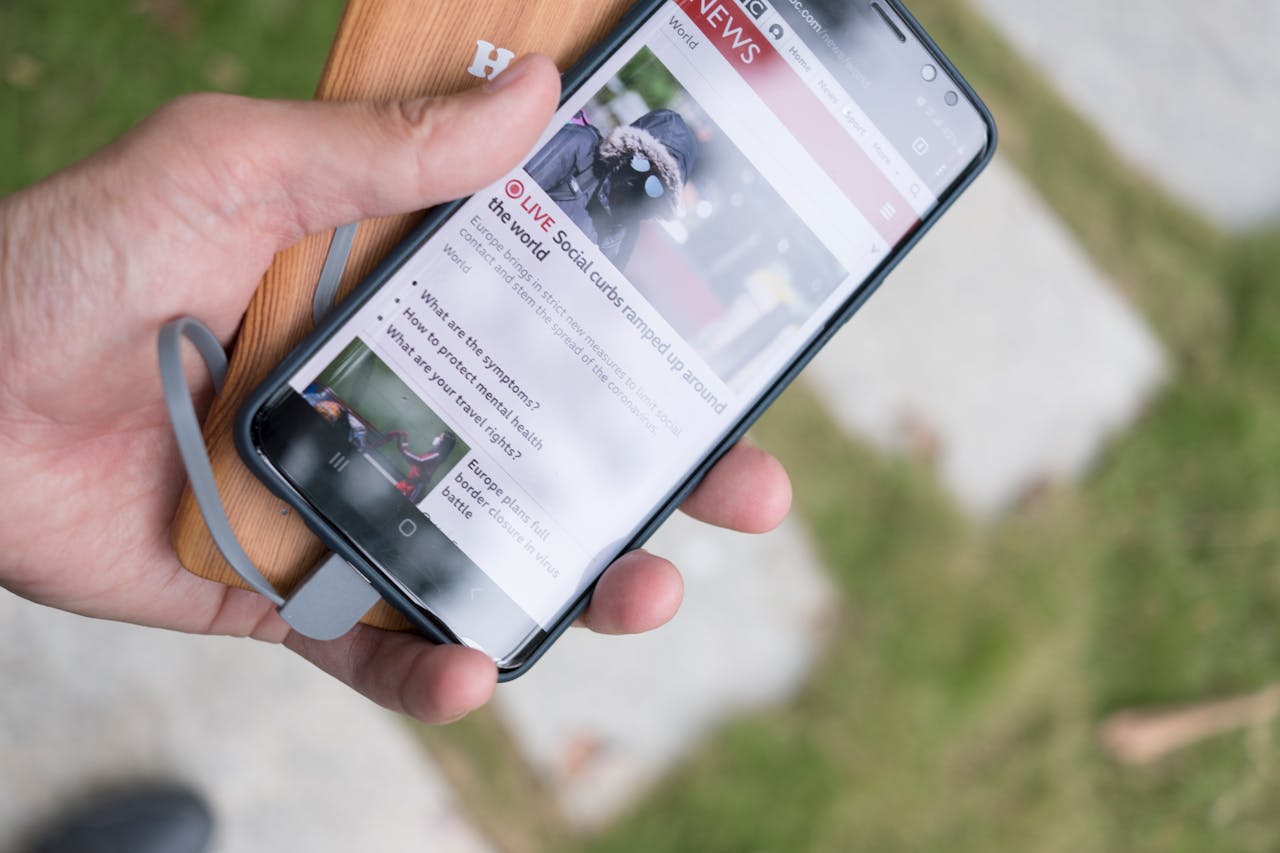
Battery wear rarely comes from one dramatic mistake. It builds from small routines that add heat and high-voltage stress to lithium-ion cells. Overnight charging is the classic example: the phone spends long hours near full while background tasks sip power and the charger tops it back up, again and again. A case, bedding, or a warm room can raise temperature further. Modern phones try to slow the final stretch, yet the habit still nudges capacity down over months. Gentler charge ranges and cooler setups keep performance steadier. The goal is fewer hot, full hours and more calm, partial refills that match daily life.
Stop The Nightlong 100 Percent Hang

The most wearing habit is letting a phone linger at 100 percent for hours, especially overnight. High charge levels keep the battery at higher voltage, which can speed chemical aging, and the phone may bounce between 99 and 100 percent as it runs background work and then tops back up. A steadier alternative is ending the day around 60 to 80 percent, charging in the morning, or unplugging soon after reaching a buffer instead of camping at full all night. Many phones offer optimized or adaptive charging that pauses near 80 percent and finishes later, reducing time spent at the top. It often preserves capacity longer.
Live In The 20 To 80 Percent Middle

Battery specialists often point to a 20 to 80 percent rhythm as the sweet spot for long-term health. Staying in that middle band lowers voltage stress while still keeping a phone practical for daily use, so the battery does fewer full-to-empty swings over time. A simple habit is topping up in short sessions, then stopping around 80 percent unless a long day demands more range. Battery aging is counted in charge cycles: 100 percent of capacity used across one or several days adds up to one cycle. Partial recharges can feel counterintuitive, but they often add fewer high-stress hours than an everyday trip to 100 percent.
Turn On Optimized Charging And Limits

Phones now include battery-protection features that make good habits easier to keep. On iPhone, optimized charging can learn routines, charge quickly to about 80 percent, then slow and finish closer to the usual unplug time, reducing heat and stress. Similar options appear on many Android devices as charge limits or adaptive modes. Some models also allow a hard cap at 80 percent, trading a little runtime for slower capacity loss over the phone’s life. When overnight charging is unavoidable, these features shorten the hours spent near full and keep charging gentler during the final stretch. They help limit heat spikes.
Treat Heat Like A Warning Light
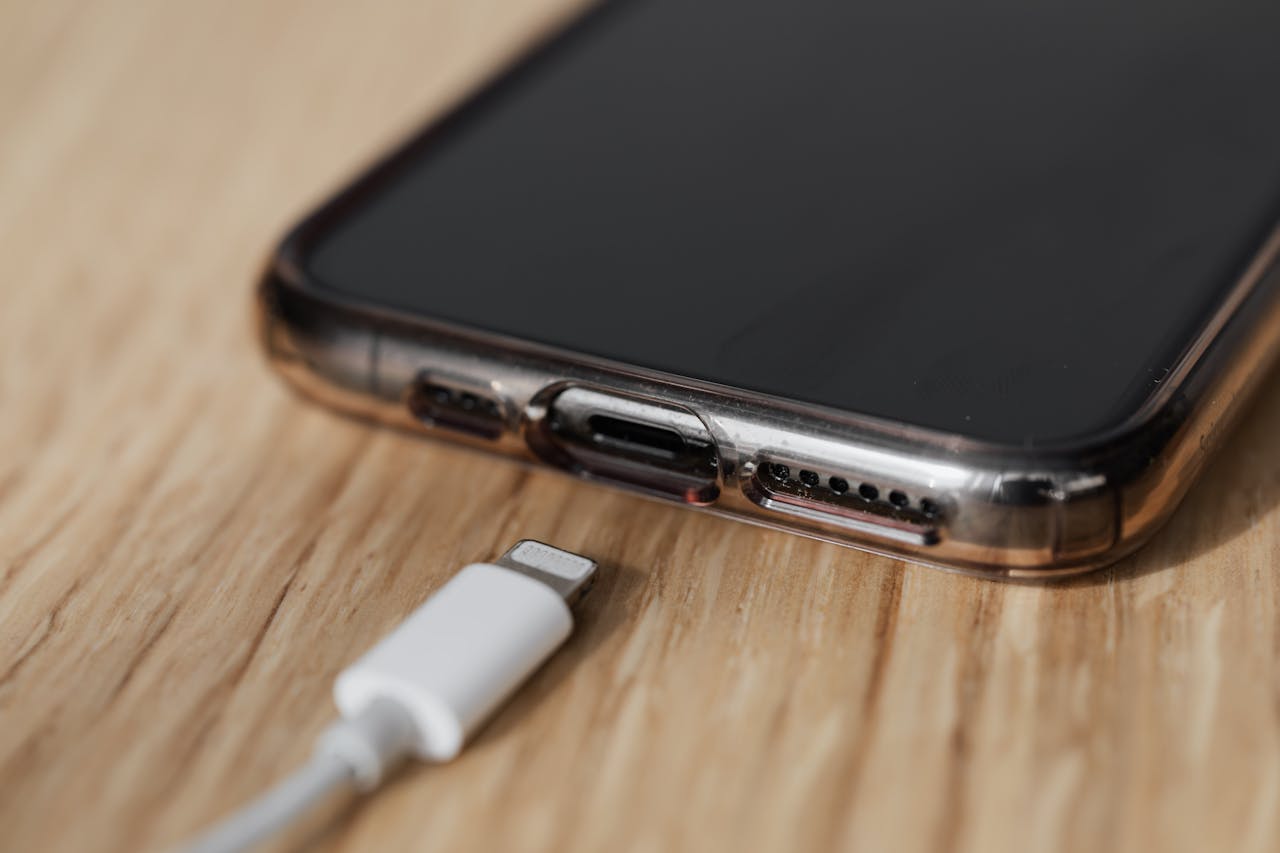
Heat is the battery’s quiet enemy, and overnight charging often happens in the worst places for cooling. A phone tucked under a pillow, wedged into bedding, or left on a sunny windowsill can warm up while it tops off, and warm cells age faster. The better setup is open air on a hard surface, with the case removed if it traps heat. Wireless pads and fast chargers can add warmth, too. A slower charge in a ventilated spot usually leaves the battery calmer by morning. Temperature is an easy check: if the device feels hot to the touch, charging should pause until it cools. Small cooling habits compound over months at home.
Avoid Heavy Use While Charging

Charging while a phone is doing heavy work can stack two kinds of stress at once: heat from power draw and heat from charging. Navigation, gaming, video calls, and fast downloads can warm the device, and warm batteries tend to degrade faster. A calmer approach is charging first, then using the phone, or sticking to light tasks while it tops up. Lower brightness and removing a thick case helps cooling. If the phone feels hot, a short pause often protects the battery more than squeezing out a few extra percent. Heat spikes are common in cars and sun, so charging there works best in shorter bursts when possible. Daily.
Save Fast Charging For Short Bursts
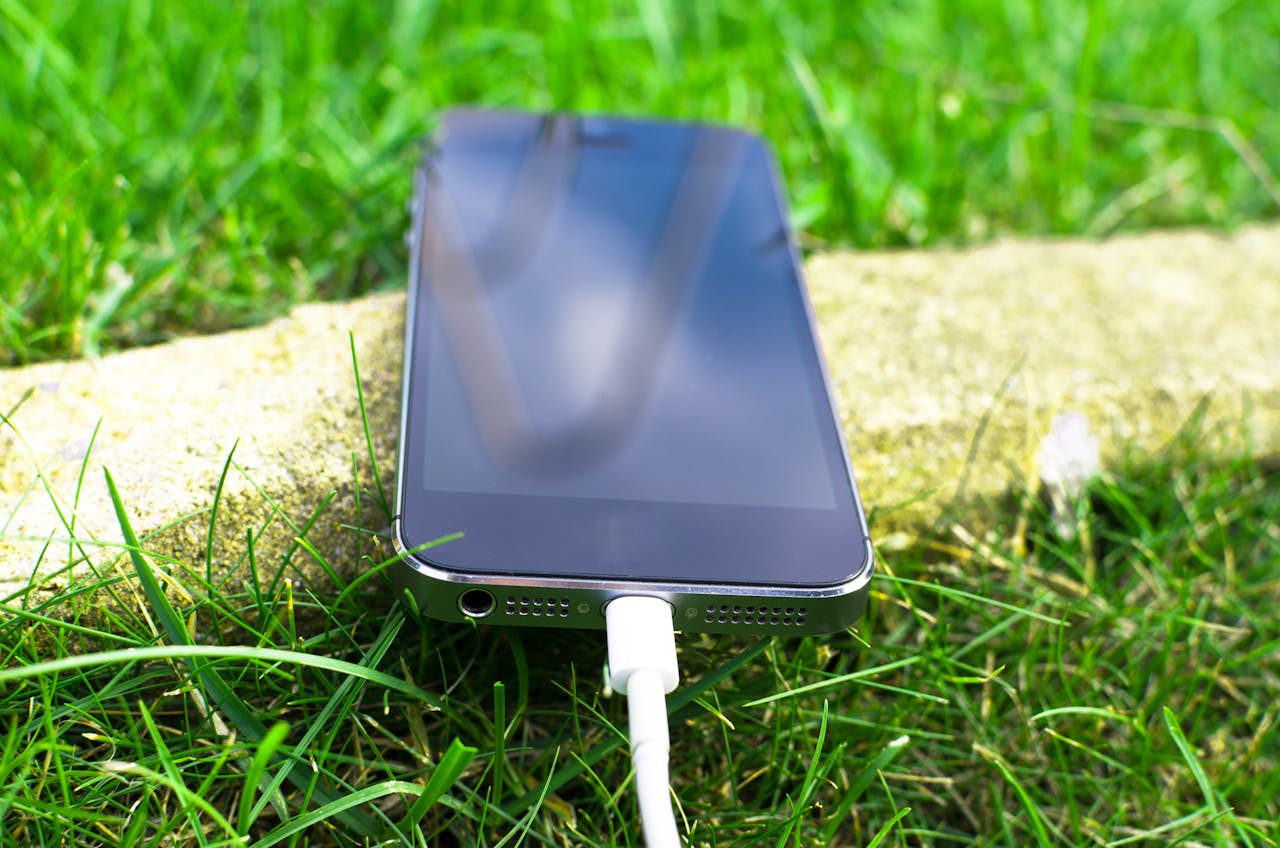
Fast charging is convenient, but it can raise temperature and keep a battery under higher stress, especially when combined with a full overnight top-off. Many phones support mixed strategies: fast charge for a quick boost, then switch to a lower-power charger for long stretches. For overnight needs, a standard 5W to 12W adapter, a good cable, and a cool surface often beat a high-watt brick or a warm wireless pad. Reliable accessories also help keep temperatures predictable. The best setup is boring: steady power, minimal heat, and a stop around 80 to 90 percent unless extra range is truly needed the next day. Often.
Stop Chasing 0 To 100 Percent Cycles

Letting a phone hit 0 percent and then charging straight to 100 percent feels like good housekeeping, but it can be rough on lithium-ion cells. Deep discharges are stressful, and frequent full recharges keep the battery at higher voltage for longer. A gentler rhythm is plugging in before the battery gets very low, then stopping short of full when possible. Modern phones do not need 0 to 100 percent runs for everyday accuracy, so that ritual is optional, not required. An occasional full cycle for troubleshooting is fine, but most days benefit from small top-ups that keep the battery cooler and less stressed overall.
Let The Phone Rest Overnight
Overnight charging becomes harsher when the phone never truly rests. Notifications, backups, updates, and noisy apps can keep it waking, draining a little power, then triggering another top-up at high charge. Simple settings can calm that cycle: scheduled Do Not Disturb, disabling always-on display overnight, or limiting background refresh for the worst offenders. Stable Wi-Fi can also cut drain and heat. Less overnight activity means fewer micro-charges and less time spent warm at the very top. Some people shift heavy updates and backups earlier, so the phone can cool down before it reaches its highest charge level.