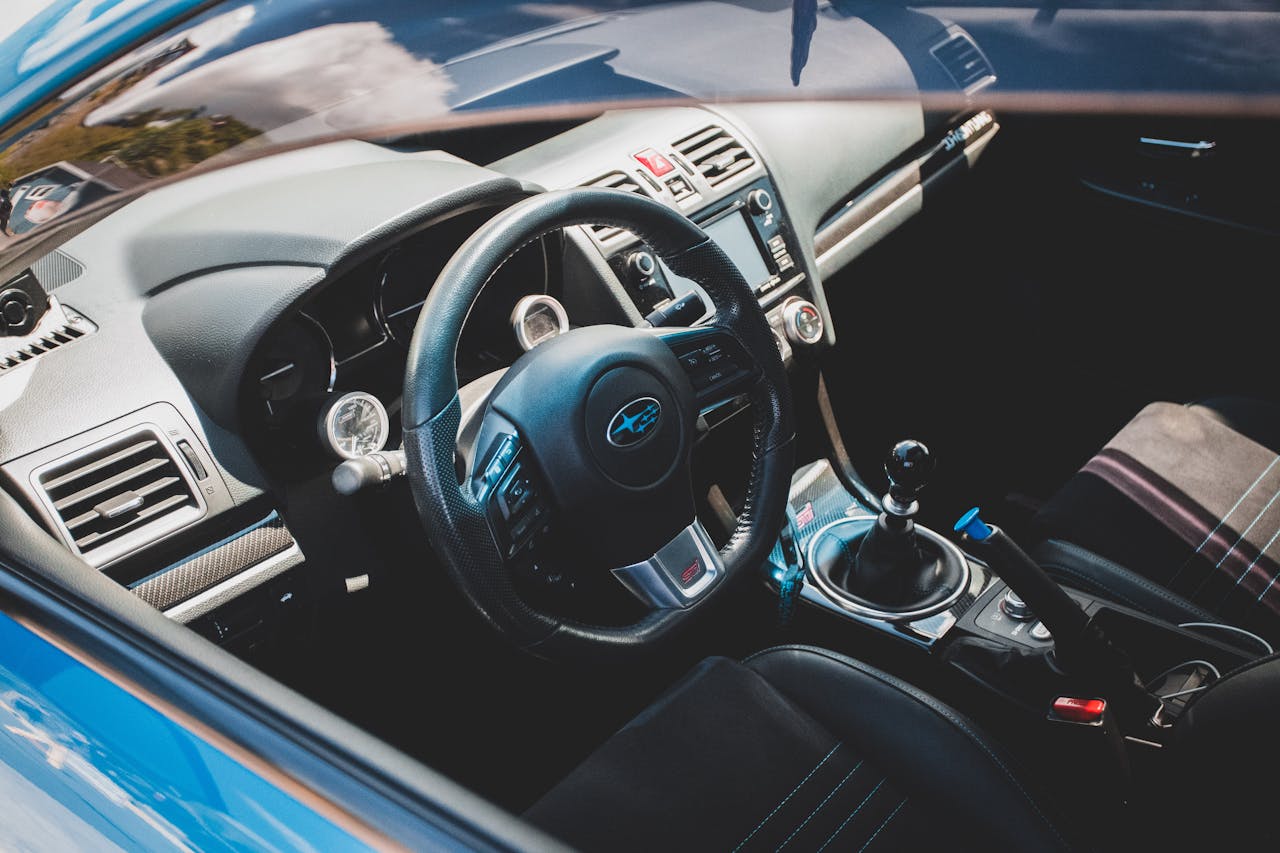
A car can feel like a small moving room, and rooms collect evidence of busy weeks. Receipts slip under seats, cords knot in the console, and half-used wipes multiply in the door pocket. The clutter is rarely dramatic; it is the quiet accumulation that makes every errand feel heavier. An instant reset restores calm, clears safer sightlines, and brings back the feeling of control at the wheel. Most of the payoff comes from removing a handful of repeat offenders, then giving the essentials a single home so the cabin stays easy to read. With a timer set for 20 minutes, the change can feel immediate. No special tools required.
Obvious Trash

Start with what is already expired: fast-food wrappers, old receipts, straws, sauce packets, gum and tissue bits, plastic utensils, and empty bottles that roll into footwells. Professional organizer Sarit Weiss of Neat & Orderly points out that these visible leftovers create instant visual noise, and they migrate into door pockets, cup holders, and under-seat corners over time. Removing them first makes the cabin feel lighter, cuts down on smells, and prevents slippery debris from shifting under pedals, rattling in storage bins, or becoming a distraction during merges, turns, and quick lane changes in traffic. Daily.
Extra Charging Cords
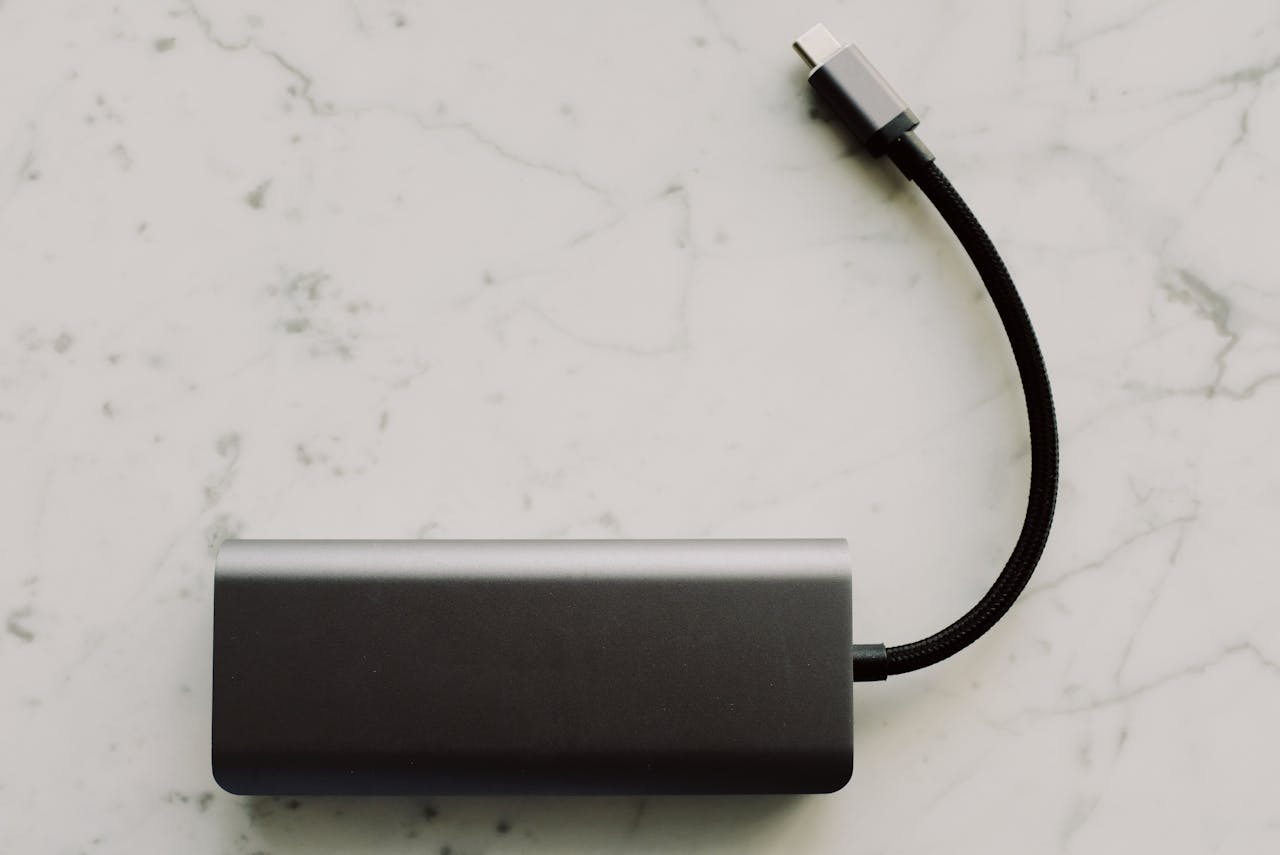
A center console full of tangled cables turns a simple drive into a small scavenger hunt, especially when old connectors, car chargers, and mystery adapters pile up from past phones. Organizing expert Elsa Elbert of Composed Living suggests keeping the one cord that fits the current phone and removing the rest, rather than letting duplicates knot into a permanent pile. With one primary cord and one backup stored neatly, the cabin looks calmer, cup holders stay usable, and loose wires stop snagging around shifters, seats, and handbrakes while also reducing the temptation to fiddle mid-drive. That alone feels cleaner.
Out-of-Season Gear

Trunks often become storage for a past season: beach chairs, sandy blankets, goggles, a leaky sunscreen bag, and a portable cooler that never quite gets emptied. Professional organizer Shaniece Jones advises removing seasonal outdoor items once the weather turns, because bulky gear steals space and makes the trunk feel chaotic even when the cabin is tidy. Clearing it out resets the trunk to its real job, reduces musty odors, prevents damp fabric from lingering, and makes it easier to pack groceries, sports bags, or a spare tire kit without playing trunk Tetris, especially on busy weekdays. Order returns fast. Too.
Loose Change Everywhere
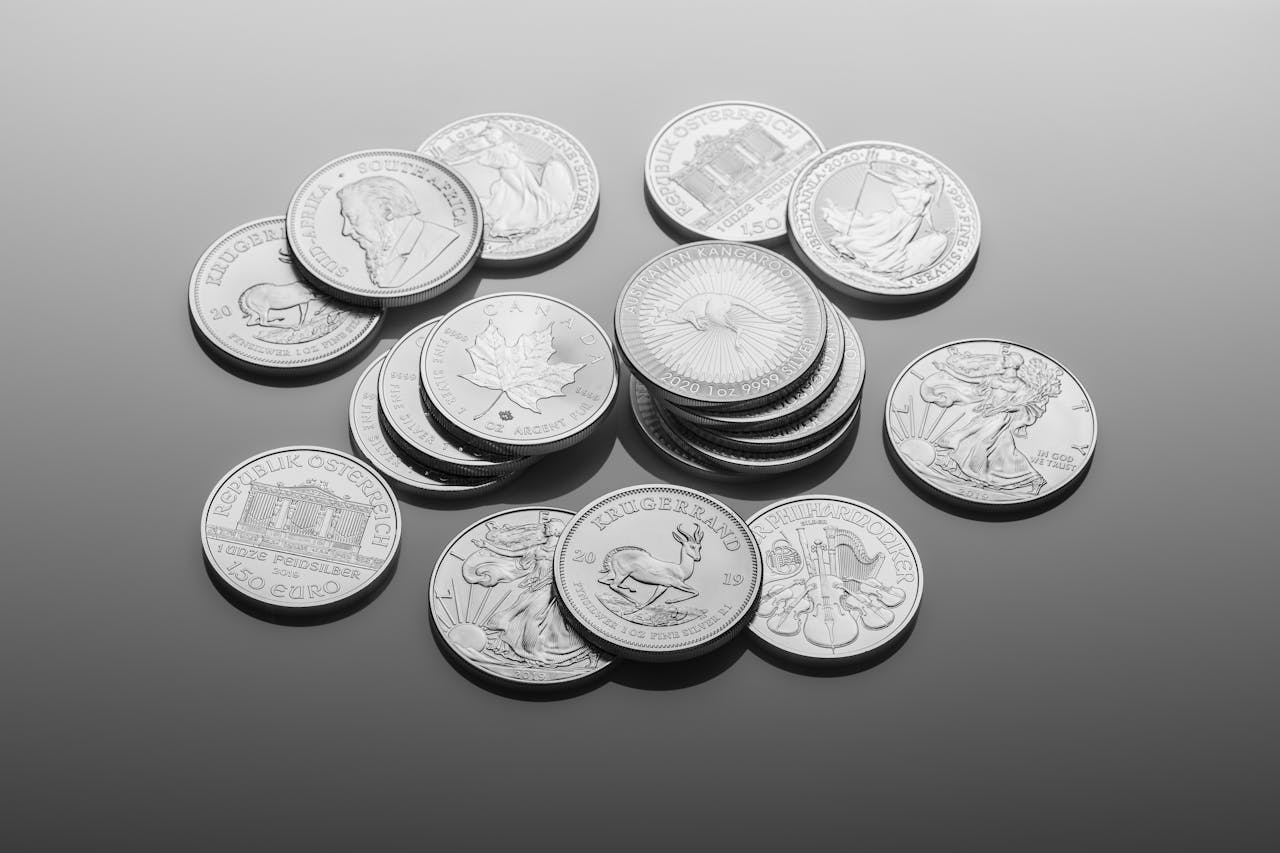
Loose coins look harmless, but they spread into every crevice, clinking in cup holders, sliding into seat tracks, and collecting grit that scratches plastic trim over time. Elsa Elbert suggests corralling change and a few bills in a small jar or container, then clearing it out occasionally, since pennies rarely earn a parking spot anymore and meters often take cards. Dumping the overflow resets the console, quiets the ride, and prevents coins from spilling onto the floor during turns, where they roll under mats, jam against rails, and add one more small, nagging distraction in traffic. Calm feels audible. Again. Now.
Overdue Drop-Off Items

A car becomes a holding zone for errands that never happen: library books, store returns, borrowed tools, and a jacket meant to be handed back. Professional organizer Melissa Gugni suggests treating these as action items, not storage, and moving them out promptly so they stop living in the back seat, shifting in turns, and turning every ride into a reminder. Once the drop-offs are gone, the cabin feels open again, items are less likely to get damaged by sun or spills, and there is room for real-life needs like car seats, groceries, or a coworker squeezed in after a long day. Momentum comes back. Fast, too. This week.
Donation Bags in the Trunk

A donation bag has good intentions, but it can linger in the trunk long past the moment it was packed, slowly becoming part of the car’s baseline clutter. Melissa Gugni points out how easily donations can languish, taking up space, shifting around at every stop, and inviting more loose items to collect beside it until the trunk feels permanently full. Removing the bag restores real cargo room for groceries and gear, keeps fabrics from picking up car odors, and delivers a small emotional win: one unfinished task finally leaving the vehicle for good, which makes the next cleanup feel easier and more likely to stick.
Outdated Paperwork

Glove boxes attract paper like magnets: old insurance cards, expired registration copies, service invoices, parking stubs, and stacks of receipts that never get reviewed. Elsa Elbert recommends recycling outdated paperwork and keeping only what is current and legally useful, because hunting through a paper pile adds stress during an already tense moment, such as a breakdown or a traffic stop. After the purge, the glove box closes easily, essential documents are easy to spot, and there is less temptation to keep stuffing new papers on top until everything becomes a wrinkled mystery stack. Order feels practical. Again.
Too Many Reusable Bags
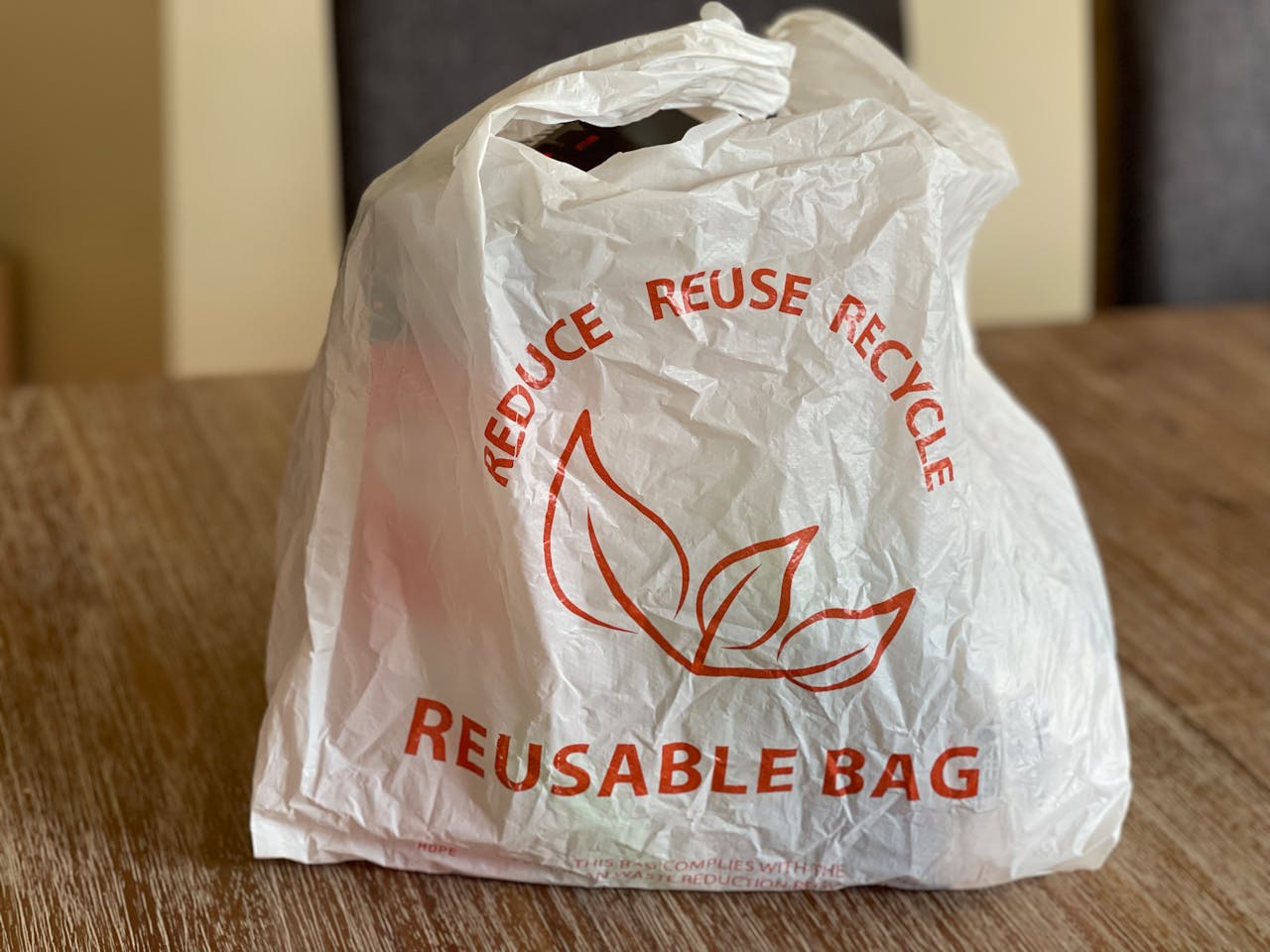
Reusable grocery bags are a smart habit, but a trunk full of them becomes its own clutter problem, especially when random totes, ripped bags, and promo sacks multiply. Elsa Elbert suggests scaling down to a few dependable bags and nesting them inside one bag so everything stays contained, easy to grab, and not scattered across the cargo area. With the extras removed, the trunk is easier to load, bags stop spilling into the cabin, and there is less rummaging at checkout, which keeps the routine calm and prevents buying yet another bag out of frustration while also freeing space for real cargo. Small change, big relief.
Dried-Out Sanitizers and Fresheners

Door pockets often hide a little graveyard of products: mostly-empty hand sanitizers, dried-out wipes, tiny lotion tubes, and spent air fresheners that stopped freshening weeks ago. Shaniece Jones recommends checking these items and tossing anything dried out or nearly finished, since there is no need for more than one of each in the cabin, and half-used bottles can leak in heat. Removing the extras frees storage for essentials, cuts down on overpowering scents, and prevents sticky residue from building up on plastic surfaces, cup holders, and console seams, making the interior feel clean rather than cluttered. Quietly.
Dried-Out Pens
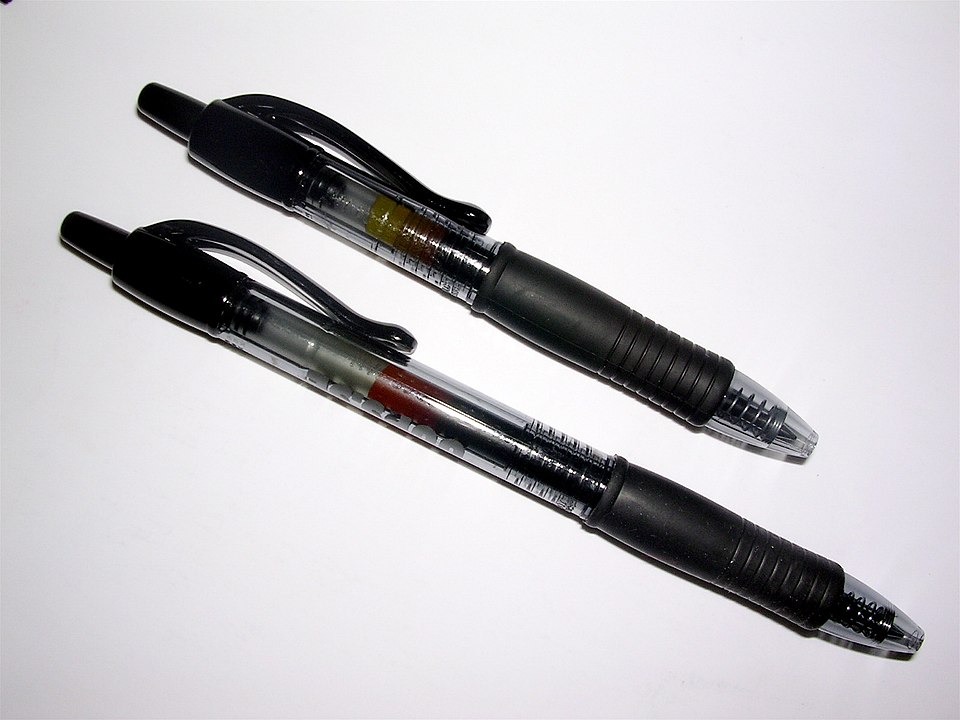
Cup holders and door bins can turn into a pen stash, even though most of the ink has already quit and the rest are one cap away from leaking. Organizers suggest keeping one or two reliable pens and removing the dried-out ones, then donating extras that never get used, because a pile of pens reads as clutter more than preparedness. A pared-down set prevents stray ink marks on upholstery, leaves room for essentials like a tire gauge or small flashlight, and ensures that when paperwork matters, such as an accident form or delivery receipt, a working pen is easy to find without digging. Less clutter, more readiness. Always.