
Home inspectors are flagging a quiet problem inside walls and crawlspaces: plumbing parts that should last for decades are wearing out early. Instead of the 40 to 60 year lifespans many owners assume, some pipes and fittings corrode, split, or leak in as little as 10 years, often out of sight. In homes renovated in the last half century, the trouble is frequently not the long pipe runs, but the connectors that hold everything together. When those small parts fail, the aftermath can mean soaked drywall, repairs on short notice, and insurance paperwork. Clear identification helps owners plan monitoring or replacement.
Why Fittings Became the Weak Link
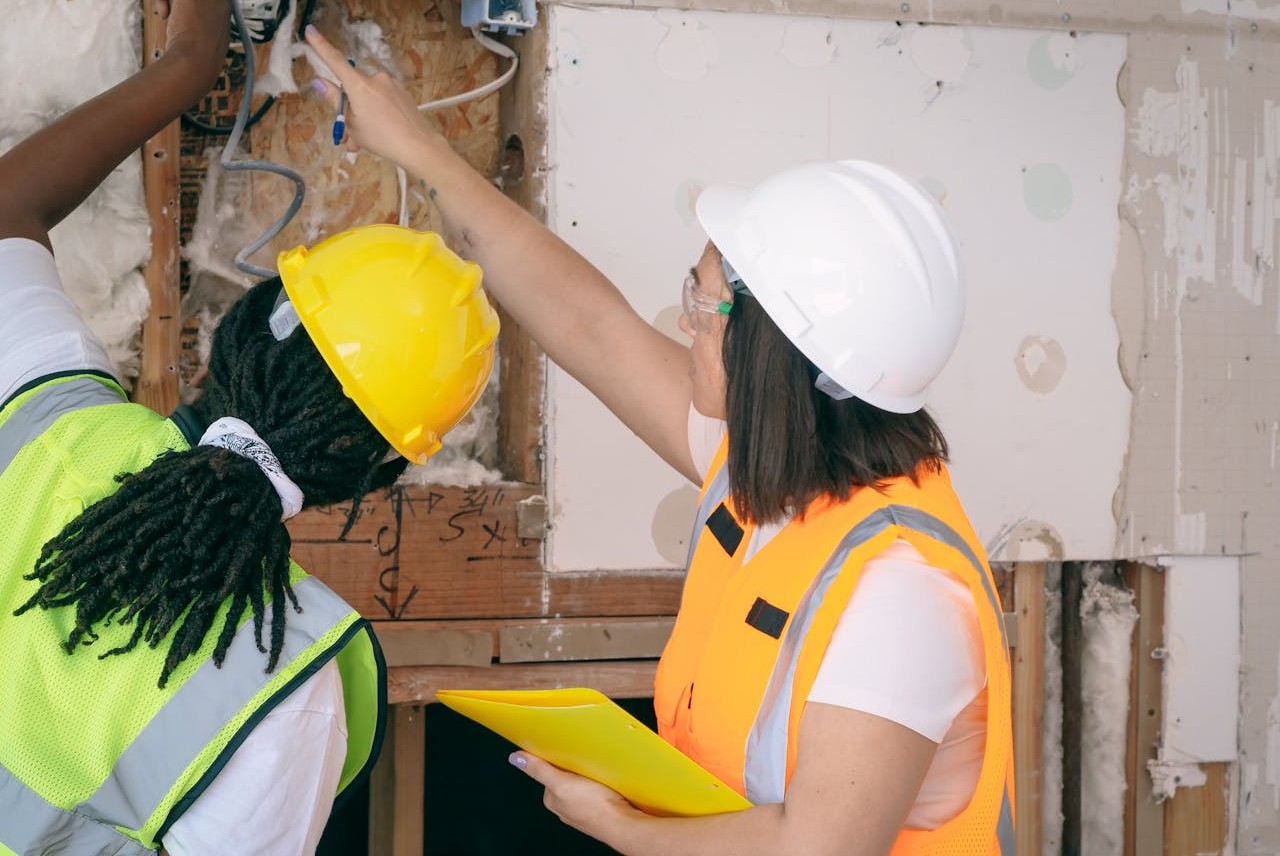
Long runs of tubing can look fine for years, yet inspectors keep tracing leaks back to elbows, tees, manifolds, and shutoffs tucked into tight cavities.
Those connectors concentrate heat, vibration, and pressure, and they also collect mineral scale. They sit closest to fixtures and appliances, so they see more on-off cycles than a straight run buried in framing. Under-sink cabinets and mechanical closets often show the first stains.
That repeatable map of moisture is why many reports now name fittings first and pipe second, especially after cold snaps when seepage shows up as warped trim, damp insulation, and water lines on wood.
Dezincification Turns Brass Porous

Inspectors often point to certain yellow-brass fittings as the material failing early, even when the plastic pipe around them stays flexible and clean.
In aggressive water, zinc can leach out of some brass alloys, leaving a weakened, porous structure. The surface may show pinkish patches or a chalky look, while the inside sheds gritty corrosion that can clog aerators and valves. Over time, the metal can lose strength at threads and sharp corners.
Because fittings sit at tees, shutoffs, and manifolds, one vulnerable batch can scatter small leaks through a single zone. Warm lines and recirculation loops can speed up the breakdown.
Hot Water Lines Take the Hardest Hit
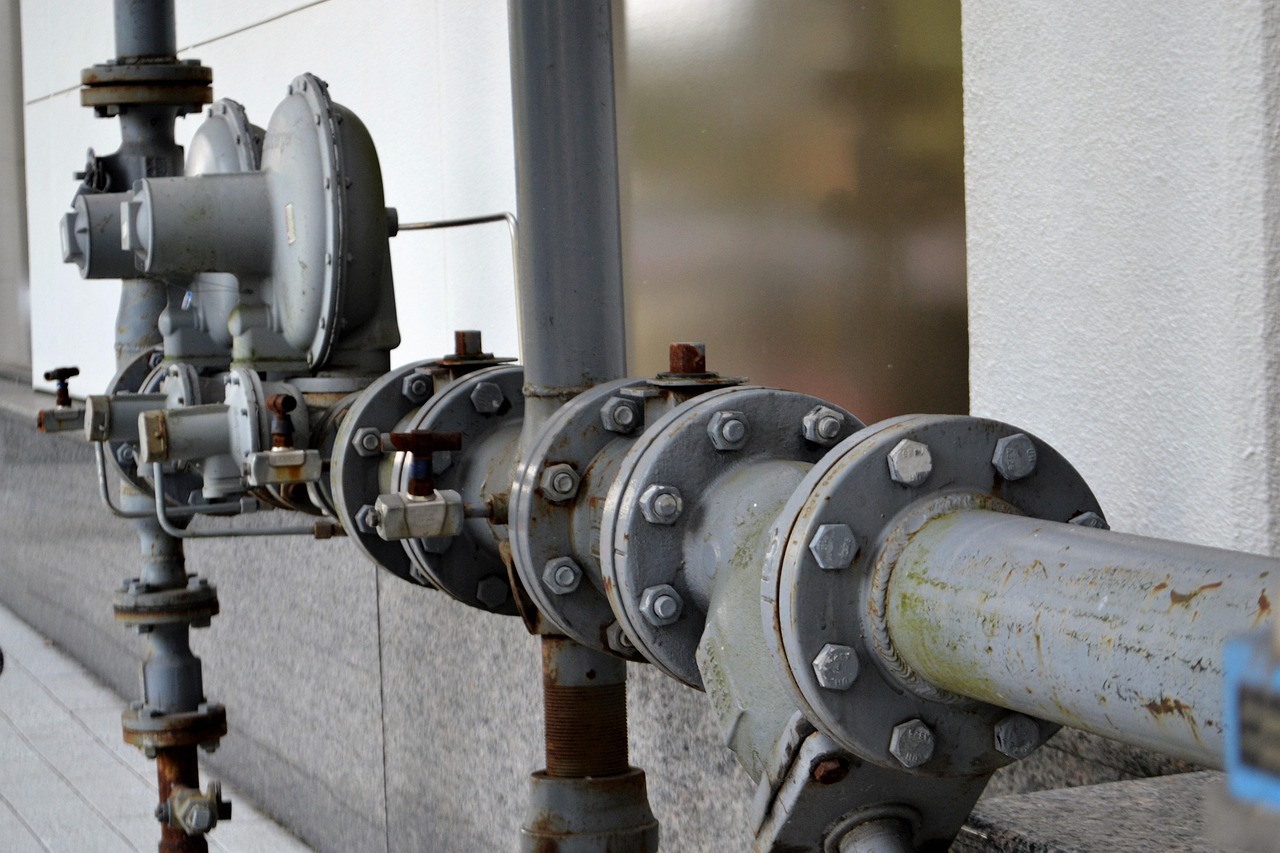
Premature failures show up most often on hot water branches, where higher temperatures speed up chemical reactions and stress tiny parts at joints.
Inspectors see trouble near recirculation loops, water heaters, and mixing valves, where constant heat cycling works like a slow bend on metal. Seals, o-rings, and crimp points can relax over time, especially when lines rub framing or hang unsupported.
Leaks here often arrive in episodes: a damp ring, a brief drip, then silence. That stop-and-start rhythm can stretch for weeks until cabinetry swells, ceiling paint blisters, or a valve at the first tee above the heater lets go.
Chlorine Exposure Can Age Systems
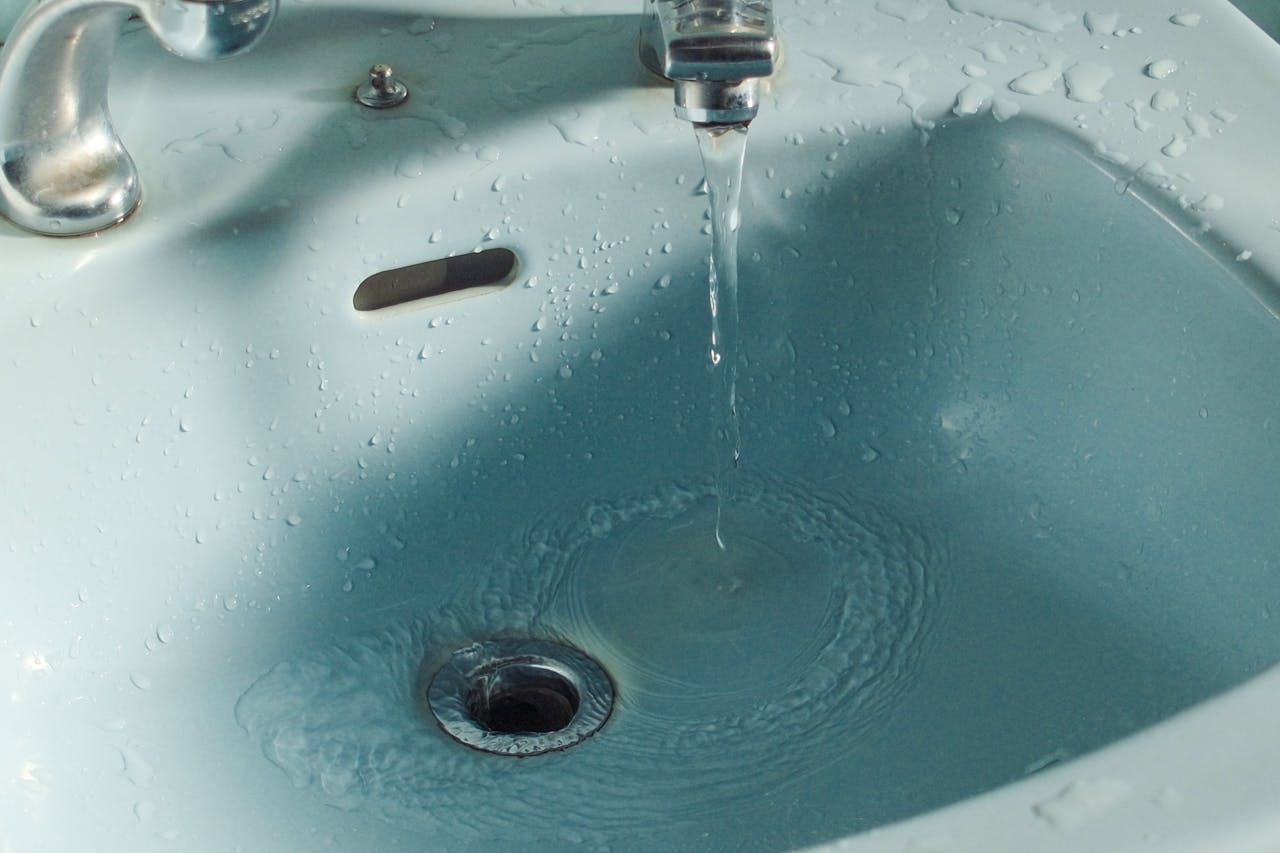
Municipal disinfectants keep water safer to drink, but inspectors note that long exposure can be rough on some plumbing components, especially when heat and pressure stay high.
Technical reviews of modern plastic systems describe failures tied to chlorine, elevated temperatures, and even UV exposure before installation, such as coils left in sunlight on a job site. Each factor alone may be manageable; together they shorten margins.
The result can be tubing that still looks normal while a fitting, clamp, or seal quietly weakens. Inspections focus on the junctions because that is where chemistry and stress meet first.
Early Clues Hide in Plain Sight
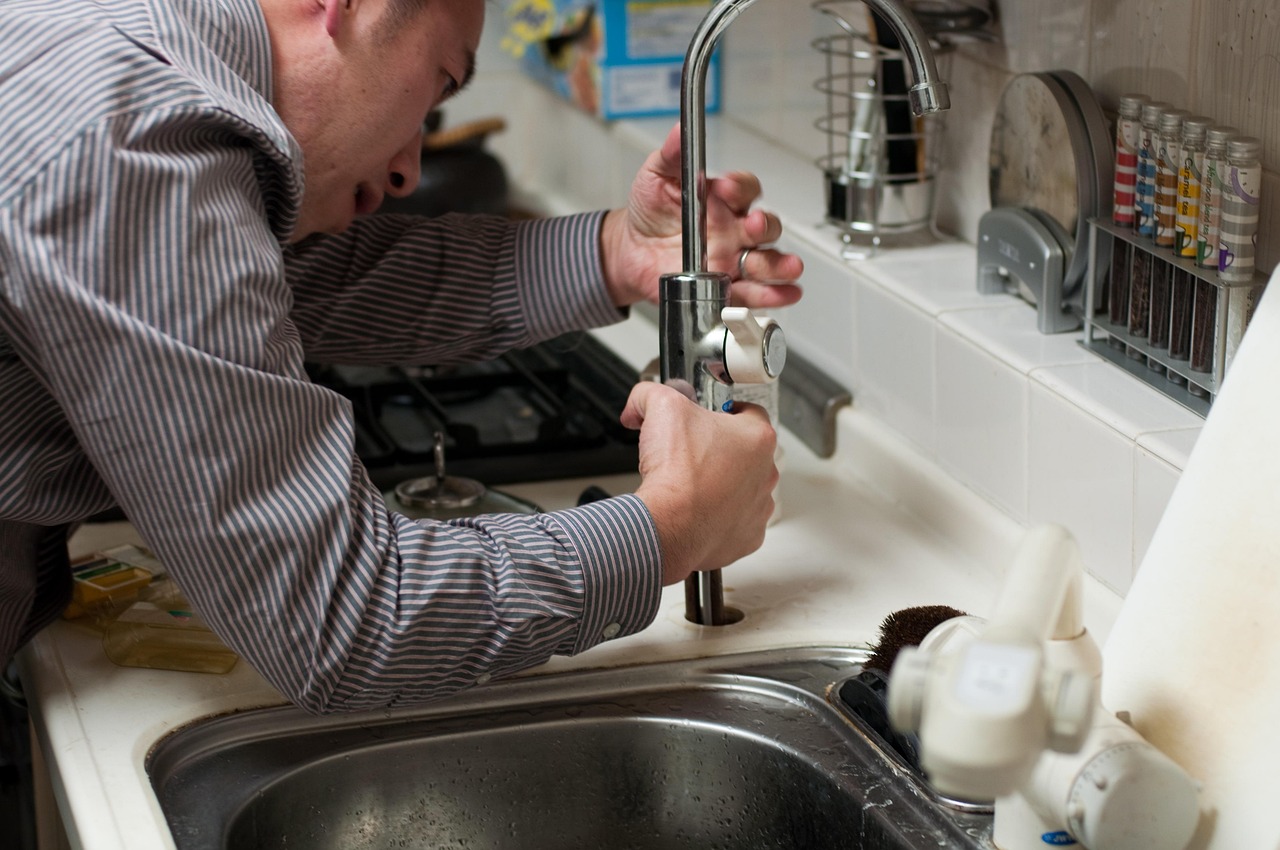
When a plumbing material is failing early, the hints can be subtle: a white crust at a joint, greenish staining, or a faint hiss that stops when flow ends.
Inspectors also watch for pressure changes, discolored water at a single fixture, or repeated aerator clogs that suggest corrosion shedding upstream from a fitting. A moisture meter may read high in a cabinet corner even after the surface feels dry.
Because many leaks begin as slow seepage, clues are often indirect. Cupped baseboards, a stale odor, soft drywall seams, tiny paint bubbles near ceilings, and darkening along a cabinet toe-kick can matter as much as a visible drip.
Clusters of Leaks Point to Design Choices
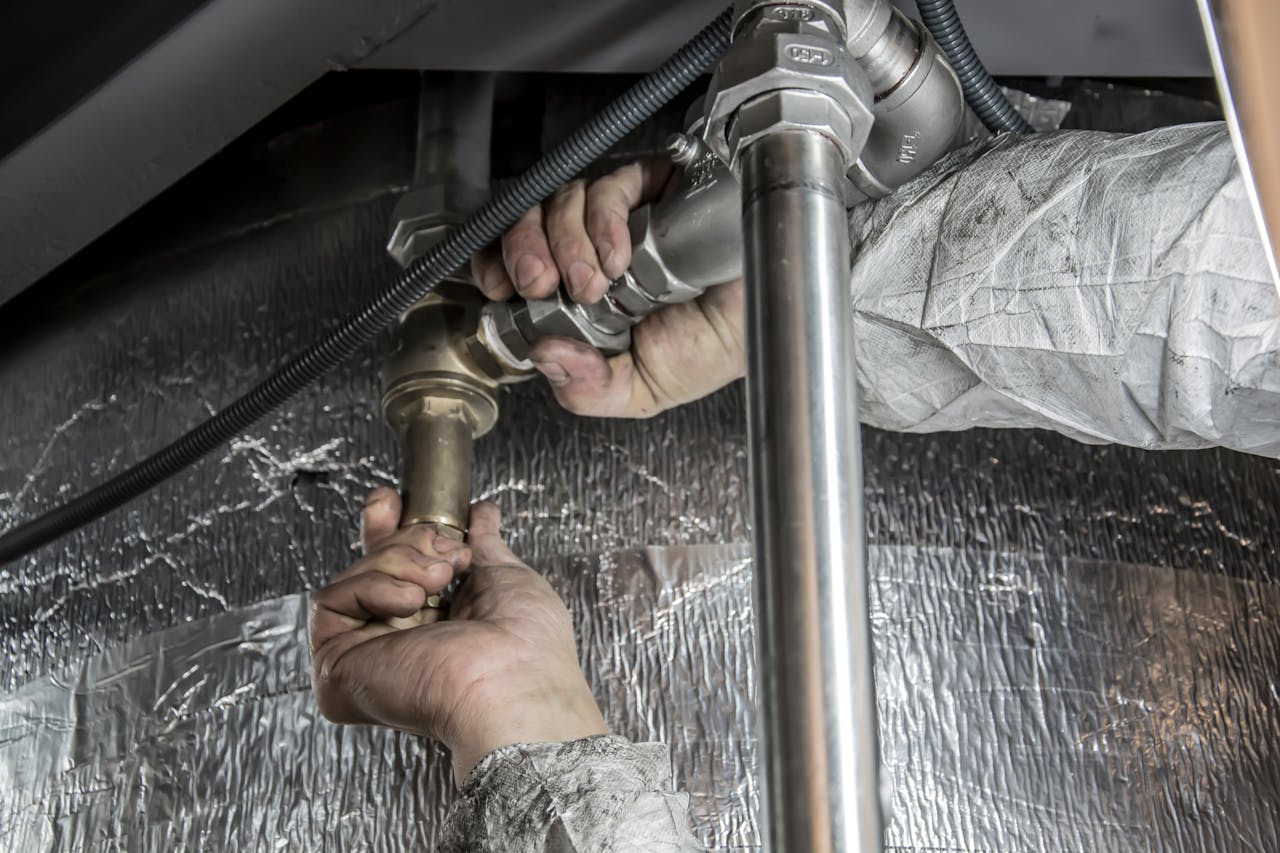
One leak can be bad luck, but clusters in the same hallway bath, laundry wall, or mechanical closet often signal a shared weak part or repeated installation choice.
Fittings are concentrated where lines change direction, split to fixtures, or connect to manifolds, so layouts that stack many joints in one cavity raise the odds of repeat failures. Inspectors document these clusters because the pattern repeats across unrelated houses.
Matching corrosion on multiple shutoffs, similar wet spots, and repairs that seem to hop joint to joint within a year point to a system issue, not a one-time mistake by one contractor or crew.
Polybutylene Still Lingers in Older Walls
For houses built or replumbed from the late 1970s to the mid 1990s, inspectors still flag polybutylene, often gray or blue pipe marked with PB codes.
It spread fast as a cheaper alternative to copper, but it reacted poorly with typical water treatment, leading to internal flaking and stress cracking that can rupture behind finished walls. The outside can look fine right up to the moment it splits.
Because failures can be sudden and hidden, many inspectors recommend budgeting for full replacement and discussing insurance terms early, rather than chasing isolated repairs that leave the rest of the system aging in place.
Monitoring and Replacement Reduce Shock

Even with a suspect material in the walls, inspectors emphasize that planning beats panic, since early leaks tend to be small, hidden, and easy to dismiss.
Simple steps help: leak sensors near water heaters, periodic checks of accessible joints, and a short log of dates, photos, and repairs. That record supports insurance conversations and helps a plumber see patterns, not isolated events.
When risk is confirmed, professionals weigh targeted fitting upgrades against a full repipe. Choices often come down to access, budget, and how much disruption a household can tolerate during repeated openings in drywall and ceilings.