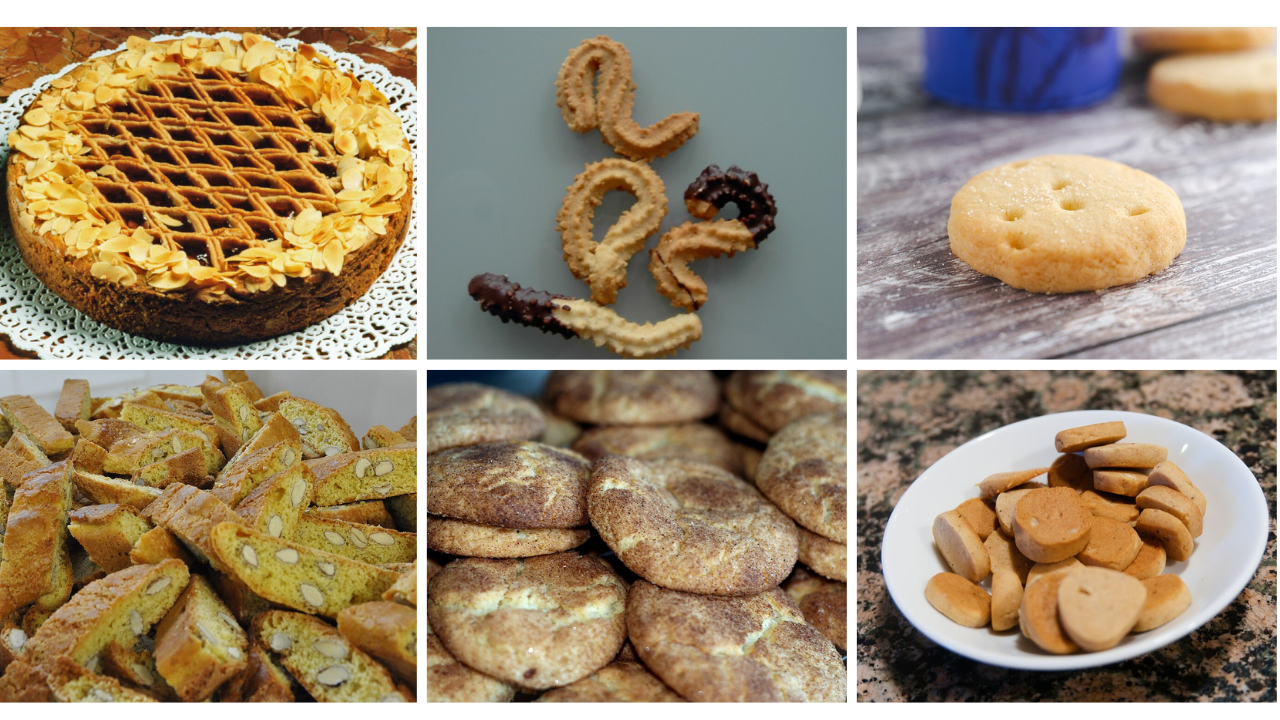
Holiday cookies rarely arrive as mere recipes. They travel as stories, carried in suitcases, community cookbooks, and the quiet insistence of tradition. Across Europe and the Americas, winter rewarded ingredients that stored well, spices that felt warming, and sweets sturdy enough for gifting or shipping. Some favorites began as travel food, others as market treats, and a few took shape because a new tool made decoration fast. What survives is more than flavor. It is the memory of who mixed, who rolled, and who stayed up to watch trays brown at midnight. Each cookie on a platter carries a small history of migration, trade, and celebration, wrapped in butter, sugar, and spice. Even the simplest one can feel like home.
Gingerbread People
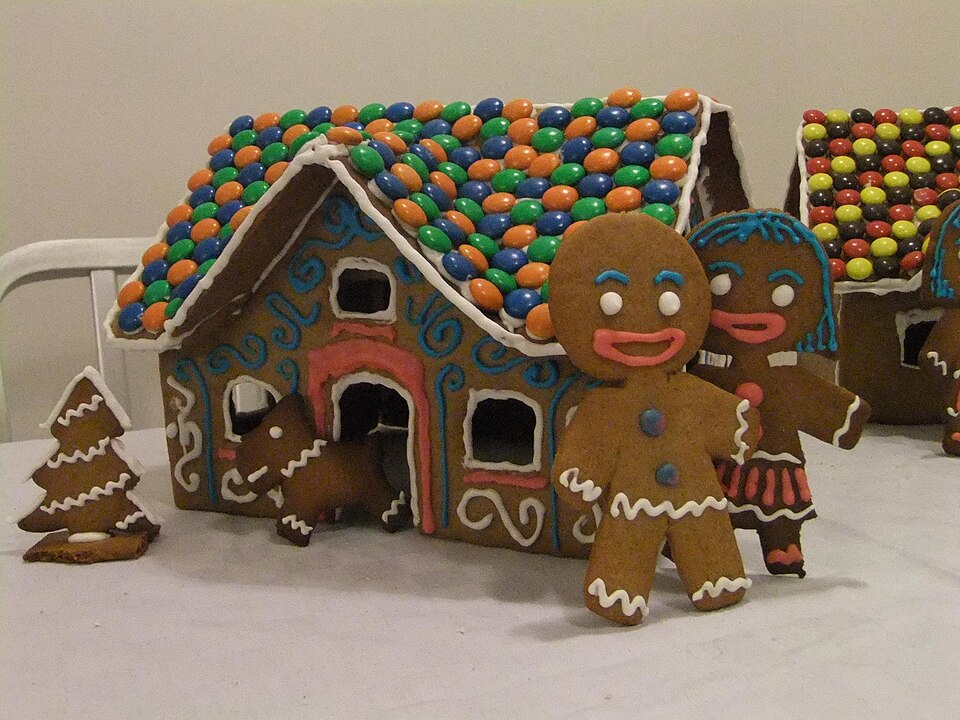
Gingerbread’s holiday fame grew from Europe’s love of warming spices and winter fairs where treats doubled as keepsakes and treats for children. As ginger, cloves, and cinnamon moved along trade routes, bakers found that a dense, honeyed dough could travel, hang on strings, and still taste good days later, which made it ideal for gifting, tokens of luck, and edible décor that survived the trip home. By the 1500s in England, gingerbread sellers were common at festivals, and molded shapes turned baking into folk art, a tradition that later evolved into people, hearts, and storybook houses built to perfume an entire room for days.
Sugar Cookie Cutouts
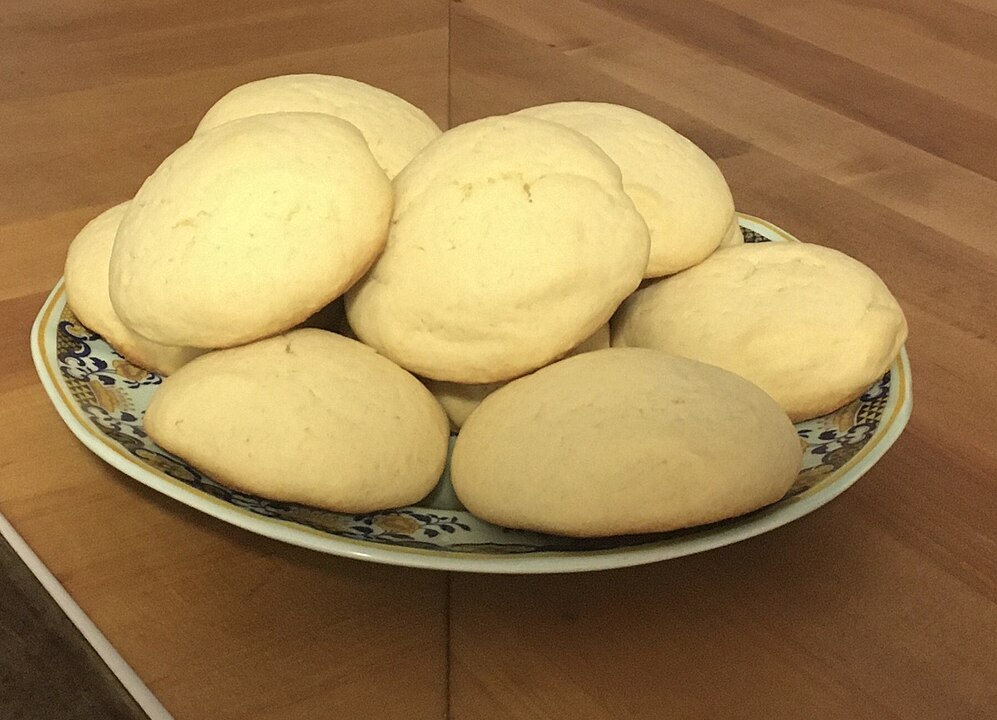
Sugar cookies became a classic because the dough was simple, reliable, and easy to shape, not because it was dramatic or expensive. German Protestant settlers in 1700s Pennsylvania baked plain, sweet biscuits from pantry staples, sometimes forming them into symbolic shapes, and that practical base spread because it scaled well for big households, barn raisings, and community gatherings. As sugar got cheaper and cutters became common, the cookie turned into a winter craft: crisp edges, steady baking, and icing that let each family stamp its own style on the season, from neat piping to playful color in one afternoon.
Snickerdoodles
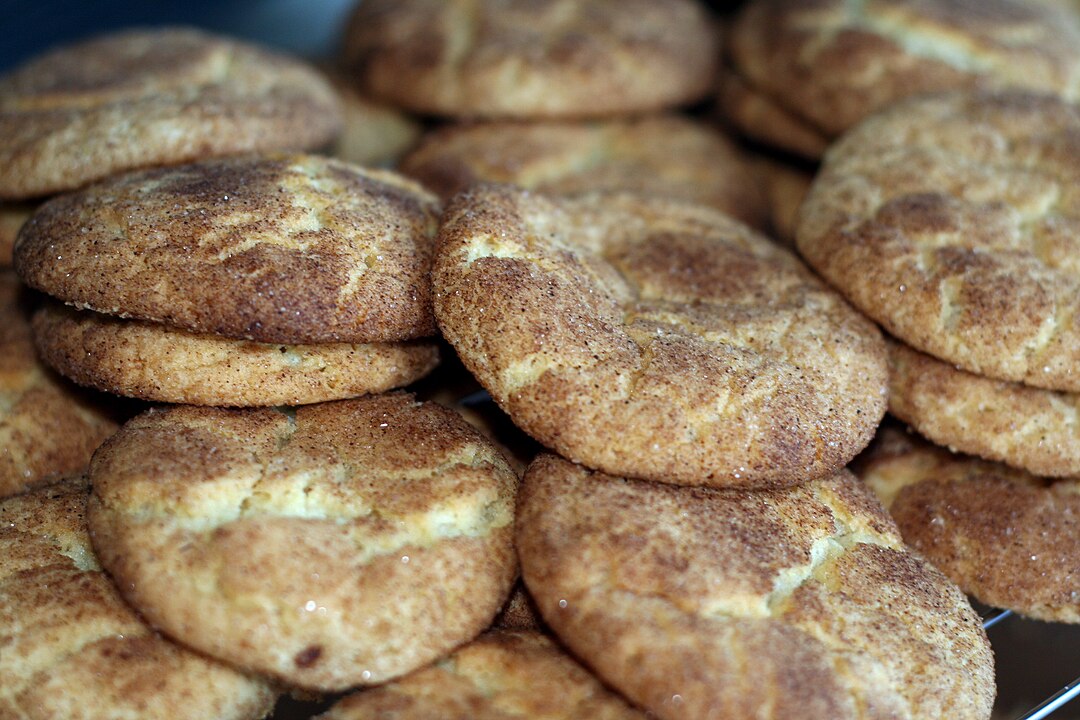
Snickerdoodles carry a mischievous reputation, starting with a name that seems built to make people grin and repeat it out loud. The cookie rose in U.S. popularity in the late 1800s, often linked to Dutch-German baking habits that favored tender dough and warm spice, even as the exact word’s origin stayed fuzzy and delightfully unserious, like a joke that stuck. Cream of tartar adds a gentle tang and helps form the trademark crackled surface, while the cinnamon-sugar coat does the holiday work, turning a pantry bake into something that smells like winter the second the oven door opens, fast and familiar, and cozy.
Spritz Cookies
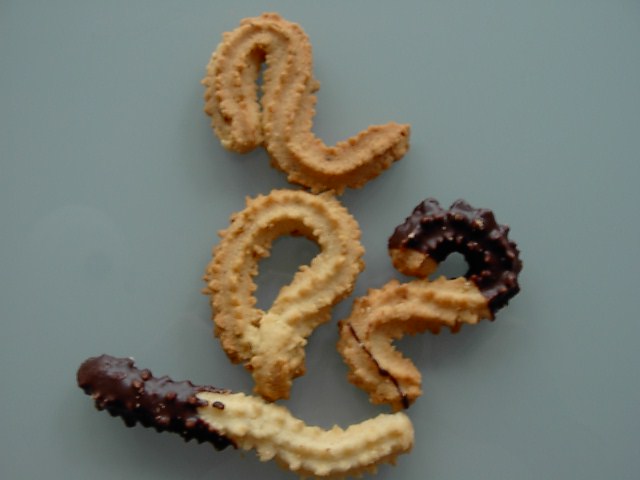
Spritz cookies owe their signature look to a tool, not a complicated recipe, which is why they show up when time is short and expectations are high. In German baking, the idea was purely practical: press buttery dough through a cookie press and let the ridges do the decorating, saving time when trays needed to pile up for guests, gifts, and church socials, and when icing every cookie would have been a marathon. Rosettes, wreaths, and S-curves look festive even before any color appears, and a single batch can mimic a whole assortment, especially once dipped in chocolate or topped with a sugared nut or a pinch of sanding sugar.
Linzer Cookies
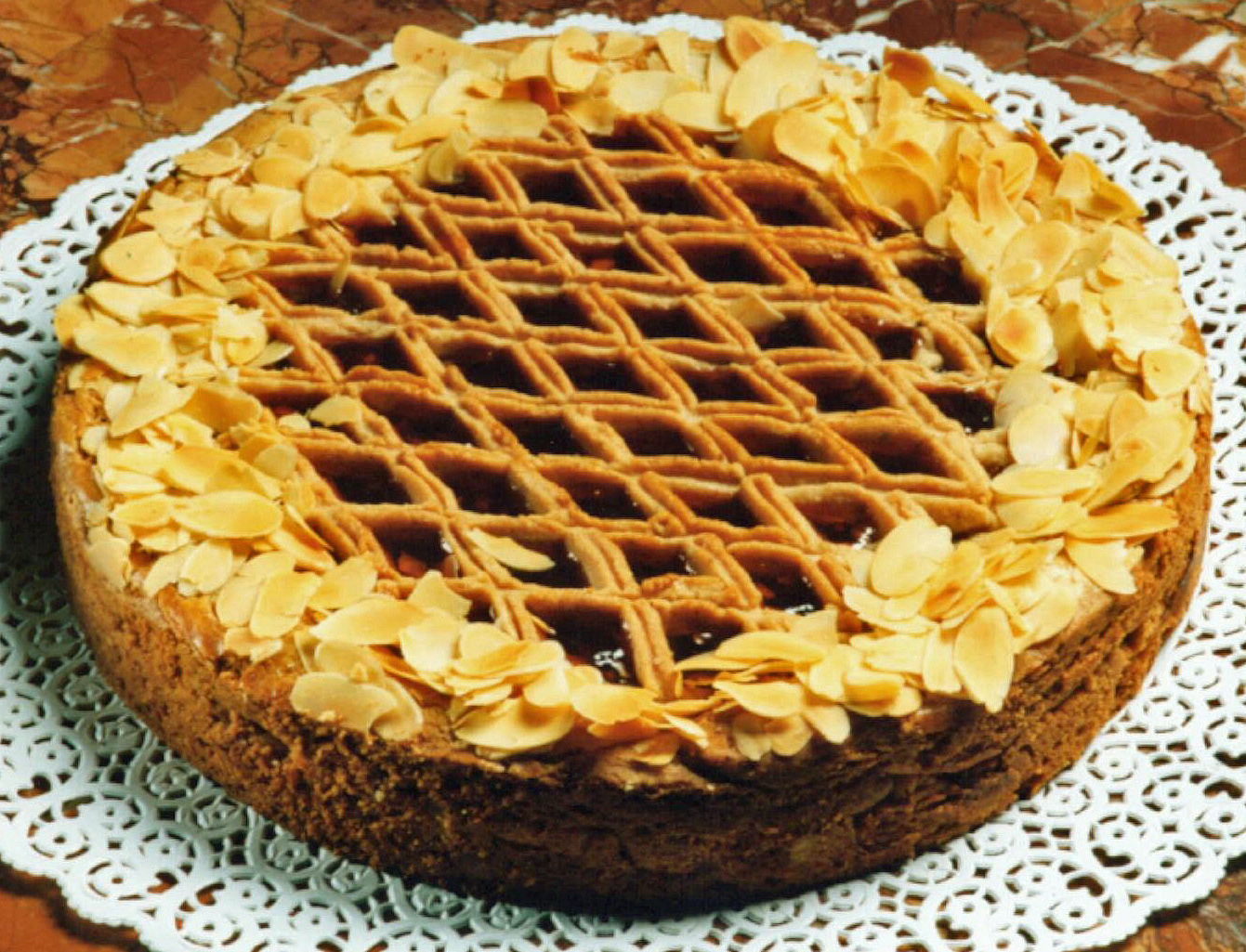
Linzer cookies trace back to Austria’s Linzertorte, a nut-rich pastry layered with fruit preserves and associated with the city of Linz, where baking leaned toward spiced, sturdy doughs. The older torte used a lattice top that held jam in place while letting steam escape, a smart design that also looked celebratory and encouraged tidy slices even when the filling was generous and slightly runny. When bakers miniaturized it into sandwich cookies, the lattice became a cutout window, showing ruby filling under powdered sugar like stained glass, elegant enough for a centerpiece and sturdy enough for tins that travel.
Scottish Shortbread
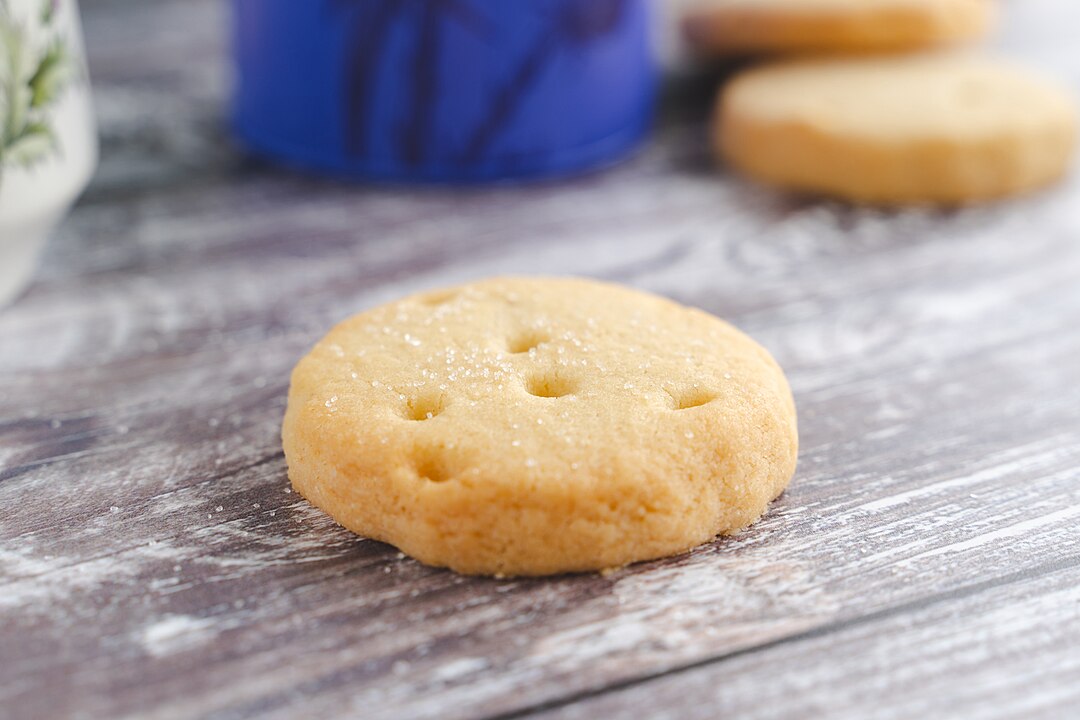
Scottish shortbread started as a clever way to turn modest ingredients into a celebratory bite when butter could be spared, then it became a marker of hospitality. Earlier breads were sweetened and enriched over time, and shortbread became tied to winter holidays like Christmas and Hogmanay, when households served richer foods and gifted baking as a sign of welcome, prosperity, and good manners at the door. The appeal stays direct: butter, sugar, flour, and salt, baked until it snaps and then melts, cut into wedges or fingers that keep well, travel well, and make restraint taste generous with every bite, especially alongside tea.
Pfeffernüsse
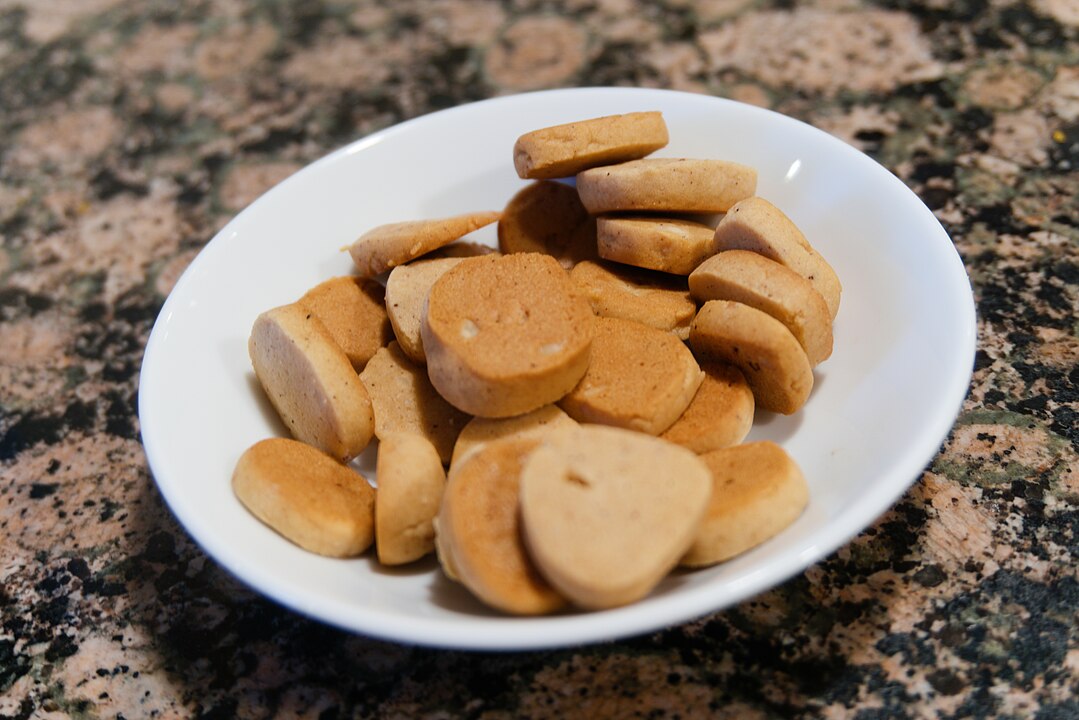
Pfeffernüsse, often translated as pepper nuts, are small German spice cookies built for cold weather and crowded tins, the kind that reward slow snacking. The name nods to their bite and their size, not actual nuts, and recipes vary by region: pepper, cloves, anise, cardamom, and citrus peel can all show up, creating an aroma that feels like a night market in December. They spread through German-speaking regions and immigrant communities because they keep well, and because the flavors mellow and deepen after a day or two, making the second handful taste better than the first, especially when tucked away in a tin between baking days.
Italian Biscotti
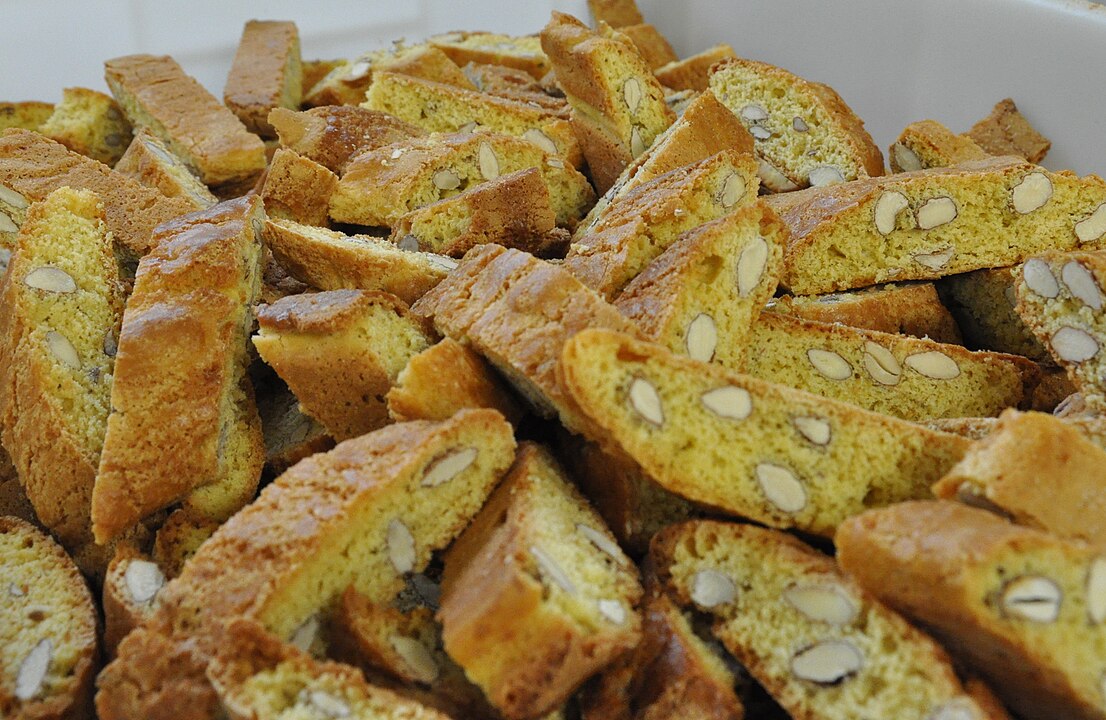
Biscotti began as a preservation trick: bake twice, drive out moisture, and end up with a cookie that lasts for weeks without losing its character. The method mattered when travel was long and storage was uncertain, and the double bake produces a clean snap and a dry crumb made for dunking without falling apart or turning mushy in a mug. In Tuscany, almond versions became especially famous, sliced before the second bake so each piece turns crisp through and through, then served at holidays because they sit happily in tins, pack neatly, and pair well with coffee or Vin Santo.
Rugelach
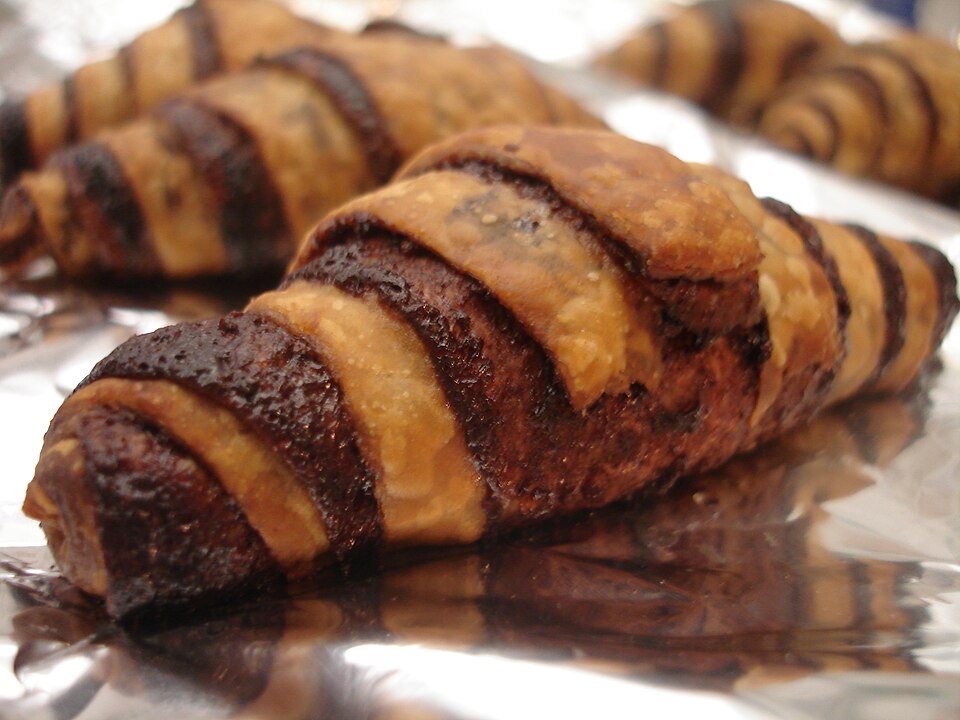
Rugelach grew in Ashkenazi Jewish kitchens as a way to wrap rich fillings into small, shareable crescents that looked special without wasting ingredients, time, or dignity. Dough is rolled around nuts, cinnamon, poppy seed, jam, or chocolate, then baked until the edges turn flaky and bronzed, filling a kitchen with a toasted, caramelized perfume that signals celebration before anyone takes a bite. The recipe traveled across Europe and into North America and Israel, adapting to local pantries while keeping its unmistakable curl, and it still reads like abundance when a tray comes out warm and glossy, ready to share.
Mexican Wedding Cookies
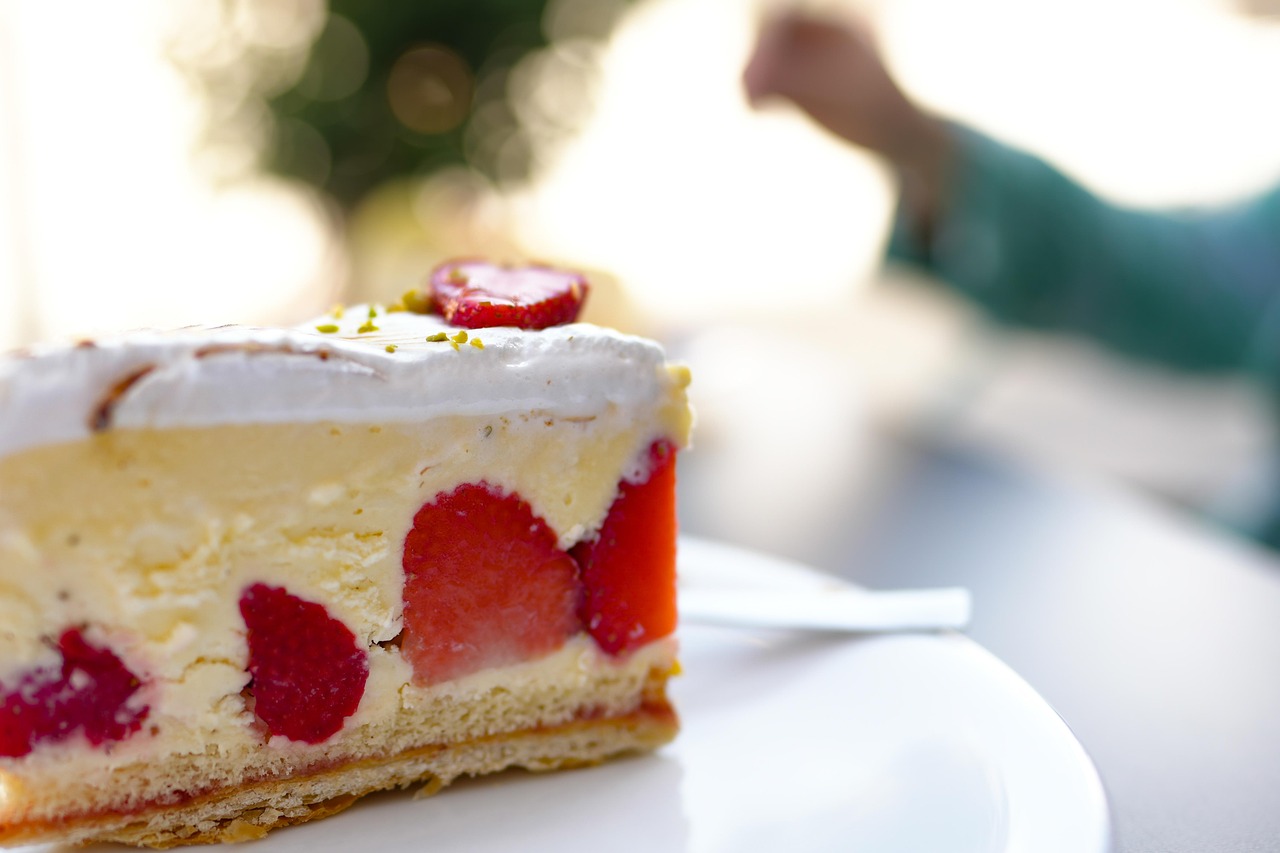
Mexican wedding cookies belong to a wider family of butter-and-nut sweets that traveled through Spain and beyond, changing names more than methods as borders shifted. Their tender crumble comes from finely chopped nuts, often pecans or walnuts, folded into rich dough, baked into small rounds, and rolled in powdered sugar until they look like they’ve been dusted by the season itself. In U.S. cookbooks, the wedding label became common in the 1900s, but the cookie’s real identity is celebration: easy to share, hard to stop eating, and perfect with coffee or hot chocolate, leaving sugar on fingertips and a buttery finish.