Some national days arrive with the expected script: flags, fireworks, and speeches that blur together from one country to the next. These celebrations take a different route. They build pride through food, faith, children’s parades, and rituals tied to light, weather, and local memory. A melon harvest becomes a headline. A rowing final turns a harbor into a stadium. A winter ceremony stays quiet on purpose, letting tradition do the talking. Each holiday still carries history, but it shows up in details that feel intimate and specific, the kind people recognize in family photos years later. Together, they reveal how a nation explains itself when it is not trying to impress anyone, only to gather, remember, and feel connected.
Saudi Arabia’s Founding Day (Feb. 22)

A newer date on the calendar, Founding Day honors the 1727 rise of the First Saudi State in Diriyah, and it has quickly become a nationwide heritage moment. Public venues lean into poetry, ardah sword dances, craft markets, and exhibitions that explain early Najdi life through coffee rituals, architecture, and oral history. The appeal is its clean storyline: a shared origin narrative that families can retell without politics intruding, with schools and neighborhoods trading photos, folk songs, and pride in local roots. It feels less like a parade and more like family history, shared over music and reenactments in public squares.
Benin’s Vodun Day (Jan. 10)
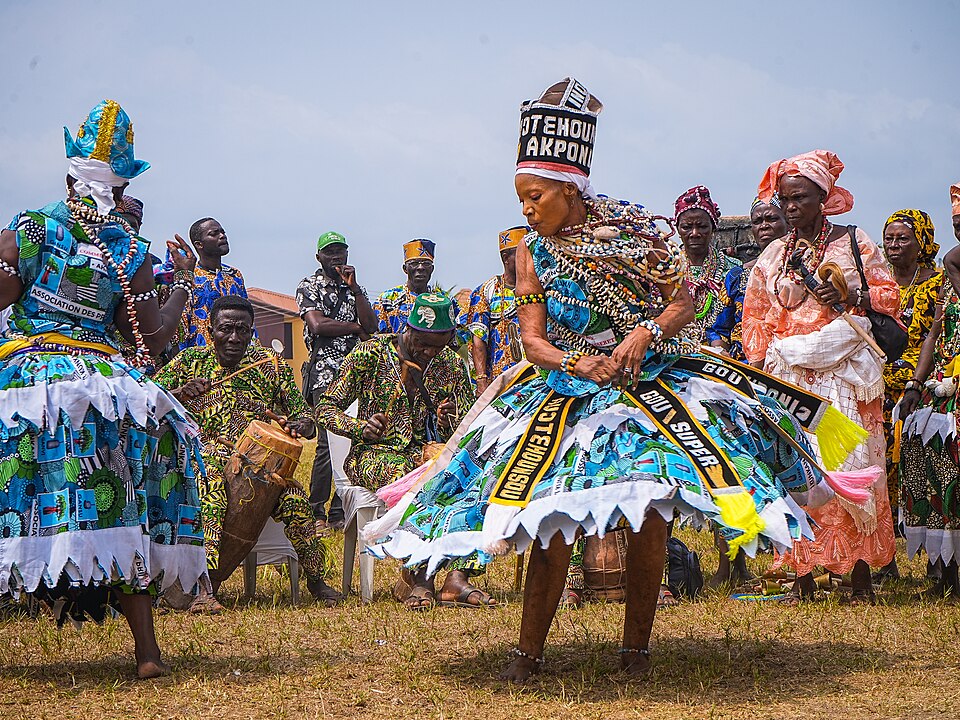
Benin ties national identity to living culture on Vodun Day, when the country publicly honors a faith shaped on the Gulf of Guinea and carried through families for generations. In Ouidah, ceremonies move between shrines and open squares with drumming, dance, offerings, and masked guardians, creating a festival that stays sacred even when crowds swell. Ritual is often paired with talks, art, and concerts, so the day replaces tired myths with history, community ethics, and continuity that feels immediate. The energy is celebratory, but the etiquette is clear, with guides and elders steering visitors toward respect, not spectacle.
Greenland National Day (June 21)
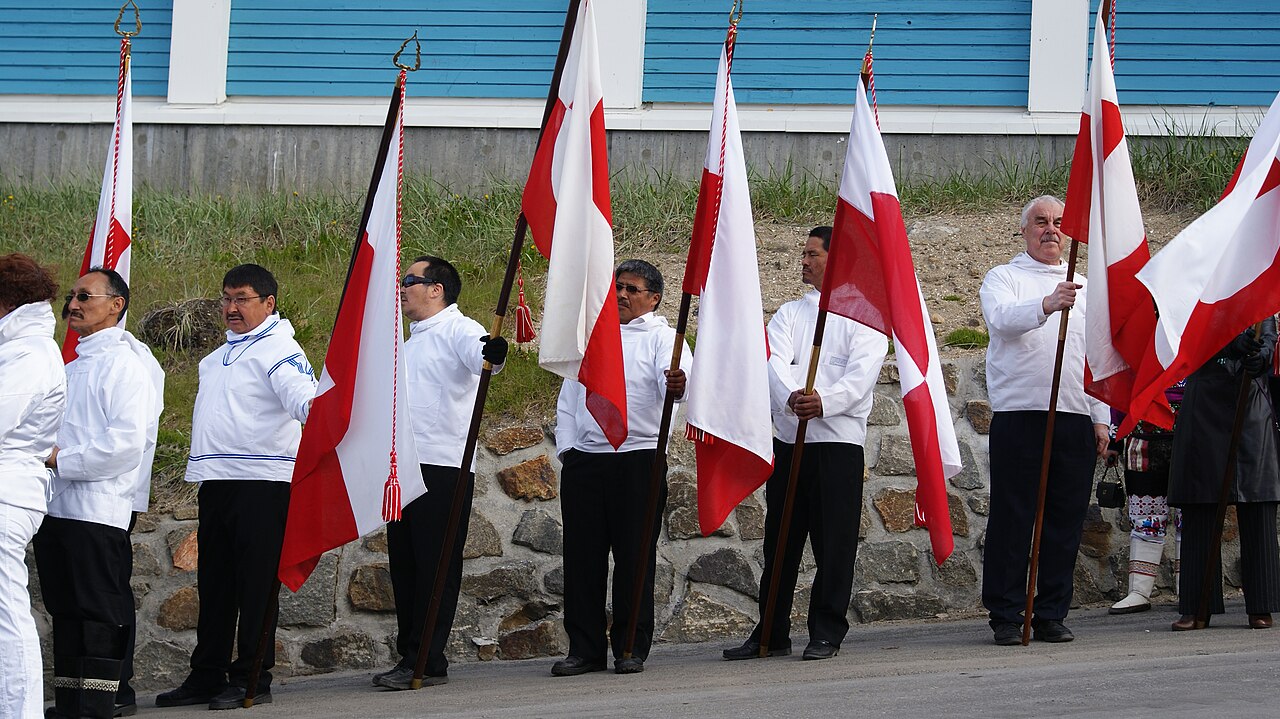
Greenland celebrates on the summer solstice, when daylight lingers and the holiday feels like a long, bright reunion. Towns raise the red-and-white flag, sing in Greenlandic, and share communal meals, while local programs add drum dancing, storytelling, and friendly contests tied to traditional skills. In Nuuk, the morning can start with formal salutes and end with neighbors drifting between homes in bead-collared dress, trading coffee, cake, and news until the sky finally softens toward midnight. It is as much about language and belonging as it is about the sun, a reminder that place matters more when the light seems endless.
Faroe Islands Ólavsøka (July 29)
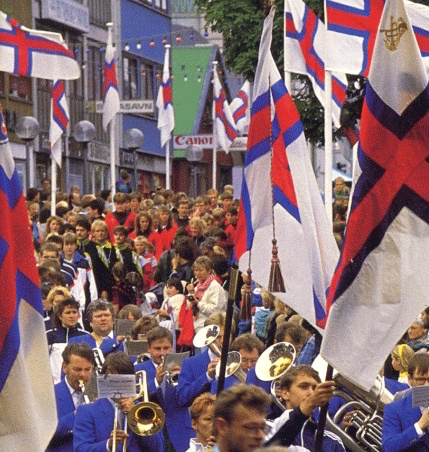
Ólavsøka is the Faroe Islands’ National Day, rooted in Saint Olaf’s legacy and carried forward as something lived, not staged for outsiders. In Tórshavn, the national rowing finals turn the harbor into a grandstand, and each race feels like an argument for belonging settled by oars, timing, and noise from the quays. Church services and speeches keep the day grounded, then songs and late-night streets take over, with national dress worn because this is the weekend everyone expects to see it. Even people who skip the formal program still track the rowing results, then linger for communal singing that runs late into the northern night.
Turkmenistan Melon Day (Second Sunday in Aug.)
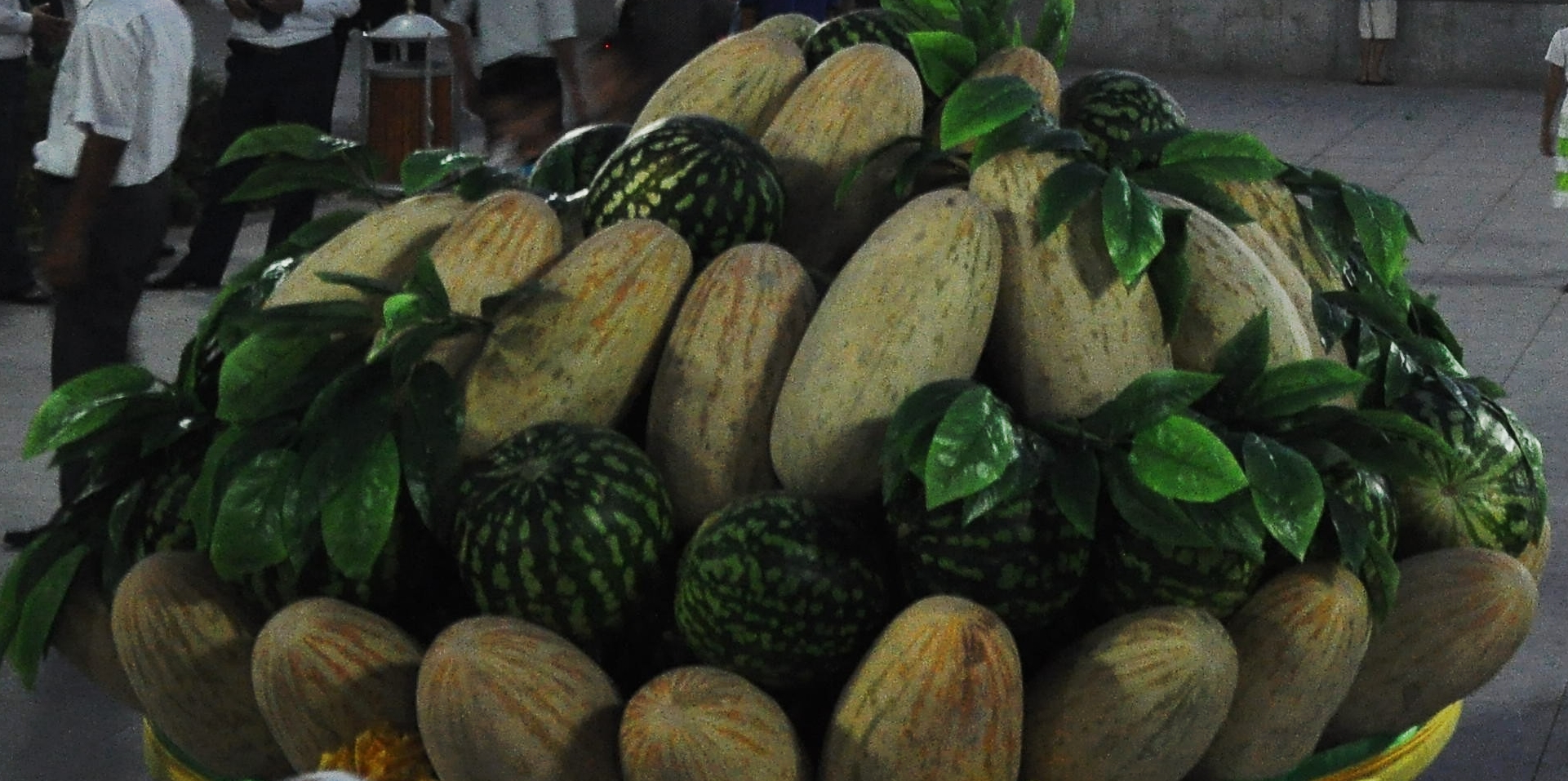
Turkmenistan devotes a national holiday to melons, and the sincerity behind it is exactly what makes it memorable. In Ashgabat, elaborate fruit displays spotlight prized local varieties, while concerts and official ceremonies frame agriculture as national pride and summer abundance. Markets compete to look generous, families buy extra melons for guests, and growers hear their work praised out loud, with sweetness and scent treated like real achievements. Seen up close, it reads as a public thank-you to sun, water, and farmers, with tastings, prizes, and speeches that treat a good harvest as genuine national news today.
Liechtenstein National Day (Aug. 15)
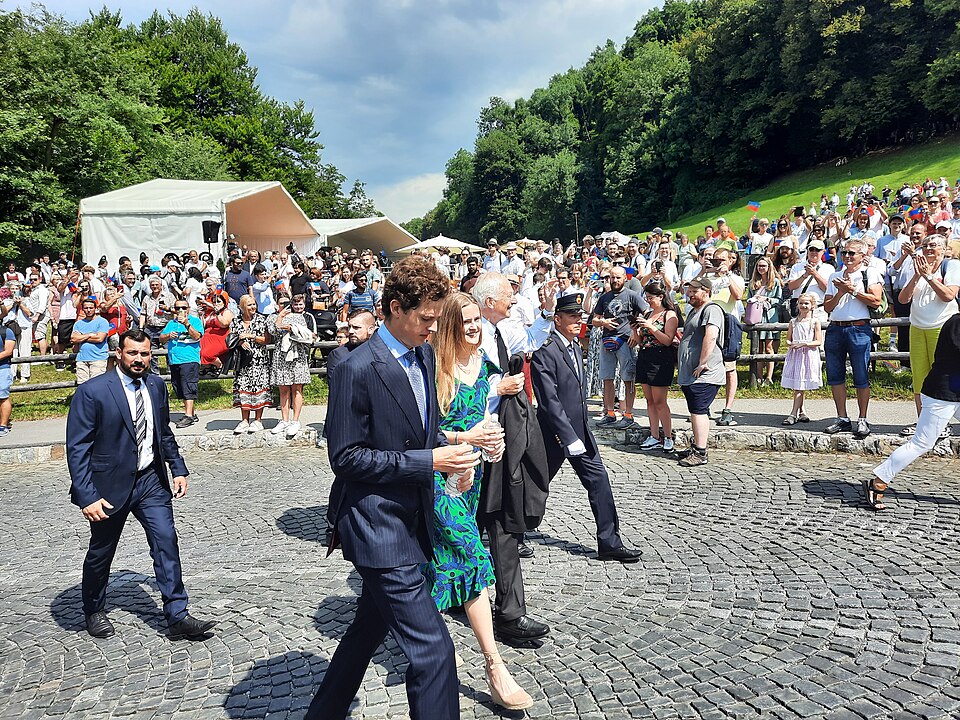
Liechtenstein’s National Day blends state ritual with small-country ease, starting with speeches near Vaduz Castle before the streets below take over. Food stalls, music stages, and local clubs fill the capital with a neighborly buzz, and the scale stays intimate enough that familiar faces keep reappearing. As evening comes on, torch processions and bonfires on surrounding peaks pull the landscape into the celebration, and the short distance between officials and locals keeps it personal. What stands out is access: the principality is small enough that the celebration feels like one shared town party, not a distant ceremony.
Japan’s National Foundation Day (Feb. 11)
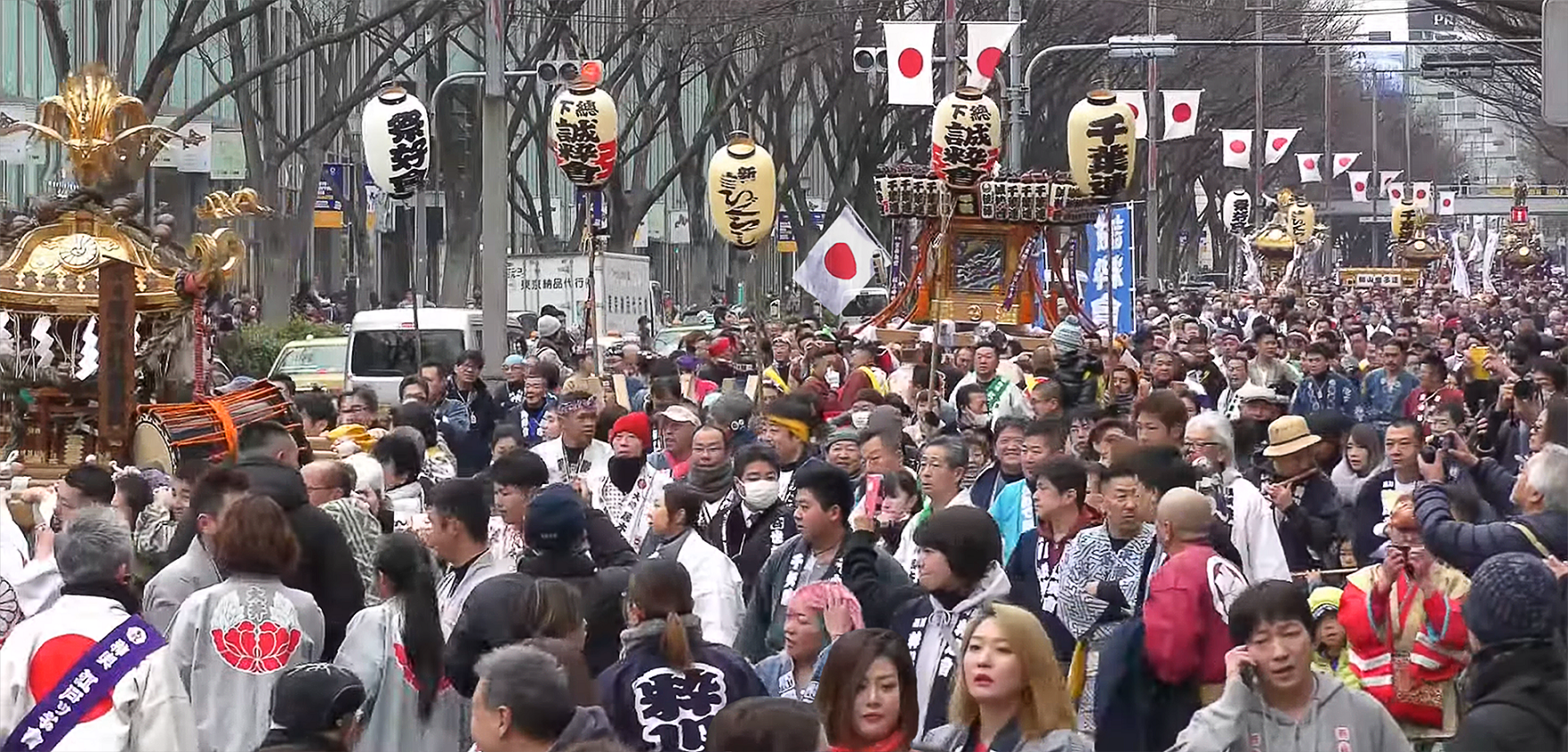
Japan’s National Foundation Day draws on the legendary founding story tied to Emperor Jimmu, but the modern tone stays restrained and careful with symbolism. Shrines hold formal observances, flags appear in pockets rather than everywhere, and many families treat it as a quiet outing that sits between winter and spring. Some towns add parades or cultural programs without chasing spectacle, so meaning arrives through small cues, steady routines, and a calm sense of shared origin. That quietness is the signature, leaving room for reflection, seasonal errands, and continuity that does not need applause, just presence.
Norway’s Constitution Day (May 17)
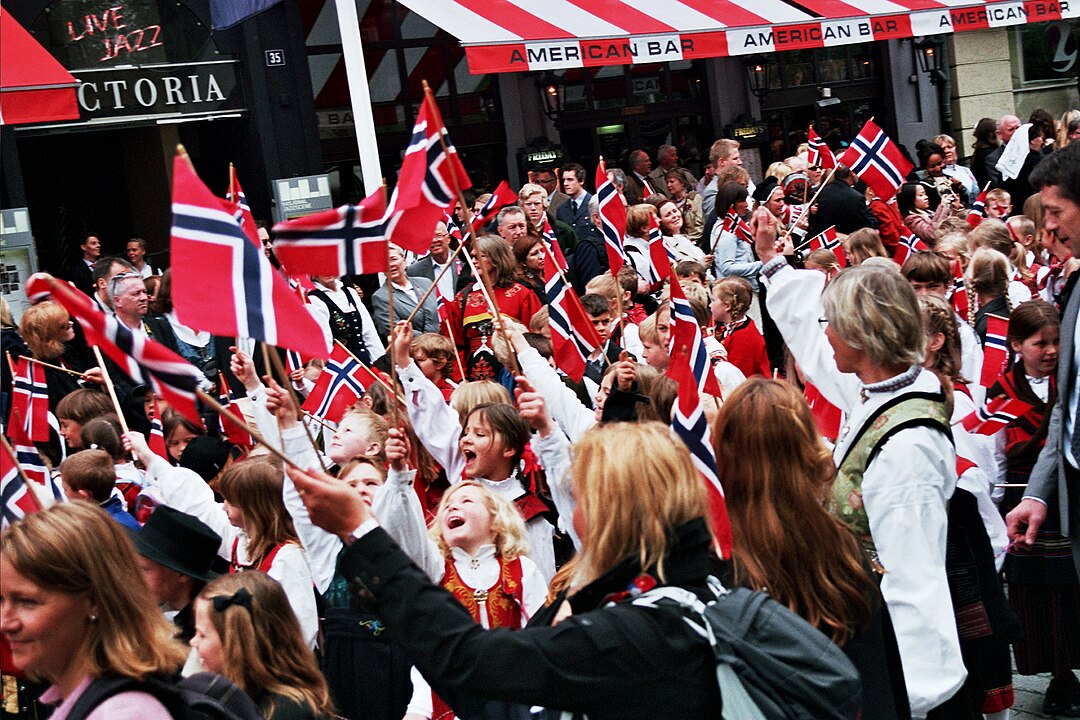
Norway’s Constitution Day puts children out front and lets adults follow their rhythm, which changes the whole feel of the holiday. School parades, marching bands, and bunads turn streets into moving color, and in Oslo the route passes the Royal Palace, where balcony greetings feel genuinely communal. The pride is civic and practical, tied to the constitution and shared habits: flags, simple food, and long conversations that run from morning to evening, even when stubborn weather tries to flatten the mood, and that persistence is part of the charm, since the celebration is built on participation, not perfect conditions.
Switzerland’s National Day (Aug. 1)
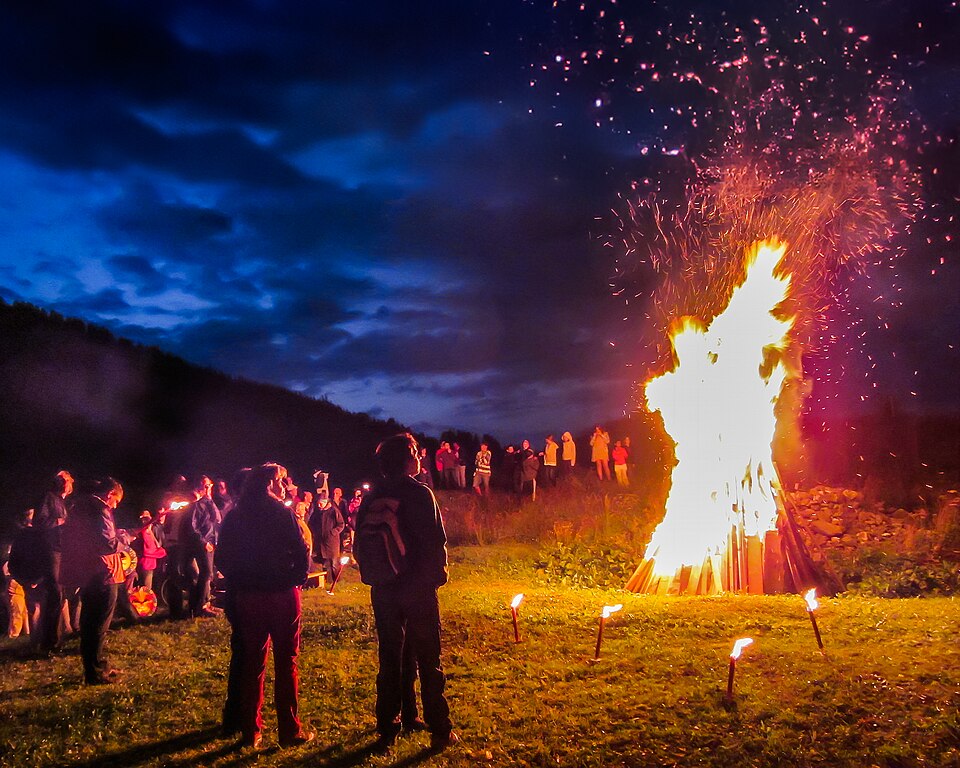
Switzerland celebrates its founding story with light after dark, turning villages and valleys into a patchwork of lanterns, flags, and hillside bonfires that echo old signal fires. Speeches and alphorn music show up, but the mood stays local, as if each town is hosting its own version of the same promise, then comparing notes across lakes and passes. Where fireworks are limited, communities lean on lantern walks, balcony flags, and shared meals, keeping the night festive without trying to outshout the mountains or the neighbors. It is bright but disciplined, more glow than blast, and more community than spectacle.
Bhutan National Day (Dec. 17)
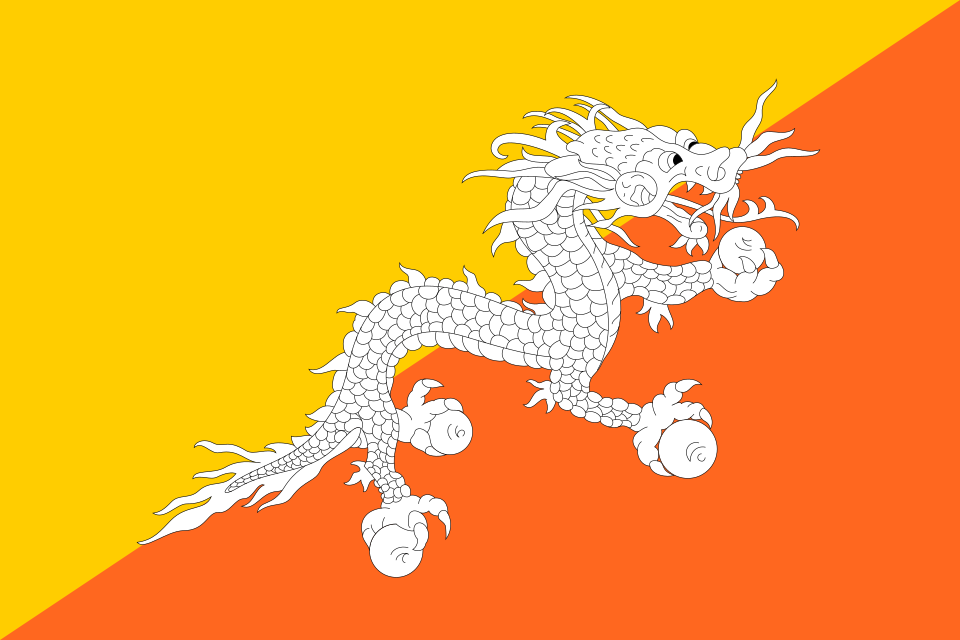
Bhutan’s National Day marks the Dec. 17, 1907 coronation of the first Druk Gyalpo, and it carries a calm sense of ceremony rather than noisy spectacle. People gather in traditional dress for speeches and cultural performances, with themes of unity and stewardship returning year after year without feeling rehearsed or forced. Set deep in winter, the celebration feels warm and grounded, with masked dances, archery, butter tea, and bright woven textiles proving pride can be quiet, disciplined, and deeply felt. The crowd’s attention stays focused, as if the point is to remember shared values, not chase a louder celebration.