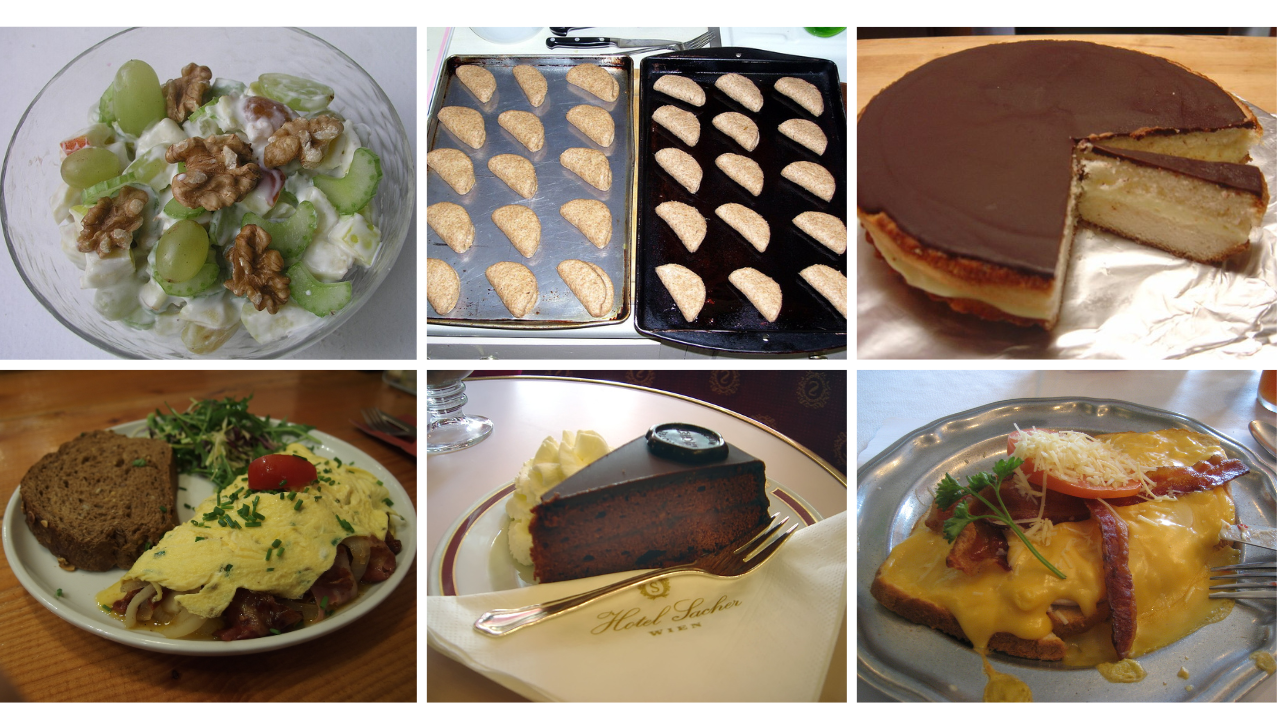
Historic hotels trade in atmosphere, but the best ones also trade in flavor. Behind revolving doors and beneath chandeliers, kitchens have long been asked to comfort strangers, mark anniversaries, and keep a late night from ending too abruptly. Over time, certain dishes became inseparable from their addresses: a salad with snap and poise, a breakfast built for recovery, a sandwich baked until the top blisters, a dessert that looks like a final bow. Even when menus modernize, these signatures stay put because they are easy to describe, and even easier to crave. Each one carries a sense of place, shaped by the dining room, the city outside, and the small rituals of service that make a meal feel like arrival.
Waldorf Salad, Waldorf Astoria New York
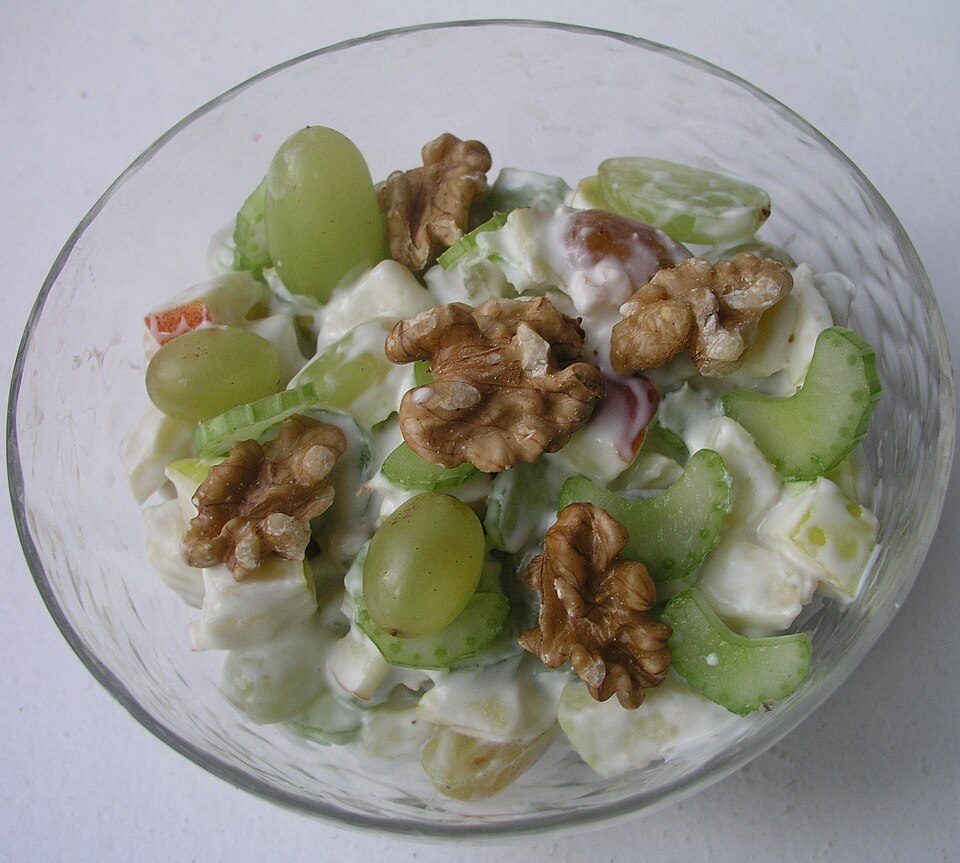
First served in 1896 at the Waldorf Astoria, the Waldorf salad turned a society supper into a kitchen calling card. Crisp apple and celery meet a cool, creamy dressing; later versions add grapes and walnuts, but the original idea stays bright and sharply refreshing. It works because it is disciplined: sweet, savory, and crunchy in equal measure, never heavy, never fussy. In a grand dining room, it arrives like a palate reset between richer courses, and the quiet snap of the first bite feels as polished as the room itself. Many credit maître d’ Oscar Tschirky. Served chilled, it keeps its snap and never turns sticky at the table.
Eggs Benedict, Waldorf Hotel New York
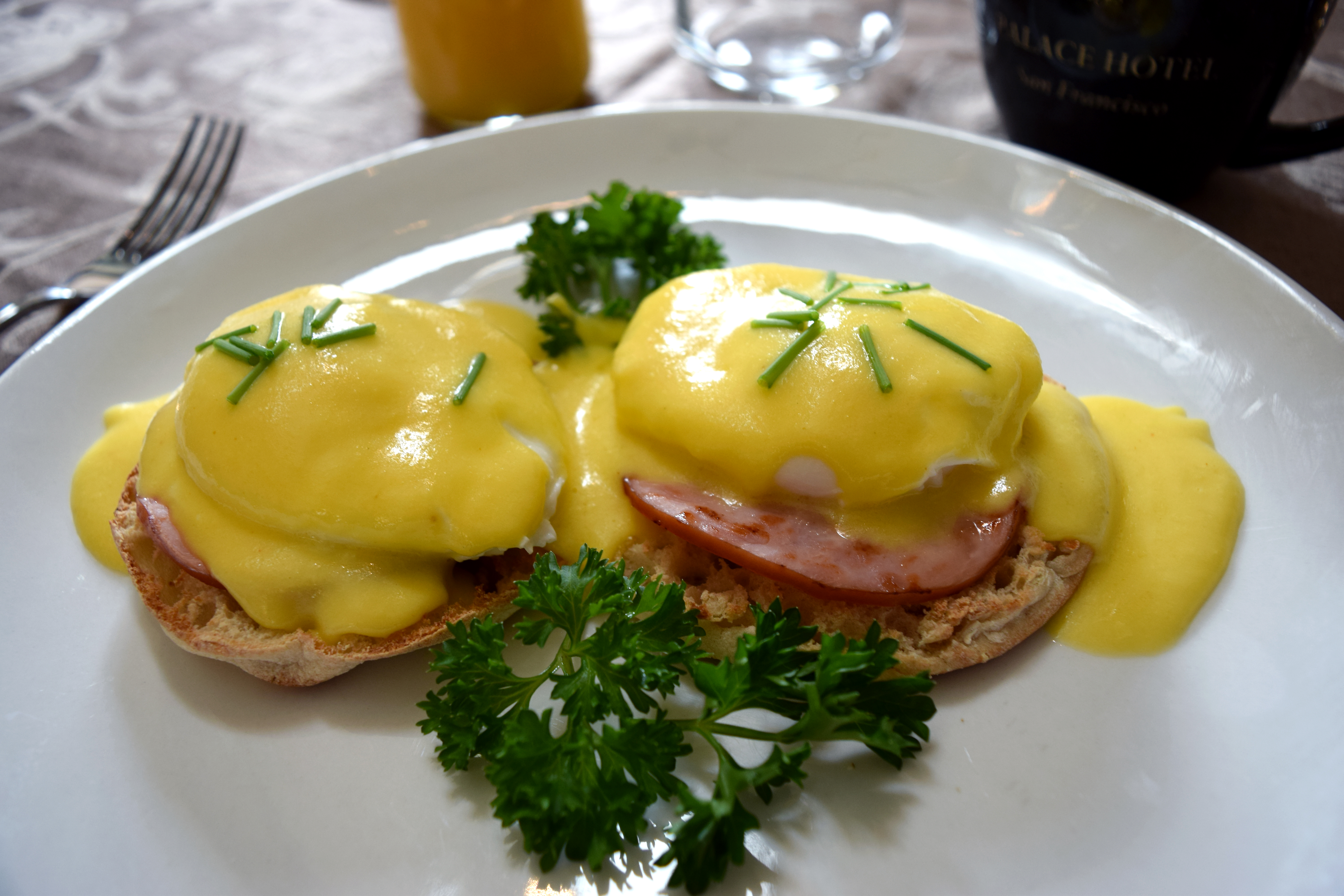
Eggs Benedict is the hotel breakfast that behaves like an occasion. A toasted English muffin, a salty layer of ham, a poached egg with a soft center, and hollandaise that tastes of butter and lemon, all stacked to collapse in the best way. One popular origin story places it at the Waldorf in 1894, when Lemuel Benedict ordered a very specific remedy and the staff refined it into a menu classic. However the credit shakes out, the result is steady and generous: silky sauce, bright acidity, and that split-second of steam when the yolk breaks. Served under a warm cover, it stays glossy and rich, letting coffee taste sharper and cleaner.
Parker House Rolls, Omni Parker House Boston
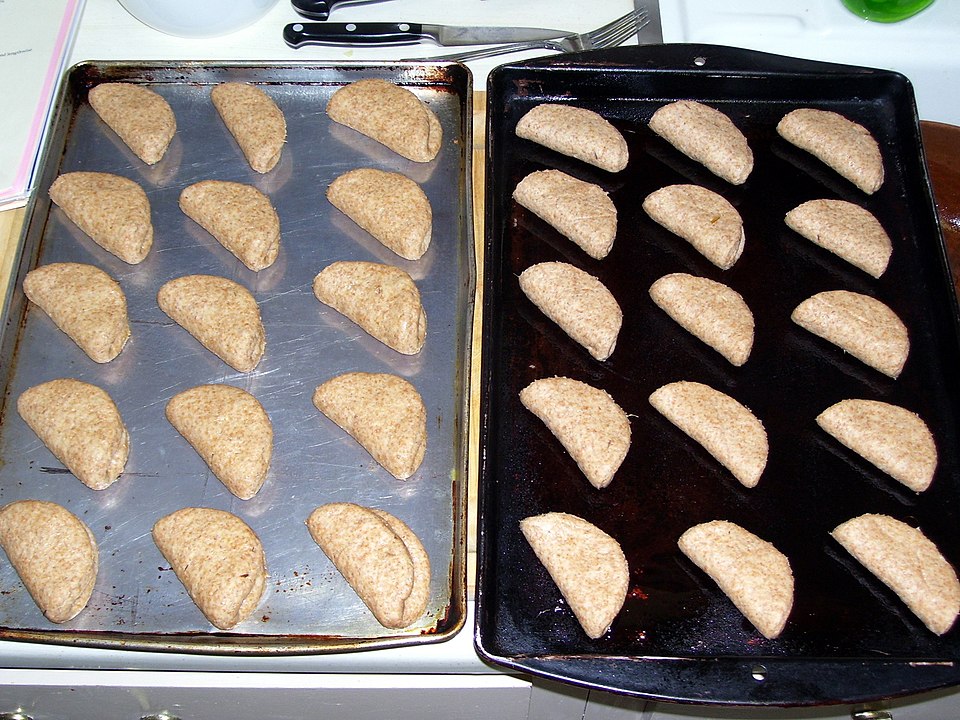
At Boston’s Omni Parker House, the Parker House roll became a warm signature in the 1870s, built to disappear fast. The folded shape traps melted butter, giving a tender interior and a lightly browned edge that tastes faintly sweet. There is nothing loud about it, and that is the point: the roll is hospitality that requires no explanation. Set down a basket at a linen table, and conversation loosens. Before entrées arrive, the bread is already gone, leaving only a shine of butter and the instinct to reach for one more. Fresh from the oven, the top tears like soft paper, and the steam carries a hint of milk and yeast into the room.
Boston Cream Pie, Omni Parker House Boston
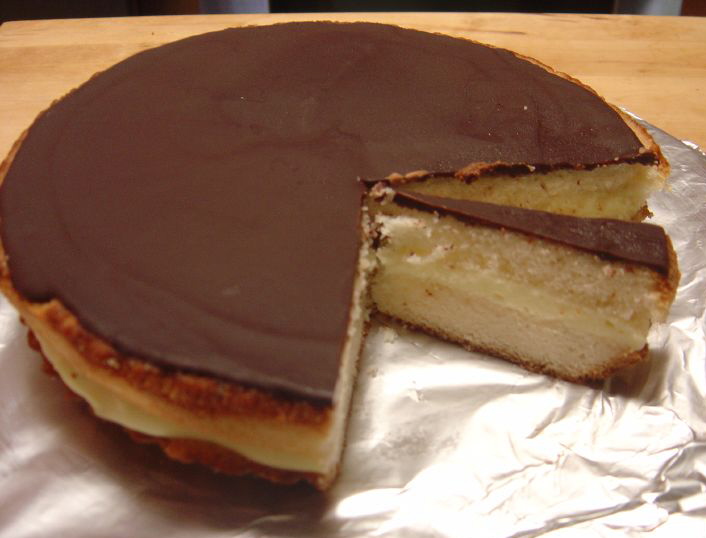
Boston cream pie traces back to the Parker House in 1856, when the hotel served an early version under names like chocolate cream pie. Two light sponge layers hold thick vanilla custard, then a glossy chocolate topping sets on top like a dark lacquer. The charm is balance: soft cake, cool cream, and chocolate that tastes deep but not harsh. It fits a historic hotel because it works at any hour, from afternoon tea to a late dinner, and it never needs decoration to feel complete. Served in neat wedges, it cuts clean and travels well from pastry kitchen to dining room. The first forkful feels both old-fashioned and surprisingly light.
Hot Brown, The Brown Hotel Louisville
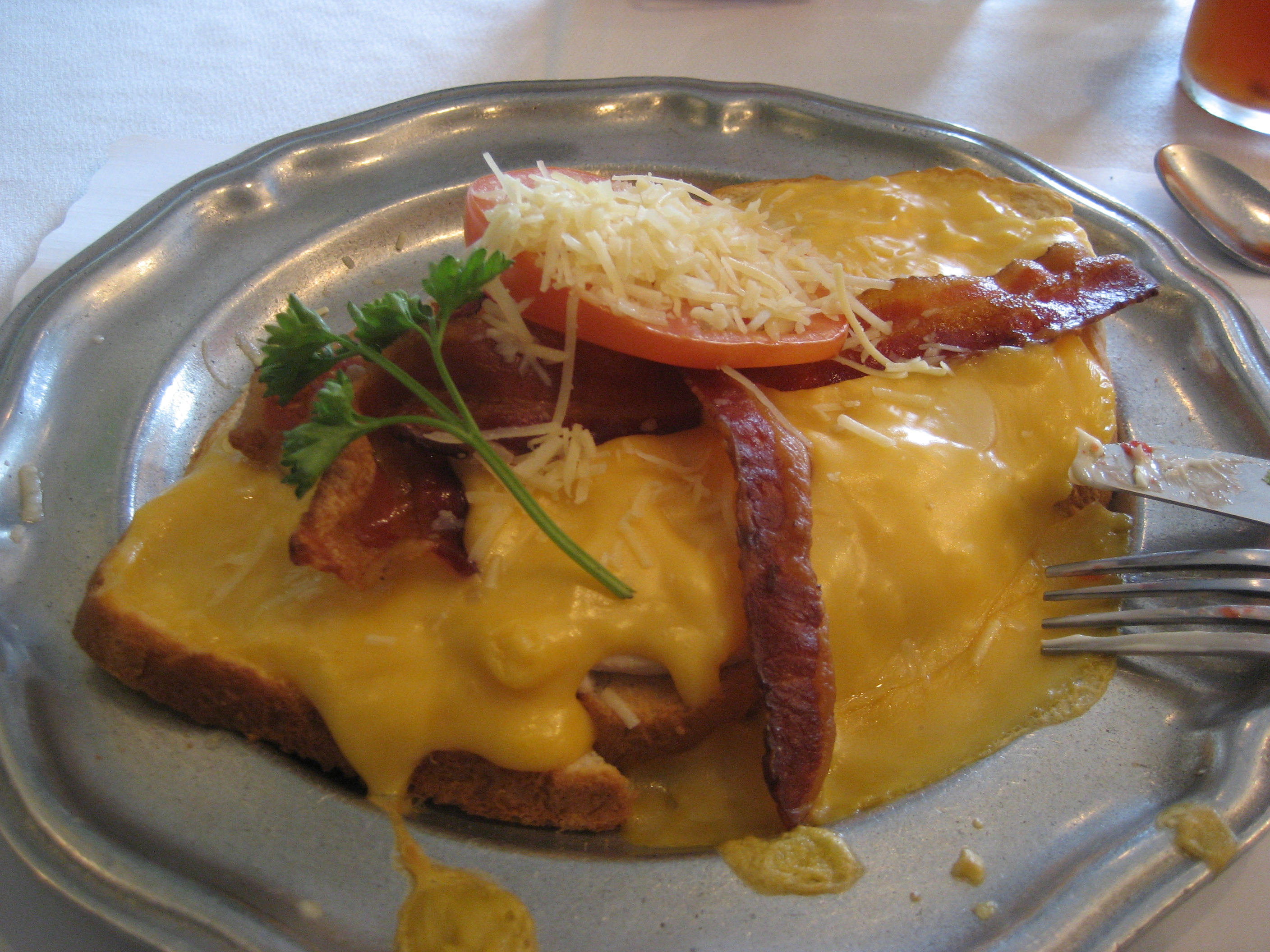
The Brown Hotel in Louisville created the Hot Brown in 1926 for late-night dance crowds who wanted something bigger than ham and eggs. Toasted bread supports slices of turkey and bacon, then a rich Mornay sauce is ladled over the top and browned until it bubbles and freckles. It is indulgent, but it is also practical: salty, hot, and built to revive tired guests. The dish still carries that after-hours energy, like the kitchen is staying open a little longer so the night can end on something warm and satisfying. Often finished with tomato, it is eaten with a knife and fork, staying hot and glossy from kitchen to table as it lands.
Peach Melba, The Savoy London
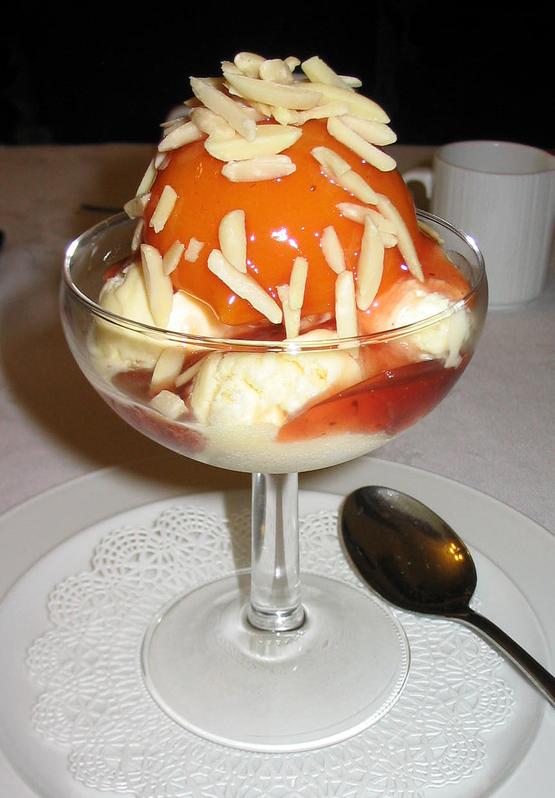
Peach Melba began at The Savoy in 1893, created by Auguste Escoffier to honor the soprano Nellie Melba. Ripe peaches, vanilla ice cream, and a vivid raspberry sauce sound straightforward, yet the contrast is what makes it last: perfume against cream, sweetness sharpened by tart fruit, warm notes meeting cold. In a grand room, it feels like a curtain call in dessert form, light enough to finish comfortably, memorable enough to retell. It is elegance without strain, a bright ending that makes even a late reservation feel unhurried. Served in a chilled coupe, it looks as good as it tastes, all blush, white, and red under soft lights.
Omelette Arnold Bennett, The Savoy London
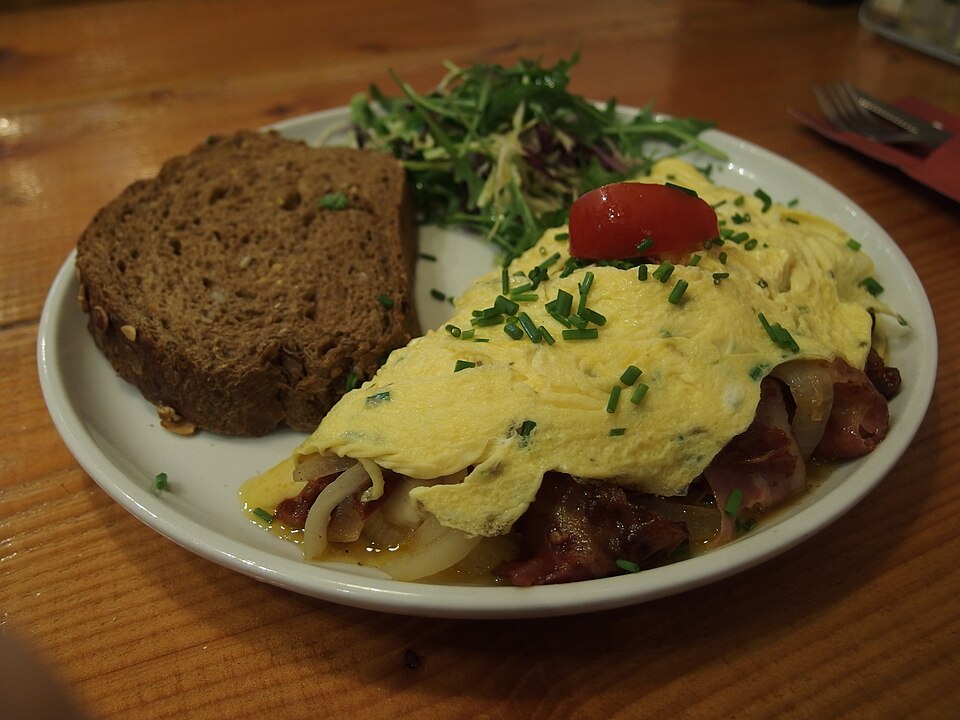
The Savoy’s Omelette Arnold Bennett, created in 1929 for the novelist, treats breakfast with the seriousness of dinner. Smoked haddock is folded into soft eggs with a silky cream sauce, then finished with cheese that melts into a gentle crust. The flavor is smoky and rich, but the texture stays delicate, so it never feels leaden. It also captures a hotel habit: taking one guest’s favorite and making it available to everyone, as if the kitchen is quietly saying that small preferences matter. Order it in the dining room or by room service, and it arrives smelling of sea-salt smoke, with toast ready to soak up the sauce. With ease too.
Original Sacher-Torte, Hotel Sacher Vienna
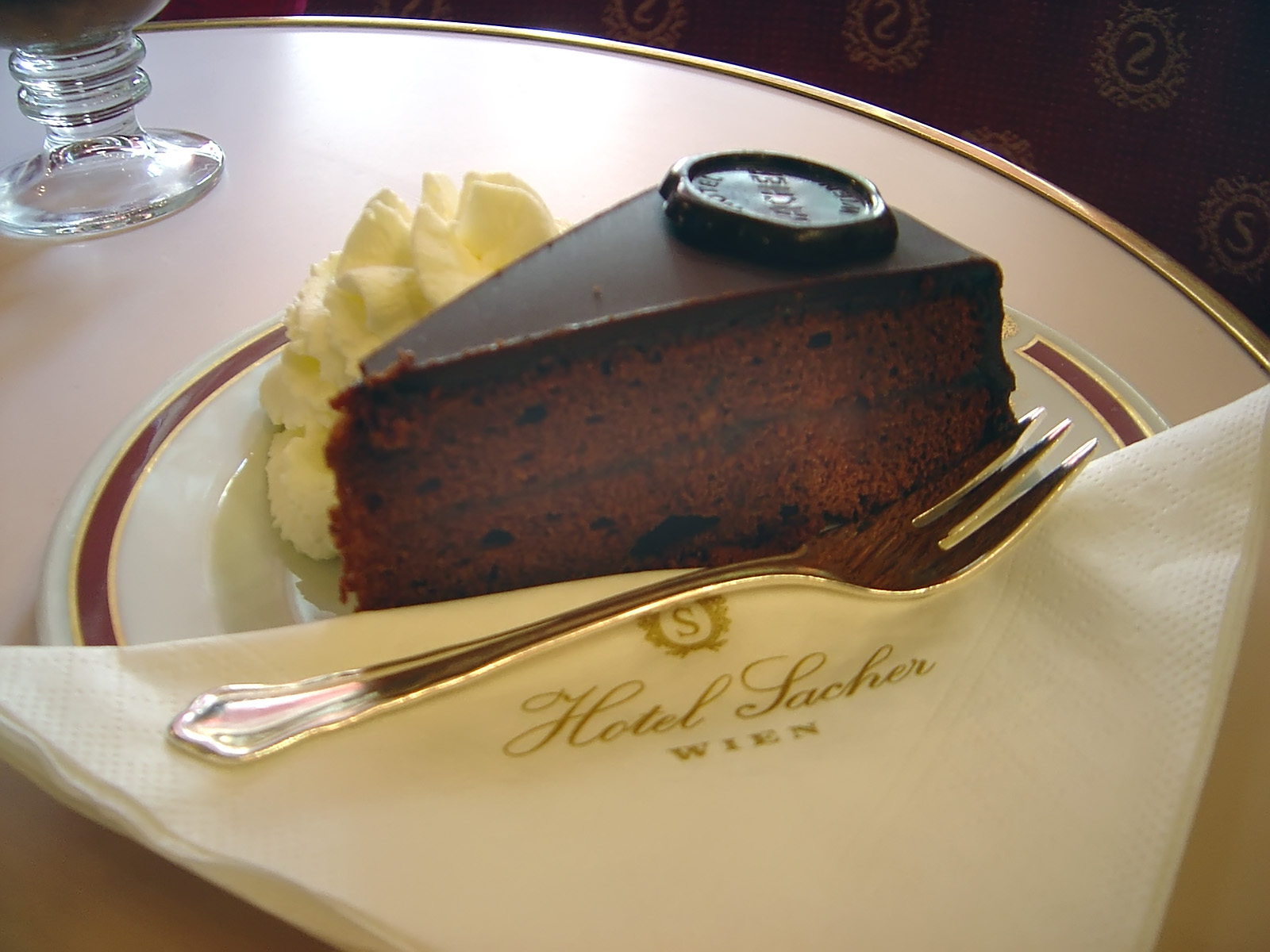
Hotel Sacher in Vienna made the Original Sacher-Torte into a ritual that travelers schedule like a museum visit. Dense chocolate sponge meets a thin layer of apricot jam, sealed under a smooth dark glaze, then served with unsweetened whipped cream that keeps the finish clean. The recipe details are guarded, but the experience is consistent: cocoa depth, a quick flash of fruit, and a calm, composed richness that pairs perfectly with coffee. It is not flashy, just exacting, and that restraint is part of its charm in a city that takes pastry seriously. In the café, forks tap porcelain softly and time slows to a sip-and-bite rhythm too.
Singapore Sling, Raffles Hotel Singapore
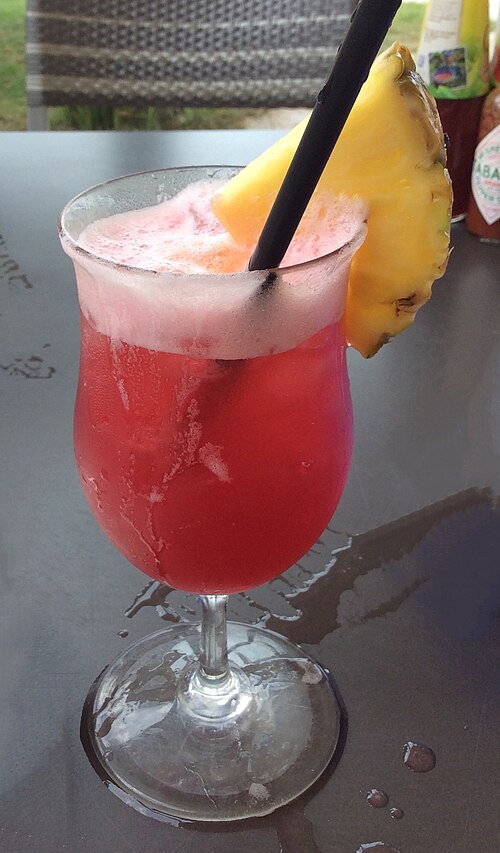
Raffles’ Long Bar is tied to the Singapore Sling, mixed in 1915 and remembered as much for mood as for ingredients. Gin, fruit, and spice come together into a drink that feels bright, a little playful, and easy to keep sipping in tropical heat. Served among dark wood and slow fans, it turns a bar stool into a postcard moment. The real trick is balance: sweetness lifted by citrus, spirits softened by fruit, and a finish that stays clean instead of syrupy, even as the ice thins. The ritual matters too, with peanuts on the counter and shells tossed to the floor, a casual mess in a place that otherwise keeps perfect manners. All night.
Piña Colada, Caribe Hilton San Juan
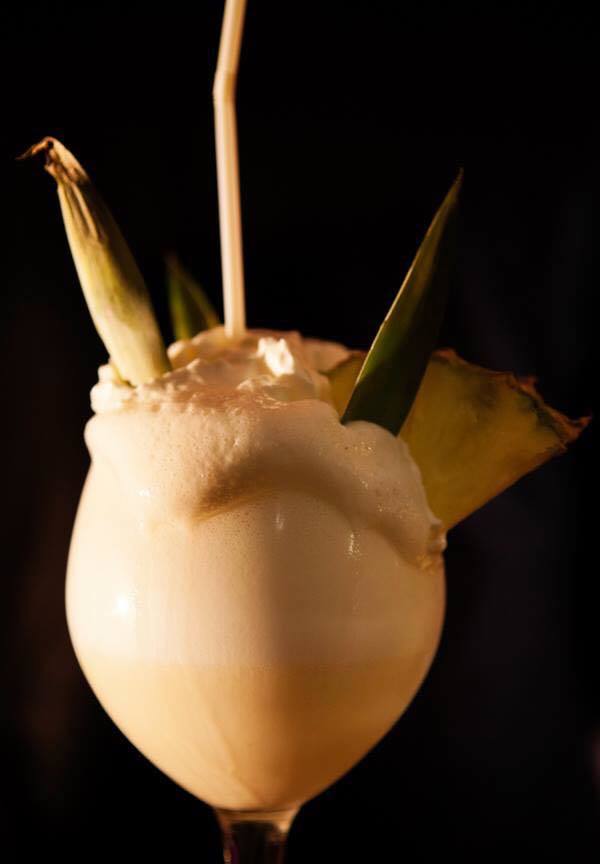
The Caribe Hilton in San Juan points to 1954 for the piña colada, credited to bartender Ramón Monchito Marrero at the hotel’s Beachcomber Bar. Rum, coconut cream, and pineapple blend into a frosty drink that can turn cloying elsewhere, but not when it is made with restraint and enough acidity. Done right, it is sunshine with edges: sweet, bright, and creamy without feeling heavy as the ice melts. It carries mid-century optimism in a glass, the kind of order that makes a lobby feel like a vacation even before the keys are handed over. A pineapple wedge and cherry are common, but the real garnish is salt air from the coast. Nearby.