Everyday phrases feel effortless, but many began as practical shorthand for work, travel, and social rules that once felt urgent. A shipyard detail, a theater tool, or a clerk’s ribbon could slip into conversation and stay there for centuries, polished by repetition. Some origin stories are myths that spread because they sound right, yet the documented histories are usually more interesting: specific, grounded, and oddly vivid. Tracing them does not make language stiff. It makes it feel alive, like a pocket full of old objects that still turn up in modern hands.
Break The Ice

Long before it meant easing a tense room, break the ice referred to forcing a path through real ice so merchant ships could reach ports and other vessels could follow in the cleared channel. Early writers used it for being first to attempt something difficult, because one opening changes the odds for everyone else and makes a risky enterprise feel possible. In conversation, a small opener works the same way, shifting a group from guarded silence to shared motion, setting a friendly tone, and giving the next person permission to speak without feeling exposed in a way that feels effortless, even when everyone arrived cautious.
Spill The Beans

Many explanations link spill the beans to older voting or counting habits where beans stood in for choices, so a tipped container revealed the outcome before the formal announcement and spoiled the moment of suspense. Even if historians debate how often that exact setup occurred, the logic is sturdy: the secret does not arrive as a speech, it falls out in a careless accident that cannot be reversed. That is why the phrase still fits everyday life, when one stray detail slips into the open, everyone recalculates, and a private plan suddenly becomes shared knowledge across the room and there is no clean way to rewind it.
Let The Cat Out Of The Bag
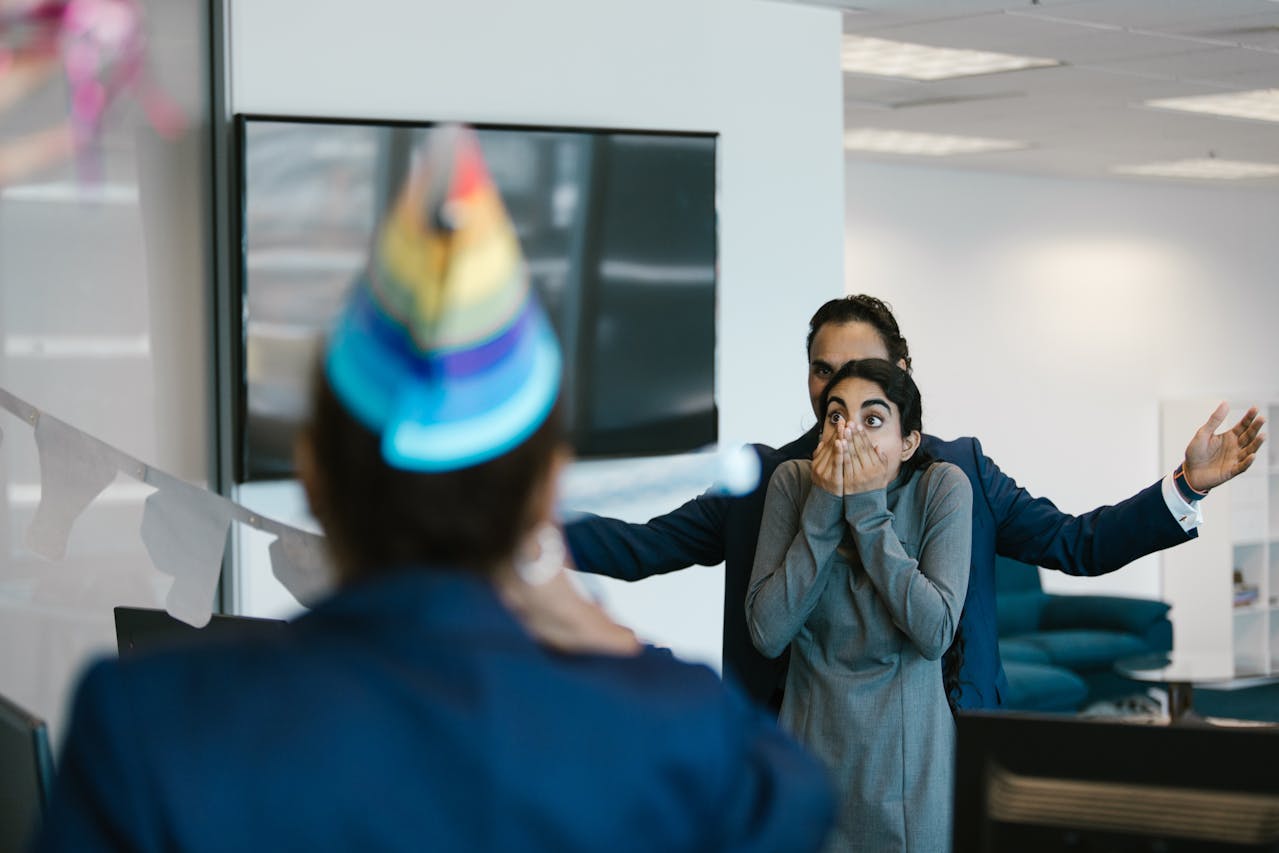
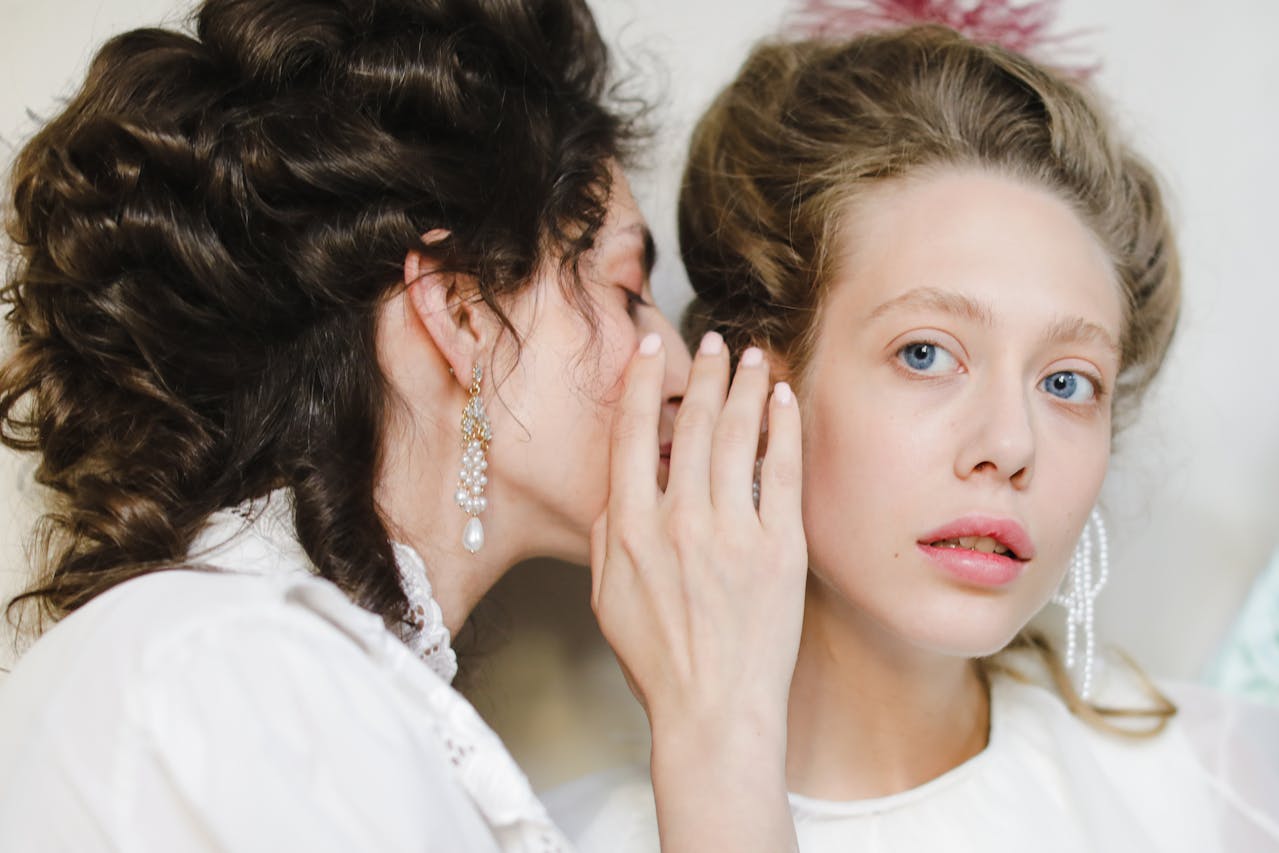
A familiar story places the phrase in old markets, where a buyer expected a piglet in a sack but a seller tried to swap in a cat, and opening the bag exposed the trick in a single awkward second. It echoes the older warning about buying a pig in a poke, with poke meaning bag, which helps explain why the image traveled so well through English for generations. In modern speech, it nails the moment a secret becomes public knowledge, because once the bag is opened, reactions start, trust shifts, and even a careful apology cannot make everyone forget what they just learned once curiosity gets involved.
Turn A Blind Eye

The saying is often tied to Admiral Horatio Nelson, who had limited sight in one eye and, in popular retellings, raised a telescope to that eye to ignore a signal he disliked during a tense naval moment. Phrase historians note the expression existed earlier, but the Nelson story gave it a sharp scene that people could picture, repeat, and apply to everyday stubbornness. Either way, the meaning is exact: it describes deliberate ignoring, the calm choice to notice something and then act as if it never required a response, usually because acknowledging it would force a hard decision and would rather avoid the consequences.
Red Tape

Red tape began as literal red ribbon used to bundle official papers, and the color gradually became shorthand for the procedures wrapped around those documents, from filing to signatures to seals. By the late 1700s it was already a symbol for fussy steps and approvals that slow simple requests, not through malice, but through habit, hierarchy, and fear of doing something out of sequence. The phrase survives because it is visual and accurate: progress tied in knots, responsibility passed along, and a small, human problem turned into a long chain of forms that nobody feels empowered to cut without anyone intending to be difficult.
Mind Your Ps And Qs

No single origin is settled, but the leading theories are practical: printers could mix up p and q when setting type by hand, and taverns tracked pints and quarts in ways that demanded attention, especially late at night. Phrase historians treat these as competing stories, yet both point to the same idea of carefulness in small things that are easy to overlook until they cause embarrassment. That is why the line still works as a quick check on behavior and speech, reminding people that tiny slips in manners, wording, or detail can grow into bigger problems, and that prevention is usually simpler than repair.
Sleep Tight
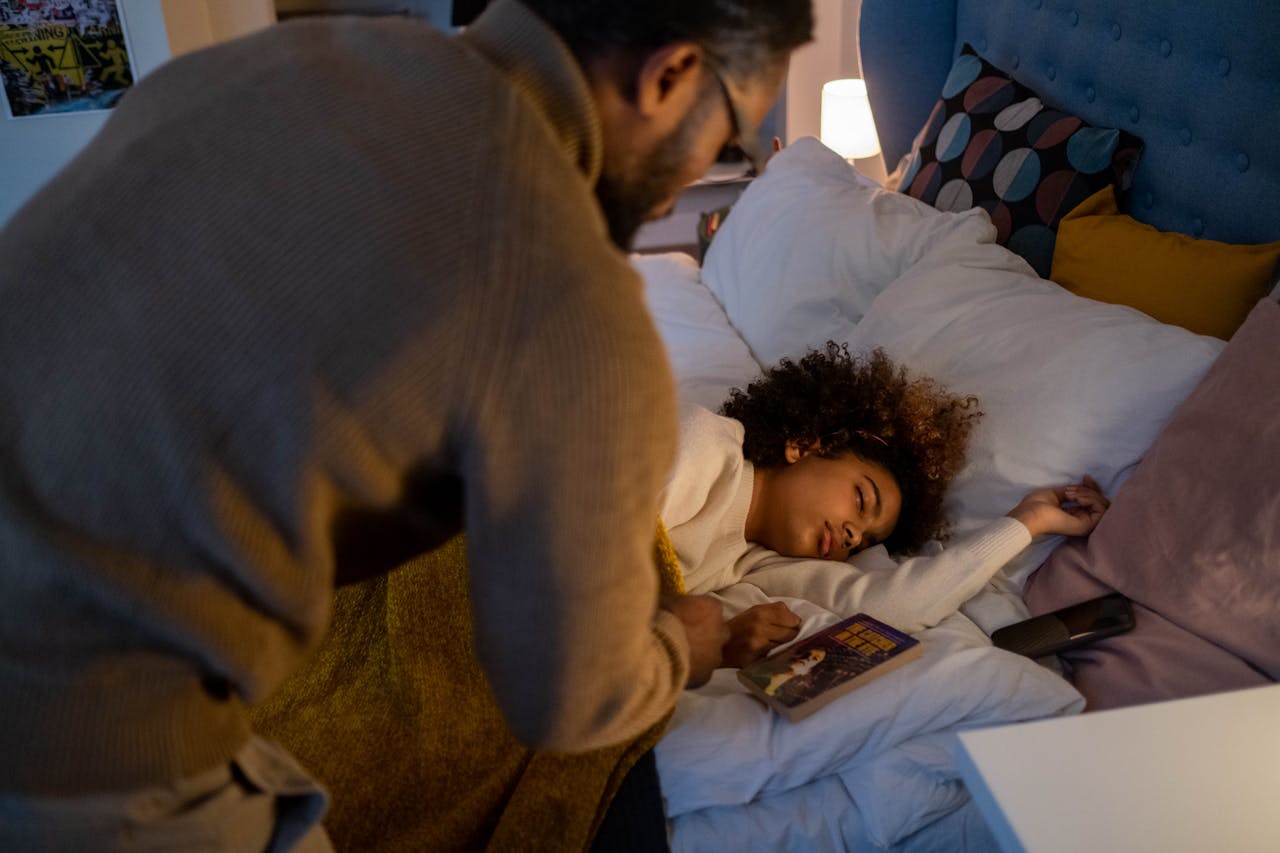
Sleep tight is often explained with rope-strung beds, but researchers generally treat that story as a catchy add-on rather than the true source, even though it sounds perfect at first glance. In older English, tight could mean soundly or properly, so the phrase reads as a plain wish for good, steady sleep, the kind that leaves a person feeling reset in the morning. Its rhythm and warmth helped it endure as a bedtime line, because it offers comfort without instructions, carrying the quiet hope that the night will feel safe, calm, and complete, no matter what the bed is made of even in unfamiliar places.
Pull Out All The Stops

This idiom comes from pipe organs, where stops control which ranks of pipes speak, shaping the instrument’s tone and volume with surprising precision, from a soft whisper to a full, room-filling roar. Pulling more stops brings in more voices until the sound reaches its fullest presence, which made the action a natural metaphor for effort that uses everything available. Today it means going all in with intention, not panic, the sense that nothing is being held back and every tool, skill, and ounce of preparation is put to work to deliver the strongest possible result and there is only one chance to deliver.
By And Large

By and large began as sailor language: by meant sailing close to the wind, and large meant sailing with it, a freer angle that feels easier on the ship and the crew. A vessel that handled both conditions well was dependable, so the phrase shifted from a technical description to a general judgment about how something performs overall. It still sounds measured because it carries that seafaring habit of weighing different conditions before speaking, offering a balanced summary that admits life changes with the wind, yet still tries to tell the truth of the situation without pretending every day is the same.
In The Limelight

Before it meant public attention, limelight was a real stage effect, created by heating quicklime to produce a bright, focused glow that singled out a performer and made facial expressions readable from the back row. Under that beam, every movement reads clearly and every wobble shows, which is why the image stuck in the language and felt instantly understandable. When writers extended it to fame and notice, the phrase kept its double edge: attention can flatter and elevate, but it also exposes, because the light that makes someone visible also makes scrutiny unavoidable for every choice for better or worse.
Close, But No Cigar
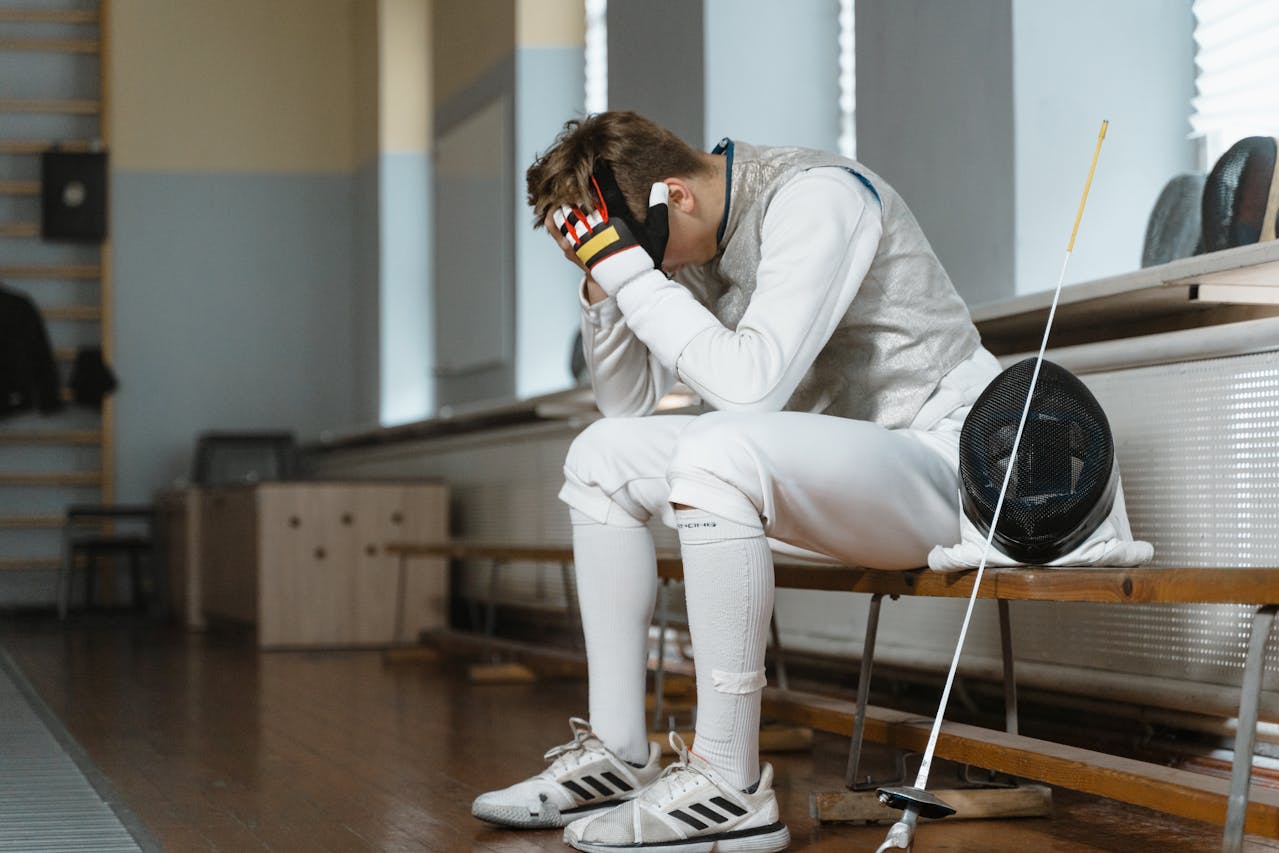
The phrase grew out of carnival games where cigars were common prizes, so coming close without winning meant leaving empty-handed despite a strong try and a crowd that might still clap. It spread in American speech as a blunt, often playful verdict that separates effort from results without turning it into a lecture or a sour mood. It still fits modern near-misses because it is clear and fair: the attempt is acknowledged, but the standard remains, and the small distance between almost and earned is treated as real, not negotiable, no matter how confident the try looked when prizes are real and standards stay fixed.
Under The Weather

Under the weather is widely linked to life at sea, where an unwell sailor might be sent below deck, away from wind and spray, to rest and recover in quieter air while the ship kept moving. Another common note is the fuller phrase under the weather bow, pointing to the rougher side of a ship, which keeps the image tied to harsh conditions and reduced strength. Modern use stays gentle on purpose, covering minor illness or fatigue without drama, a polite way to say someone needs rest and a little patience until they feel steady again, without inviting questions they do not want to answer on a quiet day.