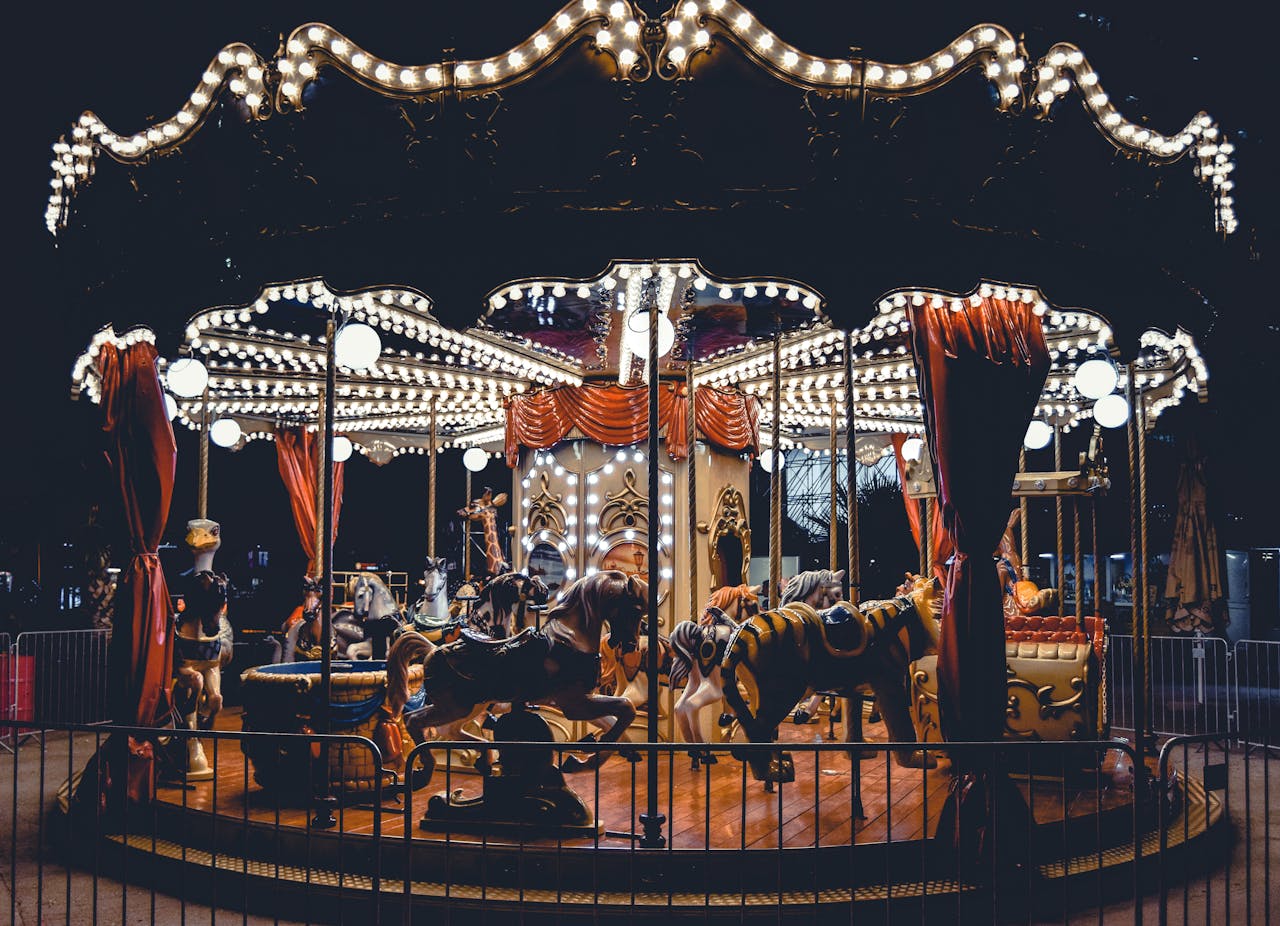
Vintage carousel animals look like playthings until the details start talking: a flared nostril, a knotted rein, paint layered like theater makeup. They were built for crowds and weather, yet many still feel intimate, as if a single carver was trying to give wood a pulse. Behind the sparkle sits a practical history of immigrant workshops, boardwalk competition, and early amusement parks that treated craft as a headline act. Horses strained mid-gallop, lions grinned, and jeweled harnesses caught the bulbs as the platform turned. Even worn edges carry meaning. Each chip is a record of hands, music, and summers that kept coming back. Collectors chase them, restorers debate paint layers, and museums now treat the best survivors as folk art.
The Wood Was Chosen Like a Musical Instrument
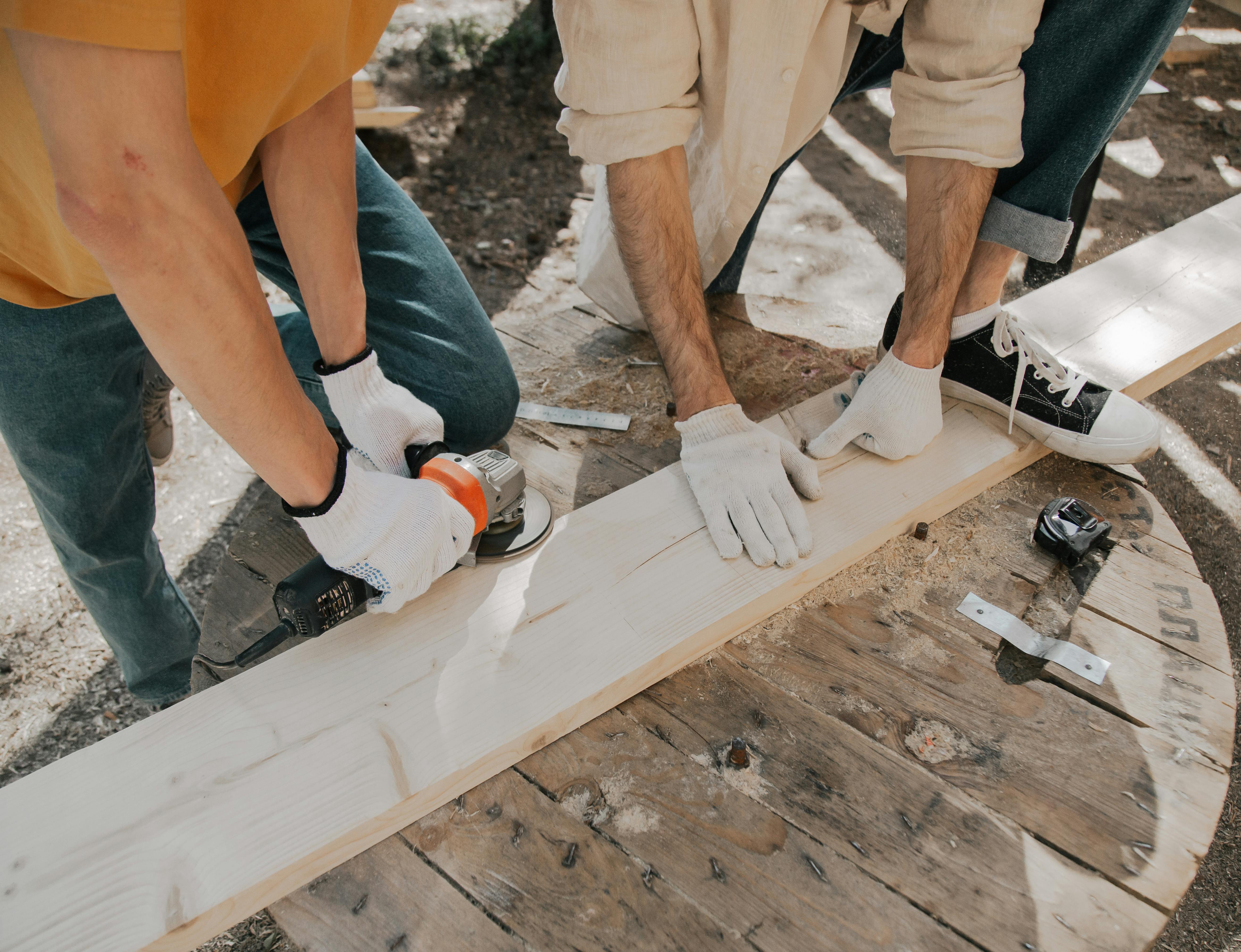
Carvers did not grab any plank and hope for the best; they chose wood that cut clean, held razor detail, and stayed steady through damp summers, cold storage, and constant vibration. Basswood became a favorite because it carved smoothly and accepted paint without fuzzing, and many animals were built from multiple joined blocks with grain oriented around the pole hole, belly, and mounting bolts where stress collects. Dowels, glue lines, and hardware were buried under primer and color, and the modular build made repairs practical, so a cracked ear, hoof, or rein loop could be swapped without retiring the whole figure from service.
Old World Carving Motifs Snuck Into the Midway
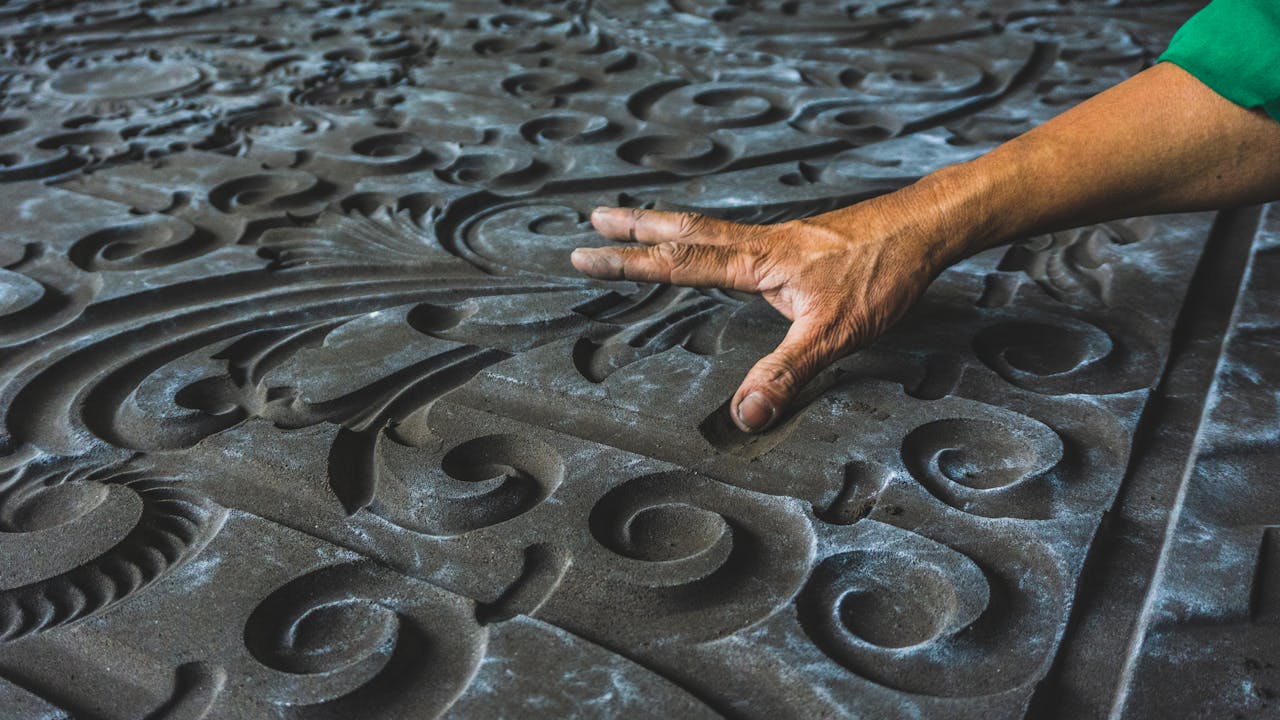
Ornament on vintage carousel animals came from traditions older than amusement parks, carried by immigrant woodworkers who had carved architectural trim, church details, and storefront signs for years. Scrolls, rosettes, crowns, and stylized beasts migrated onto saddles and bridle plates, designed to read in a single spinning glance, then reward anyone who noticed clean borders and deep relief under paint. Up close, the motifs feel like handwriting, with repeated curls and familiar leaf cuts, and the folk-art magic is that everyday artisans turned public entertainment into durable beauty that still looks handmade today, after repairs.
The Golden Era Was Brief, So Craft Got Compressed
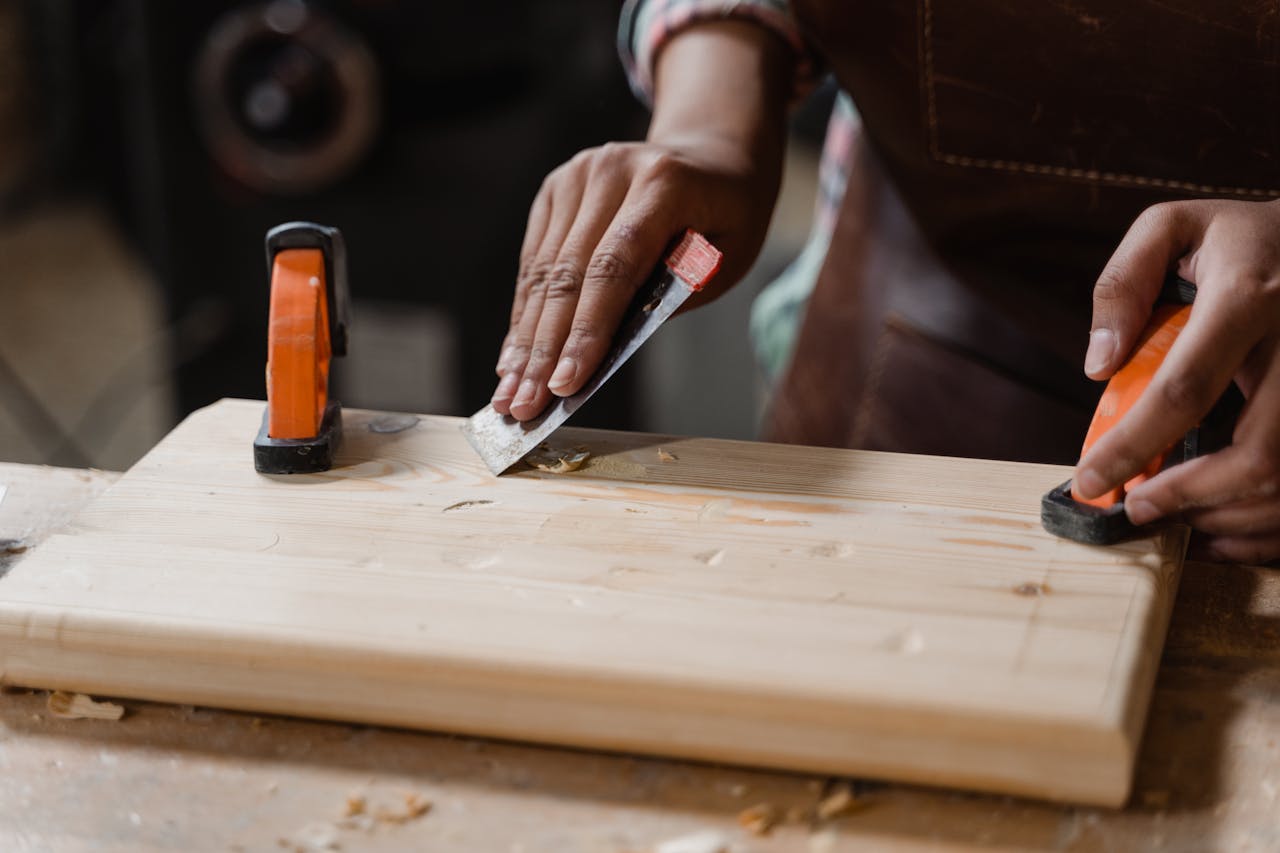
Carousel carving hit a sweet spot in the late 1800s and early 1900s, when parks wanted spectacle and workshops still competed on artistry on boardwalks and fairgrounds. Shops had to produce durable figures for long seasons, yet still deliver faces with character, tack with depth, and poses that looked alive under electric bulbs, so every inch carried a decision meant to be read at speed. After 1929, budgets tightened and shops closed, which is why that burst of invention feels finite, and why surviving mounts often show one unforgettable flourish meant to catch the eye, like a twisted neck or a grin that seems to hear the music.
Jumpers Were Mechanical Illusion With Good Manners
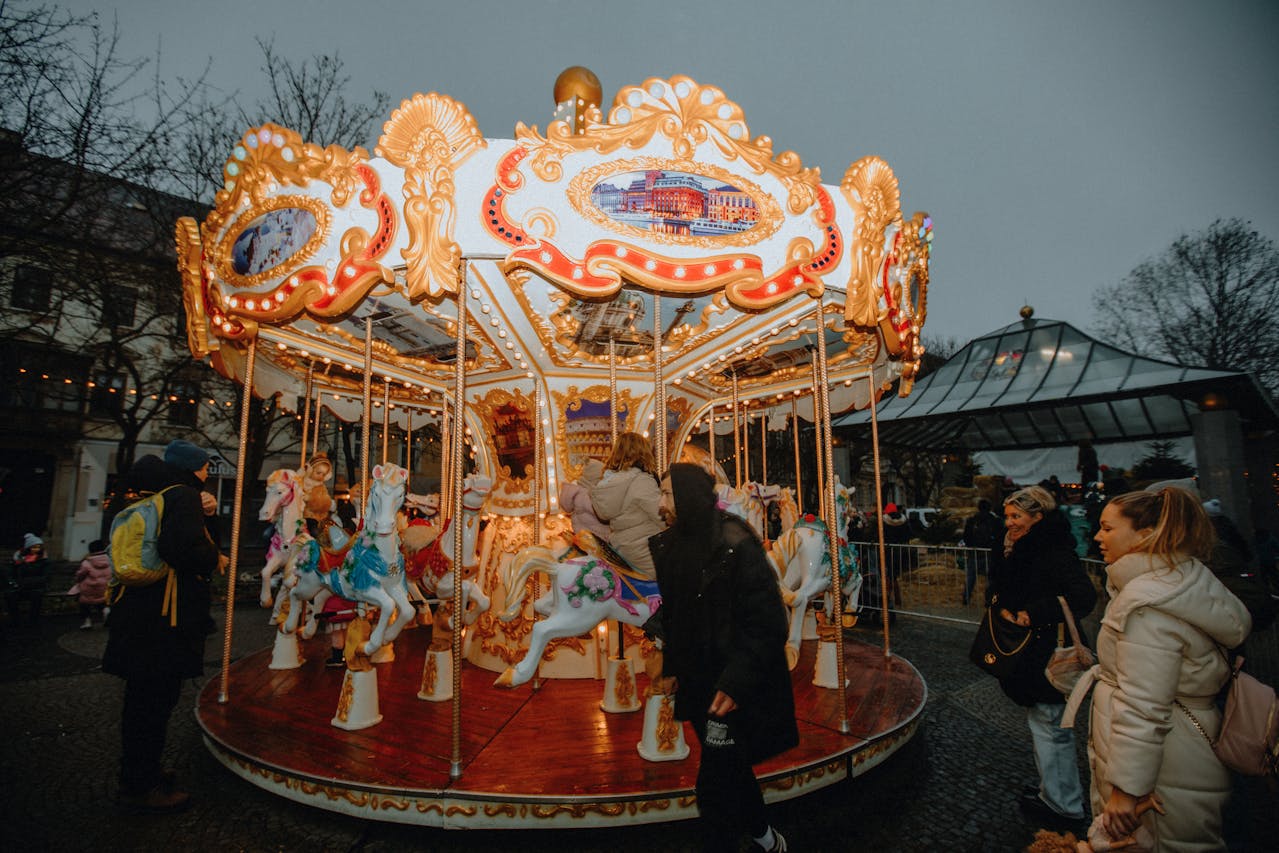
A jumper looks reckless, but the trick is disciplined engineering, with the animal rising and falling on its pole as the platform turns and hidden cranks do their work beneath the deck. The motion had to feel daring without stressing the carving or jolting the rider, so poses were designed around the cycle, with braced legs, reinforced bellies, and shoulders thick enough to survive repetitive force. When timing is right, the whole ride becomes choreography, waves of movement that sell speed at a steady pace under bulbs and calliope music, and the best jumpers look airborne while their weight still reads balanced from each angle.
Coney Island Excess Was Advertising in Wood and Paint
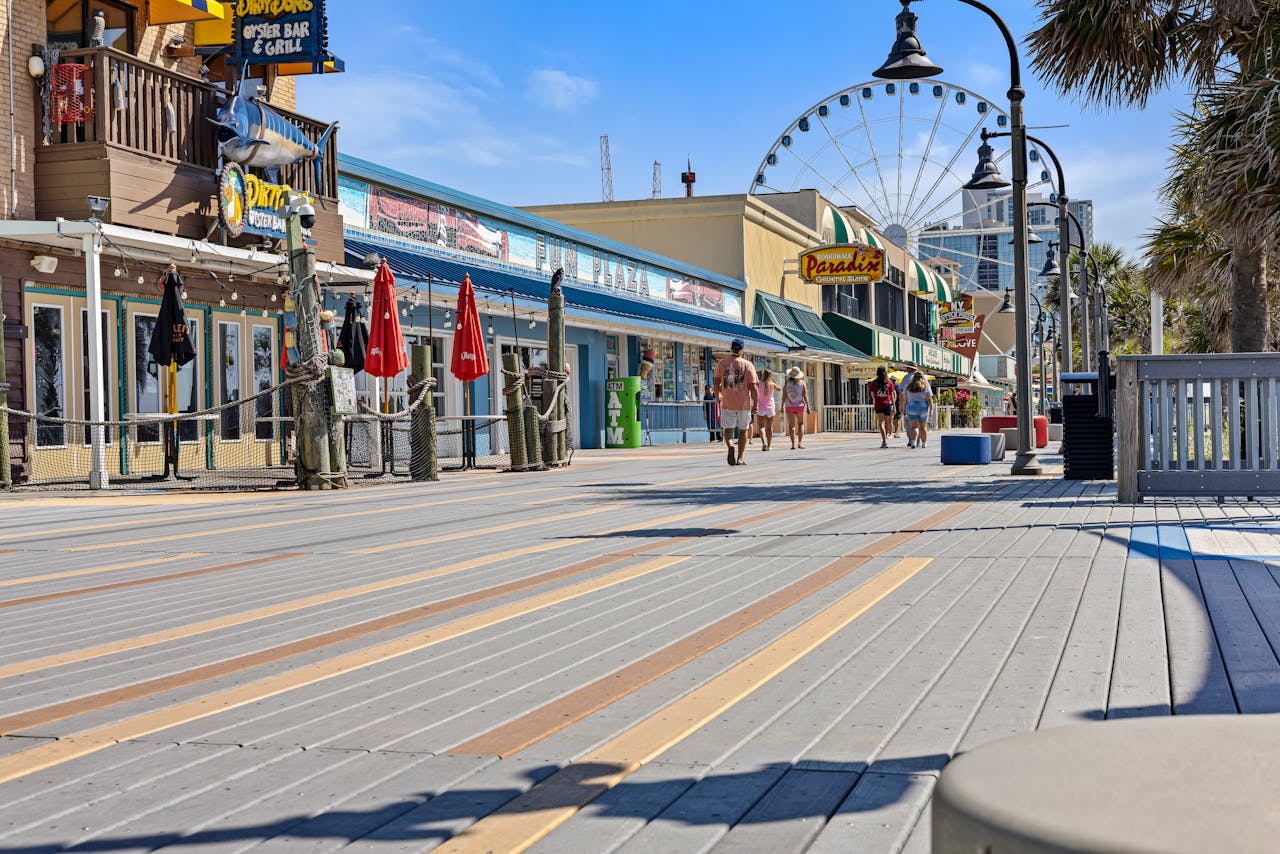
Some animals were meant to shout across a crowded pier, and the Coney Island tradition treated carving and decoration as advertising for a park’s ambition on the boardwalk, where every ride fought to be the one remembered. High-stepping horses wore jewel-like harness plates, carved rosettes, and flying manes, then got punched up with metallic paint or leaf so bulbs could ricochet across tack, crowns, and ribbons in quick flashes. Mirrors and canopy trim turned the whole machine into a lit stage, and even when the shine dulls, the anatomy keeps its swagger, like a performer trained to hold the room all night, without saying a word.
Menagerie Animals Turned a Ride Into a Traveling Story
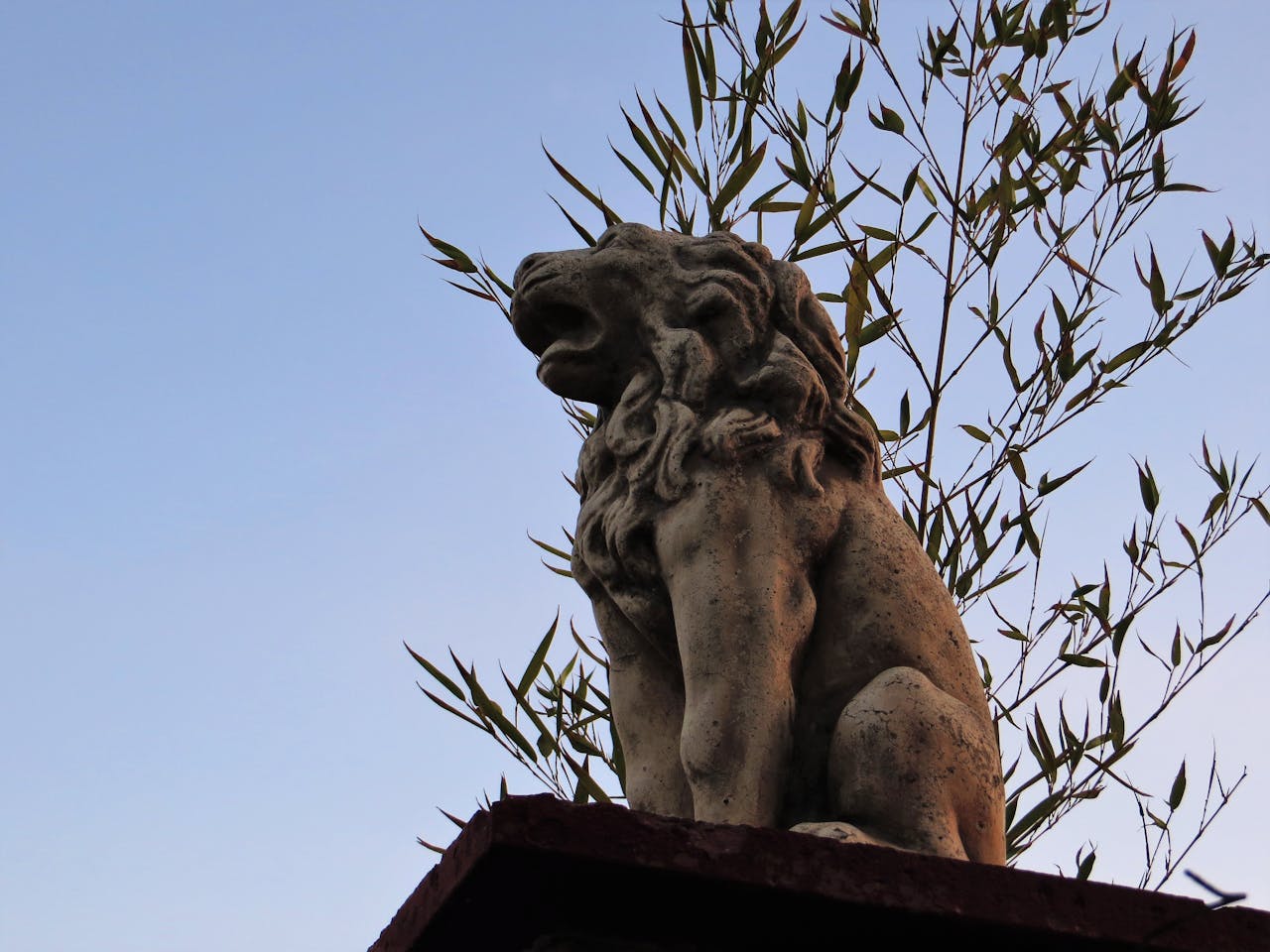
Horses promised speed, but a menagerie promised imagination, turning the platform into a traveling story for towns that had never seen a zoo or a circus up close, often at fairs where a ticket bought a few minutes of make-believe. Lions, tigers, deer, and odd hybrids gave carvers new puzzles in muscle and expression, plus textures of fur, claw, and scale that a horse could never offer. Because fewer were made and fewer survived the hard life of parks, storage, and dispersal, a menagerie mount often feels rarer and more intimate, less vehicle than character, circling in place with a personality that lands even after the music stops.
Paintwork Was a Second Craft, Not a Simple Finish
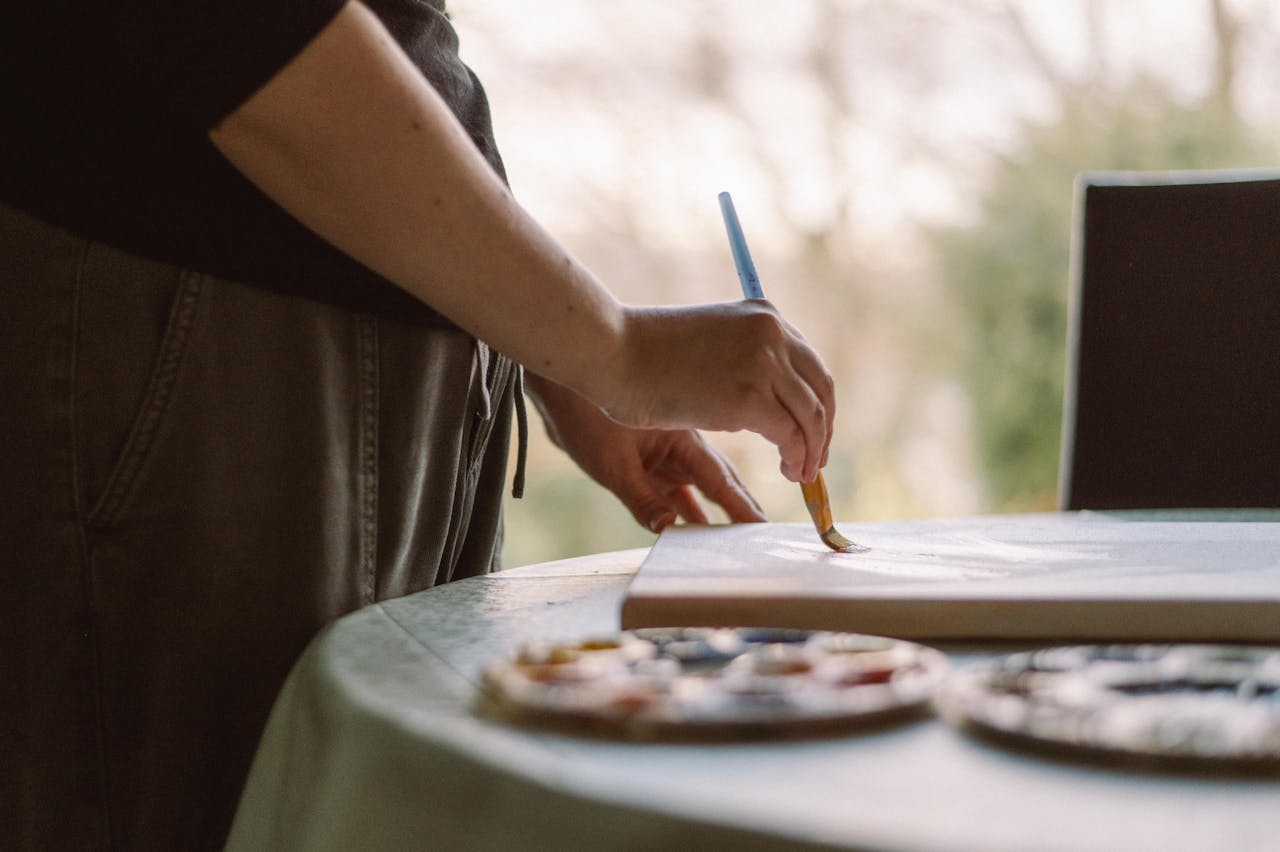
Carving was only half the performance, because raw wood needed sealing, filling, and priming so paint would not sink into grain, expose glue seams, or turn fuzzy after rain, sun, and years of handling. Painters then built depth with shading, stripes, florals, and tight highlights that read at speed from the rail, using metallic leaf or bright accents so tack, crowns, and ribbons could catch bulbs in quick flashes. A harness stud painted just right could sparkle like glass, yet heavy repainting could bury expression, so careful restoration strips with restraint and rebuilds color while keeping the cuts and edges readable up close.
Rounding Boards Framed the Animals Like a Moving Mural
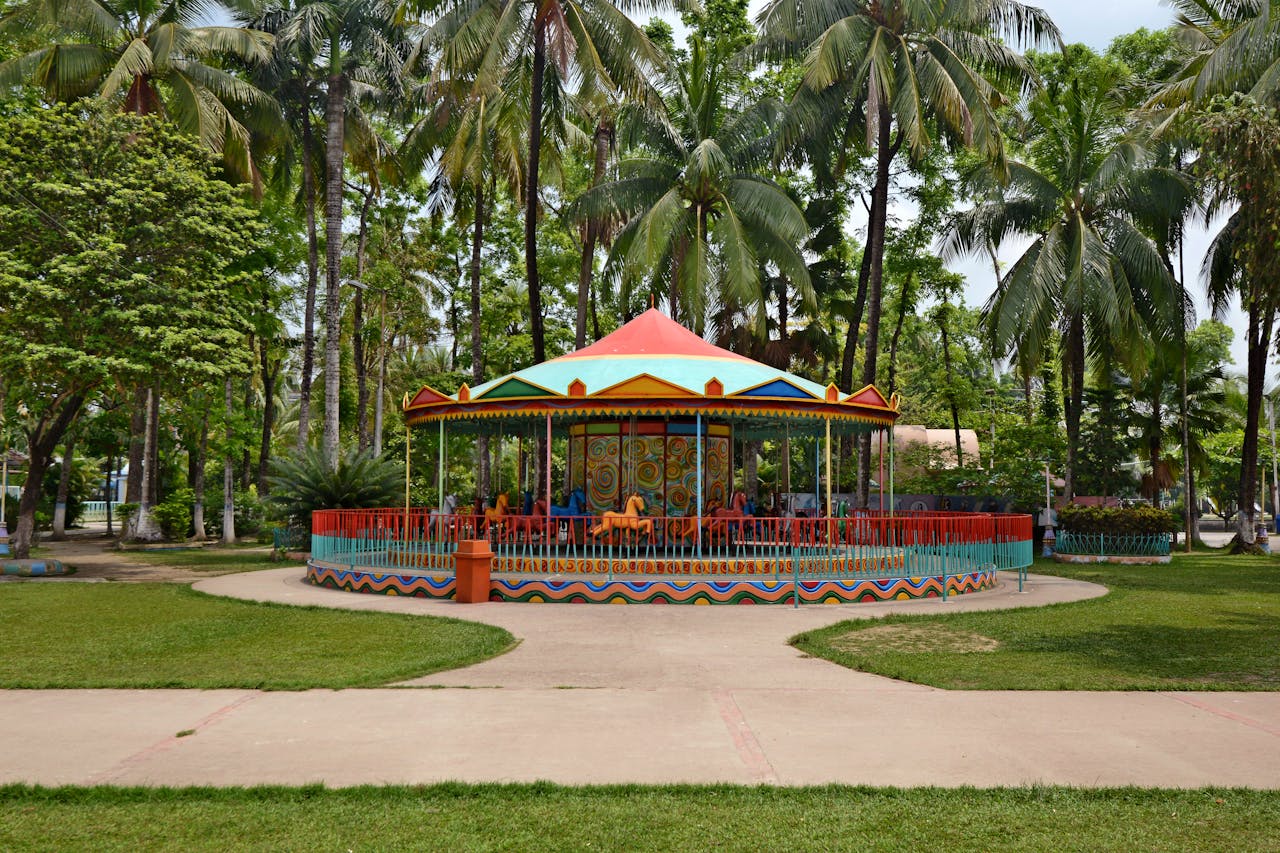
Above the mounts, rounding boards wrapped the canopy in painted scenes that made the ride feel larger than the platform, like a mural that happened to spin under bulbs and music. Landscapes, city views, and storybook panels suggested somewhere else, while borders of scrollwork and banners tied everything into one visual system and set the mood from pastoral calm to seaside energy. As the circle turned, those images repeated like a chorus, giving watchers a rhythm to follow between flashes of mane and saddle, even when a favorite animal slipped to the far side, and restoring them brings back the ride’s sense of place and pace too.
Regional Styles Worked Like Dialects in Pose and Detail
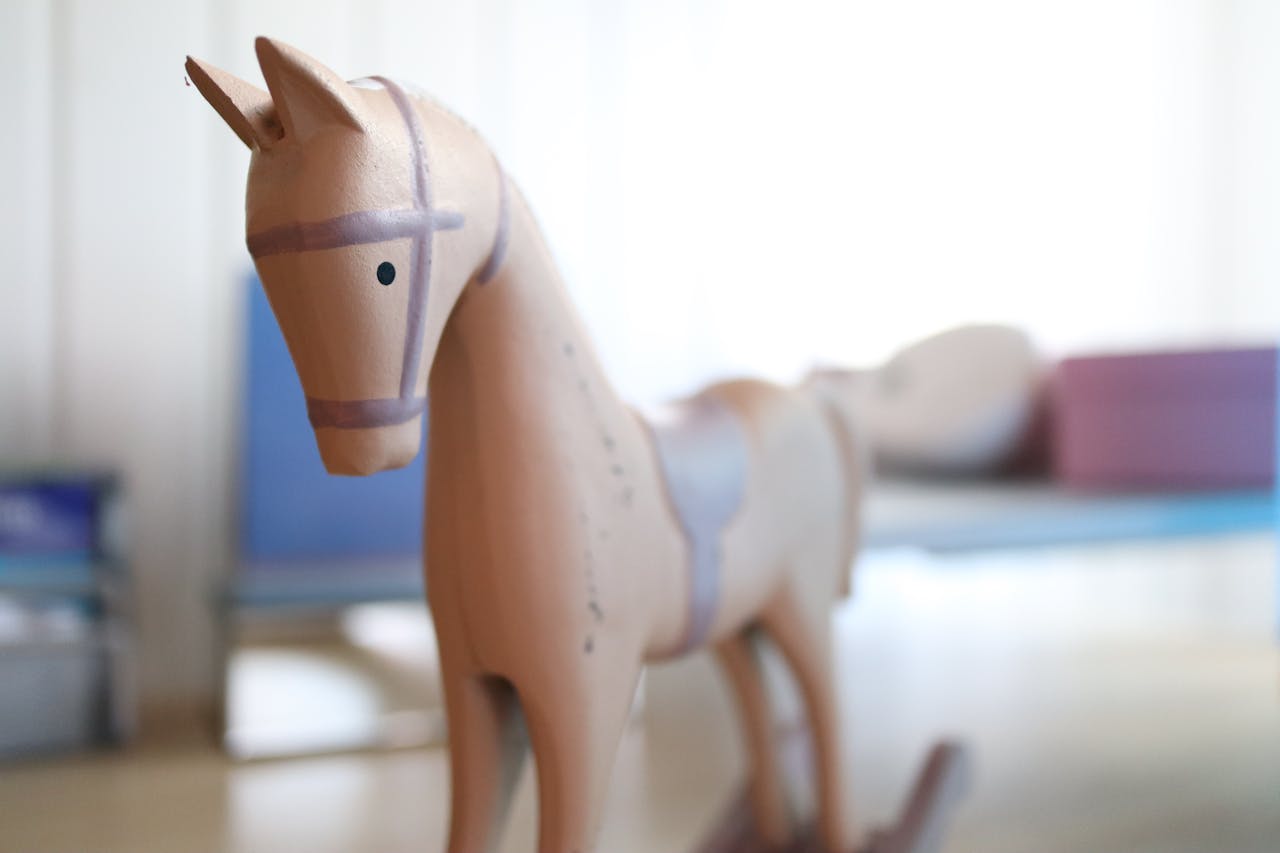
Not every carousel spoke the same visual language, because workshops responded to local taste and to the kind of crowd a park wanted to attract, from quiet pavilions to loud boardwalk piers. Some traditions leaned toward realistic anatomy and restrained decoration, while others pushed into drama with windblown manes, exaggerated motion, and dense ornament that caught light from every angle. Those differences become clues before a maker’s name is known, since a certain grin, saddle shape, or hoof cut can place a figure in a region the way an accent places a voice, and collectors spot it at a glance even through later paint layers.
Wear Marks Became Part of the Magic’s Proof
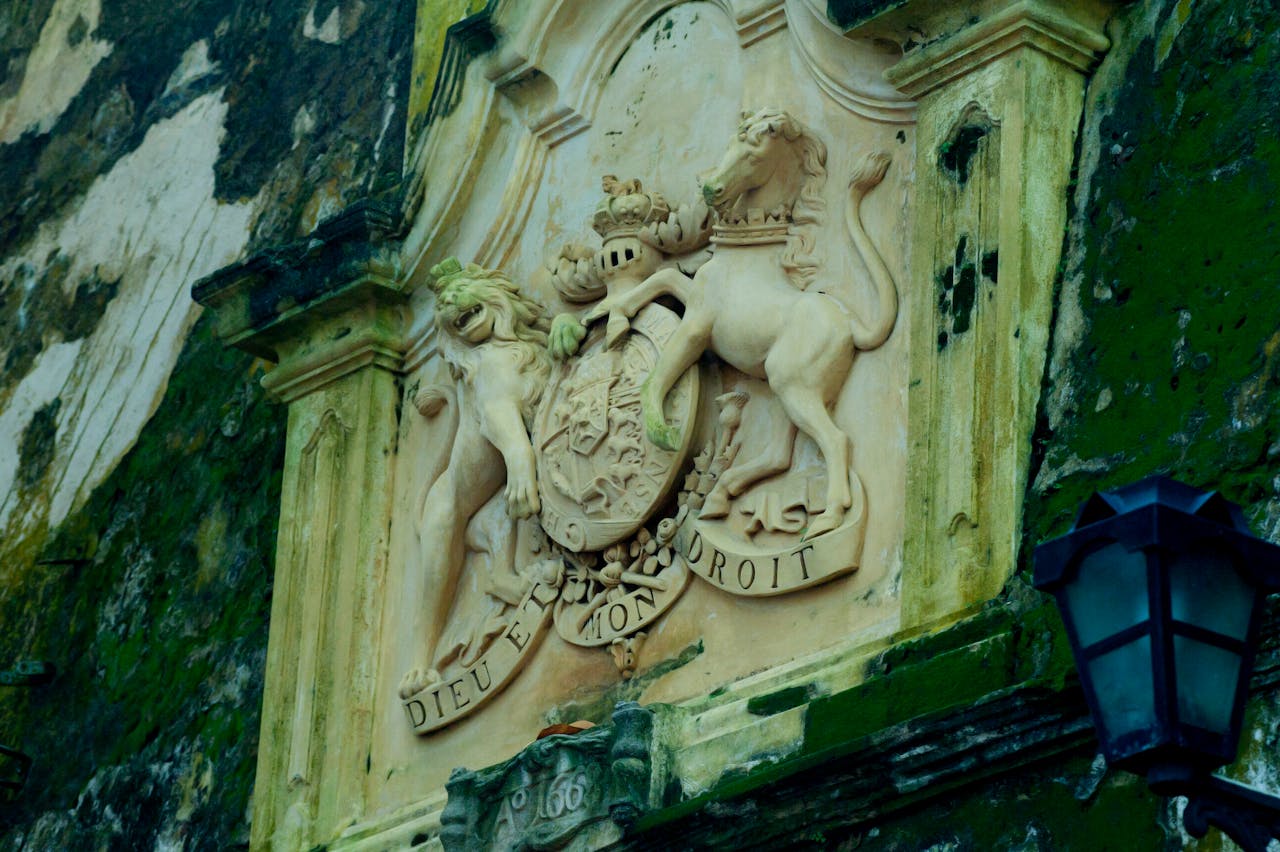
Vintage carousel animals rarely arrive untouched, and the wear is part of their truth, because these figures lived outdoors, rode through weather, and were handled by thousands of hands. Years of lifting and mounting leave soft edges, repainted patches, swapped hardware, and dents that map a working life, whether the animal traveled from park to park or sat in storage through ownership changes. Thoughtful restoration respects that biography, keeping the original carving legible without erasing every scar, so a rubbed stirrup, a faded cheek, or a chipped ear reads as evidence of joy repeated, season after season, not damage to hide.