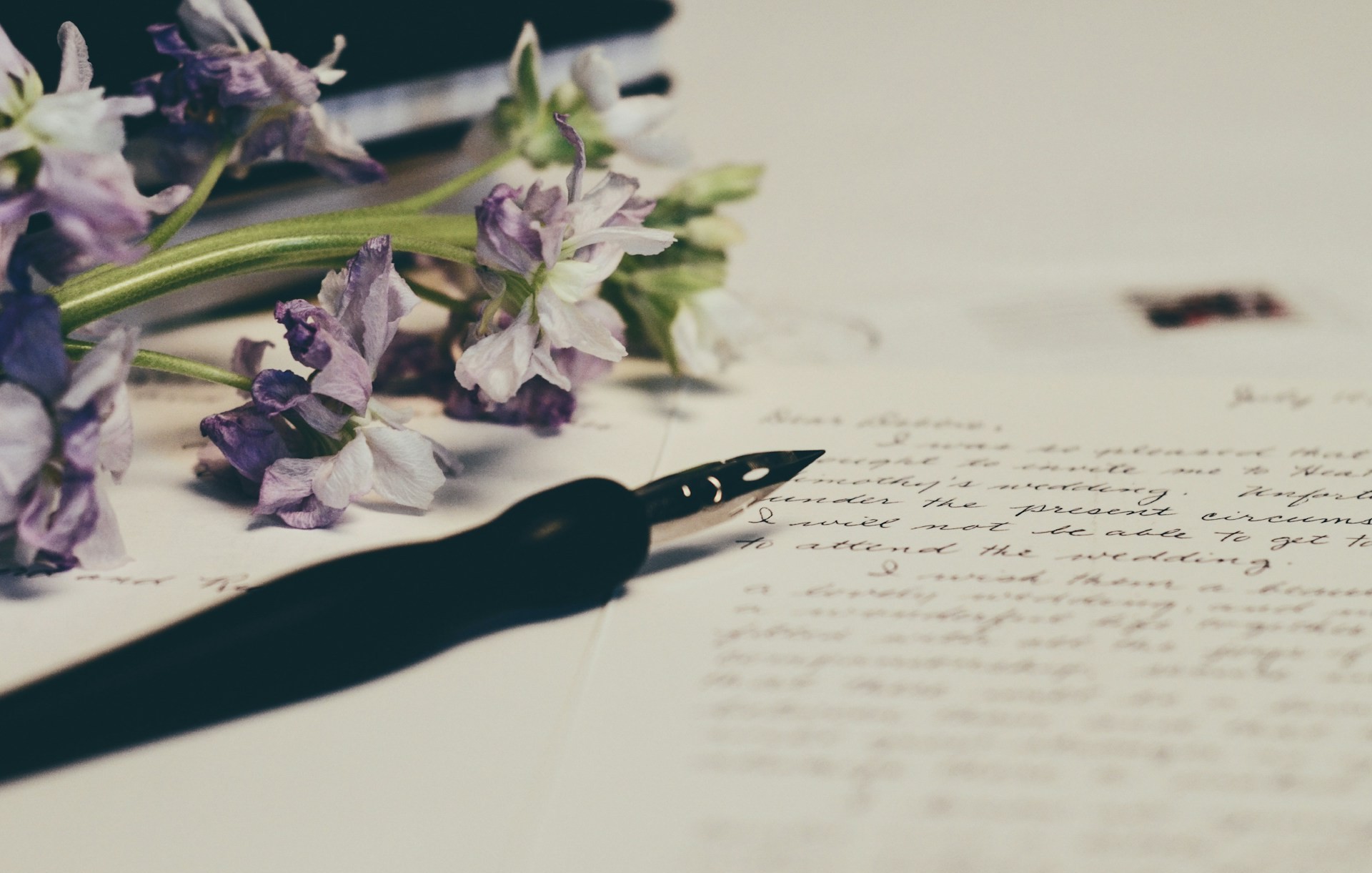
Pen pals were never about speed. A letter asked for patience, attention, and a little courage, because the page held a real voice with no instant reset. People chose paper, stamps, and a careful first line, then waited while life happened on both sides of the mailbox. That gap made room for reflection, and the object itself carried traces of its sender, from handwriting to a faint sense of place. Compared with quick messages, letters often felt like time set aside on purpose.
Waiting Turned Thoughts Into Stories
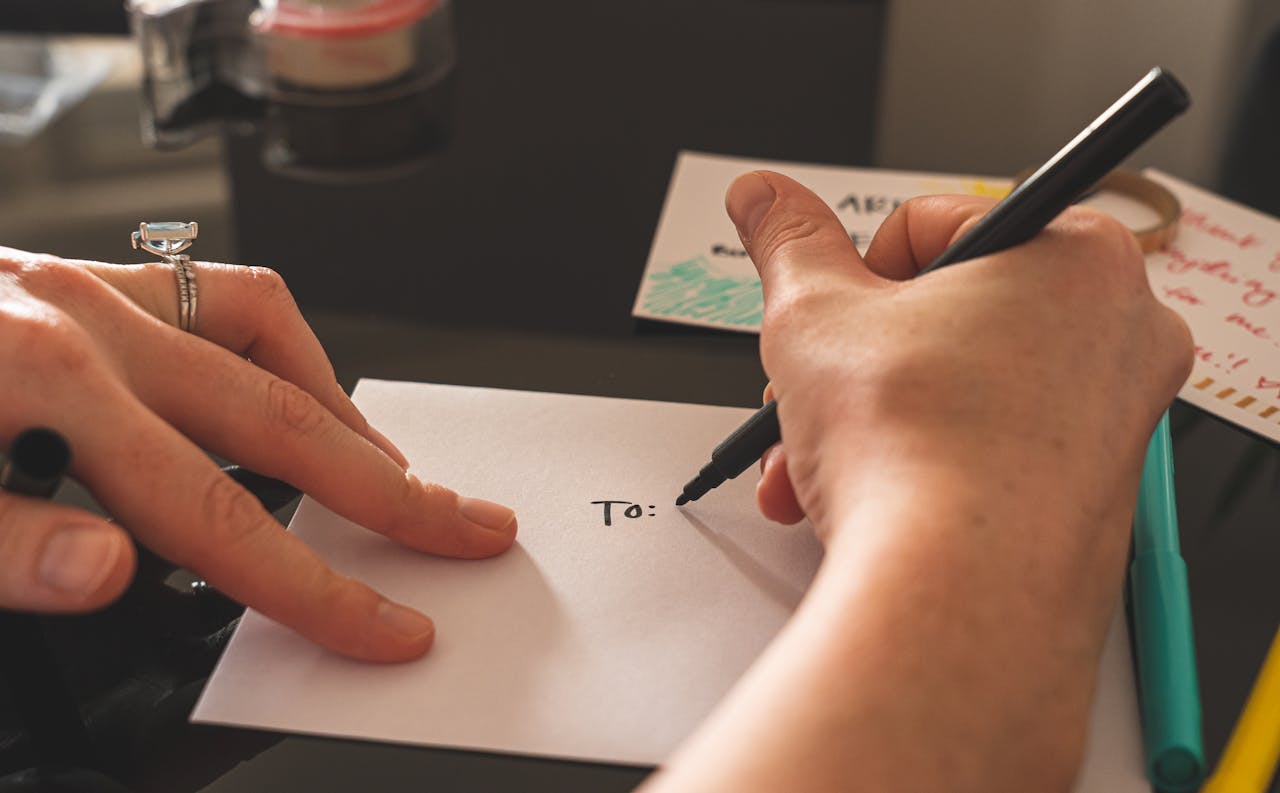
Waiting for the mail built a natural pause, and that pause shaped what people shared. Instead of sending a running commentary, the writer gathered days into a single thread, chose a few scenes worth describing, and added context that made the story land. The distance between writing and receiving also let emotions cool into clarity, so the letter arrived with an arc: what happened, what it meant, what changed, and what questions remained. That structure made the exchange feel intentional, like chapters traded back and forth, rather than quick reactions that disappear into a scroll by the next morning.
Handwriting Carried Personality
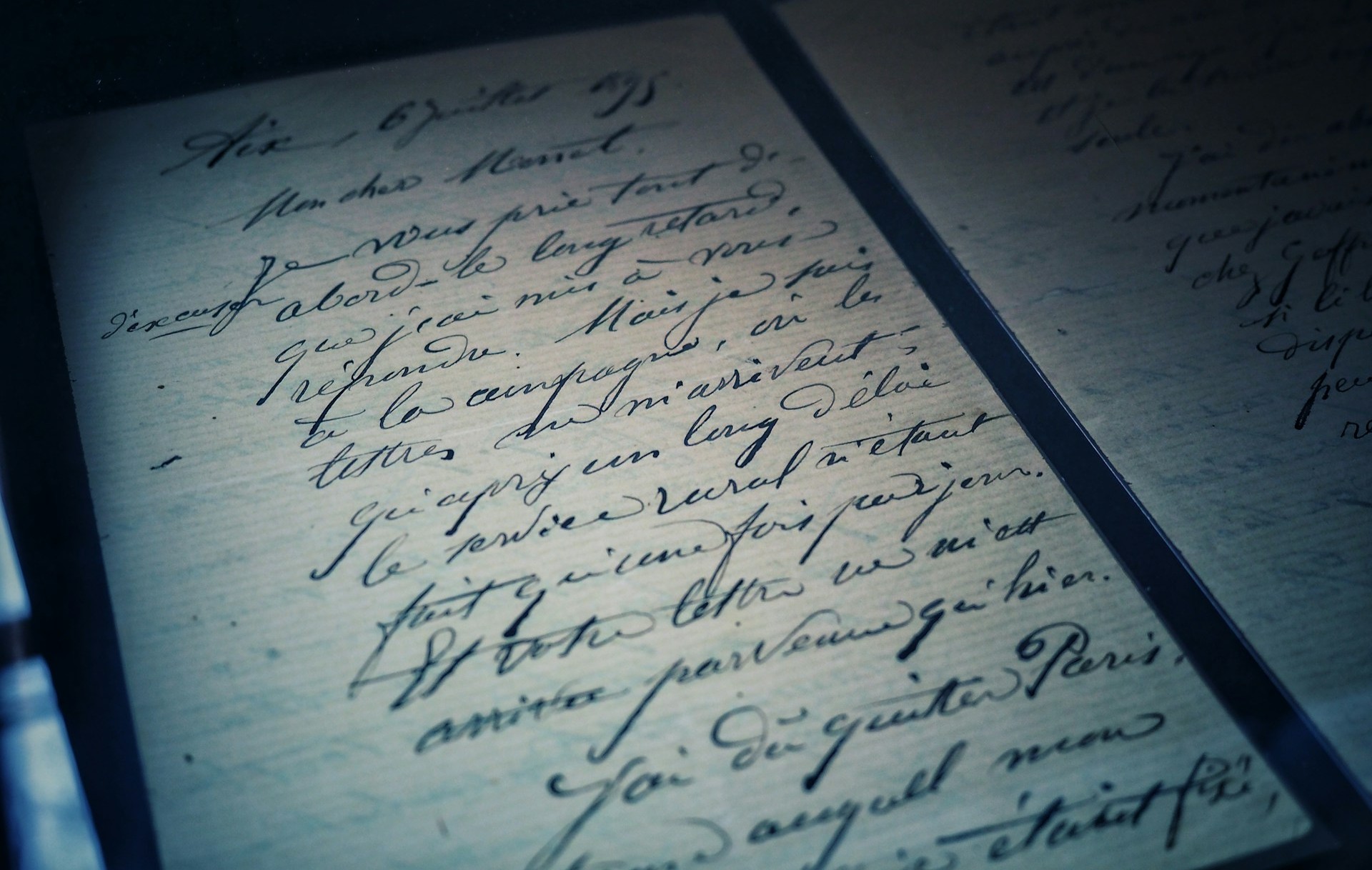
Handwriting carried personality before the words even settled in. Loops, slants, margins, and the pressure of the pen signaled mood and energy, and the page kept those signals intact. A rushed day showed up in uneven lines, a calm one in spacious strokes, and a hard week in crossings-out and restarts that felt honest rather than messy. Over time, small quirks became familiar: a certain way of writing dates, a favorite underline, a tiny doodle in the corner, or a signature that changed as confidence grew. Typed text can be clear, but it rarely carries that same human fingerprint.
Paper Made Effort Visible
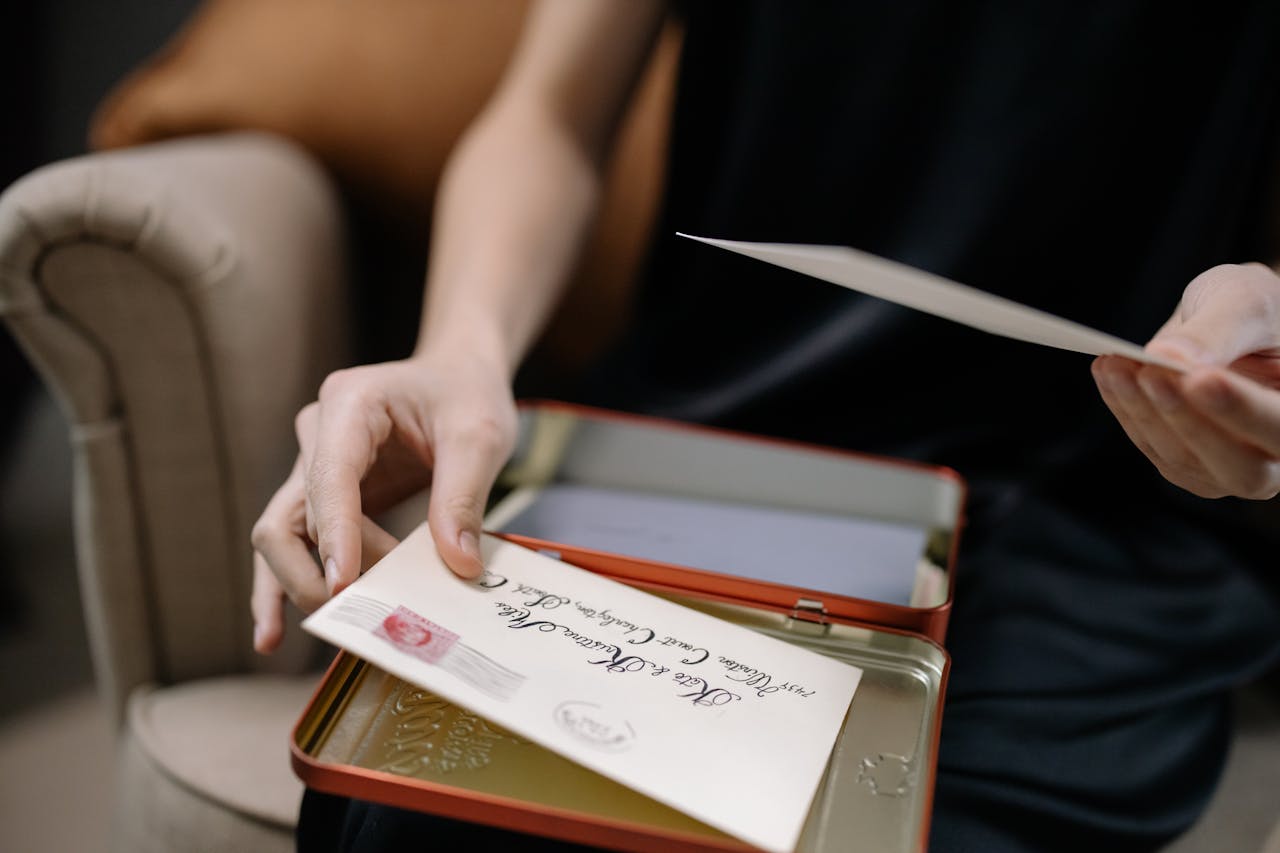
A letter made effort visible because it required steps that could not be faked by speed. Someone had to pick paper, sit down, write, reread, fold, address, stamp, and send it, often after carrying the envelope for a day while deciding what to include. That chain of actions signaled intention. The receiver could feel it in the envelope’s weight, the careful address, and the slight smudges where a hand paused. Even the choice to spend time on a longer paragraph said something, because the writer could have stopped at a few lines, but did not.
Small Extras Felt Like Gifts
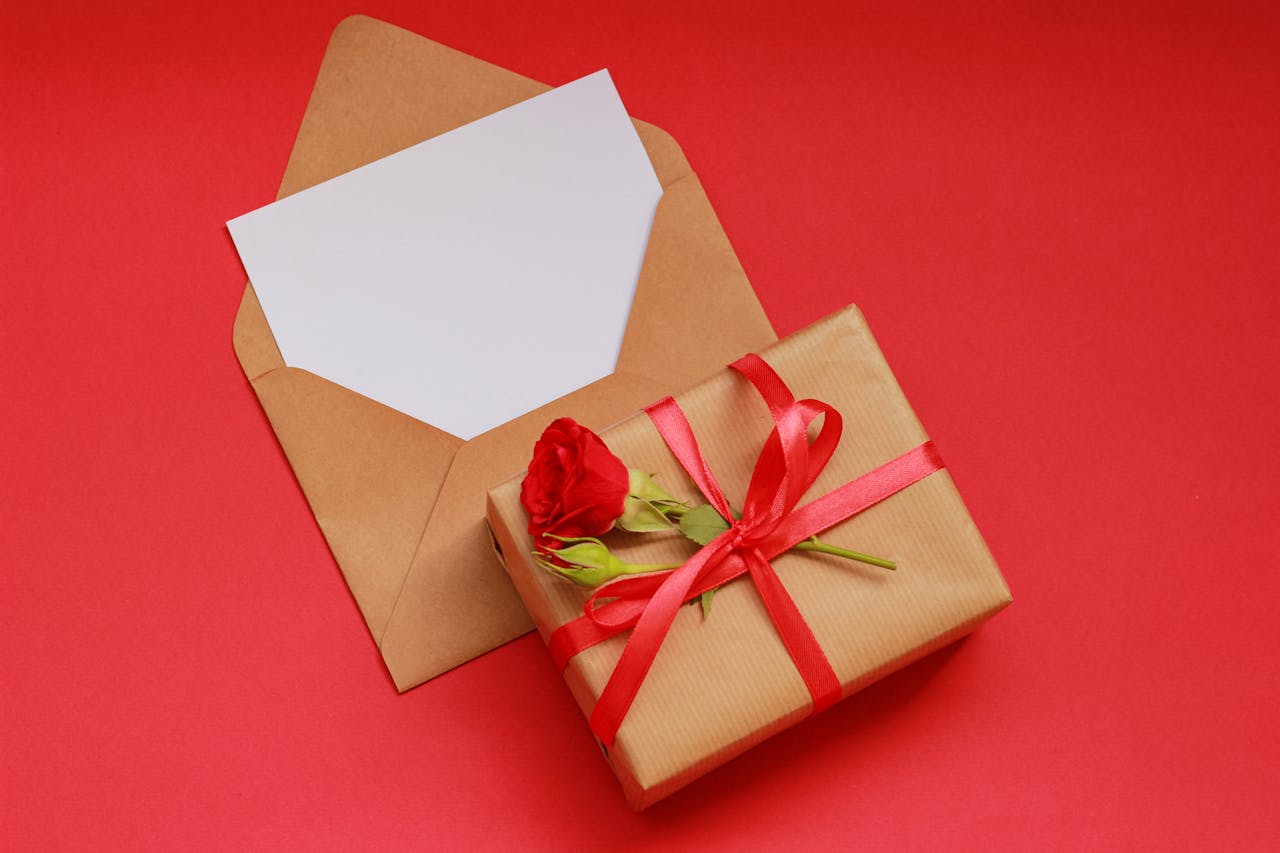
Letters often came with small extras that turned a message into a shared object: a pressed leaf, a ticket stub, a photo strip, a sketch, a recipe card, or a local postcard. These were simple things, yet they carried texture and place in a way a link never can. The sender had to choose it, hold it, and tuck it inside, which made it feel personal without trying too hard. Over time, those additions became a quiet archive of a friendship, a stack of proof that someone thought ahead, noticed details, and wanted to share the ordinary parts of life, not only the highlights.
Privacy Was Built In
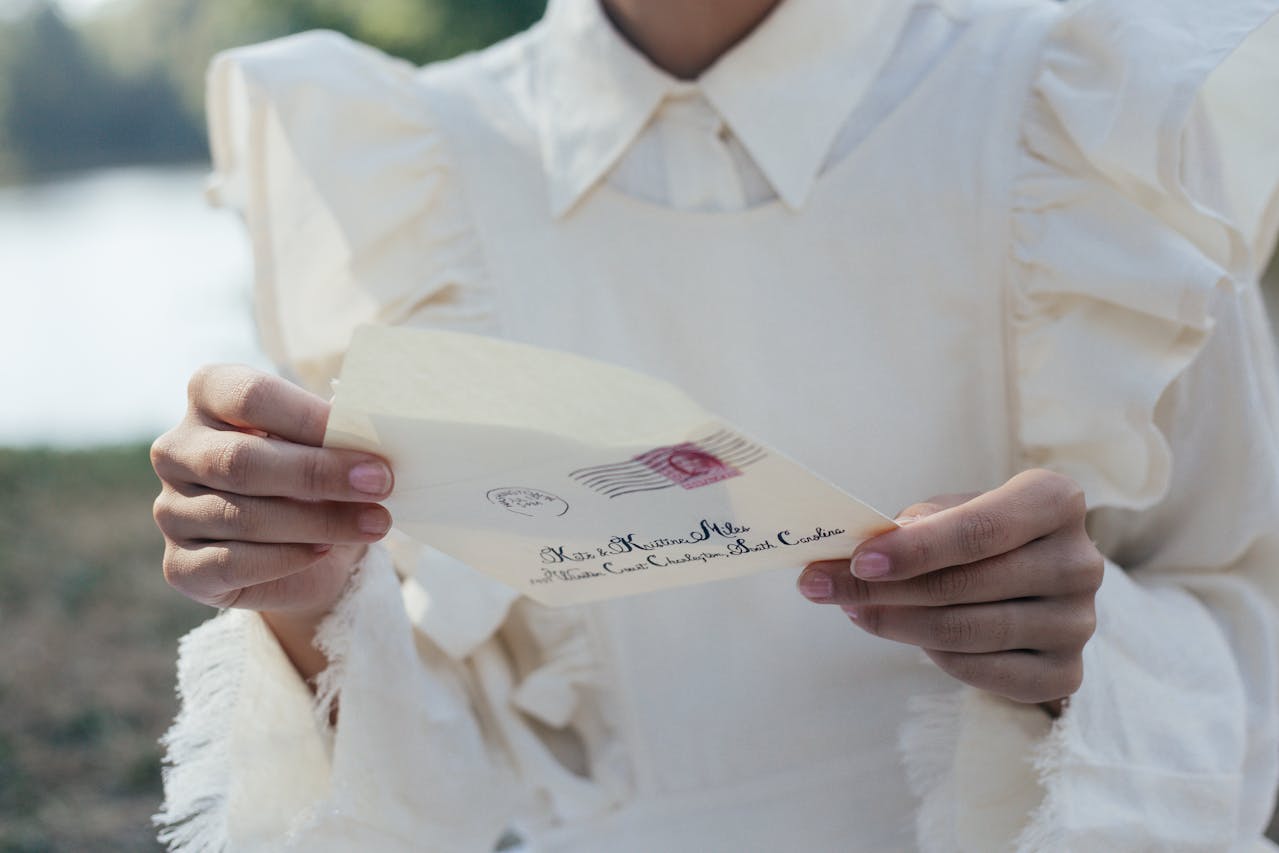
Letter-writing came with privacy by default. It lived outside group chats, feeds, and endless alerts, and it did not invite an audience. Most of the time it stayed between two people, with no public metrics and no accidental overflow into a wider circle. That quiet encouraged longer sentences and softer honesty, because the writer was not performing for quick approval. The receiver also had space to read slowly, without juggling other tabs or incoming pings. The result was a calmer kind of intimacy, where the conversation could hold nuance, uncertainty, and small confessions that might feel awkward in a rapid-fire thread.
Ritual Created Emotional Safety
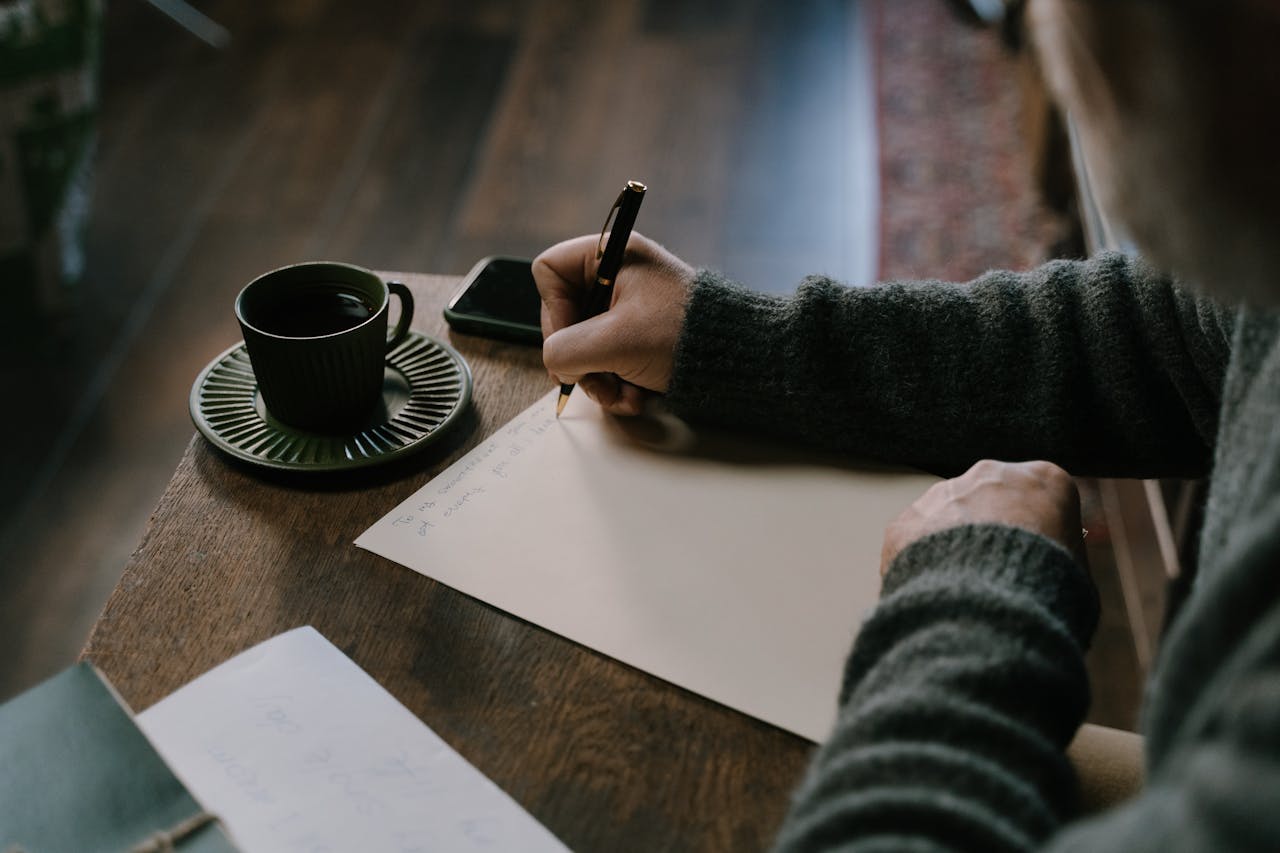
There was ritual in writing a letter, and ritual creates emotional safety. The act of sitting down, choosing a pen, and seeing a blank page signaled that the moment mattered, even if the subject was everyday life. Sealing the envelope felt like closing a thought with care, and dropping it in a mailbox carried a small sense of commitment. When a letter arrived, opening it became its own quiet ceremony: paper sounds, the first line read in silence, the pause before turning the page. That calm frame helped words land more gently, and it made the exchange feel steady, even when life around it was not.
Distance Became Something Real
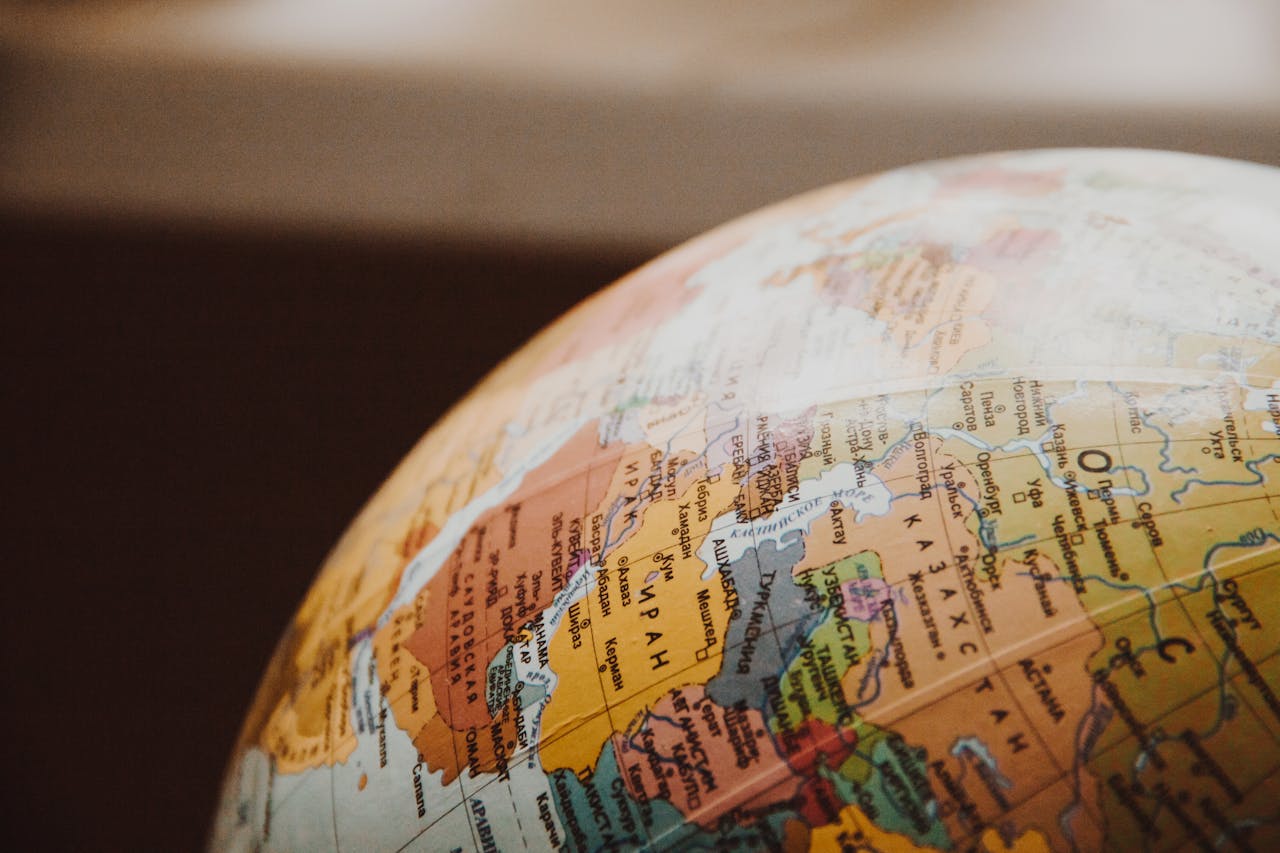
Pen pals made distance feel real in a satisfying way. A stamp, a postmark, and travel time reminded both sides that they lived in different routines, weather, and landscapes, and that difference was part of the bond. A letter could carry a street name, a local saying, or a small drawing of a neighborhood, and those details built a mental map that grew with every envelope. Because updates arrived less often, curiosity stayed sharp. Each reply brought discovery, not just news, and the friendship carried a sense of place that digital messages often flatten into the same neutral screen.
Letters Became Keepsakes
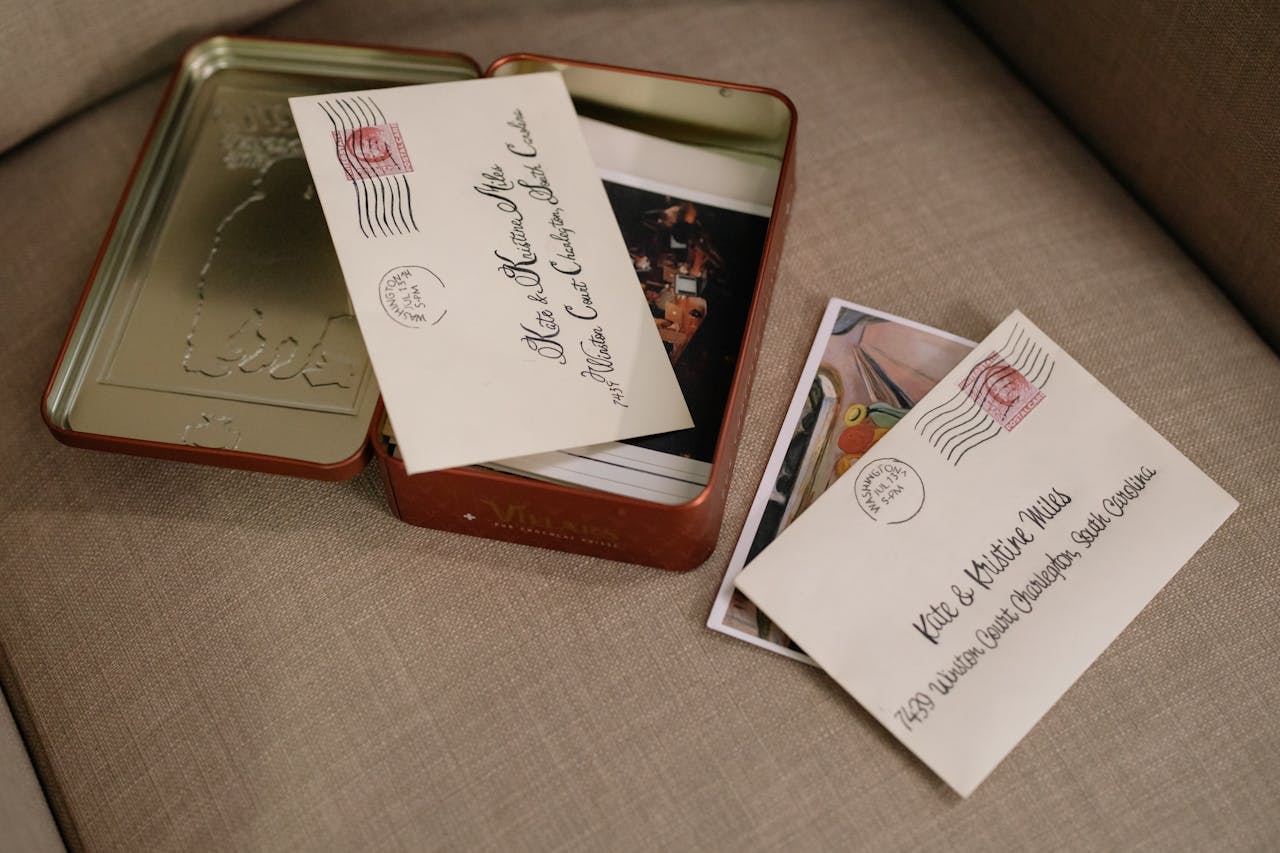
Letters tended to become keepsakes because they were built to last. They lived in shoeboxes, folders, and drawers, and they could be reread without passwords, app updates, or a lost login. Fold lines, coffee rings, and softened corners acted like timestamps, and rereading a letter brought back more than words. It brought back the season of life when those words were written, including the small hopes, inside jokes, and worries tucked between paragraphs. Digital threads can be stored, but they rarely feel like artifacts. A letter is an object with memory, and holding it can bring a person back into the room.
The Pace Reduced Social Pressure
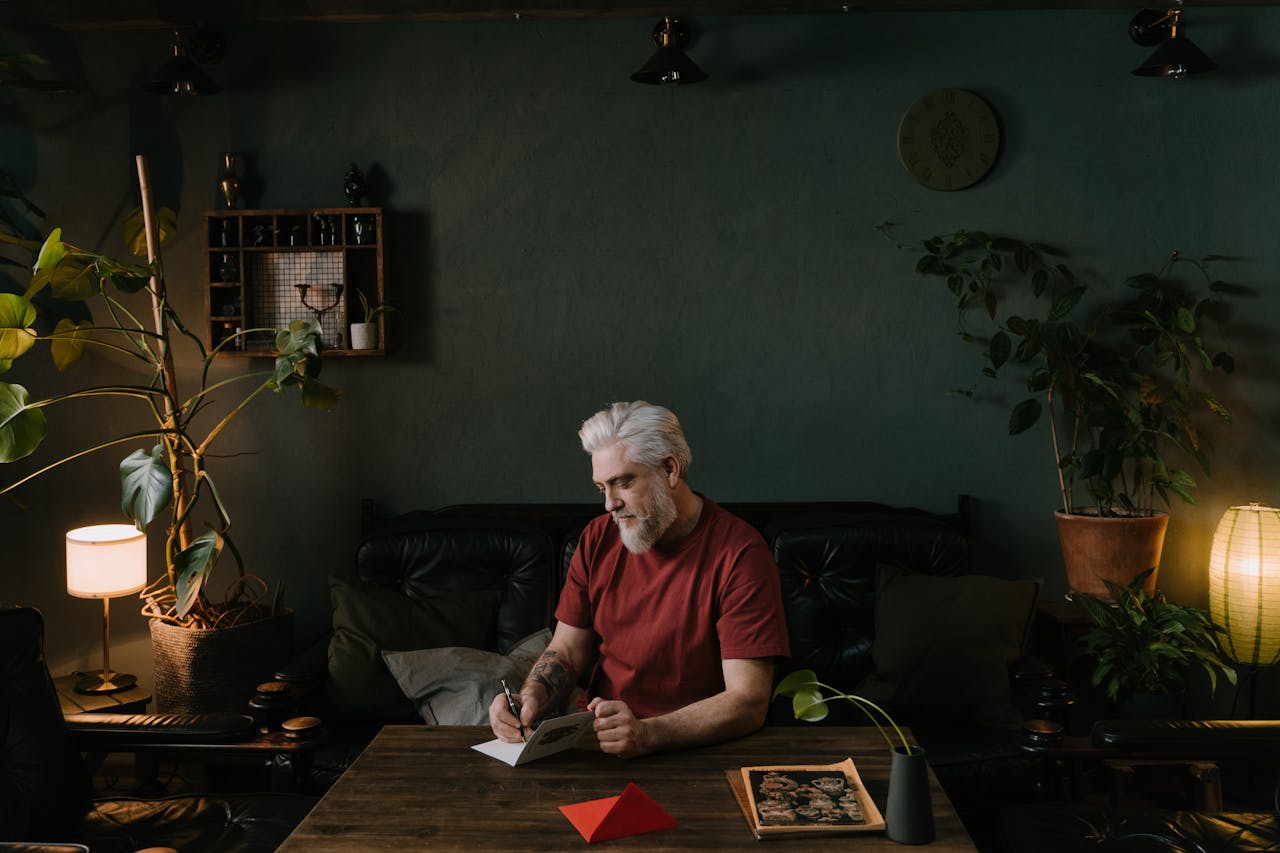
Because letters moved slowly, they reduced the pressure to be constantly available or instantly clever. There was no anxiety about read receipts, and silence did not automatically signal disinterest. The slower pace gave both people room to think, to choose language carefully, and to reply when they had something real to say. That helped sincerity rise above performance. Friendships grew through consistency and depth, not sheer volume. Months between envelopes could still hold closeness, because the exchange valued meaning over immediacy. When a reply finally arrived, it felt earned, like someone made time, sat down, and met the moment with attention.