Vintage amusement parks keep pulling younger crowds for reasons that are easy to miss on a map. These parks trade polished perfection for texture: weathered wood, hand-painted signs, old midway smells, and rides that still feel physical in a screen-heavy era.
Gen Z arrives for the nostalgic photos and sunset reels, then stays for the atmosphere. The lines can crawl, the climbs can look intimidating, and the safety checks feel extra serious on older coasters, but that ritual is part of the appeal. It feels like summer with memory attached. It is loud, chaotic, and honest in a way newer entertainment districts rarely are.
Luna Park in Coney Island
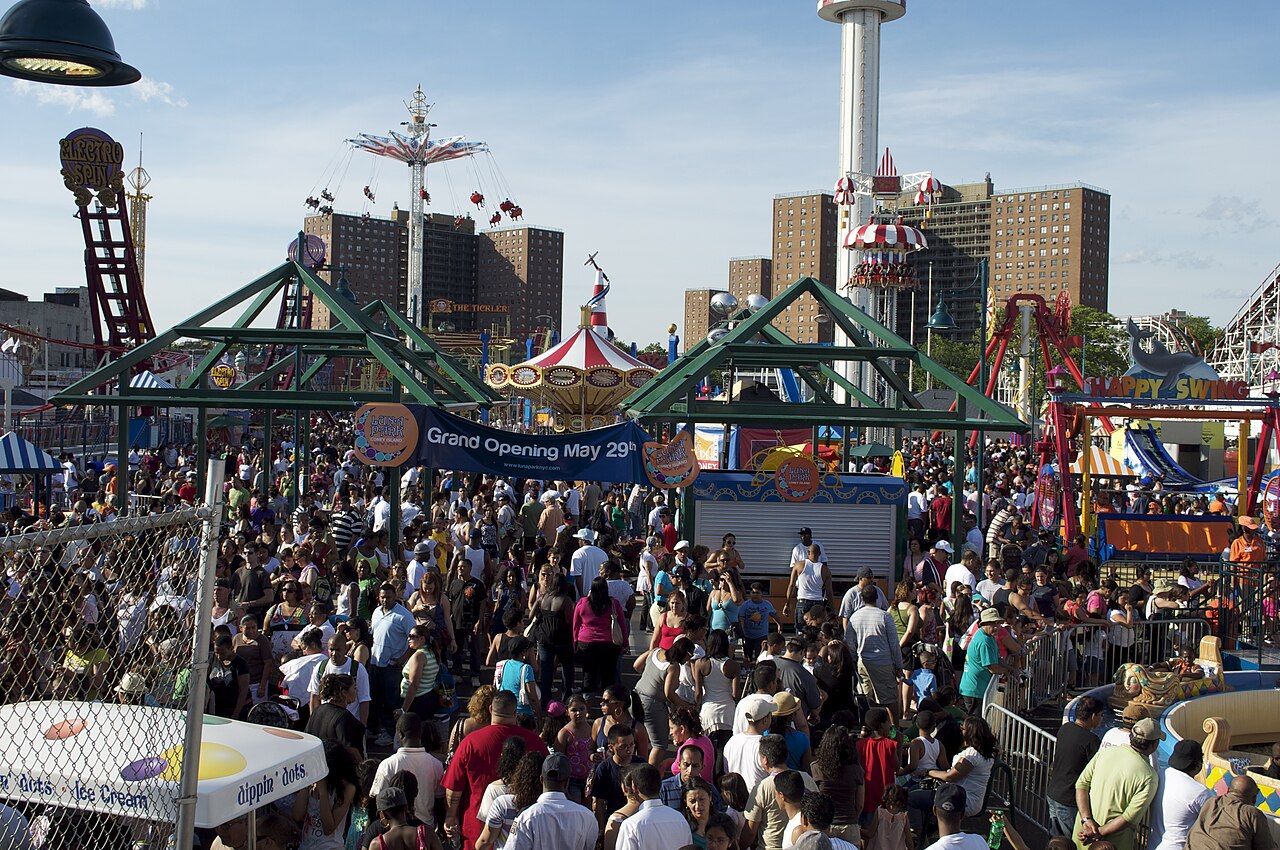
At Luna Park in Coney Island, the Cyclone still does what newer coasters often cannot: it looks intimidating before the train even leaves the station. The wooden structure fills the skyline, and the first climb pulls riders into Brooklyn nostalgia instead of a polished resort mood.
Luna Park notes the Cyclone debuted on June 26, 1927, and still reaches 60 mph. Opening day crowds line up early for it, and even after the 2024 chain crack shutdown, the coaster reopened after repairs and inspections, which only reinforced its legend among fans who treat it like a summer ritual. The nerves and the bragging rights arrive together.
Santa Cruz Beach Boardwalk
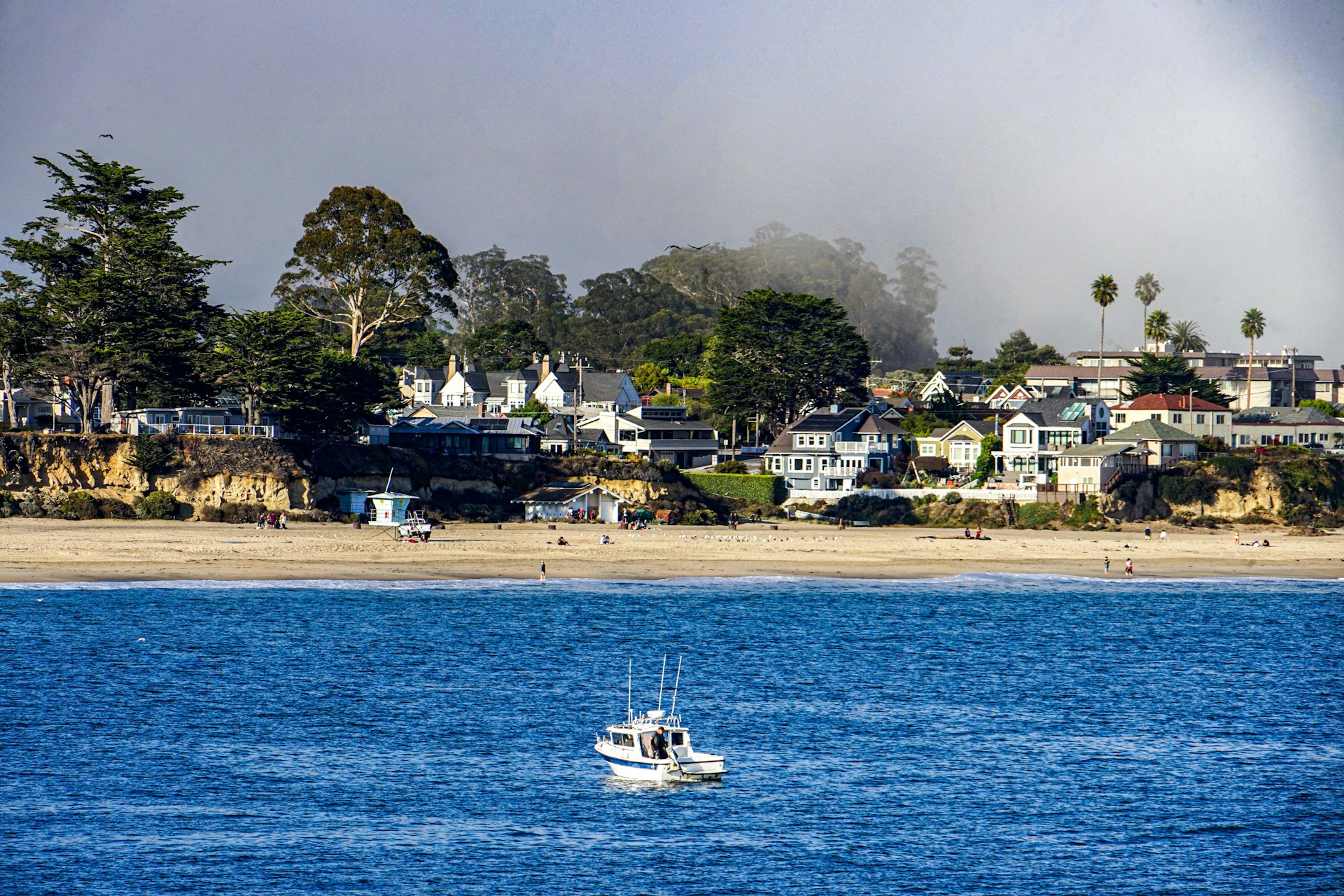
The Santa Cruz Beach Boardwalk looks made for phone cameras, but it keeps people because it still works as a real seaside park. Surf sits beside the midway, admission is free, and the arcade noise blends into the beach in a way newer parks rarely match.
The Boardwalk has been family-owned since 1907, and its Giant Dipper has run since 1924. Boardwalk materials say more than 66 million riders have taken that coaster, which explains why Gen Z waits out the line for a ride that feels like equal parts history, ocean view, and nerve test. The structure looms from the sand, and the ride crew checks heighten the boardwalk suspense.
Kennywood
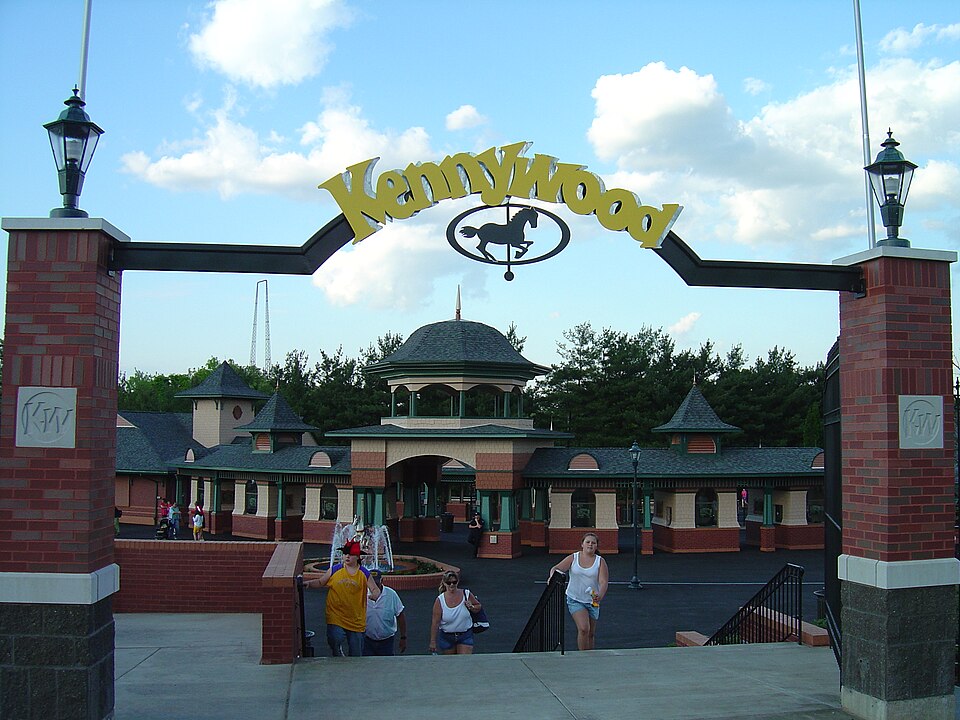
Kennywood in Pennsylvania lands differently from flashier parks because its charm comes from layers, not spectacle. The pathways, signage, and older coaster silhouettes feel lived in, which is exactly why younger visitors keep treating it like a summer pilgrimage.
Kennywood’s history traces back to Kenny’s Grove and the 1898 trolley park era, and the park still leans into that identity. The Jack Rabbit remains its oldest coaster, Racer still delivers a rare continuous-track race experience, and the park now sells a Speedy Pass queue for people who want nostalgia with less waiting. It keeps the old bones and the modern crowd flow.
Lake Compounce
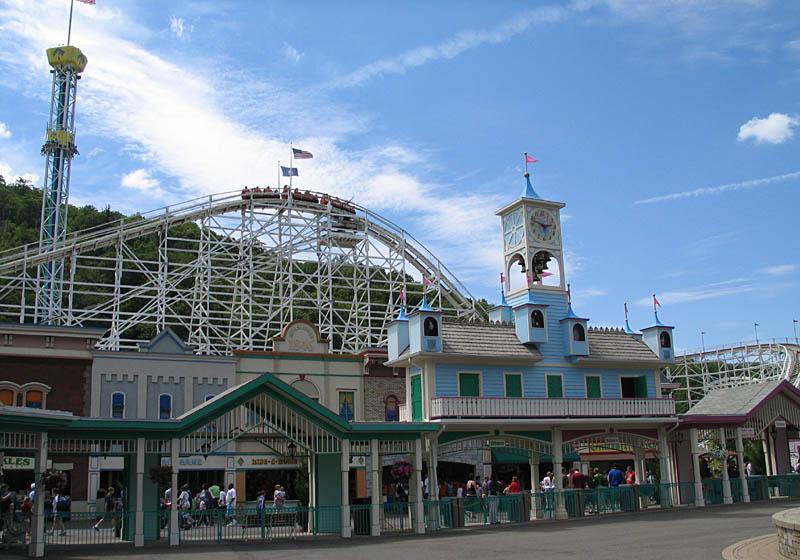
Lake Compounce in Connecticut wins people over because it does not hide its age. It leans into it. The park openly calls itself America’s first amusement park and frames the day around old-school coasters, lake views, and a pace that feels more local than corporate.
The park’s materials mark 180 years of operation and spotlight Boulder Dash as the signature wooden coaster. Lake Compounce also offers Speedy Pass options, which says everything about summer demand: visitors come for the vintage setting, then make practical plans when the queue times stretch. The older look adds nerves, but the ride rules and checks steady things.
Belmont Park
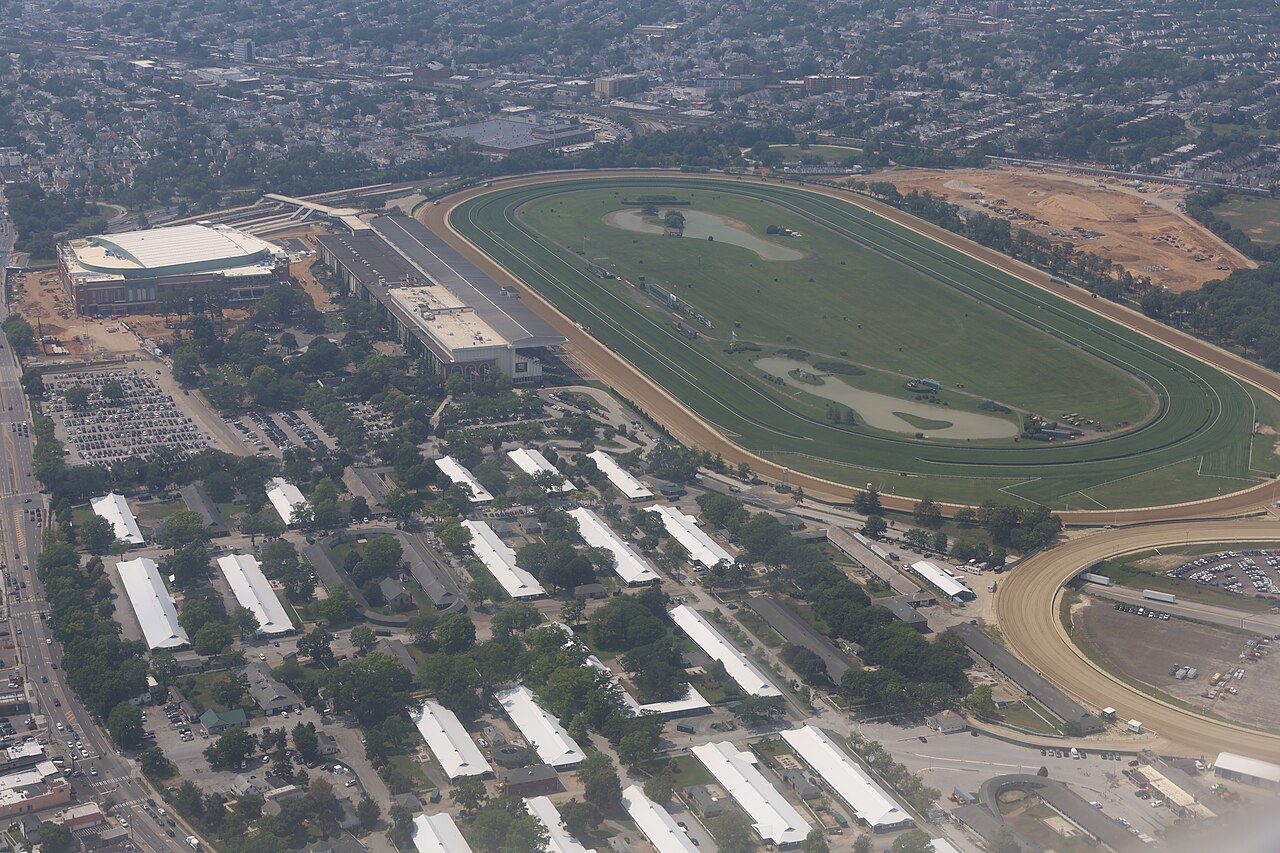
Belmont Park in San Diego feels less like a theme park bubble and more like a beach landmark that still happens to run rides. Its compact oceanfront footprint keeps everything in motion, so younger visitors can bounce from snacks to arcade games to the coaster without losing the coastal atmosphere.
The park highlights the Giant Dipper as its signature ride, and official materials note speeds up to 48 mph on the historic wooden track. Belmont’s own history also remembers the 1970s fight over whether to demolish the coaster, which adds weight to every long line now forming beneath a ride locals once had to save. That backstory shows.
Cedar Point
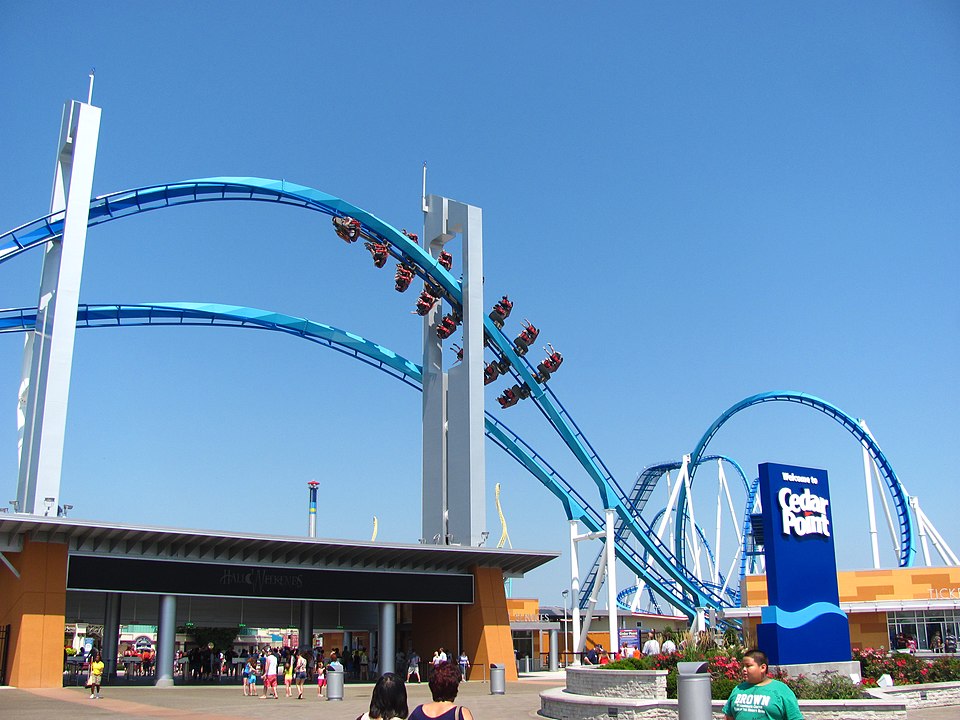
Cedar Point in Ohio reads as a modern thrill capital, but its appeal is still rooted in old park DNA. The peninsula location has been drawing summer crowds since the 1870s, and that shoreline setting gives even the biggest steel coasters a classic resort feeling.
Cedar Point’s official timeline traces the destination to 1870, while the park now promotes 67 rides and headliners like Millennium Force. It also pushes Fast Lane passes with a promise to wait less and ride more, which captures the experience when Gen Z visits for coasters and spends half the day managing lines. The skyline thrills them before the first seatbelt click.
Knott’s Berry Farm
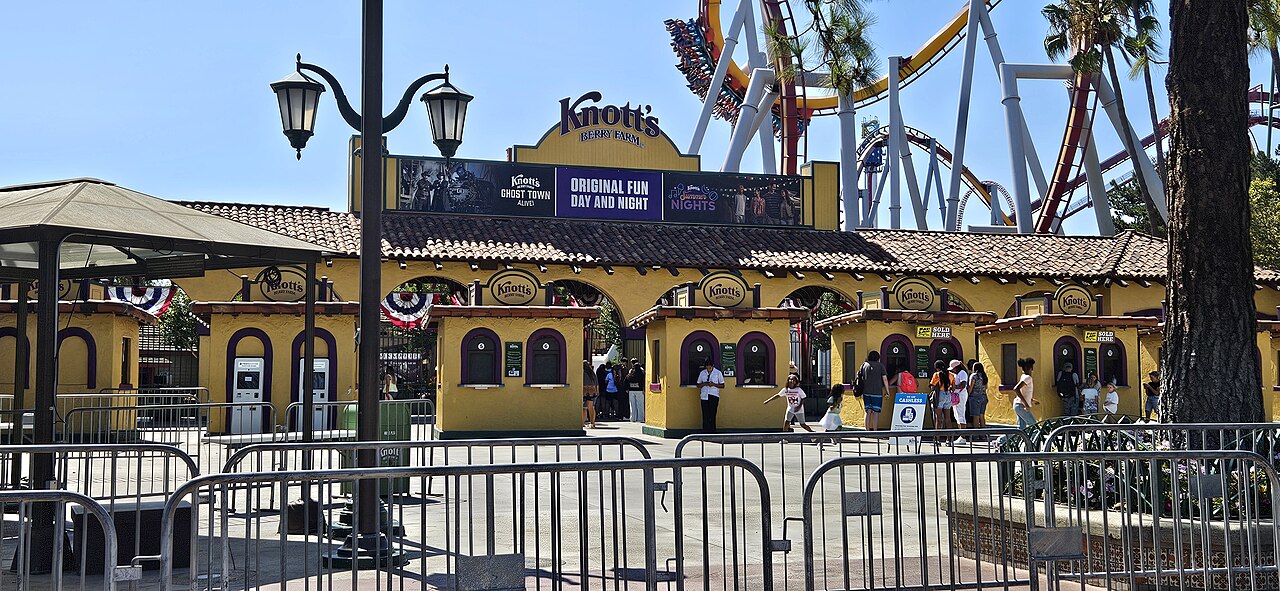
Knott’s Berry Farm works on a different kind of nostalgia because it mixes old California roadside history with coaster energy. Gen Z tends to read it as both theme park and aesthetic backdrop, especially around Ghost Town, where the details feel more textured than a standard queue corridor.
The park’s official materials still anchor the story in its family-farm roots and long-running themed areas, and it now sells Fast Lane for busy days. That contrast is the draw: visitors come for the vintage look, then move through a very current rhythm of ride strategy, posted safety rules, and line timing. It feels old, but it moves fast.
Rye Playland
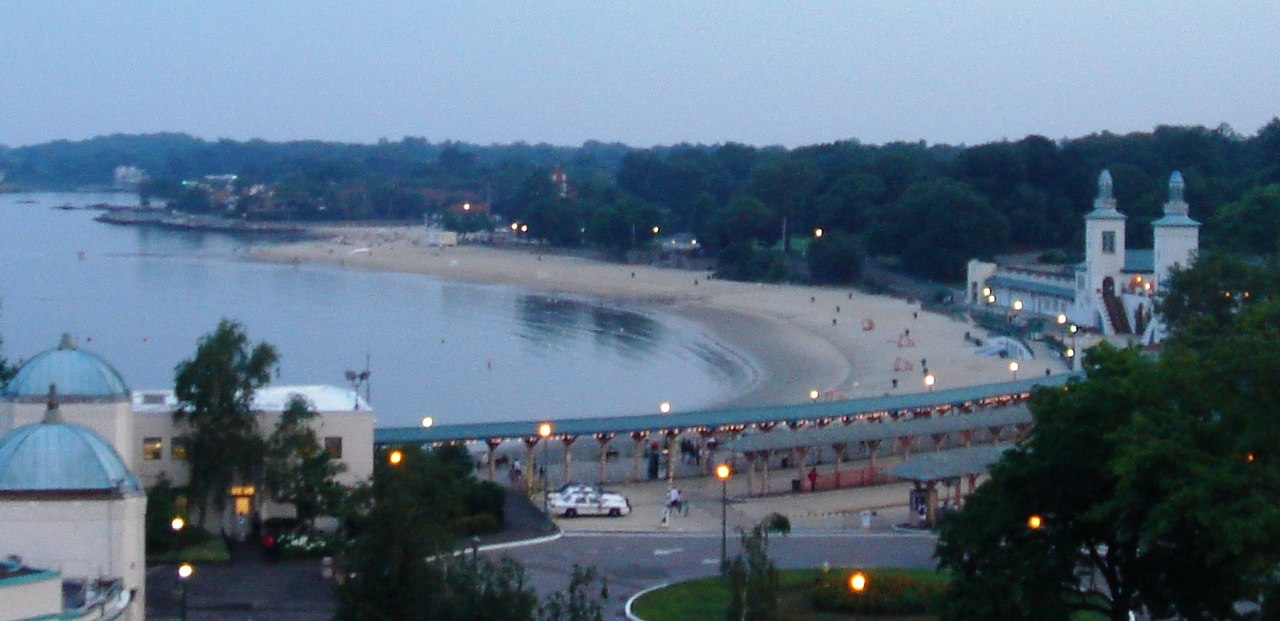
Rye Playland carries the kind of near-century-old personality that younger visitors cannot fake in a photo studio. Its Art Deco look, waterfront setting, and classic midway give it a cinematic feel, which helps explain why every update to the park still lands as news.
Playland opened in 1928, and the Dragon Coaster followed in 1929, giving the park one of the Northeast’s recognizable wooden silhouettes. The park headlines have mixed nostalgia with concern, from management disputes that raised safety arguments to the uproar over a discarded dragon figure, but that emotional intensity is proof of how much the place still matters.