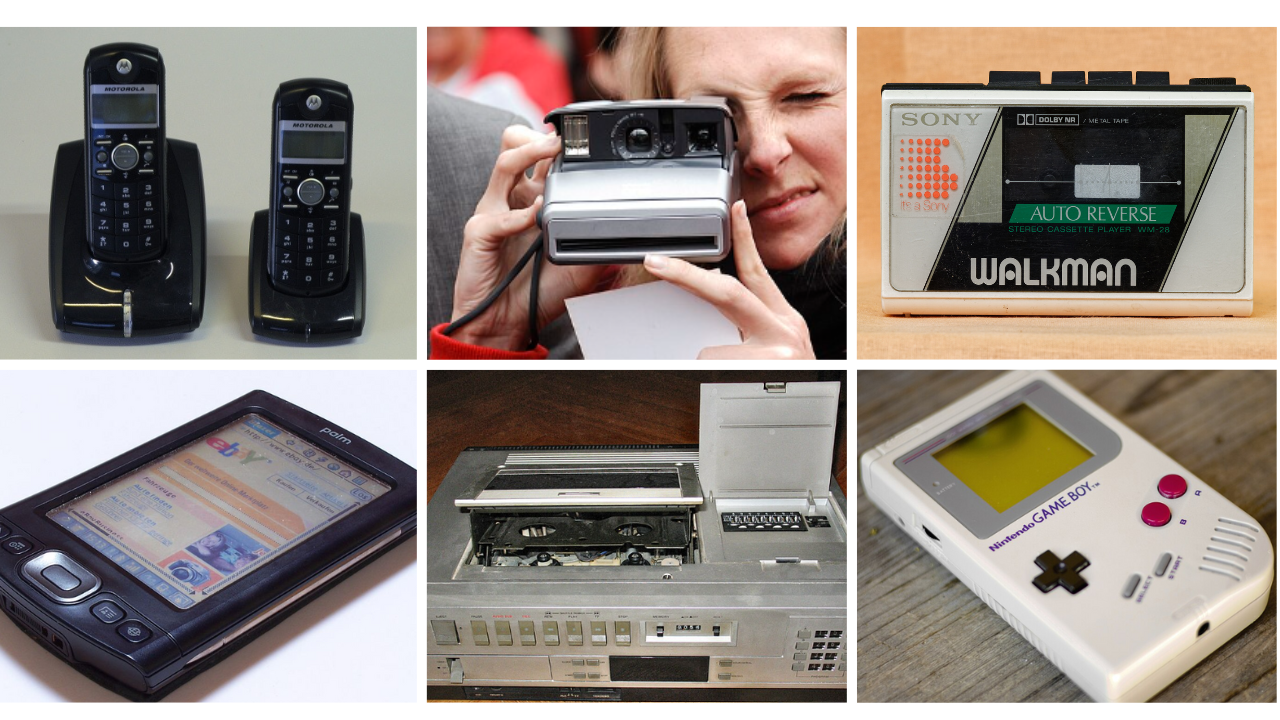
Some inventions do not look impressive in hindsight, yet they rewired daily life in quiet, permanent ways. Before streaming and cloud storage, small devices carried the weight of whole routines: music for commutes, messages that arrived in minutes, photos that printed while laughter was still in the air. They lived in backpacks, glove compartments, and kitchen drawers, shaping how people waited, planned, and stayed connected, from school pickup lines to stormy nights without cable. Each gadget solved a problem so well it became invisible, then vanished when sleeker tech swallowed the job. Remembering them brings back the texture of everyday life: whirring tapes, buzzing clips, and glowing screens that felt like tomorrow for a whole generation.
Sony Walkman
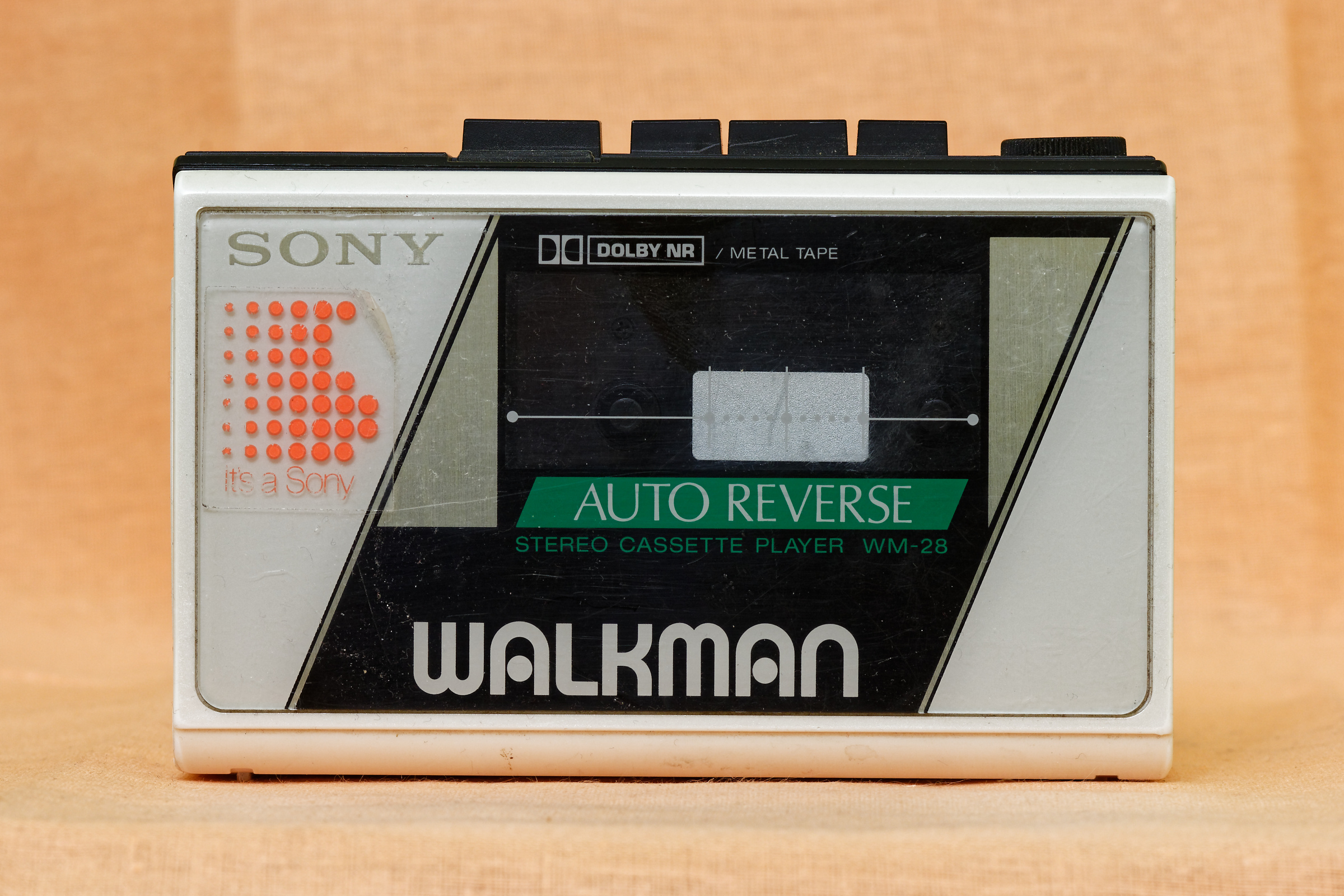
Pocket music once depended on radio luck or a friend’s worn cassette mixtape. The Walkman made the soundtrack portable and private, turning bus rides into personal movies and jogs into steady rhythm, with foam headphones sealing off the world while AA batteries clacked in a pocket and the orange auto-reverse sticker felt like real luxury. It changed listening habits, too: albums were rewound, paused, and replayed until the tape dulled, then flipped to Side B, and a shoebox of labeled cassettes became a traveling library that carried crush songs, study playlists, and road-trip anthems between bedrooms and back seats.
VCR
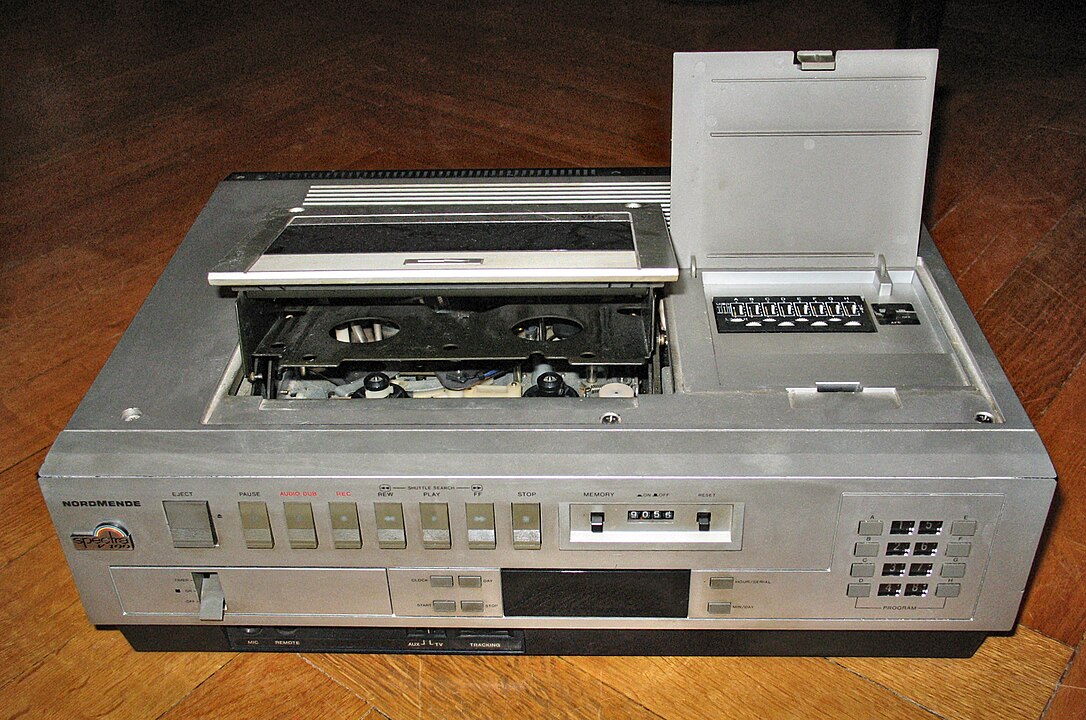
The VCR did more than play movies; it taught households to time-shift life with timer recording that caught sitcoms, sports, and late news when dinner or shift work got in the way. Video stores turned Friday nights into rituals of plastic cases, handwritten due dates, and the quiet rule to rewind, plus the mild panic of Be Kind stickers and hunting for the last copy of a new release. Blank tapes preserved birthdays, snow-day cartoons, and chaotic living-room dance routines, while pause and fast-forward made the couch feel powerful, even if the clock blinked 12:00 for months and tracking lines demanded a quick head-cleaning tape.
Polaroid Instant Camera
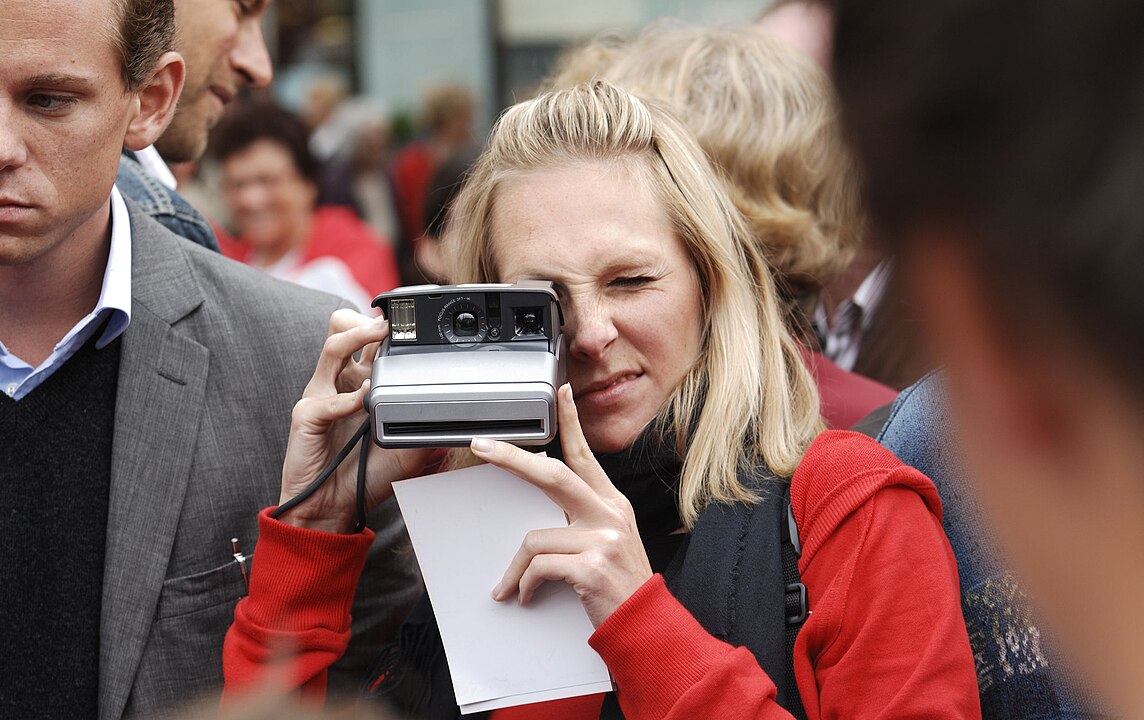
Instant film made photography social rather than delayed, pulling proof of a moment into the same room where it happened. A photo could be held seconds after the shutter, passed around at parties, signed with a marker, pinned to a dorm wall, or taped to a fridge after a road trip, while friends argued over who got the only copy and someone waved it in the air despite the myths. The images were imperfect, sometimes washed or overexposed, but the print mattered: a real object with borders for dates and inside jokes, and that chemical smell that turned memory into something tradable, collectible, and safe from hard-drive accidents.
Pager
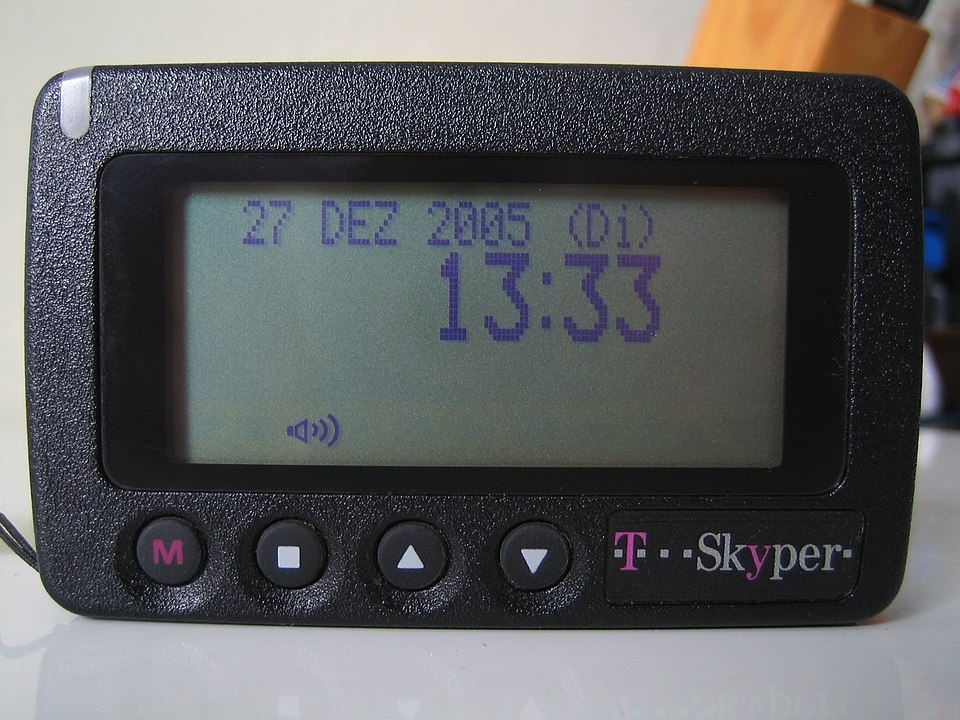
Before smartphones, the pager delivered urgency in a single beep and a glowing number that landed like an alarm. Doctors, on-call workers, and teens with strict parents could be reached without long conversations or busy signals, and a short code like 911 carried enough meaning to change plans fast, even in a loud mall or at a stadium gate. A belt clip kept it close, the buzz could be ignored only for so long; pay phones and quarters stayed relevant, alphanumeric models squeezed messages into tiny screens, and the device’s blunt simplicity set boundaries: it demanded attention, prompted a call back, then let the day breathe.
PalmPilot PDA
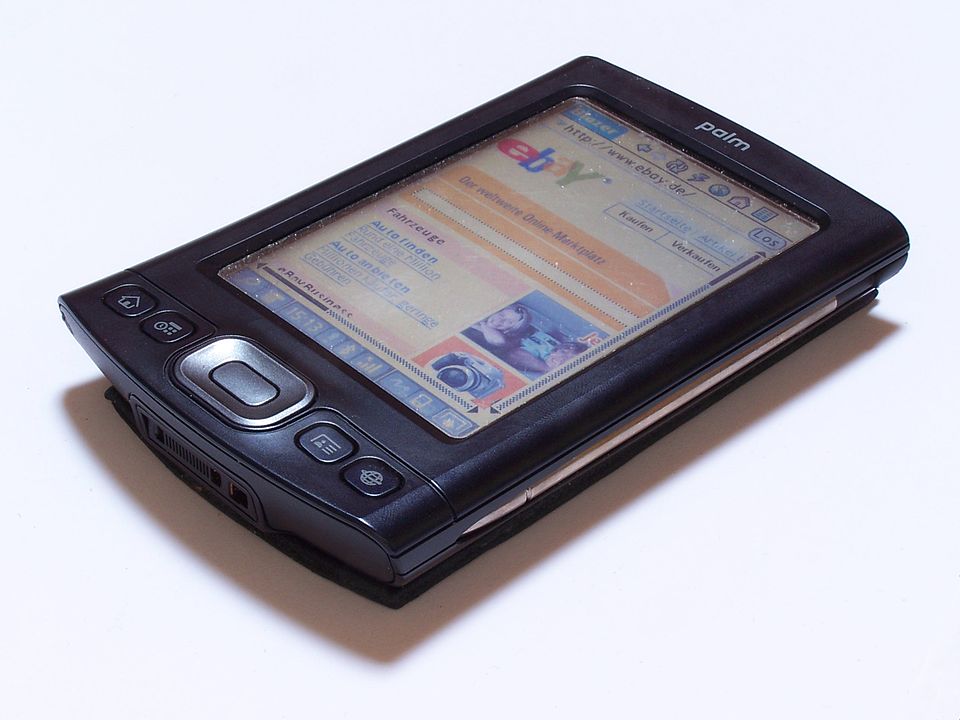
The PalmPilot shrank the planner into a pocket and made organization feel futuristic when paper calendars and sticky notes ran the day. Contacts, appointments, and to-do lists traveled between meetings and classes; the stylus kept notes readable through Graffiti handwriting, and infrared beaming could swap a phone number across a table in seconds, like a small magic trick that saved awkward retyping. Nightly HotSync became a ritual, the cradle clicking as data slid into a desktop, and simple apps tracked expenses, mileage, and flash cards, proving a small screen could carry a whole routine without constant noise.
Nintendo Game Boy
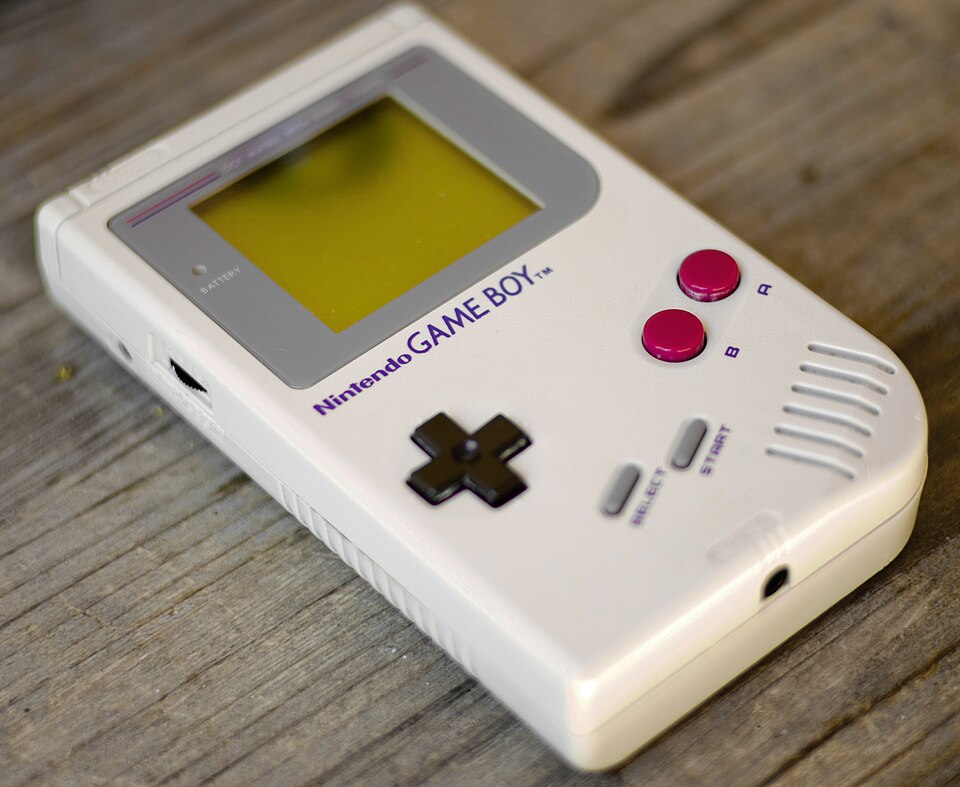
The Game Boy proved entertainment could be truly portable, long before phones carried games by default. Waiting rooms, school buses, and cross-country drives turned into worlds of falling blocks and pixel quests, lit by streetlights or a clip-on lamp, with button clicks as a steady soundtrack and the screen’s green glow painting tired faces. Cartridges were traded like baseball cards, the link cable turned lunch breaks into head-to-head battles, and the console’s toughness became legend, surviving drops, backpacks, and the occasional soda spill; even the ritual of blowing dust from a cartridge felt like part of the fun.
Tamagotchi
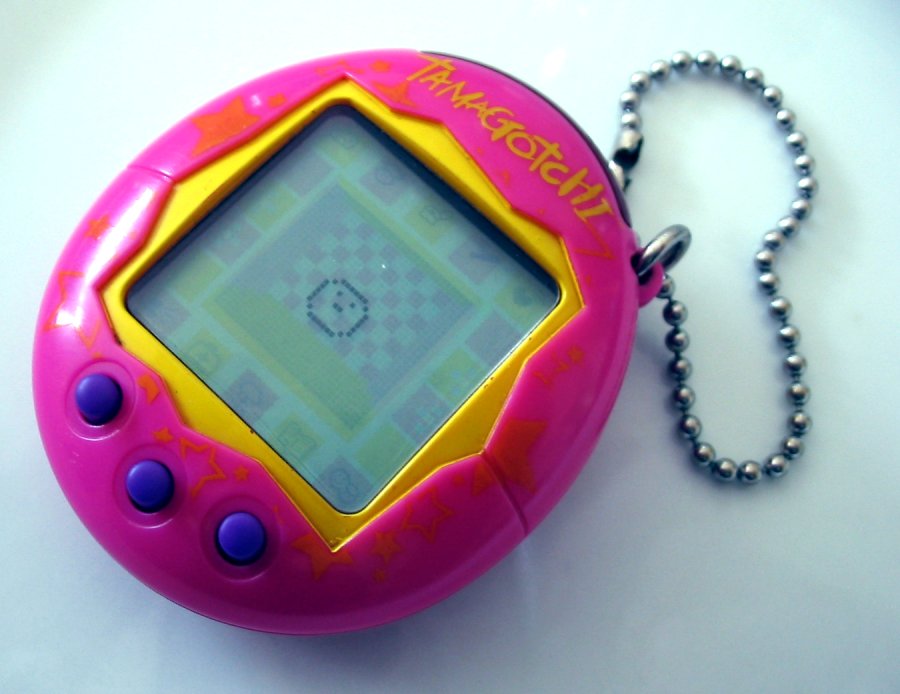
A plastic egg with a tiny screen became a real obligation, a pixel creature that grew, misbehaved, and could die if ignored. Tamagotchi pulled care into the everyday, demanding feeding and cleanup between classes, chores, and errands; friends compared growth stages at recess, traded discipline tricks, and clipped the toys to backpacks, while some schools tried banning the beeps during tests. That pressure was the point: it rewarded attention, punished neglect, and made time visible, even when the little creature sulked or left, previewing the modern alert cycle while still feeling oddly sweet, like a pet made of buttons.
Answering Machine
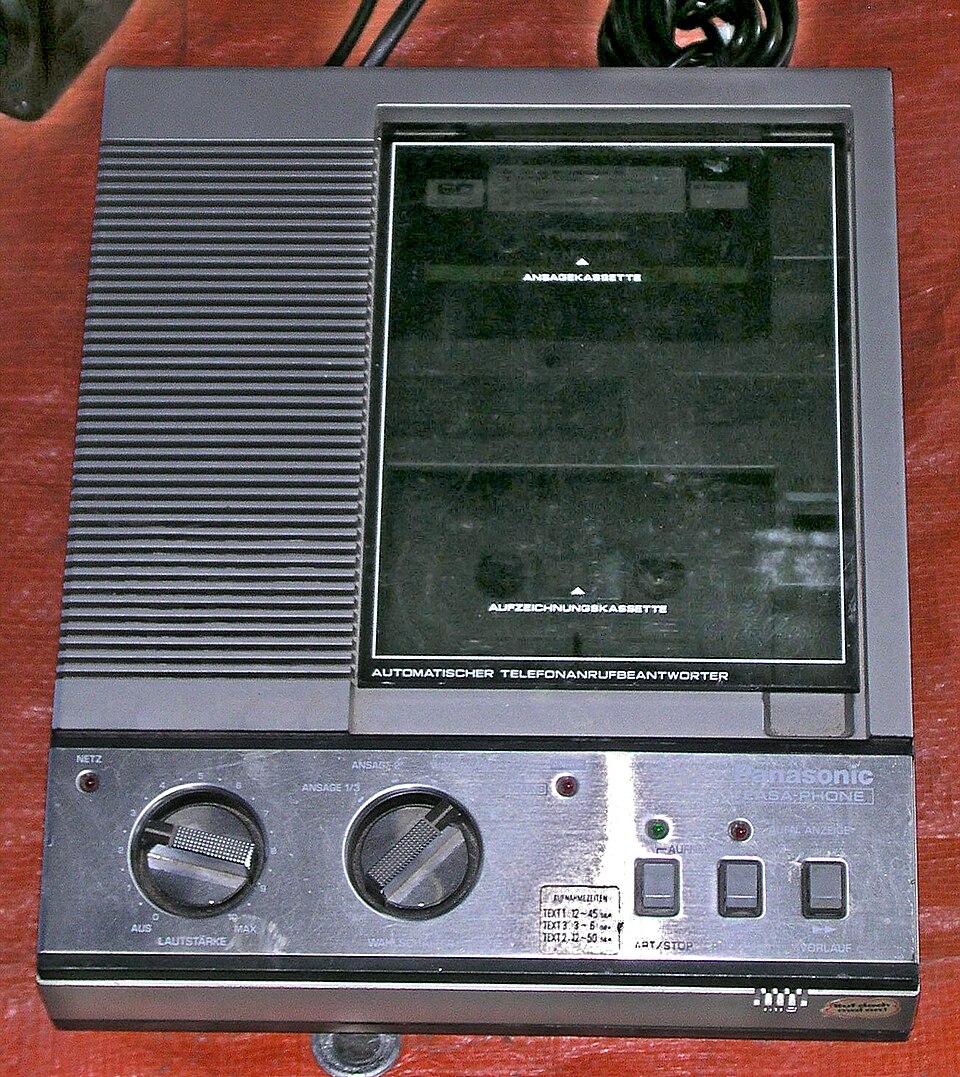
The answering machine turned missed calls into stories instead of dead ends, long before voicemail felt automatic and texts were common. Families came home to blinking lights, familiar voices, and the small drama of deciding when to call back; teens listened for a crush, parents screened unknown numbers, and relatives left rambling updates from pay phones. Outgoing greetings became miniature performances, rerecorded until they sounded calm or funny, and the buttons, beeps, and tape inside made messages feel tangible; saving, erasing, or replaying them gave households real control over attention, privacy, and the pace of reply.
Cordless Phone
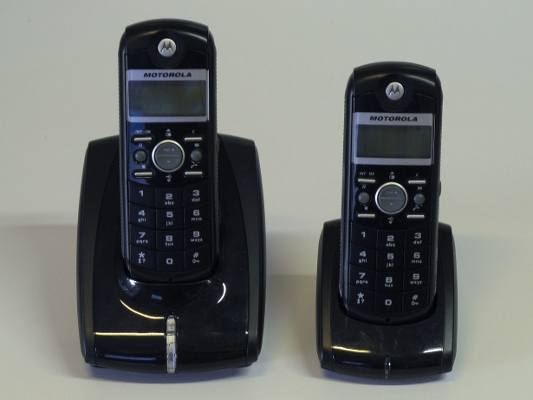
The cordless phone loosened the household’s grip on the kitchen wall and let conversations move through the house. Calls wandered into backyards, garages, and bedroom corners, giving privacy to teens and freedom to busy parents, while range limits created comic dropouts right at the mailbox, and cooking could continue with the receiver tucked under a chin. Battery docks were part of the deal, but caller ID turned ringing into a choice, multiple handsets let siblings eavesdrop or rescue a call without tying the hallway, and pacing while talking reshaped how homes sounded, how gossip traveled, and how time was negotiated after dinner.
Portable GPS Unit
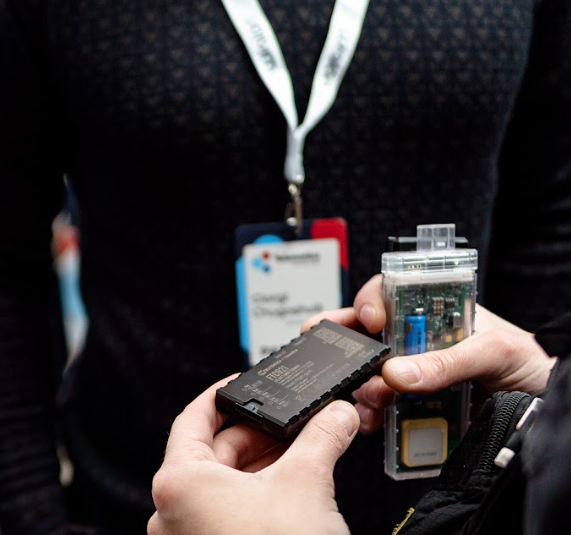
Early portable GPS units replaced folded maps and tense passenger-seat debates with calm, electronic certainty. A suction-cup mount and a small dashboard screen turned unfamiliar exits into manageable choices, and the steady voice made late-night arrivals feel safer on confusing ramps, especially in sprawled suburbs with identical turns and dim signs. Points of interest helped find gas, map updates lagged behind new roads, and routes could be quirky, but recalculating became its own comfort phrase, shifting trust from local knowledge to satellites and making being lost feel like a temporary glitch instead of a personal failure.