Some childhood flavors from the 1970s still feel like a time capsule: neon drinks at birthday parties, soft white bread for after-school sandwiches, and candies that stained tongues for hours. Behind that comfort sat a chemistry set most kids never noticed. Over the decades, regulators delisted dyes, revoked additives, and tightened safety rules as research evolved and public pressure shifted the ground. Some recipes vanished outright; others survived through careful reformulation. Brands responded quietly, swapping oils, changing sweeteners, and rewriting ingredient panels while trying to keep the same familiar bite. What changed was not only what went into these foods, but how families learned to read labels, weigh risks, and hold on to nostalgia without ignoring the science.
Kinder Surprise Eggs
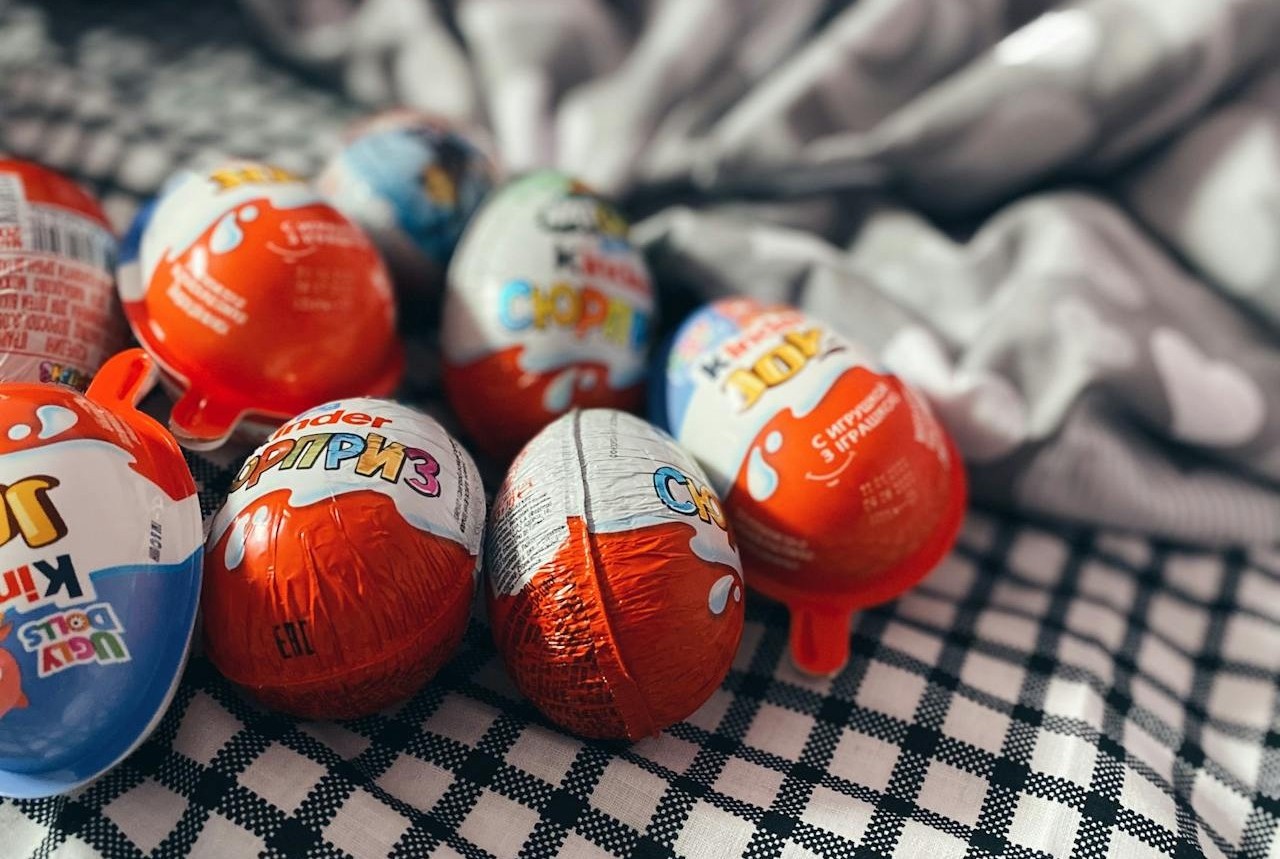
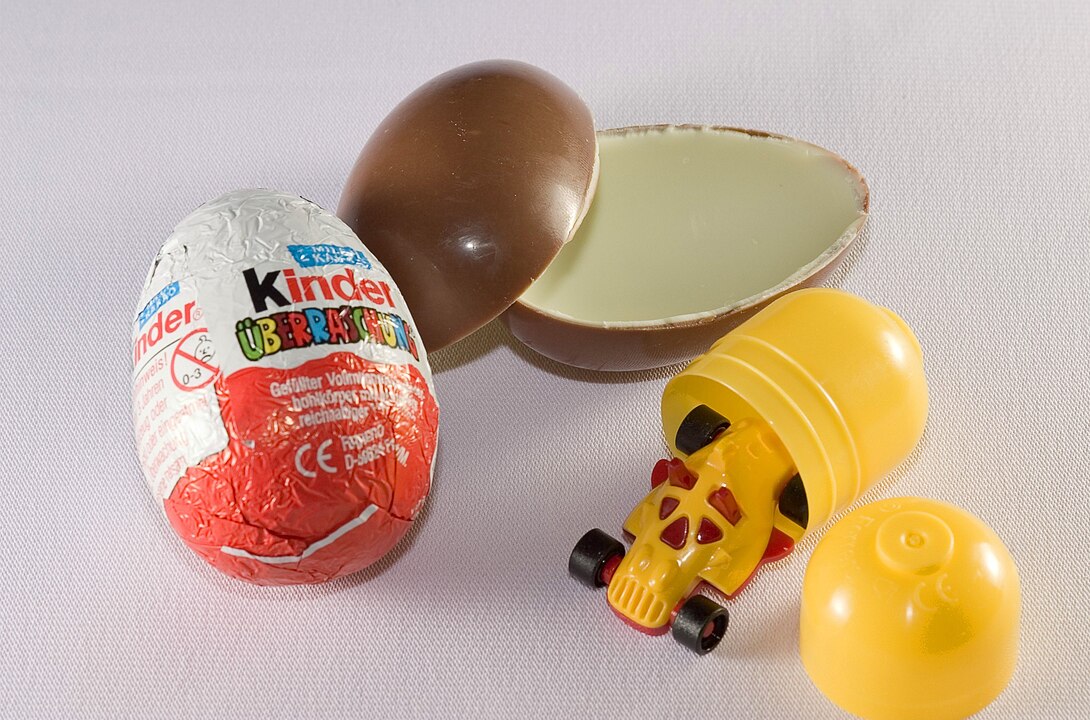
In 1974, Kinder Surprise turned chocolate into a game, sealing a toy inside an edible shell and making the wrapper part of the ritual. In the U.S., the 1938 Federal Food, Drug, and Cosmetic Act treats confectionery with a non-nutritive object embedded inside as adulterated, and FDA has reinforced that stance with import alerts that cite choking risk, so the eggs are barred from legal import and sale. For many ’70s kids elsewhere, the thrill was the capsule rattle and the careful snap of chocolate; in America, it became a treat admired from afar, even when packaging warns about small parts and close adult supervision.
Red Dye No. 2 Candies

For a stretch of the 1970s, FD&C Red No. 2 gave licorice ropes, cherry gelatins, and hard candies a bold, almost theatrical scarlet that stained lips, spoons, and ice-pop molds. In Feb. 1976, FDA terminated the dye’s provisional listing and certification in Federal Register notices, leaving it delisted for foods, drugs, and cosmetics and forcing manufacturers to remove it from mass-market treats. The change showed up quickly on shelves: reds shifted toward orange or burgundy brands leaned on other certified colors, and ingredient panels were rewritten in print to keep “cherry” looking like a promise, not a pale compromise.
Red Dye No. 3 Maraschino Cherries
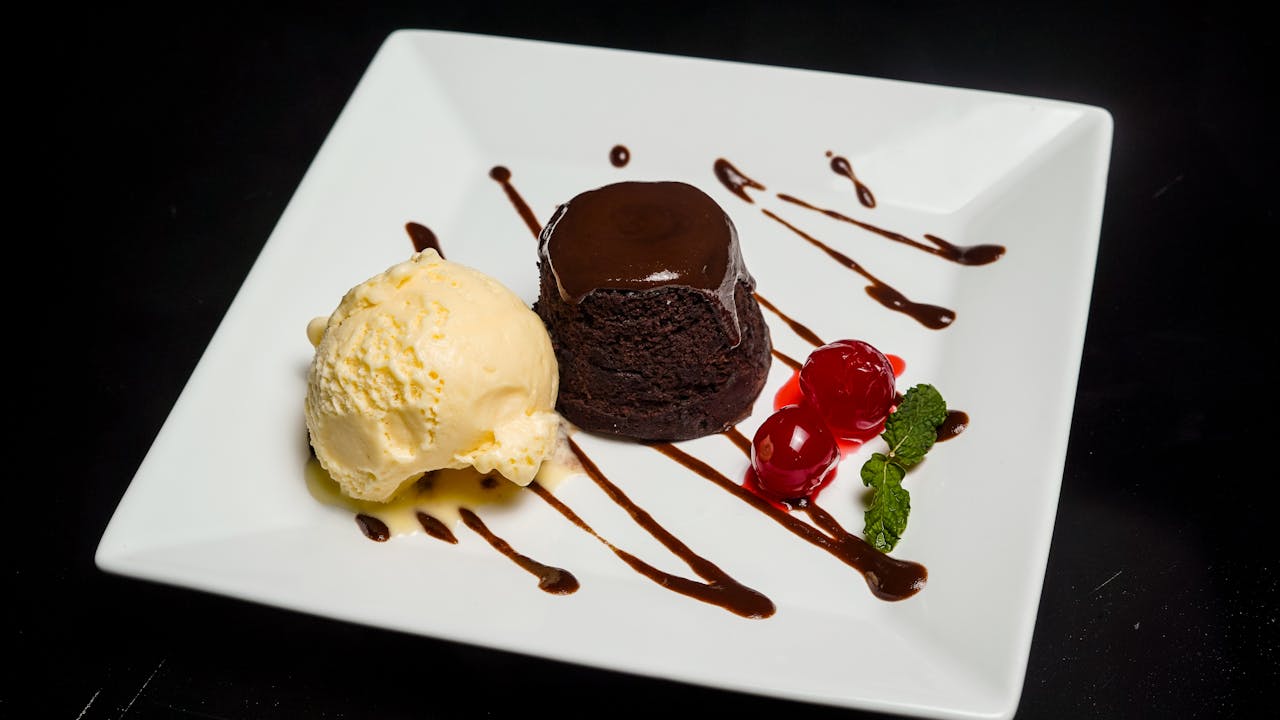
Red Dye No. 3 was the glossy pink glow in maraschino cherries, frosted snack cakes, and bright holiday candies that sat on 1970s dessert trays or on counters. In Jan. 2025, FDA moved to ban Red No. 3 in foods and oral medications under cancer provisions tied to lab-animal findings, giving food makers until Jan. 15, 2027 and drug makers until Jan. 18, 2028 to reformulate. The shade can be approximated with other colorants, including blends that lean on fruit and vegetable pigments, but the old-school shine, that glassy cherry look, is now a detail many recipes are steering away from while keeping the flavor cue intact.
Citrus Sodas With BVO
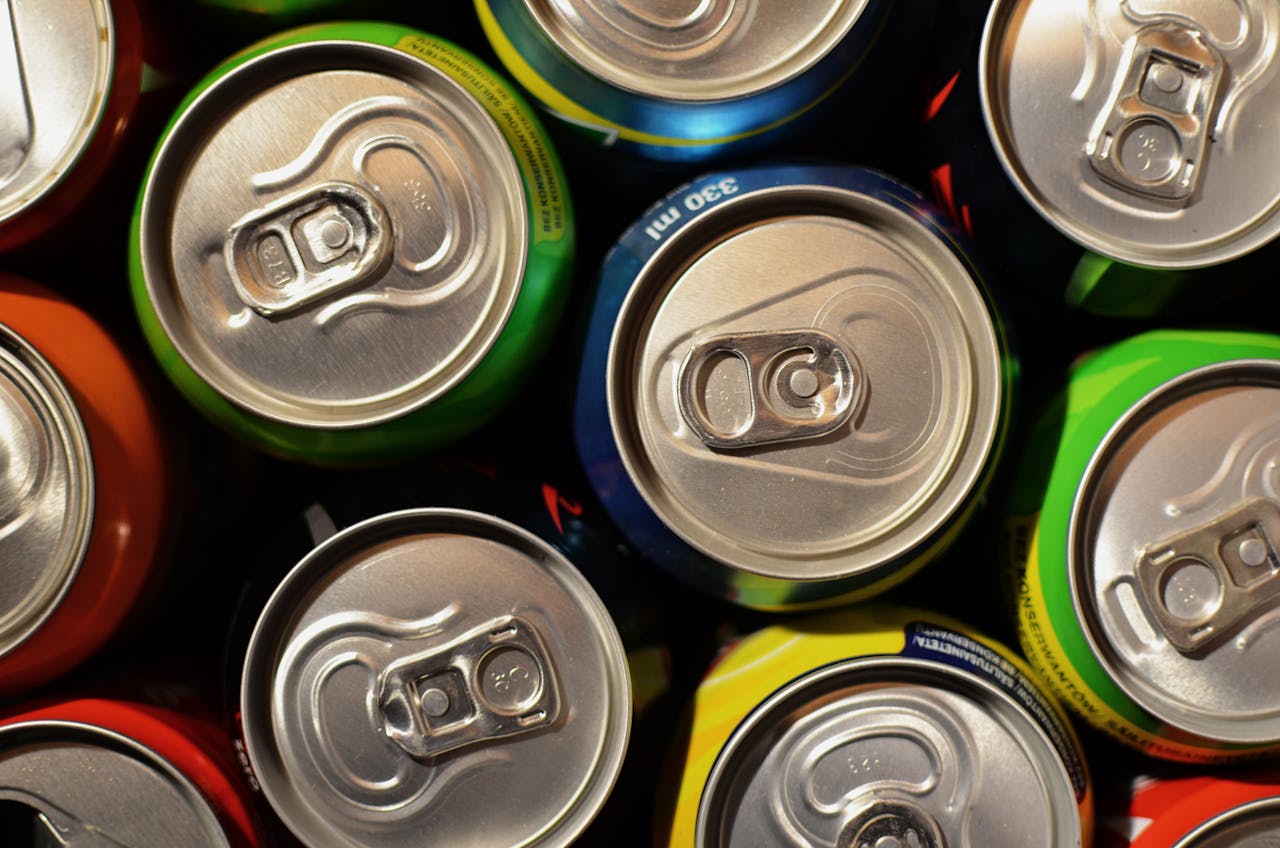
Citrus sodas and neon sports drinks associated with 1970s convenience stores sometimes relied on brominated vegetable oil, or BVO, to keep flavoring oils evenly suspended instead of forming a slick ring at the top. On July 3, 2024, FDA issued a final rule revoking BVO’s authorization because safety could not be assured, with an effective date of Aug. 2, 2024 and a compliance date of Aug. 2, 2025 to allow reformulation, relabeling, and inventory sell-through. Bottles still aim for that crisp tang and a clear pour, but the stabilizer that once held the citrus swirl together is now on the way out, even in remaining brands.
Snack Cakes Made With Trans Fats
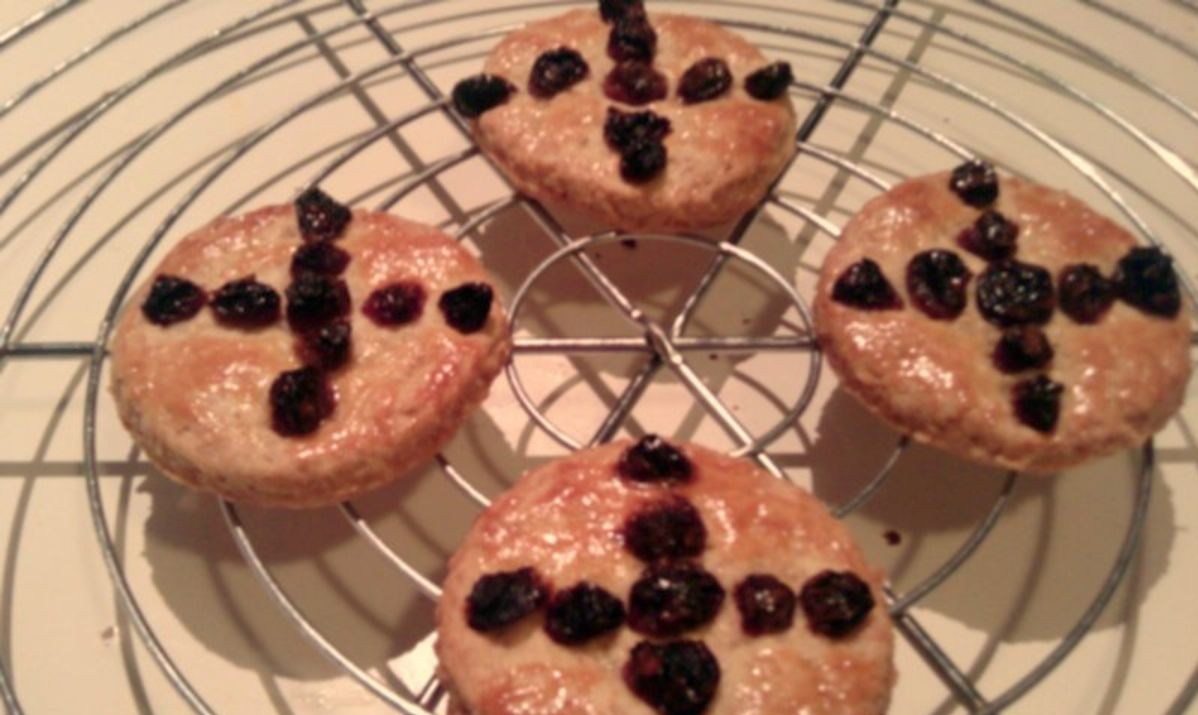
Many lunchbox classics from the 1970s got their tender crumb, creamy fillings, and long shelf life from partially hydrogenated oils, the main source of industrial trans fat in processed foods. FDA determined in 2015 that PHOs are no longer Generally Recognized as Safe, and manufacturers had to stop adding them to foods, with major compliance beginning June 18, 2018 and final distribution allowances extending to Jan. 1, 2021. Recipes were rebuilt with different fats and emulsifiers, keeping the same shapes and swirls, so some fans noticed that frosting snap, cookie crumble, or aftertaste shifted just a notch over time.
Cyclamate Diet Drinks
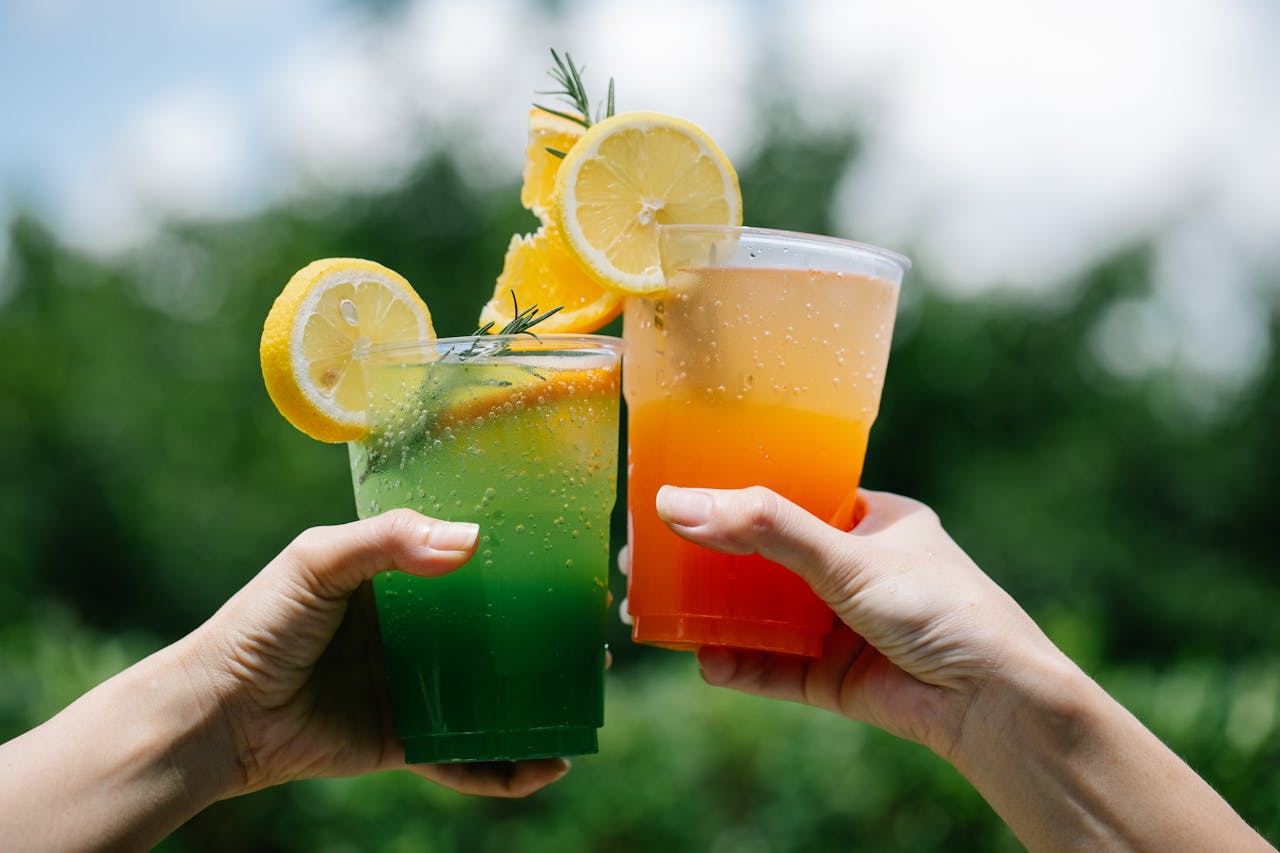
In the early 1970s, diet sodas and sweetened drink mixes were marketed as modern and guilt-free, and they still found their way into family fridges, picnic coolers, and after-dinner glasses. Cyclamate, once a widely used low-calorie sweetener, was banned from the U.S. consumer market effective in 1970 after safety concerns, and it remains barred from foods there despite repeated petitions and its approval in many other countries. Today’s “diet” flavor profiles lean on other sweeteners, pushing that clean, faintly metallic snap into the background, so the cyclamate taste survives mostly as a memory, not an ingredient list.
White Bread With Potassium Bromate

Soft sandwich bread was a daily 1970s staple, and potassium bromate helped commercial bakeries strengthen dough and deliver taller, more uniform loaves, hamburger buns, and hot dog rolls that sliced without crumbling. The U.K. prohibited potassium bromate as a flour improver in 1990, and California later set a Jan. 1, 2027 ban on foods containing it, nudging national brands toward broader reformulation and simpler labels. Many packages now highlight “unbromated” flour, yet bakers note the swap can change proofing rhythm and crust color, turning a once-invisible additive into a quiet divider between old and new bread.
Packaged Pastries With Propylparaben

Boxed pastries, mini muffins, and some tortillas often used propylparaben to slow mold growth and keep textures stable through long distribution, a tiny preservative line with big logistical value. California’s AB 418 prohibits foods containing propylparaben starting Jan. 1, 2027, speeding up recipe changes even outside the state as companies avoid running separate formulas. Preservatives are still common, but the specific paraben that quietly guarded many shelf-stable treats is becoming harder to spot, replaced by other inhibitors, like propionates or sorbates, that do the same job just under a different new name.
Root Beer Without Safrole
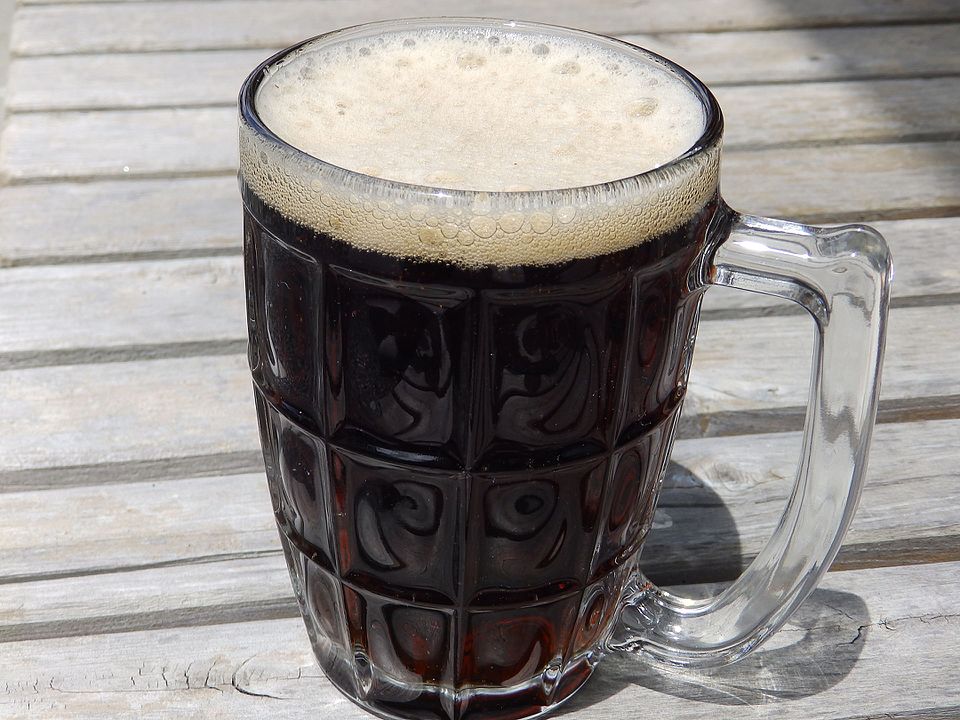
Root beer still tasted like summer in the 1970s, but its signature sassafras edge had already been reshaped by regulation years earlier and then absorbed into mainstream flavor in floats and frosty mugs. Safrole, a key component of sassafras oil, was banned by FDA in 1960, and most commercial root beers shifted to artificial sassafras flavoring or safrole-free extracts to keep the aroma without the original compound. The drink kept the soda-fountain sweet charm and the vanilla-licorice perfume, yet the botanical backbone that once defined many homemade roots is now off-limits, leaving nostalgia to ride on chemistry.