9 American Landmarks With Troubling and Complicated Pasts

Wikimedia Commons
Famous American landmarks shine with pride yet carry buried stories of enslavement, loss, and struggle that shape how they feel…

Across the United States, beloved monuments often double as mirrors, reflecting both national pride and painful contradictions. Grand estates, forts, and engineering projects rose on land taken, labor exploited, and stories carefully edited. Looking beyond polished plaques reveals messy legacies of enslavement, displacement, and hard bargaining over who belongs. By tracing these deeper currents, travelers gain a fuller sense of how power, sacrifice, and memory still shape the landscape, and why honest history matters.

Mount Vernon, Virginia: A Patriotic Estate Built On Enslaved Labor
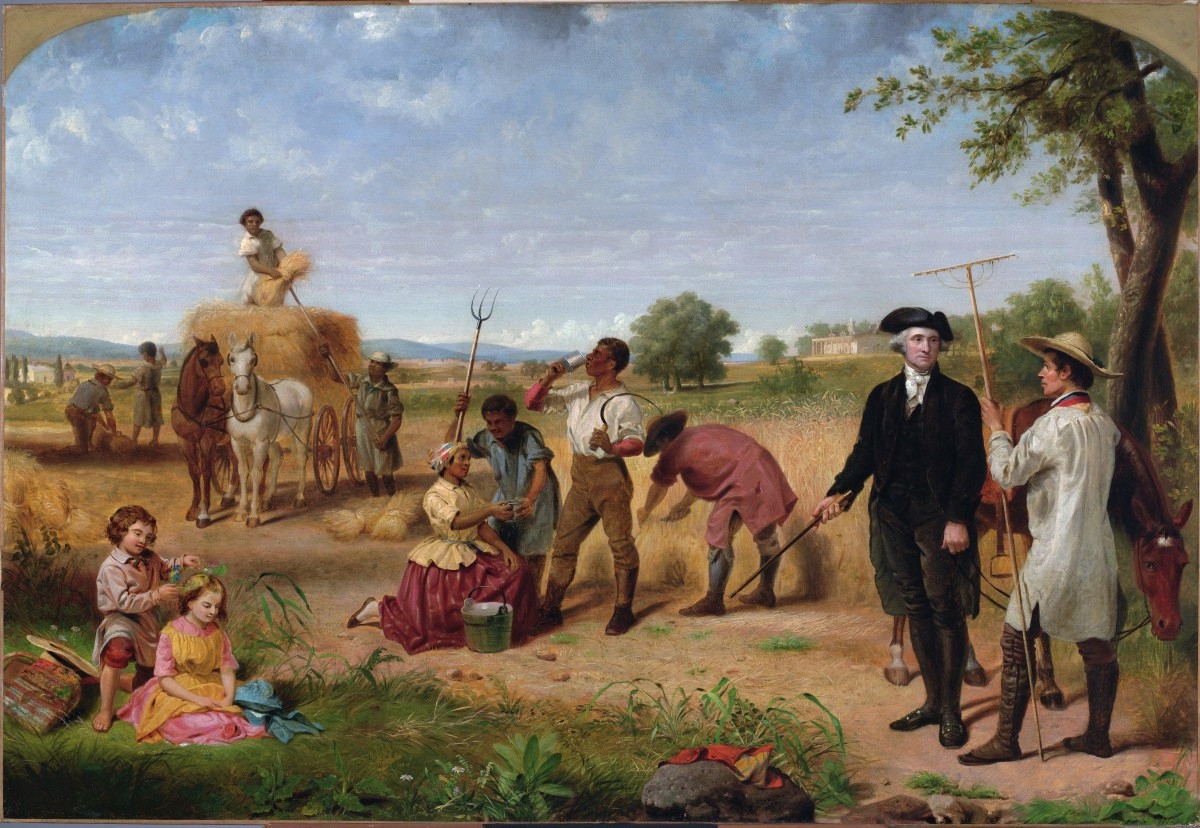
Mount Vernon
Junius Brutus Stearns, Public Domain/Wikimedia Commons

At first glance, Mount Vernon feels like a graceful riverside retreat, yet the estate functioned as a tightly controlled slave labor complex. More than 300 enslaved men, women, and children worked fields, kitchens, and workshops from before sunrise into the night, under constant surveillance and the threat of sale. Archaeology has revealed quarters, workrooms, and discarded belongings that trace lives of skill and exhaustion. Modern tours now speak more plainly about these realities, letting admiration sit uneasily beside the truth of how the estate survived. The river view carries new weight, especially at dusk.

Monticello, Virginia: A Hilltop Vision Entwined With the Hemings Story
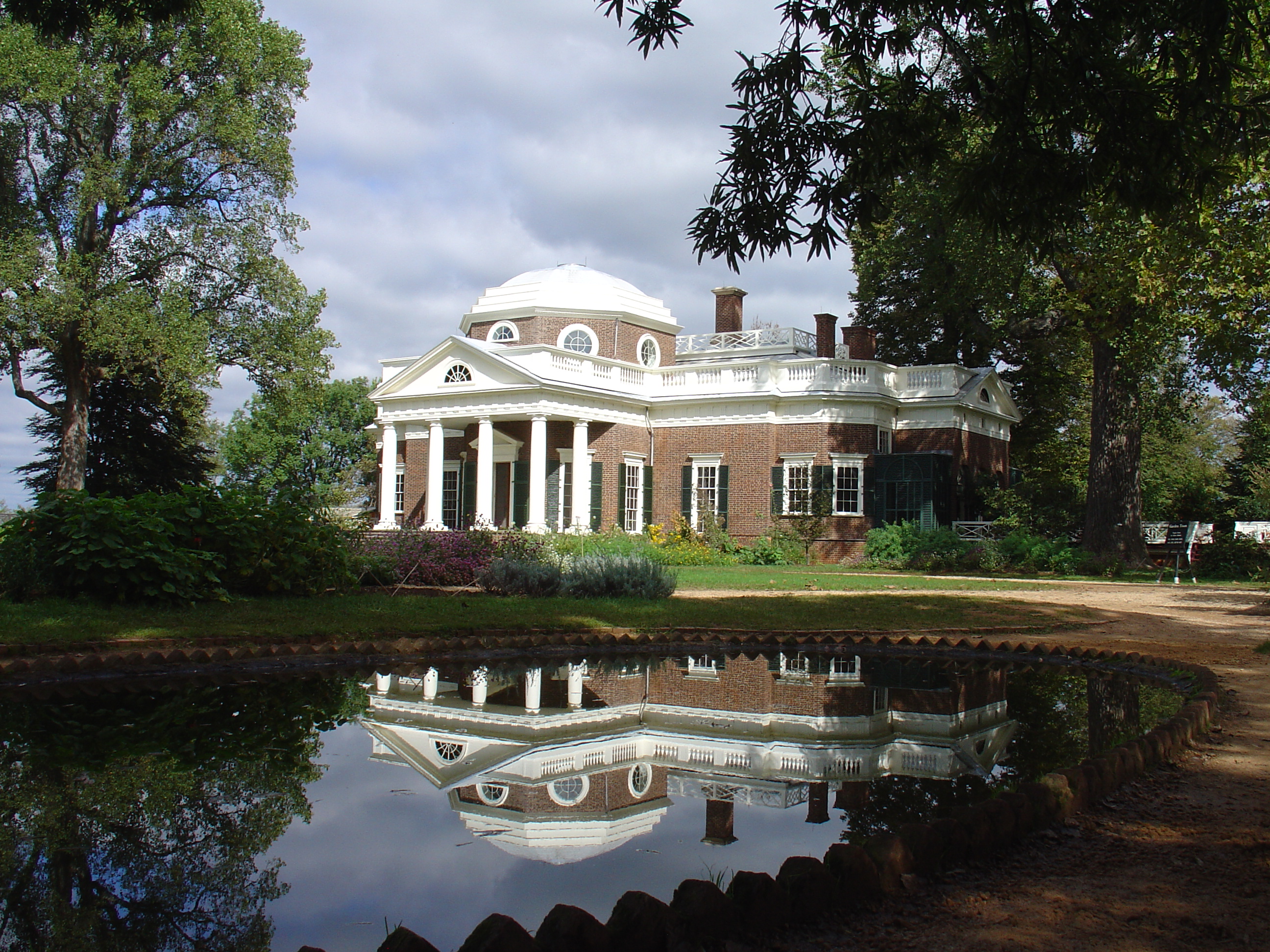
Monticello
No machine-readable author provided. Moofpocket assumed (based on copyright claims), CC BY 2.5/Wikimedia Commons

Monticello crowns a Virginia hill with elegant brick, terraces, and inventive design, yet that harmony rested on the labor of an enslaved community that sometimes exceeded 400 people. Families like the Hemingses lived where intimacy and coercion blurred, providing skilled work while remaining legally unfree. DNA evidence confirmed that Jefferson fathered children with Sally Hemings, turning rumor into a public reckoning. Restored quarters and updated tours now trace these intertwined lives, so the house reads less as a monument and more as a conflicted workplace. The lawn carries that history into each breeze.

The Alamo, Texas: Heroic Myth On Contested Ground

The Alamoa
Zygmunt Put Zetpe020, Own work, CC BY-SA 4.0/Wikimedia Commons

The Alamo looms large in American memory as a symbol of bravery against impossible odds, yet its story is tangled up with slavery, land hunger, and competing national claims. Many Texan fighters opposed Mexican limits on enslaved labor that underpinned their wealth, even as later tales framed the battle in simple terms of freedom. Indigenous communities had already seen missions and settlements spread across their territory. Recent interpretation works to add those layers back in, so the old stone walls now speak of more than one cause. Visitors still line up for photos, but the narrative behind them grows heavier each year.

Independence Hall, Pennsylvania: Liberty Debated Amid Enslavement
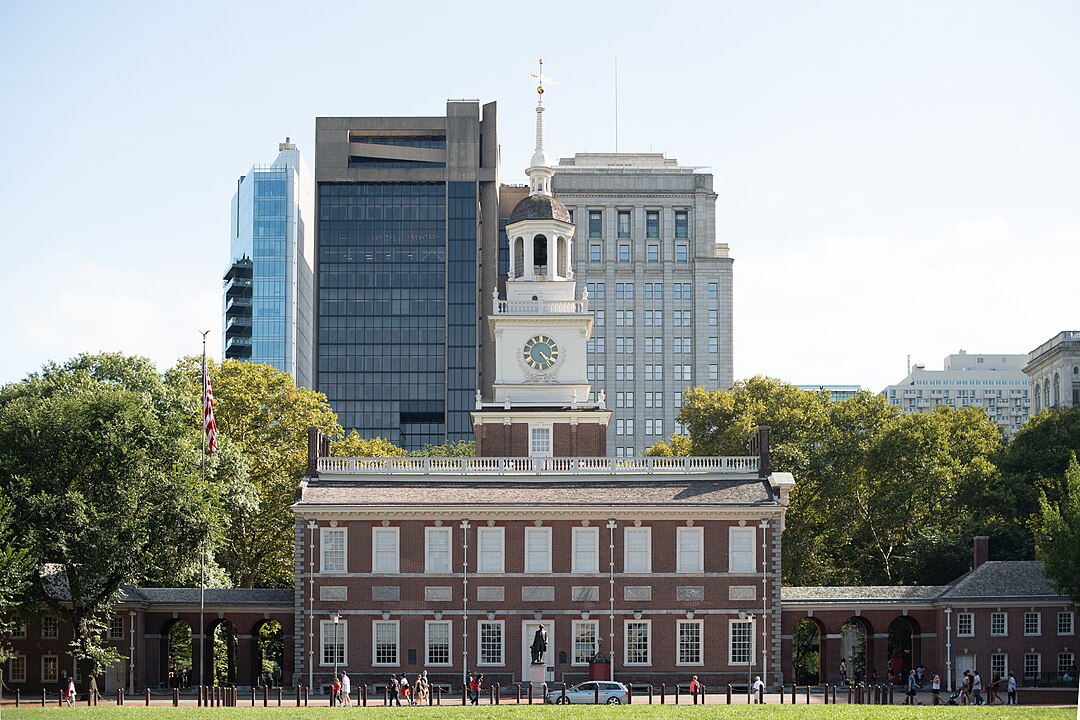
Independence Hall
Mys 721tx, Own work, CC BY-SA 3.0/Wikimedia Commons

Independence Hall is celebrated as the birthplace of American democracy, where delegates argued over rights, rebellion, and representation. Several of those men owned enslaved people, and the surrounding city relied on Black labor that rarely appeared in official accounts. Archaeology near the site uncovered human remains and work yards that point to a deeper story of forced service and fragile freedom. New exhibits now pair soaring political language with these findings, so the red brick building reads less like a pure shrine and more like a crossroads. The contrast between ideals and daily life lingers long after the tour ends.

Pearl Harbor, Hawaii: Sacred Harbor With a Political Backstory

Pearl Harbor
Coolcaesar, Own work, CC BY 4.0/Wikimedia Commons

Pearl Harbor is honored as the site of the Dec. 7, 1941 attack that killed 2,403 Americans and pulled the United States into World War II, yet the harbor’s story reaches further back. U.S. business and military interests helped topple the Hawaiian Kingdom in the 1890s, clearing the way for annexation and large scale base construction. Native families lost land and access to traditional fishing areas as runways, fuel tanks, and docks spread. For many locals, remembrance of the attack now shares space with grief over that earlier loss. The memorial sits at the junction of these memories, solemn yet unsettled.

Fort Sumter, South Carolina: First Shots in a War Over Slavery
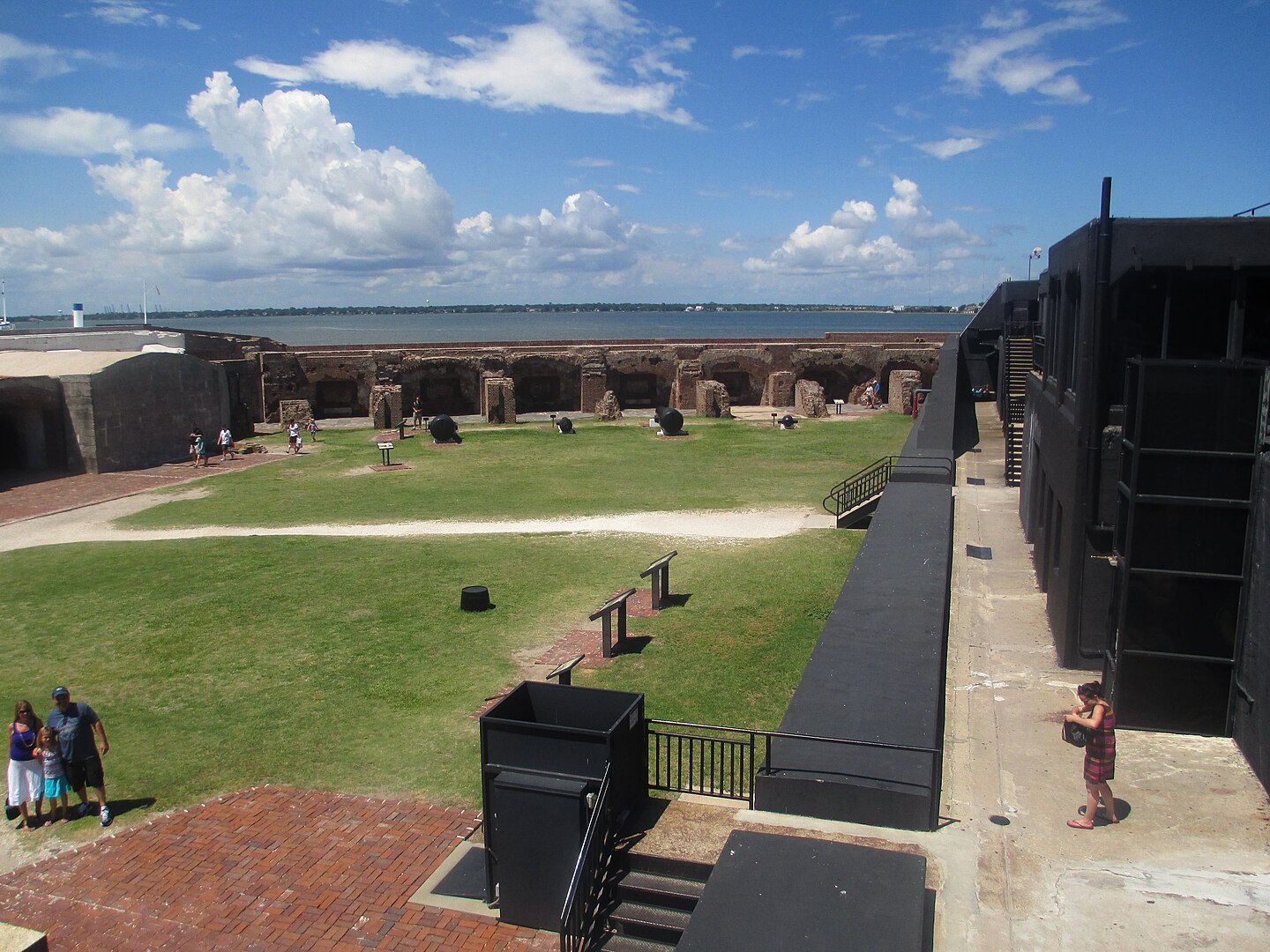
Fort Sumter
Billy Hathorn, Own work, CC BY-SA 3.0/Wikimedia Commons

Fort Sumter marks the opening cannon blasts of the Civil War in April 1861, a dramatic bombardment that echoed across the country. For decades, park narratives leaned heavily on troop counts, flags, and tactical details while echoing Lost Cause myths that treated slavery as background noise rather than the central dispute. More than 4 million people lived in bondage when the guns opened fire. New programming now highlights their stories and the secession documents that named slavery outright, reworking the small sea fort into a stark classroom on cause and consequence. The quiet boat ride out feels different when that focus shifts.

Bodie, California: Frozen Gold Rush Dreams and Harsh Realities
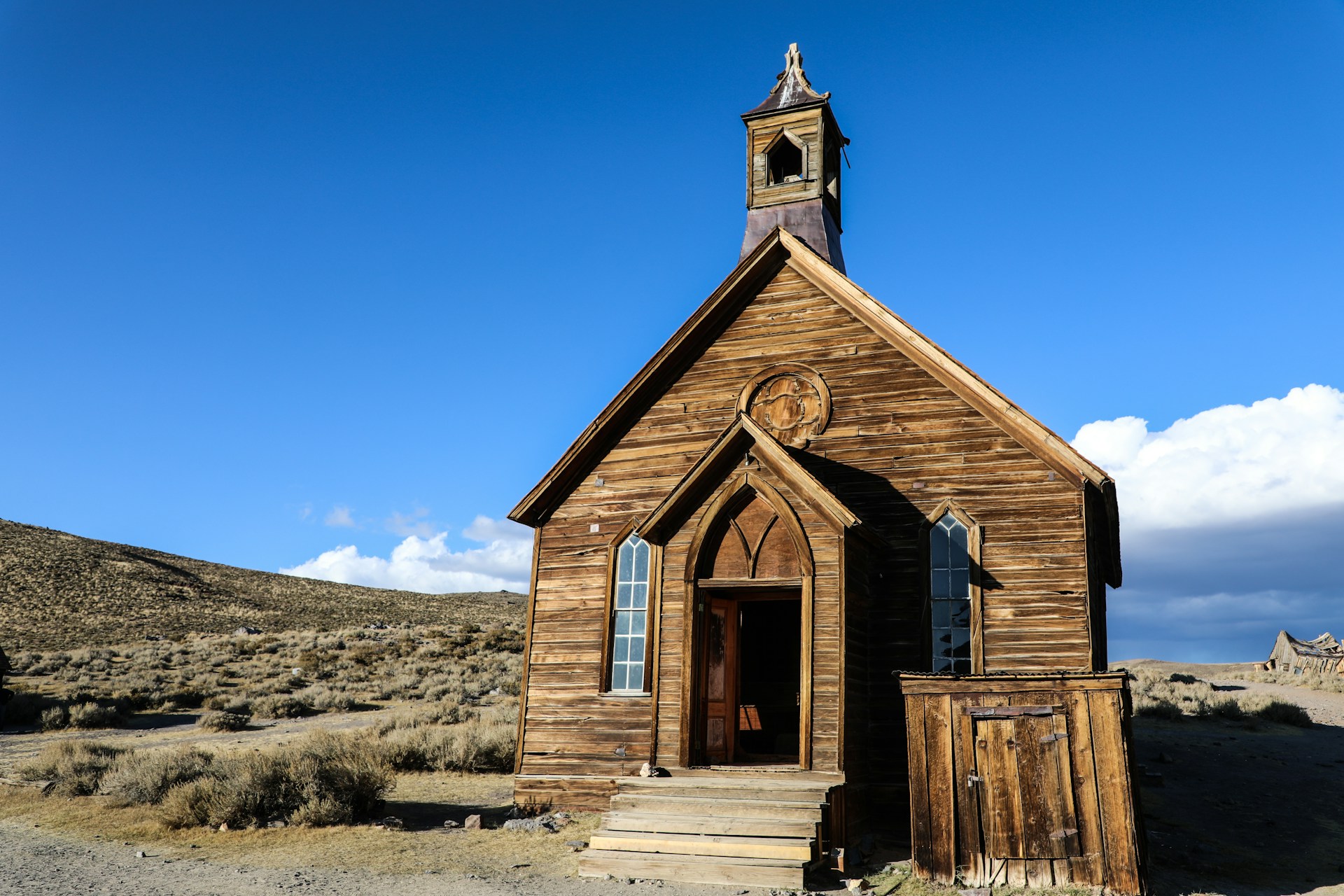
Bodie, California
Michael & Diane Weidner/Unsplash

High in the Sierra Nevada, Bodie draws visitors with sun-bleached storefronts, leaning houses, and the promise of a town frozen in time. During its gold rush peak, nearly 10,000 residents lived with brutal winters, mine accidents, saloon fights, and fires that could erase a street in a night. Immigrant laborers often took the most dangerous jobs for the lowest pay. The state now preserves Bodie in what it calls arrested decay, leaving cracked windows and rusted boilers in place. The result is haunting, beautiful, and quietly unsettling. Under the tourist curiosity sits a record of how easily dreams of quick wealth slid into risk and grief.

Hoover Dam, Nevada/Arizona: Concrete Power Built On Risky Labor
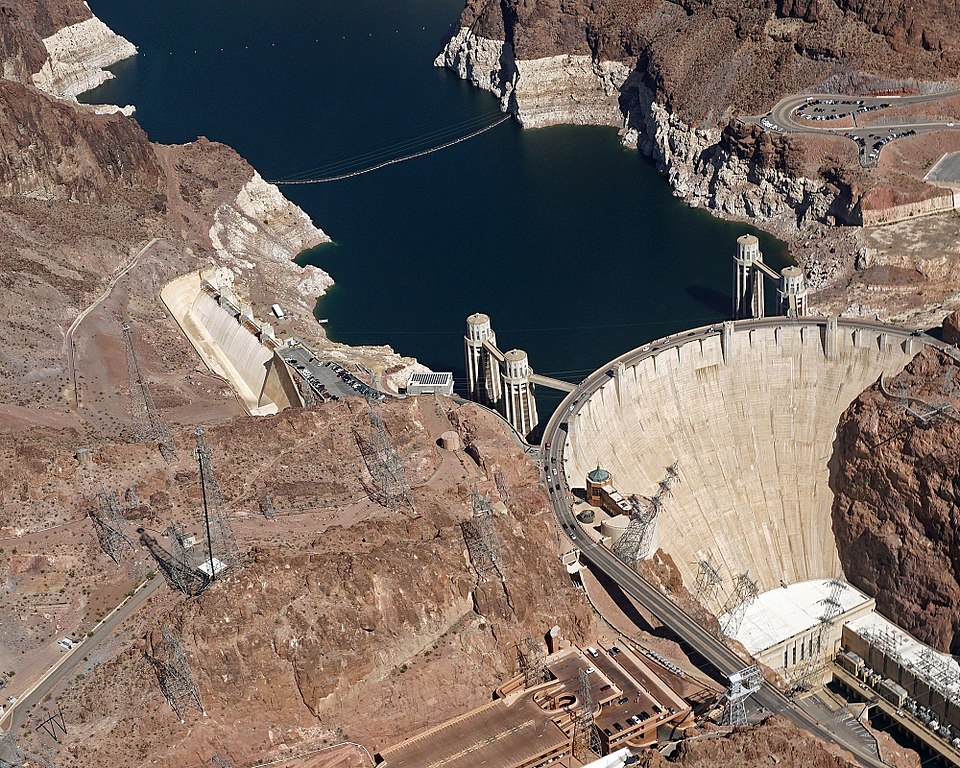
Hoover Dam
Mariordo (Mario Roberto Durán Ortiz), Own work, CC BY-SA 4.0/Wikimedia Commons

Hoover Dam towers above the Colorado River as a concrete symbol of New Deal ambition, promising power, water, and control in the 1930s. More than 21,000 workers drilled, poured, and blasted in heat that could soar above 120 degrees inside the tunnels, with official records listing 96 deaths and historians suspecting more. Many families lived in cramped company towns, their cabins hot, noisy, and crowded. The finished structure is impressive, yet every curve of its face also marks the risks taken by laborers who had few other options in the Depression. Standing on the rim, that sacrifice feels as present as the engineering.

Ellis Island, New York: Gateway of Hope and Gatekeeper of Exclusion
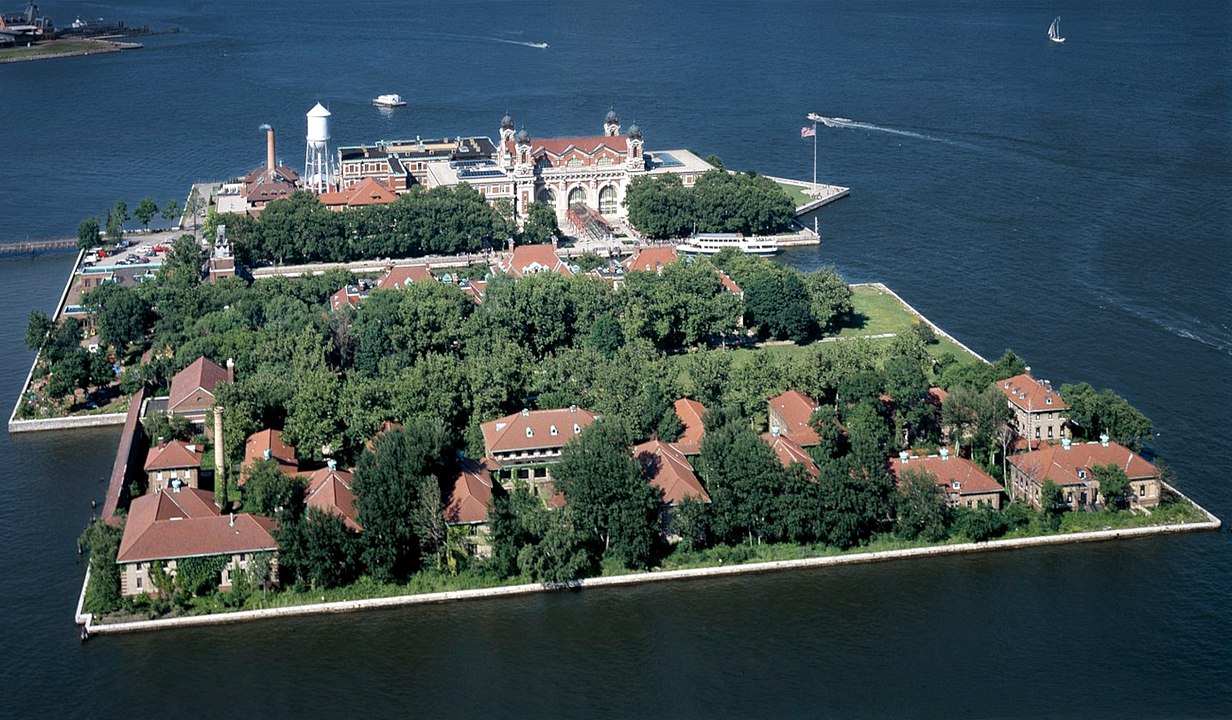
Ellis_Island
Carol M. Highsmith, CC BY-SA 4.0/Wikimedia Commons

Ellis Island often appears in family stories as a bright gateway, where more than 12 million immigrants first stepped into an uncertain future between 1892 and 1954. The same halls also served as a filter shaped by fear of poverty, disease, and difference. Medical checks, language exams, and financial questions decided who passed and who stayed in detention, sometimes for weeks. Roughly 2 percent of arrivals were sent back. Museum exhibits now highlight both the relief and the rejection, reminding visitors that welcome and exclusion operated side by side. The skyline just beyond the windows did not look the same to everyone who saw it.

0 Shares:
You May Also Like
Read More

12 Misunderstood Nursery Rhymes With Dark Origins

# 12 Misunderstood Nursery Rhymes With Dark Origins Nursery rhymes sound like comfort: steady beats, familiar cadences, the promise that childhood stays gentle. Many, though, were shaped by crowded streets, strict churches, and loud political moments where jokes and warnings lived side by side. Over time, darker readings clung to certain lines, sometimes supported by scholarship, sometimes inflated by modern mythmaking. That mix is the point. A tiny chant can hold fear of disease, punishment, collapse, or greed, then slip it past the ear on melody alone. These verses survive because they are catchy, but also because they let a culture process hard truths in miniature, repeatable form. Even when an origin tale is shaky, the unease shows what people feared and could not say plainly. ## Ring a Ring o' Roses Often taught as a simple circle game, this rhyme is still tied to plague lore: roses as rashes, posies as protection, a cough, and everyone falling at the end. Folklorists challenge that story, pointing out that the famous wording appears relatively late in print, and earlier versions vary wildly, sometimes without any sneezing or collapse at all. What lingers is less a confirmed medical code and more a cultural reflex, the urge to pin disaster to a tune so fear feels explainable, communal, and safely held at arm’s length, even when the archive won’t confirm it. It is a rhyme that lets dread hide in plain sight. Still. ## London Bridge Is Falling Down The chorus sounds like gleeful demolition, but the real London Bridge spent centuries cracking, burning, crowding with shops, and getting rebuilt in costly cycles. That long repair history makes the rhyme feel like a city talking to itself, repeating the same problem because the river, the traffic, and the politics never stop pushing back. Legends about Viking attacks or buried sacrifices float around, yet proof is thin, and the uncertainty matters: the song teaches that icons fail, budgets run dry, and even daily life gets shaped by slow collapse and rebuild. The cheeriness feels like whistling past the scaffolding. ## Humpty Dumpty Before he became an egg in picture books, Humpty Dumpty worked as a riddle about something that breaks beyond repair, no matter how official the rescue looks. The line about all the king’s horses and men carries a blunt message about limits: authority can assemble a crowd, but it cannot rewind a fall, erase damage, or restore what snapped. Stories linking Humpty to a Civil War cannon persist, though evidence is disputed, and that uncertainty fits the point. The rhyme returns to the same ledge, where pride, balance, and chance meet, then fails in public. That finality is what makes the riddle sting. Even the helpers feel helpless. ## Three Blind Mice The melody skips along, yet the plot is a chase with a cruel ending, which is why this rhyme never fully feels innocent, even when sung with hand motions. A musical version appears in early 1600s print, long before children’s collections softened its edges, and later writers tried to map it onto persecution under Mary I, a claim that remains unproven. Even without a single verified event, the unease holds: the targets are helpless, the pursuit is relentless, and the refrain repeats like footsteps that refuse to stop, turning a nursery into a small courtroom where mercy never arrives. The tune keeps running. No mercy shows. ## Baa, Baa, Black Sheep Its neat counting feels like play, but the rhyme is built around extraction: valuable wool measured out, then handed upward to people who did not shear it. One common theory links the lines to historic wool taxes and who took their share, while modern claims about other systems of exploitation circulate without strong documentation in early sources. What the verse reliably captures is a social mood, the sense that the best of something leaves the worker’s hands first, and that obedience can be trained with a cheerful, automatic reply that sounds like agreement, not resignation. The arithmetic is cute, but the arrangement is not. ## Mary, Mary, Quite Contrary This garden rhyme thrives on suspicion. Mary is often tied to Mary I or Mary, Queen of Scots, and the imagery gets treated as coded commentary, from church symbols to violence. The problem is evidence: versions shift across time, and no single interpretation locks in as fact, which is exactly why the rhyme stays fertile ground for rumor, politics, and projection. Its darkness is how easily a sweet scene becomes an accusation. A few bright objects, a tidy bed, and a sing-song tone can smuggle judgment where plain speech once carried risk. The garden stays pretty, and the subtext bites. It survives because the question never closes. ## Jack and Jill On the surface it is a quick trip for water, but the fall feels symbolic, especially with a crown involved and a pair tumbling together, then trying to patch the damage. Some readings treat it as satire about rulers, political missteps, or shifting measures and taxes, yet none can be proved cleanly, and the rhyme predates many tidy explanations pinned to it. Still, it endures because it is honest about gravity, literal and social. Climbing can be ordinary ambition. The drop can be sudden, public, and impossible to talk away afterward, which is why the simple scene keeps getting reread. It is comedy on the surface, caution underneath ## Oranges and Lemons It begins as a bright roll call of London church bells, then tightens into debt and deadlines, ending in the later-added moment when someone gets caught by the chopper. Editors note that many grim interpretations do not match the earliest printed texts, but the rhyme’s geography still points toward courts and punishments that once sat close to markets and church doors. The darkness is the tonal slide. A city sings, time keeps ringing, and play turns into reckoning with just a few extra words stitched on, then carried forward as if they were always there, like a threat hidden inside a map. The bells feel bright until the trap snaps. ## Goosey Goosey Gander The verse walks through a house like a search, and its ending turns domestic space into a stage for punishment, with religion used as the trigger. Folklore often links the old man in the closet to eras of conflict, imagining hidden priests or forbidden worship, though the historical fit is debated and the text evolved across editions. That evolution is telling. Later versions sharpen the violence and make obedience the point, as if the rhyme learned to threaten more directly. Sung lightly, it still carries the chill of coercion, where privacy offers no protection at all. The closet stops being a hiding place and becomes a verdict. ## Rock-a-bye Baby As a lullaby, it offers calm, yet its central image is a cradle perched in a treetop, where wind and wood decide whether rest becomes a fall. The rhyme appears in 18th-century print, and some early editions even tack on a moral about pride and ambition, turning the baby’s danger into a warning about climbing too high. No origin story is settled, but the anxiety is clear. Comfort is temporary. Safety depends on forces that do not care about bedtime, and the song rocks that fear into rhythm so it can be endured, then hummed again the next night. It soothes by naming the fear, then rocking through it. The danger never leaves the frame. ## Little Jack Horner He looks like a harmless kid with a Christmas treat, but the rhyme has long served as shorthand for self-congratulation and sly opportunism, delivered with a grin. A popular tradition claims it mocked a Tudor-era Thomas Horner tied to monastery property deals, though historians debate the link and the evidence is messy. Even without that biography, the posture lands. Jack pulls the prize from the center, declares himself good, and expects applause. The darkness is moral: luck becomes virtue, and taking becomes bragging, which is a lesson that ages well for the wrong reasons. One small plum becomes a whole worldview. ## Sing a Song of Sixpence The opening is pure nonsense fantasy, then the rhyme swerves into money, labor, and sudden cruelty, as if a curtain drops mid-song and no one stops singing. Commentators argue over whether it hides court satire or is simply a stitched-together jumble, but the counting house and the poor maid keep the scene grounded in class and vulnerability. Its bite comes from contrast. Wealth stays indoors. Work happens outside. And the cost of being small arrives without warning, delivered on a bright tune that keeps smiling as it repeats, so the sting lands only after the last note. It is sugar on top of a hard little story. The unsettling part is not that every rhyme hides one provable secret. It is that these songs travel because they are flexible, ready to carry whatever a community fears, mocks, or cannot say outright. A tune can be comfort and warning at once, letting history slip through a child-sized doorway. When the meaning stays blurry, the feeling still lands, and the melody keeps the past humming under the present. **Excerpt (130 characters):** Sweet melodies, sharp shadows: plague lore, power games, and greed echo in rhymes that shaped childhood, then refused to fade yet.