Old mascots now cycle through TikTok at full speed: one grainy image, one dramatic caption, and a decades-old character gets a new myth. Nostalgia meets detective energy, and ordinary branding feels like buried lore. Invented backstories outrun plain history, so familiar faces are recast as hidden symbols overnight.
When records are checked, most viral claims collapse. Trademark notes, company archives, and dated ad campaigns usually show a simpler reality built around trust and recall, not secret codes. The real histories are often richer than fake lore, but they ask for context. That patience gap is where misinformation keeps growing.
Michelin Man
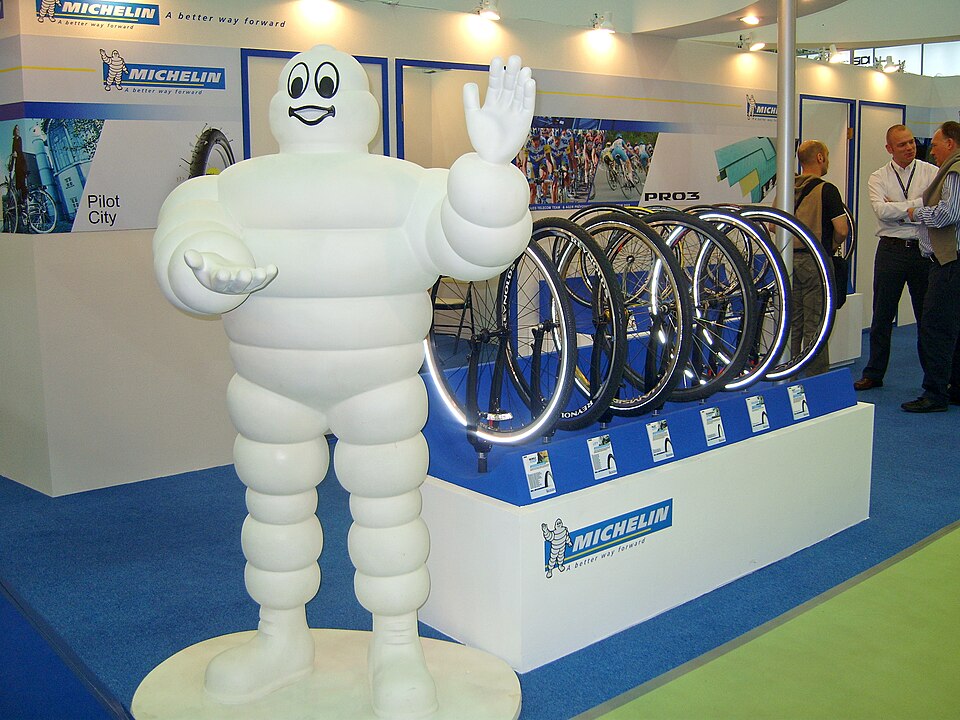
TikTok lore often paints the Michelin Man as a creepy relic, as if the character hid a coded message from a forgotten club. Michelin history gives a simpler origin: the founders saw a stack of tires that looked like a person, then worked with cartoonist O’Galop. Bibendum debuted at the Paris Motor Show in 1898.
Some posts treat the name as random branding. Michelin ties Bibendum to the Latin line Nunc est bibendum from early ads. That detail matters because it places the mascot inside the ad language of its era, not inside a secret plot. What feels unsettling in a fast clip usually looks ordinary once the full timeline is back on the table.
Mr. Peanut
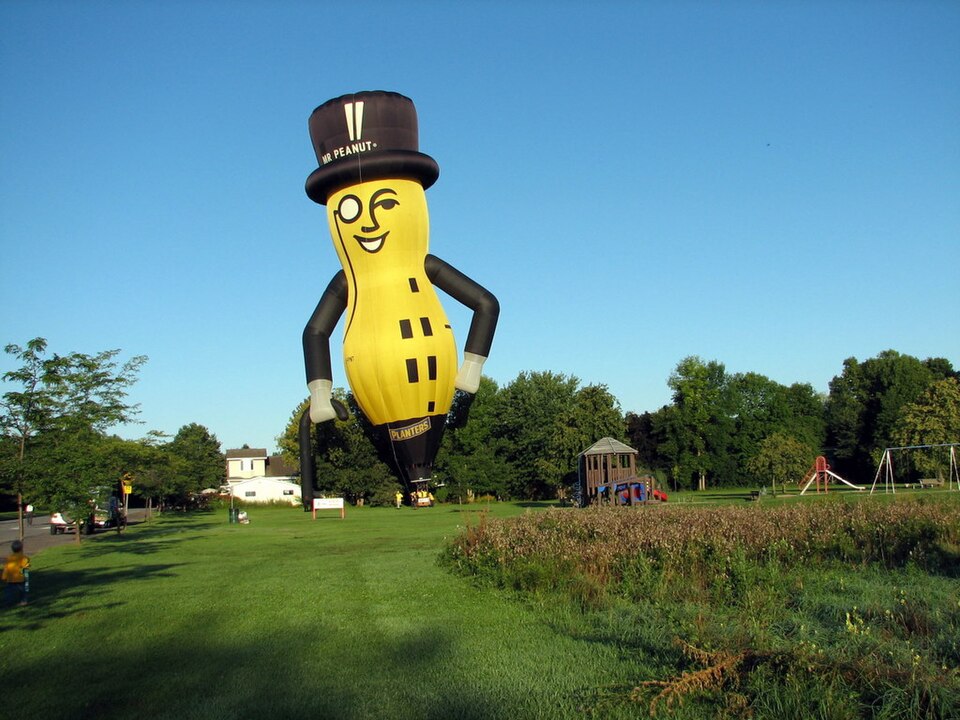
Mr. Peanut gets recast online as a symbol with hidden rank or hidden politics. The story is simpler. Planters says the mascot came from a 1916 design contest, and a 14-year-old named Antonio Gentile submitted the winning sketch. The monocle, top hat, and cane were refined later, turning that drawing into an icon.
Another myth says he was invented recently for retro appeal. The timeline says otherwise. Mr. Peanut has been with the brand for more than a century, which is why he feels both familiar and slightly out of step on modern feeds. That clash of old style and fast video rhythm often gets mistaken for evidence of a secret backstory.
Quaker Man
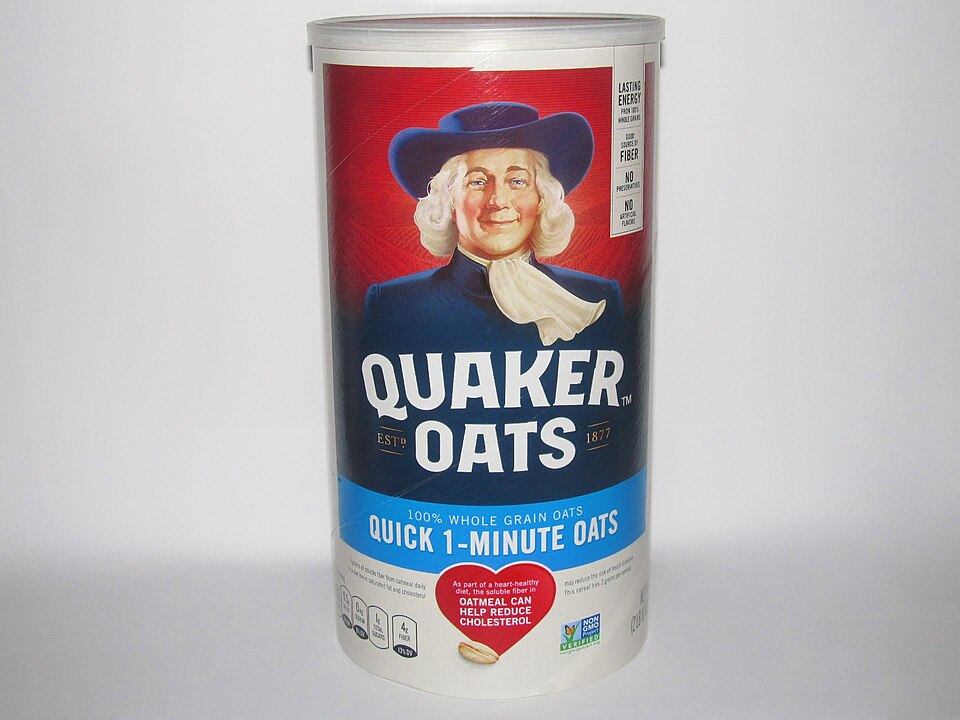
Few mascots attract more mistaken identity claims than the Quaker figure. Viral posts keep labeling him as William Penn or George Washington. Quaker’s FAQ says the Quaker man is not an actual person. The image was chosen to reflect brand values, not to depict a real historical figure.
That distinction matters because fake lore starts with a confident face match and then layers on drama. Quaker’s history page describes the early mark as a figure in Quaker garb tied to trademark history. Once that is clear, most conspiracy threads lose momentum. What remains is brand history from the late 1800s, not a concealed biography waiting to be decoded.
Wendy
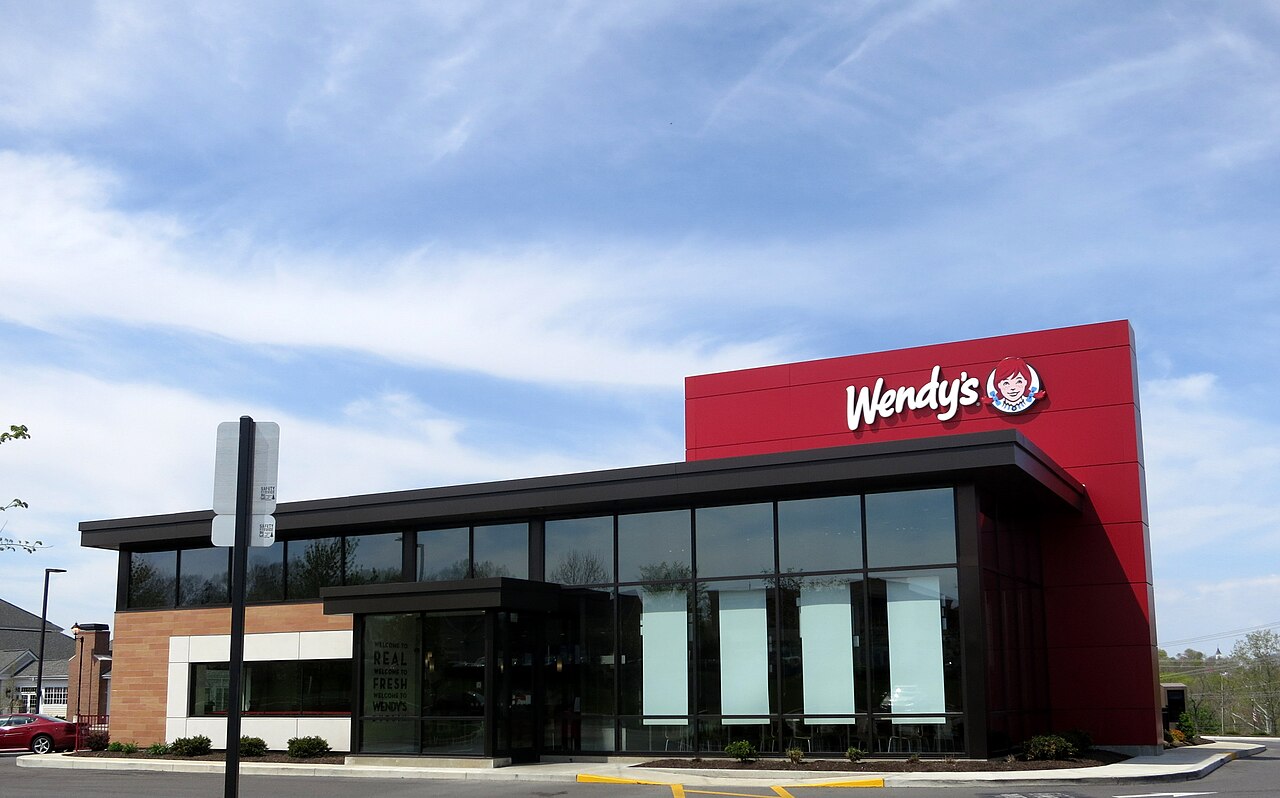
Wendy’s logo is pulled into fake lore that claims the girl was a fictional agency creation. The record is simpler. Wendy’s says Dave Thomas opened the first restaurant on Nov. 15, 1969, in Columbus, Ohio. Britannica notes the brand name and logo were inspired by his daughter, grounding the mascot in family roots.
That origin gets blurred because short clips reward surprise over context. Viral retellings flatten brand history into one dramatic reveal, then treat archival images as hidden clues. In practice, company and reference timelines point the same way: Wendy began as a family reference, not an internet puzzle invented years later.
Pillsbury Doughboy
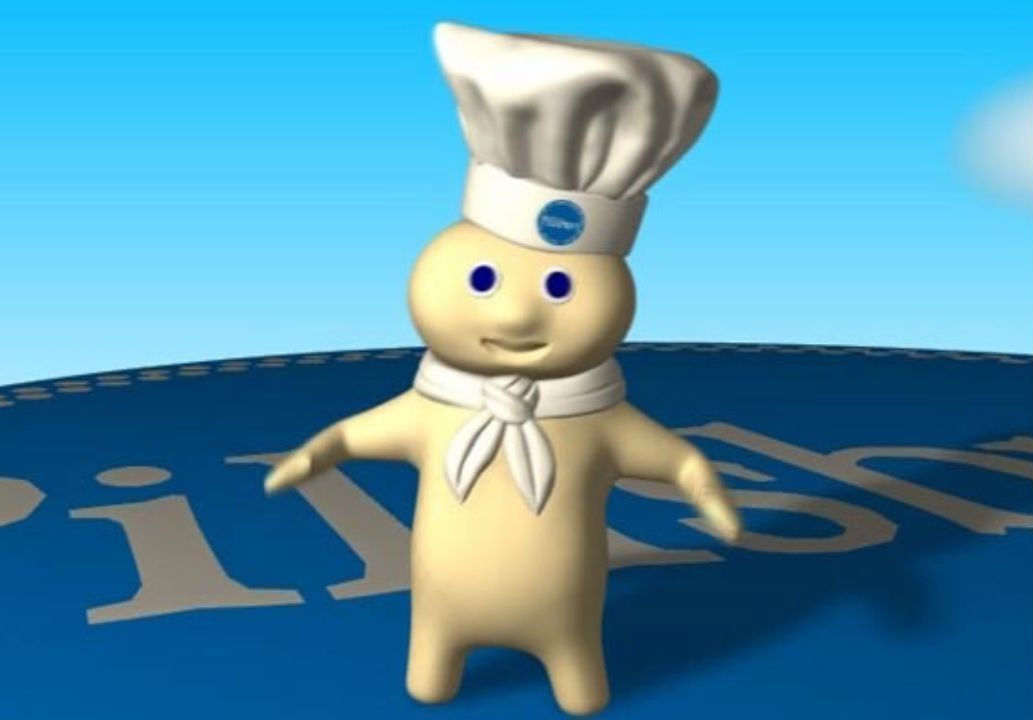
The Pillsbury Doughboy is often rewritten online as a mascot that appeared from generic nostalgia marketing. Pillsbury’s history is specific: the idea was born on March 18, 1965, when copywriter Rudy Perz at Leo Burnett created Poppin’ Fresh for refrigerated dough ads. The origin is dated and tied to a team.
Fake lore thrives here because the character feels timeless. In short clips, timeless can look suspicious. A smiling dough figure seems too polished to be real, so people invent hidden pilot campaigns. The timeline makes that unnecessary. The Doughboy came from mid-century agency work, then expanded through years of packaging and TV.
Tony the Tiger
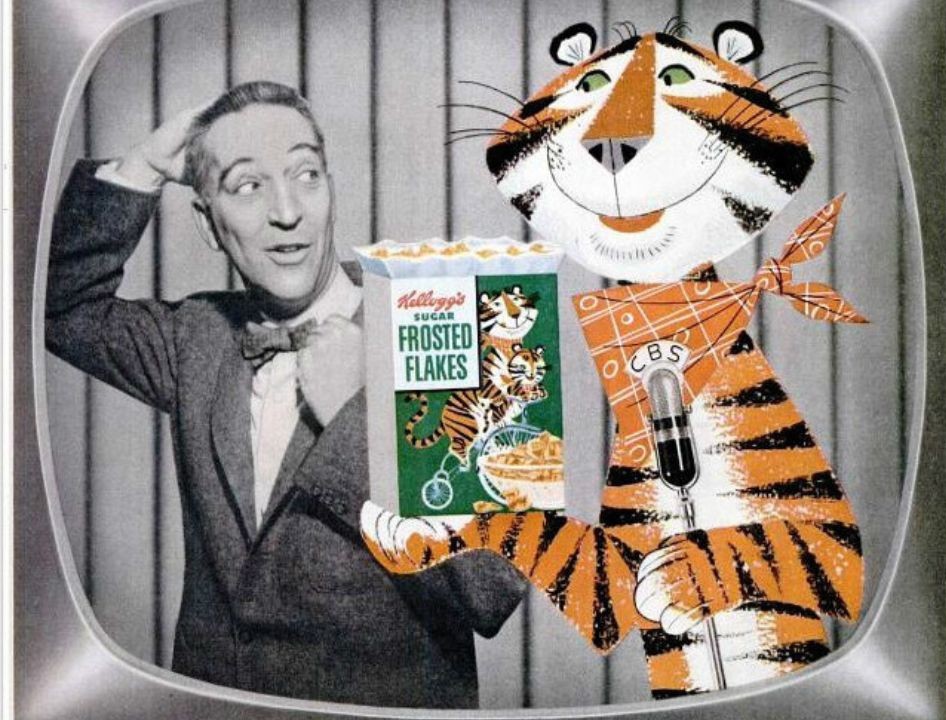
Tony the Tiger is easy for TikTok lore because he already looks larger than life. Viral posts claim he was always the obvious pick, with a backstory set from day one. Kellogg’s Tony page gives a version: in 1952, Tony competed against Katy the Kangaroo before becoming the face.
That detail changes the narrative. Instead of one inevitable icon, the history shows testing and refinement, which is how most lasting mascots are built. Fake lore prefers destiny because destiny feels cinematic. Real ad history is iterative, less flashy, and more credible. Tony’s staying power came from repetition over decades, not from a secret origin script.
Lucky the Leprechaun
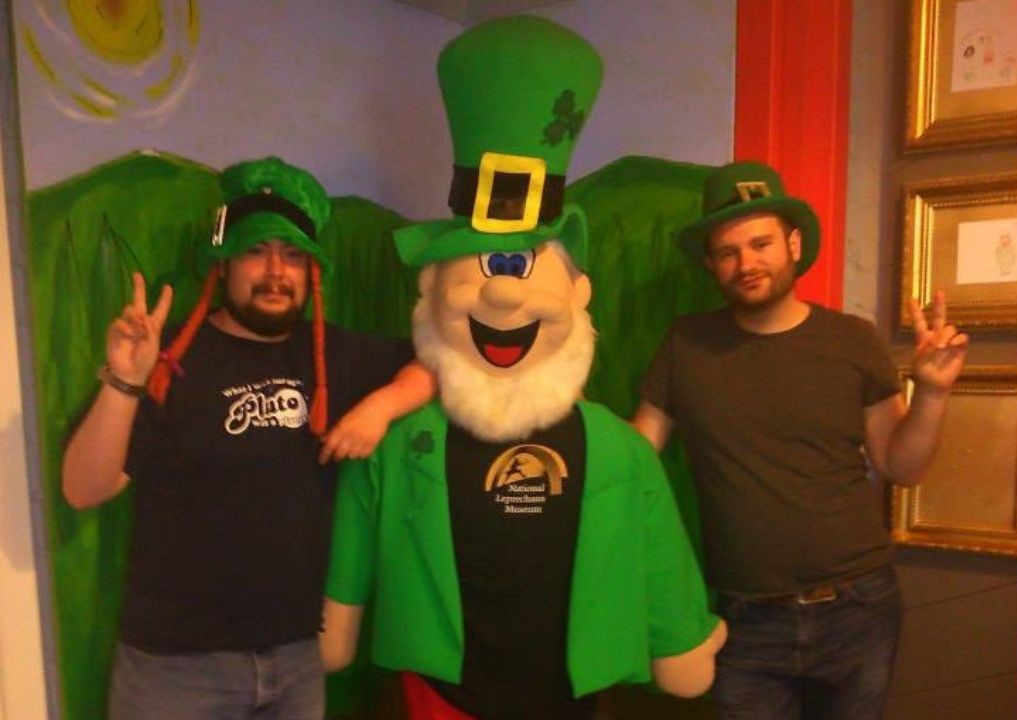
Lucky the Leprechaun gets pulled into TikTok theories about hidden meanings in every marshmallow and costume tweak. General Mills gives a simpler timeline: Lucky Charms launched in 1964, and Lucky became the mascot. He was briefly replaced in 1975 by Waldo the Wizard, then brought back after weak response.
That switch is what fake lore skips. It shows mascot history can include experiments and reversals without hidden codes. Online myth treats each design change as symbolism, when it is often feedback. Lucky’s story is not a puzzle map. It is an example of brand testing, then course correction when shoppers preferred the original character.
Toucan Sam
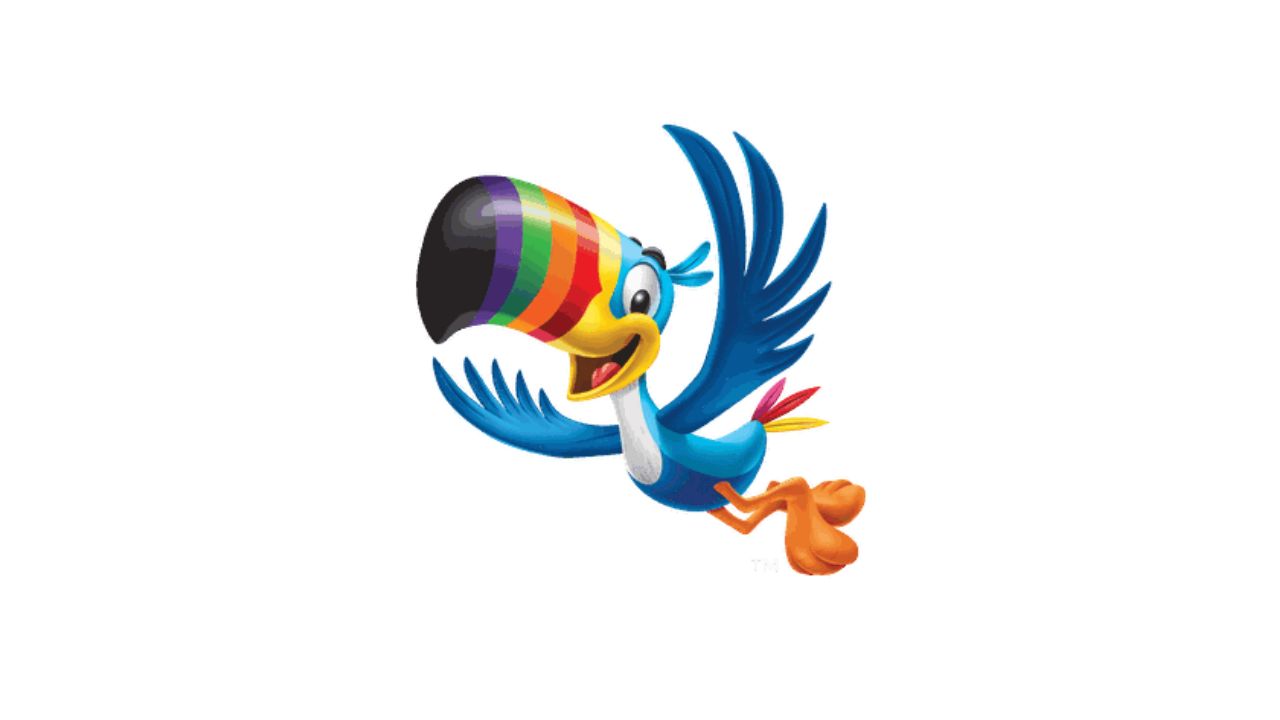
Toucan Sam is a magnet for fake lore because his rainbow beak invites over-interpretation. TikTok threads claim each color was a secret code tied to hidden formulas. The official framing is simpler: WK Kellogg presents him as the mascot behind the long-running Follow Your Nose line for Froot Loops.
With that context, most theories read like fan fiction, not history. Cereal mascots are designed for shelf recognition and recall, not encrypted messaging. Online culture rewards complex explanations even when simple ones fit better. Toucan Sam lasts because he is instantly recognizable, not because he carries a concealed map in plain sight.
Morton Salt Girl
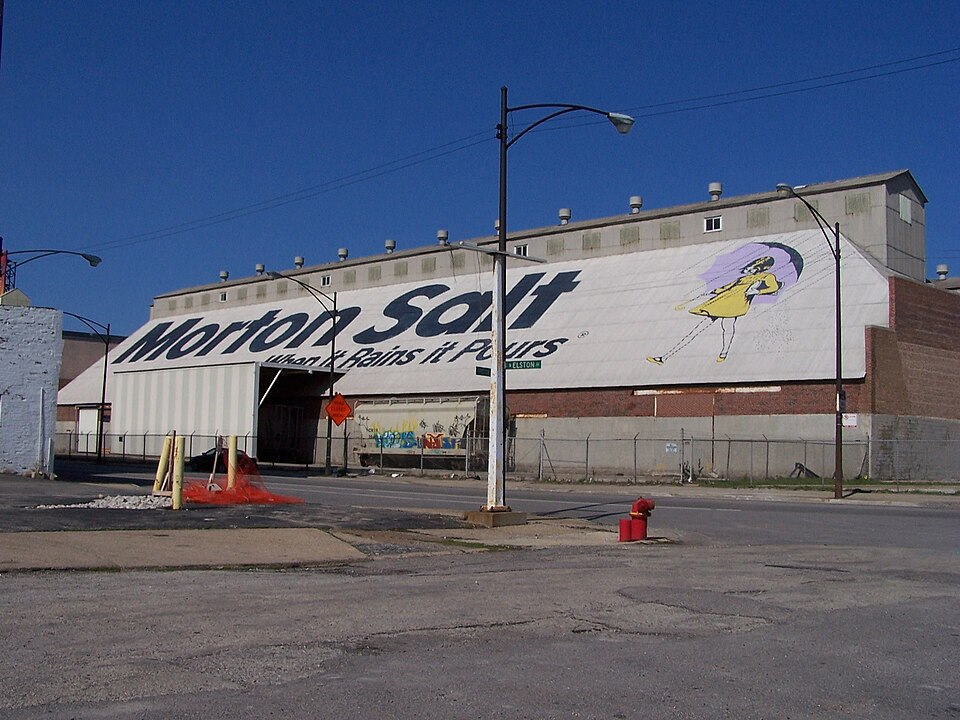
The Morton Salt Girl is often recast online as a real child whose identity was hidden. Morton’s history says the character first appeared in 1914 and was not based on one actual person. She was created as an advertising image tied to the When It Rains It Pours message about anti-caking performance.
That purpose gets lost when internet storytelling turns vintage art into personal mystery. Many posts try to attach a name and biography, even when the mascot was symbolic from day one. The real story is still strong: one umbrella image helped build one of the most durable slogans in American grocery branding, and it endured for generations.
Colonel Sanders
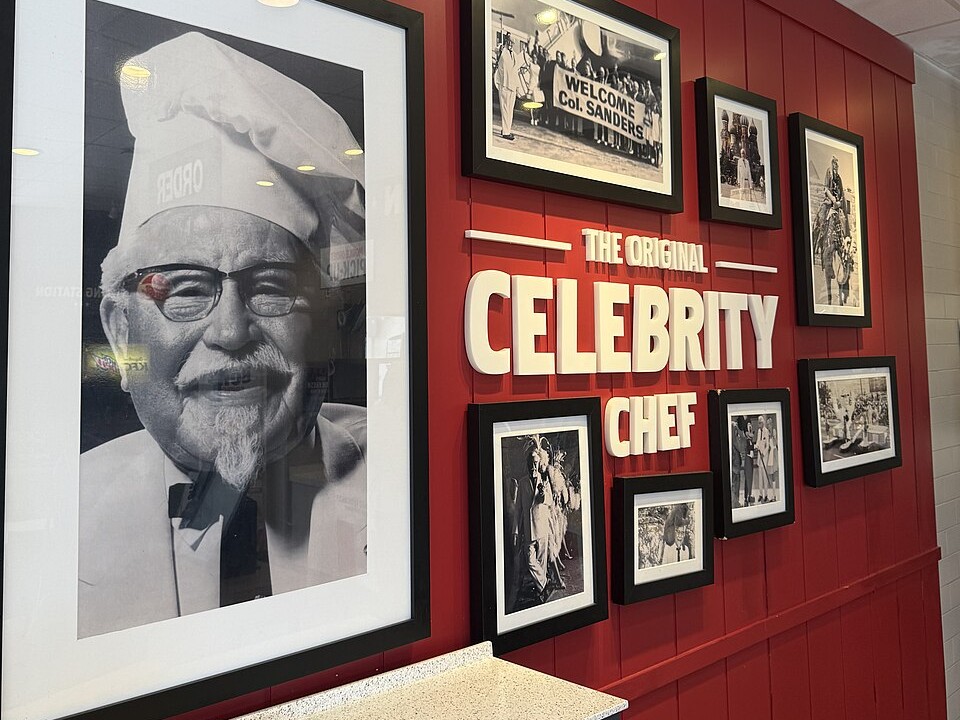
Colonel Sanders attracts fake lore because the white suit and bow tie look theatrical in clips. Some posts claim the character was fictional from the start. KFC history says otherwise: Harland Sanders was real, born Sept. 9, 1890, and first franchise opened in 1952 before global expansion.
With that timeline in place, most myths lose force. The mascot became stylized over time, but stylization is not fabrication. Brands often move from biography to icon as they scale. Online storytelling turns that transition into a gotcha reveal. The record shows a familiar arc: real founder first, simplified character later, broad recognition after that.