Museums are built for looking closely, which means tiny habits suddenly matter. Most rule-breaking is accidental, borrowed from everyday life where snacks, phone calls, and squeezing past people are normal. In galleries, though, light can fade delicate pigments, bags can swing into frames, and one loud moment can fill a quiet room. The good news is that museum etiquette is mostly small, practical choices. When visitors slow down and notice the space, everyone sees more, and the objects get a longer life.
Touching Artworks
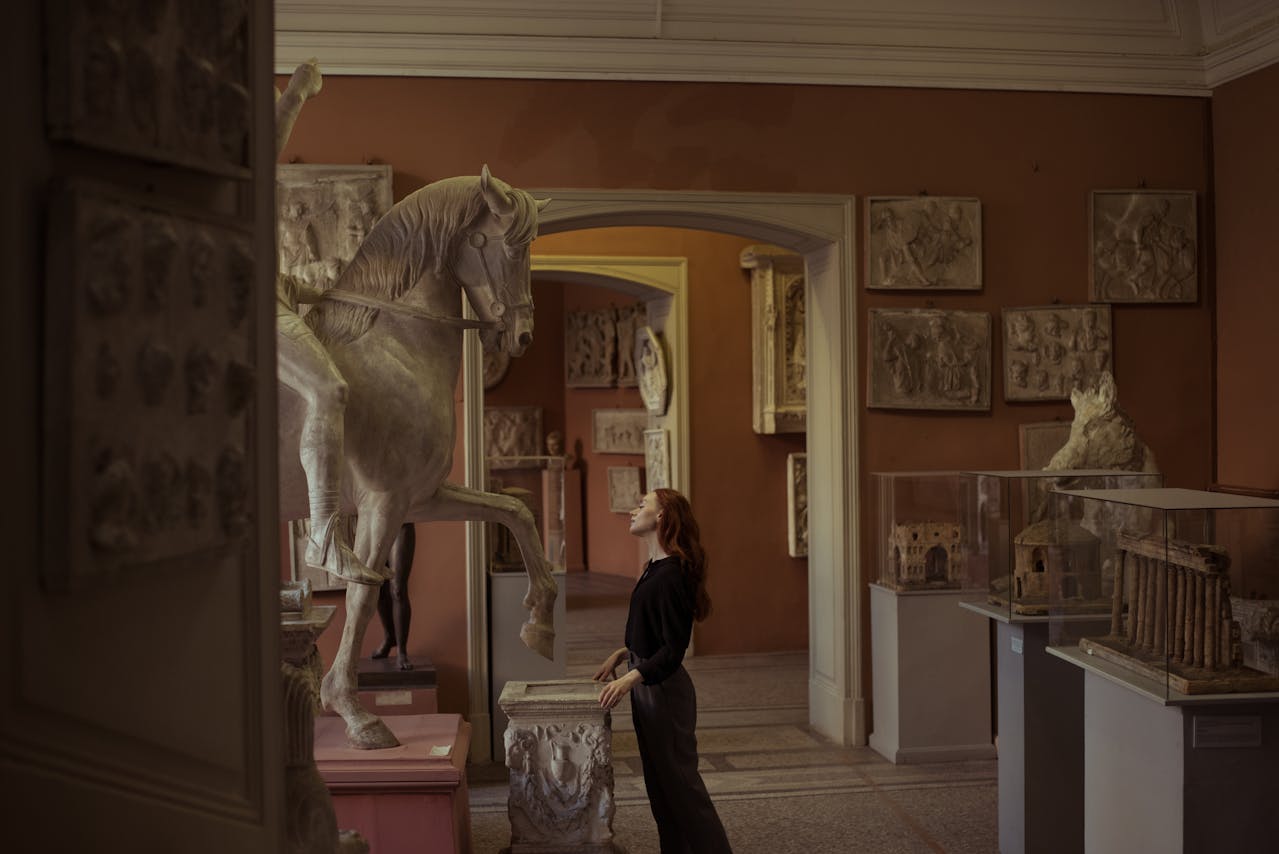
A fingertip seems harmless on marble or bronze, but skin oils, lotion, and grit leave residue that slowly dulls surfaces and attracts dust. Paintings can have raised brushstrokes, delicate gilding, and soft varnish that mark with the lightest contact, then require conservation work that is slow and expensive. Museums set viewing distances so details can be seen without touch, so hands stay down, and curiosity is answered by reading the label, stepping to a better angle, or using gallery magnifiers when offered. Children pick up the rule quickly when adults treat the room like it matters. From the start.
Leaning on Cases and Plinths
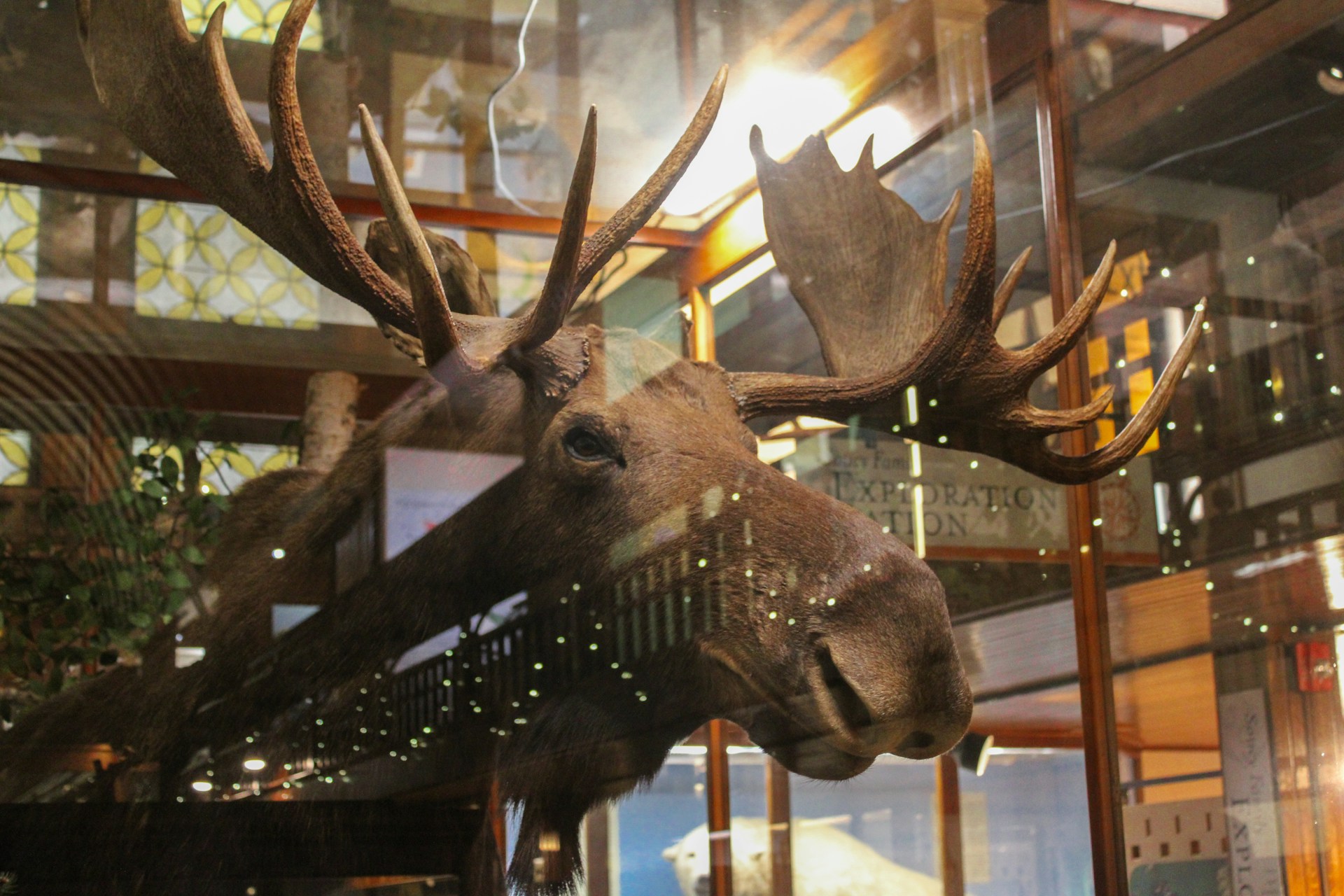
A glass case or pedestal can look like convenient furniture, but it is part of the display’s safety system, not a resting spot. A casual lean adds vibration and pressure, can trigger alarms, and pulls staff attention away from helping visitors with directions, access needs, or questions. Even when nothing beeps, small shakes stress mounts and supports that keep objects stable, and sleeves leave smears that ruin sightlines for the next group. Benches and open corners exist for breaks, so the calm move is to step back, breathe, and let the gallery stay still. In busy rooms, that stillness keeps traffic flowing.
Using Flash or Bright Lights
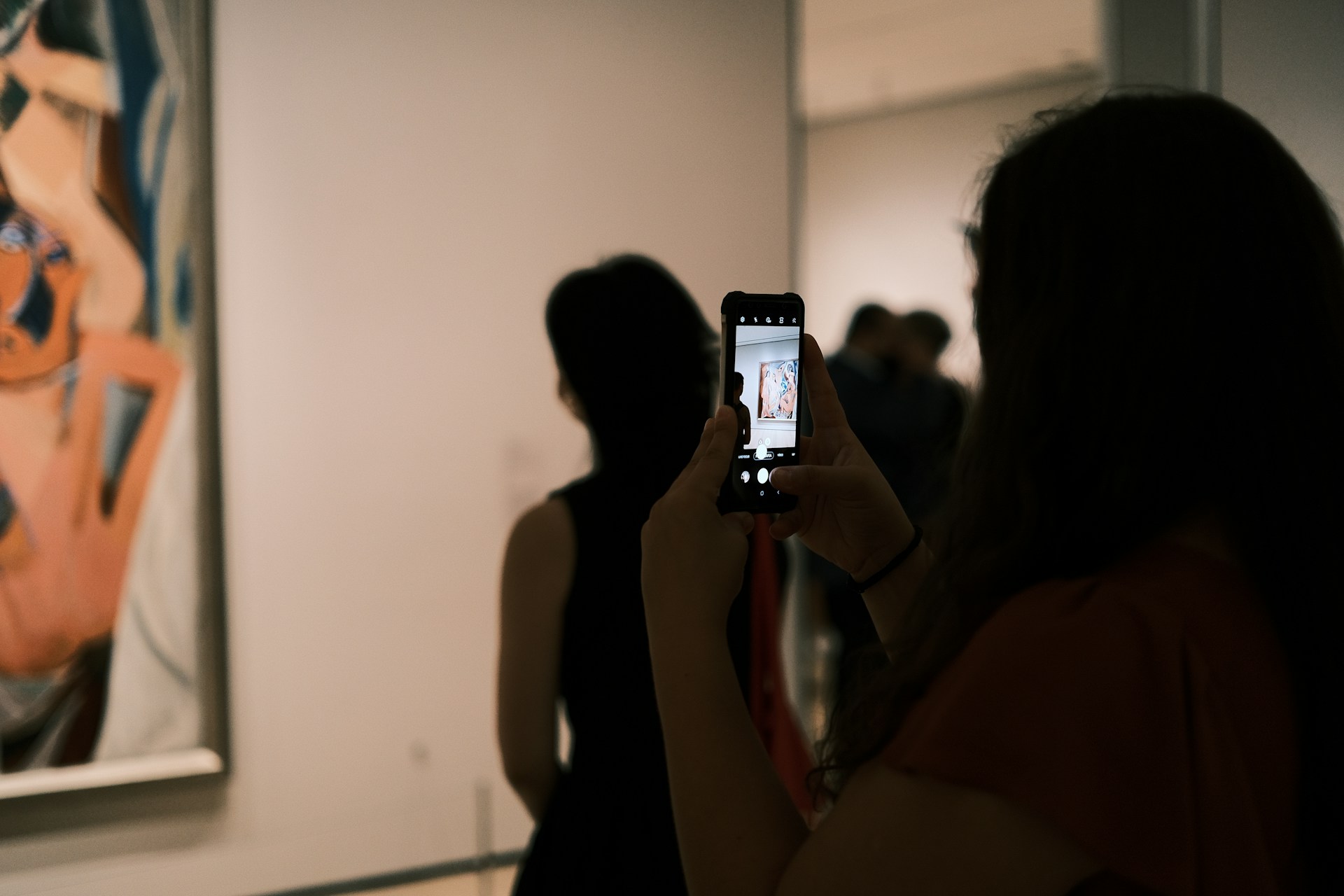
Flash feels quick, but intense light can fade dyes, paper, and textiles, especially in drawings, photographs, and older prints already sensitive to exposure. Bright video lights and phone torches create the same problem, and they also break the room’s calm by jolting everyone’s eyes. When photos are allowed, steady hands and low light usually capture enough, and many museums label photo-friendly areas clearly. When photos are not allowed, a short note about the artist and one detail worth remembering often preserves more than a blown-out image reflecting off glass. It also reduces glare that turns careful displays into mirrors.
Photographing in No-Photo Galleries
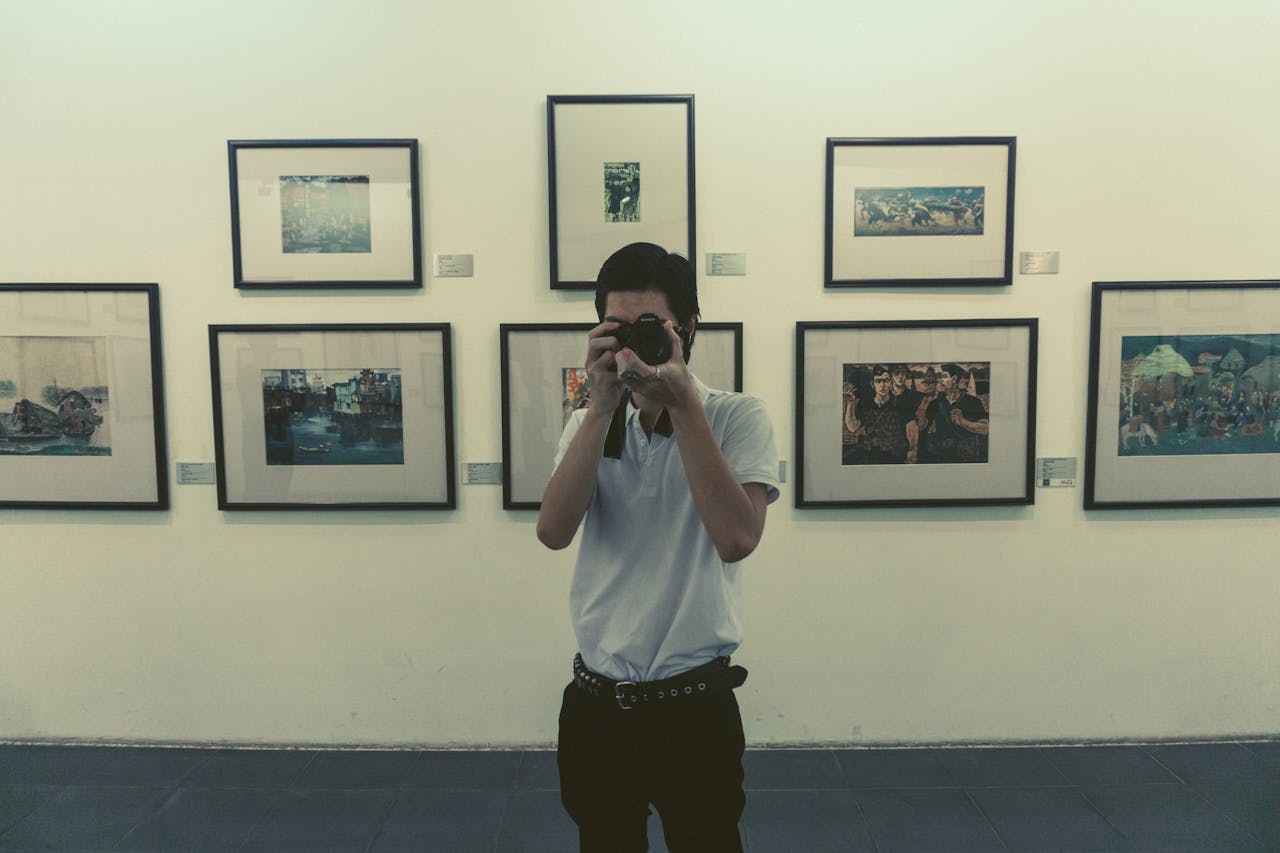
Many visitors assume museums are public spaces where every object is fair game for photos, but restrictions often come from lenders, copyrights, or cultural care agreements. A no-photo sign is not a mood; it is part of how institutions keep trust with artists, collectors, and source communities. Sneaking a quick shot also changes the room, because screens rise, people cluster, and others feel pressured to copy the behavior. When images are off-limits, staff usually welcome simple alternatives: jotting the title, noting the gallery number, and capturing a detail in words that can be searched later.
Wearing Backpacks in Tight Galleries
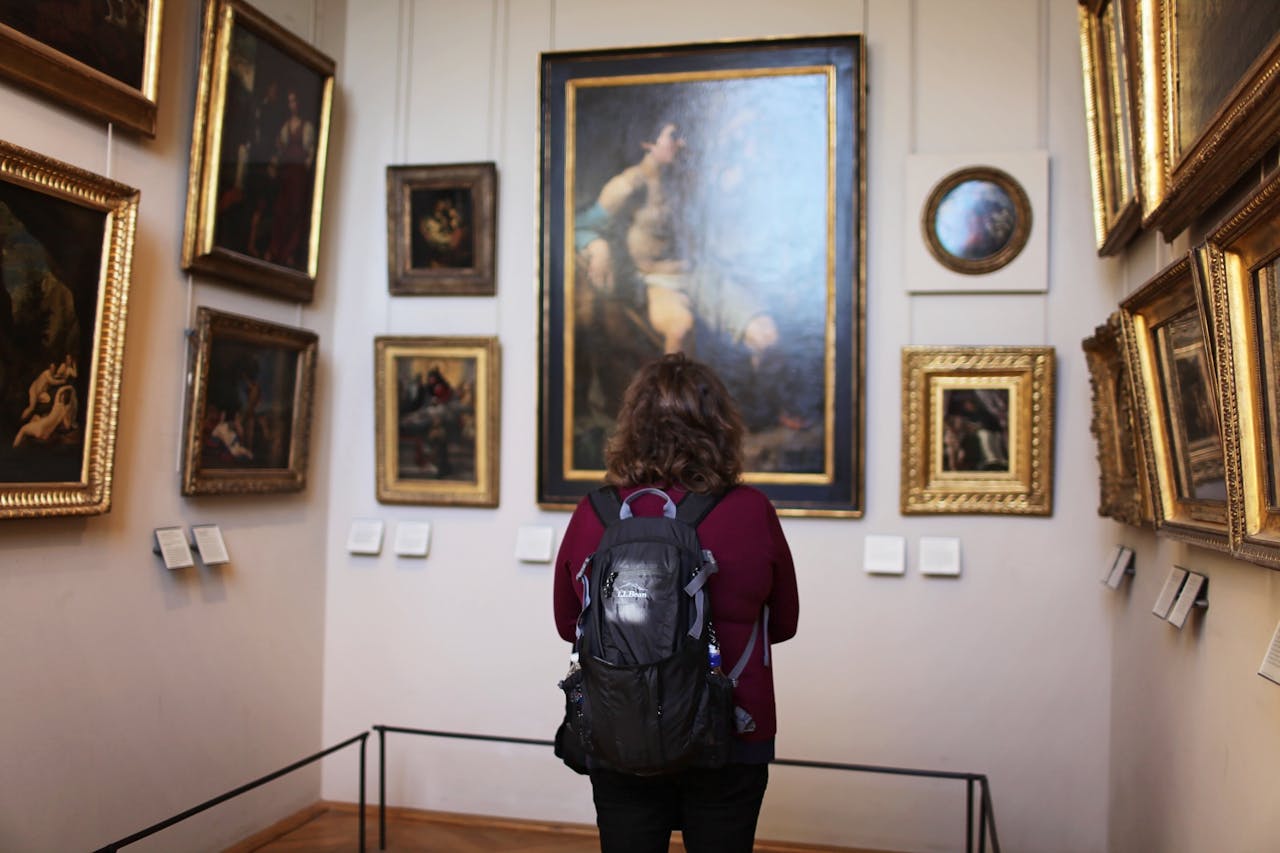
Backpacks feel harmless because they sit out of sight, but in narrow galleries they become the part most likely to bump a case, label, or frame during a small turn. In crowded rooms, one swinging bag can start a chain reaction of shuffles and apologies, and fragile objects do not get second chances. That is why many museums ask for bags to be worn on the front, checked, or swapped for a slim tote, along with umbrellas and bulky coats. The goal is not strictness; it is geometry, so people can pause, pivot, and step aside without turning the art into a bumper zone. It also makes lines at doorways feel calmer.
Bringing Food and Drinks Past the Threshold
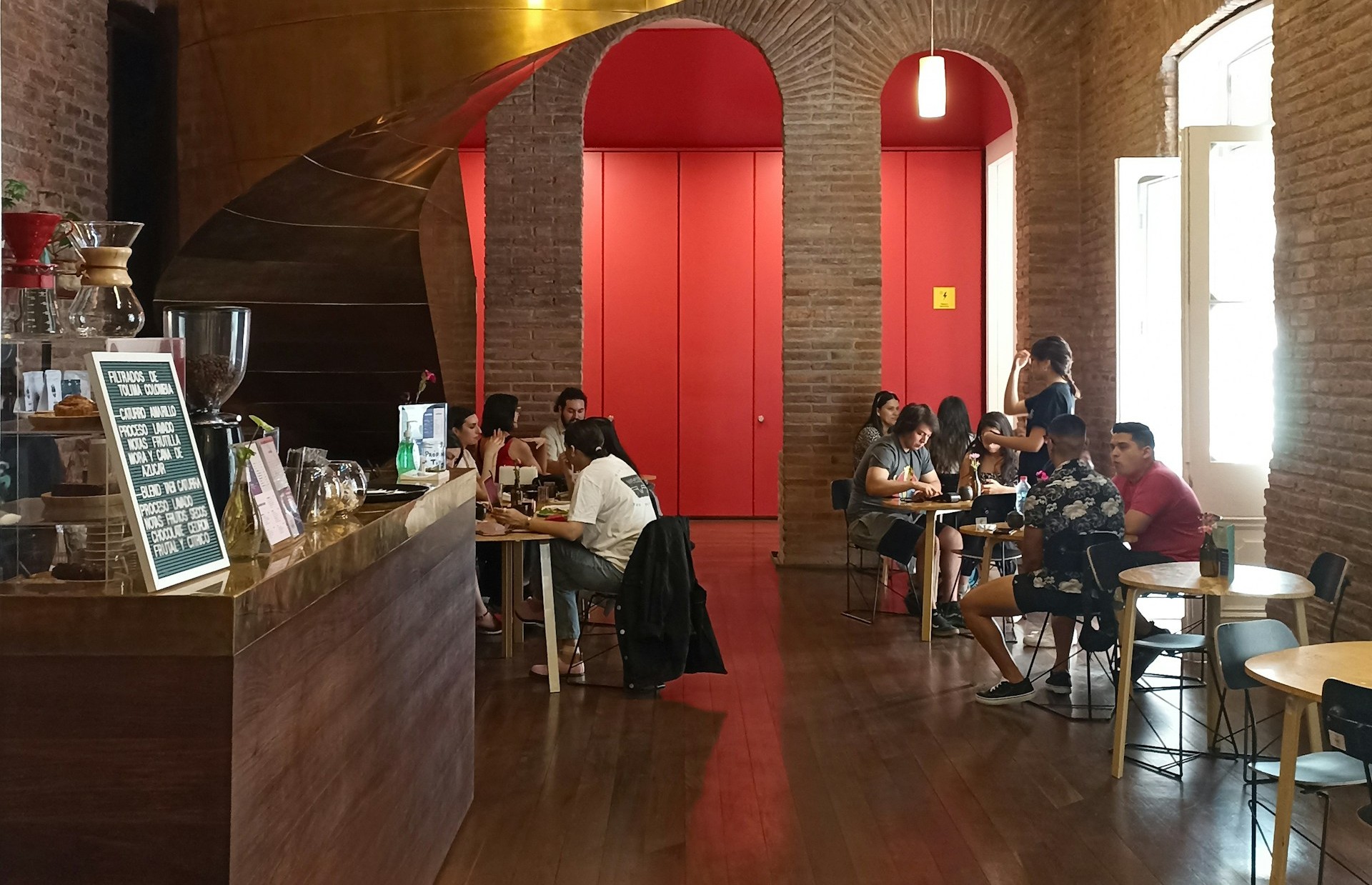
Snacks and drinks feel like harmless travel gear, but museums avoid them because spills, crumbs, and sticky fingers attract pests and raise cleaning risks. Even a capped bottle can leak in a bag, and a pastry flake on the floor becomes a slip problem in dim rooms where people look up, not down. Food also changes behavior: wrappers crackle, cups land on ledges, and visitors linger too close to art while juggling bites. Most museums provide cafés or designated zones, so breaks happen there, galleries stay tidy, and everyone can focus without the low-level chaos of eating on the move. Water is easy outside exhibit doors.
Taking Phone Calls on the Gallery Floor
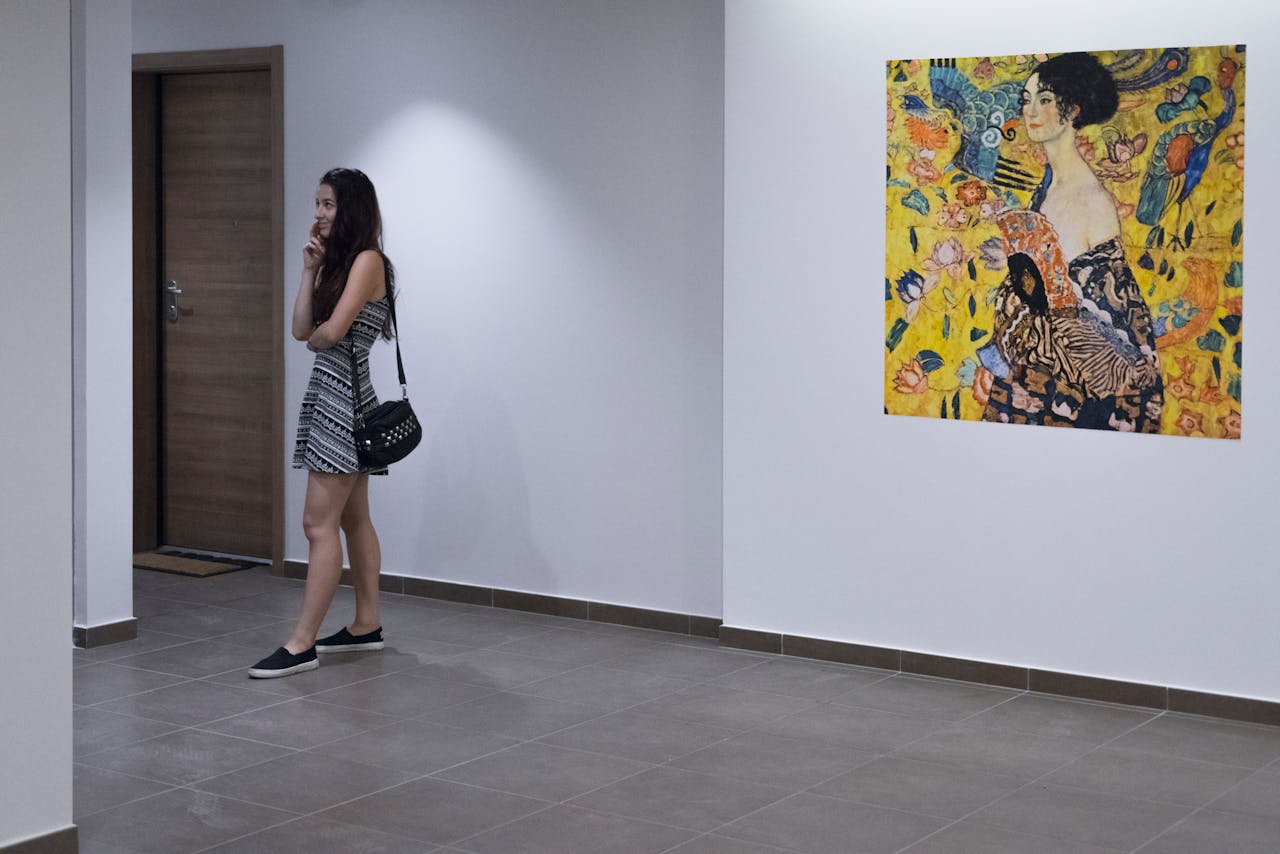
Museums are not libraries, but galleries are designed for concentration, and loud calls cut through shared quiet instantly. A short conversation near one painting becomes the soundtrack for everyone nearby, and echoes bounce off stone, glass, and high ceilings. Calls also compete with audio guides and docent talks, which rely on calm to be heard. Many people do not mean to disrupt; the room’s acoustics do it for them, especially with speakerphone, which turns a private chat into noise. Stepping into a lobby, stairwell, or outdoor courtyard keeps the gallery calm and lets staff focus on access, safety, and questions instead of reminders.
Blocking Labels and Doorways
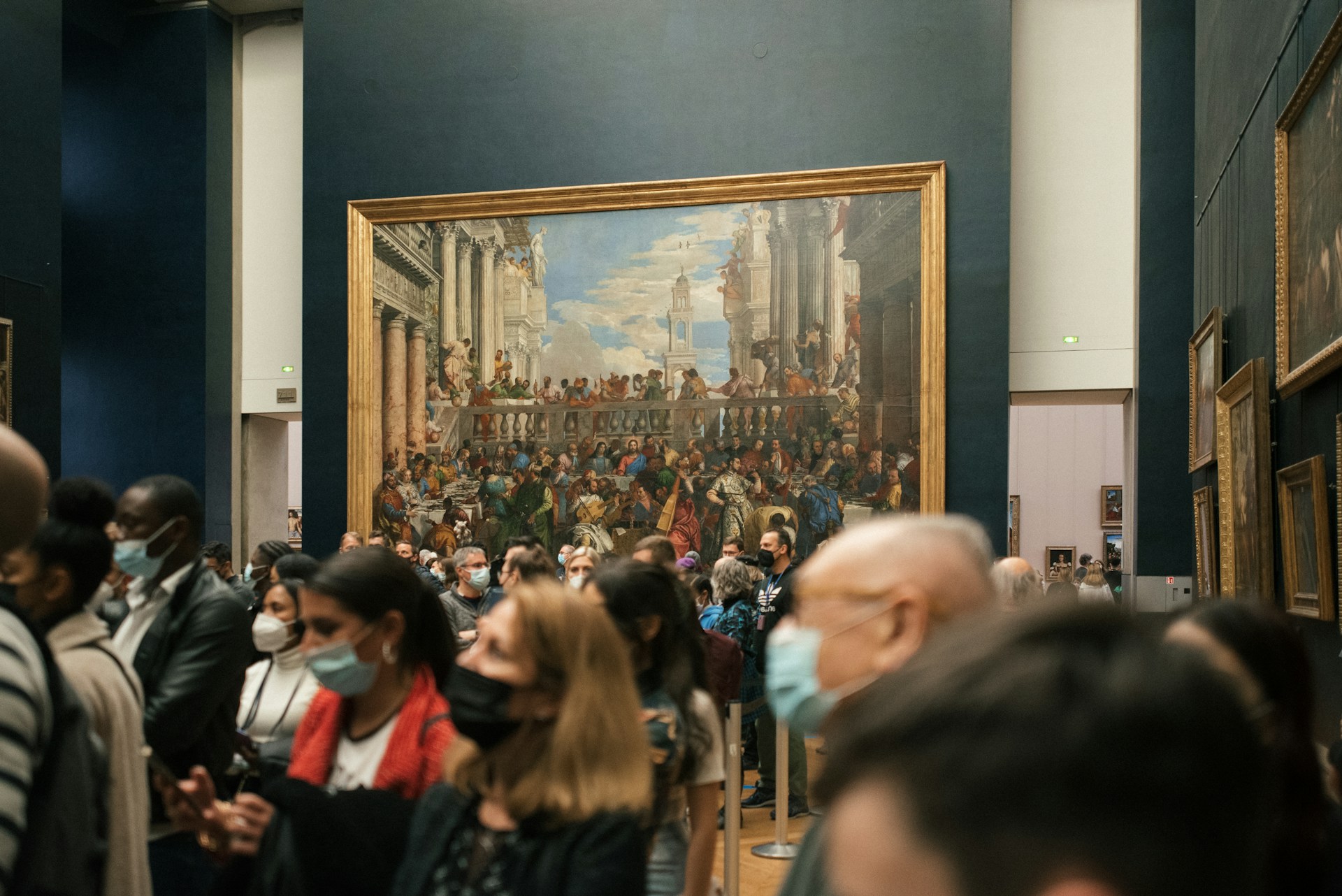
In popular galleries, the bottleneck is often the label and the doorway beside it, not the famous artwork. When someone stops directly in front of the text panel, others cannot read, and the room quietly clogs behind them, especially with strollers, tour groups, and audio-guide users trying to edge in. This rule gets broken without malice, because phones and photos pull attention away from where feet are planted. A small shift solves it: read, then step aside, keep paths open, and let others take their turn without shoulder squeezes and impatient sighs. The room feels calmer immediately, and looking becomes easier.
Crossing the Line Around Art
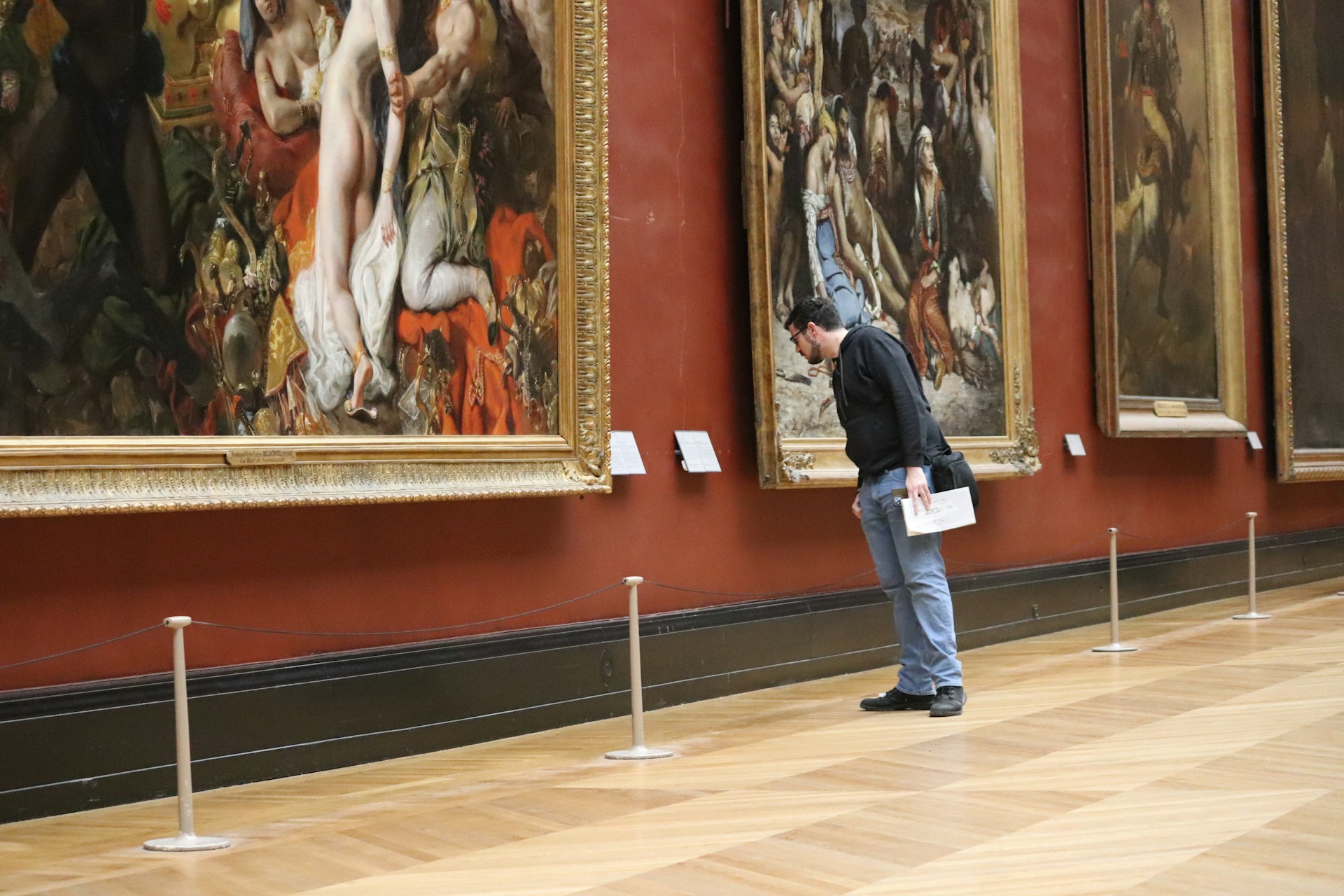
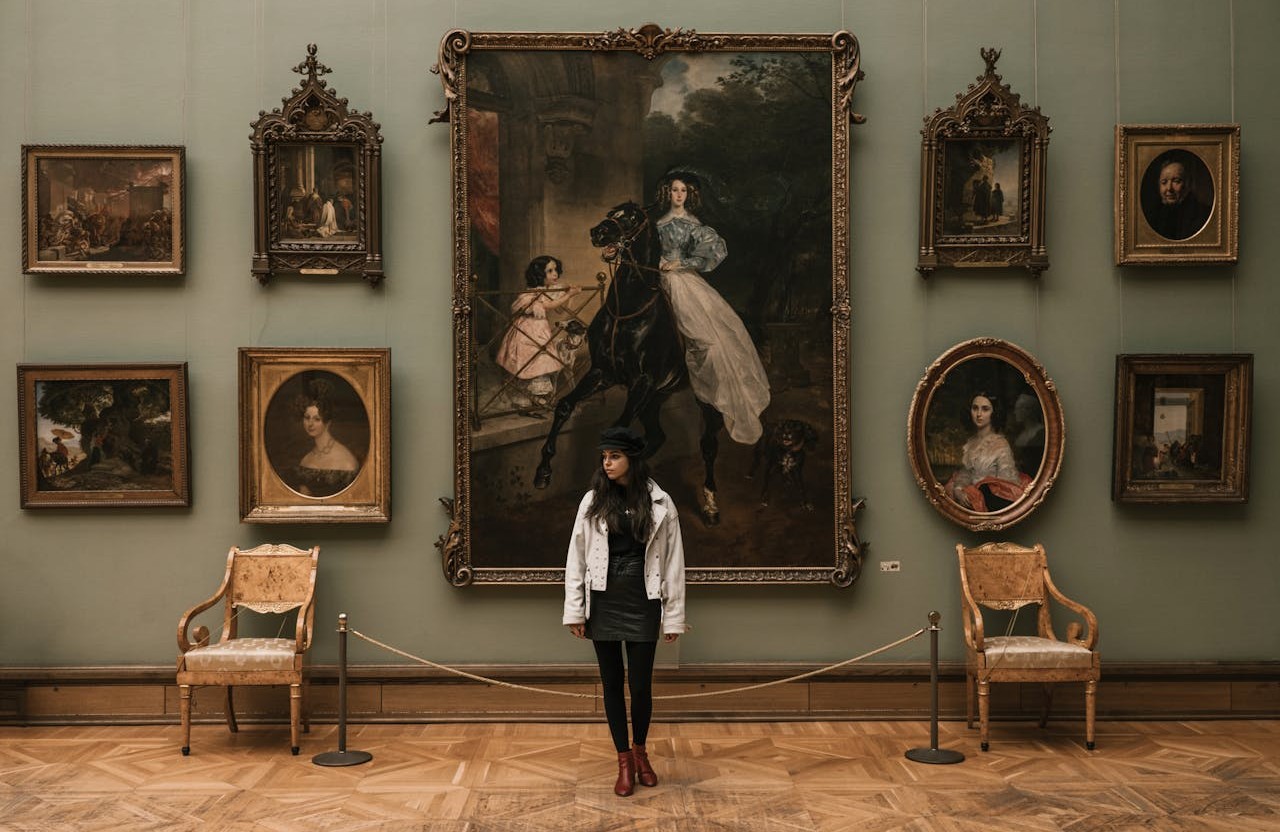
Those thin ropes, floor lines, and low stanchions are not decoration; they create a buffer that protects art from accidental contact. Stepping over them to get closer often feels minor, but it raises the risk of sleeves brushing paint, bags tapping frames, or shoes scuffing platforms. In crowded rooms, one person edging forward nudges everyone else, and the whole space tightens until guards have to intervene. Museums set viewing distances so details can still be seen, so the respectful move is to stay behind the line, wait for a clear angle, and let the room breathe. Calm space is part of the display.
Letting Kids Run or Climb
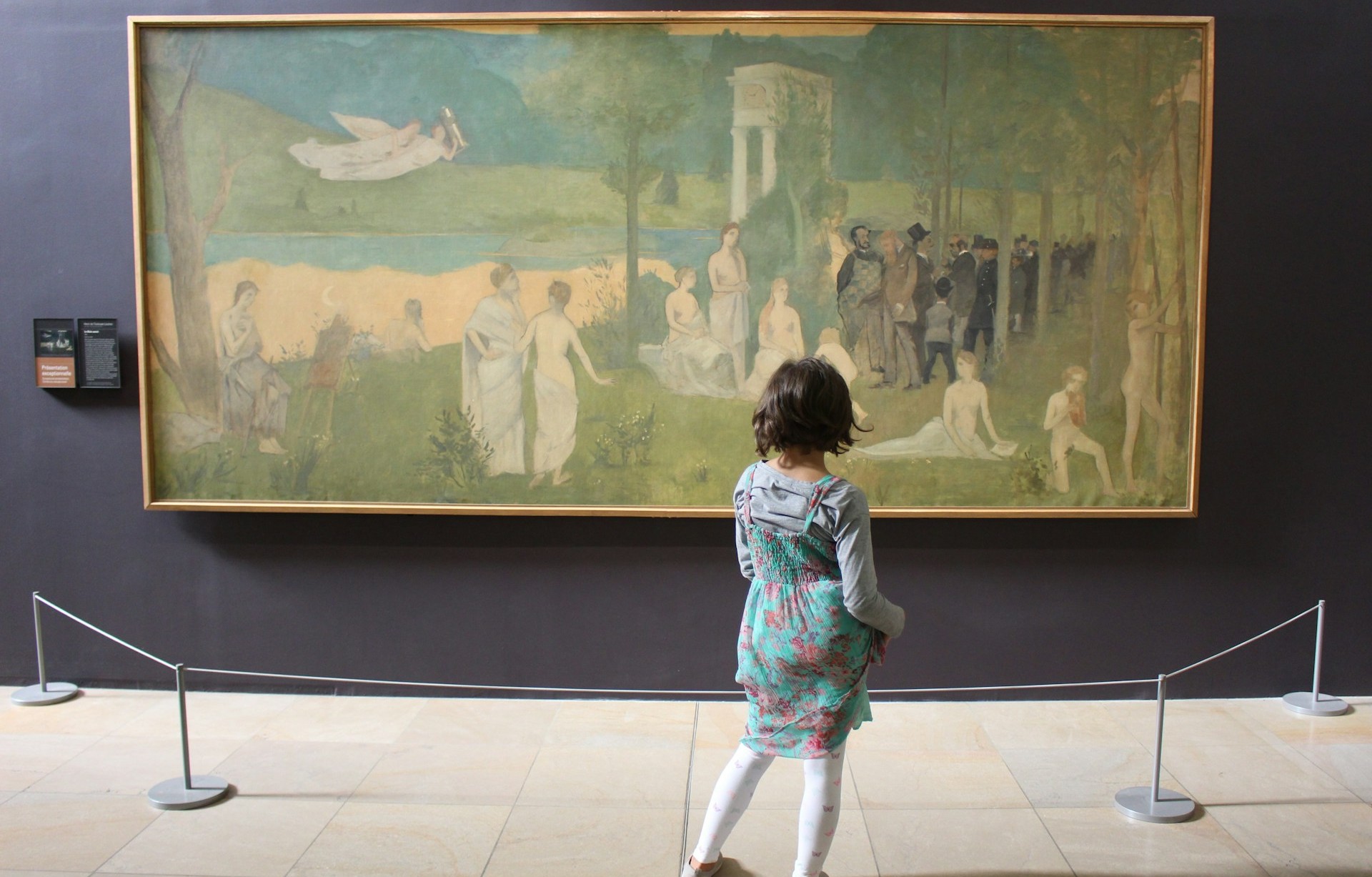
Museums welcome families, but running turns calm rooms into obstacle courses, especially around corners where sightlines disappear. Fast movement makes it easier to bump a case, brush a sculpture base, or clip another visitor’s legs with a stroller before anyone reacts. Many parents mean well and assume the space works like a mall, yet galleries have low barriers, tight turns, and objects mounted close to walkways. A steady walking pace, hand-holding in crowded rooms, and quick breaks in lobbies or courtyards keep kids comfortable and keep everyone else’s viewing experience quiet and focused. Too.