Ingredient rules rarely feel dramatic in the moment, but they can erase a taste overnight. A sweetener gets pulled, a dye is delisted, a flavor oil is restricted, and the familiar label suddenly means something else. In corner stores and movie-theater lobbies, shoppers notice first as a tiny disappointment: the aftertaste is different, the color is duller, the bite is gone. Some brands reformulate and survive. Others vanish because the old recipe was the whole point, or because retooling costs more than a niche treat can carry. The losses leave behind a strange kind of nostalgia, tied to lunchboxes, road trips, and sticky fingertips. Years later, the missing flavors read like a timeline of shifting science and changing labels.
Cyclamate-Sweetened Diet Sodas
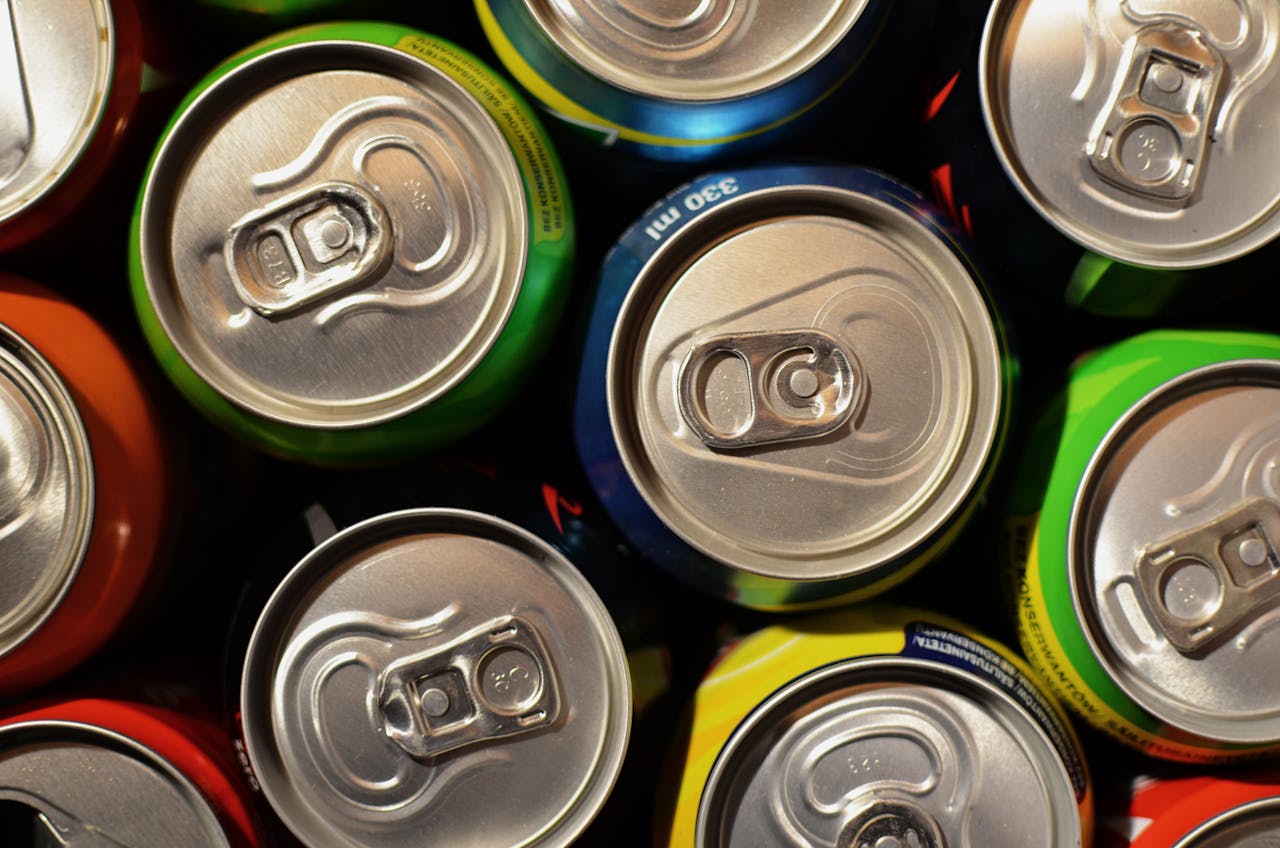
Early diet sodas leaned on cyclamate for a clean sweetness that played nicely with citrus and cola, especially in the late 1960s rush for low-calorie living and slimmer silhouettes. When regulators moved to pull cyclamate from the food supply, bottlers scrambled, distributors cleared warehouses, and some smaller labels folded rather than bet on a costly, untested reformulation. New sweetener blends kept the calorie promise and the familiar can shape, but the old flavor’s rounded finish and soda-fountain sparkle faded, leaving shoppers with a drink that survived mostly in name, and a faint, sharper aftertaste for many.
Cyclamate Diet Candies and Dessert Sweets
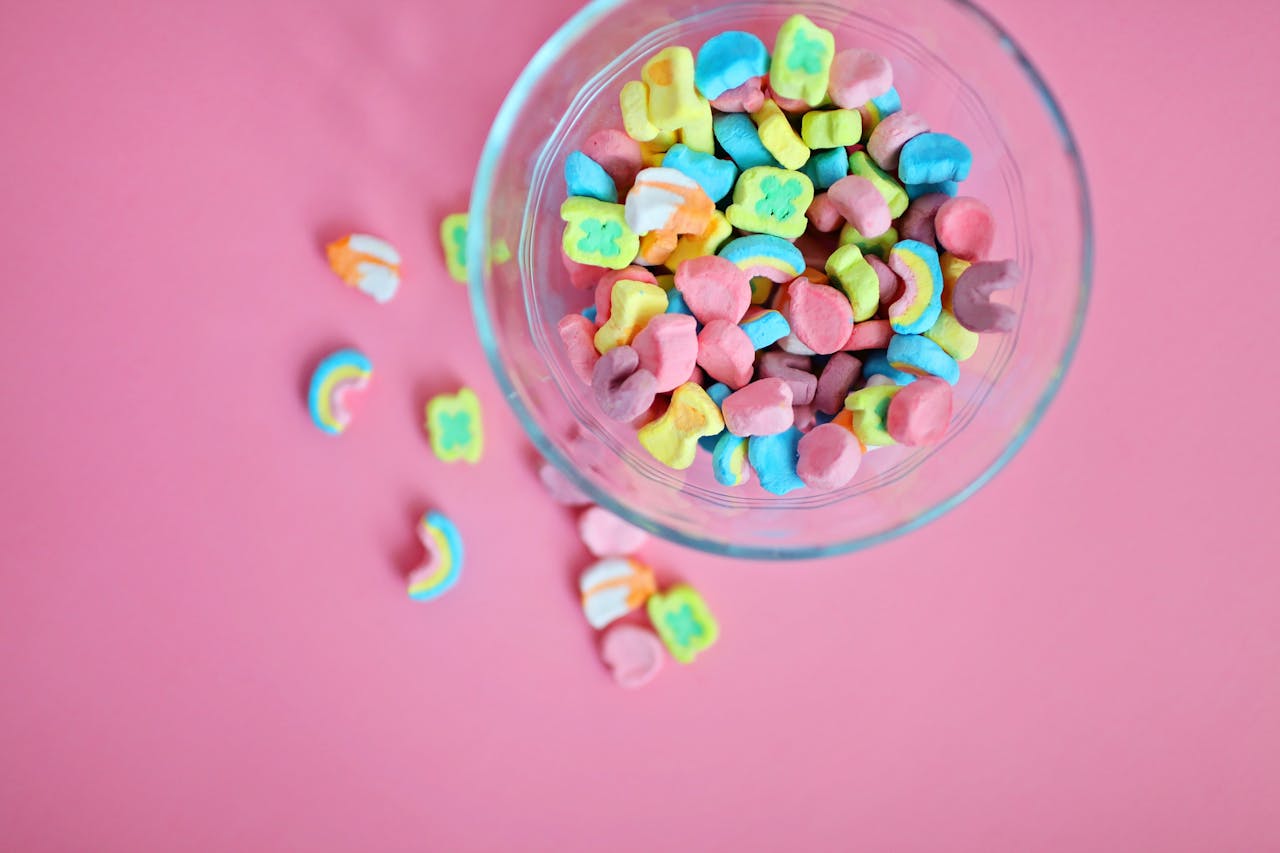
Before modern sweetener blends took over, many diet candies and gelatin treats relied on cyclamate to mimic sugar without the bitter snap, turning medicine-cabinet dieting into something that felt almost fun. After cyclamate was pulled from the market, factories had to swap in harsher substitutes, and entire lines disappeared because the remaining customers would not cover new molds, new labels, and new shelf-space deals. When replacements did appear, the sweetness landed higher and faster, with a lingering note that made the old pastel lozenges and wobbly desserts seem oddly elegant in hindsight for some longtime dieters.
Lithium Lemon-Lime Sodas
Long before lemon-lime soda was sold as pure refreshment, a famous formula included lithium citrate, a mood-altering salt that sat comfortably beside other tonics at pharmacy fountains, and its very name advertised the promise. As drug and food rules tightened, lithium vanished from soft drinks, and the remedy-like identity vanished with it, along with labels that hinted at calm nerves and a brighter day. What remained was a cleaner, more ordinary fizz in green glass, and the original concept became a footnote in branding history, proof that a soda once flirted with the language of medicine before the century turned.
Cocaine-Era Cola Tonics
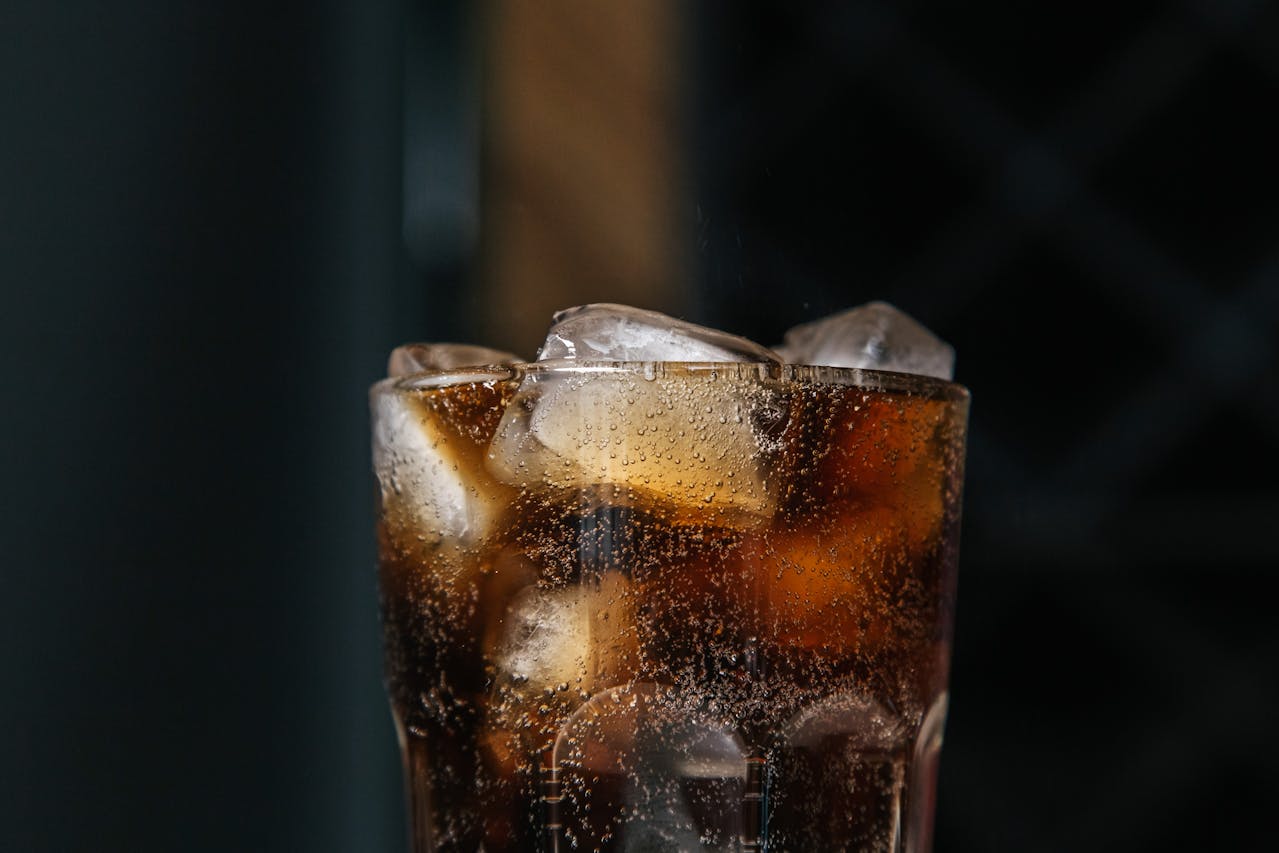
Early cola drinks borrowed their mystique from the pharmacy, mixing coca leaf preparations and other stimulating botanicals into a fizzy tonic served at soda fountains and sold beside remedies. As narcotics regulation and public scrutiny surged in the early 1900s, any cocaine content was removed, and the category’s wink at medicine began to fade under cleaner, stricter definitions of food. The colas that survived kept the caramel color, the bright bite, and the advertising swagger, but the original, riskier formula slipped away, leaving history to do the remembering in dusty bottling records and museum placards today.
Sassafras Root Beer Drops

Sassafras once gave root beer candies their unmistakable perfume, a spicy, woodsy note that clung to hard drops, taffy, and the steam of a freshly cracked bottle at a summer picnic. When regulators restricted safrole, the defining compound in sassafras oil, candy makers pivoted to artificial blends, and smaller producers bowed out because the reformulation cost more than their entire run. Root beer sweets still show up in gift tins and checkout bins, but the old sassafras snap is missing, replaced by a smoother wintergreen-vanilla profile that tastes gentler, and a little less haunted by the woods for purists, everywhere.
Tonka-Bean Caramels and Cream Candies
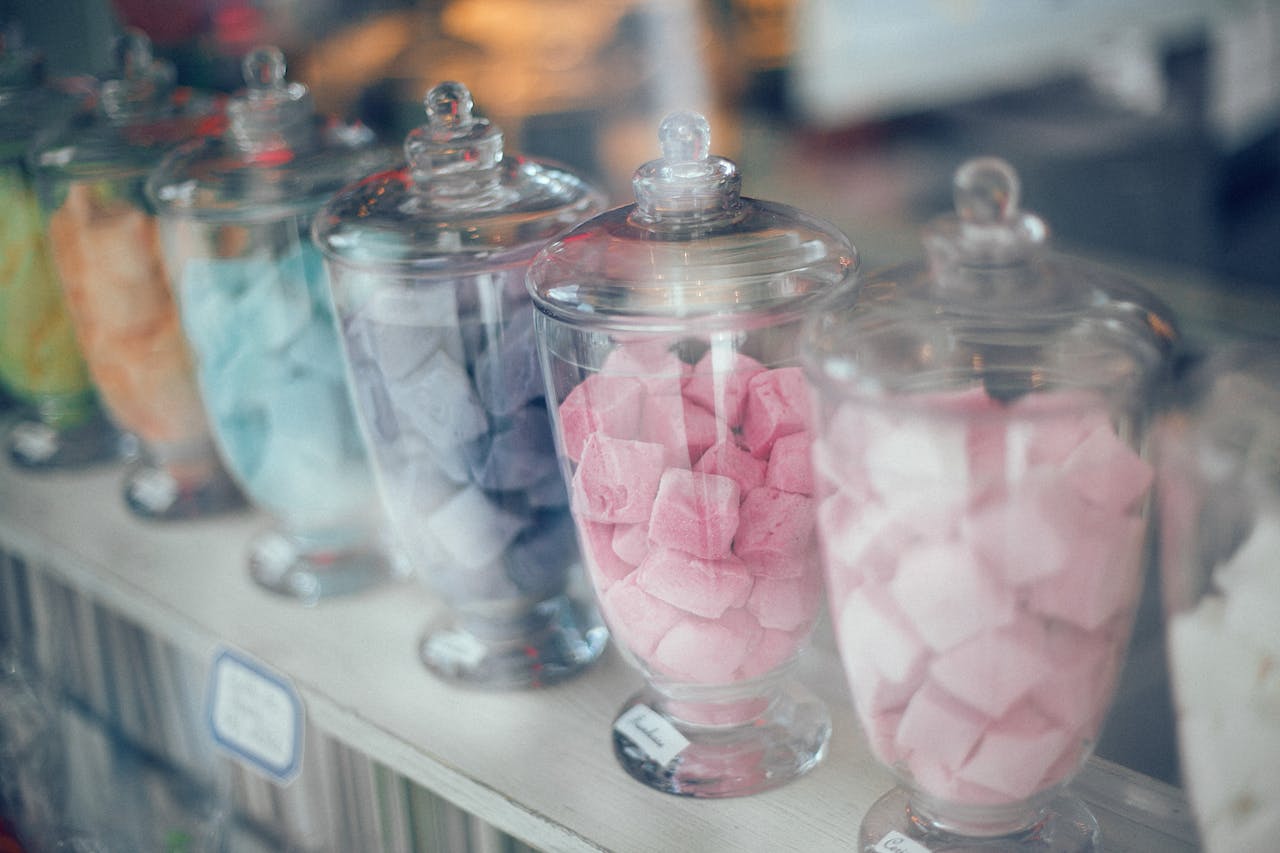
Tonka bean once lent certain candies a deep vanilla-almond warmth, the kind of perfume that made caramels and cream drops taste aged and extravagant without pricey vanilla beans. When coumarin, a natural compound in tonka, became restricted for food use, many confectioners dropped the real ingredient, and a few regional recipes disappeared because their identity rested on that dark, slow aroma. Imitations arrived with safer flavorings and plenty of sugar shine, yet the true tonka note, smoky and earthy beneath the sweetness, slipped out of holiday tins and memory alike especially in old European-style shops in America.
Cherry Candies Colored With Red No 2
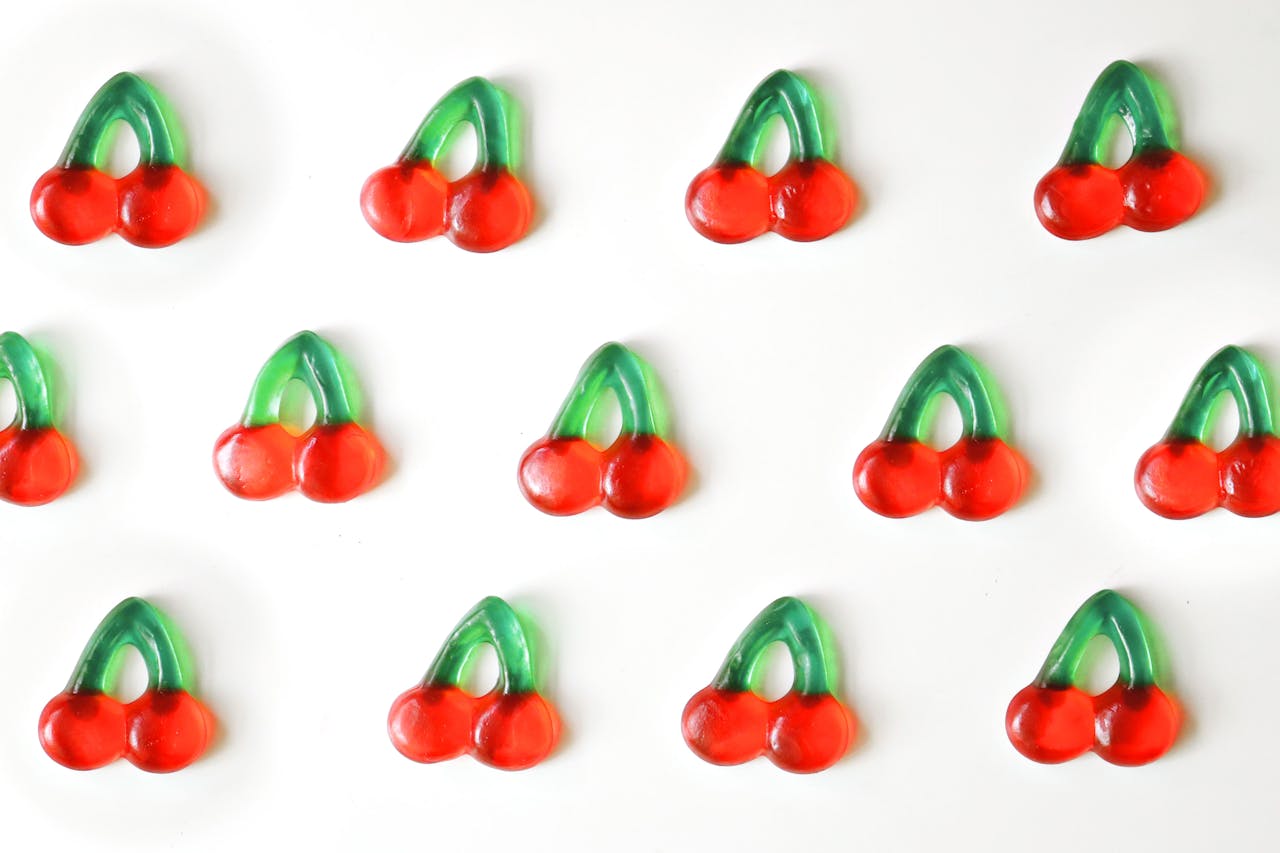
For years, especially in the 1960s and 1970s, the brightest cherry candies and fountain syrups depended on Red No 2, a dye that delivered a vivid, almost theatrical crimson in glass jars and cellophane twists. When the color additive was delisted, manufacturers raced to substitute other reds, and some cherry drops, jelly coins, and red-cream sodas disappeared rather than relaunch with a different shade and a different mood. The replacements worked on paper, but the old color had a particular glow under store lights, and its loss quietly flattened a whole corner of candy-counter nostalgia for anyone who noticed at all.
Orange Sodas and Sweets With Delisted Dyes
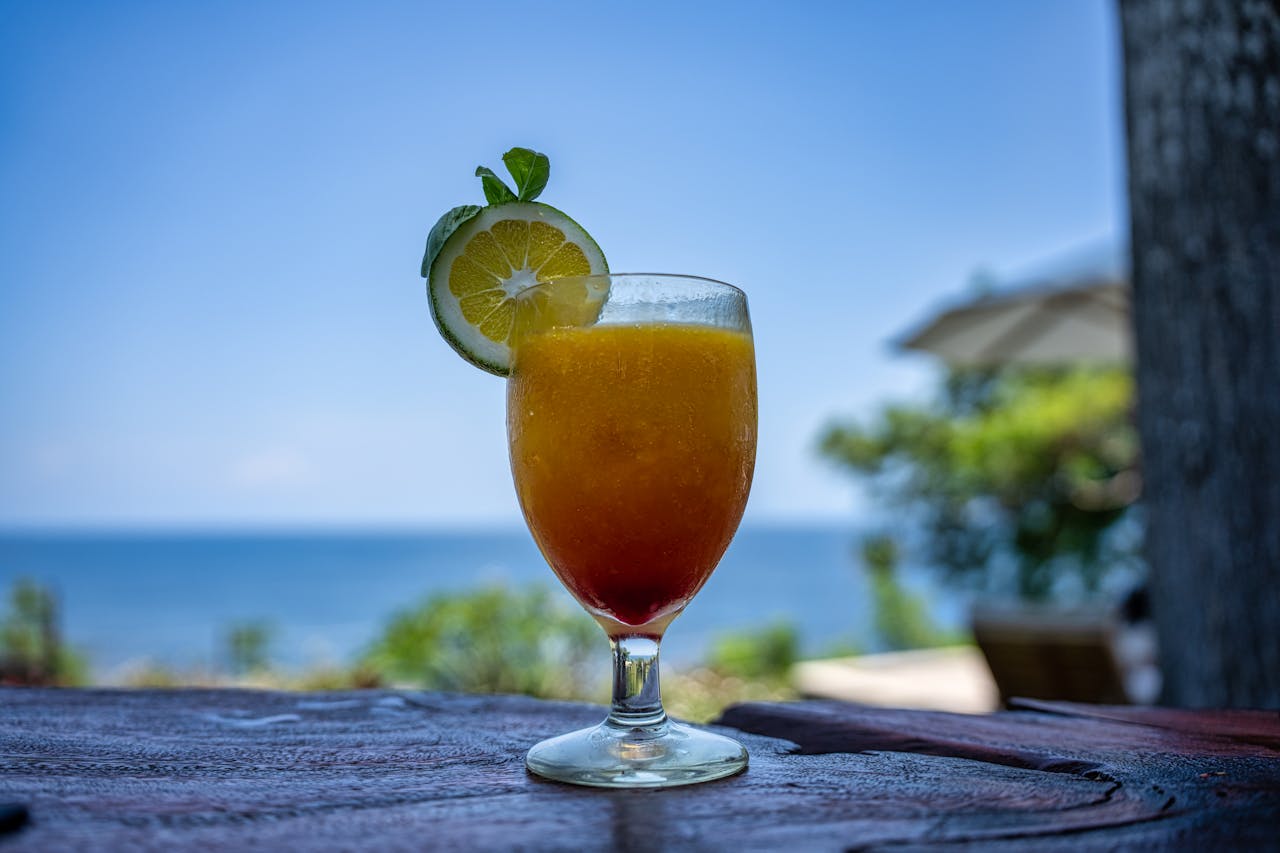
Mid-century orange sodas and candies chased a traffic-cone brightness that often came from early synthetic dyes later removed from approved color lists, turning citrus into something almost electric. When those colorants were delisted, makers had to tame the glow, and some bargain orange drinks, taffies, and wax-paper chews vanished because their entire identity lived in the shock of that hue. Newer color systems delivered safer yellows and oranges, yet the old shade was more neon than fruit, a reminder that for a long stretch of snack history, color sold flavor before a single sip even reached the tongue for kids.
Citrus Sodas Stabilized With BVO
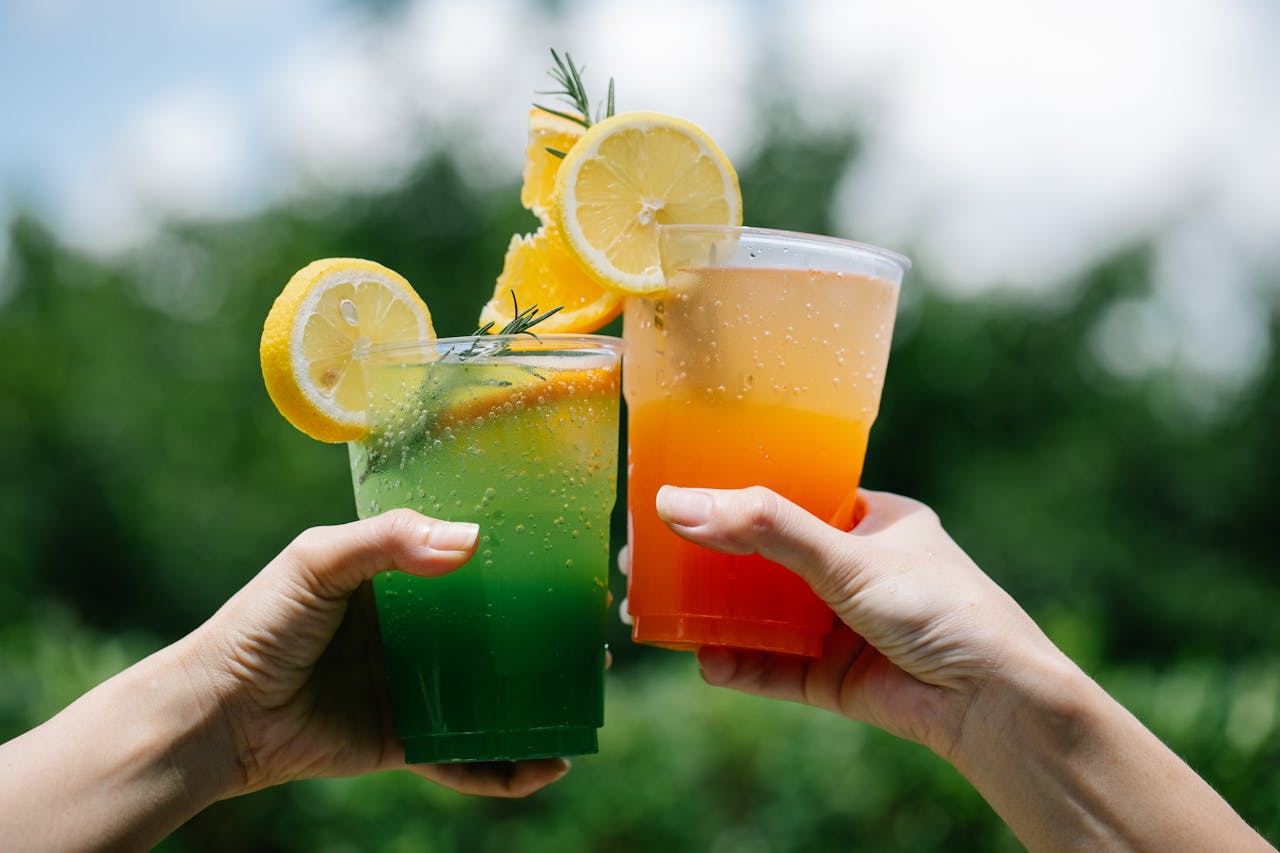
Some citrus sodas once relied on brominated vegetable oil, or BVO, to keep flavor oils suspended, preventing that telltale ring of separation and making each pour look evenly cloudy. As regulatory scrutiny and reformulation waves pushed BVO out of many recipes, a few regional orange and grapefruit sodas disappeared rather than re-engineer the whole system, especially those built around a heavy, peel-forward bite. Bigger brands adjusted with new stabilizers and different flavor loads, but smaller bottlers lost their technical crutch, and their particular sharpness faded from coolers, picnic tables, and corner-store memory.
Candies Whitened With Titanium Dioxide
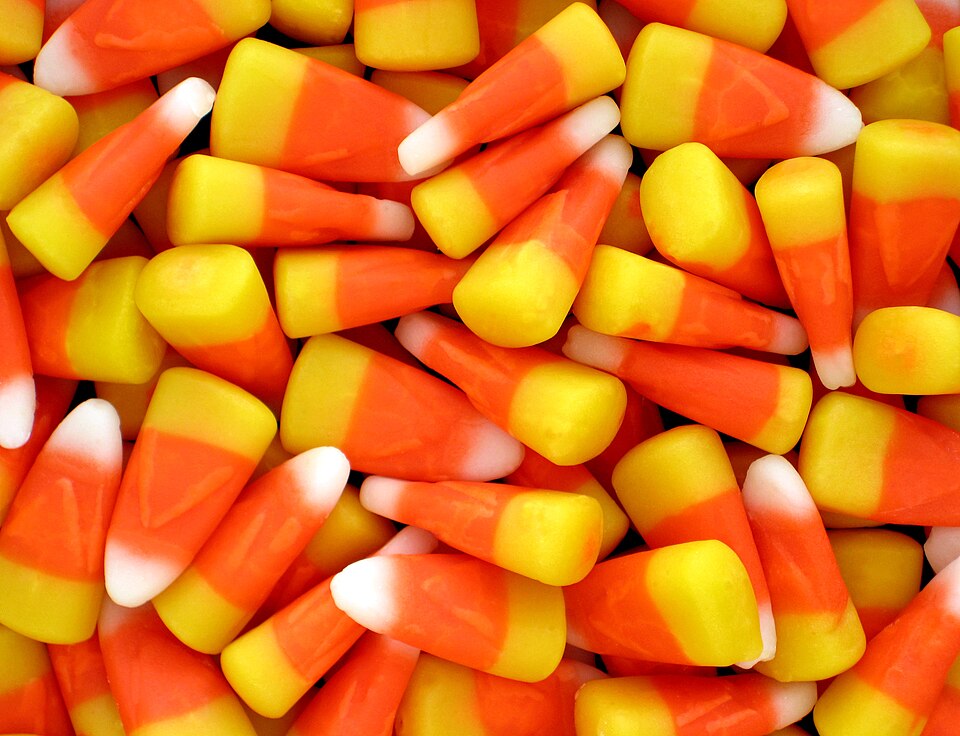
Many glossy candies and chewing gums once used titanium dioxide to make coatings look brighter, whiter, and more uniform, especially in pastel dragees, sugar shells, and frosted mints. When rules changed in parts of the world and the additive was no longer allowed in food, manufacturers had to reformulate fast, and some familiar varieties disappeared rather than return with speckled colors or a slightly gray cast. The shift sounds cosmetic, but candy is as much about shine as taste, and losing that clean, polished look changed how party bowls, movie boxes, and checkout treats registered at a glance for years afterward.