Older houses carry the marks of many hands. Some repairs were thoughtful, done by pros, and quietly kept the bones strong. Others were weekend fixes that skipped permits, inspections, and basic safety checks. That kind of work can hide behind fresh paint, new trim, and a clean staging scent. The clues usually show up in the details: odd transitions, improvised materials, and systems that do not match the home’s age or layout. Unpermitted changes can also complicate insurance claims, resale negotiations, and future upgrades when walls finally need to be opened. Calm walk-throughs can reveal work permits never recorded.
Electrical Panel And Wiring Oddities
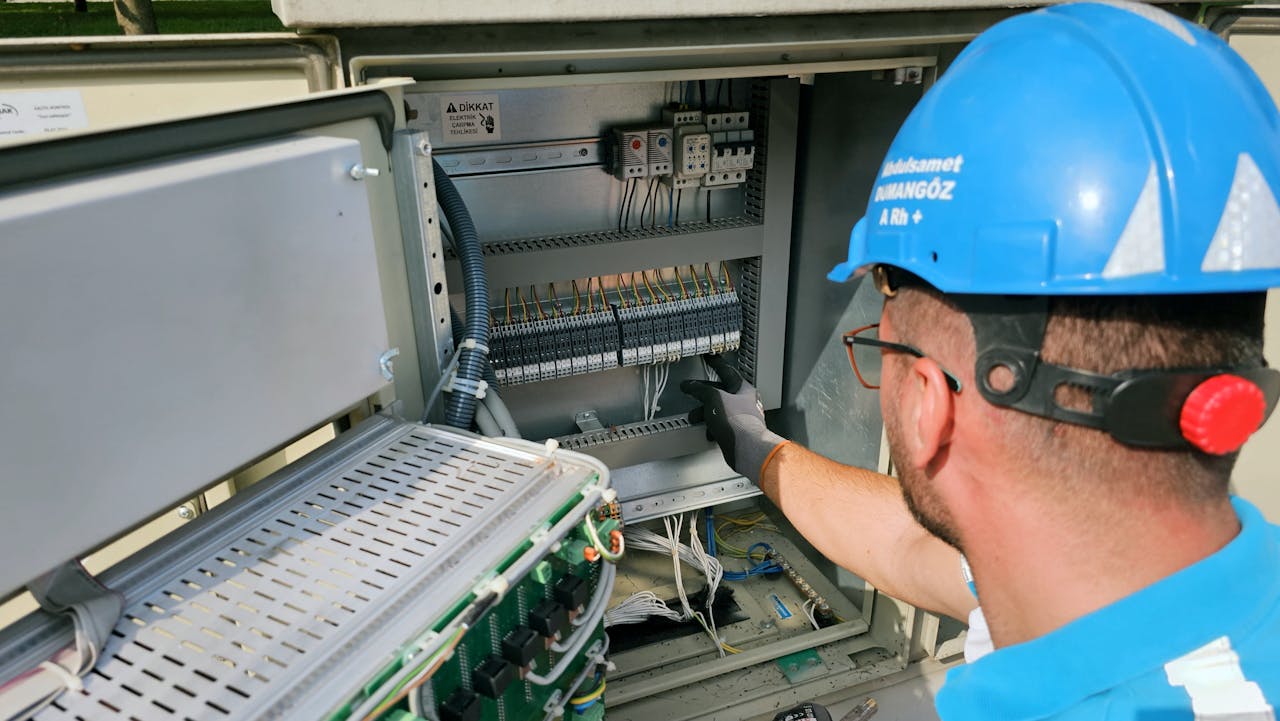
A breaker panel that looks newer than the rest of an older home can be a clue, especially when the cover lacks a clean directory, circuits are handwritten, or the service size feels out of place for the era.
Double-tapped breakers, open knockouts, mixed aluminum and copper, missing bonding, and improvised cable clamps often point to DIY changes that never saw an inspector.
Unpermitted electrical work tends to ripple outward, forcing later repairs, delaying renovations, and raising the risk of nuisance trips, overheated wires, and hidden splices tucked into walls or ceilings, where they should have been in junction boxes.
Patchwork Plumbing And Missing Venting

Plumbing that switches materials mid-run, shows too many compression fittings, or relies on flexible hose in place of rigid piping can hint at a quick remodel in an older home.
Unvented traps, S-traps, back-pitched drains, saddle valves, missing shutoffs, and unsupported PEX draped through joists suggest changes made without a documented inspection.
When work skipped permits, failures often surface later as slow clogs, sewer gas odors, moldy wall cavities, and recurring cabinet damage, because the fix requires opening finished surfaces to reroute lines the right way and bring vents, slopes, and cleanouts up to standard.
Walls Removed Without Proper Support
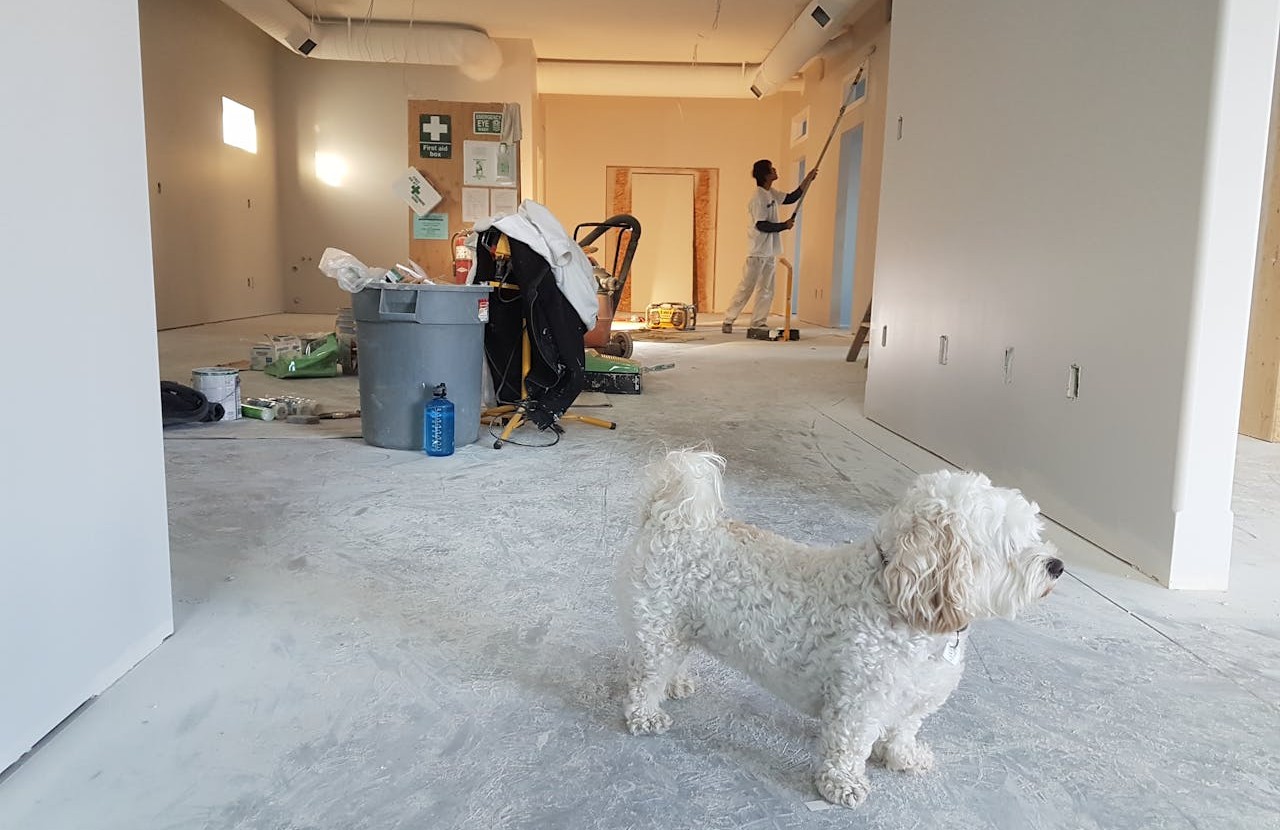
A suddenly open floor plan in a house built for smaller rooms can carry risk when beams and posts look improvised, undersized, or oddly placed off-center, as if added for a trend.
Cracked plaster at corners, doors that drift or will not latch, bouncy floors, and patched soffits can signal that a load path was changed without drawings, calculations, or inspections.
Unpermitted structural work is costly because the solution is rarely cosmetic; it may require new headers, properly sized LVLs, posts that land on real footings, and joists repaired where someone cut or notched too much just to make ductwork or doorways fit.
Decks And Porches With Sketchy Connections
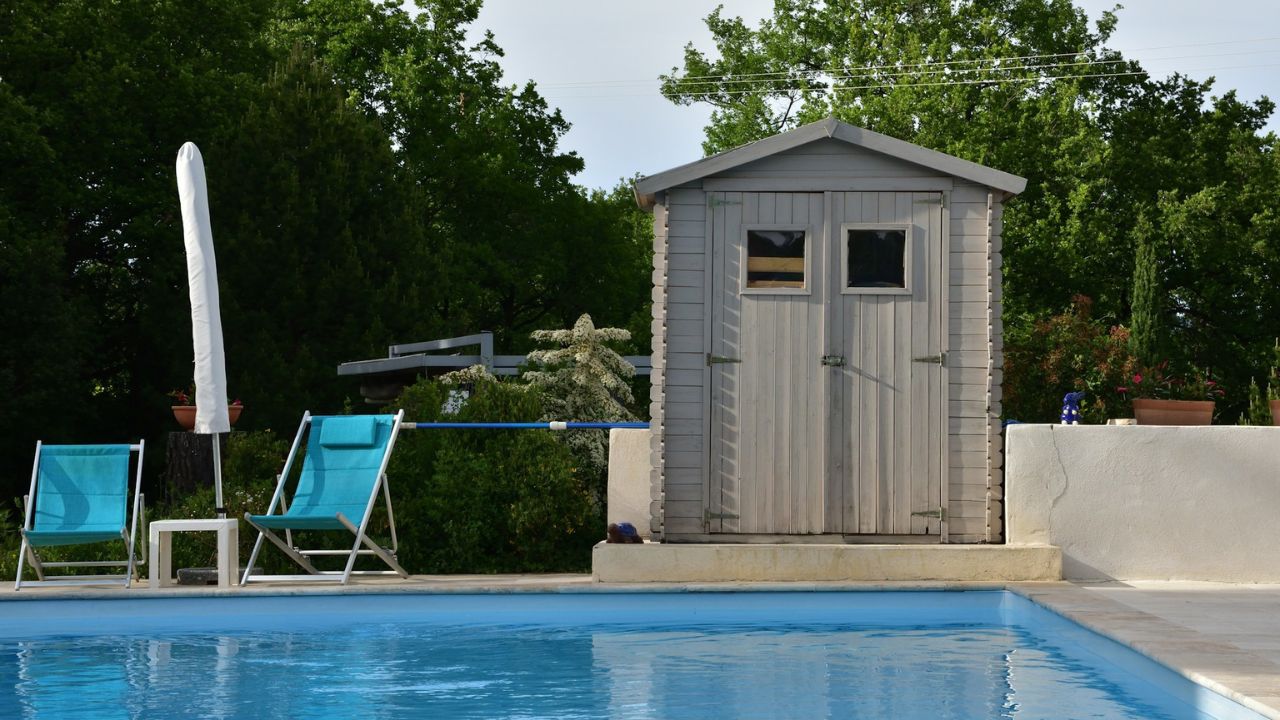
Newer decks and porches can look inviting, but older homes often reveal trouble right where the addition meets original framing and moisture patterns after storms.
A ledger board without proper flashing, lag bolts spaced randomly, posts resting on pavers, undersized beams spliced mid-span, and guard rails that flex can point to work done without permits or drawings.
Because decks carry people, snow, and constant weather, small shortcuts can become major rot or failure risks, and the fix often means rebuilding footings, connections, stair geometry, and water management so the house rim joist stays dry year after year.
Basement Finishes That Ignore Moisture And Egress
A freshly finished basement in an older home can be appealing, yet it often hides the most expensive unpermitted surprises behind bright lights and new flooring.
Low ceilings boxed around pipes, outlets scattered without GFCI, bedrooms without compliant egress, and baseboards that show subtle swelling can hint at moisture issues and hurried electrical work.
When permits were skipped, drainage, vapor control, and fire safety details may be wrong, and the practical remedy can involve removing drywall, checking for mold, tracing water entry at the slab or walls, and rebuilding with proper ventilation and safe exit paths.
Attic Conversions With Unsafe Stairs

Attic bedrooms and bonus rooms often arrive long after the original house was built, and the details usually tell whether the space was approved or quietly improvised.
Stairs that feel steep or narrow, low headroom at landings, knee walls without access panels, recessed lights buried in insulation, and roof rafters cut for skylights can signal rushed work.
When permits were avoided, insulation baffles, ventilation paths, smoke alarms, and fire separation may be missing, and the remedy can mean opening ceilings to correct framing, add safe wiring, and install code-compliant egress windows without weakening the roof again.
HVAC Installs That Look Improvised
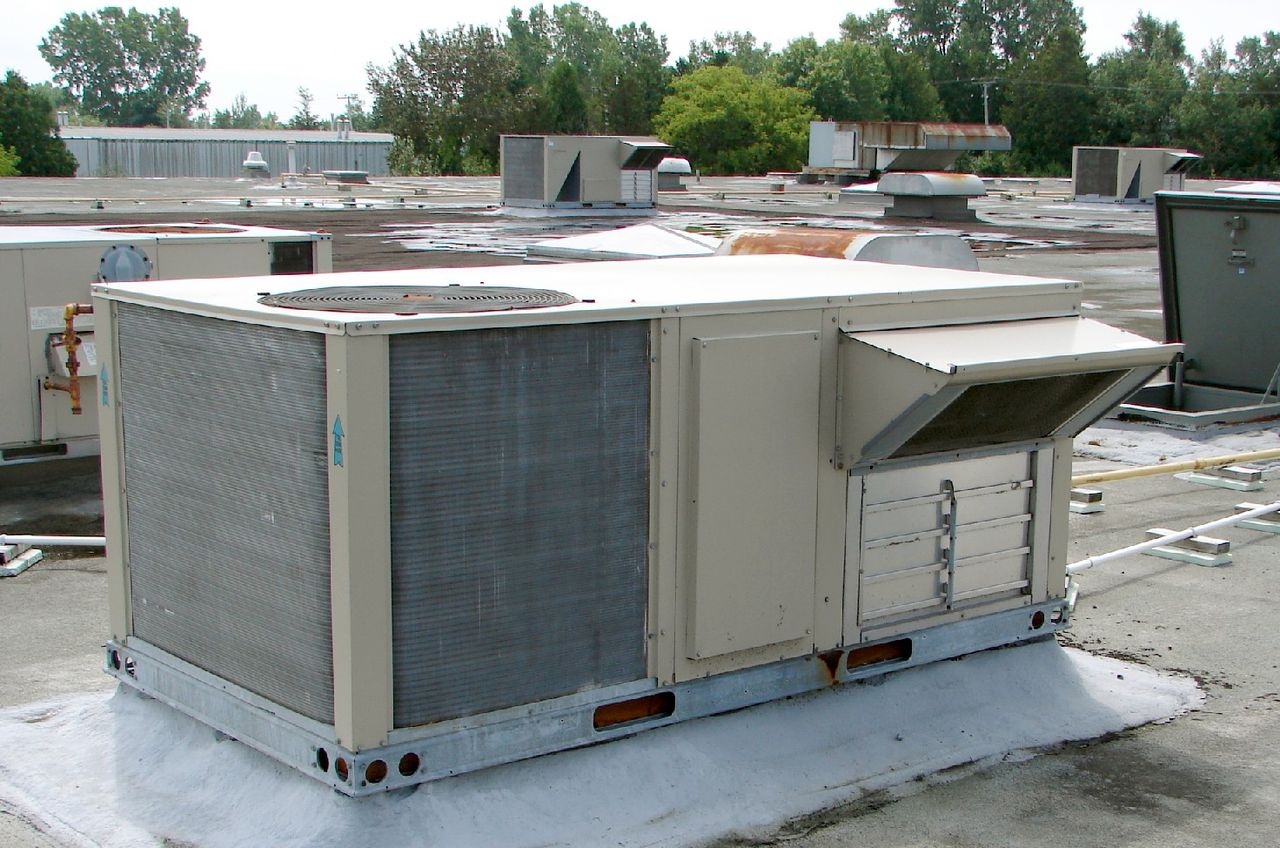
New furnaces, mini-splits, or ductwork can be a comfort upgrade, but older homes reveal problems when the install looks like an afterthought tucked into tight chases.
Ducts squeezed through joists, flex duct spliced with tape, returns placed in odd spots, condensate lines draining into crawl spaces, and flues that backdraft can point to work done without permits or proper commissioning.
Unpermitted HVAC changes can affect air quality and safety, and correcting them may require re-sizing equipment, adding drip pans and shutoffs, sealing ducts, and rebuilding venting so combustion gases and moisture go where they belong.
Roof Repairs With Tar And Mismatched Flashing

Roof work is easy to admire from the curb, yet unpermitted repairs often reveal themselves at the edges where water and wind do their hardest testing.
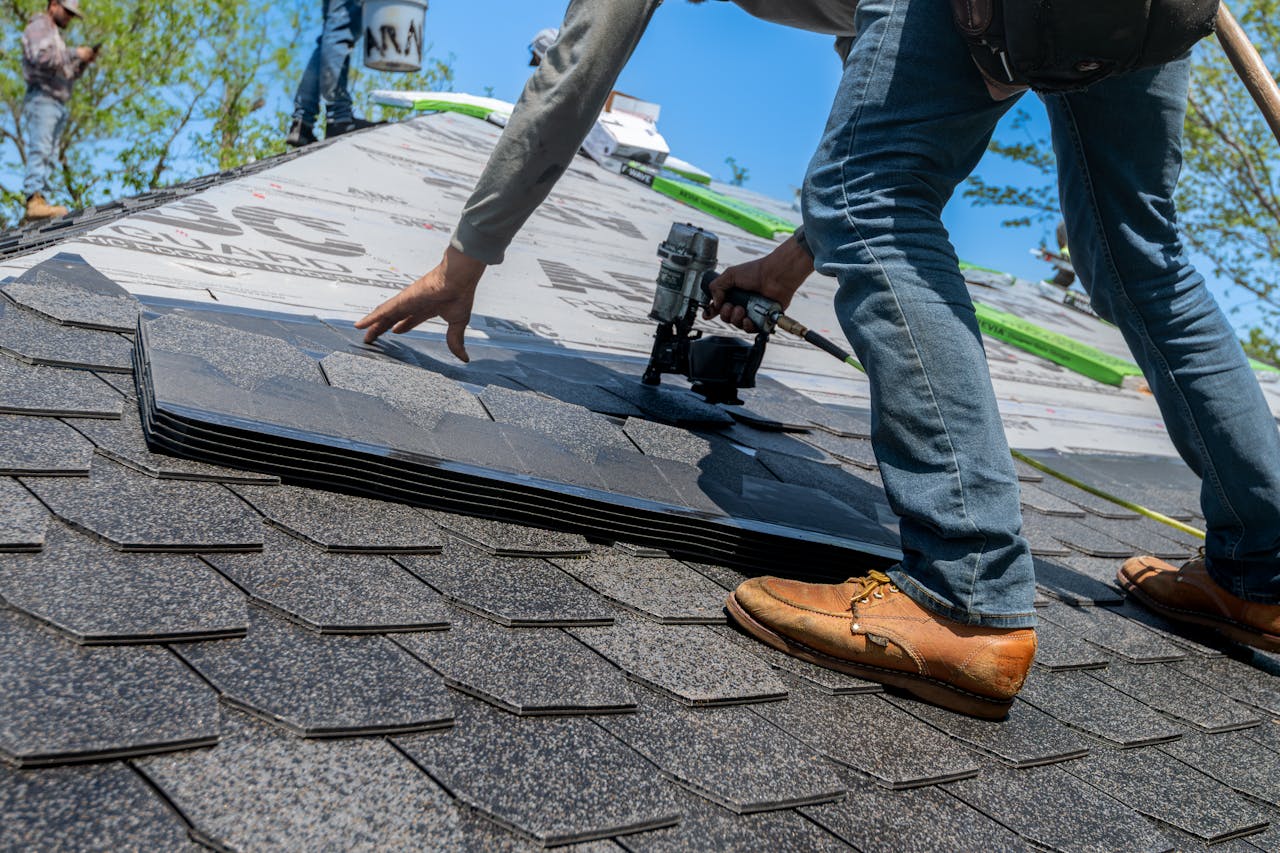
Mismatched shingle layers, sloppy step flashing at walls, valleys patched with tar, exposed nail heads, and vents placed without a clear plan can hint at jobs done without permits or proper underlayment.
When flashing and ventilation are wrong, leaks can travel far before stains appear, and attic moisture can quietly damage sheathing and insulation, leaving rot, mold, and ice-dam risk that only becomes clear once trim or ceilings come down during the next reroof.
Enlarged Openings Without Proper Headers

Enlarged windows and new patio doors can modernize an older home, but cutting openings in old framing or masonry is structural work, not simple finish carpentry.
Headers that look too small, studs that were partially removed, brick lintels that bow, cracked drywall above openings, and trim that never sits flat can signal changes made without a permit or engineer review.
When approval was skipped, loads may be carried by weak points, and the correction can require reframing with proper headers and jack studs, plus careful flashing and exterior detailing so the opening stays both strong and watertight in heavy rain.
Gas Piping And Venting That Do Not Match

Gas appliances added during a remodel can be a red flag when the piping looks improvised, the shutoffs are hard to reach, or venting does not match the appliance type.
Flexible connectors stretched too far, unprotected lines near sharp edges, too many threaded tees, missing sediment traps, and vents that slope the wrong way suggest work done without a permit or an inspection.
Because gas involves combustion and carbon monoxide, unpermitted changes raise real safety stakes, and corrections often include pressure tests, proper bonding, chimney or liner upgrades, and correctly sized venting or direct-vent equipment.
Water Heater Installs Missing Safety Details

Water heaters are replaced often, so a newer unit in an older home is normal, but the installation details can reveal unpermitted work and missing safety basics.
A missing drip pan, no expansion tank where one is needed, a TPR valve without a proper discharge pipe, drain lines aimed at crawl spaces, and vent connections held by tape or loose screws suggest shortcuts, often in closets.
When these parts are wrong, the fix may be simple, yet it can uncover bigger issues like undersized gas lines, improper electrical disconnects, poor combustion air, or flues that were never updated to match newer efficiency requirements.
Added Bathrooms And Kitchenettes Without Exhaust
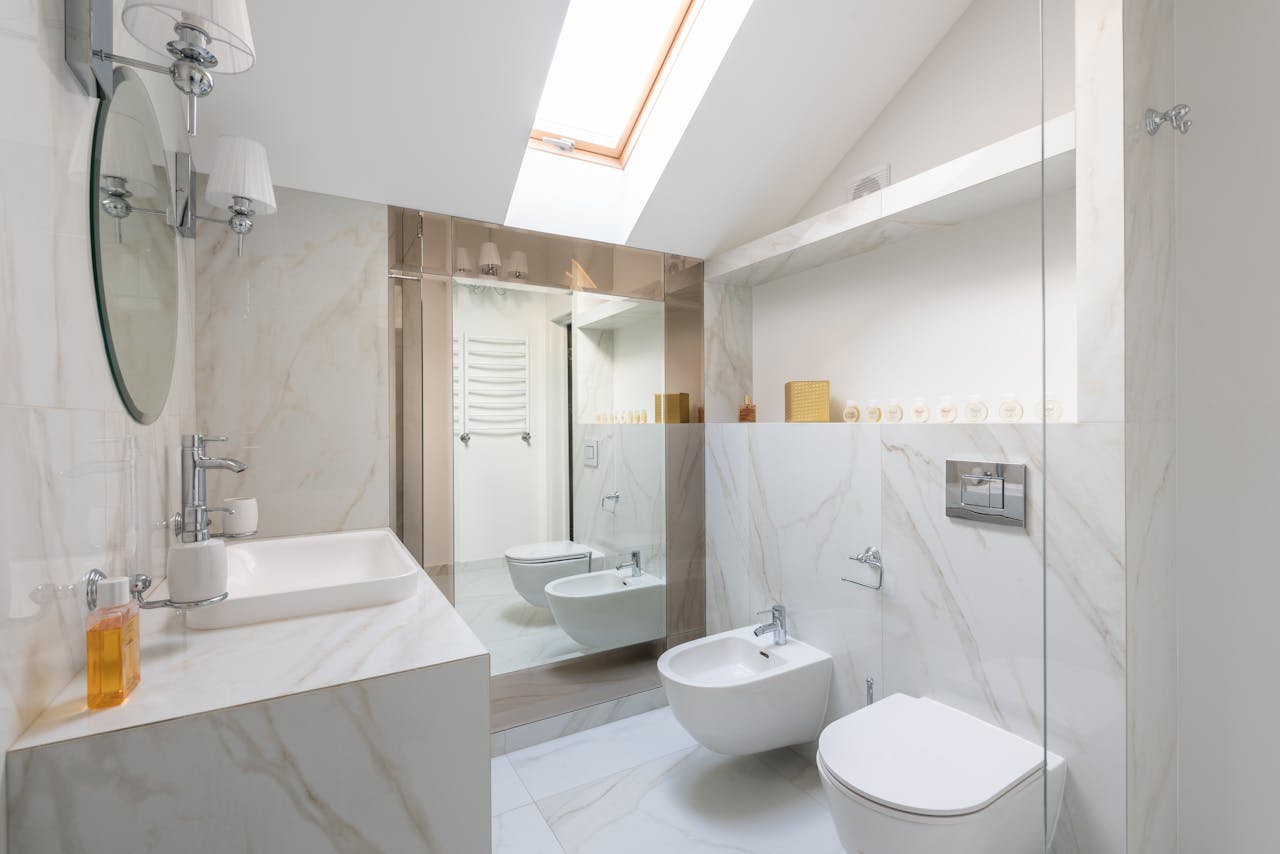
Extra bathrooms and basement kitchenettes are common in older homes, and they are also prime territory for unpermitted work that hides behind tile and new cabinets.
Exhaust fans that vent into attics, outlets without GFCI near sinks, no dedicated circuits, drains tied in without cleanouts, and fixtures placed where framing was heavily cut all suggest a rushed retrofit.
When additions were done quietly, moisture and electrical hazards can build over time, and bringing the space up to code may mean opening walls to add proper venting, safer wiring, backflow protection, and correctly sloped waste lines that will not clog.