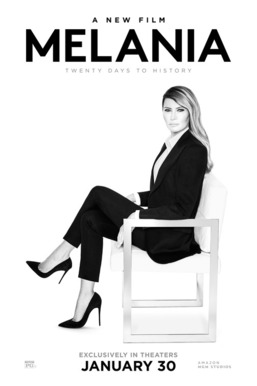
Hours before its planned Jan. 30 opening, the documentary “Melania” disappeared from South Africa’s two biggest theater chains. Nu Metro and Ster-Kinekor said the local distributor, Filmfinity, asked that it not play theatrically, citing the current climate and recent developments. Filmfinity also said the decision was internal, not the result of pressure. The timing landed amid tension between South Africa and President Trump, so a routine booking change quickly felt political. Within a day, the pulled showtimes became the headline, and the empty listings carried the weight of the debate for everyone watching closely.
The Showtimes Went Missing
Show pages that had displayed “Melania” on Nu Metro and Ster-Kinekor sites suddenly showed nothing to book, with the title absent from schedules just ahead of Jan. 30. Because the two chains dominate mainstream screens, the change felt nationwide inside South Africa.
That kind of removal feels sharper than a delay notice. It hints at a last-minute call, made after marketing has already set expectations and some tickets may already be sold.
Once the listings go blank overnight, the vacuum becomes the story. A missing film reads like a statement, even when no statement is offered, and backlash builds around the silence itself.
Filmfinity Kept the Reason Broad

Filmfinity said it would not release “Melania” theatrically in South Africa given the current climate, pointing to recent developments without naming a single cause. Thobashan Govindarajulu, Filmfinity’s head of sales and marketing, framed it as a timing call.
That vagueness did two things. It reduced exposure, but it also invited the public to supply its own explanation, from diplomacy to protests to commercial caution.
Nu Metro said the rights sit with Filmfinity and the pull happened at the distributor’s request. Filmfinity also insisted there was no pressure, meant as reassurance, but it kept suspicion in motion.
Diplomacy Turned a Booking Into a Signal
The pull landed during a rough patch between South Africa and President Trump, with trade threats and public accusations in the air. Reports also noted Trump repeating debunked claims about a so-called white genocide, a phrase that raises temperature fast.
In that climate, a film centered on the First Lady stops being neutral entertainment. It can read as a symbol of power, a test of loyalty, or a provocation, depending on who is watching.
Theater chains rarely want their lobbies turned into debate stages. When a title starts attracting political meaning, caution can feel like the only practical option, even if it angers everyone.
The Director’s Reputation Followed the Film
The backlash was not only about geopolitics. It also revived scrutiny of director Brett Ratner, whose name carries unresolved controversy from multiple sexual misconduct allegations reported in 2017, which he denies.
For exhibitors, that history is not abstract. A theater sells trust along with tickets, and a headline about a filmmaker can become a customer service problem as quickly as a broken projector, especially at scale.
Even supporters of the documentary had to defend the choice of director before they could talk about the content. That distraction can drain demand and make a late pull feel like risk management.
The Price Tag Made the Optics Worse
Trade reporting put the acquisition and promotion for “Melania” around $75 million, a number that reshaped how people talked about th
Against that spend, early forecasts suggested a small opening weekend, with estimates in the low single-digit millions. When the campaign looks larger than the audience, skeptics treat the release like a vanity project, not a movie night.
For theater chains, that mismatch matters. A shaky opener ties up screens, staff, and premium slots, and backlash can turn a modest weekend into a costly headache.
Empty Pre-Sales Became the Loudest Review
Backlash thrives on proof, and the easiest proof was the seating chart. Reports noted thin pre-sales in several markets, including a Times Square screening that showed no advance purchases near opening day.
Those screenshots traveled faster than any trailer. They turned the conversation from politics to performance, framing the film as a cultural event that could not draw a crowd. Indifference can sting more than protest.
For exhibitors, weak demand changes the risk picture. A controversial title with strong sales is manageable; a controversial title with empty rows invites jokes, complaints, and a longer news cycle.
Even the Marketing Drew Unwanted Attention

The backlash did not stay online. In Los Angeles, transit officials said they reassigned some buses carrying “Melania” ads to different areas after repeated defacement in a single week at city bus stops tied to the campaign.
When a poster becomes a target, the promotion turns into a maintenance problem. Crews clean, staff document, and the story spreads, often without anyone discussing the film’s actual scenes.
For theaters watching from afar, that is a warning sign. If the advertising can spark disruption, an opening weekend can feel less like entertainment and more like crowd control, with employees stuck in the middle.
Streaming Was Always the Safer Finish Line
Even with a theatrical release, “Melania” was positioned for a longer life on Prime Video, where curiosity can be monetized without relying on packed auditoriums. Coverage suggested a modest box office outlook.
That reality changes the stakes for theaters. A streaming platform can absorb controversy as engagement; a local multiplex absorbs it as complaints, refunds, and staff stress on a Friday night, especially when crews are thin.
The South African pull may end up as a footnote once the film reaches living rooms, but it also previews how cultural fights now travel: fast, borderless, and often louder than the work itself.