In the 1800s, anniversaries were less about surprise and more about steady recognition. A marriage was treated as something built in layers: household routines, community ties, and small tokens that stayed useful long after the day passed. Gift themes spread through etiquette culture, but many customs grew from ordinary social habits like calling hours, handwritten notes, and keepsakes saved in drawers. These rituals made a milestone feel witnessed, not performed. The result was a kind of celebration that valued memory, workmanship, and quiet pride over spectacle.
Paper Wedding Stationery In Victorian Britain
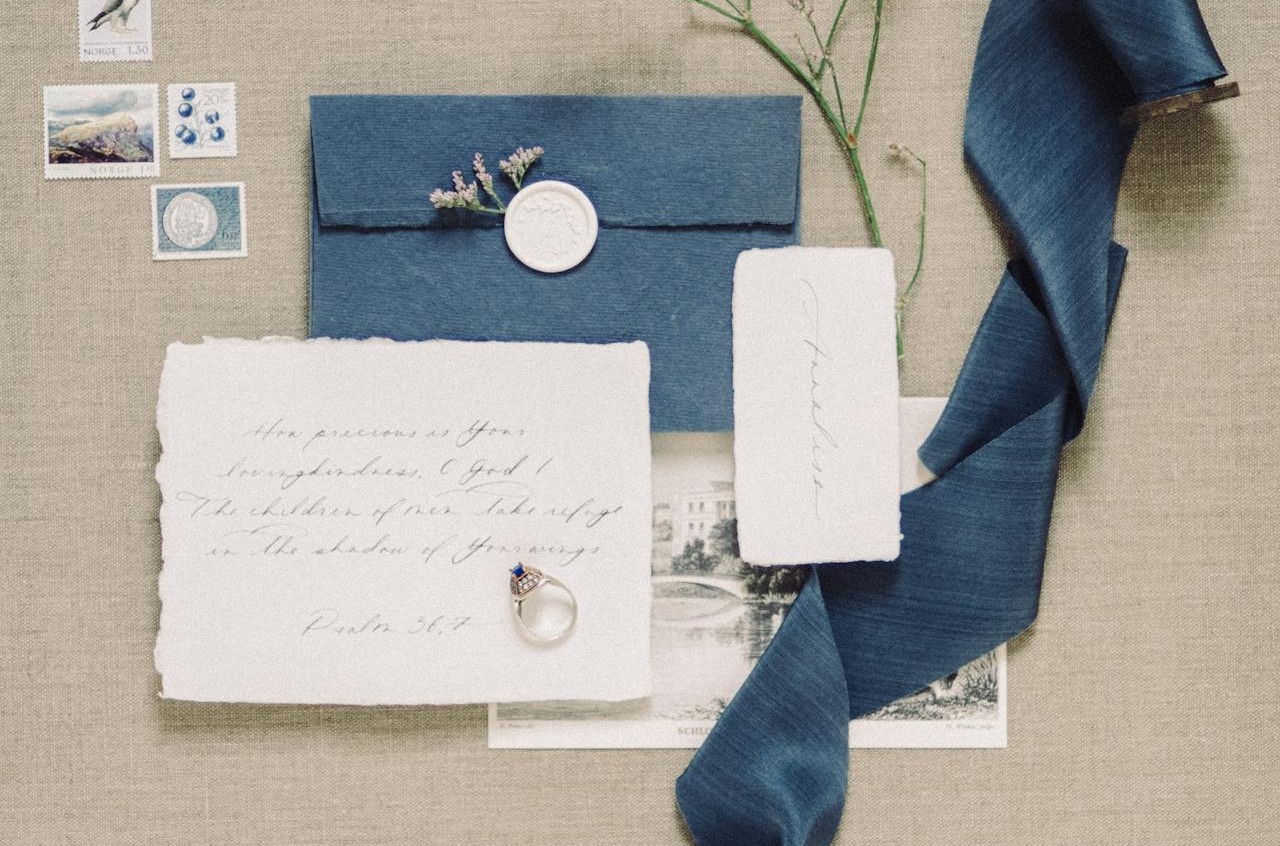
Victorian couples often marked the first anniversary with paper, a modest signal that the marriage was still new and still being written. Partners exchanged letters, poem booklets, calling cards, or engraved note paper, then tucked them away with ribbon, sealing wax, or a pressed flower. Some saved a single page describing the year’s best moments, dated and signed like a quiet renewal, so the gift became a record as much as a token. The charm was not expense. It was permanence: ink that could be reread when memory softened and time felt faster. Many couples also kept the envelope, because the address itself felt intimate.
Silver Wreaths For The Twenty-Fifth Year
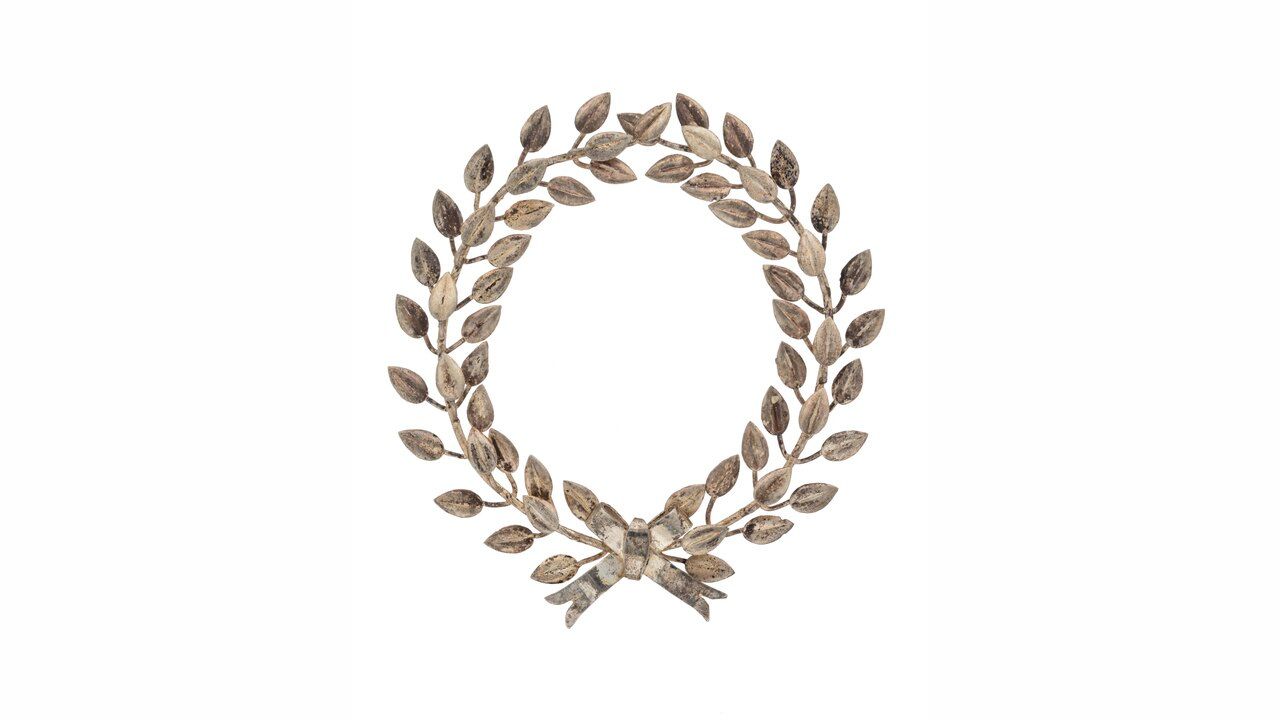
In many German-speaking communities, a 25th anniversary could be honored with a silver wreath or garland placed on the wife’s head, turning endurance into something visible. It was celebratory without being loud, because neighbors recognized the milestone the moment they stepped into the parlor. Families paired the wreath with a supper, a church visit, or a simple reception where children served cake and guests offered short toasts. Silver fit the message: bright, durable, and still everyday enough to suggest a life built through ordinary days, not spectacle. A silvered brooch or spoon sometimes accompanied it for everyday use.
Golden Wreaths For The Fiftieth Year
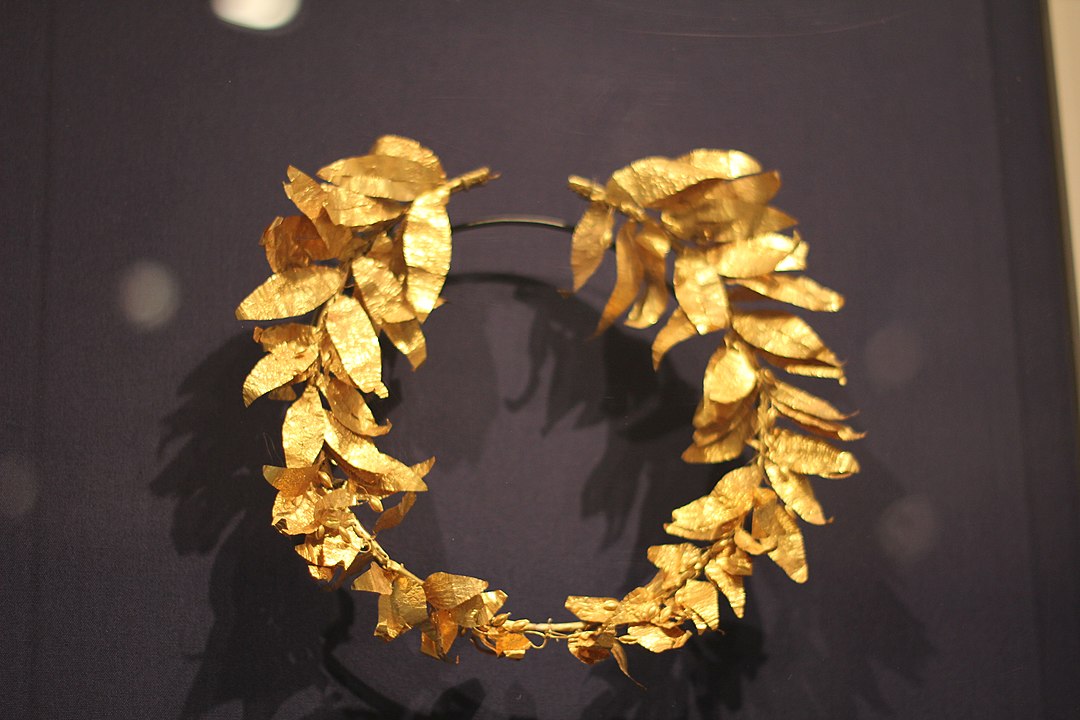
A 50th anniversary carried real weight in the 1800s, and the golden wreath tradition framed it as a triumph of time, teamwork, and patience. Gold’s shine mattered, but so did its reputation for resisting tarnish, a metaphor that felt easy to understand without speeches. Celebrations often included a brief blessing, a family photograph, and a meal that stretched into storytelling about courtship, storms, and luck. Relatives sometimes presented small gold-toned tokens or a framed certificate, keeping the tone reverent and grateful rather than showy. Younger relatives often took turns reading old letters, keeping the evening gentle.
The Ten-Year Tin Wedding
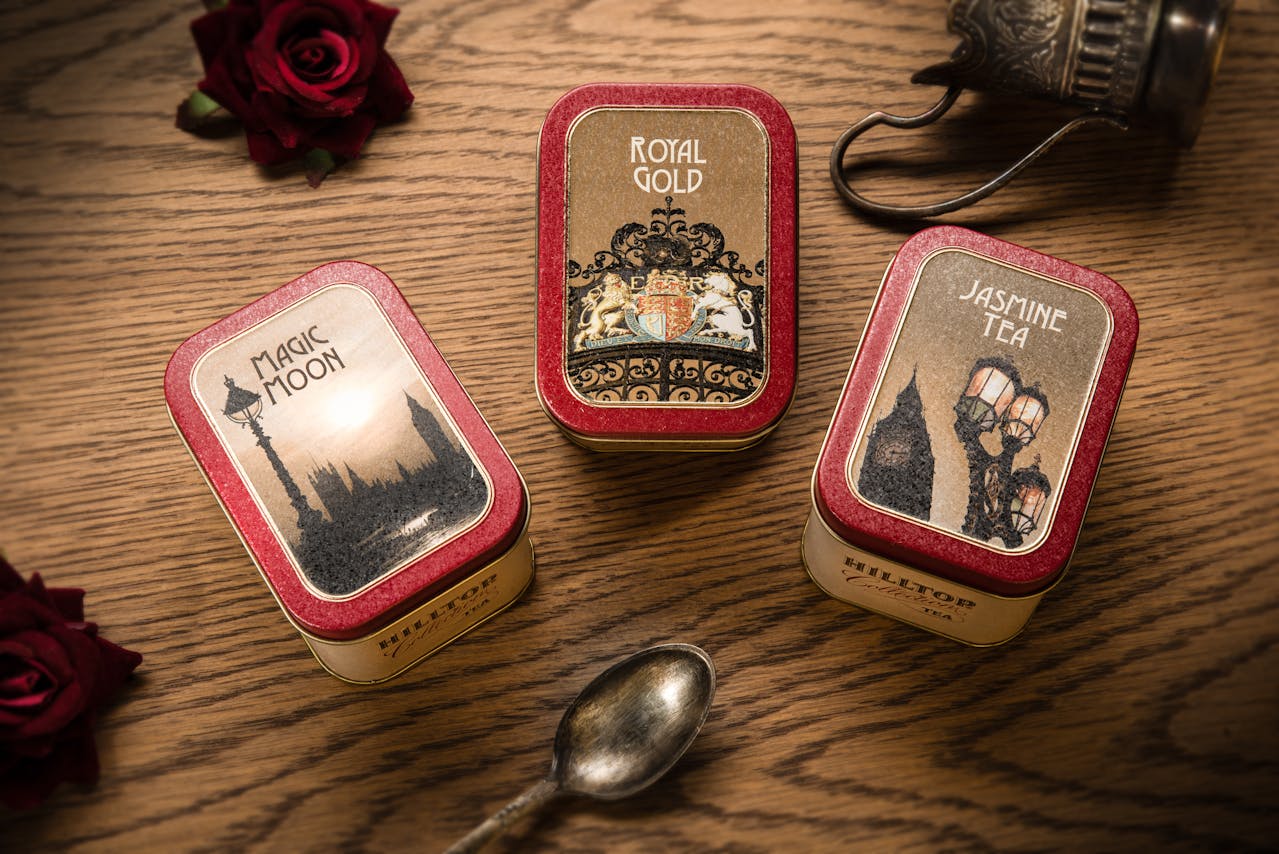
Tin appeared in many 19th-century anniversary lists as the tenth-year theme, which suited households built on daily use and careful budgets. Gifts were practical: a tin tea caddy, storage box, biscuit tin, serving tray, or lantern meant to be handled, not hidden behind glass. That usefulness carried meaning, suggesting the marriage had settled into reliable routines that protected a home from small chaos. Couples often marked the day with a simple supper and a toast that praised steadiness, thrift, and the quiet work of keeping promises. Even a plain tin cup felt right, because it promised usefulness tomorrow.
The Five-Year Wooden Wedding
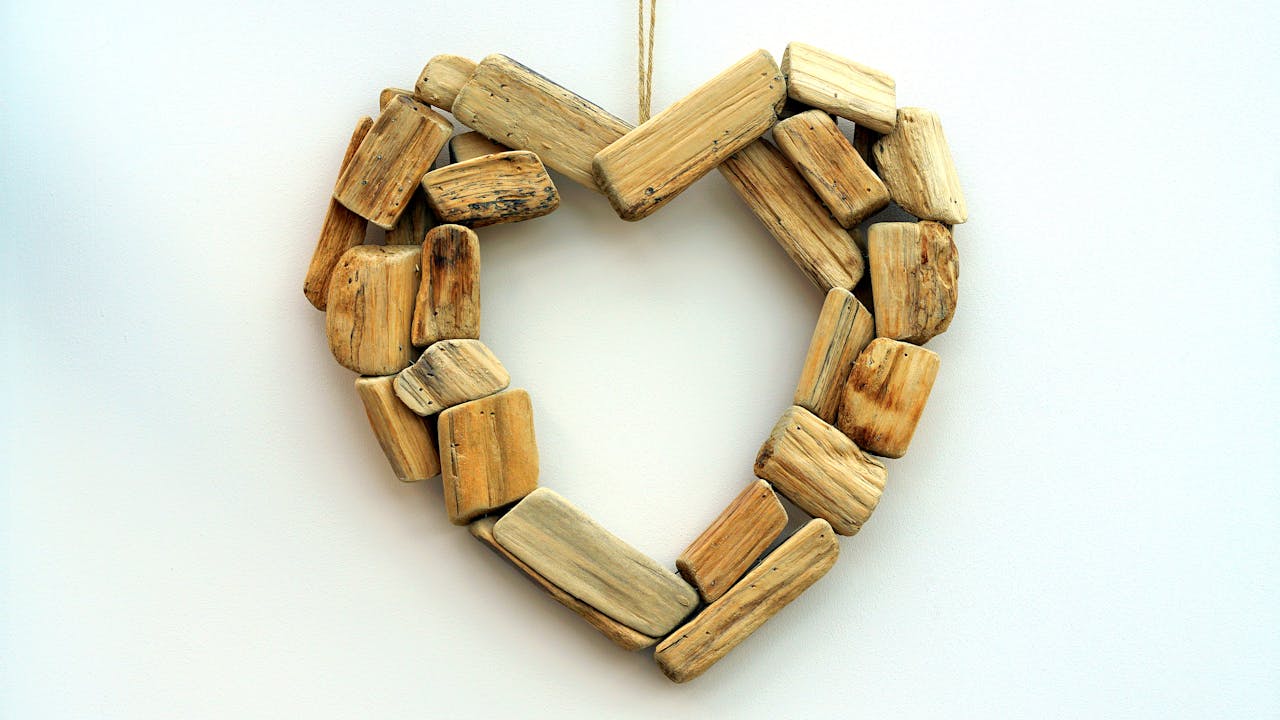
Wood for the fifth anniversary matched an era that valued workmanship and household making more than display. Presents leaned practical and personal: a carved picture frame, a recipe box, a stool, or a small chest with initials burned into the lid. Wood also hinted at growth, rings forming year by year, so the symbolism felt natural instead of forced. Gatherings were often modest, closer to afternoon calling hours than a grand party, with coffee, cake, and neighbors stopping in briefly to offer good wishes. In some homes, the gift was handmade, and the tool marks were part of the pride. A polished grain at the table felt like a promise kept.
The One-Month Sugar Mark
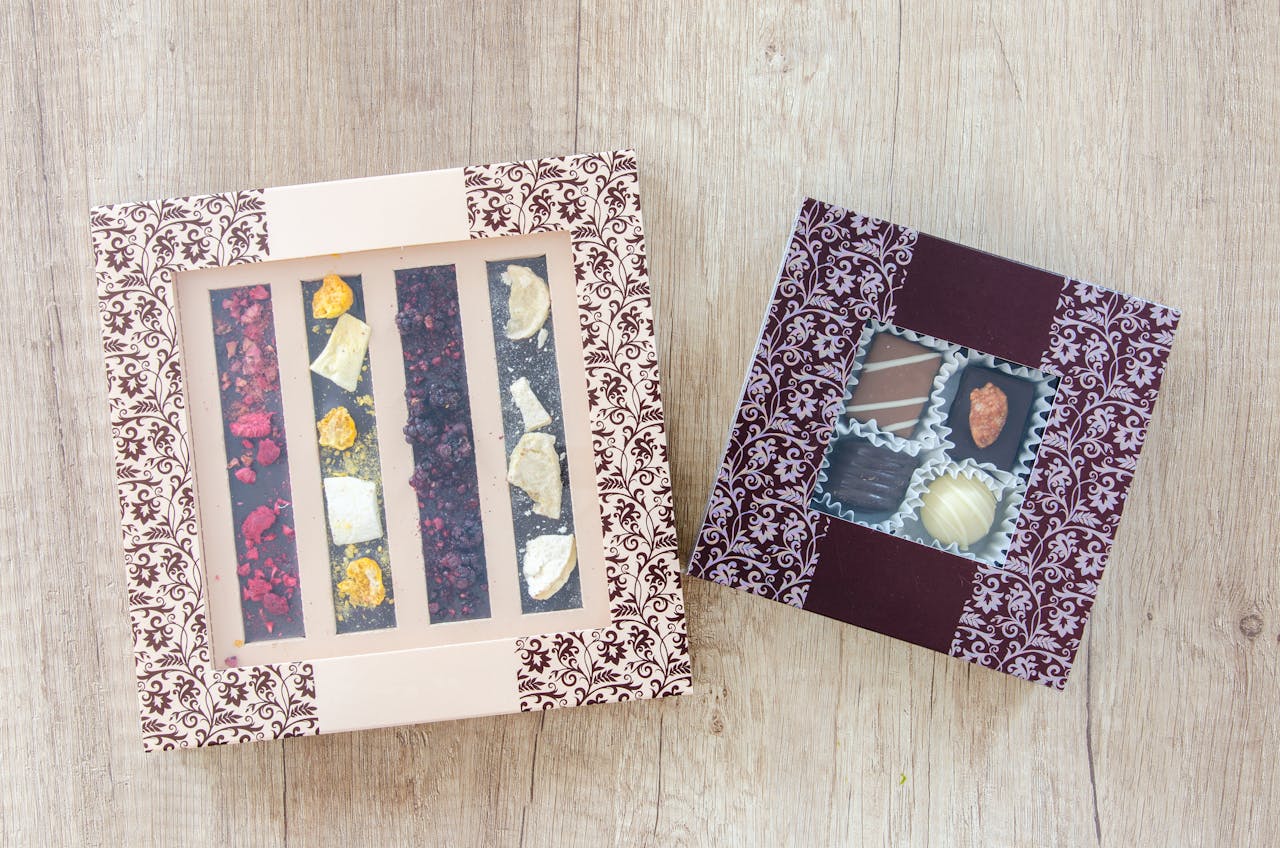
Some 1800s gift guides tracked tiny milestones that modern couples rarely name, including a one-month sugar mark that emphasized sweetness at the start. The celebration could be simple: preserves on the table, candies wrapped in paper twists, or sponge cake offered when relatives made a short congratulatory call. It turned a small stretch of time into a moment of support, when a new household was still learning its rhythm and roles. The sugar was literal, but the real message was social: the couple was being welcomed, watched over, and gently encouraged to settle in. It was also an excuse to introduce the couple to neighbors in a friendly way.
The Twelve-And-A-Half Copper Half-Anniversary
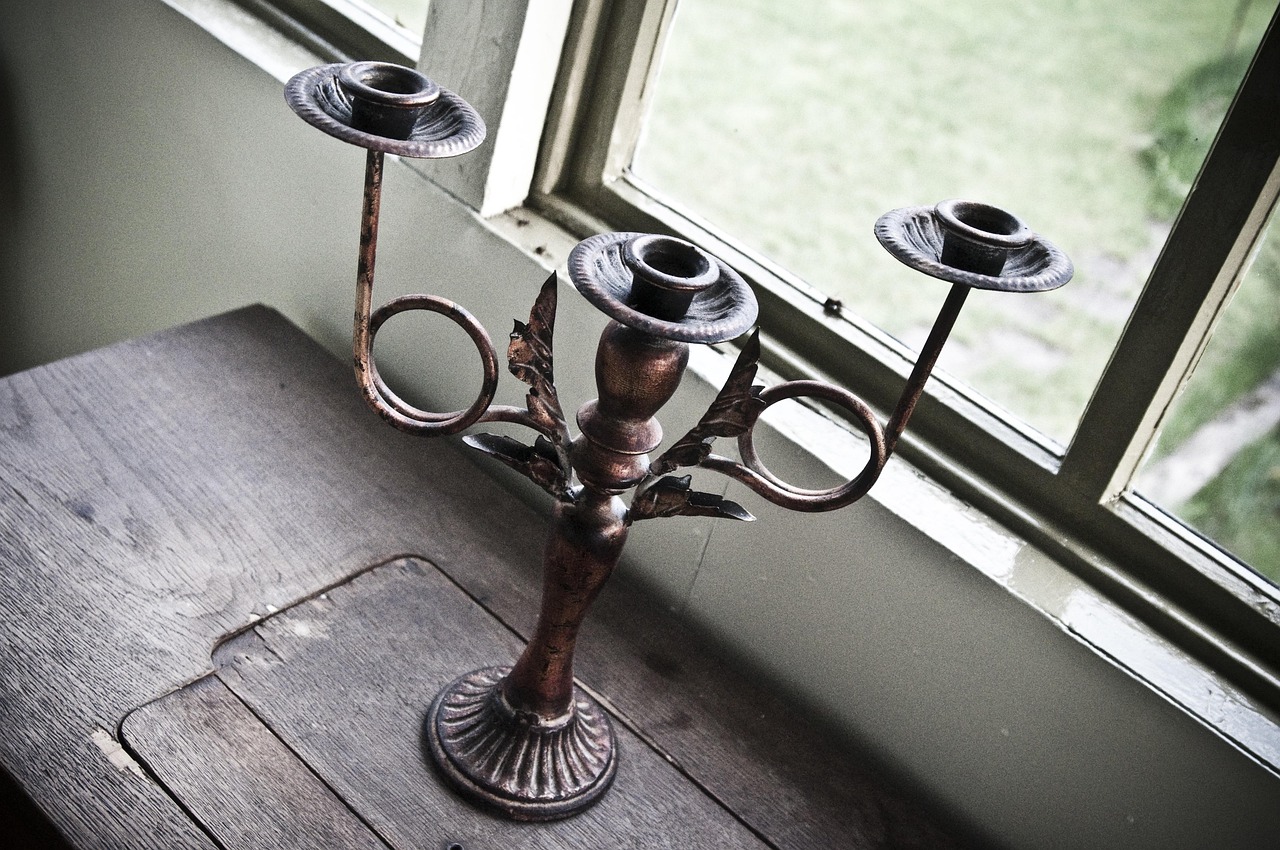
Half-anniversaries appealed to 19th-century tastes for neat markers, and some lists described a copper wedding at 12 and a half years. Copper sat between tin and silver, suggesting a marriage moving from practical beginnings toward valued permanence while still staying grounded. Gifts might be a kettle, candlesticks, a warming pan, or a decorative plate, often engraved with initials and a date that made the moment official. The midpoint also kept friendships active, inviting people back into the couple’s story before another decade passed, with a small gathering that felt warm rather than grand.
Anniversary Calling Hours At Home

Social life in the 1800s ran on calling, and anniversaries could be observed by receiving visitors during set at-home hours instead of hosting a long party. Guests arrived with calling cards, offered brief congratulations, admired any flowers, and moved on, keeping the day social without exhausting the household. Tea, small cakes, and polite conversation set the tone, and a card tray quietly recorded who came, like a social guestbook. The ritual mattered because it placed the marriage inside the neighborhood’s shared calendar, where milestones were witnessed, not just remembered in private. Quietly.
Newspaper Notices And Public Congratulations
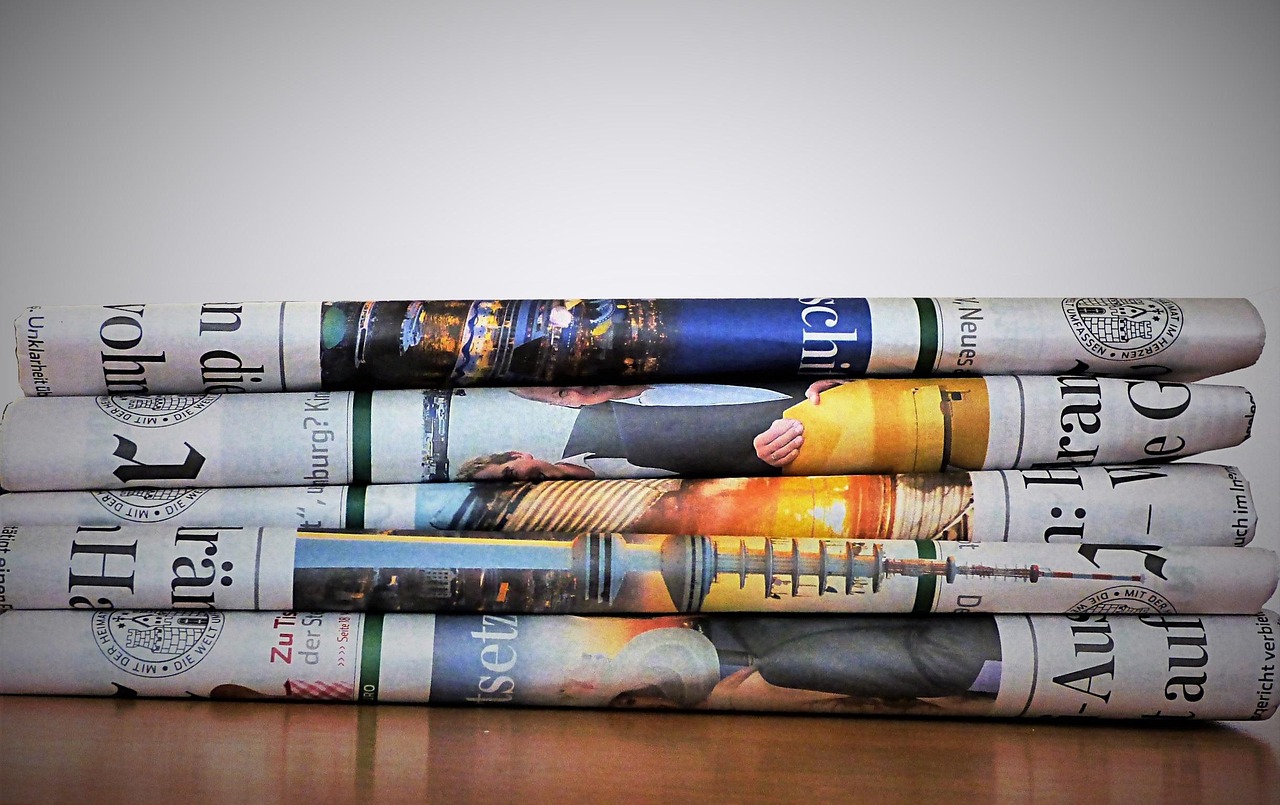
Anniversaries often entered the public record through short newspaper notices, especially for silver and golden weddings in the late 1800s. A few lines might mention a church service, a reception, or visiting relatives, giving the town permission to acknowledge the couple with nods and notes. Families clipped the item and stored it in scrapbooks or family Bibles, treating print as proof that the milestone mattered beyond the household. In an age of slower communication, that small column traveled farther than gossip and lasted longer than a toast, linking scattered kin back to the same date. The notice was small, but it felt official.
Signed Keepsake Albums For Guests
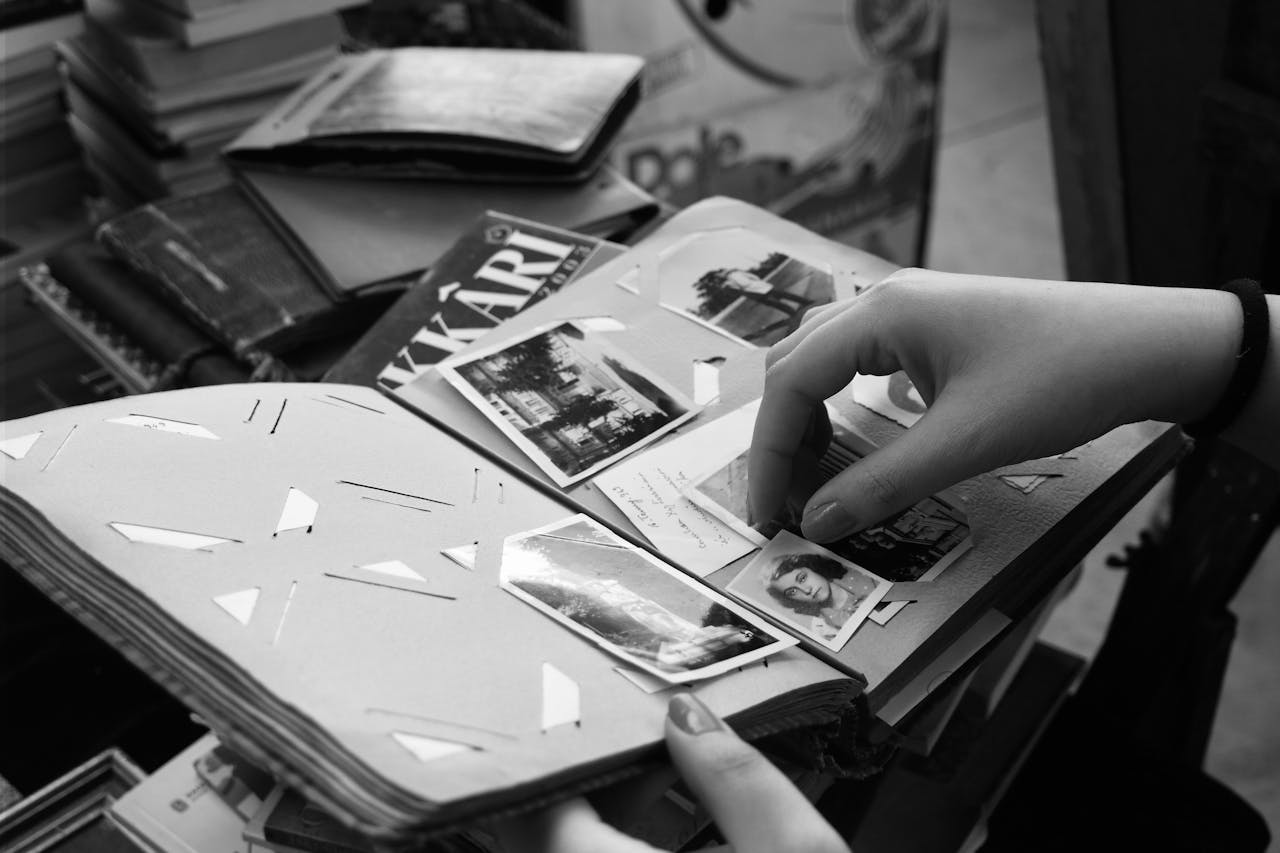
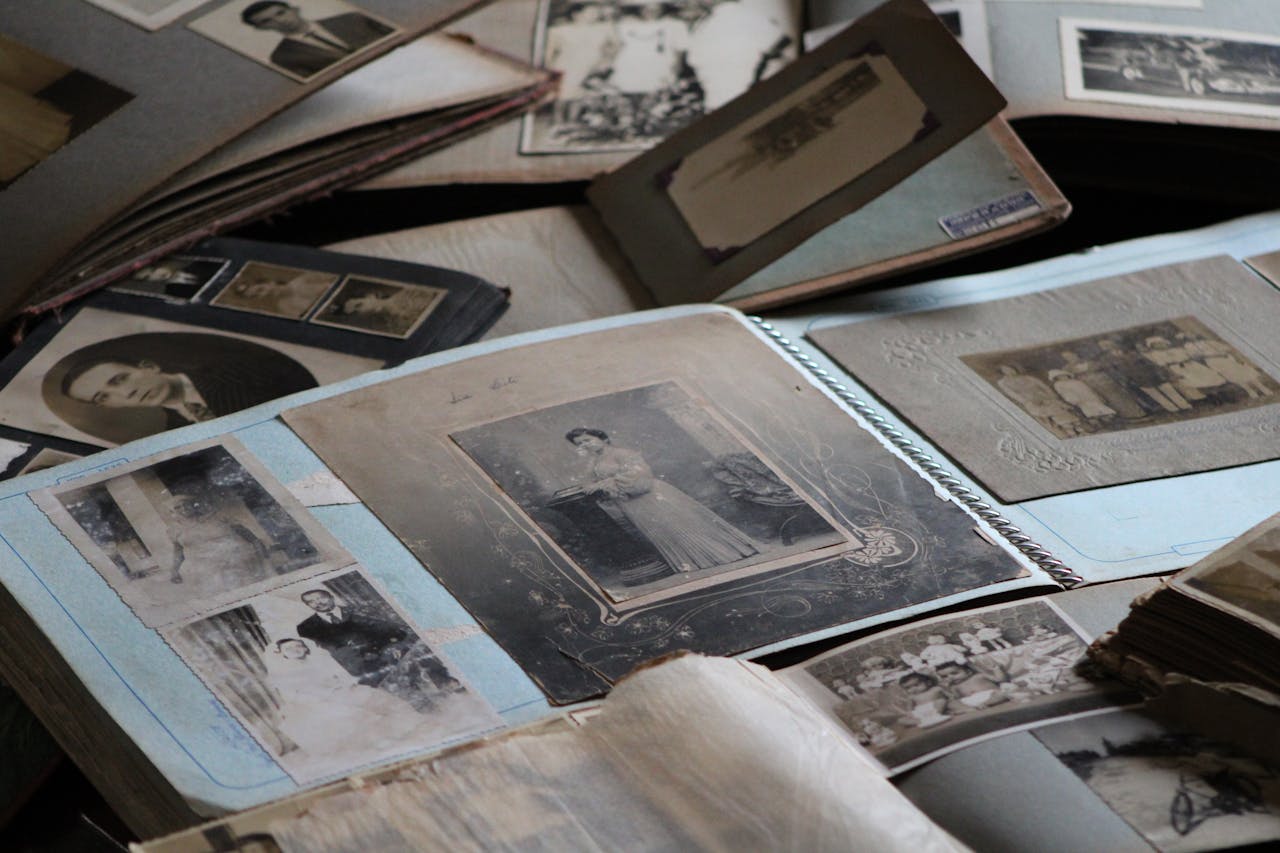
Victorian homes prized memory objects, and anniversary gatherings often produced keepsake albums signed by friends and relatives. Guests added short verses, careful signatures, small sketches, or pressed flowers, building a record of the couple’s circle at that moment. The book became an archive beyond rings and early photographs, capturing handwriting, humor, and the tone of the room in ink. Years later, opening those pages could bring back voices and faces with surprising clarity, reminding the couple that their marriage had always been held up by community. The smallest notes often became the most treasured lines.