Some meals are remembered for what they taste like. Others linger because of how they were made. Across coasts, highlands, islands, and deserts, cooks treat heat as something that can be folded, trapped, stretched, or borrowed from the landscape itself. Stones become burners, soil turns into a lid, leaves act as insulation, and smoke is guided like a spice. Many of these methods began as practical answers to scarce fuel, long travel, or stubborn weather, then evolved into rituals for holidays, weddings, and Sunday mornings. What makes them unusual is also what makes them reliable: the cook trusts time, temperature, and restraint. The reward is flavor with a clear accent of place, almost every time.
Hāngī Pit Oven
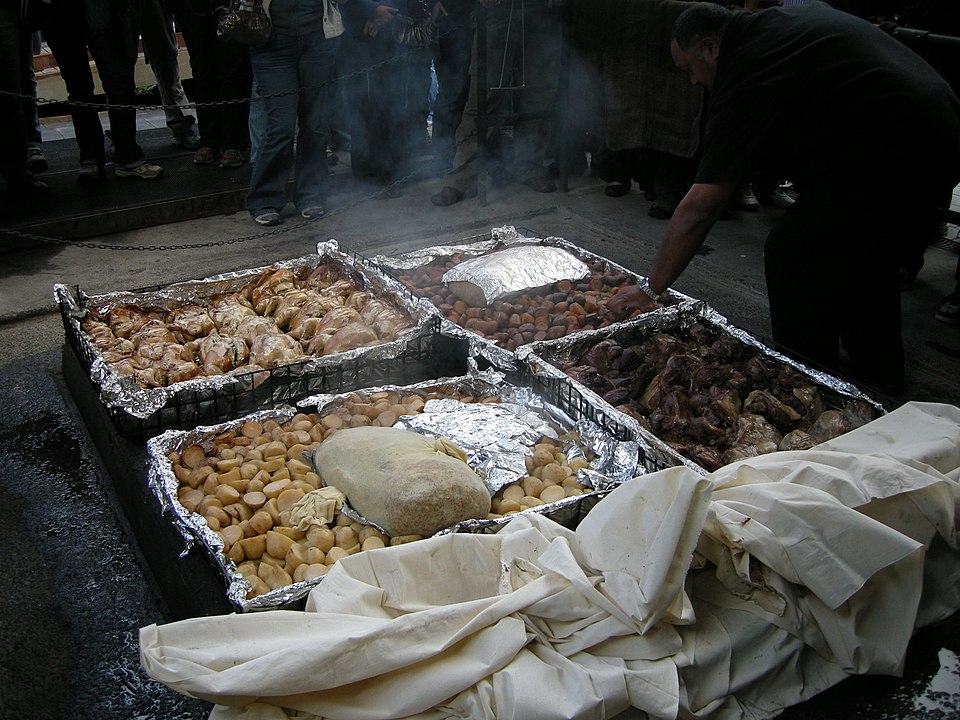
In Aotearoa New Zealand, Māori cooks heat stones until they glow, set baskets of meat and vegetables over the rock bed, then seal the pit with wet cloth, leaves, and soil so the heat cannot rush away. Steam works for hours, turning kūmara buttery, greens sweet, and pork or lamb tender while keeping flavors clean rather than charred. The cook listens for time, not sizzle, because opening early breaks the balance. When the cover finally lifts, aromatic vapor rolls out and the food carries a soft smokiness that tastes like earth, leaf, and careful timing. It holds well for crowds, so serving stays relaxed.
Imu Underground Roast
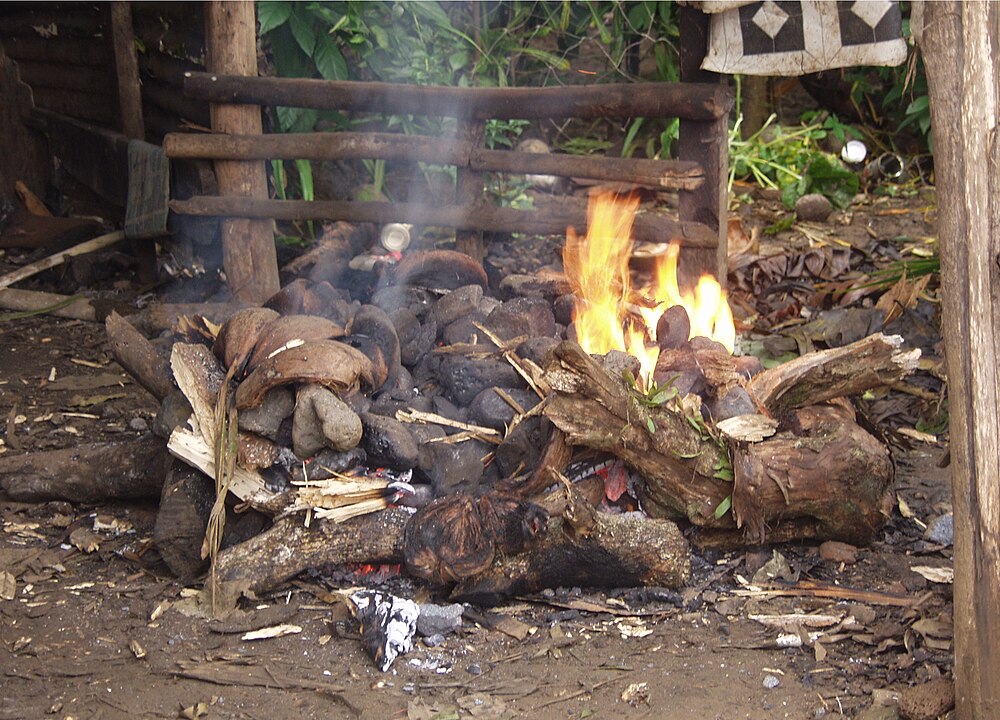
In Hawaiʻi, an imu is a stone-lined pit heated for hours, then layered with ti leaves and wrapped meat, often a whole pig for kālua. Once sealed with more leaves, burlap, and soil, the oven holds steady heat through the night, cooking gently without scorching fat or drying the surface. The setup is physical and precise: bundles are lowered, the cover is packed tight, and the pit is left alone so steam can do its job. By morning, the meat pulls into silky strands with subtle smoke and a leaf-sweet note, ready for a table built by many hands. The leaf layers also perfume the steam as it circulates.
Pachamanca Stone-Baked Feast
In Peru’s Andes, pachamanca builds an earthen oven by heating stones, laying in marinated meats, potatoes, corn, and beans, then sealing the mound under soil. Because the stones cool slowly, everything roasts and steams at once, absorbing herb perfume and a faint mineral edge tied to the high country. Layering matters: dense tubers sit closest to heat, delicate items rest higher, and the seal keeps moisture moving through the stack like a slow tide. When the cover is pulled back, steam escapes and the meal arrives together, with crisp corners, tender centers, and celebration earned by patience.
Geothermal Hot-Spring Bread
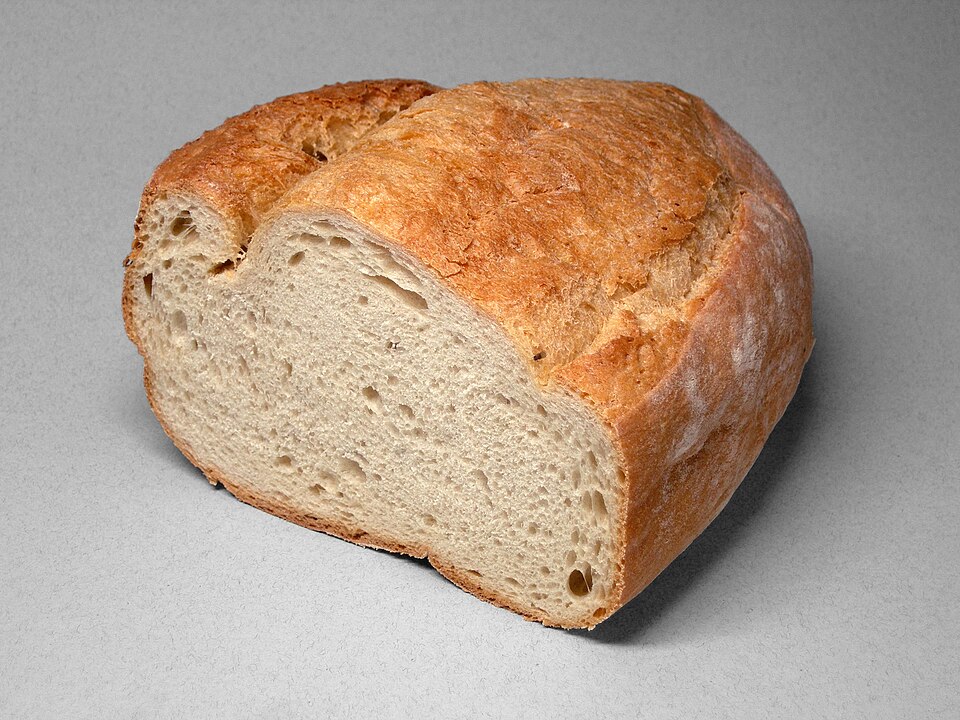
In parts of Iceland, rye dough is sealed in a pot and buried near geothermal ground, where it bakes for about 24 hours beside bubbling springs. The slow warmth caramelizes the grain, producing a dark, moist loaf with gentle sweetness, a tight crumb, and no crust to fight. It suits a landscape where heat rises naturally and firewood can be scarce, especially in winter, when weather punishes shortcuts. The pot is set into warm soil, marked, and left alone while mineral-scented steam drifts nearby. Uncovered later, it feels like the earth kept a promise, delivering comfort with butter, smoked fish, or both.
Boodog Hot-Stone Roasting
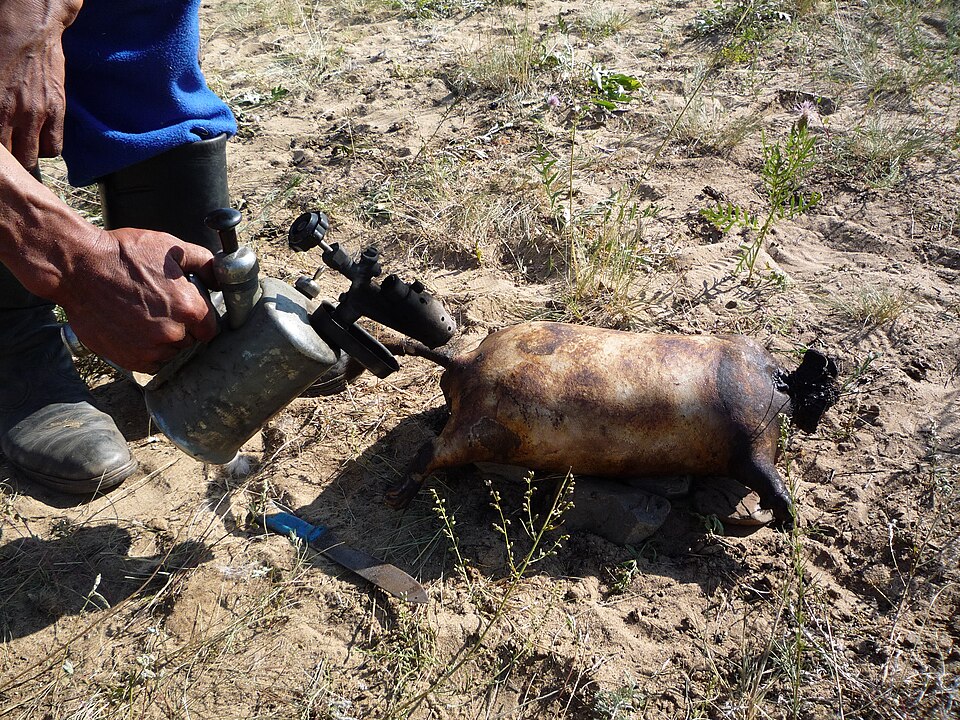
On Mongolia’s steppe, boodog cooks goat or marmot from the inside by loading the cavity with river stones heated until scorching, then closing it so the stones radiate heat outward. The skin may be briefly seared, but the stones render fat and baste the meat as it cooks, building richness without a pot or pan. Born from travel and limited cookware, the method is both practical and ceremonial, timed by feel rather than clocks. When it is done, the meat tastes deeply savory yet clean, and the warm stones sometimes get passed around after a long, cold ride. It is judged by scent and feel, not gadgets.
Tea-Smoking Over Rice And Leaves

Tea-smoking turns a wok into a compact smokehouse by heating tea leaves with rice and sugar until they smolder, then trapping duck, tofu, or fish above the fragrant haze under a tight lid. The food bronzes quickly and carries a scent that reads floral, toasty, and lightly caramel, with bitterness controlled by careful heat and timing. Many cooks finish with a quick fry or roast so the skin snaps while the interior stays juicy. It rewards attention, proving deep flavor can come from pantry staples and disciplined control. A short rest helps the smoke settle into the surface. Done right, the tea note stays clean, never acrid.
Dum Pukht Sealed-Pot Slow Cooking
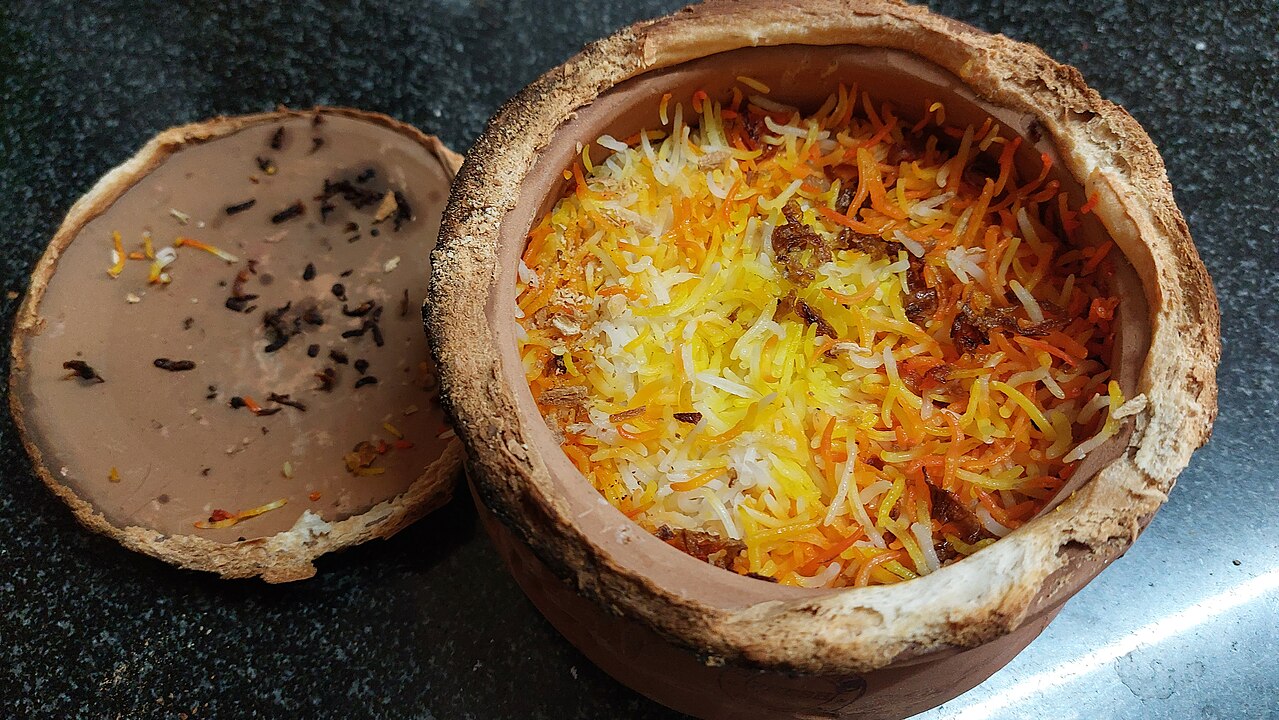
Dum pukht seals a heavy pot with a rope of dough so steam cannot escape, then cooks meat, rice, or lentils low and slow until flavors knit together. In Awadhi kitchens, coals may sit below and on the lid, keeping heat even and preventing the hot spots that toughen food or scorch spices. Because nothing vents, saffron, cardamom, and fried onions stay trapped, sinking into every grain and every bite. Breaking the dough seal releases a concentrated aroma that feels ceremonial, like a curtain rising. Because the heat stays gentle, textures keep their shape and the dish tastes layered, not muddled.
Barbacoa In An Agave-Lined Pit
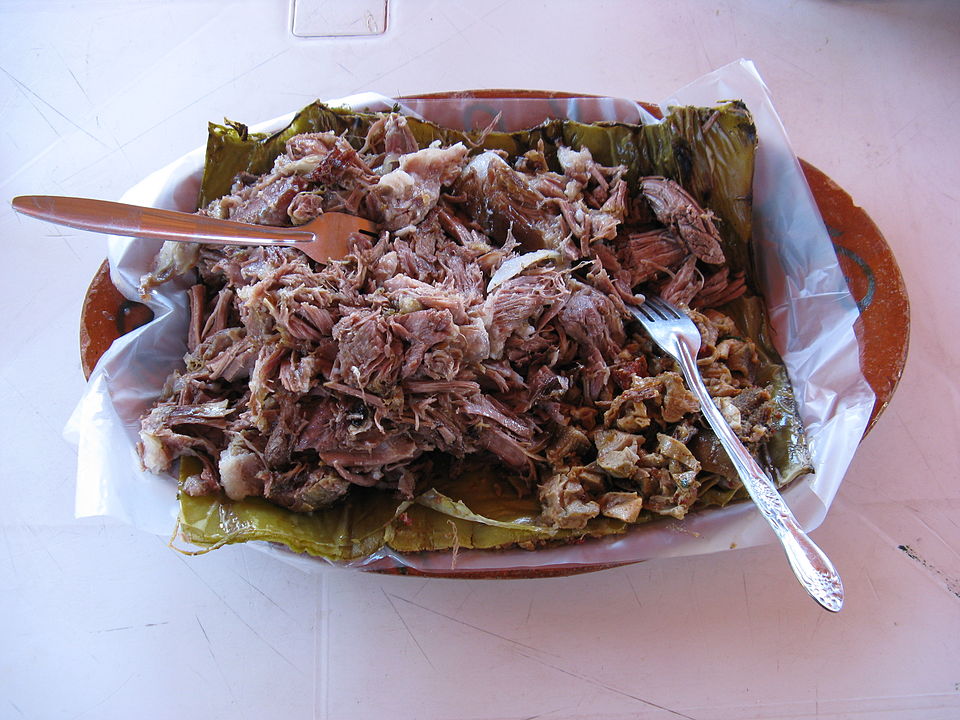
Barbacoa de hoyo uses an earthen pit lined with embers and maguey leaves, where lamb or goat is wrapped, lowered in, and buried to cook overnight. The leaves perfume the meat and shield it from harsh flame, while drippings collect below into a broth often served as consomé for dipping and sipping. At dawn, the cover comes off in a cloud of savory steam and the meat is tender enough to fall apart with a gentle pull. The technique turns a long cook into a weekend rhythm, with early lines, warm tortillas, and bright salsa. The slow pace is the point, and the flavor shows it. Even the broth carries smoke, fat, and leaf perfume.
Bamboo-Tube Roasting For Sticky Rice
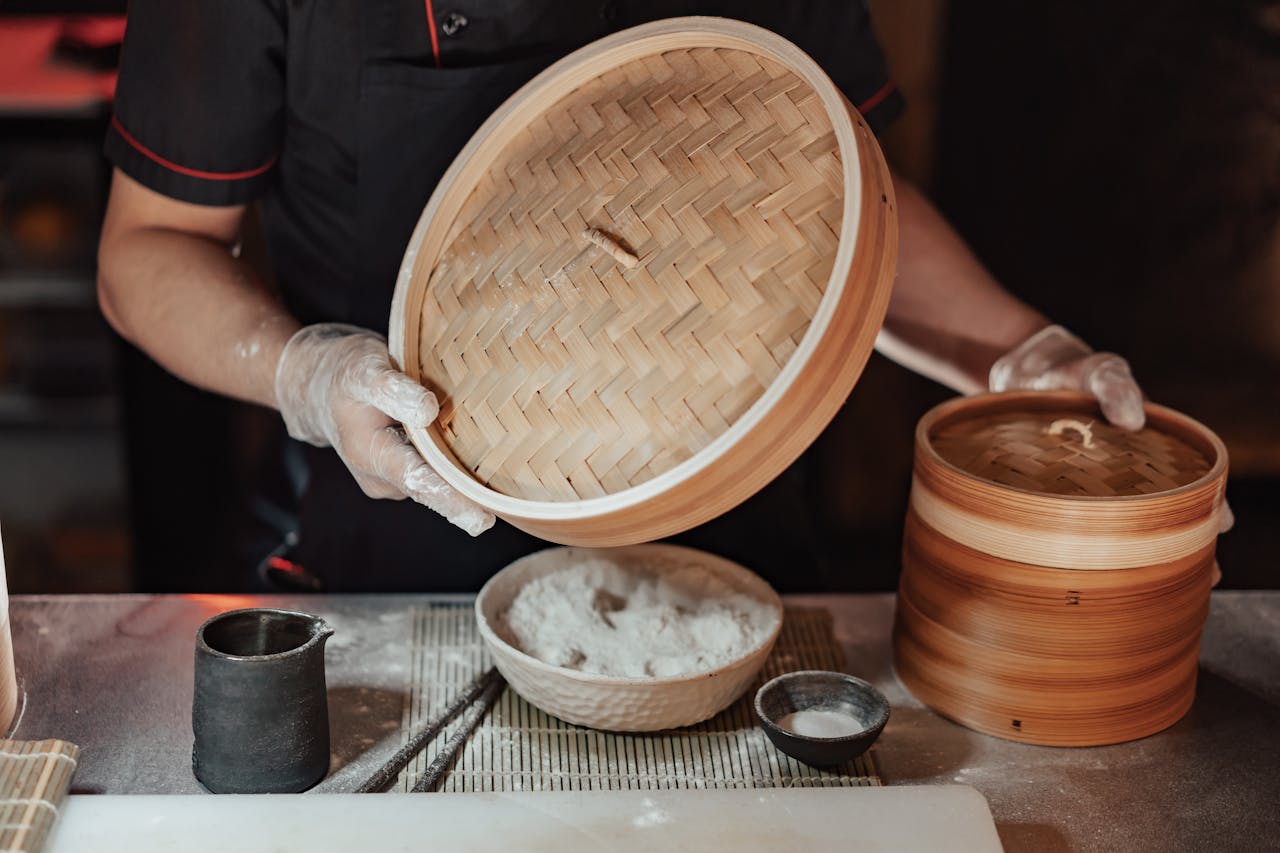
Across parts of Thailand and Laos, sticky rice mixed with coconut milk and sugar is packed into fresh bamboo tubes, sealed with leaf plugs, and roasted over coals. The tube traps steam, so grains cook evenly while absorbing a grassy sweetness from the bamboo, and the outside chars into a protective shell. Vendors rotate the tubes by hand, listening for subtle shifts as moisture drops and the surface tightens. When split open, the rice comes out glossy and fragrant, sometimes studded with beans or taro, and meant for sharing after markets and festivals. The charred bamboo peels back like packaging, keeping the rice warm.
Stone Boiling Without A Pot

Stone boiling starts by heating dense rocks in a fire, then dropping them into water held in a basket, hide bag, or clay-lined pit. The stones hiss, cloud the water, and push it to a boil, cooking fish, roots, or grains without metal cookware, while fresh hot stones replace cooling ones to hold temperature steady. Good stone choice matters because some crack or shed grit, so experience guides what gets heated and what gets left alone. The method is simple on paper, but it demands timing and calm hands, turning improvisation into a repeatable system. Practice makes it safe and repeatable, even outdoors.
Salt-Crust Baking As Armor
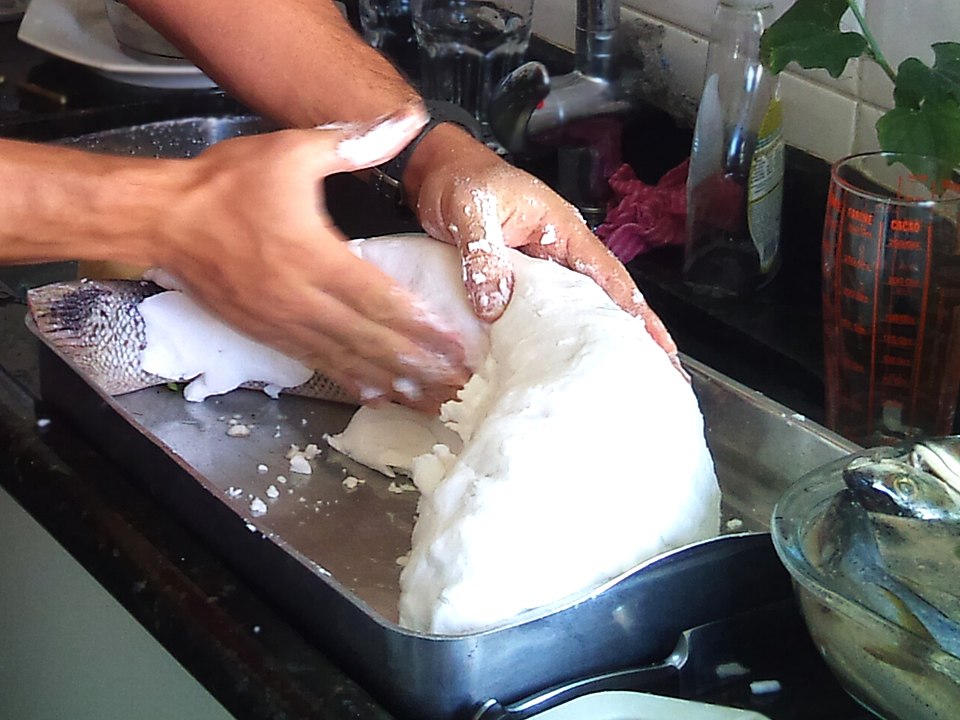
Salt-crust cooking packs fish, chicken, or vegetables in a thick layer of damp salt, often bound with egg whites, then bakes it until the shell hardens like stone. Inside, the food steams in its own moisture, staying juicy and evenly seasoned, while the crust blocks harsh heat and prevents the surface from drying out. The final crack is both theater and function, releasing clean aromas and tender flesh with almost no cleanup. It is restraint made practical: one ingredient becomes seasoning, cookware, and protection, leaving the interior perfectly cooked. The crust forgives timing, which is why it endures.
Sand-Baking Under Embers
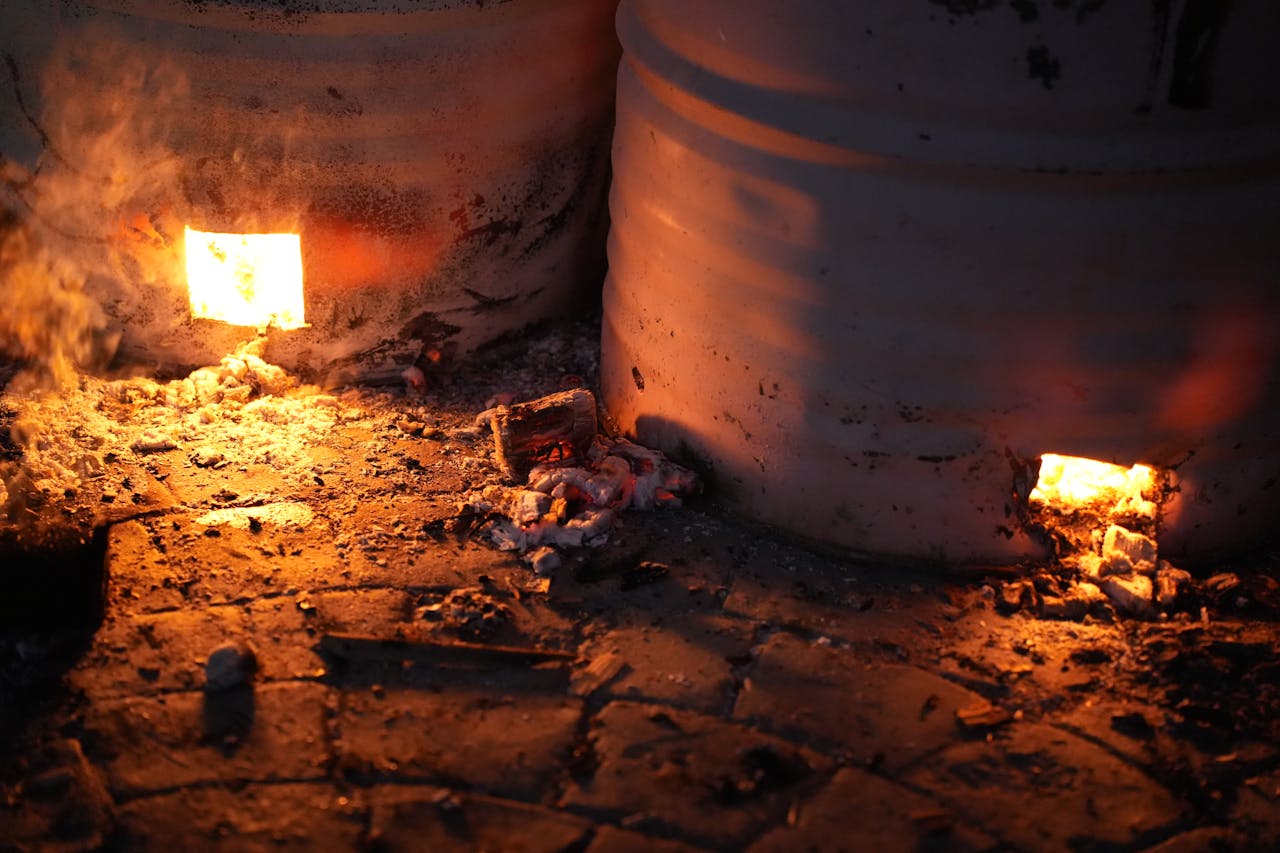
In desert cooking, dough is tucked into a shallow hollow, covered with hot sand and embers, and left to bake in dry, radiant heat with the wind kept off the surface. The bread lifts out, gets brushed clean, and breaks open to a tender center with a smoky edge and crisp spots where embers kissed the crust. Built for travel and scarce fuel, the method needs little beyond flour, fire, and calm timing, and it can be repeated anywhere the ground is stable. It turns open land into a dependable oven, and the first warm pieces disappear fast beside sweet tea at dawn. Brushed clean, it pairs well with dates or salty cheese.