Art is often treated as a nation’s mirror, but it is just as often treated like a spoil. Across revolutions, occupations, and dictatorships, governments have taken paintings, bronzes, and sacred objects not through fair purchase, but through decrees, raids, and paperwork that hid coercion behind ink. Some seizures were dressed up as protection, others as punishment or national pride, and many were later judged unlawful or morally indefensible by courts, commissions, and public pressure. What remains is a trail of empty frames, split collections, and families still proving ownership decades later. Each episode below shows how quickly culture can be turned into collateral when power decides it owns the past. Restitution, when it comes, rarely repairs the original loss.
Napoleon’s Italian Trophy Harvest

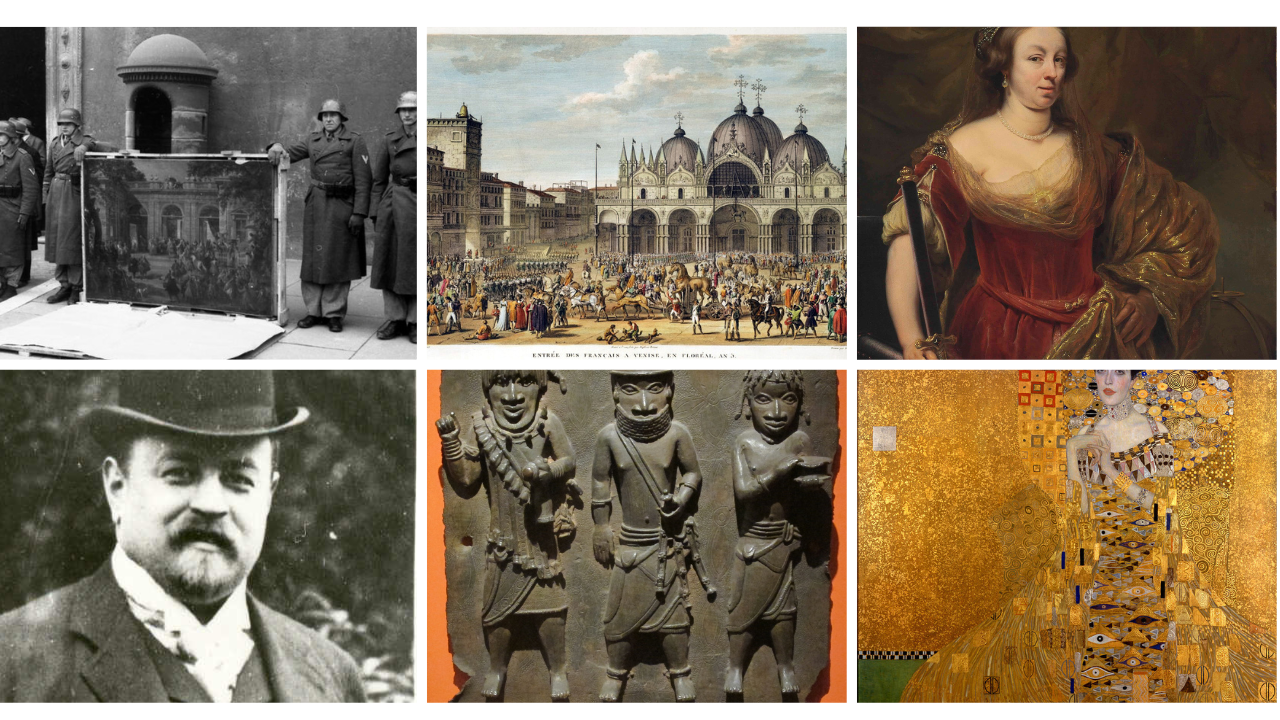
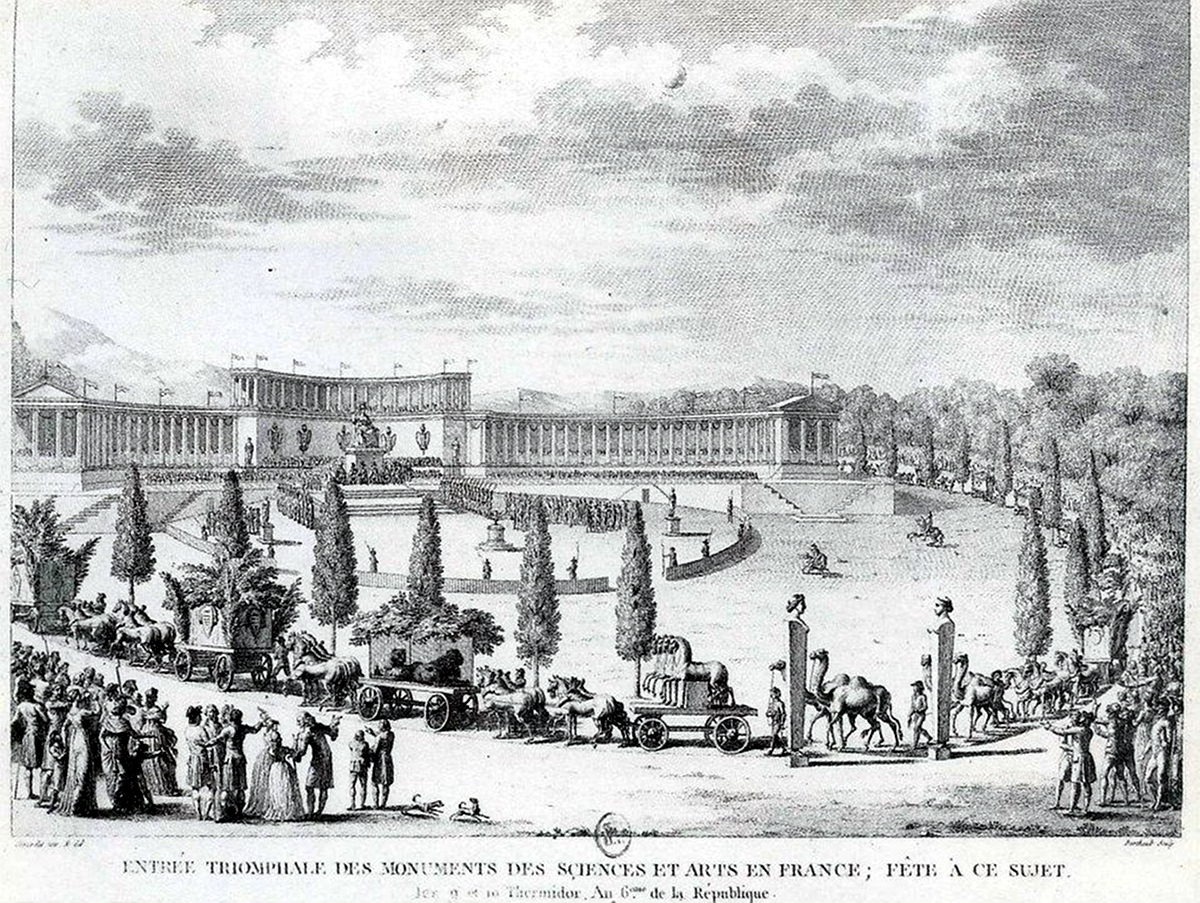
French armies moving through Italy in the late 1790s did not just seize territory; they issued inventories of masterpieces to be shipped to Paris. Churches, monasteries, and civic collections were pushed into surrendering paintings and sculpture under lopsided treaties such as the 1797 Treaty of Tolentino, with crates leaving Rome, Venice, and beyond while local officials were told the transfers served universal culture. After 1815, diplomats fought for returns and won some victories, yet many works never went home, and the surviving paperwork still reads like conquest wearing a curator’s gloves for generations. Still.
Benin Bronzes Taken as War Booty
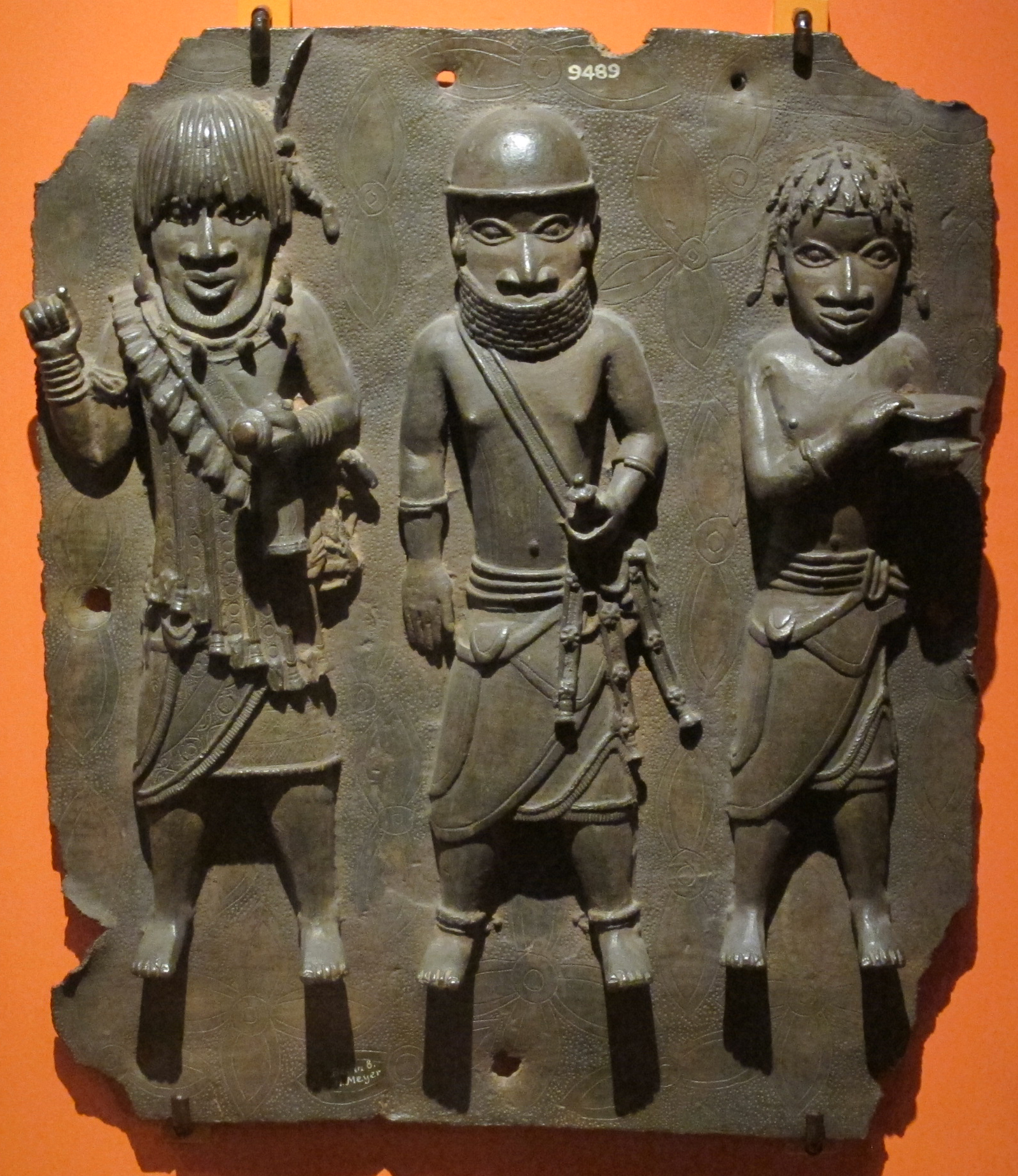
In Feb. 1897, a British punitive expedition captured Benin City and removed thousands of bronzes, plaques, and ivories that carried dynastic memory in metal. The seizure was treated as lawful spoil: the Admiralty confiscated the haul, auctioned pieces to defray the expedition’s costs, and dispersed others to museums while the Oba was deposed and exiled. That origin story sits under today’s restitution headlines, because even careful conservation cannot erase the fact that the first transfer happened at gunpoint, under a flag, and on government orders. Recent repatriations have reopened archives and family claims worldwide.
Bolshevik Nationalization of Shchukin and Morozov
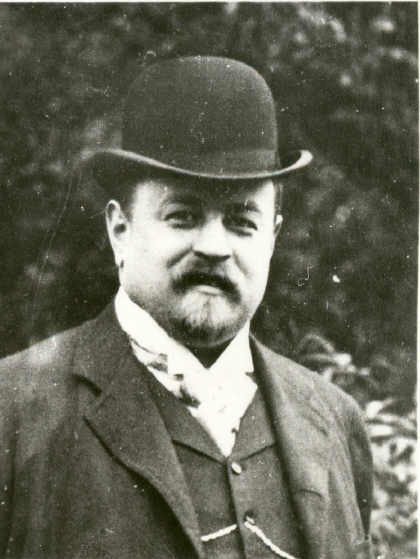
After the 1917 Revolution, the Soviet state moved quickly to nationalize private wealth, and major art collections were swept into that political cleanup. Sergei Shchukin’s and Ivan Morozov’s modern French paintings were confiscated in 1918, folded into new museums, and later split between institutions like the Hermitage and the Pushkin, while family names were scrubbed from wall texts. Even when the works were later hidden as decadent under Stalin, the state kept the prize; the original taking was never voluntary, and heirs still argue that public culture cannot begin with coerced surrender. The debt remains unpaid.
The Nazis’ Jeu de Paume Sorting Room
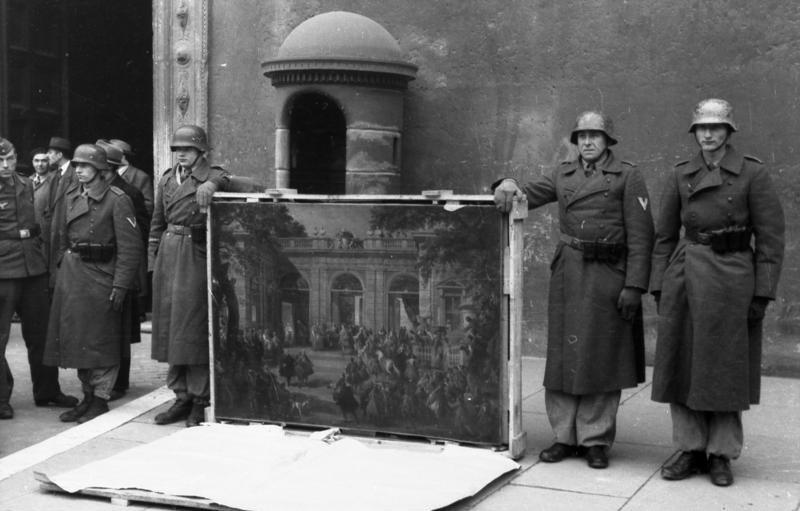
Occupied Paris hid a factory of theft behind museum doors. At the Jeu de Paume, Nazi staff processed more than 20,000 objects taken from Jewish families, photographing, cataloging, and assigning each piece to Hitler’s planned museum or to men like Hermann Göring, who visited repeatedly to pick favorites. The method was bureaucratic and intimate at once: a signature, a seal, a rail car, and then a domestic void where a collection used to hang. Postwar restitution could not keep pace, but the surviving files show exactly how a government can turn curatorship into a conveyor belt for plunder. It still haunts inventories.
Austria’s Long Hold on “Portrait of Adele Bloch-Bauer I”
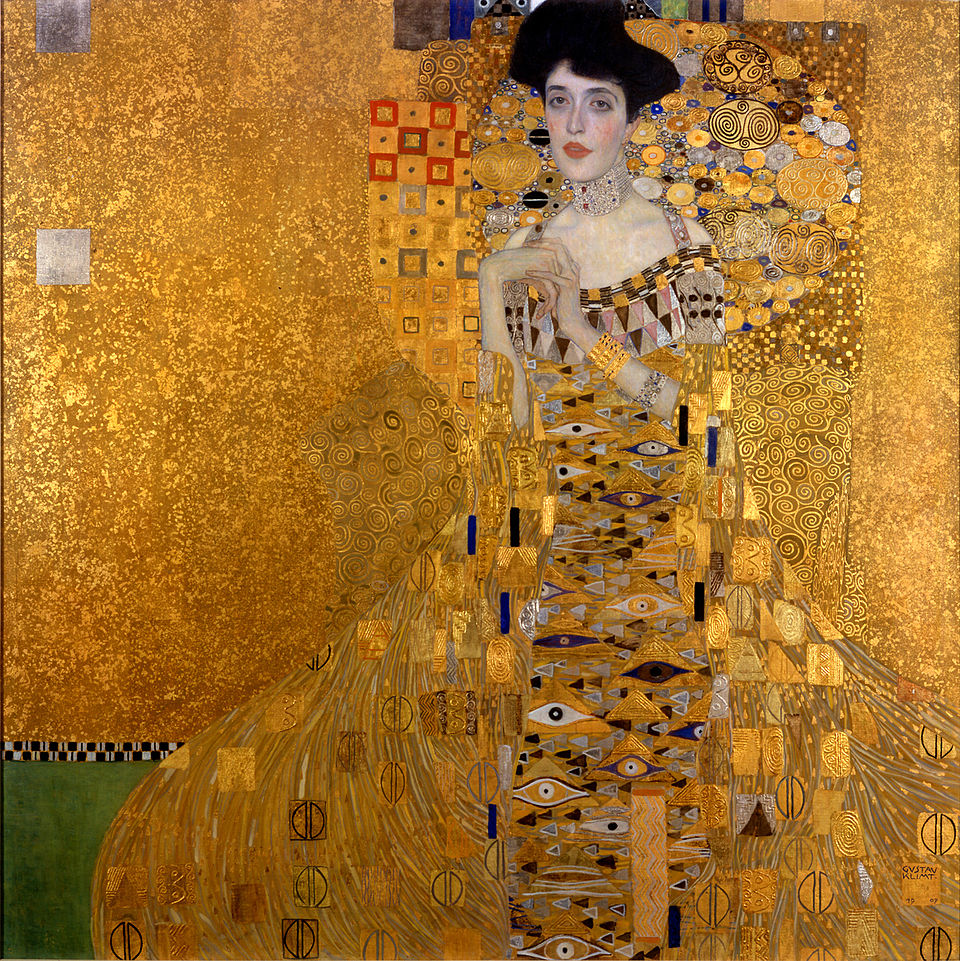
Under Nazi rule, Ferdinand Bloch-Bauer’s Klimts were taken, and after 1945 Austria kept “Portrait of Adele Bloch-Bauer I” as a national treasure at the Belvedere, even as the family’s ownership story was blurred into museum lore. Decades of refusals followed, until Maria Altmann pursued the claim through U.S. litigation and Austrian arbitration; in 2006, a Vienna panel ordered the return, and farewell posters appeared as crowds queued for a last look. The episode showed how a state can inherit stolen art, normalize it with labels, and then call restitution a loss, even when the original loss belonged to someone else.
Soviet “Trophy Brigades” After 1945
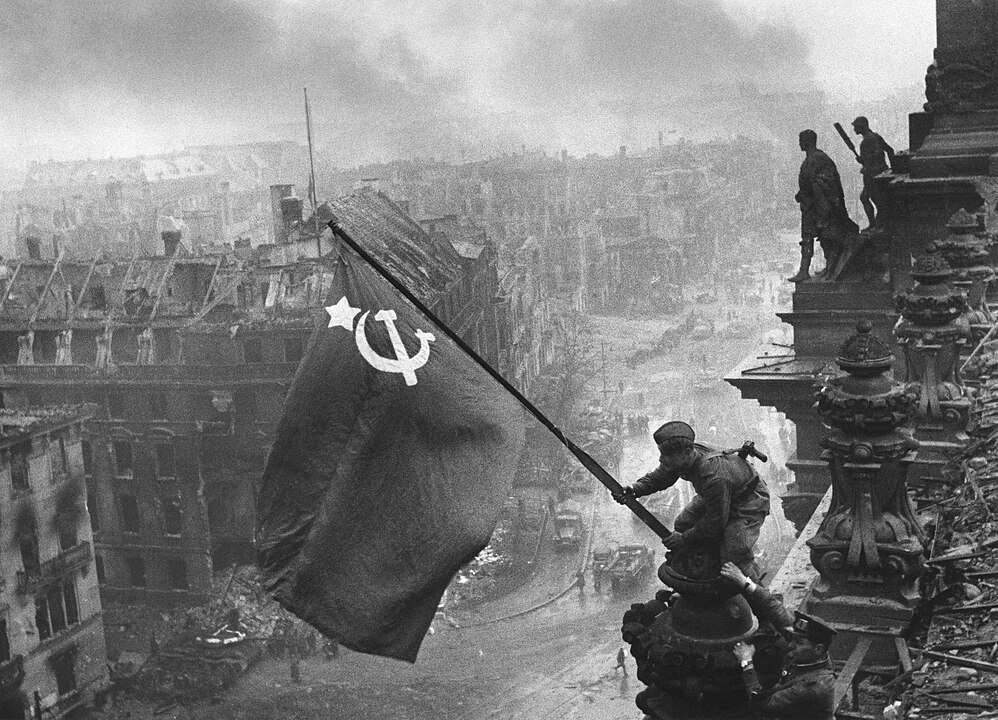
As Berlin fell, Soviet trophy brigades moved through depots, castles, and salt mines, crating paintings, drawings, and archives as compensation for catastrophic wartime losses. Many works vanished into Soviet repositories with incomplete public inventories, some kept secret for decades until the 1990s, while Russian policy later framed the removals as lawful reparations and effectively nationalized the holdings. Germany and private heirs have argued the opposite ever since: that suffering does not legalize confiscation, and that a museum built from hidden crates still carries a moral lien. Even now, claims stall.
Cultural Revolution House Raids in China
During the Cultural Revolution, campaigns against the Four Olds turned private homes into targets, and Red Guards confiscated paintings, calligraphy, antiques, and carved furniture as “bourgeois” proof. Some objects were smashed in rallies, others were trucked to warehouses, schools, or museums, and ownership was rewritten as ideology: what had been inherited became suspect, and what was seized became public by decree. Families remember the sound of drawers being overturned and seals being stamped; even when a few pieces resurfaced later, the violence of the taking left no clean path back. Records rarely matched reality.
Castro’s Confiscations of Private Collections
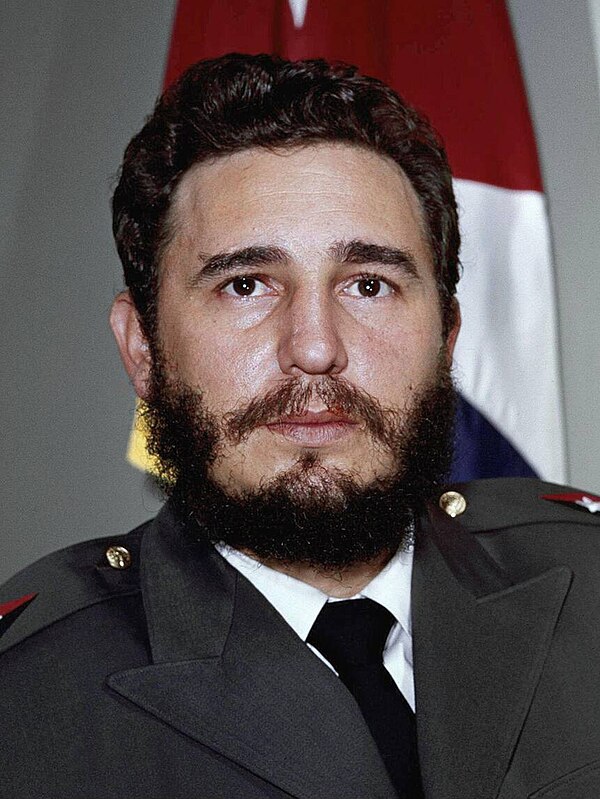
After 1959, Cuba’s revolutionary government nationalized property on a sweeping scale, and art in prominent homes was folded into the same political ledger. Officials and security teams cataloged and removed paintings, antiques, and jewelry from residences of exiles, arguing the items were abandoned or forfeited, and many pieces were absorbed into public museums without market purchase. Years later, restitution efforts run into frozen diplomacy and competing legal theories, but the human story is clear: collections were broken in a moment, and the loss was recorded as a patriotic correction. The wounds stayed personal.
Franco-Era Retention of Civil War “Safekeeping”
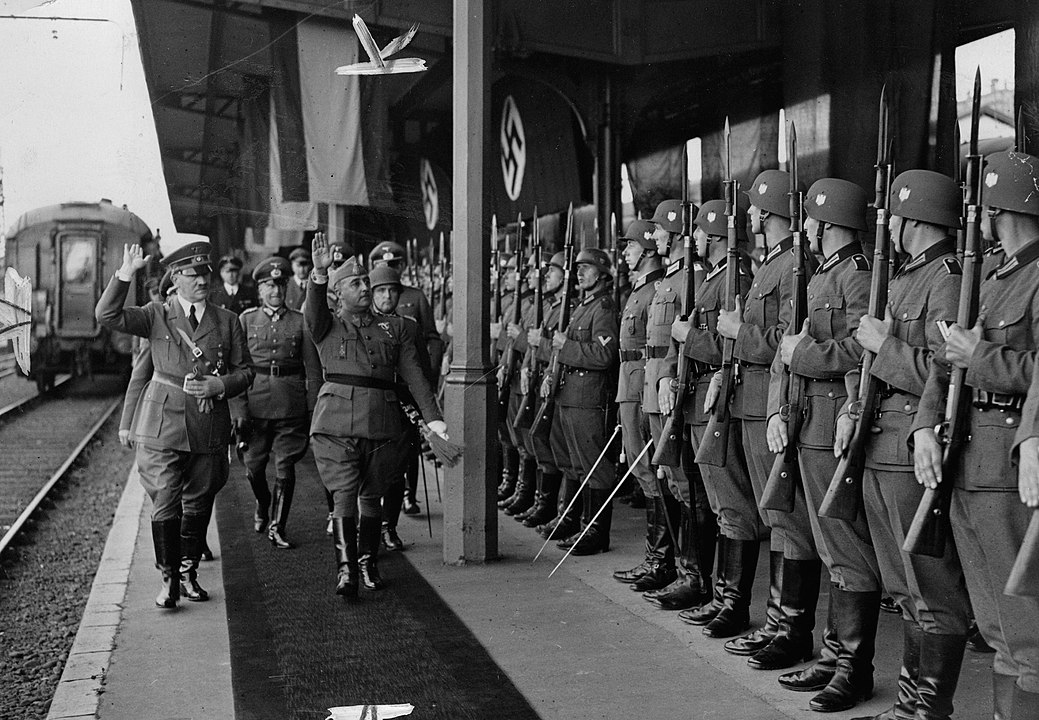
During Spain’s Civil War, officials moved artworks for protection, but after 1939 Franco’s dictatorship kept many of those “deposits” and folded them into state museums, archives, and ministries. Paintings, jewelry, religious objects, and furniture sat under new catalog numbers while owners died in exile or under suspicion, unable to reclaim property taken in the name of safety and then treated as state heritage. Recent public lists and restitutions have exposed the trick: temporary custody quietly turning into confiscation, upheld not by a courtroom victory, but by decades of silence and paperwork. Families still search.
Stasi-Era Art Seizures in East Germany
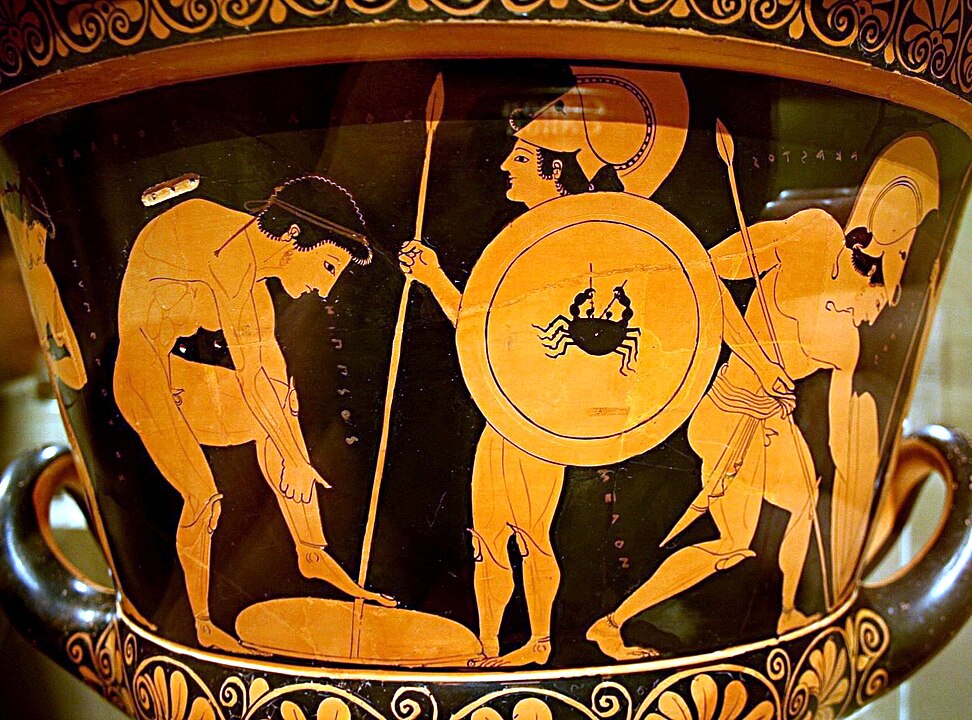
In the GDR, the state treated art as both currency and control, and confiscations became a quiet industry. Works were taken from citizens labeled politically unreliable, from households accused of customs or tax offenses, and from families punished for attempting to flee, then routed into museum inventories or exported for hard currency through state-linked dealers. The seizures were framed as law enforcement, yet later investigations suggest a meaningful slice of GDR-era acquisitions came from these coerced transfers, leaving victims trapped by the same archives that would have proved the loss. Anger still persists.
Iraq’s 1990 Seizure of Kuwait’s Museum Treasures
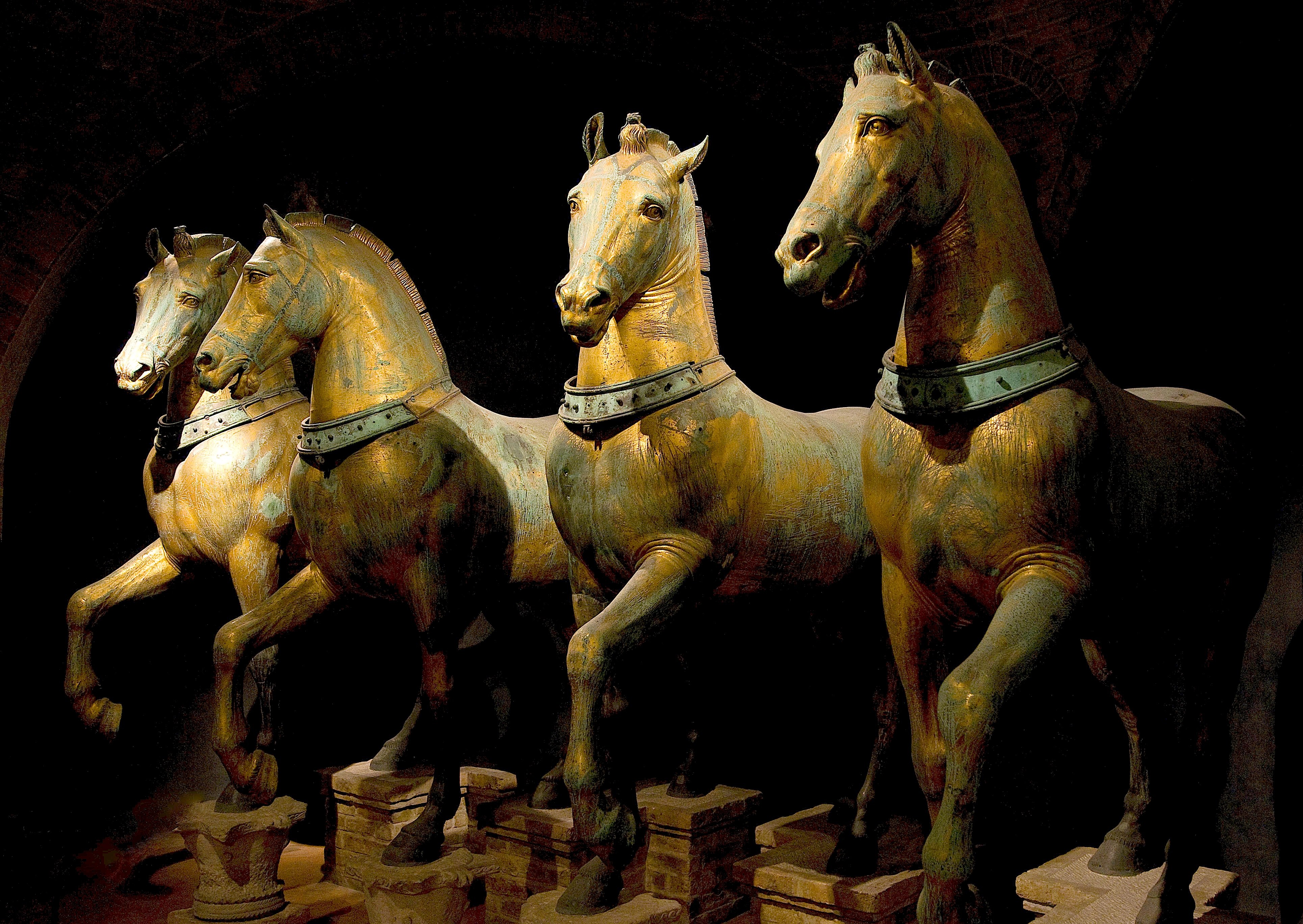
When Iraqi forces occupied Kuwait in 1990, cultural institutions were treated as strategic targets, not protected spaces, and museum holdings were packed up like state property. Items from the Kuwait National Museum and storerooms disappeared across the border, triggering UN-backed and UNESCO-supported searches, border checks, and diplomatic pressure aimed at reversing a government-led removal. Some objects did make their way back, but the damage was broader than missing crates: records were fractured, collections lost context, and the idea of cultural immunity in war was shown to be fragile in practice for years.
The Goudstikker Gallery and Göring’s Take
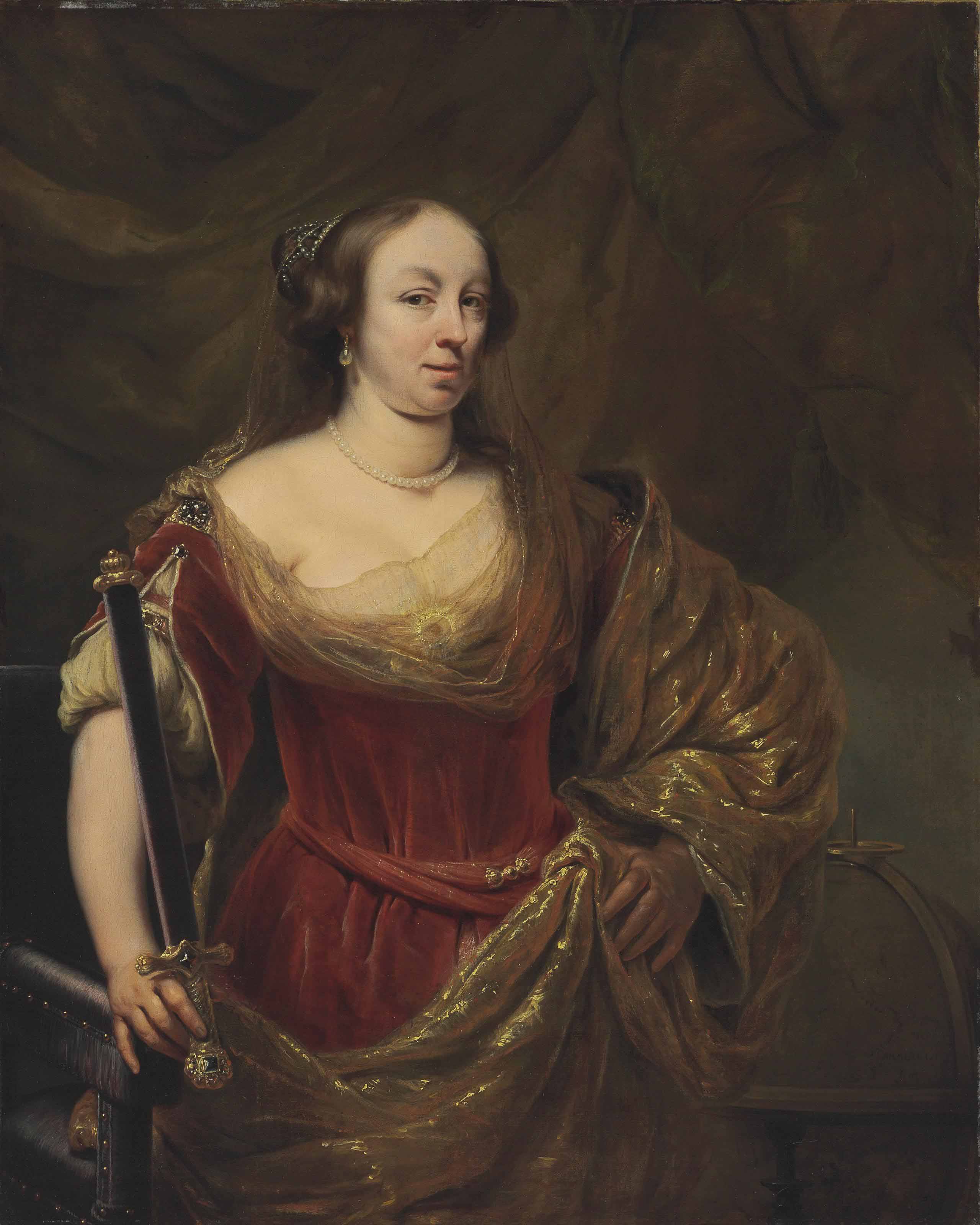
In 1940, Dutch Jewish dealer Jacques Goudstikker fled as the Nazis advanced, leaving behind a stock of Old Master paintings. Nazi authorities engineered a coerced transfer of the gallery’s assets, and works were funneled into the collection of Hermann Göring and other buyers, with contracts and receipts designed to mimic consent. Postwar recovery became its own ordeal: some paintings were treated as state property, others drifted into museums abroad, and heirs have had to litigate and negotiate piece by piece, because a government-backed theft can be laundered into a “sale” that lasts on paper for decades still.