Gen Z keeps reviving discontinued school treats, and the fascination is not just about sugar. Short videos, archive photos, and taste tests keep old snacks alive as symbols of bus rides, cafeteria tables, and quick trades between classes. What looks playful often carries real emotional weight, especially when routines are remembered as safer and simpler than the present.
Most of these products did not vanish because people stopped caring. They disappeared when brands trimmed product lines, factories hit limits, or retailers reset shelf space. The nostalgia is genuine, but the exits were usually business decisions, not cultural rejection.
Dunkaroos Became A Case Of Delayed Demand
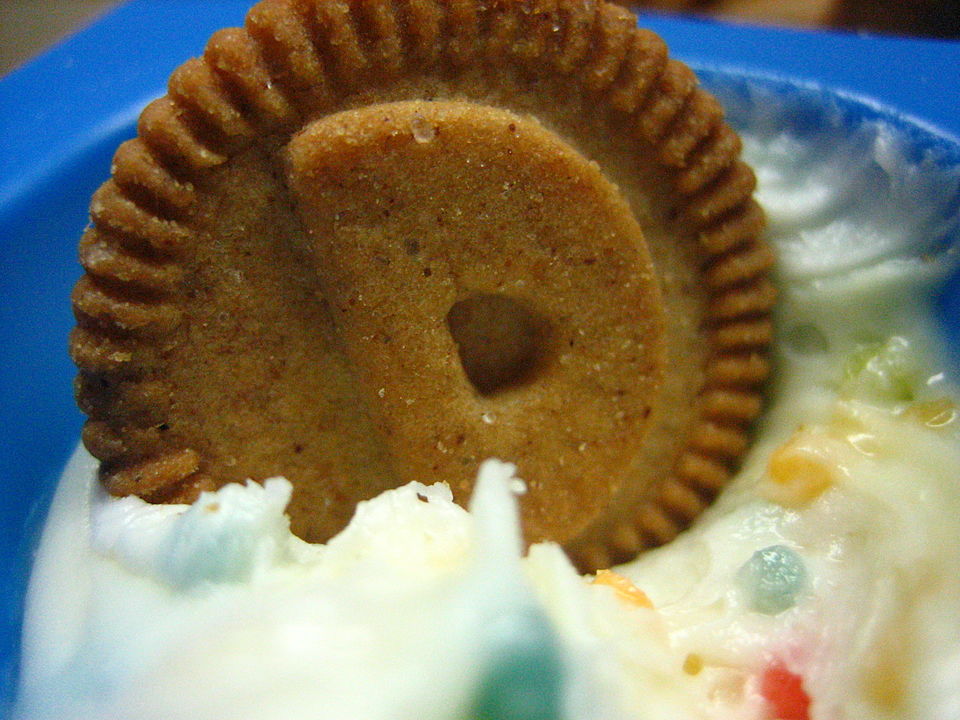
Dunkaroos disappeared from U.S. shelves in 2012, and that gap turned a common lunchbox snack into a nostalgia icon. By the time it returned in 2020, demand had been amplified for years by fan pages, memes, and people sharing old packaging like a collectible artifact in school-memory posts online.
Its vanishing point was less mysterious than it felt. Companies routinely remove slower lines to simplify production and protect stronger sellers. Dunkaroos became a textbook example of delayed demand: a product written off in one cycle, then revived when online memory made the demand too clear to ignore and retailers saw steady pull.
French Toast Crunch Outlived Its Own Discontinuation
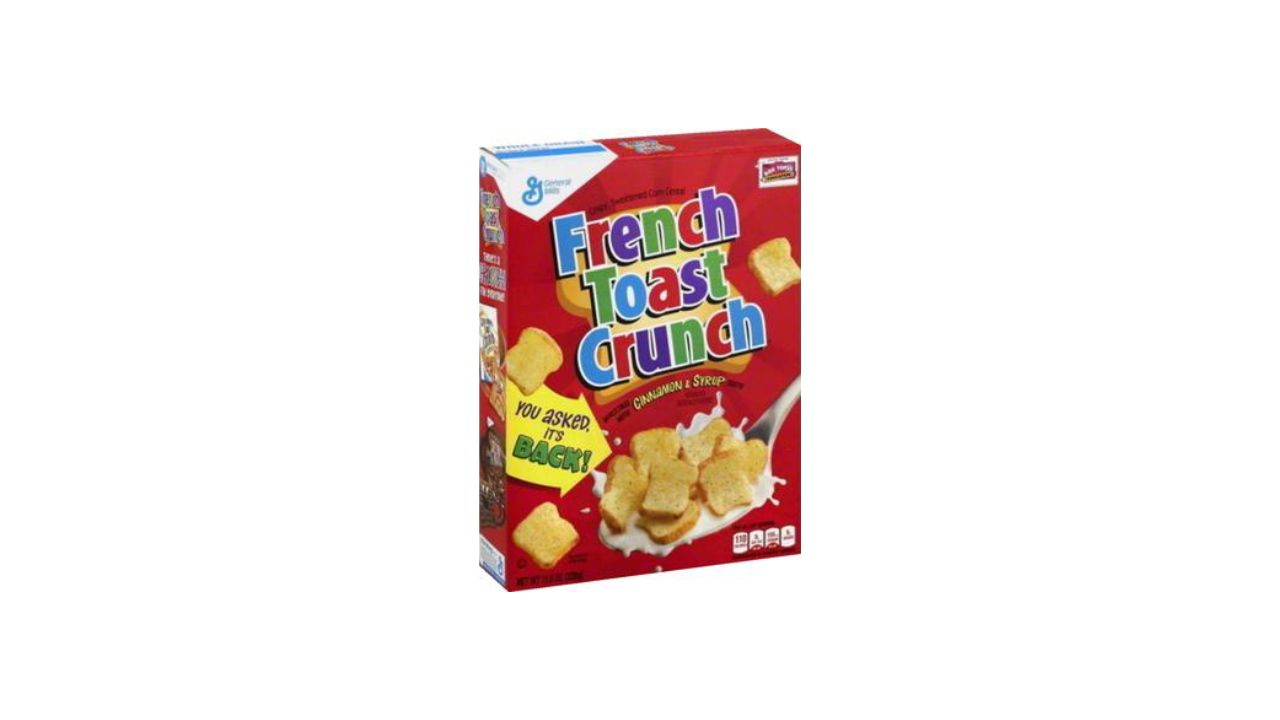
French Toast Crunch launched in the 1990s, left U.S. shelves in 2006, and returned after sustained fan pressure. That timeline shows how school snack memory can outlast category trends, especially when people keep the product culturally active long after stores move on, even across generations today now.
The original exit reflected a crowded cereal aisle where brands kept trimming variations. Its comeback proved something else: nostalgia can behave like market data. When enough people repeat the same memory for years, relaunching a familiar format can be safer than betting on a brand-new idea with uncertain repeat purchase.
Trix Yogurt Was Hit By A Category Reset
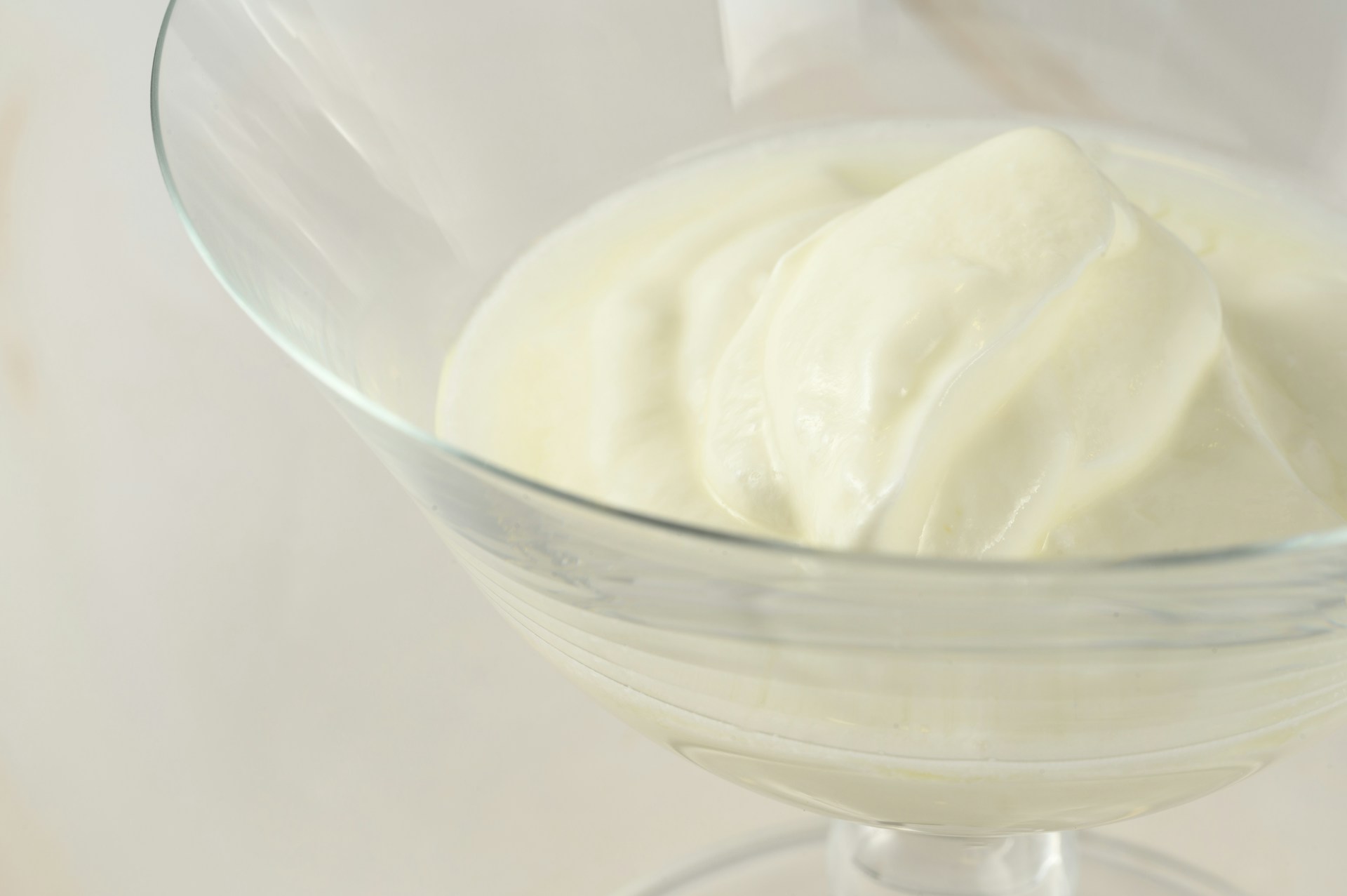
Trix Yogurt fell out of regular rotation for years, then came back in 2021 with berry and strawberry flavors. The return landed hard because it restored a very specific lunchbox ritual: bright swirls, playful texture, and the sense that a weekday snack could still feel fun without trying too hard to look premium.
Why it faded is tied to a broader shift in family grocery habits. Yogurt shelves moved toward cleaner labels, protein claims, and less candy-coded branding. Legacy kid snacks that once felt normal suddenly looked out of step, even when affection stayed strong among people who grew up with them and still searched for them.
Hi-C Ecto Cooler Shifted From Daily Product To Event Item
Hi-C Ecto Cooler was built around Ghostbusters branding, which gave it instant identity and a long run before its 2001 discontinuation. Later limited returns proved the original appeal never faded, it just moved from daily availability into nostalgia moments shaped by movie timing and licensing cycle.
That pattern is common for tie-in products. When the entertainment cycle cools, retailers reclaim space for steady sellers with predictable turnover. Ecto Cooler still resonates because it represented more than flavor. It captured a media moment, and media moments rarely stay permanent on mainstream shelves once the promotional window closes.
Choco Taco Lost To Factory Math
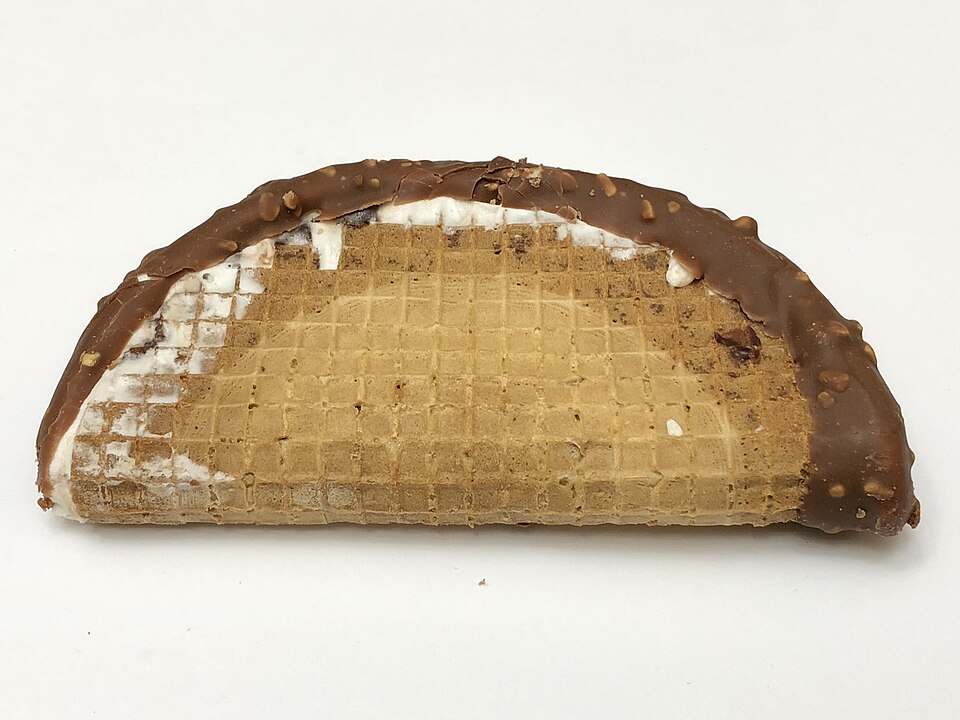
Choco Taco was discontinued by Klondike in 2022, and the reaction showed how deeply the product had embedded itself in school and summer memory. Fans treated the news like a cultural loss, not a routine line cut, because the shape, texture, and ritual felt unlike anything else in freezers.
Klondike said demand spikes across its broader portfolio forced difficult manufacturing choices. That logic tracks with modern production economics. When capacity tightens, complicated formats often lose first because simpler products move faster. In this case, affection was high, but factory math still decided the outcome and left nostalgia doing the rest
Cheez Balls Stayed Famous Through Scarcity
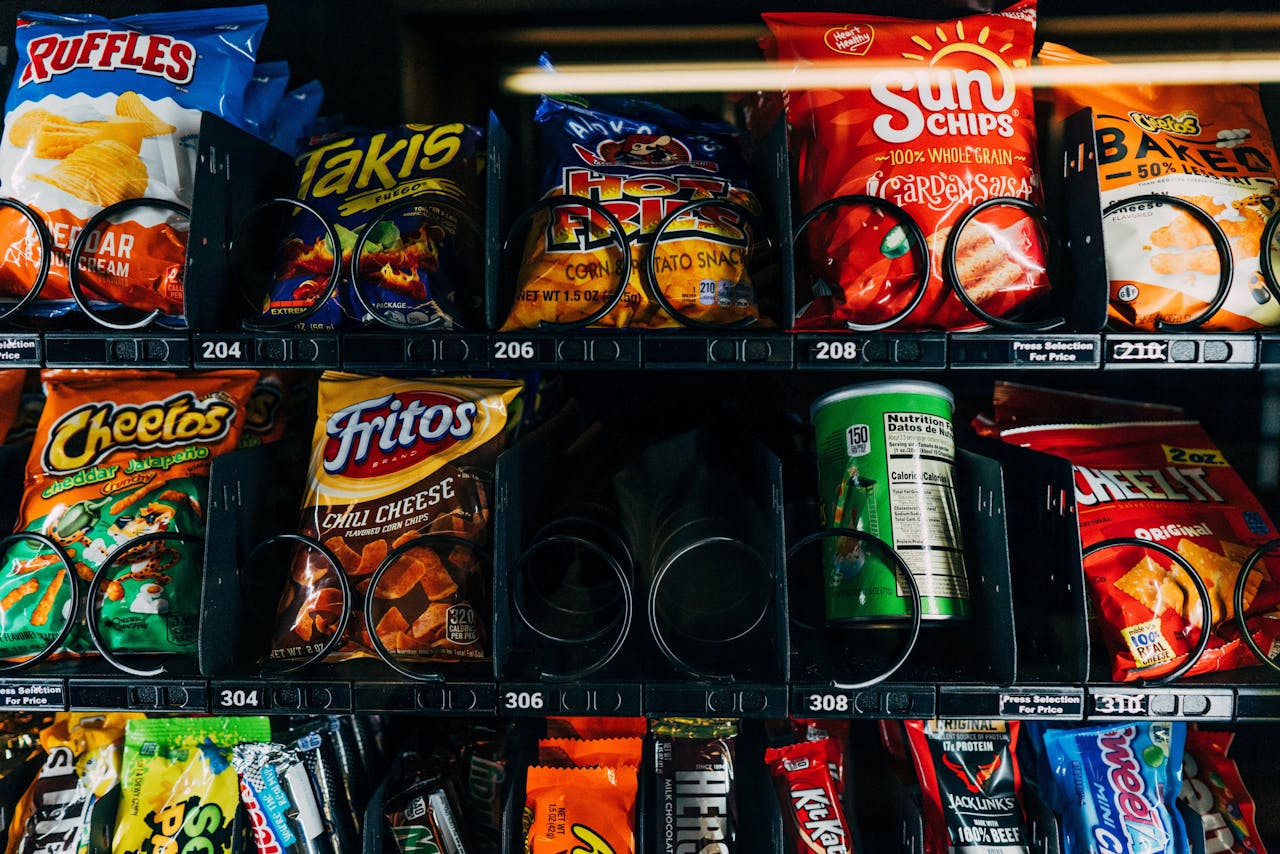
Planters Cheez Balls were discontinued in 2006, came back briefly in 2018, and are currently unavailable again. That stop-start history helps explain why they stay viral. Scarcity keeps attention high, and every short return feels like a cultural event instead of a routine restock.
The bigger issue is shelf strategy. Novelty snacks can surge fast, then cool quickly, which makes permanent placement risky for large retailers. Limited runs let brands monetize nostalgia without locking in long-term production commitments. Cheez Balls survived in memory because the format stayed distinctive, messy, and instantly recognizable across generations.
Cheez Curls Followed The Same Structural Exit
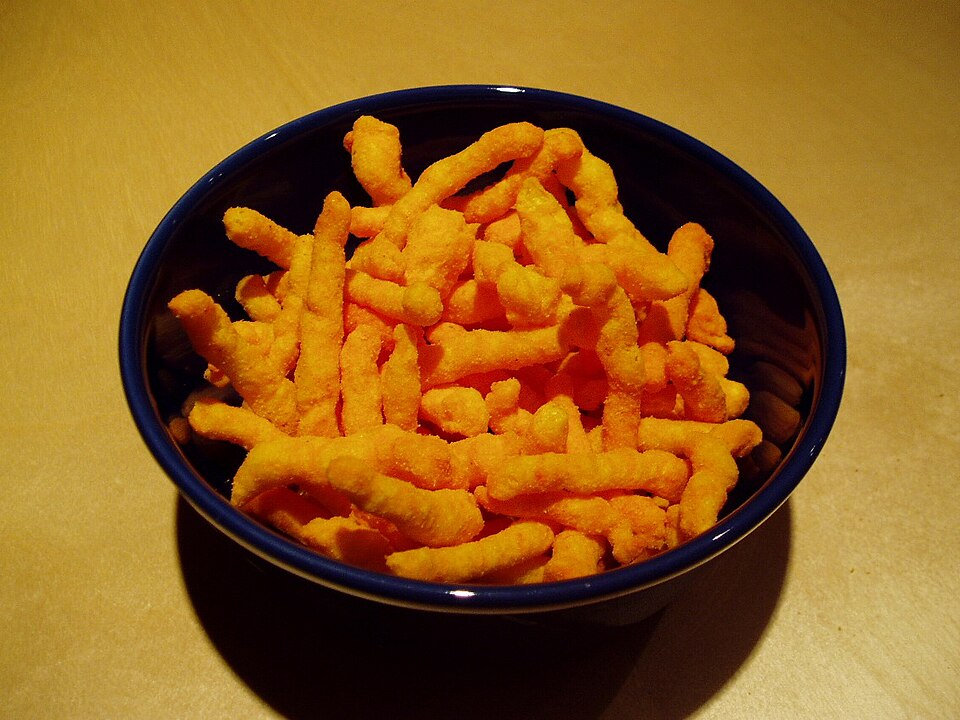
Planters Cheez Curls followed nearly the same path as Cheez Balls, discontinued in 2006, revived briefly in 2018, and now unavailable again. That shared timeline is useful because it shows the decision was structural, not about one flavor suddenly failing with consumers in a single season or region.
For snack companies, shape and line complexity matter as much as fandom. If an item creates extra friction in manufacturing or distribution, it can disappear even with loud support online. Cheez Curls became a reminder that emotional loyalty does not always win against operational simplicity in mass retail systems built for speed and consistency.
Oreo Cakesters Returned When Nostalgia Became Reliable
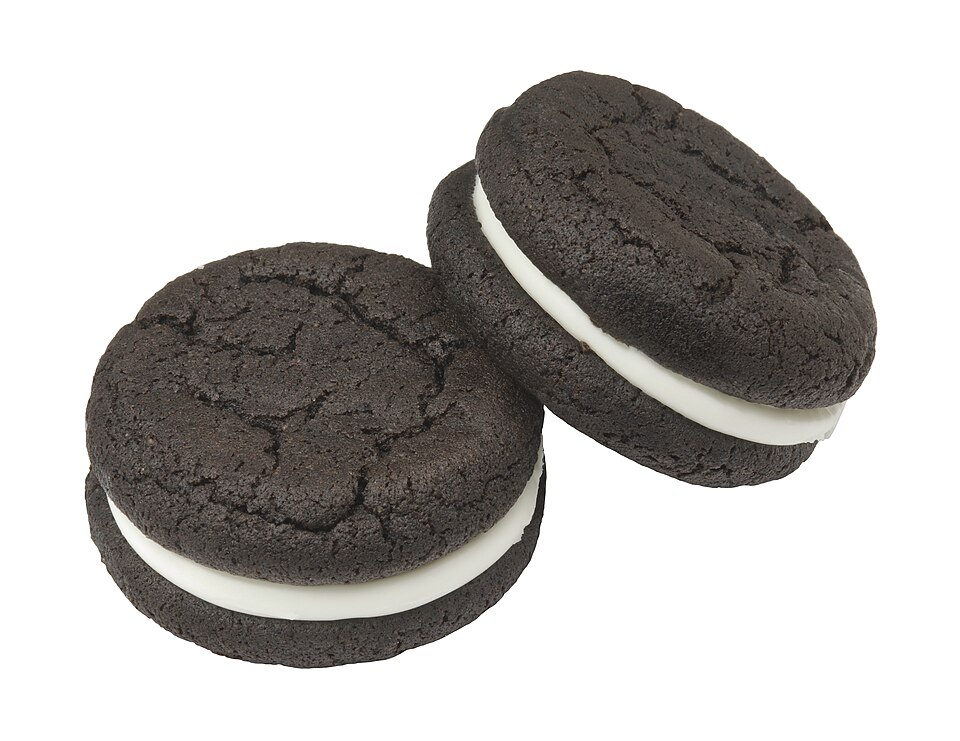
Oreo Cakesters launched in 2007, were discontinued in 2012, and returned in 2022 after a decade of requests. Their comeback worked because they offered a texture mainstream cookies did not: soft cake layers with familiar Oreo flavor cues that felt both old and slightly new.
The first discontinuation looked like portfolio pruning during a period of tighter focus on core products. The return reflected a different playbook. Brands now treat remembered formats as reusable assets, especially when nostalgia reduces launch risk. Cakesters were not reinvented from scratch, they were reactivated at the right time with built-in recognition.
Oreo O’s Showed How Comebacks Can Be Temporary
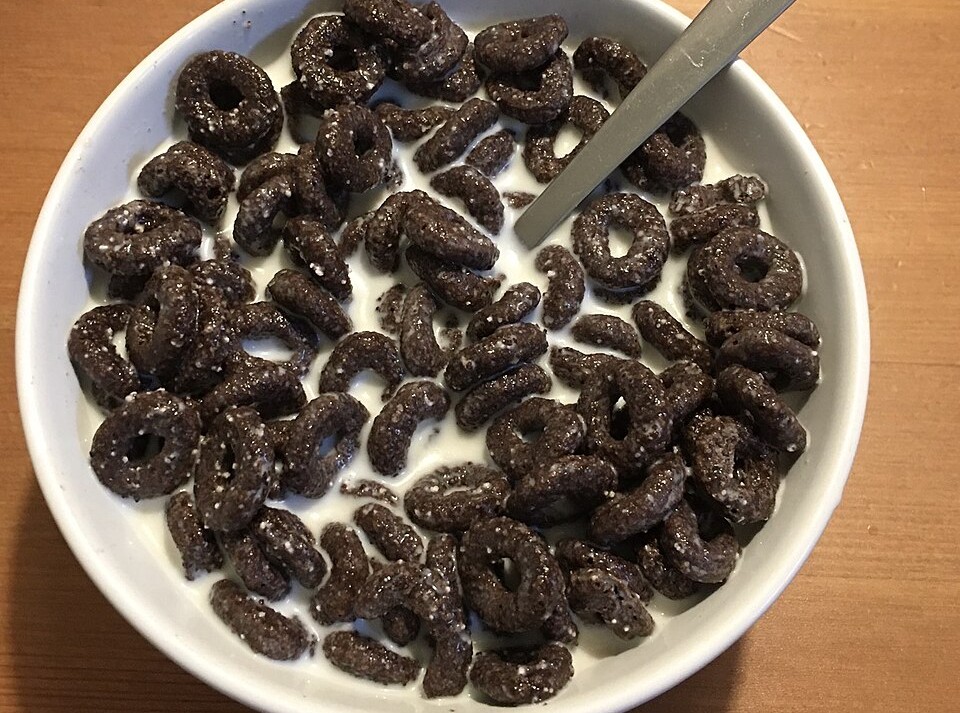
Oreo O’s first appeared in 1997, disappeared in 2007, returned in 2017, and were later replaced by Oreo Puffs in 2024. That sequence captures how quickly revived products can reenter the same replacement cycle that removed them in the first place, even after a successful nostalgia wave.
Even successful comebacks still compete for limited cereal space, and newer formats often promise fresher buzz with similar brand equity. For Gen Z, this is why snack nostalgia keeps looping. A return can feel like closure, then another redesign or swap reopens the conversation and restarts the longing all over again across social feeds daily.
Squeezit Ended In A Documented Portfolio Exit
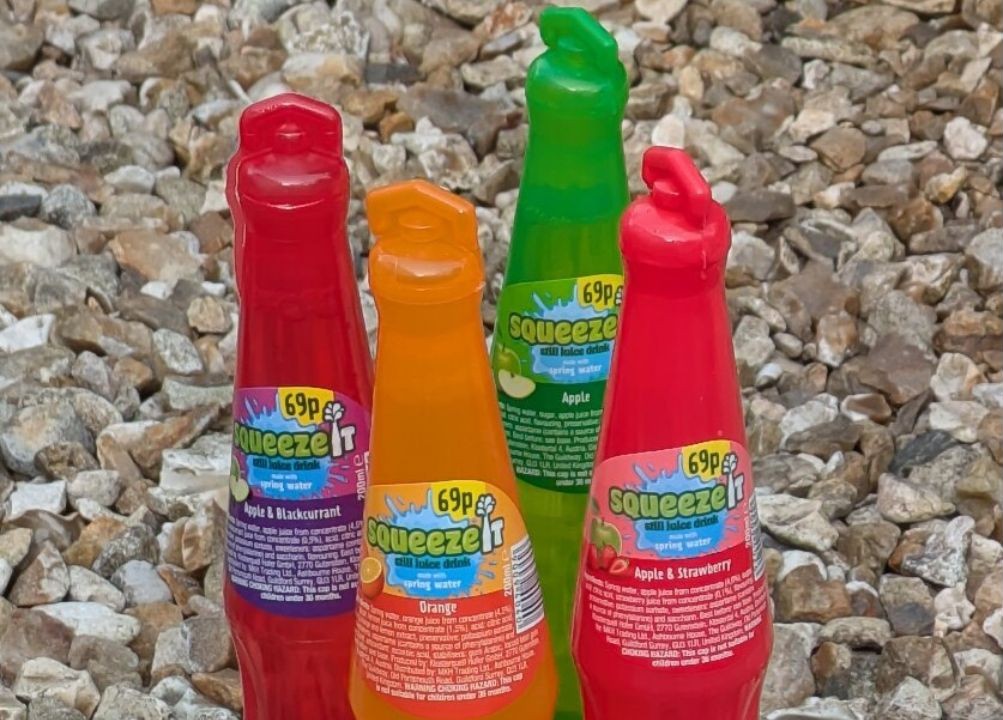
Squeezit was effectively exited when General Mills decided in fiscal 2001 to leave that beverage business. Unlike many rumor-heavy nostalgia stories, this one has a clear corporate paper trail tied to restructuring and asset disposal decisions recorded in company filings.
What keeps Squeezit relevant is not only flavor memory. It was a packaging idea that turned a simple drink into playground identity, and that kind of tactile branding is harder to replicate now. Its disappearance marked a shift from playful, character-heavy kid beverages toward categories built around cleaner, less theatrical signals and simpler choices.