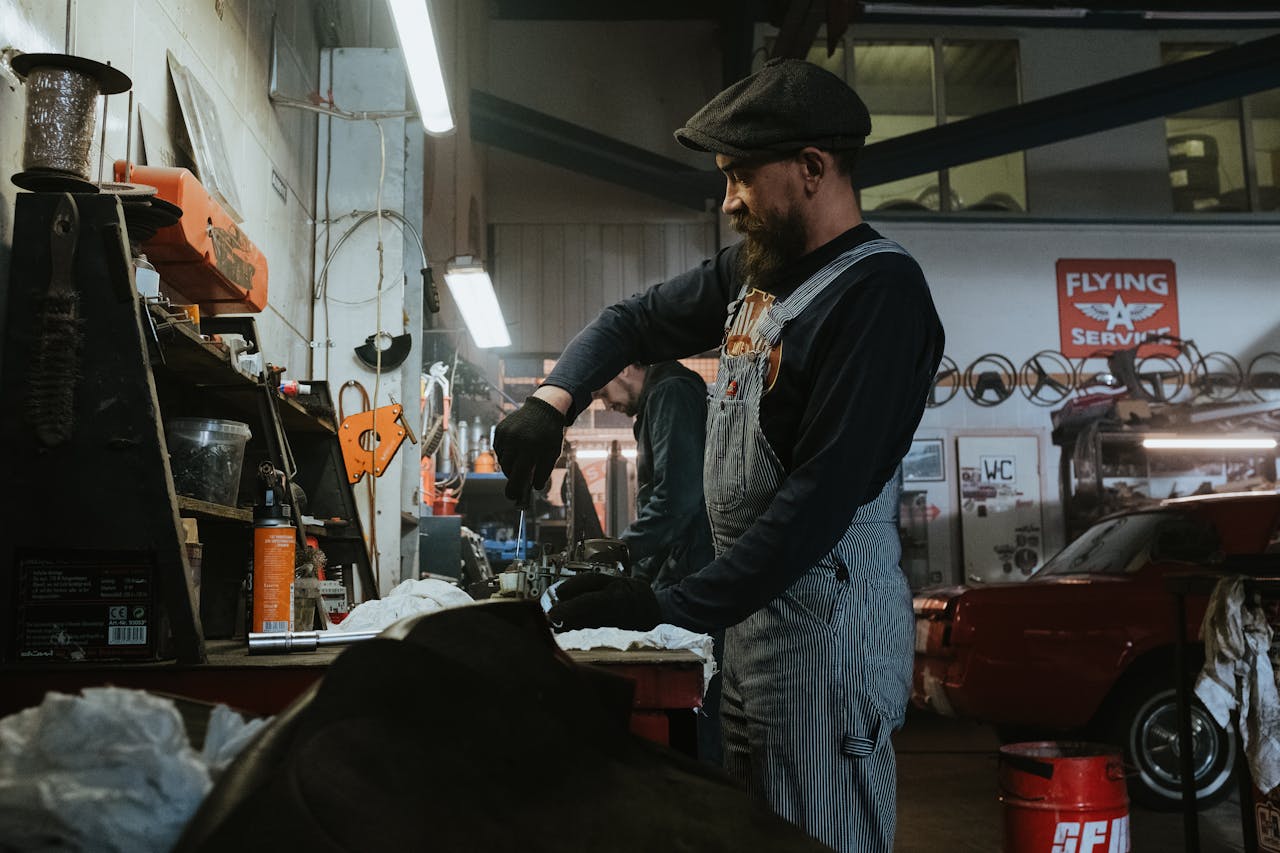
Garage cleanouts rarely look like opportunity at first glance. Most piles read as bent metal, faded labels, and boxes no one has opened in years. Flippers who win in this space are not guessing. They scan for maker marks, older materials, repairable mechanisms, and signs that original parts survived decades of use. The profit usually comes from construction quality, not surface condition. What one person drags to the curb can become a restorable tool, a collector part, or a design piece with real demand. In neighborhoods where estate sales, swap meets, and weekend curb pickups overlap, that trained eye keeps paying off.
Vintage Box Fans and Desk Fans
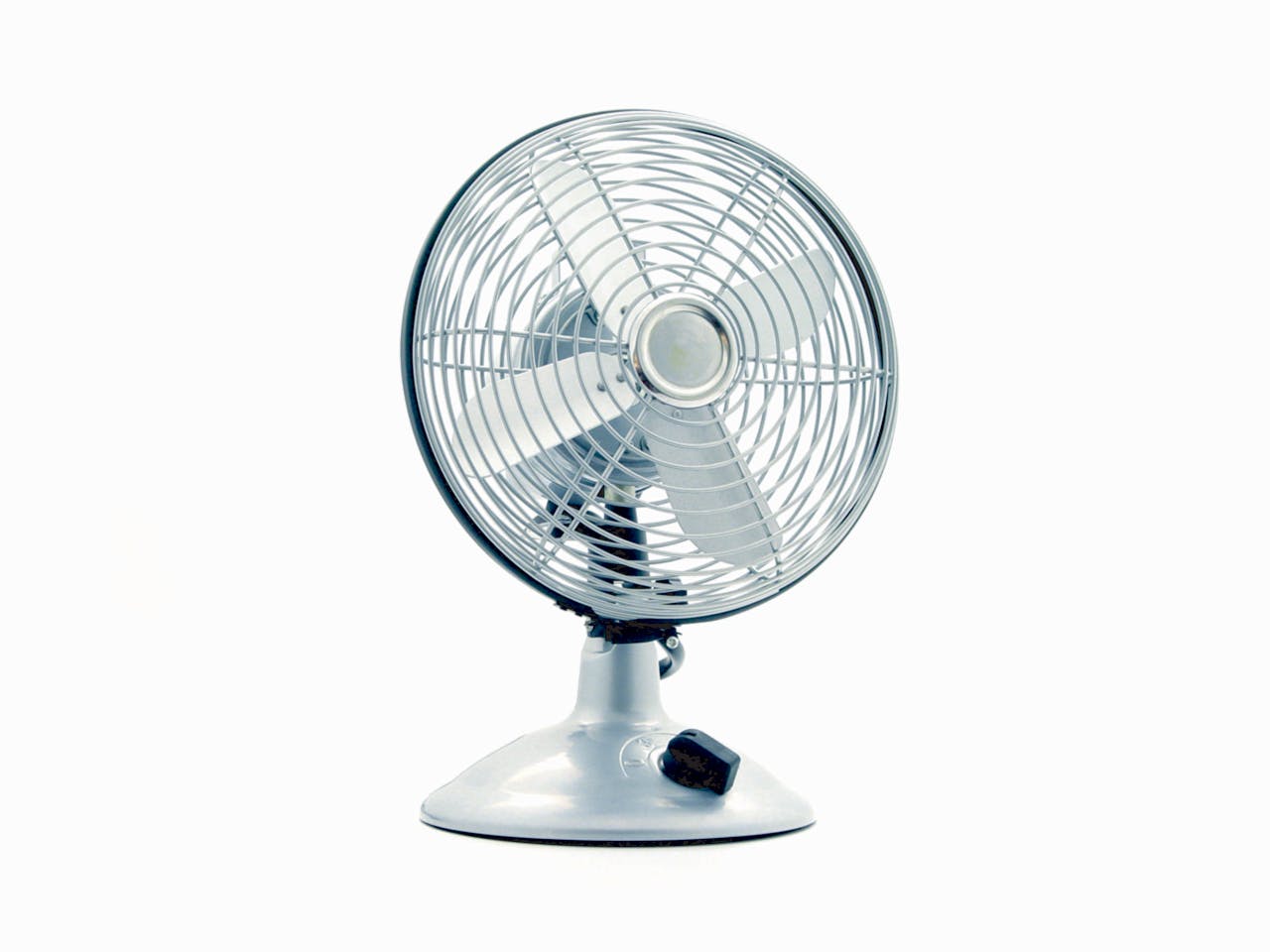
Old metal fans are easy to dismiss when cords crack and cages rust, but many mid-century models were built with cast parts, serviceable motors, and screws that allow safe restoration. That construction still matters to collectors and set designers who value form as much as function.
Flippers usually check badge plates, blade balance, and oscillator movement before buying. A fan that turns freely by hand and keeps its original grille has better upside than a shiny repaint. Original paint, even worn, can matter more than fresh gloss. Even nonworking units can sell for donor parts when switches, cages, and knobs match period builds.
Solid Wood Step Ladders
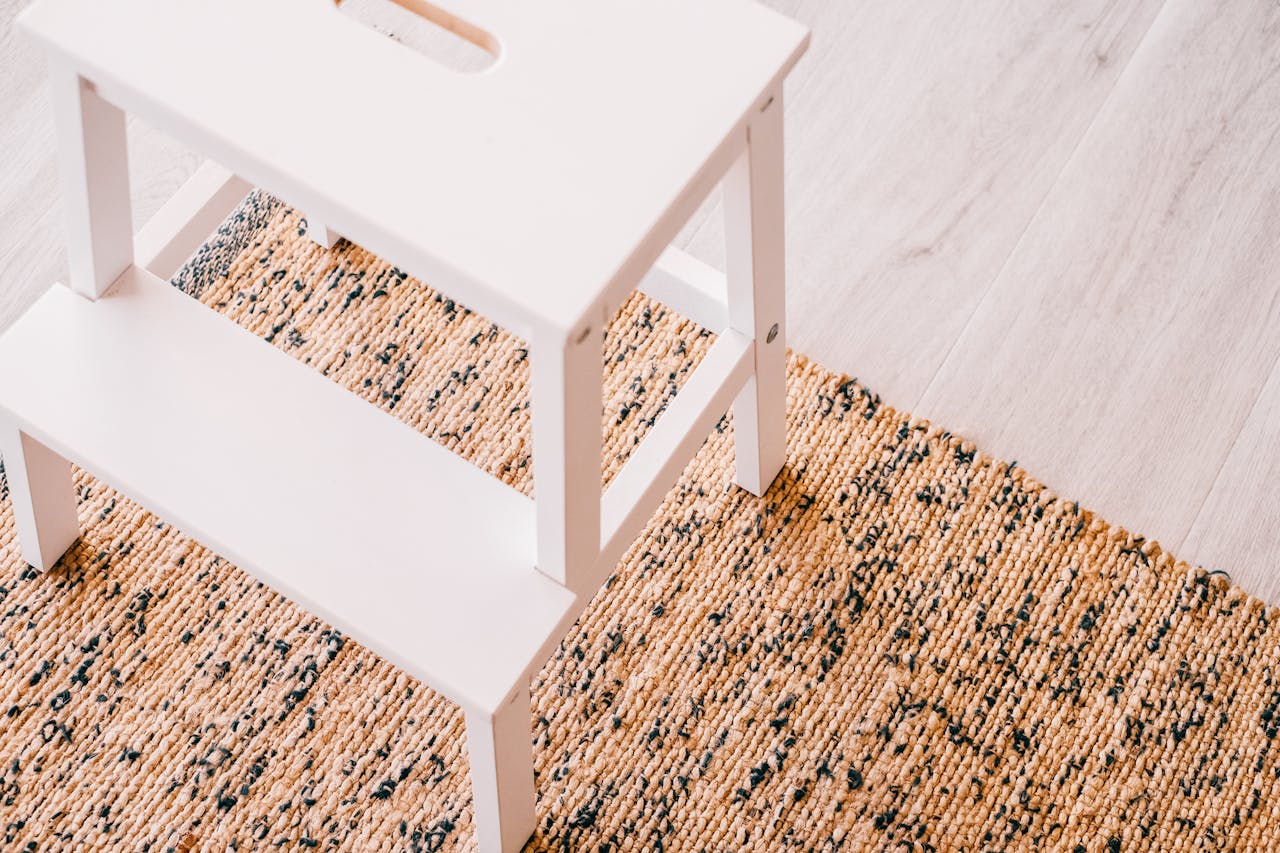
A scarred wooden ladder often looks like jobsite leftovers, yet older hardwood ladders carry a texture that decor buyers keep chasing. Paint flecks, rounded edges, and hand-cut joinery tell a story of use, and that visual honesty is hard to fake with mass-produced replicas.
Resellers inspect rails for bowing, probe rungs for hidden splits, and reject pieces with deep rot or insect damage. When the frame is stable, gentle sanding plus a clear seal preserves character without turning it sterile. Sound footings and intact spreaders raise value quickly. The result is a practical display piece that fits homes, boutiques, and photo sets.
Cast-Iron Bench Vises
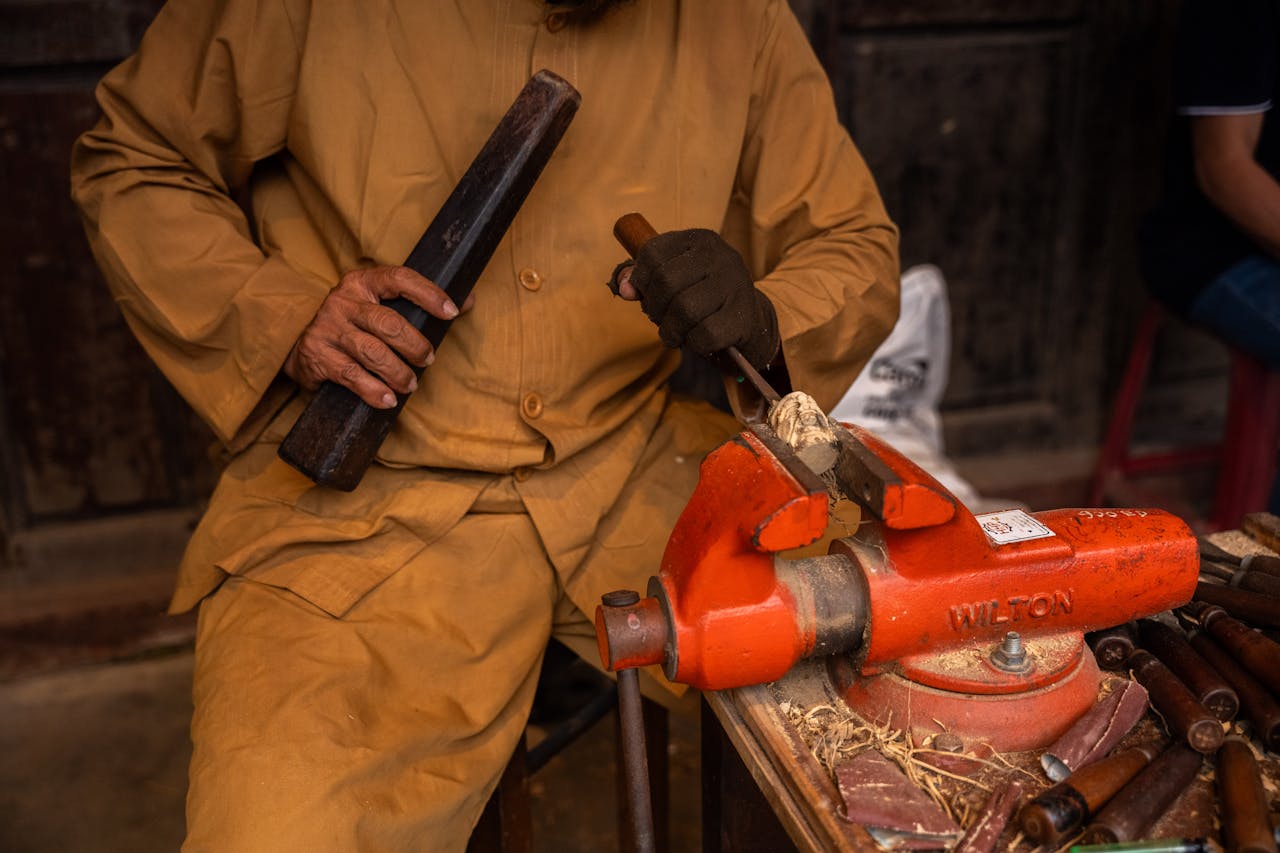
A heavy bench vise buried under oil and dust can look like scrap, but old cast-iron models from known makers still move well in secondary markets. They were designed to be rebuilt, and many parts remain available through tool communities that trade hardware, jaws, and handles.
Experienced buyers focus on structural basics first: no cracks in the body, clean jaw alignment, and a lead screw that still travels smoothly. Surface rust is usually manageable after careful cleaning. Broken castings are the real red flag. A complete vise with original handle and swivel base often attracts mechanics, woodworkers, and prop teams.
Enamel and Porcelain Advertising Signs
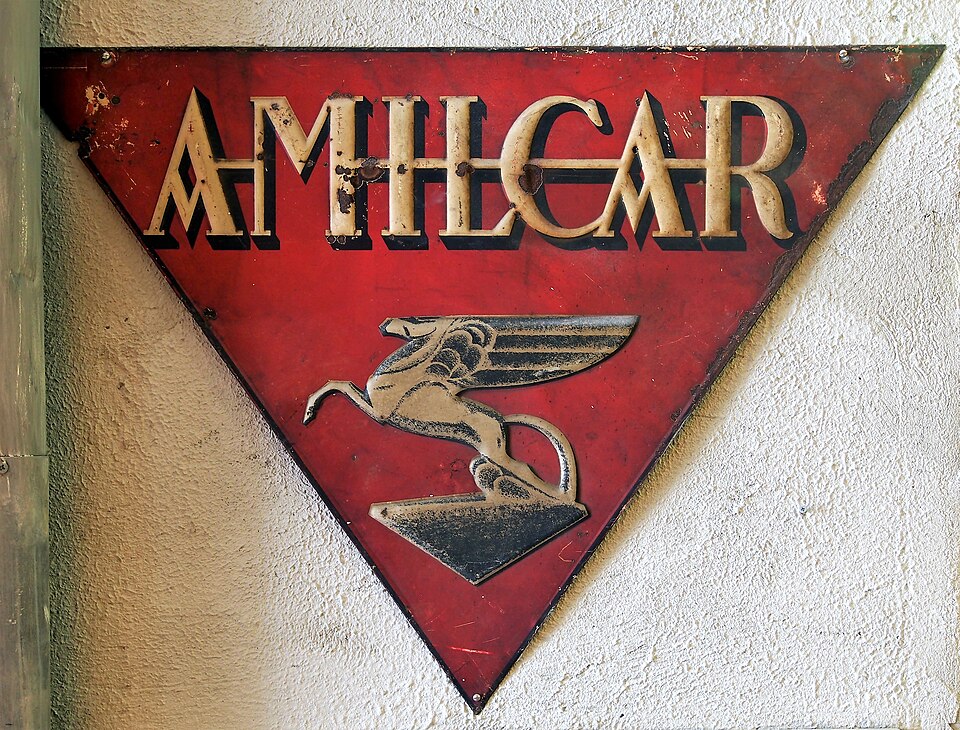
Chipped enamel signs can look finished, yet authentic porcelain pieces still hold strong collector interest because age marks often support authenticity instead of destroying it. Glaze depth, edge wear, and old mounting points create a surface history that modern reproductions struggle to imitate convincingly.
Flippers study typography, back construction, and maker stamps before pricing. Themes tied to fuel, soda, farm supply, or local hardware usually draw steady bids when origin details are plausible. Cleaning should stay light and careful, since aggressive restoration can flatten the patina buyers value in older signage.
Mid-Century Metal Toolboxes
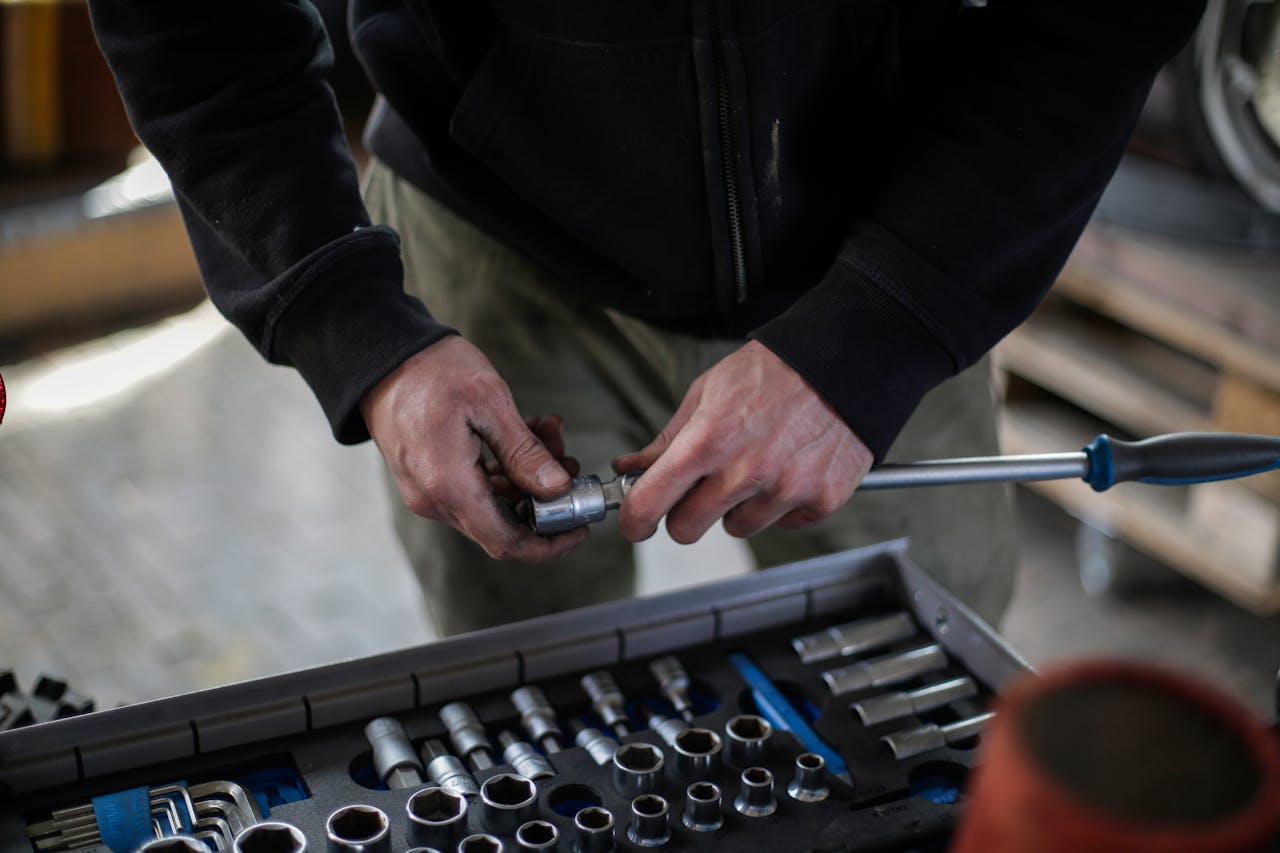
A dented metal toolbox may read as ordinary clutter, but many mid-century boxes now sell as storage decor because the shapes are clean, the colors are bold, and the hardware feels mechanical. They work in workshops, lofts, studios, and retail displays with little effort.
Resellers test hinges, tray rails, and latch tension before making an offer. Small dents and paint loss are usually acceptable, while twisted frames and severe rust-through cut value quickly. Original stamps and period finishes can lift demand, especially when the interior remains solid. After a careful clean, these pieces often sell to both makers and collectors.
Reel Push Lawn Mowers

Manual reel mowers often get written off as outdated yard gear, yet older models from respected brands still attract buyers who want repairable tools, vintage displays, or quiet small-lawn options. Their appeal comes from visible mechanics and durable frames, not disposable plastic shells.
Flippers check wheel tracking, handle integrity, and blade-cylinder rotation before hauling one home. Rust alone is rarely fatal if the frame is straight and the adjustment hardware still responds. With sharpening and lubrication, many units return to working order. Restored pieces move well because they photograph beautifully and store easily.
Branded Milk and Beverage Crates
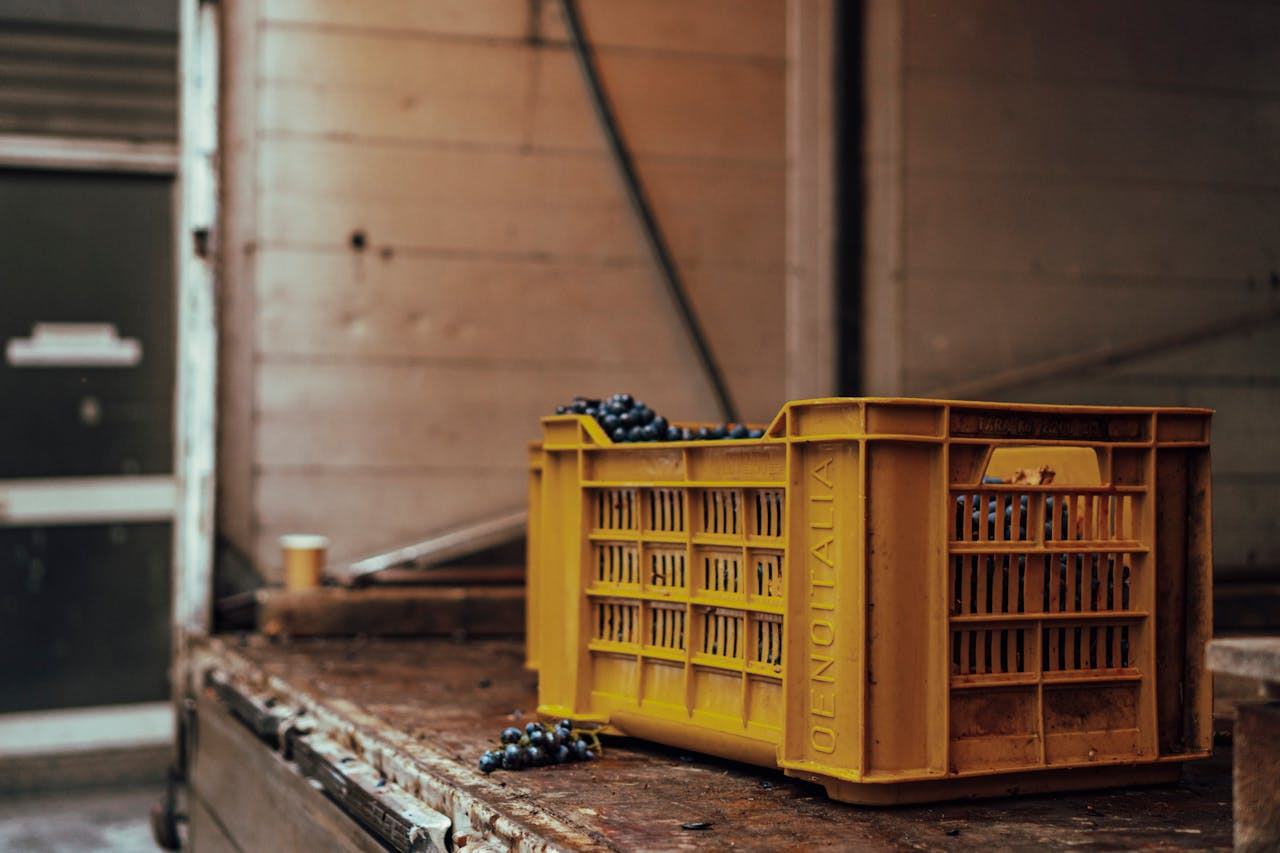
Old crates stacked in a garage can look like basic storage, but embossed dairy, soda, and brewery crates carry regional history that collectors and stylists actively seek. Logo typography, color aging, and molded marks can turn a simple box into a recognizable piece of local culture.
Flippers sort fast by stamp clarity, crack depth, and structural stability. Generic crates usually stay cheap, while clean branded examples and matched sets can command higher prices. Restaurants and event teams buy them for shelving and displays, and photographers use them for texture. Light washing helps, but heavy refinishing usually erases the charm.
Analog Test Gear and Tube Radios
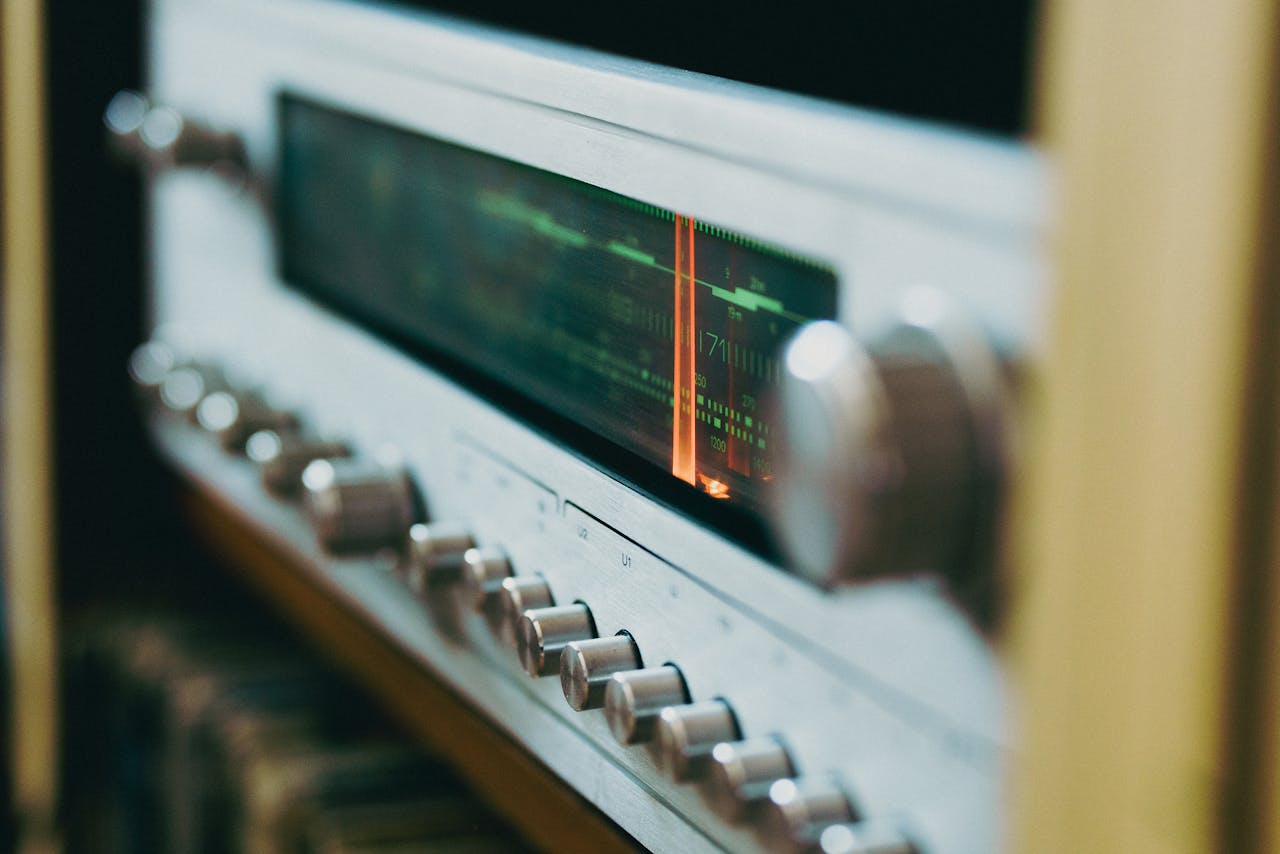
Dusty radios and old test meters are often treated as dead electronics, but many buyers value them for restoration, parts recovery, or period decor. Tube-era units from recognized brands remain desirable when faceplates, knobs, and dials are intact and original rather than swapped.
Resellers avoid blind power-ups on stored gear and inspect wiring, corrosion, and missing transformers first. Cosmetic integrity can carry value, especially for matching sets or complete fronts. Technicians purchase rebuild candidates, while creatives buy visual character for studios and sets. Honest condition notes and safe handling beat overpromising.