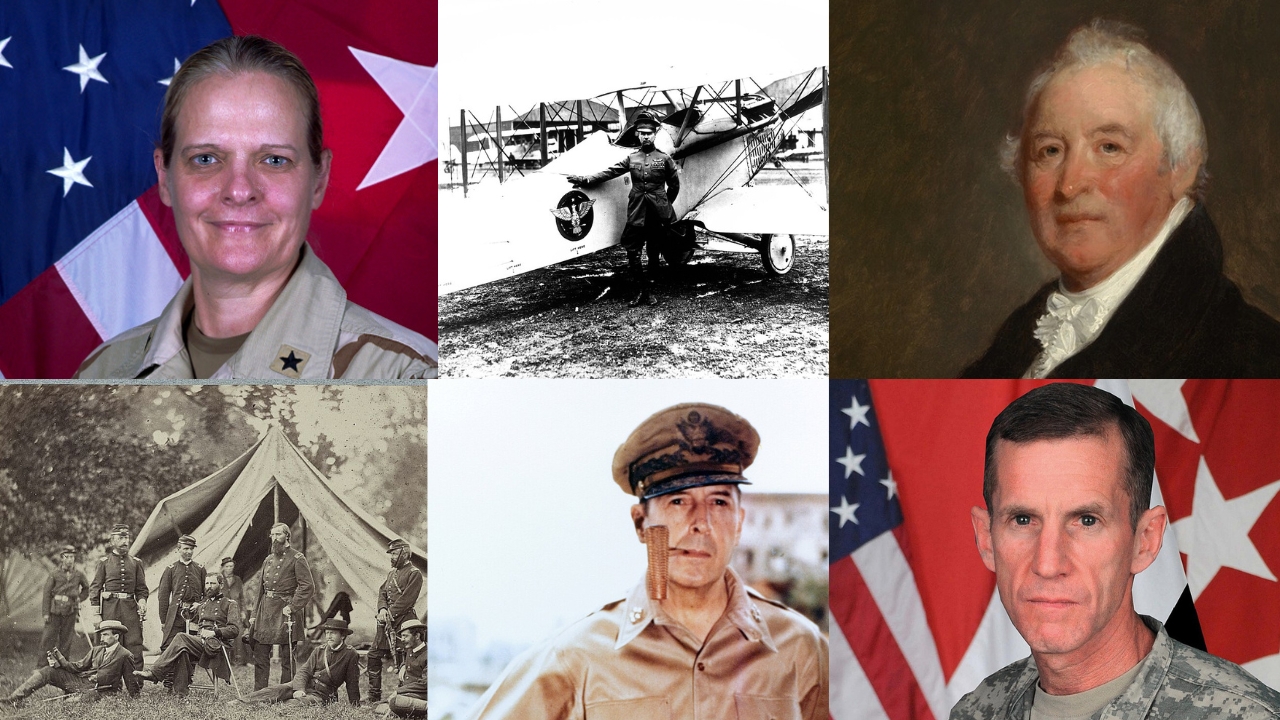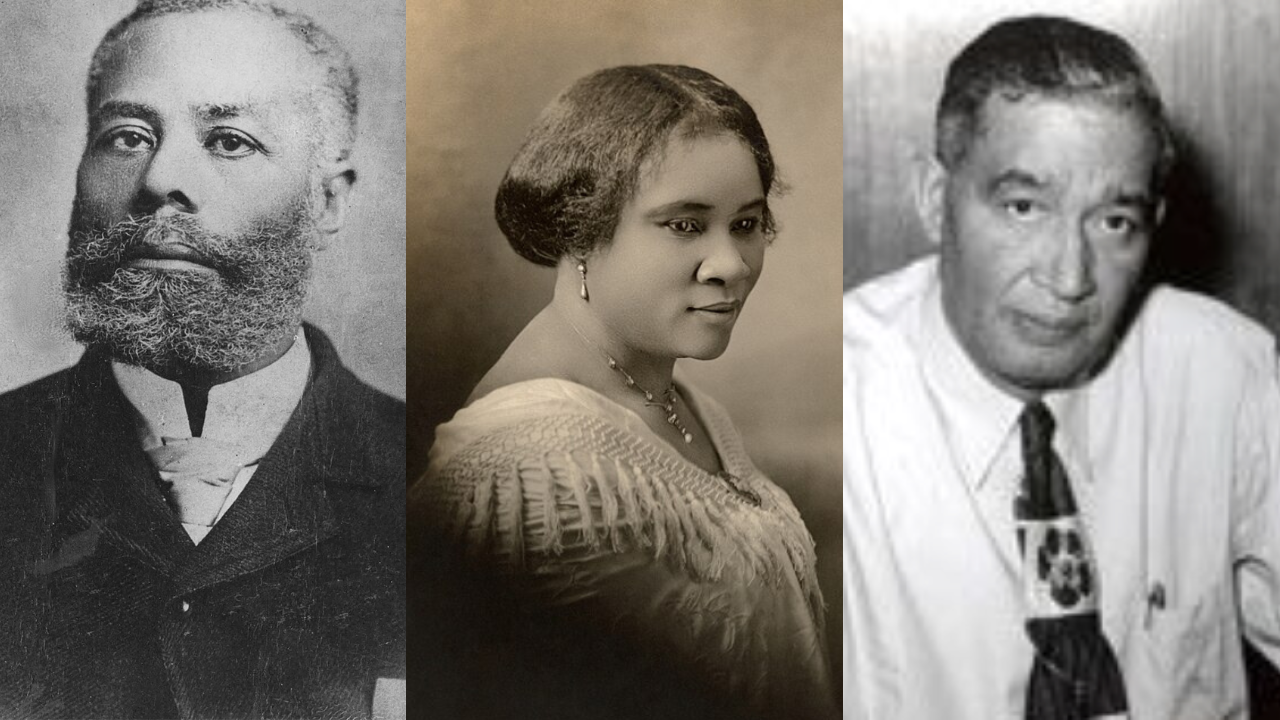
Everyday routines often look ordinary until the history behind them comes into view. A warm house in January, groceries that survive a long truck route, safer elevator rides, a quick cataract procedure, and a camera at the front door all trace back to Black inventors whose names are too rarely taught beside their breakthroughs. Some solved household frustrations, others answered life-and-death risks, and many built businesses in a country that denied them basic rights. Their inventions did more than fill patent ledgers; they reshaped how work, health, movement, and safety feel in daily life. Their impact remains clear.
Elijah McCoy Made Routine Home Tasks Less Awkward
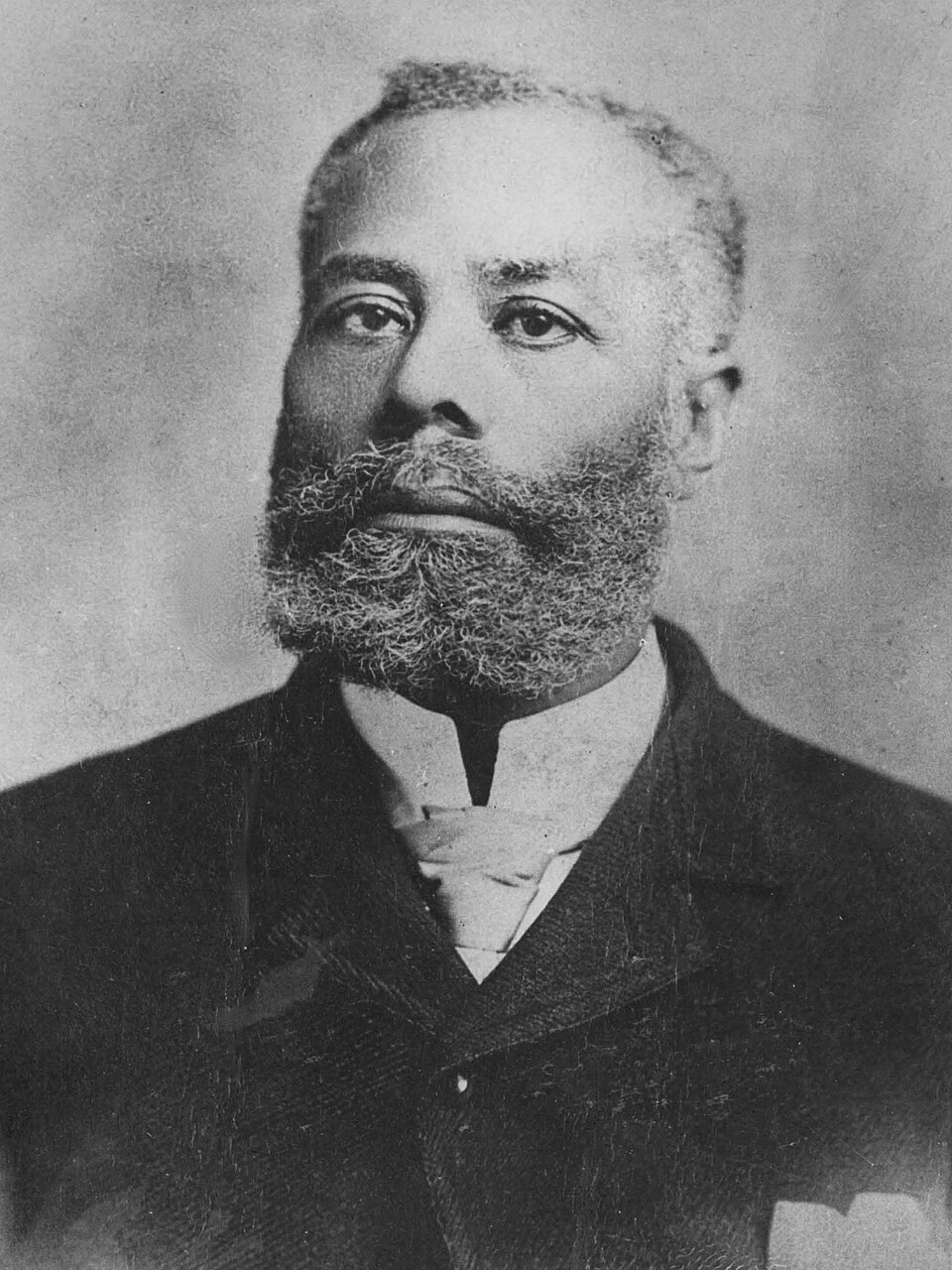
Elijah McCoy is best known for railway lubrication patents, yet home life also drew his attention. In May 1874, he patented an improved ironing table, and he later patented a lawn-sprinkler design. Both ideas were portable and aimed at reducing effort in ordinary tasks.
Stories often attach his name to the phrase the real McCoy, though historians treat that link cautiously. The clearer point is his output: more than 50 patents across rail systems and household tools. McCoy’s work narrowed the gap between labor and comfort, proving that small design shifts can save time and strain across generations. He preferred useful over flashy.
Alexander Miles Helped Make Elevators Safer By Default
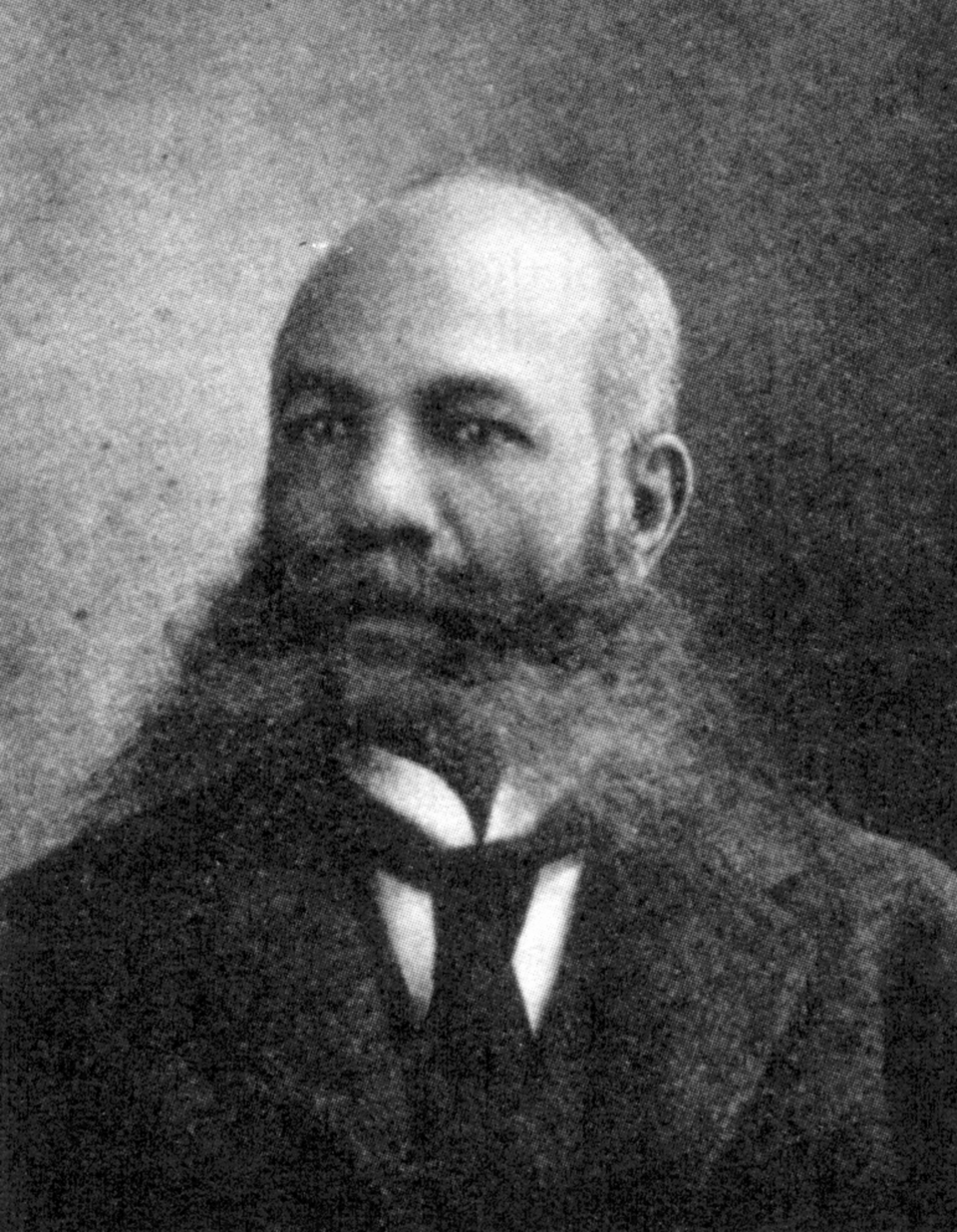
Alexander Miles received a patent in 1887 for a mechanism that coordinated elevator and shaft doors automatically. The patent was granted on Oct. 11, 1887, in the U.S. Before changes like his, many systems relied on manual door handling, which increased the risk of dangerous openings. He addressed a problem where convenience and safety collided.
As cities grew taller, elevator safety became core infrastructure. His design helped normalize the expectation that doors should sync by mechanism, not memory. The modern elevator ride, calm and uneventful by design, owes part of that reliability to engineering decisions Miles advanced.
Madam C.J. Walker Turned Hair Care Into Industry And Independence
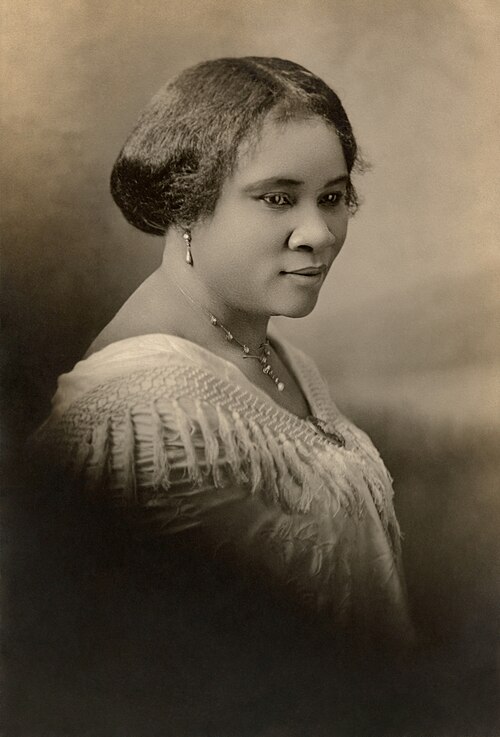
Madam C.J. Walker built a major beauty business after confronting hair and scalp issues that mainstream products ignored. By 1905 and 1906, she was developing and selling products for Black women, then expanding through trained sales agents and manufacturing. She turned unmet need into a national company.
Her rise was not only commercial. Walker created jobs, funded education and activism, and showed that Black women could lead large enterprises under hostile conditions. She is recognized as America’s first self-made woman millionaire. Her legacy still links beauty, entrepreneurship, and community advancement in one blueprint.
Garrett Morgan Designed Safety For Streets And Smoke-Filled Emergencies
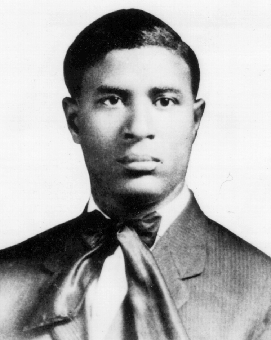
Garrett Morgan’s inventions followed a clear theme: prevent avoidable tragedy. His breathing device, patented in 1914, used a hood-and-tube system that helped users inhale cleaner air in smoke-filled spaces. He later patented a traffic signal in 1923 with an added warning phase for intersections.
Both inventions addressed moments when seconds matter and confusion costs lives. Morgan was also a successful entrepreneur who funded experimentation through earlier ventures. The enduring change is visible on two fronts of daily life: emergency response gear and the stop-caution-go rhythm that shapes modern traffic. Safety stayed central.
Frederick McKinley Jones Extended The Life Of Food In Transit
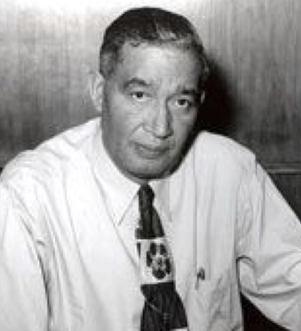
Frederick McKinley Jones transformed food logistics by building one of the first successful mobile refrigeration systems for transport. Before his work, perishables moved with ice and salt, limiting distance and reliability. Patents in the late 1930s and 1940 made refrigerated trucking dependable for long routes.
The shift changed grocery supply, restaurant chains, and military medicine. During World War II, similar technology helped move blood and medical supplies across distance. Jones’s engineering turned cold from a fixed place into a portable condition, reshaping what communities could buy, store, and preserve year-round.
Marie Van Brittan Brown Sketched The Blueprint For Home Security
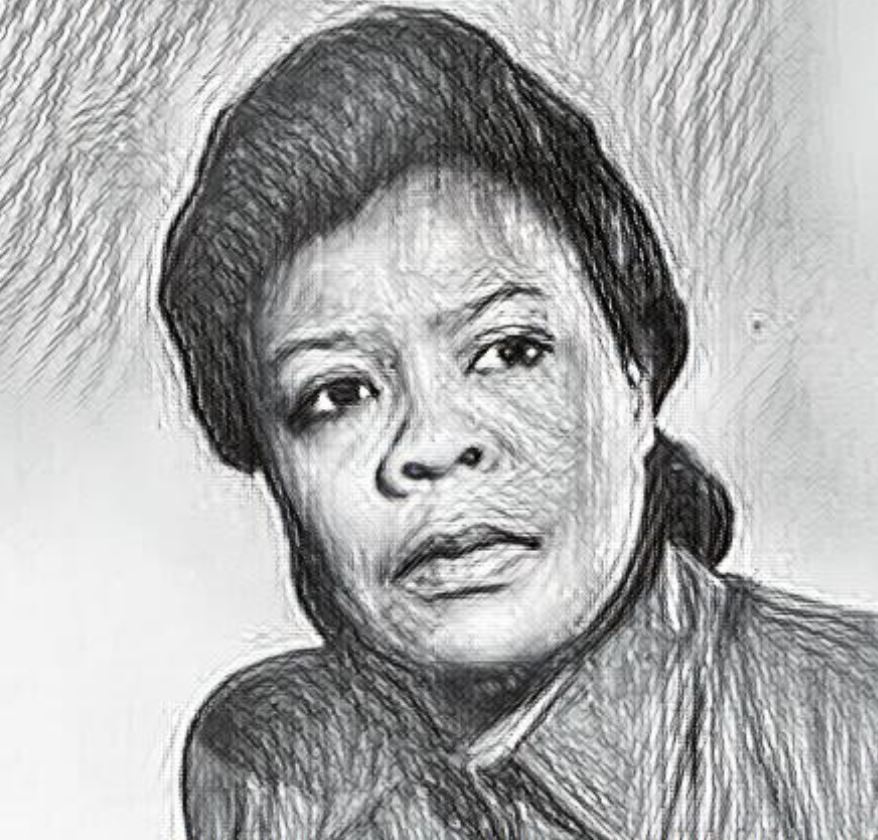
Marie Van Brittan Brown, a nurse in New York, responded to safety fears by designing an early home-security system. Her patent, granted in 1969 after a 1966 filing, described a camera, a monitor, two-way communication, and remote door-control features. The design joined observation and response in one setup.
That architecture now feels familiar in doorbell cameras and integrated security products. Brown’s goal was practical: improve safety without forcing residents to open the door blindly. Her work showed how lived experience can drive technical design, and how one household solution can grow into a consumer technology category.
Patricia Bath Changed Cataract Care With Laser Precision
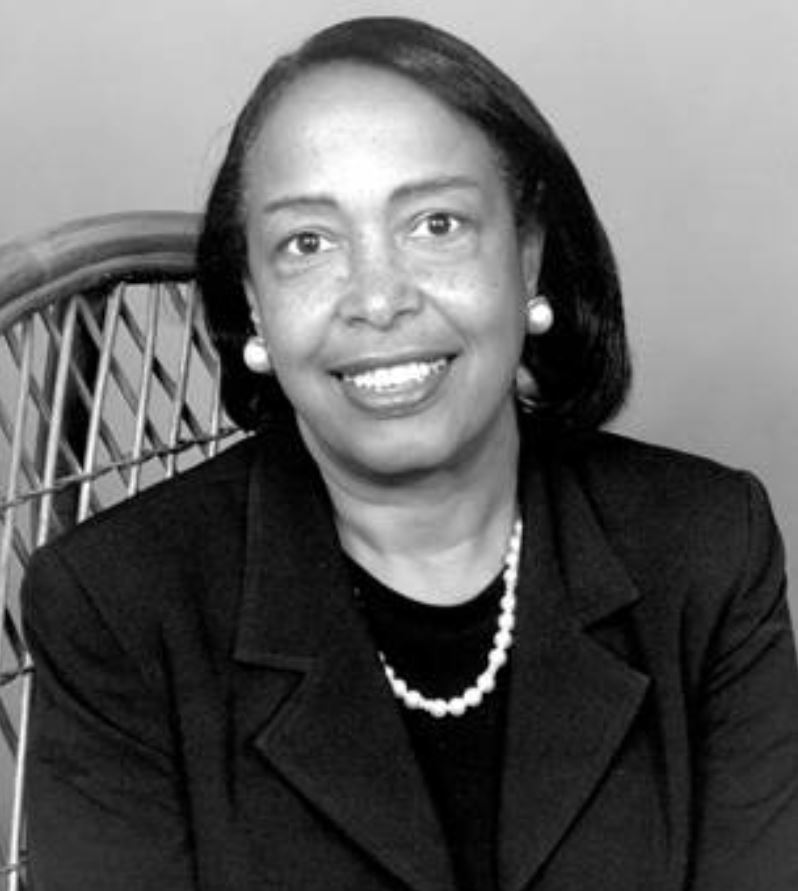
Dr. Patricia Bath advanced ophthalmology with the Laserphaco Probe, patented in 1988, after years of work on laser cataract treatment. The device supported precise cataract removal through a less invasive process and improved lens-replacement surgery. Her patent marked a historic first for a Black woman physician in medical invention.
Bath also framed eyesight as a public-rights issue, not a private luxury. That perspective shaped her clinical work, teaching, and advocacy for blindness prevention. The lasting change is both technical and human: stronger surgical capability, and a broader demand for equitable access to vision care.