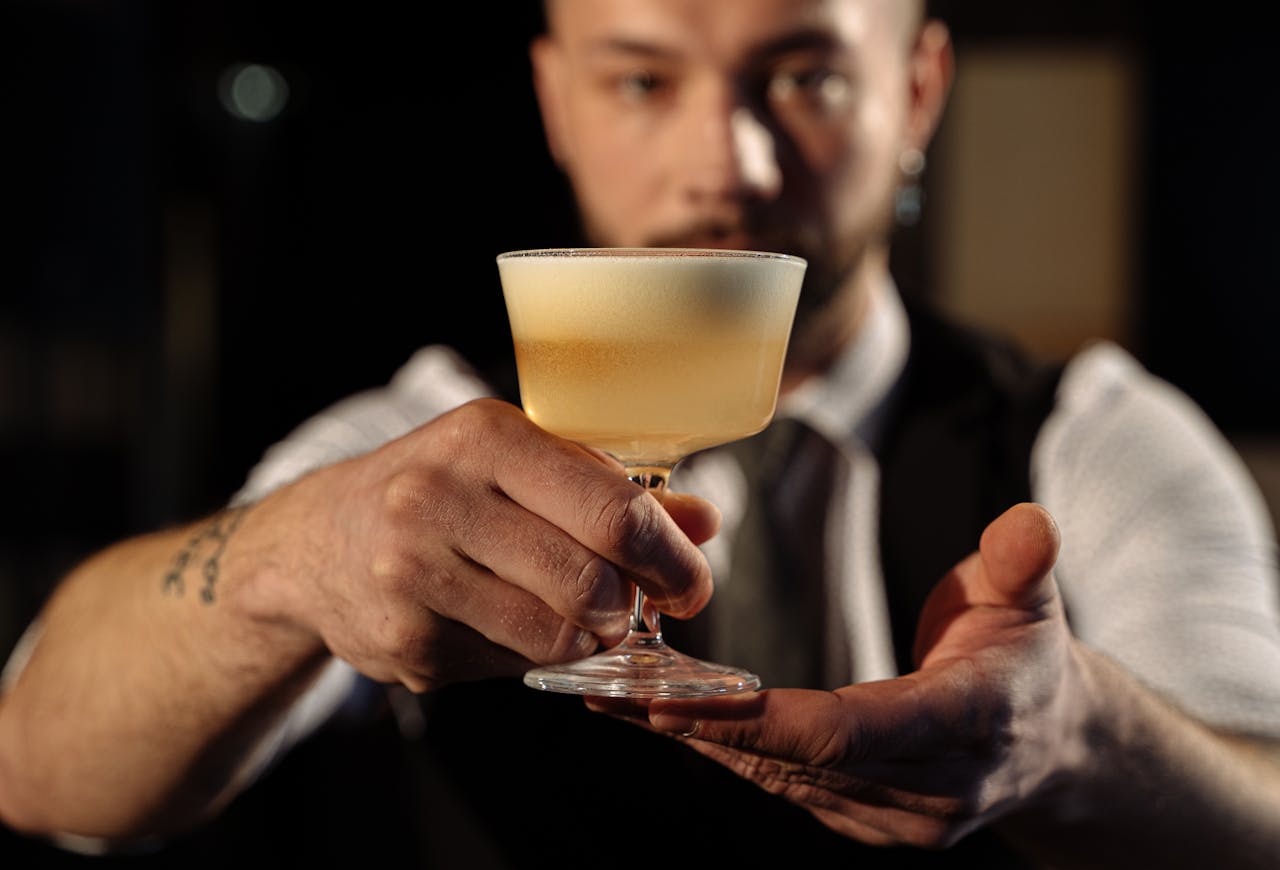
Across city lounges, wedding bars, and hotel rooftops, certain mixed drinks still function like social passwords. Many remain fixtures on the International Bartenders Association’s official cocktail categories, which keeps their prestige high even as taste drifts toward lighter pours.
People say the names with confidence, receive approving nods, and then meet flavors that feel heavier, sweeter, or more bitter than expected. These classics shaped bar culture, but modern orders are often driven by image, nostalgia, or group momentum rather than true craving. That gap explains many half-finished glasses.
Long Island Iced Tea
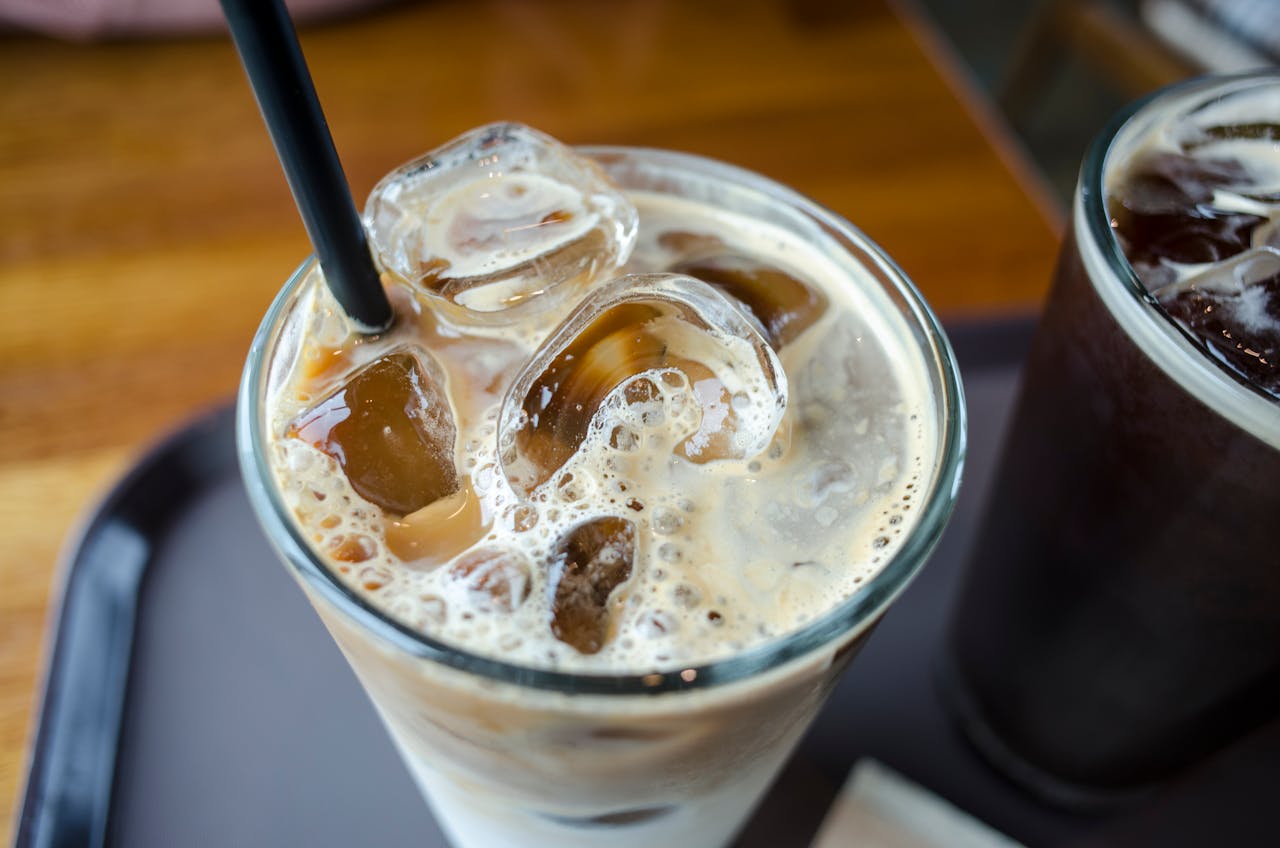
Long Island Iced Tea keeps its reputation because the name sounds playful while the build is anything but. The IBA version stacks vodka, tequila, white rum, gin, and Cointreau, then adds lemon juice, simple syrup, and cola. It reads less like a relaxed order and more like a dare on a menu, sold as fun.
At parties, people order it to project confidence, then sip slowly as dilution flattens everything into sweet fizz. A careful bartender can balance it, but many guests quietly want one clear flavor, not five competing in the same glass. The bravado often fades before the drink does, and the glass lingers.
Bloody Mary
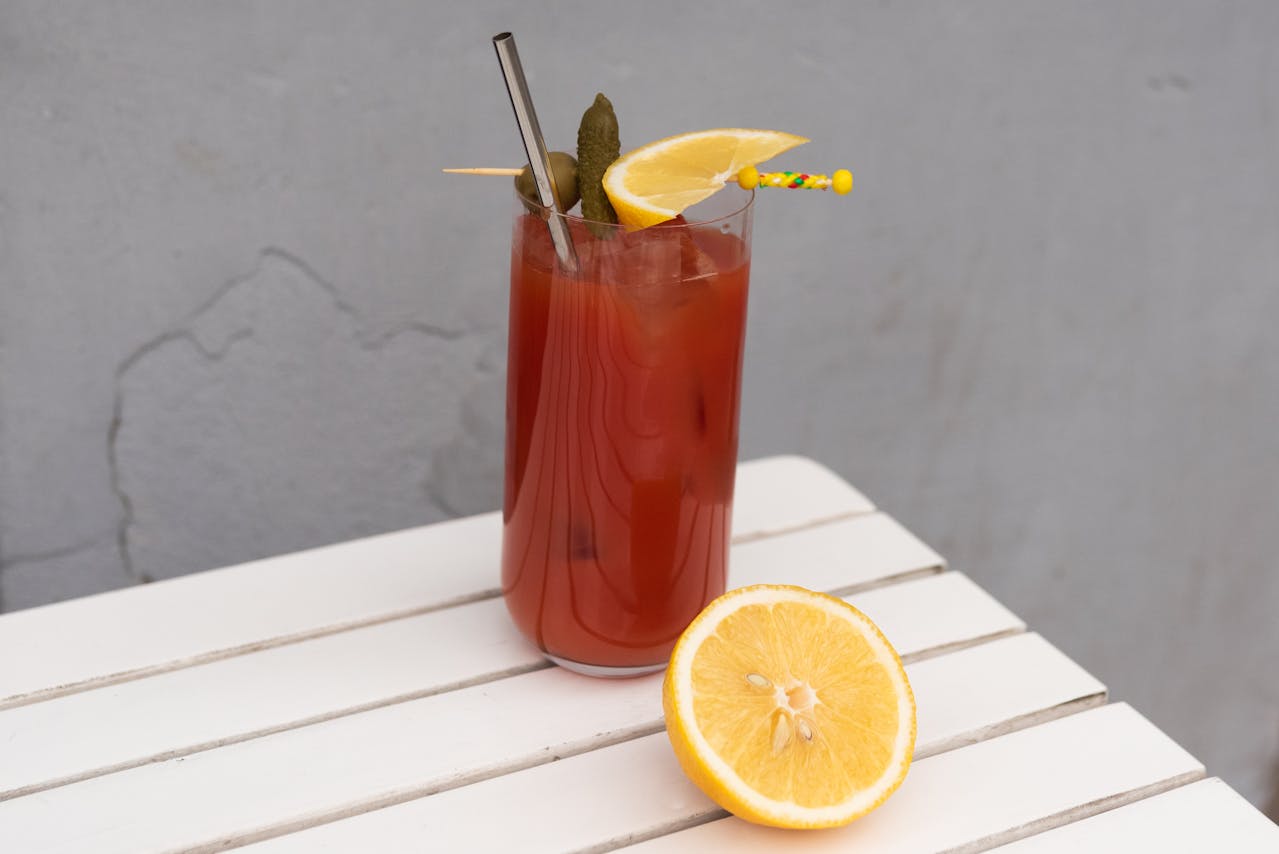
Bloody Mary has legendary brunch status, yet many orders are more performance than craving. The IBA build is vodka with tomato juice, lemon juice, Worcestershire sauce, and seasoning such as Tabasco, celery salt, and pepper. On paper it sounds savory and grown-up, but in practice it can land heavy, salty, and tiring before noon, even with food.
People still ask for it to look decisive at the table, especially in groups where everyone is pretending to be fully awake. One good version can be excellent, but too many arrive muddy or over-spiced. The idea of the drink often tastes better than the drink.
Dry Martini
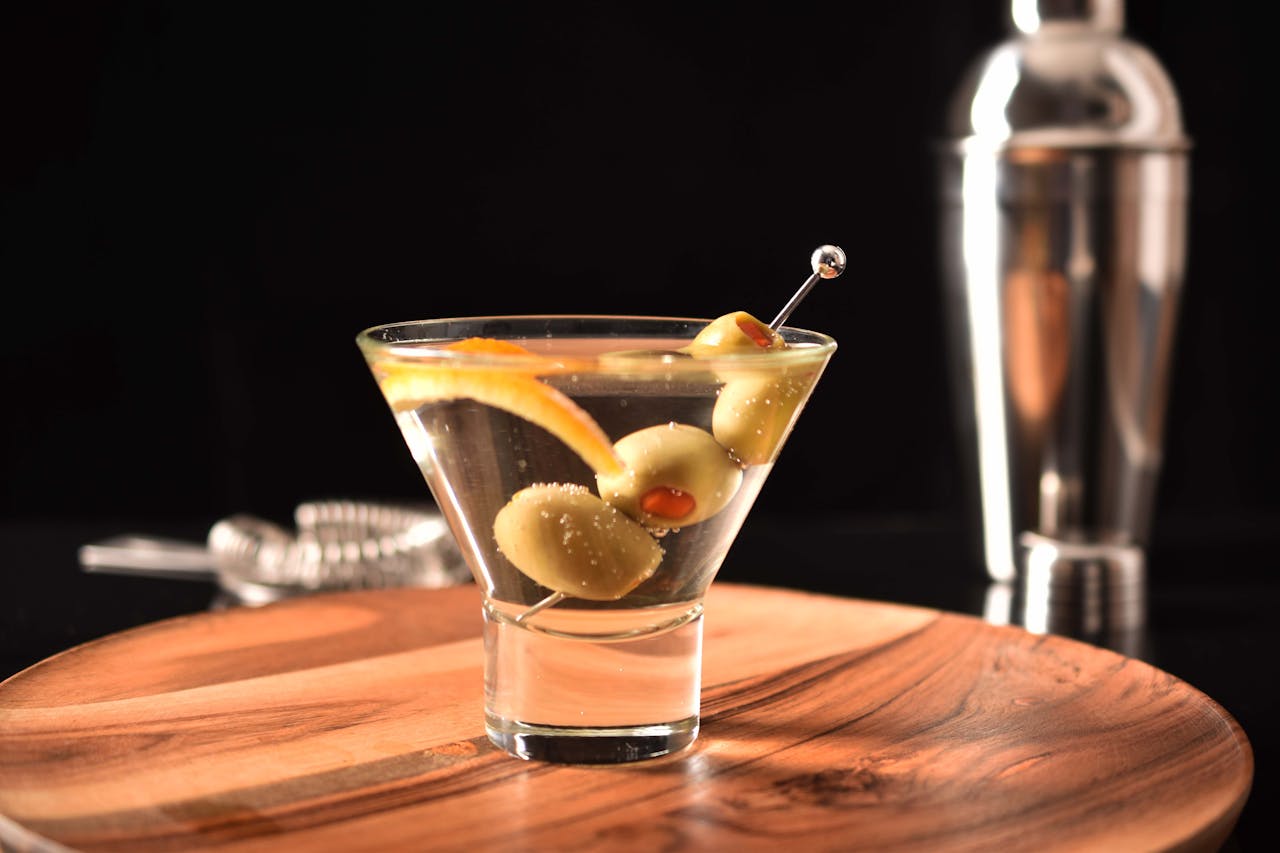
Dry Martini carries a polished aura that makes many people order it before deciding whether they even enjoy it. The IBA formula is stark: gin with dry vermouth, stirred and served cold, with lemon oil or olives by request. That minimalism is elegant, but it also leaves nowhere to hide if the palate does not enjoy bitterness and sharp botanicals.
At formal bars, the glass itself can pressure the choice. Guests hold it like a badge, take careful sips, and keep chatting while the drink warms and tastes even drier. Respect for the classic remains high, yet genuine desire is often lower than the posture around it.
Old Fashioned
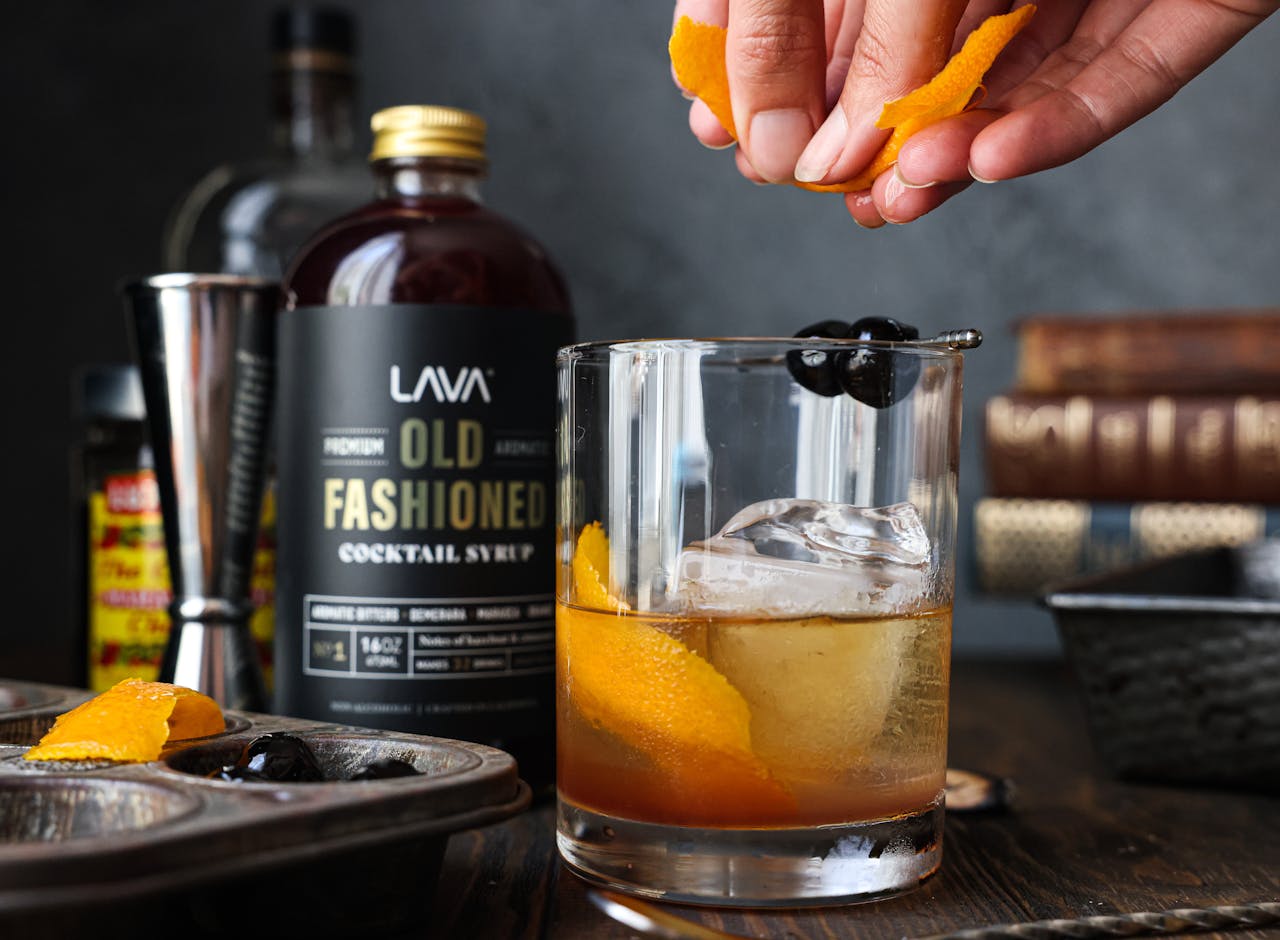
Old Fashioned is treated like universal proof of good taste, but it is not universal in pleasure. IBA’s template is whiskey with a sugar cube, Angostura bitters, and a little water, stirred over ice after muddling. When measured well, it is deep and balanced; when rushed, it turns woody, sweet, and oddly flat by mid-glass.
Many people order it because the name feels safe in any bar. Then comes the slow realization that spirit-forward drinks ask for patience, not small talk and quick music. Admiration for its history is deserved, yet plenty of modern drinkers would rather have something brighter and less stern.
Manhattan
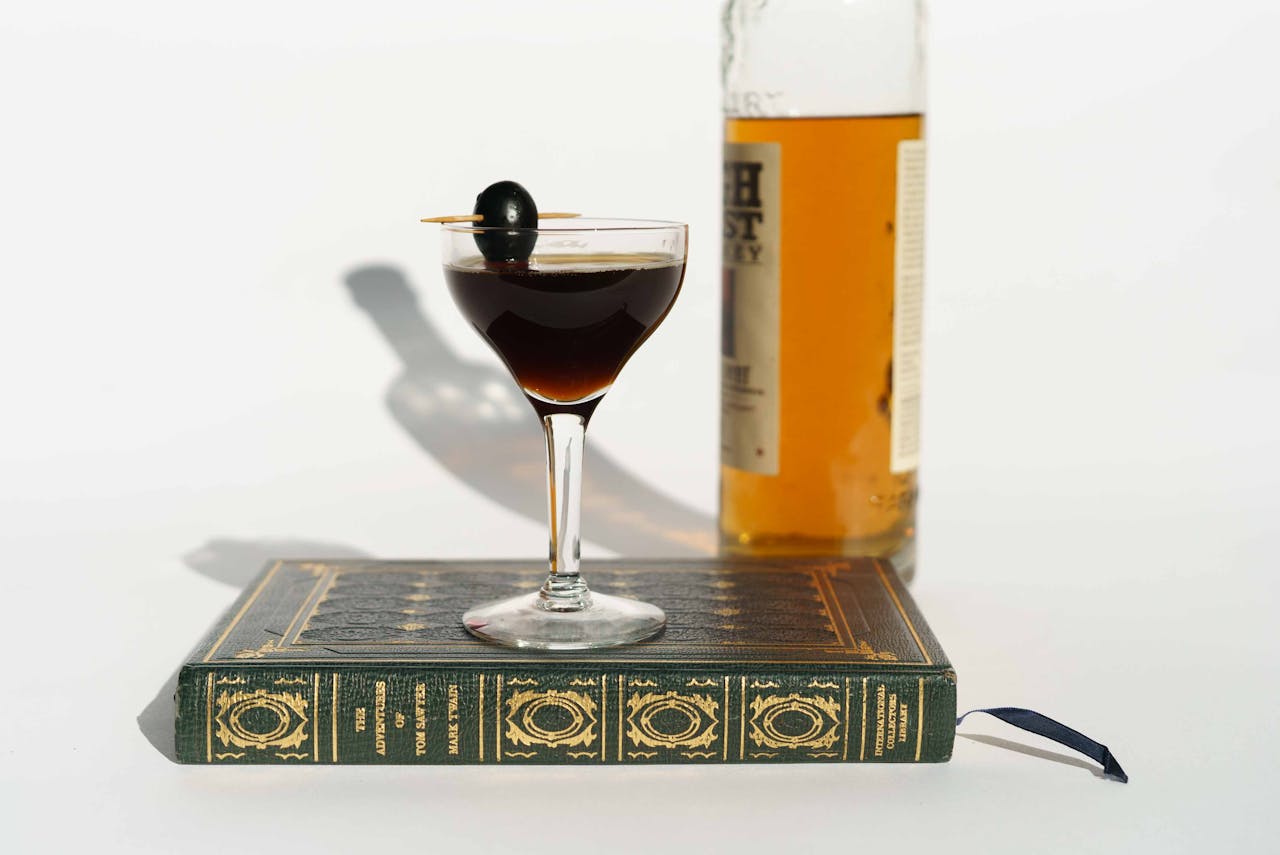
Manhattan sounds effortless in conversation, almost like a password for serious drinkers. The IBA spec is rye whiskey, sweet red vermouth, and a dash of Angostura bitters, stirred and finished with a cocktail cherry. That balance can be beautiful, but it depends heavily on temperature and dilution, so weak execution shows immediately.
In settings, many guests choose it for image, then discover it drinks heavier than expected, especially before dinner. The sweetness from vermouth can feel plush for one sip and tiring by the last. It remains a benchmark classic, though it is often respected more than truly wanted.
Sidecar
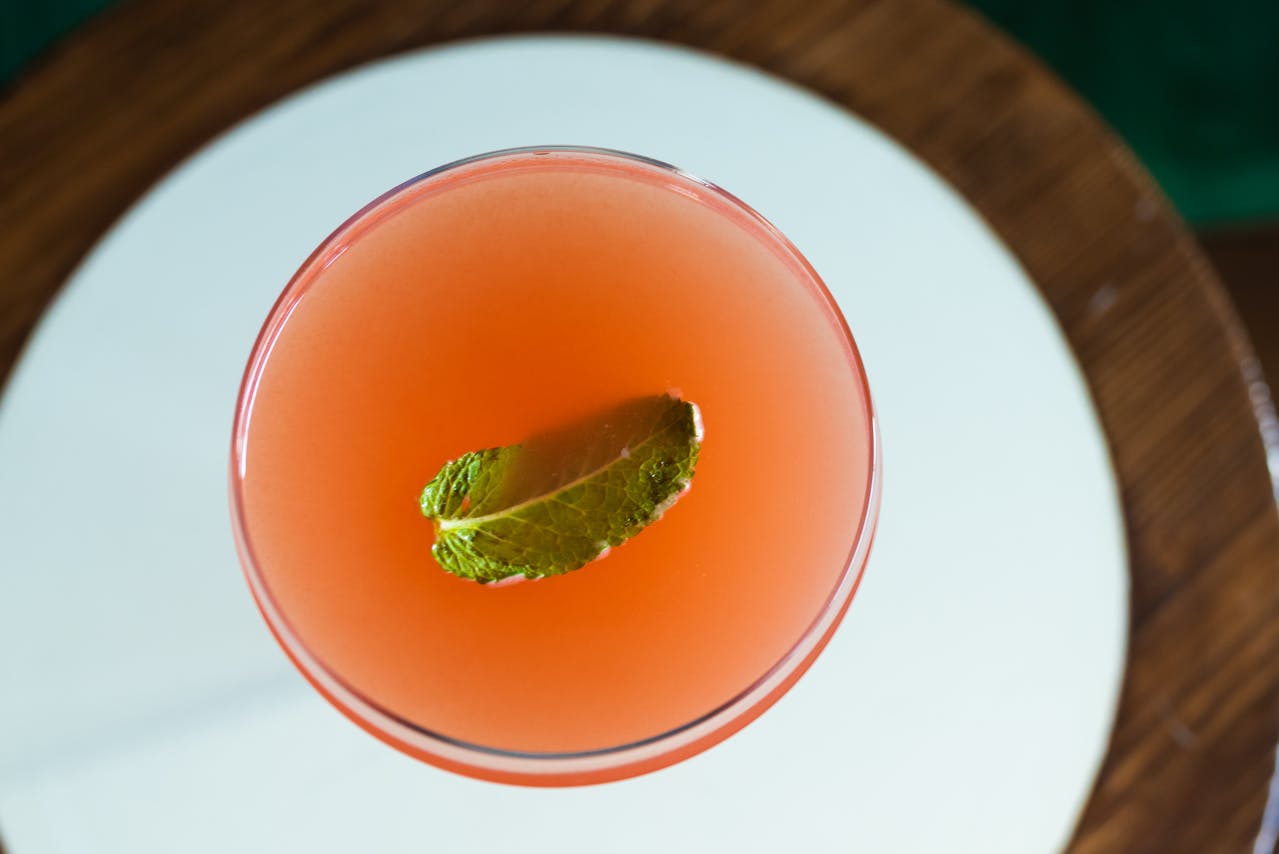
Sidecar still appears on menus as a badge of old-school sophistication. IBA frames it simply: Cognac, triple sec, and fresh lemon juice, shaken and served cold. In the right ratio it is crisp and graceful, but tiny shifts make it either aggressively tart or candy-sweet, which is why many versions miss the landing.
People order it because the name sounds elegant and familiar from films, not because it is their honest first choice. The first sip can charm, then fatigue arrives as citrus and liqueur stack up. It is a classic worth knowing, yet it often performs better in memory than in a full glass overall.
Piña Colada
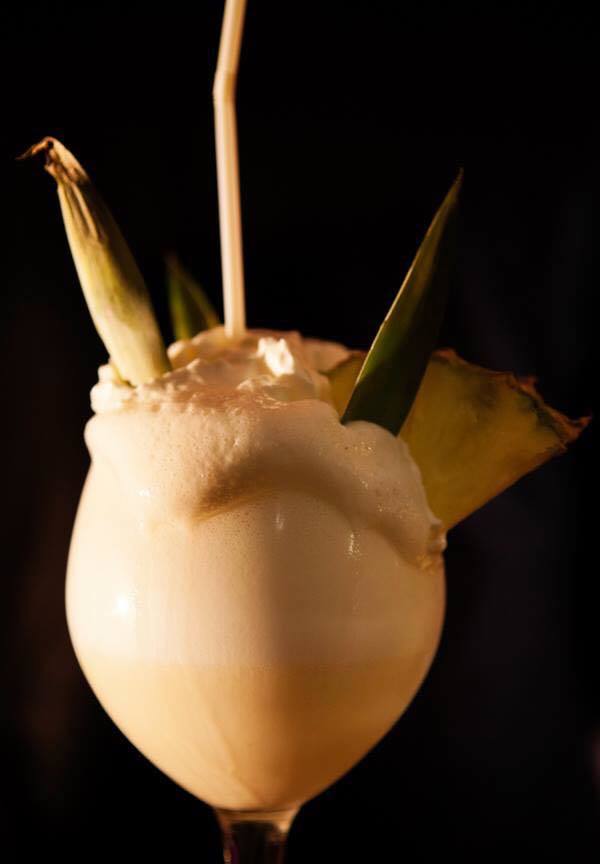
Piña Colada promises vacation comfort, and that promise is exactly why many people over-order it. IBA lists white rum, coconut cream, and fresh pineapple juice, blended with ice into a rich, sweet texture. The flavor is friendly at first sip, yet the density can become cloying fast, especially when meals or heat are already heavy.
It keeps selling because it photographs well and signals a carefree mood in one glance. But plenty of glasses are left half-finished once sugar and cream settle on the palate. Nostalgia carries the drink farther than appetite and the second round is often replaced by something lighter.
Tequila Sunrise
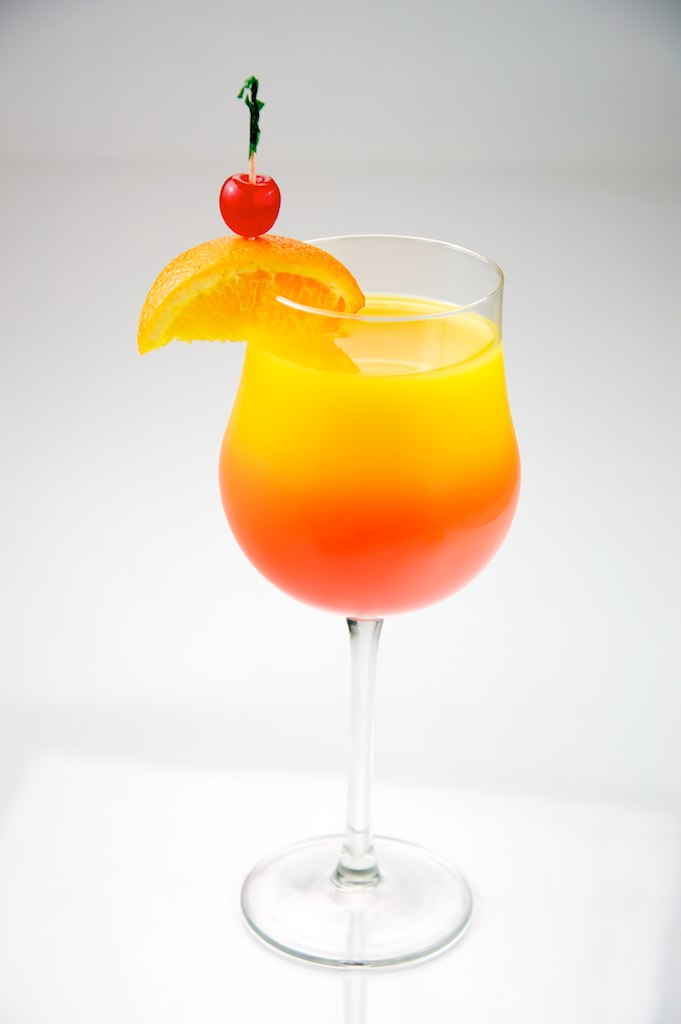
Tequila Sunrise survives on looks more than demand, and bars know it. The IBA recipe is straightforward: tequila with fresh orange juice, then grenadine added for the layered sunrise effect, often with orange garnish. Visually it wins every time, but sweetness pools at the bottom and balance depends on how quickly the glass is stirred.
People order it for color and nostalgia, especially where playlists and lighting lean retro. The first sip can feel playful, then the sugar curve gets steep as the drink settles. It remains a cheerful classic, but many palates now prefer citrus drinks with cleaner, drier finishes.
Whiskey Sour
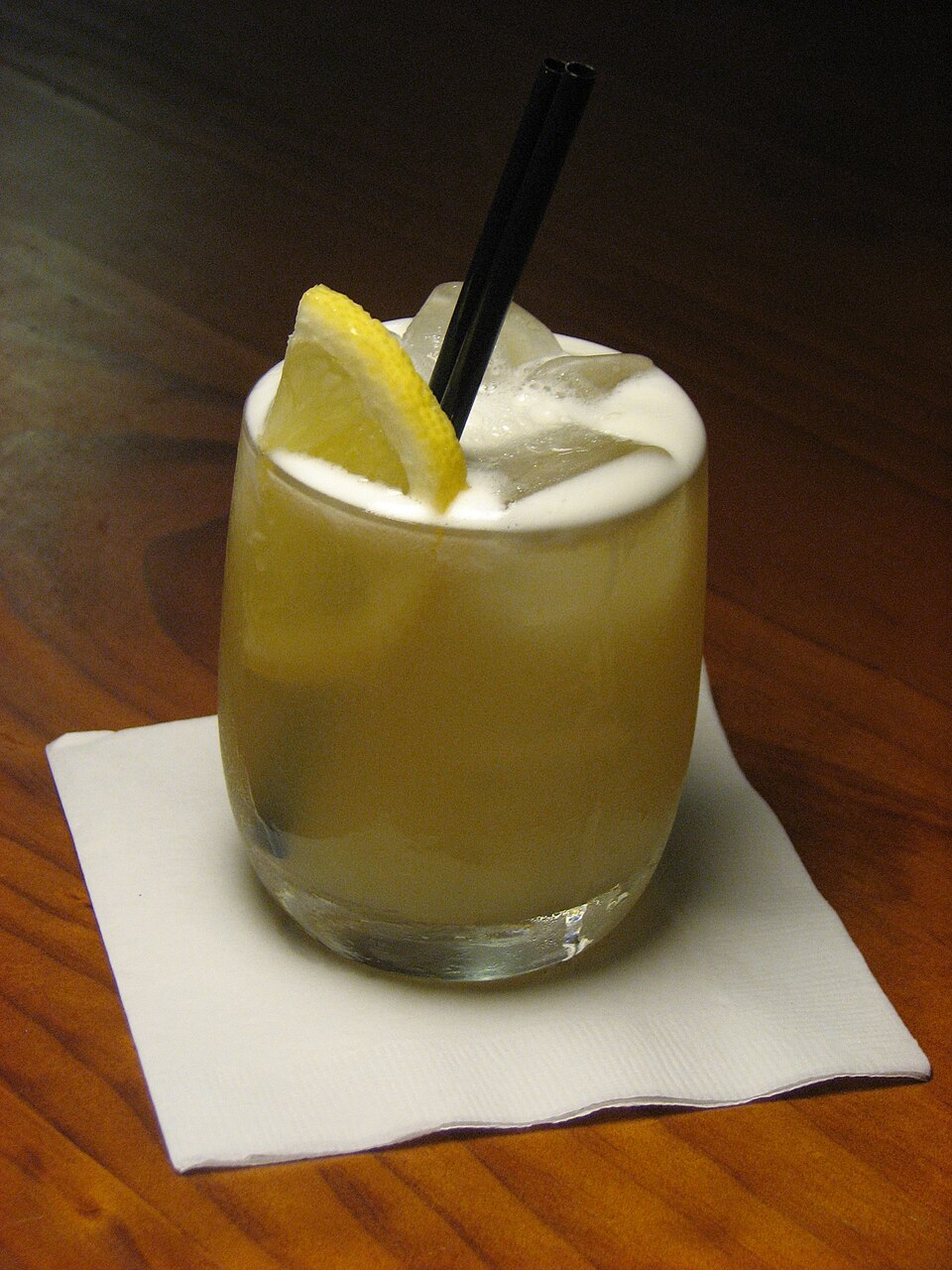
Whiskey Sour sounds like an easy crowd-pleaser, yet it is one of the most inconsistent classics in practice. IBA specifies bourbon whiskey, fresh lemon juice, sugar syrup, and optional egg white, a structure that can be bright and silky when handled well. When shortcuts appear, it slips into sharp acid or thin sweetness with little middle ground.
Because the name feels familiar, many people order it without asking how the bar builds sours. The result can be excellent or forgettable. Respect for the template remains strong, but guests often prefer cleaner highballs that demand less precision and less risk.
Negroni
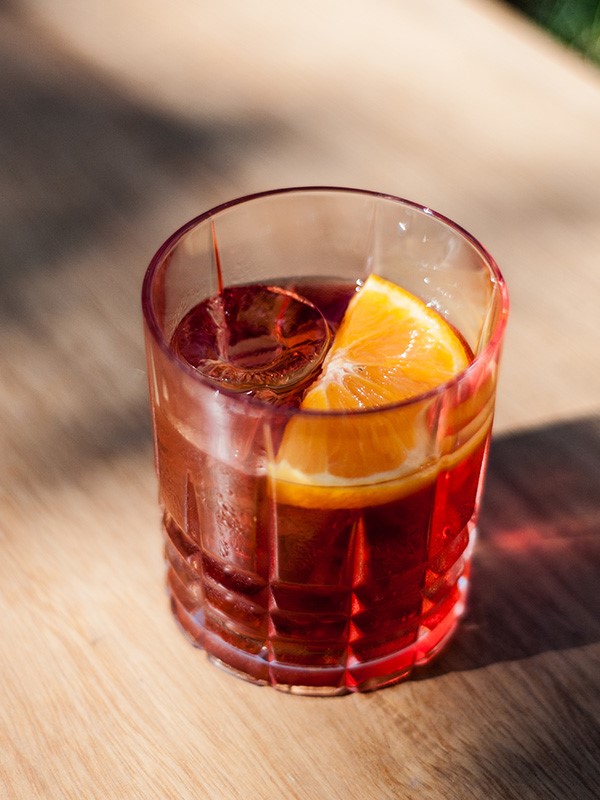
Negroni may be the most admired drink that many people do not truly enjoy finishing. IBA defines it as equal parts gin, Campari, and sweet red vermouth, stirred over ice and garnished with orange. The formula is famous for balance, but the bitter profile can feel severe for palates raised on softer, fruit-forward cocktails.
It is ordered to signal confidence in bitter flavors, especially in trend-conscious rooms. Then the glass often moves slowly while conversation does the heavy lifting. For devoted fans, it is perfect. For everyone else, it can feel like homework served in a beautiful tumbler at times.