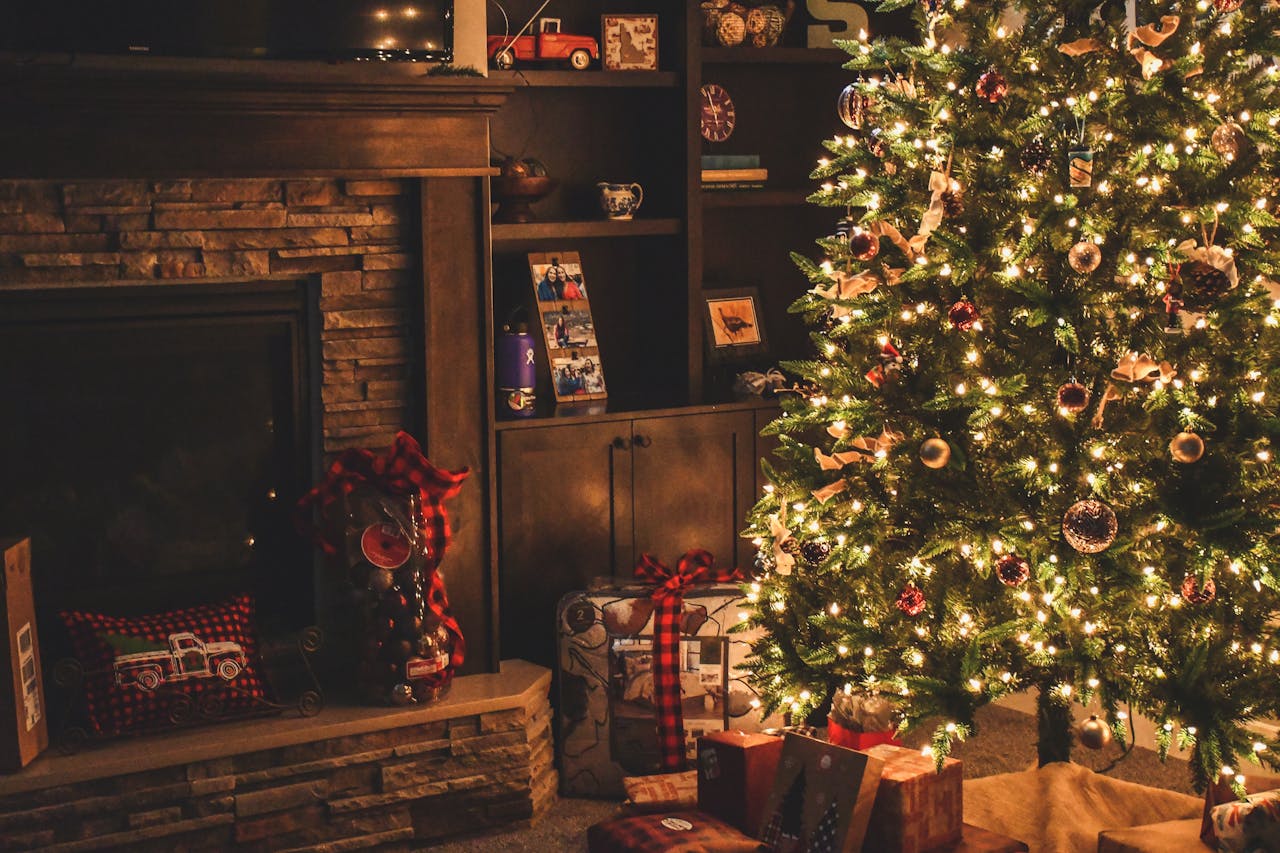
The glitter, greenery, and familiar rituals of winter and spring holidays feel timeless, yet many began as earthy celebrations of sun, soil, and survival. Long before busy shopping streets, communities marked solstices and equinoxes with fire, evergreen branches, animal symbols, and shared feasts. As Christianity spread, those seasonal rites were not erased so much as reworked and folded into Christmas, Easter, and New Year gatherings. What remains is a layered calendar where faith, folklore, and scraps of old magic quietly coexist.
Evergreen Trees And The Christmas Tree
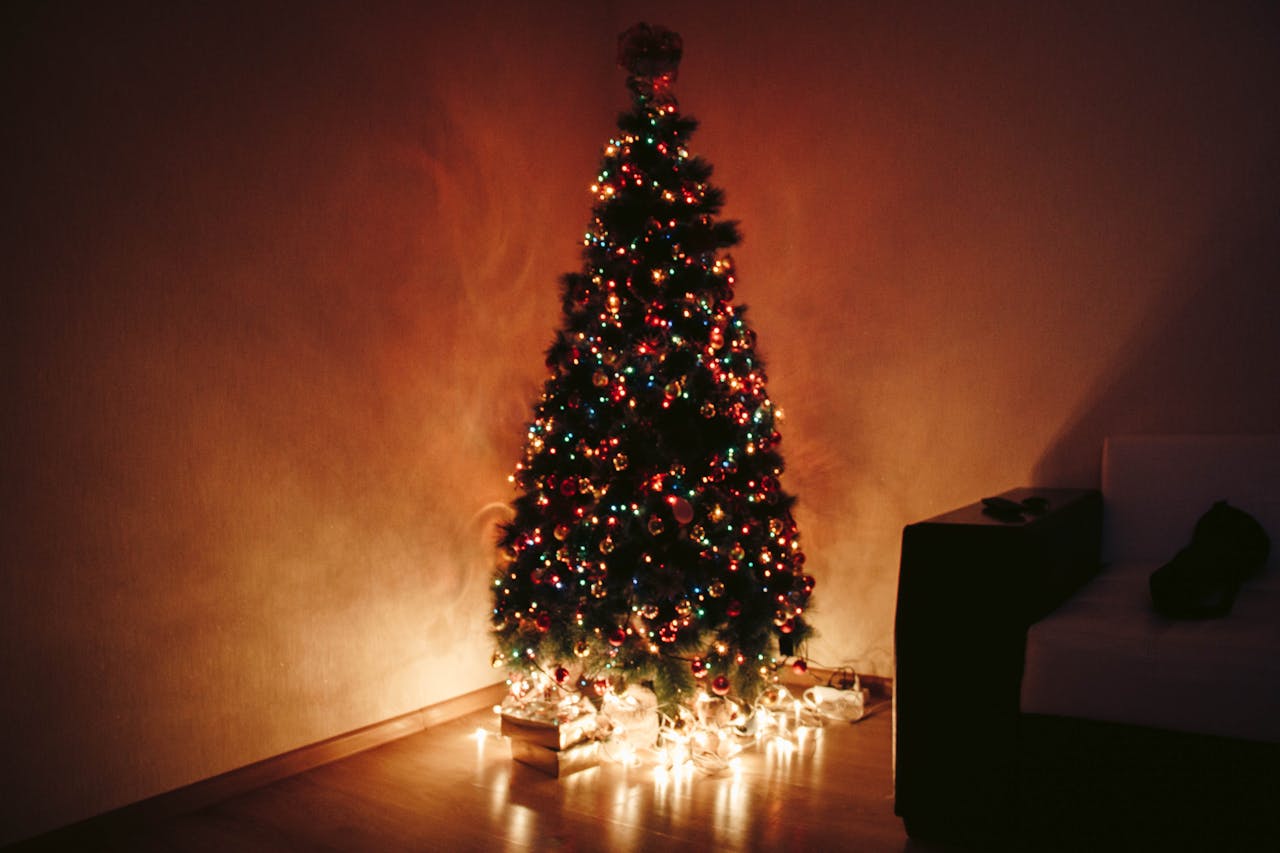
Long before ornaments and electric lights, evergreens were treasured as proof that life could outlast harsh winters. Pagan communities in Europe brought fir and other green branches indoors at the winter solstice to signal protection, rebirth, and the slow return of the sun. Those boughs were charms against darkness as much as decoration. German households later shaped the practice into the tall Christmas tree, layered with candles, fruit, and glittering glass, a living symbol of stubborn green life.
Yule Logs And Solstice Fires

The cozy Yule log on a hearth began as a serious act of winter magic. In pre Christian northern Europe, families chose an enormous log to burn through the long solstice nights as a gift to the returning sun. Keeping the fire alive meant inviting luck, fertility, and protection into the home. Ashes might be scattered on fields or kept as a charm against misfortune. Even when the log appears only as dessert, the idea of one flame carrying a household endures.
Mistletoe, Druids, And Winter Kisses
Hanging mistletoe in doorways looks playful now, but the plant’s story is older and stranger. Celtic Druids prized mistletoe because it stayed green when branches were bare and treated it as a powerful charm for vitality, healing, and fertility. Ritual cuttings were done with ceremony, not as lighthearted decor. Later, Norse tales tied mistletoe to forgiveness after conflict. Over time, those themes of truce and renewed bonds softened into a custom of winter kisses under a small, fragile branch.
Saturnalia And Holiday Gift Giving
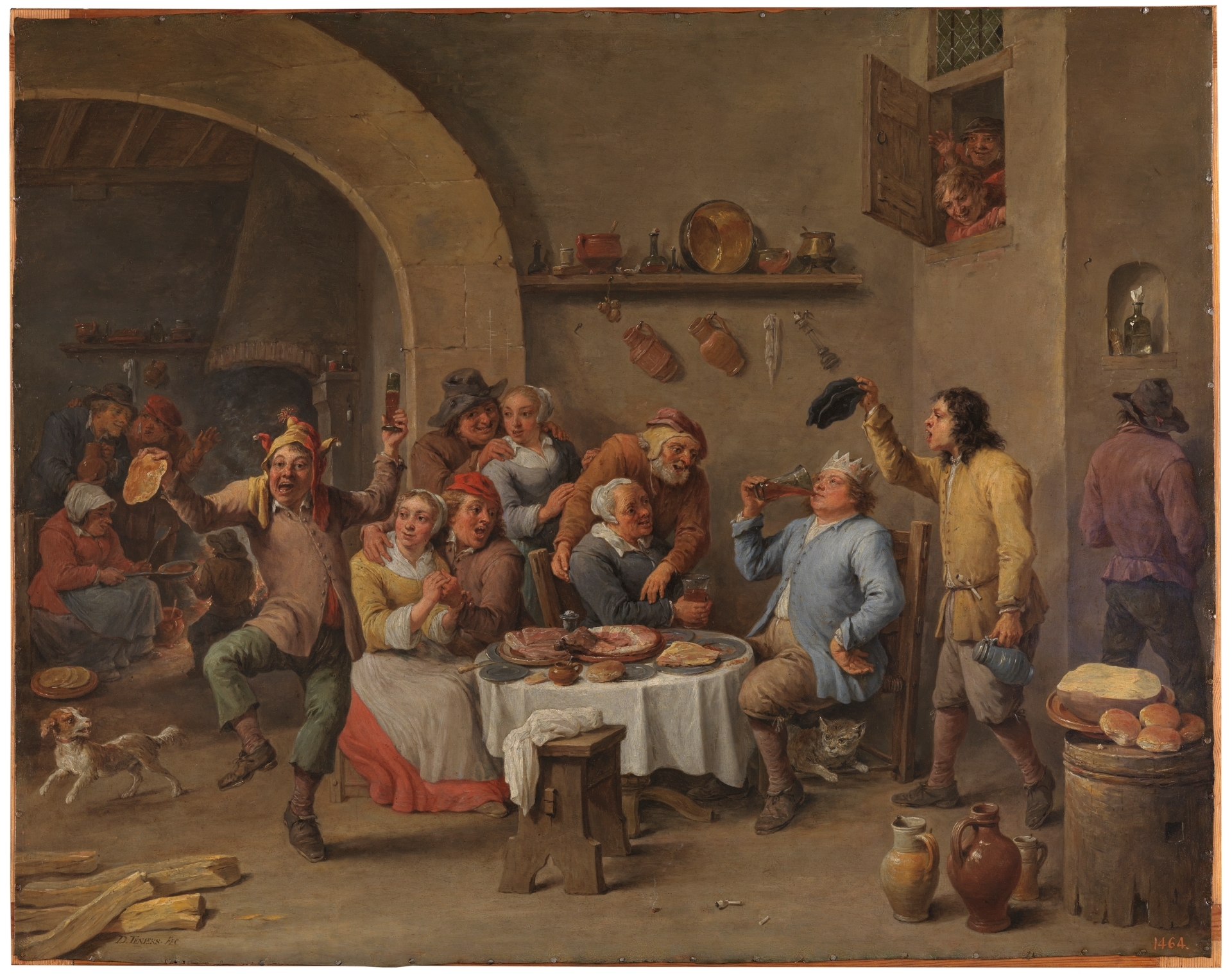
December gift exchanges echo the loud Roman festival of Saturnalia more than many realize. Honoring the god Saturn, Romans filled several days with feasting, drinking, joking, and role reversals between masters and servants. Small presents such as candles and clay figures passed between friends and family as signs of favor and returning light. When Christianity took root in the empire, those habits proved hard to erase, so generosity and year end gifts slid into Christmastide and slowly changed shape.
Santa, Yule Spirits, And The Wild Hunt
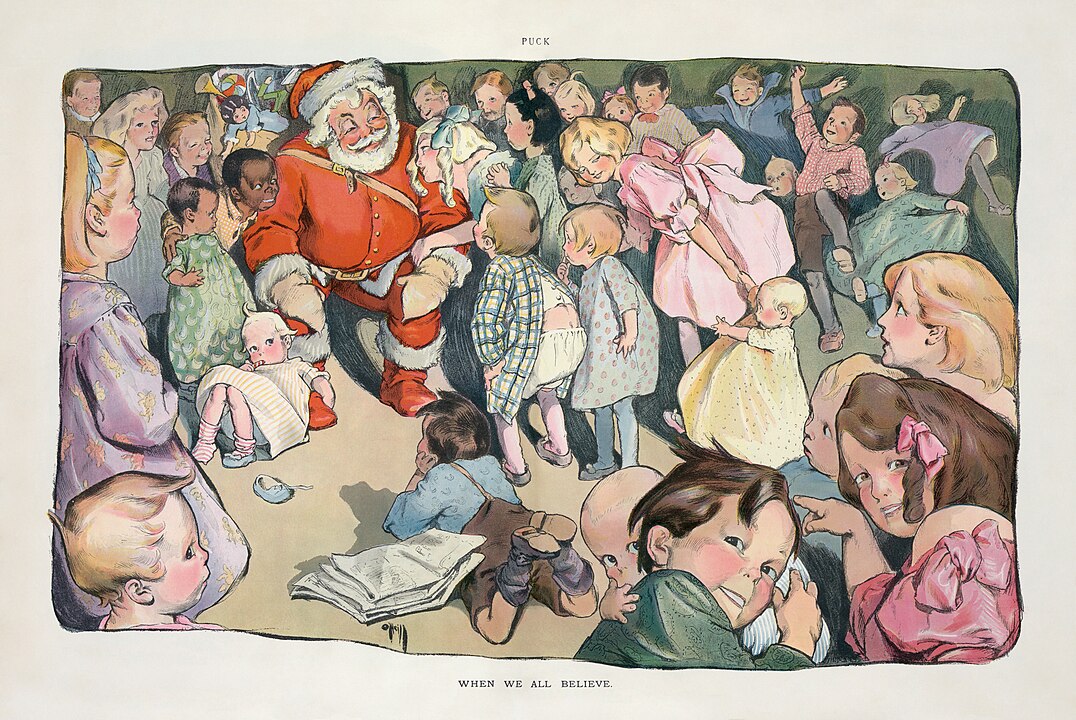
Santa Claus feels anchored in red velvet and store displays, yet older winter spirits stand in his shadow. In Germanic myths, a white bearded god rode through stormy skies at Yule, leading the Wild Hunt across frozen landscapes. Children were said to leave food or grain for his horse and hope for blessings, not scolding. Over centuries, traits from that sky rider mingled with legends of a charitable bishop, shaping a figure who still moves silently through winter nights.
Wassailing And The Roots Of Caroling
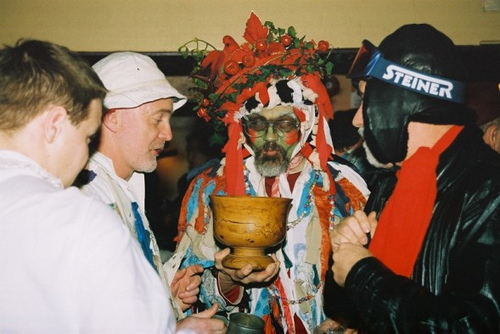
Groups singing at front doors sound gentle today, but the practice began as something closer to a noisy spell. In parts of medieval England, wassailers roamed with bowls of hot spiced drink, trading loud songs and blessings for food, drink, or coins. Orchard wassails went further, with singers circling trees, splashing cider on bark, and shouting to wake hidden spirits and secure a rich harvest. Over time, those unruly rounds softened into caroling, though the urge to sing luck into winter remains.
New Year Resolutions And Sacred Promises
Lists of resolutions taped to refrigerators have surprisingly ancient relatives. In early Mesopotamia, people pledged loyalty and honest conduct to their gods when a new year tied to spring planting began. Later, Romans marked January in honor of Janus, a two faced deity of thresholds, and used the moment to promise better behavior and fair dealing. The modern habit of vowing to exercise more or argue less is quieter, yet it still treats the new year as a moral reset.
Easter Eggs And Painted Symbols Of Rebirth

Decorated eggs tucked into baskets feel gentle and innocent, yet the symbolism reaches far back. In many ancient cultures, eggs stood for the cosmos, hidden life, and the jolt of new growth, so they appeared in spring festivals long before chocolate factories existed. Rural communities dyed and scratched patterns onto real eggs as charms of renewal and protection. As Christian stories of resurrection spread, the egg became a bridge, a small symbol of a sealed space breaking open at dawn.
Hares, Rabbits, And The Easter Bunny
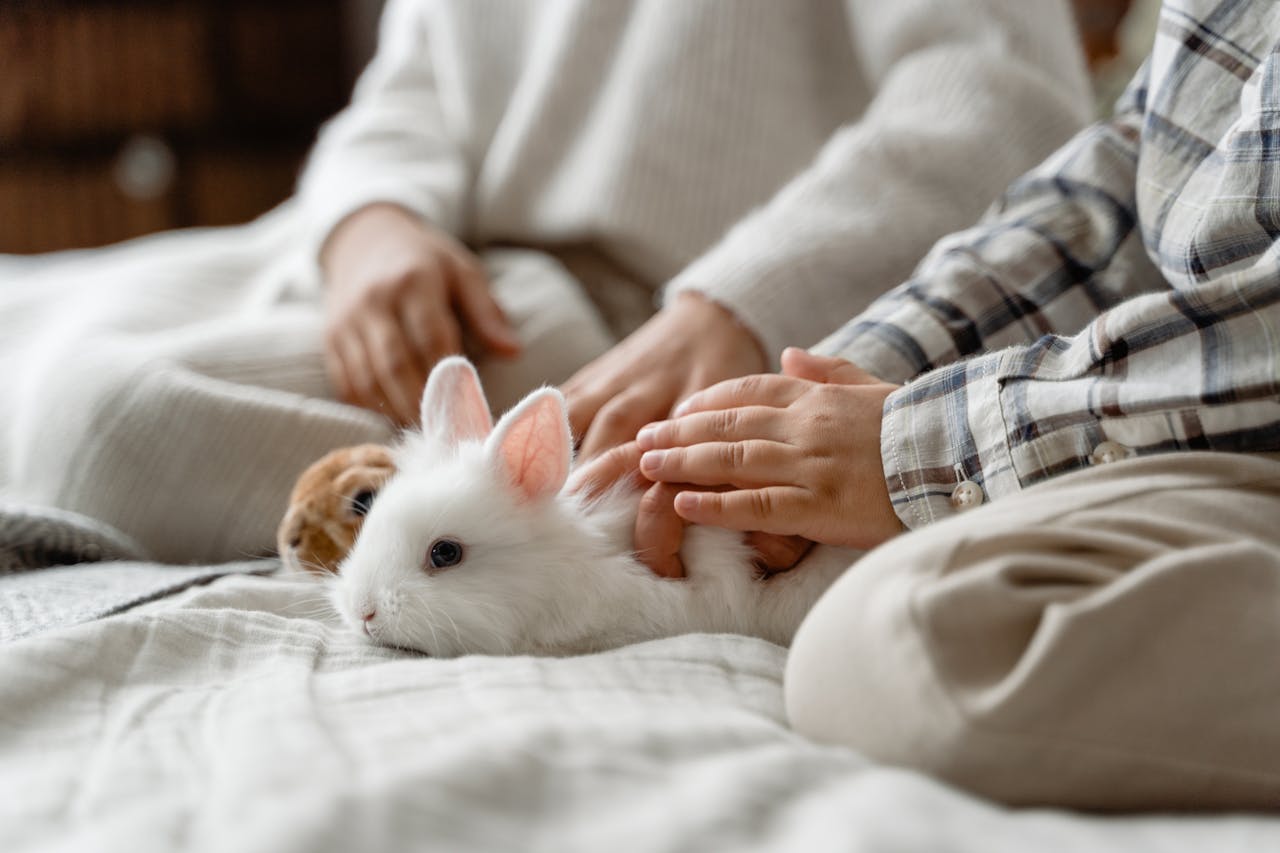
The Easter Bunny hopping across lawns is a recent character, but hares and rabbits have lived in spring folklore for centuries. In parts of Europe, hares signaled fertility, warm soil, and the return of light, and some scholars link them to a lost dawn goddess whose name lingers in the word Easter. Later, German tales spoke of a hare that judged children and hid eggs for those found worthy. Over time, that wary figure softened into a friendly rabbit with a basket.
Halloween Costumes And Jack O Lanterns
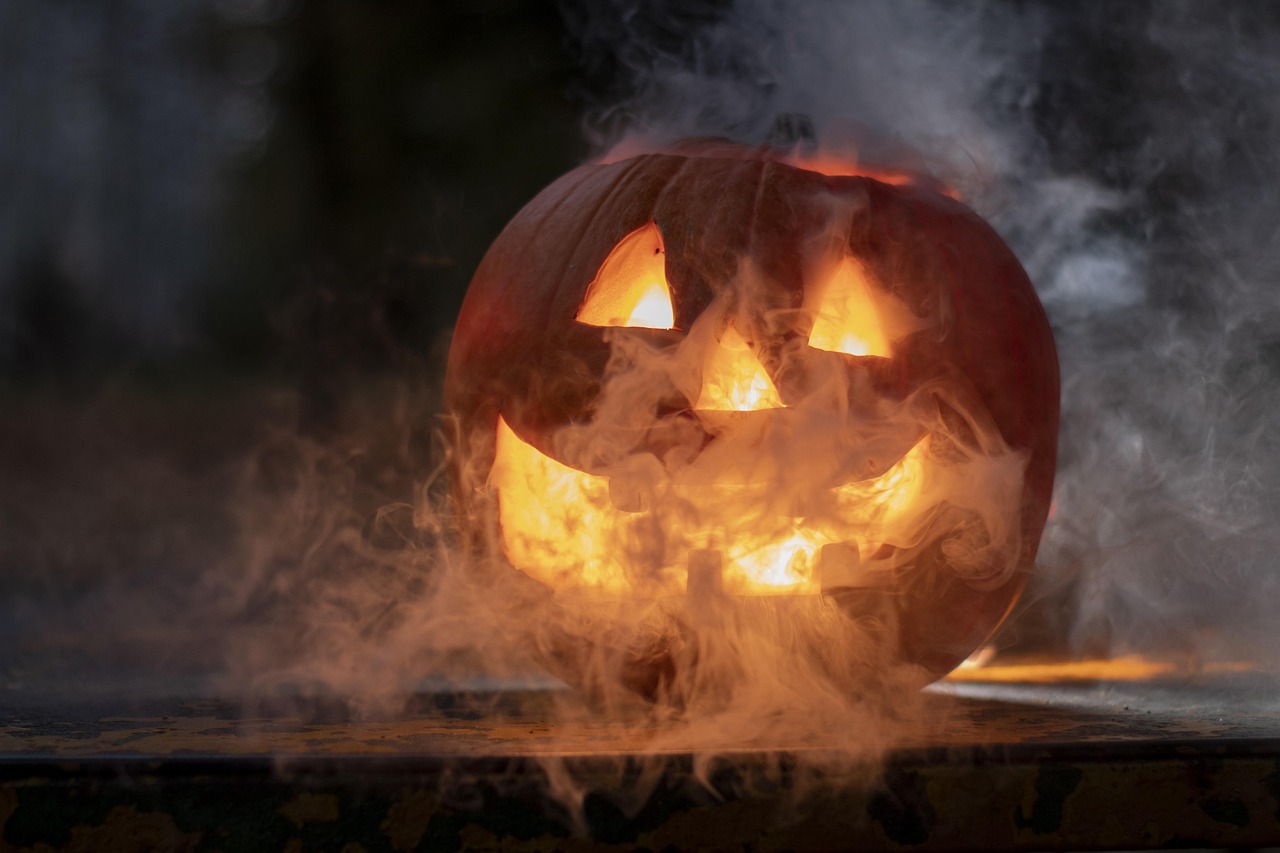
Halloween costumes and glowing pumpkins began as ways to handle a night when the boundary between worlds felt thin. At the Celtic festival of Samhain, people lit great bonfires, wore disguises, and offered food at doorways to confuse restless spirits and wandering dead. In Ireland and Scotland, carved turnips with fierce faces were set outside as small guardians. When those traditions crossed the Atlantic, pumpkins replaced turnips, and the watchful lanterns turned into grinning faces on neighborhood steps.