Travel planning across the United States now carries a strange tension: the postcard view still shines, but the ground truth often feels messier. In several headline destinations, official data shows real progress, yet public confidence has not fully caught up. Visitors still weigh safety, vehicle theft, heavy crowds, and hidden friction that can turn short breaks into stressful logistics.
That is why certain places now spark the same debate in group chats and family calls. The scenery and culture remain compelling, but many travelers ask whether the emotional cost, not just the ticket price, has climbed too high.
Memphis, Tennessee
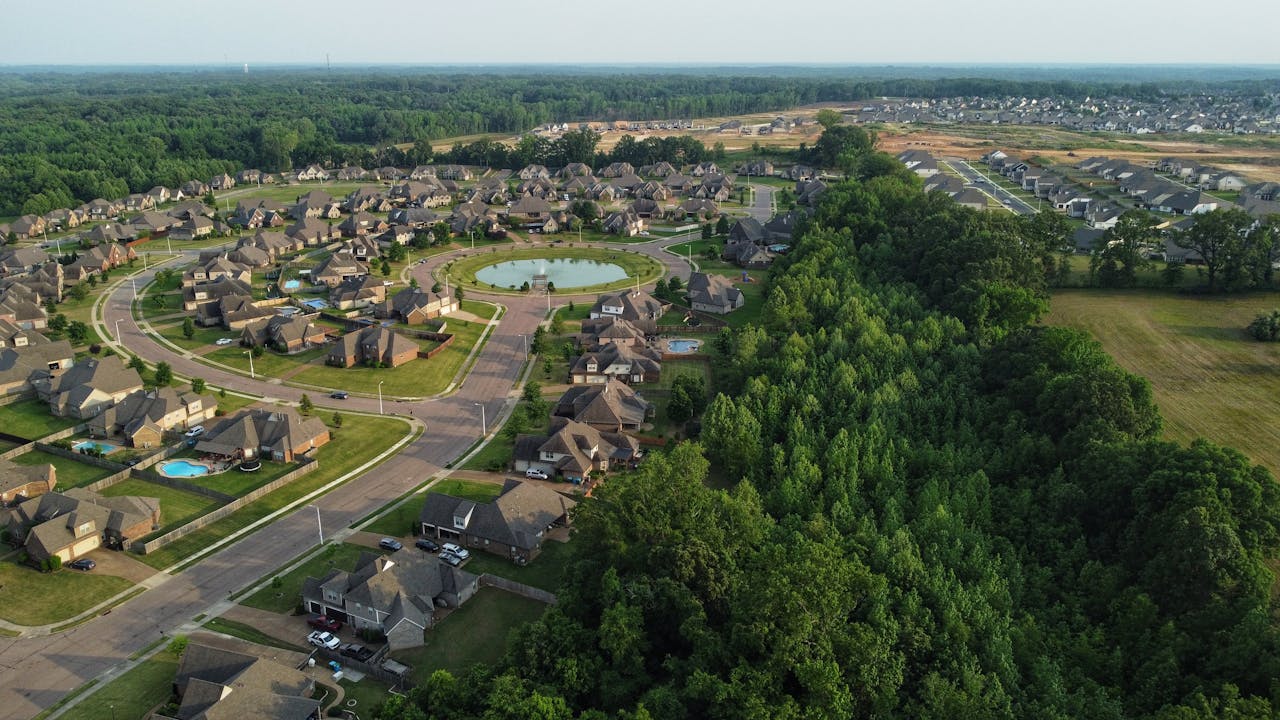
Memphis still delivers world-class music history and deeply rooted food culture, but its safety reputation remains hard to shake. City data for 2025 showed encouraging movement: serious crime fell 13.5%, violent crime dropped 10%, and homicides declined 29.4%. Even motor vehicle theft, long a sore point, fell sharply by 38.8%.
Yet the city’s own report also noted aggravated assaults rising 12.9%, a reminder that progress can be uneven block by block. For many travelers, that mixed signal creates planning fatigue, especially for night itineraries and rental-car decisions that once felt routine, simple, and spontaneous.
Detroit, Michigan

Detroit’s comeback story is real, visible, and earned, especially in revived downtown corridors and new small-business districts. Through Sept. 30, 2025, the city reported 132 homicides, down from 155 in the same period of 2024, after finishing 2024 with 203 homicides, its lowest annual total since 1965.
Still, perceptions formed over decades do not disappear in one strong cycle. Many visitors now approach Detroit with a split mindset: excitement about architecture, arts, and sports, paired with cautious routing after dark. That gap between momentum and comfort is exactly what makes trips feel harder than expected for first-timers.
Baltimore, Maryland
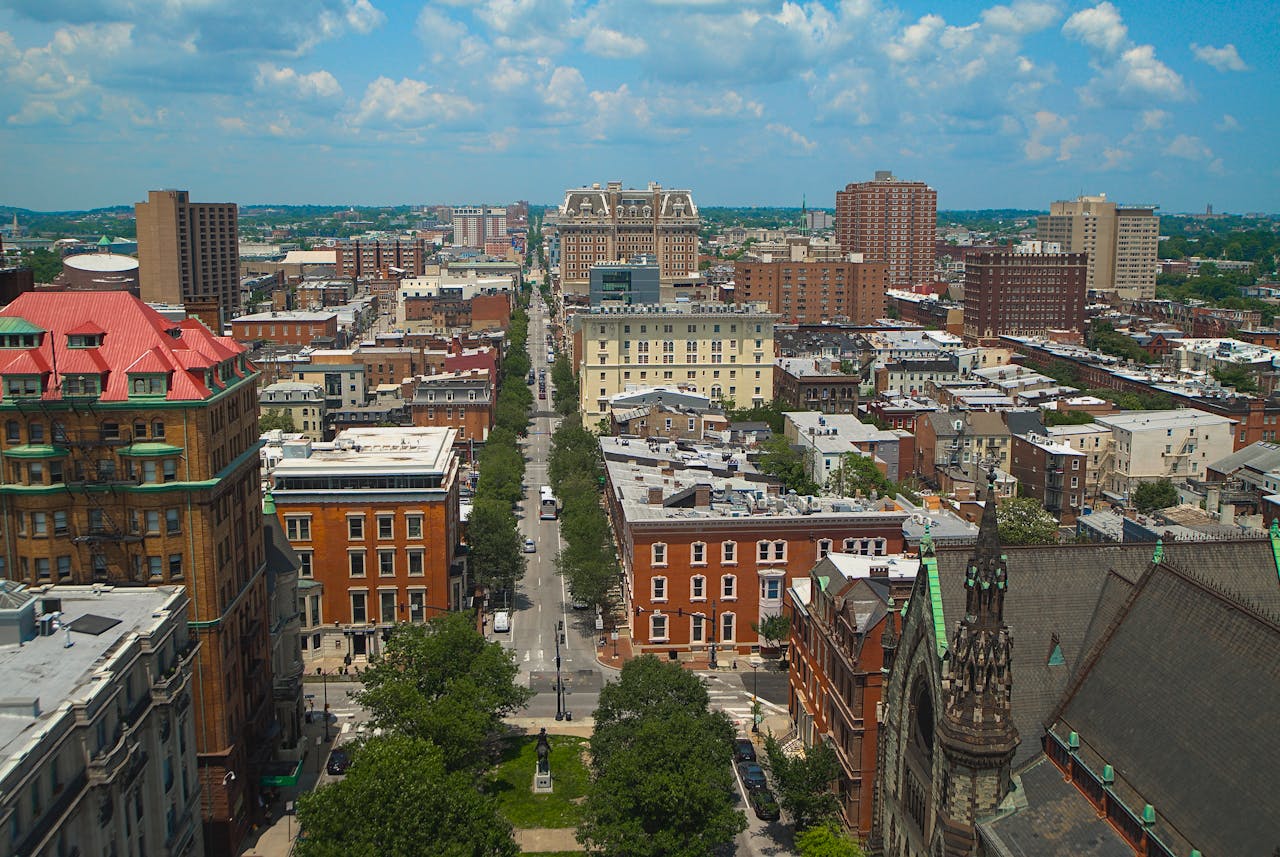
Baltimore has posted one of the clearest improvement stories in recent U.S. crime data, and officials have leaned into that shift. The city’s 2025 year-end release reported homicides down 31%, non-fatal shootings down 24%, carjackings down 37%, and overall Group A crime down 10% versus 2024.
Even with those gains, Baltimore still carries an image problem that many weekend travelers struggle to ignore. People often cluster tightly in familiar zones like the Inner Harbor, then cut evening plans short. The city may be turning a corner statistically, but visitors still describe trips that require more vigilance than expected.
St. Louis, Missouri
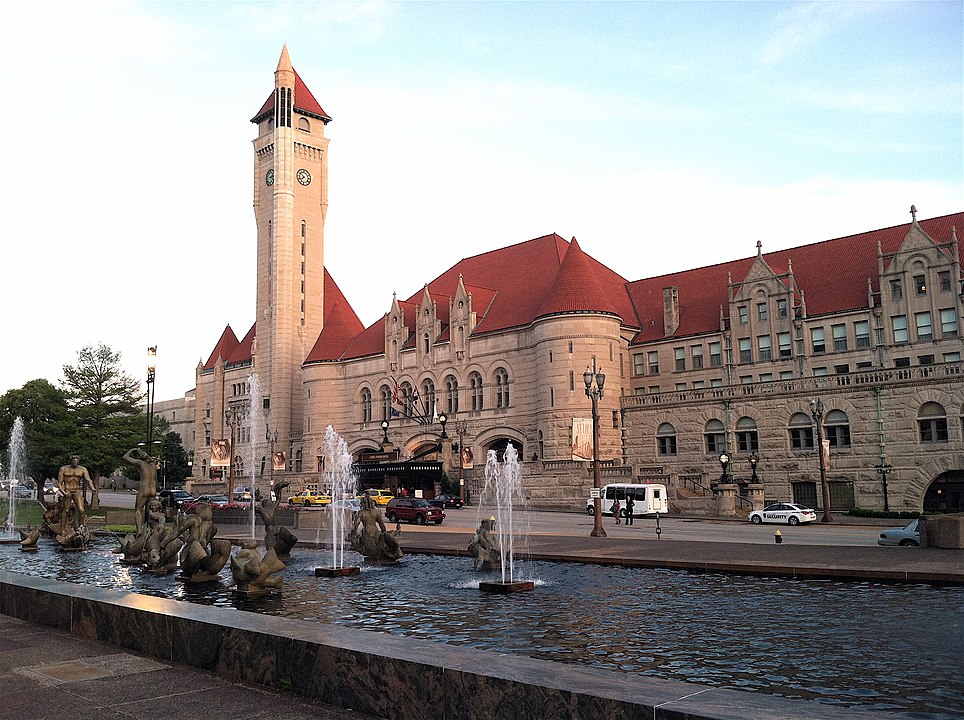
St. Louis remains one of the most debated city breaks in the Midwest: iconic landmarks, strong food, and major events, but persistent caution in travel forums. Police data for 2025 showed notable progress, with overall Part I crime down 16% from 2024, homicides at 141, and shooting incidents down 28%.
That trend is meaningful, yet many travelers still treat the city as a place where timing and neighborhood choices carry extra weight. A short stop at the Arch or a game-day visit can feel manageable, but broader exploration often gets trimmed. When spontaneity disappears, even great attractions can start to feel effort-heavy.
New Orleans, Louisiana
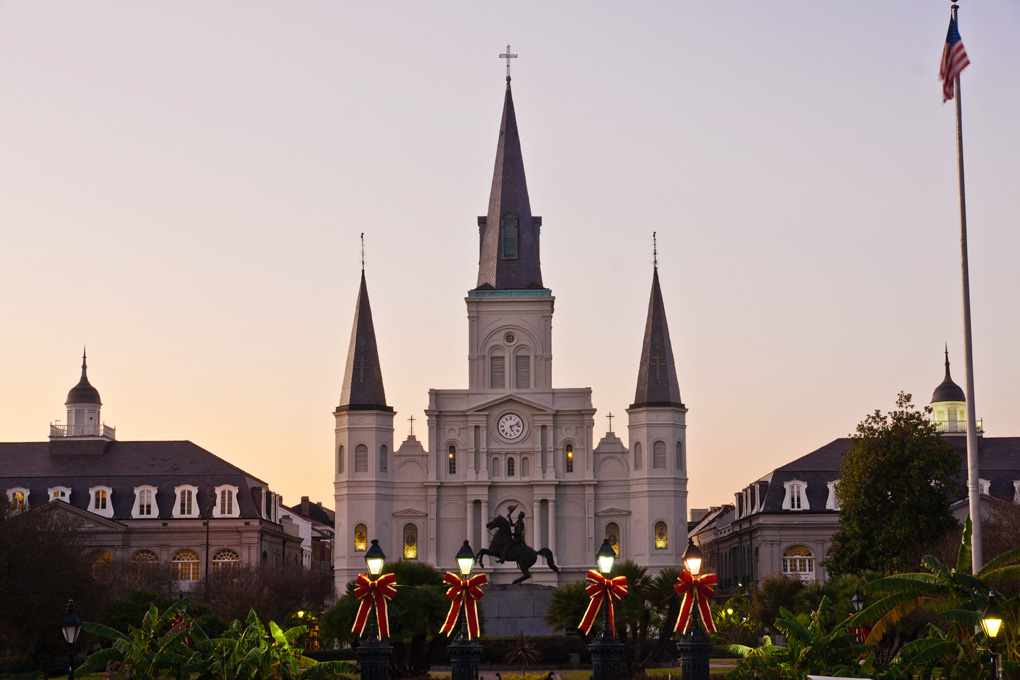
New Orleans still offers unmatched music, food, and ritual, but the city’s travel mood has become more complicated. Reporting on 2025 crime data showed a third straight annual decline in violent crime, with 121 murders in 2025 versus 266 in 2022. On paper, that is a major shift in the right direction.
Even so, visitors continue to describe a high-alert style of travel, especially around crowded nightlife blocks and late-hour transit choices. The result is a contradiction: magnetic cultural energy paired with constant risk calculations. For some travelers, that mental load now outweighs the joy that once made repeat visits easy.
Miami Beach, Florida
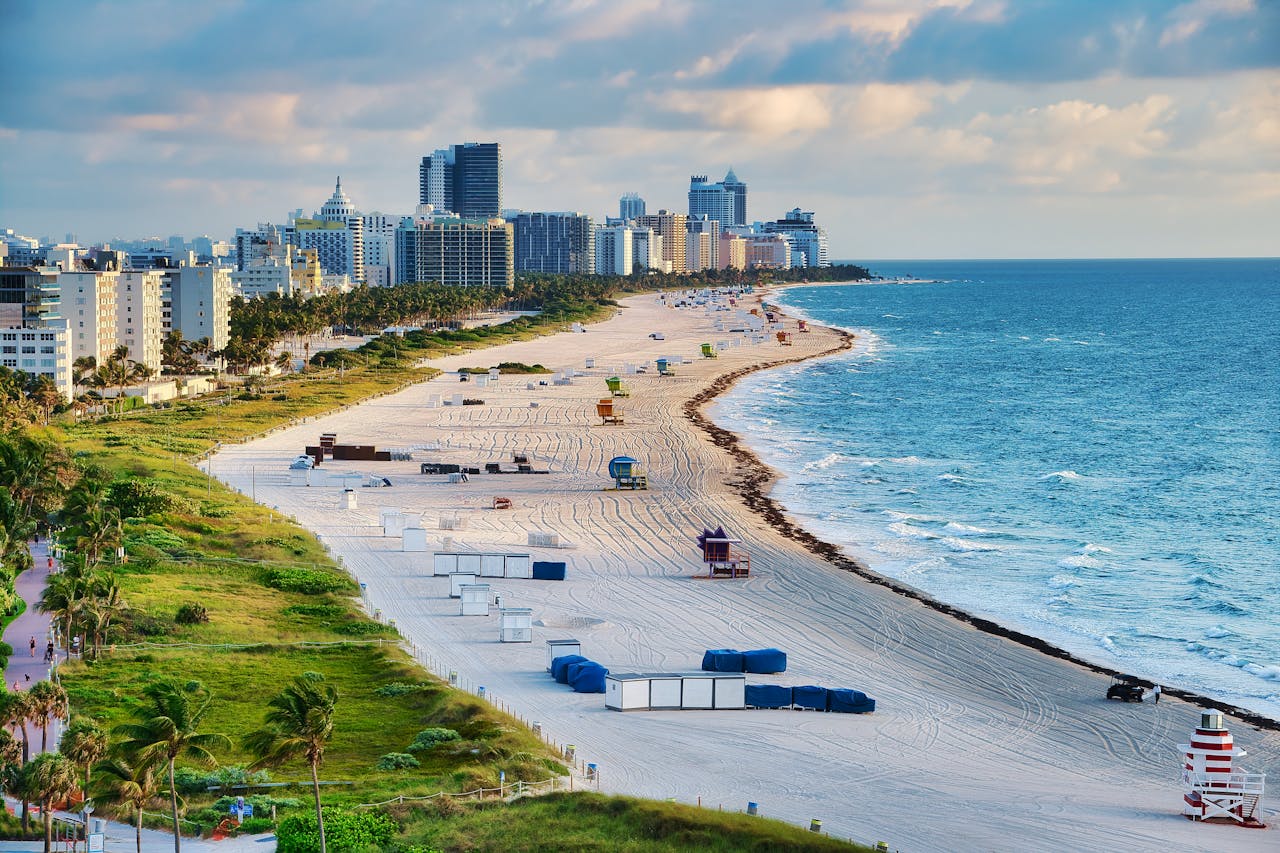
Miami Beach, especially during spring break windows, has become less a carefree escape and more a tightly managed operation. City guidance has highlighted DUI checkpoints, security screenings in entertainment districts, and steep parking prices, including rates up to $100 at some garages during peak periods.
Those measures are designed to improve order, but they also change the visitor experience. Travelers describe longer waits, stricter entry patterns, and surprise costs that stack quickly before a hotel key card even hits the pocket. The ocean is still beautiful, yet the logistics can make a short trip feel like a negotiation.
Los Angeles, California
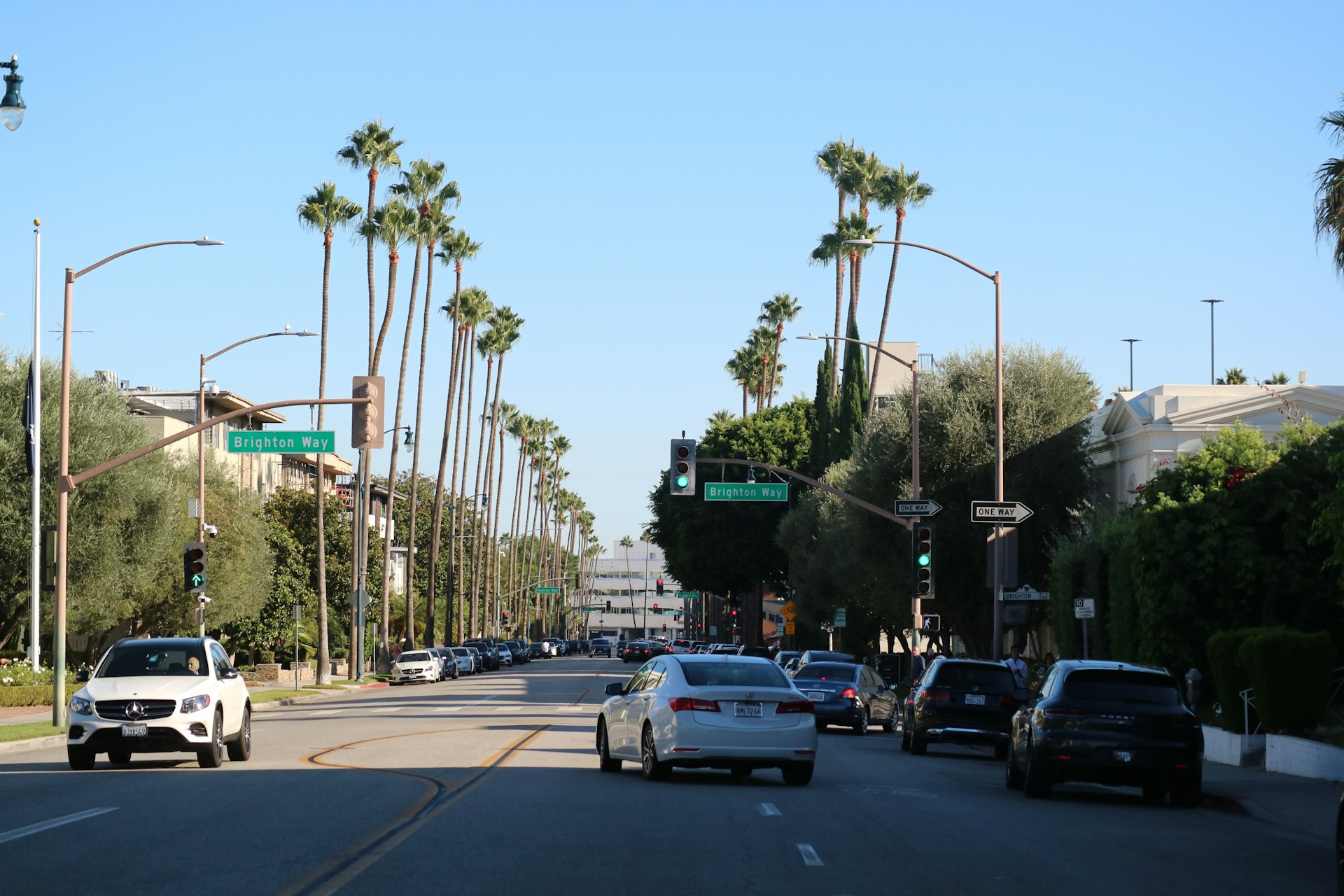
Los Angeles remains a dream destination for film history, beaches, and neighborhood culture, and recent public-safety figures show improvement. City leadership reported that in 2025, homicides fell 14.2% and shooting victims dropped 19.6%, alongside declines in both violent and property crime citywide.
But LA’s scale can still wear travelers down in practice. Long transfer times, corridor-by-corridor safety differences, and recurring petty-theft concerns keep many visitors on rigid itineraries. When every plan needs backup timing and backup parking, the city’s magic remains, but vacation ease can feel oddly out of reach.