Most pantry staples look so ordinary that their past seems fixed and tidy. Yet food history is full of sideways turns: a sauce born far from the culture that later claimed it, a restaurant improvisation that became a global ritual, a snack legend that keeps changing names as evidence shifts. Once old records are read closely, familiar bites start to feel stranger, richer, and far more human. Behind every routine meal sit trial and error, migration, marketing, memory, and luck. The result is a table where the everyday quietly carries centuries of odd decisions, and where small details reveal big cultural detours still.
Ketchup Started as Fish Sauce, Not Tomatoes
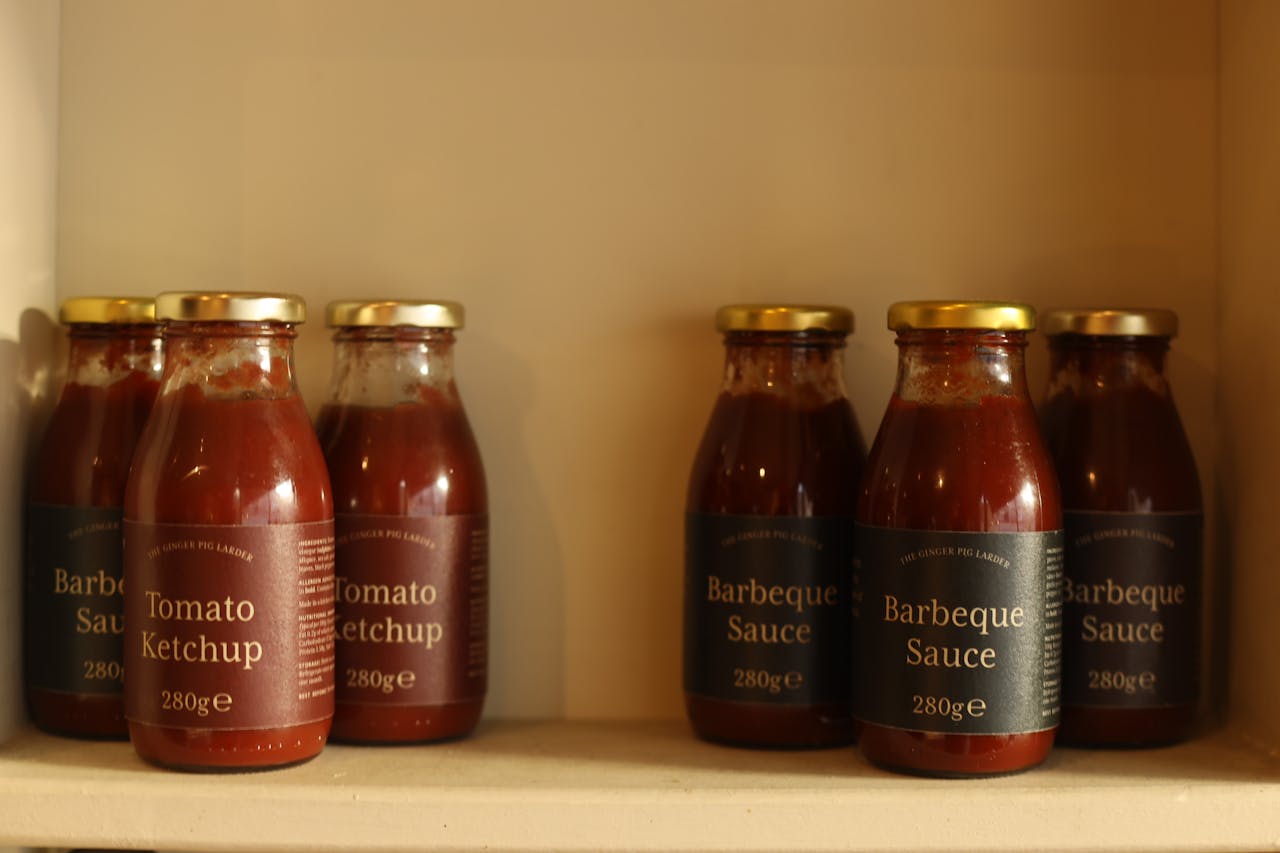
Long before ketchup met fries, its linguistic trail points toward an older fermented fish sauce. Encyclopaedia Britannica traces the term to Chinese ke-tsiap, likely through Malay ketjap, which helps explain why early versions were savory, sharp, and nothing like the sweet red bottle now treated as default today by many.
When tomato ketchup appeared in print in 1812, the profile began to shift toward the modern style, eventually favoring tomato pulp, acid, and sweetness. What looks like one fixed condiment is really a layered migration story, shaped by ports, trade routes, and changing taste preferences across centuries.
The Sandwich Was a Name Before It Was a Recipe
The sandwich sounds like a timeless idea, but the name itself has a traceable paper trail and an argument attached to it. History notes the first known use in Edward Gibbon’s diary on Nov. 24, 1762, where men are described eating cold meat as a sandwich, even before the naming story hardened into folklore.
The famous tale about John Montagu, the fourth Earl of Sandwich, probably helped the word spread, yet historians still treat parts of the legend cautiously. That tension is the weird part: one of the world’s most ordinary meals rests on a term that became universal faster than its origin story became fully certain.
Caesar Salad Was Born in Tijuana, Not Rome
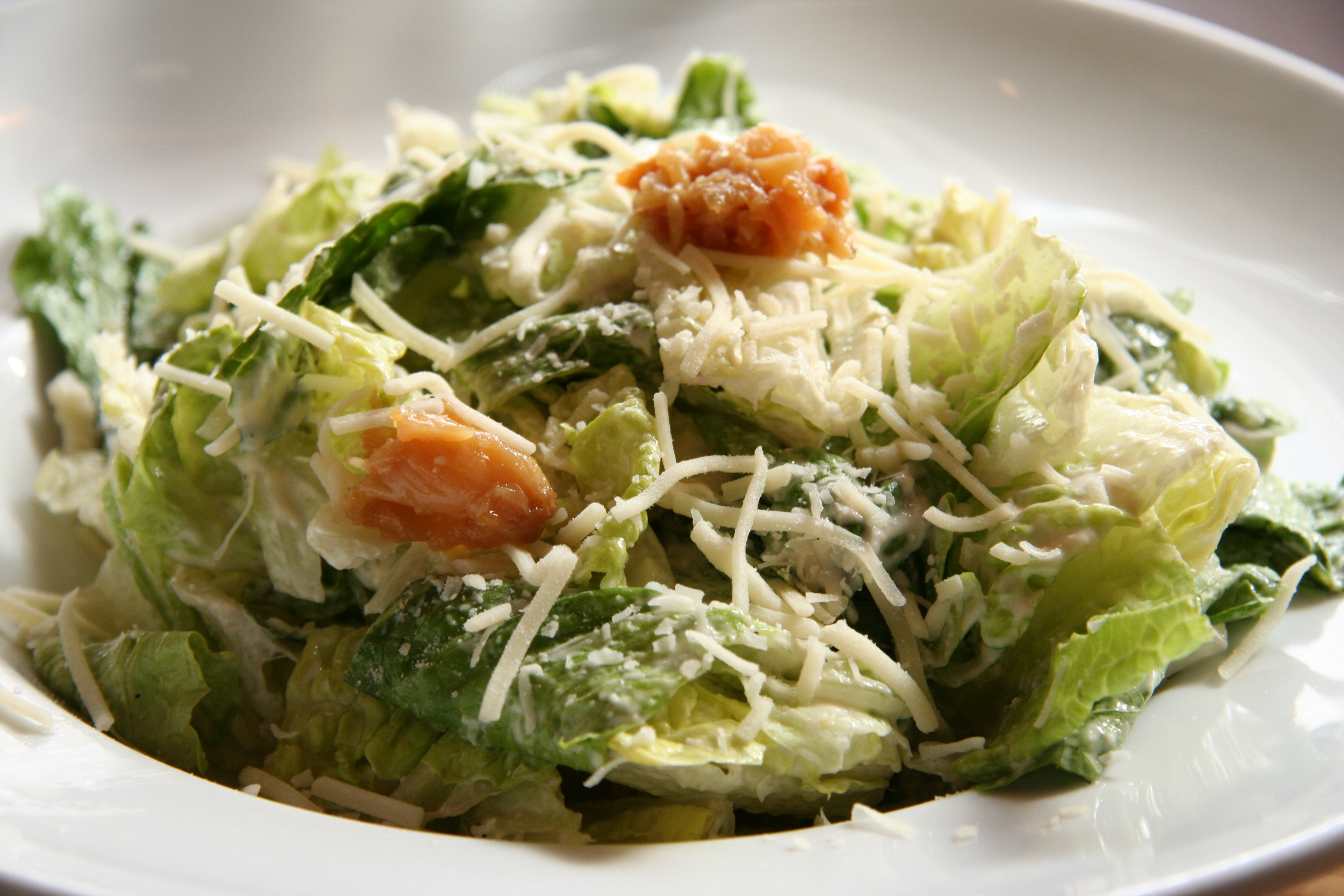
Caesar salad keeps fooling people with its name. Britannica places its origin in 1924 at Caesar Cardini’s restaurant in Tijuana, where the dish entered dining history on the border rather than in Italy, and certainly not in ancient Rome. The Roman label stuck anyway, which is what makes the backstory so odd.
The setting mattered: Cardini’s restaurant drew U.S. visitors during Prohibition-era social traffic, and the salad’s tableside theater made a practical mix of ingredients feel like an event. A global menu classic now sold as lunch started as a specific moment, in a specific city, under specific legal and cultural pressures.
Fortune Cookies Are American, With Japanese Roots
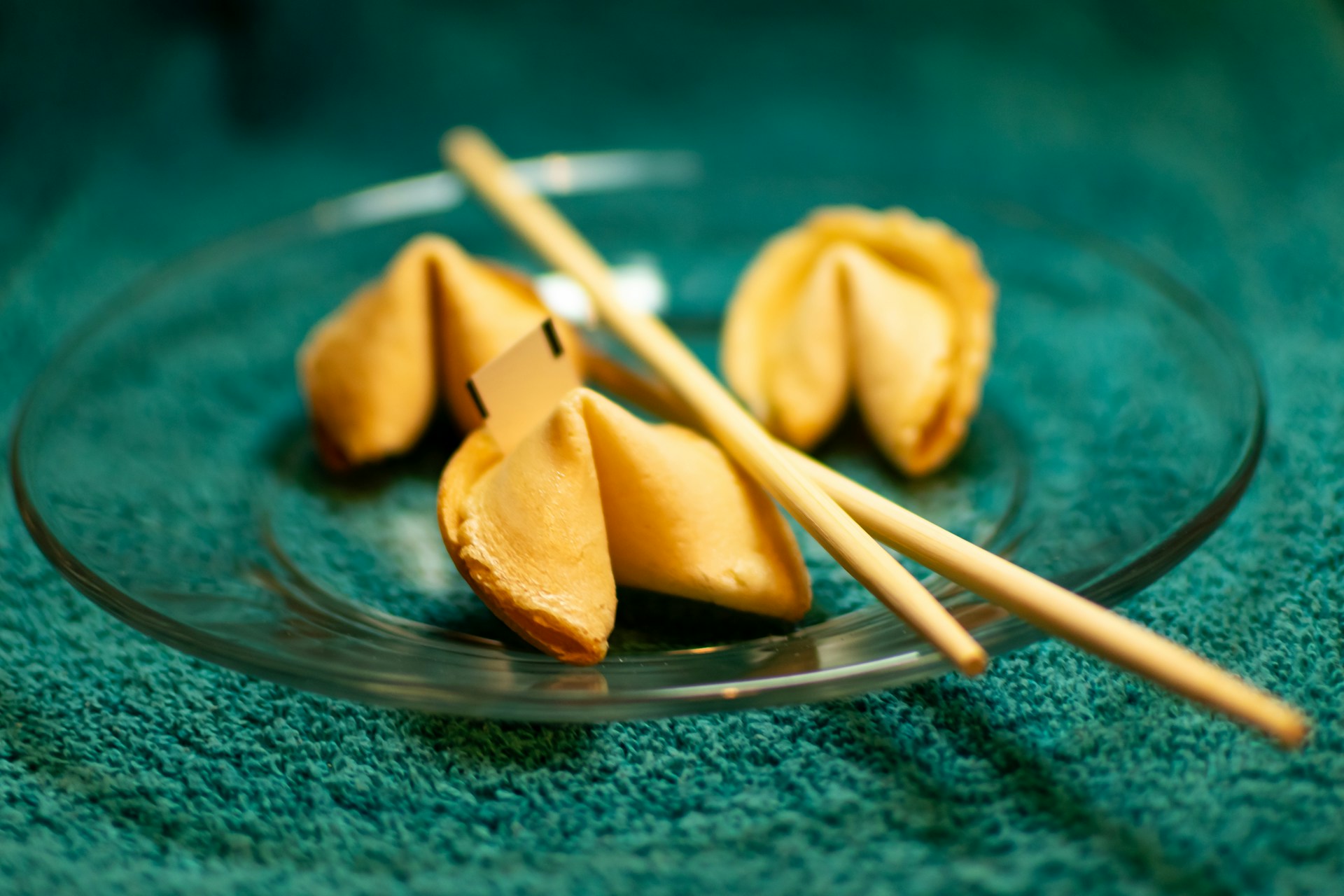
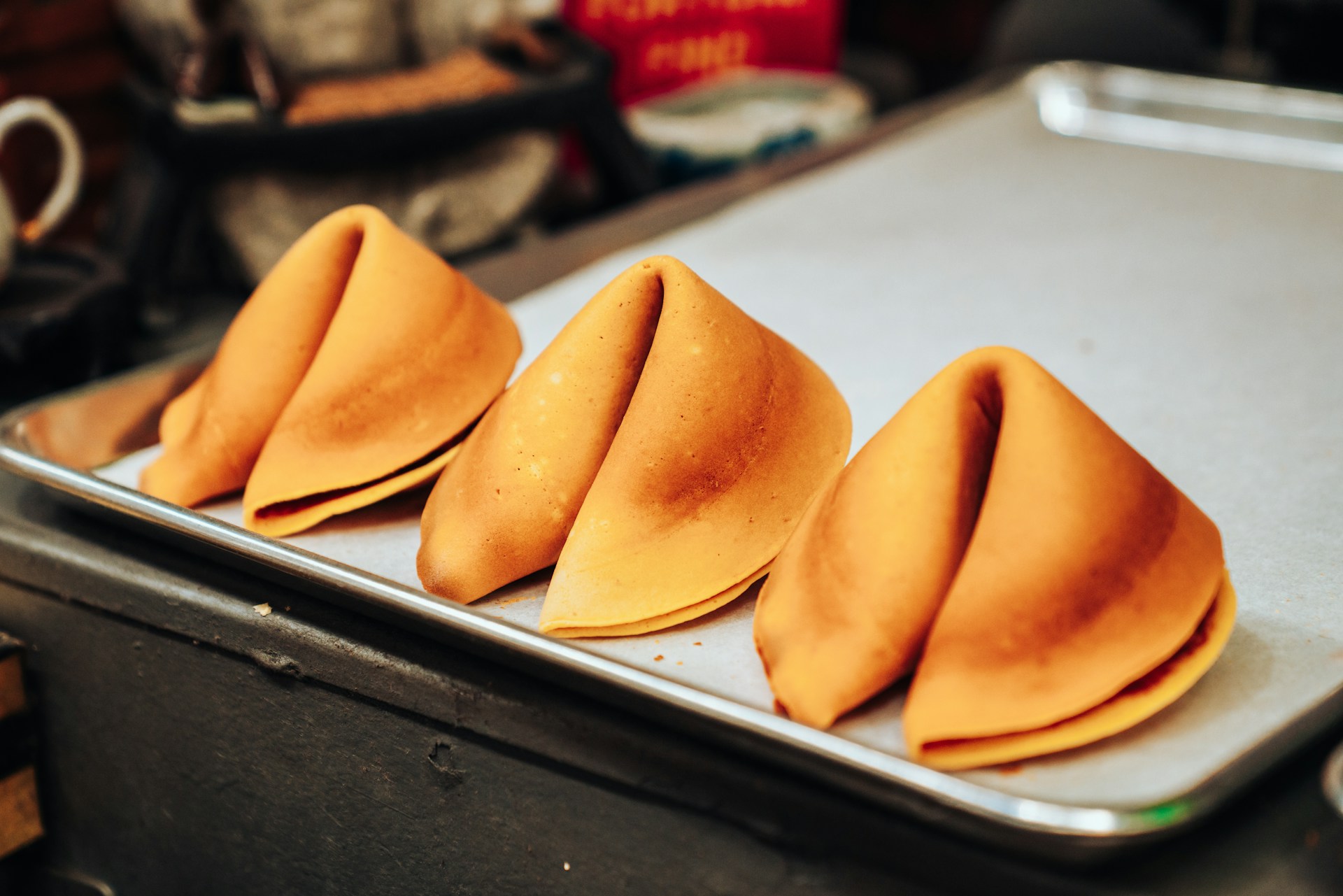
Fortune cookies are still mistaken for a traditional Chinese import, but historical sources describe a different path. The Smithsonian’s National Museum of American History calls them an American creation by way of Japan, while History links them to earlier Japanese fortune crackers before they spread in the United States.
The stranger twist arrived during World War II, when Japanese American internment disrupted bakeries and shifted production toward Chinese American businesses. That handoff changed who made the cookie and where diners encountered it. A dessert became a study in migration, exclusion, reinvention, and memory.
Worcestershire Began as a Failed Batch Left in a Cellar
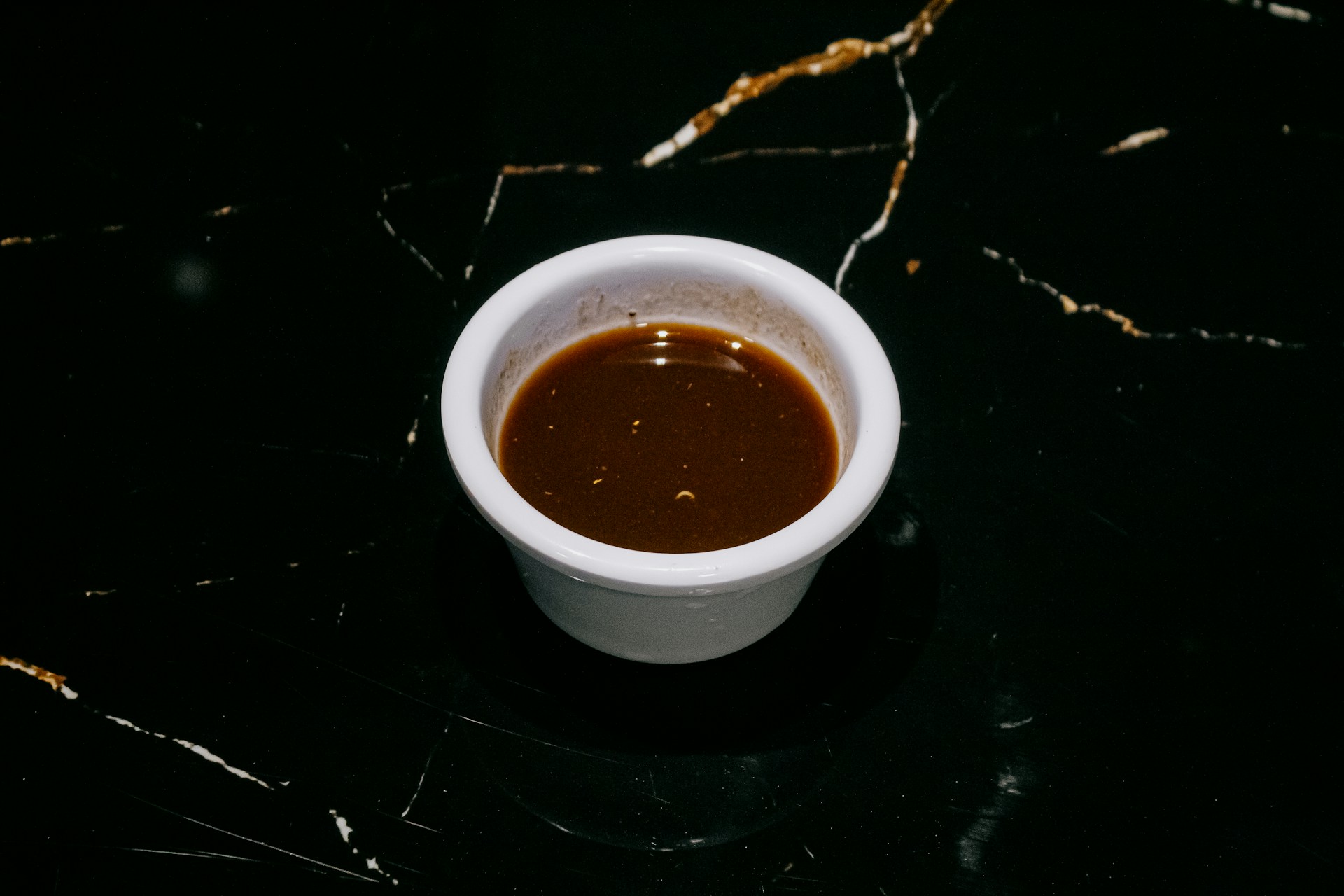
Worcestershire sauce sounds engineered, but its repeated origin detail is accidental aging. Britannica reports that Lea and Perrins shelved a barrel for about 18 months after it failed to satisfy a client, then revisited it and found time had transformed the flavor. The company’s own history tells a similar maturation story.
That means one of the world’s most useful savory boosters was not perfected by quick correction, but by being ignored long enough to ferment into balance. In a kitchen culture obsessed with speed, this condiment carries the opposite lesson: sometimes delay is not failure, it is the process doing quiet work.
Corn Flakes Came Out of a Sanitarium Experiment

Corn flakes are marketed as cheerful routine, but their roots run through the Battle Creek Sanitarium in Michigan. History and Britannica tie the cereal’s emergence to the late 1890s health-spa environment led by Dr. John Harvey Kellogg, where diet reform, digestion theories, and lifestyle rules shaped experiments.
The weird part is not that breakfast cereal began in a medical setting. It is that a product now linked to convenience and sugar add-ons started inside a program that pushed restraint, discipline, and therapeutic eating. Modern cereal aisles look playful, but one foundational box came from a clinic-like worldview.
Potato Chips Have a Legend, and a Competing Record
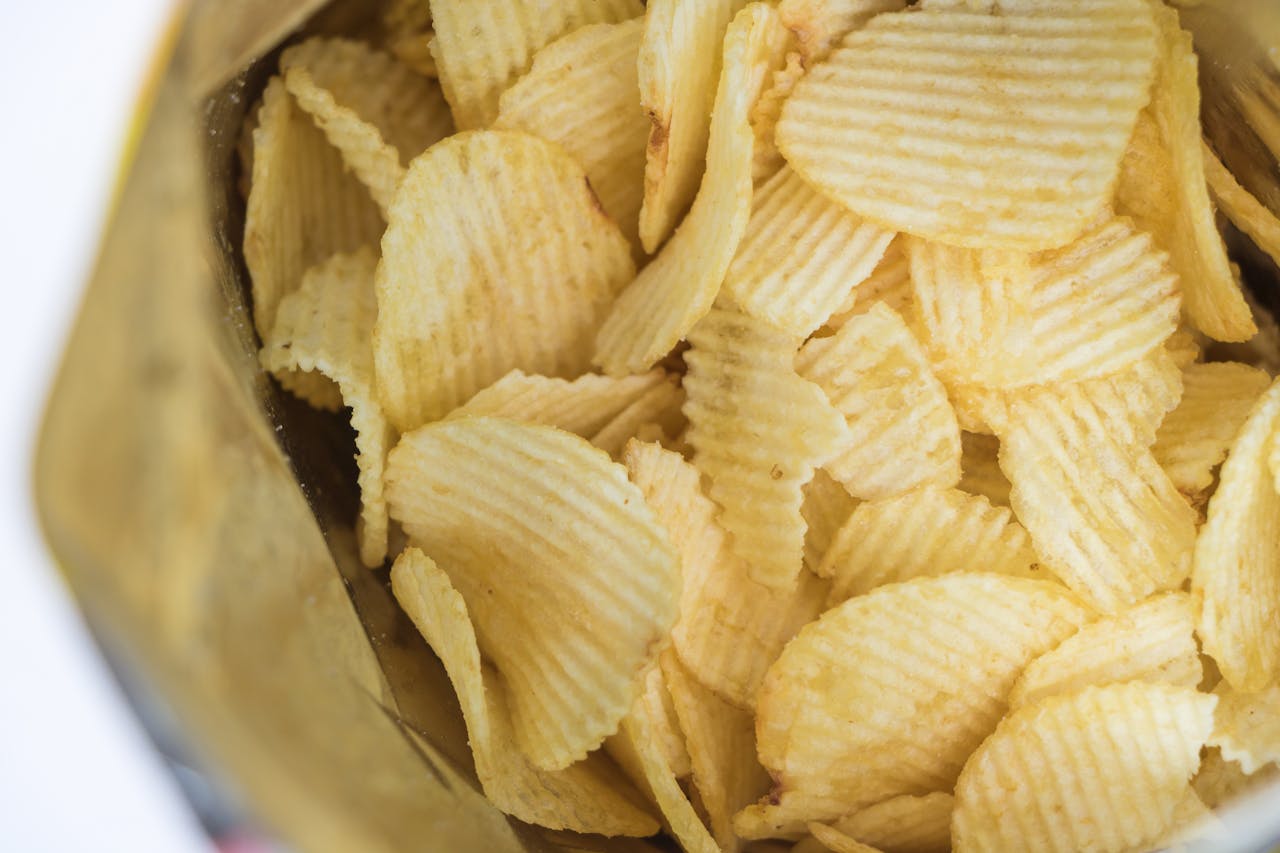
The popular story says an angry chef sliced potatoes paper-thin in 1853 to answer a picky diner and the chip was born. History reports that this version, often tied to George Crum and Cornelius Vanderbilt at Moon’s Lake House, became famous but runs into evidence problems, including weak contemporary documentation.
Other claims point to Crum’s sister, Catherine Wicks, while some obituaries from Crum’s own era barely mention chips at all. That ambiguity is the strange core of a supposedly simple snack. A food sold with absolute confidence on every shelf still carries an origin story built on memory, repetition, and missing records.
Popsicles Began with an 11-Year-Old and a Cold Night
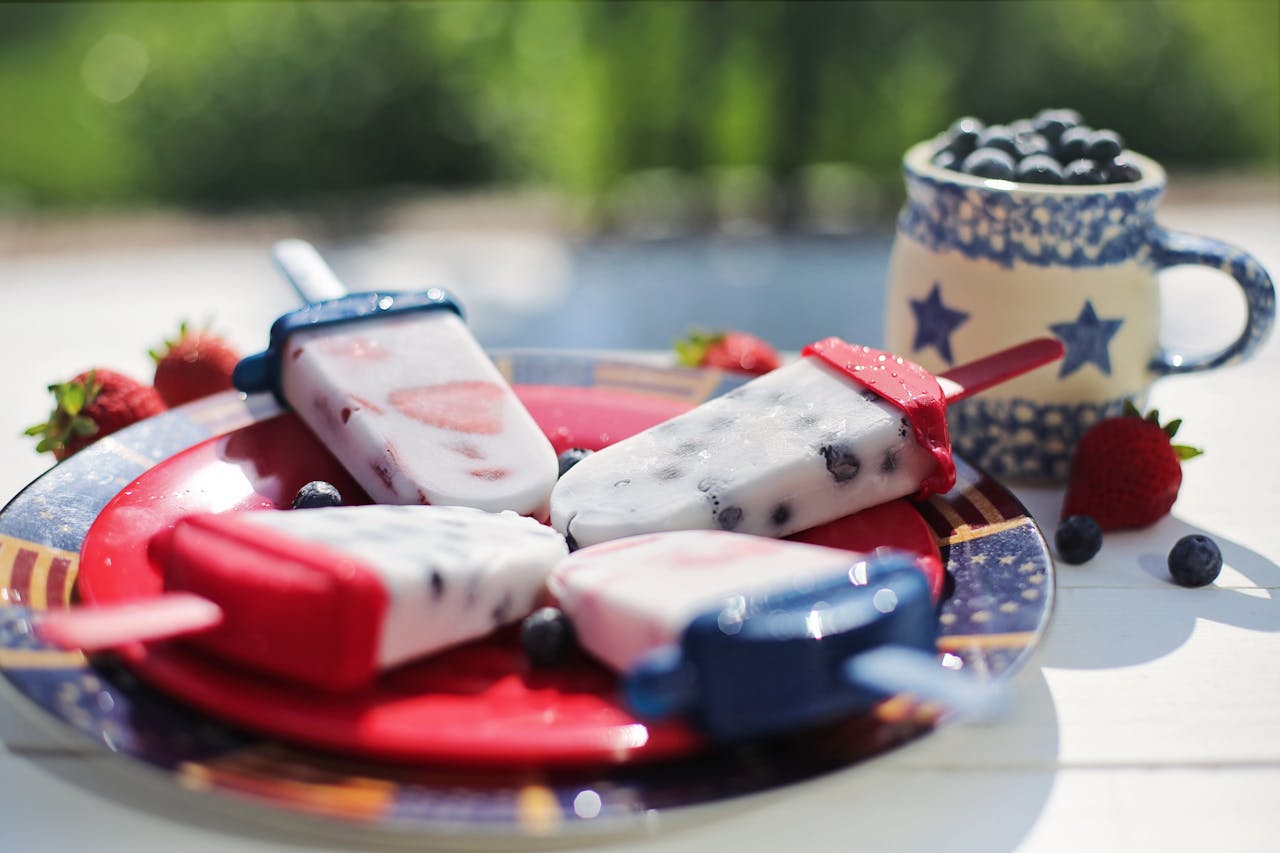
History credits an 11-year-old, Frank Epperson, with a 1905 accident in Oakland after he left a soda-mix glass outside overnight with a stirring stick still inside. The frozen result, lifted by the stick, became the core idea behind what later turned into the Popsicle. A major product began as a forgotten cup.
The odd charm is that the invention reads like a household mistake rather than laboratory planning. Food innovation is often framed as strategy, but this one came from weather, timing, and curiosity. Even now, the format still carries that original simplicity: flavored ice, a handle, and a spark of childhood improvisation.
Carrots Were Purple and Yellow Before Orange Won
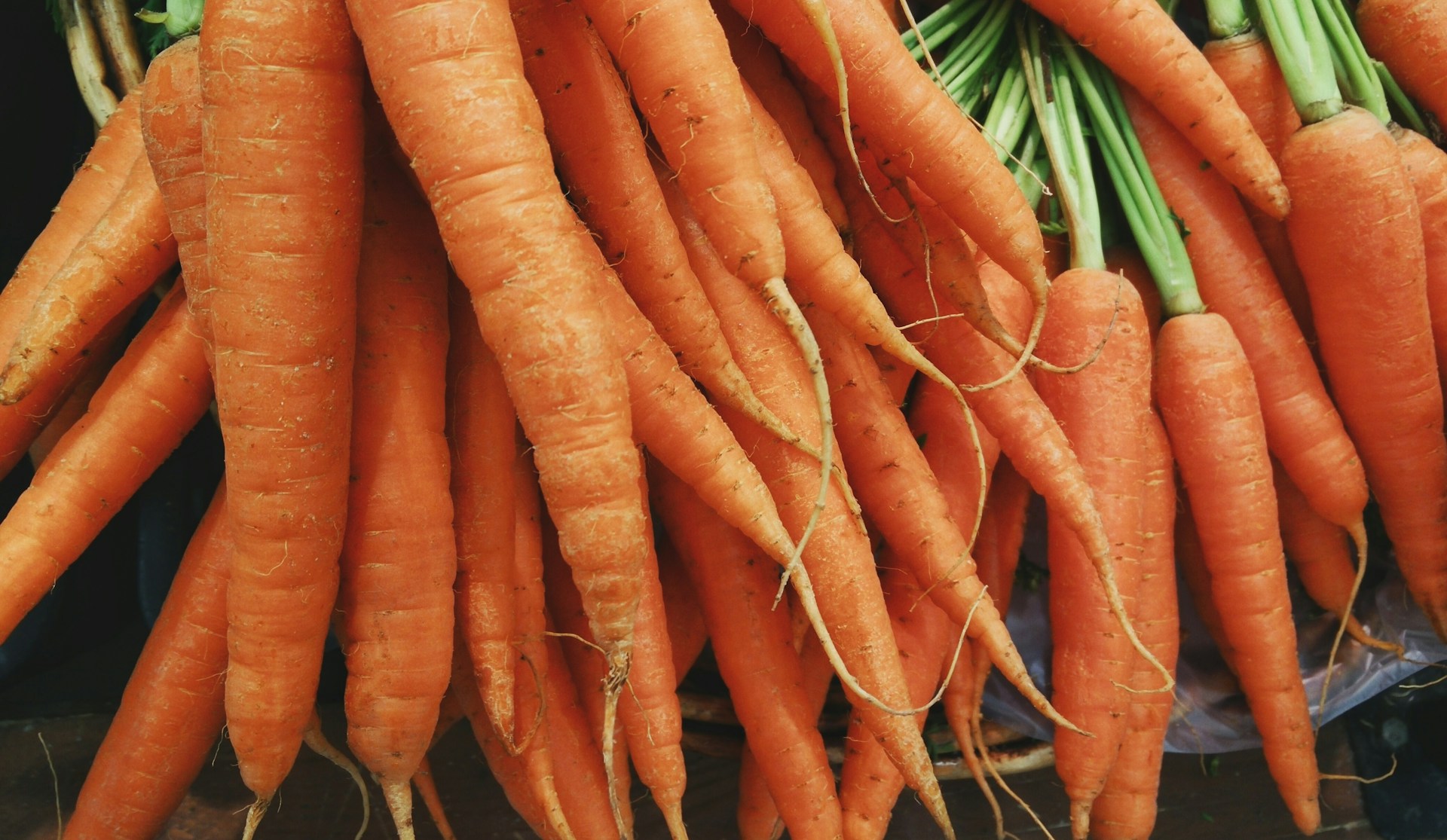
The modern orange carrot feels ancient, but Kew notes that domesticated carrots in ancient Persia were originally purple or yellow, with orange forms becoming established in the 17th century. Britannica also traces the plant’s domestication history to regions around Afghanistan and nearby areas.
That color shift matters because it reveals how selective breeding quietly edits collective memory. People assume produce colors are natural endpoints, yet many are historical choices that became normal through farming and commerce. The carrot’s strange part is visual: a familiar hue that looks inevitable today was once the new version.
Chocolate Chip Cookies Were a Business Move, Too
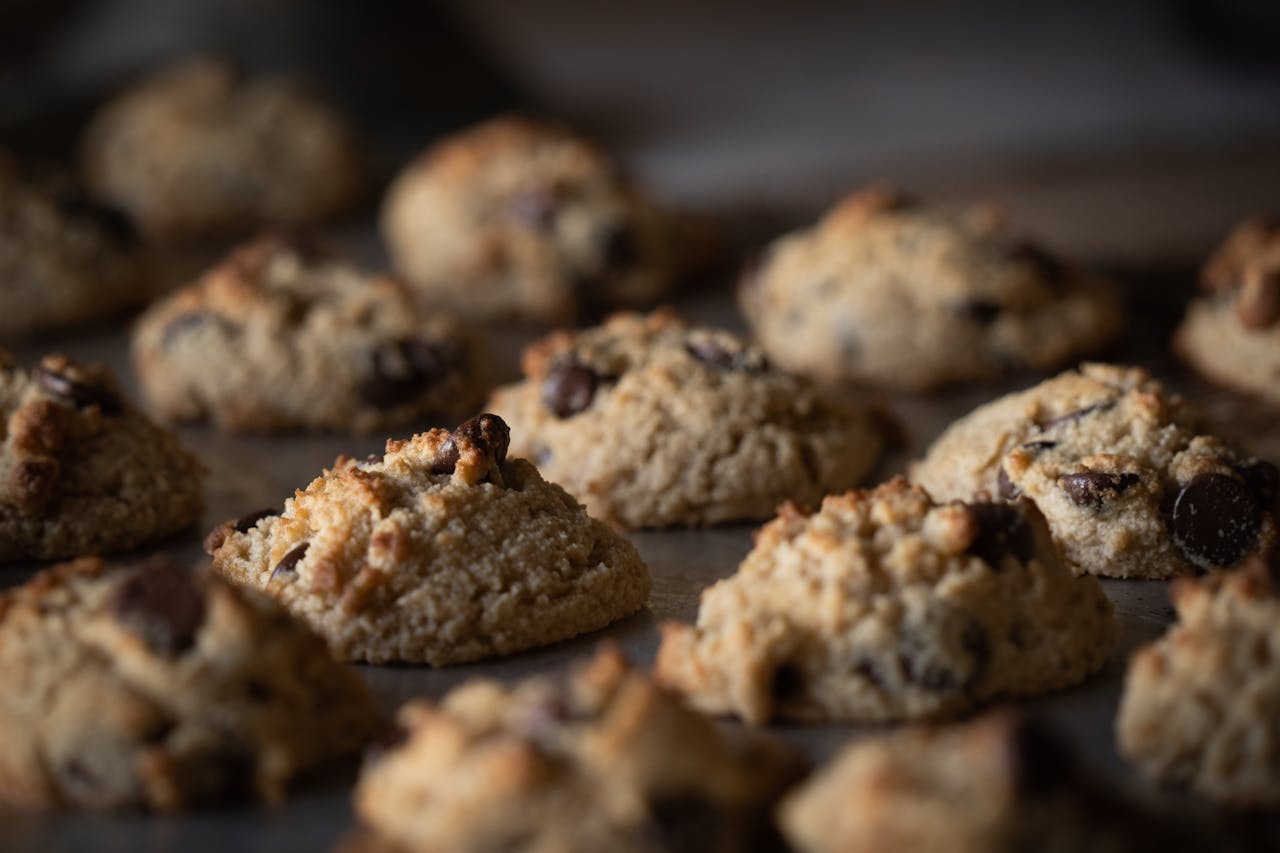
History credits Ruth Graves Wakefield, owner of the Toll House Restaurant in Massachusetts, with creating the chocolate chip cookie in the 1930s. What sounds like a homey dessert story quickly turned commercial: Nestlé saw demand surge, acquired recipe rights in 1939, and put the formula on packaging.
The weird part is the speed of scale. A local roadside treat moved into industrial distribution while still feeling handmade and nostalgic, a rare blend of intimacy and mass marketing. Even the language shifted: Toll House became so widely used that the name entered everyday speech beyond one kitchen or one brand identity.