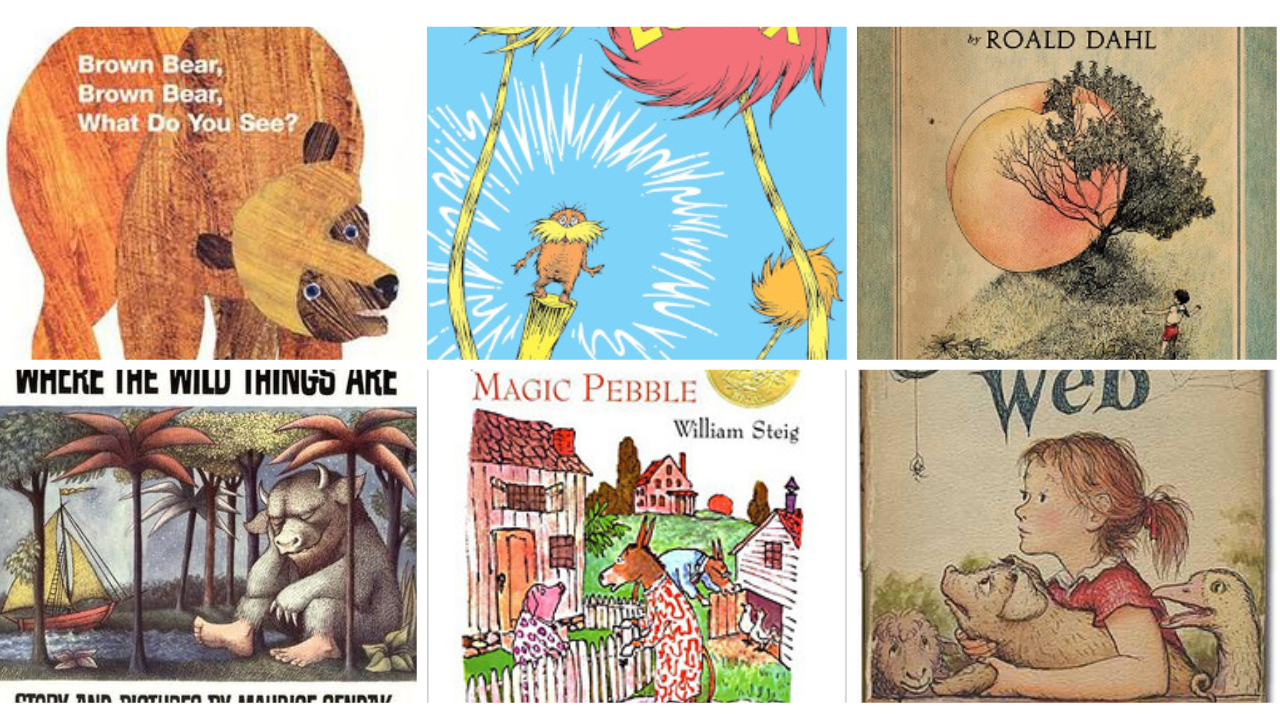
Book bans carry a heavy sound, but many of the stories behind them border on comedy. Picture books, quiet fantasies, and goofy comics have all been marched out of classrooms over tiny details adults blew out of proportion. Looking closely at these decisions shows less a war on dangerous ideas and more a pattern of anxiety, paperwork mistakes, and fear of embarrassment. What remains constant is how often curiosity wins. Readers still find their way back to the stories that once worried the gatekeepers.
Brown Bear, Brown Bear, What Do You See?
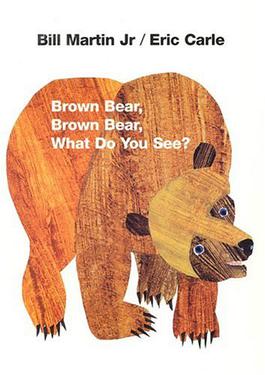
Bill Martin Jr’s picture book Brown Bear, Brown Bear, What Do You See was briefly banned in Texas after officials confused him with a Marxist philosopher who shared his name. Worried about an academic treatise none of them had read, they targeted a toddler classic built on colors and animals. The fiasco turned a routine board meeting into unintentional satire and exposed how fragile official judgment can be when fear outruns the simple act of opening a book. The whole scene became a case study in how fear of ideology can spiral into plain sloppiness when no one slows down long enough to read.
Where’s Waldo?
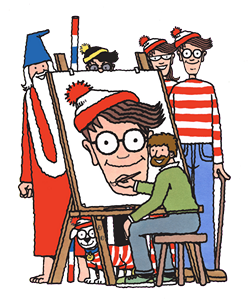
Where’s Waldo looks like pure chaos and harmless fun, yet an early edition landed in trouble over a tiny topless sunbather drawn on a crowded beach. The figure is so small most children never notice it, but a few adults zoomed in, panicked, and demanded the book be pulled from school shelves. Instead of trusting kids to gloss over a cartoon speck of skin, committees treated a seek and find puzzle like a moral emergency and turned Waldo into a censorship mascot. The uproar did not make children more innocent, only more curious, and it turned a beach cameo into a permanent piece of trivia about overreaction.
Captain Underpants
Dav Pilkey’s Captain Underpants series has been challenged for potty humor, supposed disrespect, and the fear that kids might imitate its prank loving heroes. There is no graphic content, just gleeful silliness and two boys who question authority with paper capes and bad timing. Adults framed that irreverence as a threat rather than a release valve. In trying to stamp out the laughter, challengers only proved the books central joke that grown ups panic while children move on to the next chapter. The gap between what adults feared and what kids actually took from the stories could not have been wider.
Charlotte’s Web
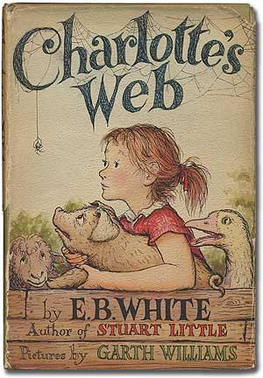
Charlotte’s Web, one of the gentlest farm stories ever written, has been attacked for letting animals talk and for confronting children with death. In one district, objectors argued that giving speech to pigs and spiders was spiritually suspect, as if compassion toward a runt threatened belief itself. Others winced at Charlotte dying on the page. Yet those same scenes help generations face loss and change, turning a quiet barn tale into a first guide to loyalty, courage, and saying goodbye. The idea that such honesty harms children misses how often they already wrestle with those questions in their own lives.
Sylvester and the Magic Pebble
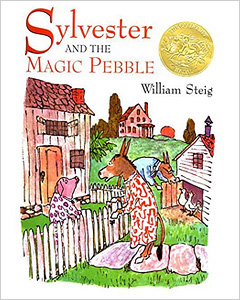
Sylvester and the Magic Pebble ran into trouble because the police in the story are drawn as pigs, a visual choice that unions and some officers read as an insult. Schools dropped the book rather than risk conflict, even though most children saw only friendly uniforms on four legs. A tender fable about a donkey turned to stone became a stand in for debates about respect and authority. The overreaction showed how adults can project their own bruised egos onto a simple picture book. When the story finally returned to classrooms, it was easier to see the ban itself as the real caricature, a sign of thin skins rather than real harm.
The Lorax
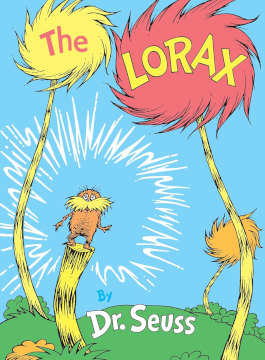
The Lorax was challenged in some timber communities for painting loggers in an unflattering light and, in their view, turning children against the industry. A rhyming cautionary tale about trees and greed suddenly looked dangerous because it named the cost of endless growth. Rather than use it to start clear conversations about jobs, land, and responsibility, critics tried to push the story out of classrooms. Ironically, that resistance helped fix the Lorax in public memory as a small, stubborn voice of conscience. The more some adults tried to silence him, the more he came to symbolize what they did not want to discuss.
Where the Wild Things Are
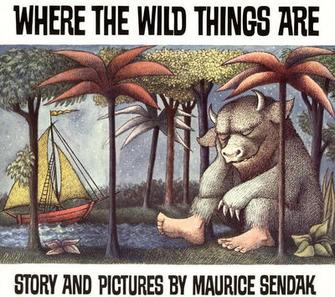
Where the Wild Things Are was once labeled too frightening for young readers because Max misbehaves, talks back, and sails into a nightmare forest of monsters. Early critics claimed it would legitimize tantrums. What it actually does is treat a child’s anger as real, then guide it toward safety and repair. The monsters are large, but they kneel before Max and vanish when he chooses home. That journey validates big feelings and quietly shows that even wild nights can end with soup still warm. Trying to shield kids from that arc ignored how clearly they already sense storms and relief inside their own heads.
Harriet the Spy
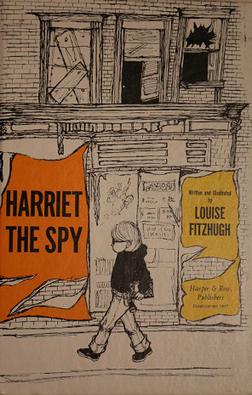
Harriet the Spy has been pulled from shelves for supposedly teaching kids to lie, stalk neighbors, and disrespect adults, when it really allows a girl to be sharp minded and unapologetically nosy. Harriet writes blunt observations, hurts people, and then has to own the damage, which is exactly what makes the story honest. Instead of offering a polished role model, it shows a flawed kid learning to balance truth and kindness. Blaming the book instead of engaging its questions about privacy and empathy was easier than trusting young readers. The unease was never really about her notebook, but about adults losing control of the story.
James and the Giant Peach
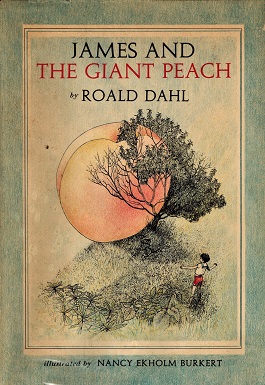
James and the Giant Peach has been challenged over mild language, mentions of tobacco and drink, and even an illustration some adults decided looked indecent. Faced with a surreal adventure about escape from cruelty, they focused on scattered details and missed the whole arc. Children remember the giant fruit, the talking insects, and a boy finally finding chosen family. Trying to ban that flight into wonder reveals a deeper wish to keep stories tidy, controlled, and free of uncomfortable edges. The anxiety was never really about a single word or drawing, but about admitting that healing sometimes arrives wrapped in weirdness.