
When winter settles in, the weakest link in a home often shows up as a quiet draft at the glass. Windows bleed comfort because glass insulates poorly, especially when frames are older or seals have gaps. The bubble wrap window hack looks a little odd, but the logic is simple: trapped air slows heat transfer. Pressed to the pane, hundreds of air pockets create a buffer zone that steadies indoor temperatures. A light mist of water helps the sheet cling without tape, and daylight still filters through. It is inexpensive, reversible, and practical for drafty rooms that need relief before deeper weatherization for a while.
Why Trapped Air Beats Bare Glass

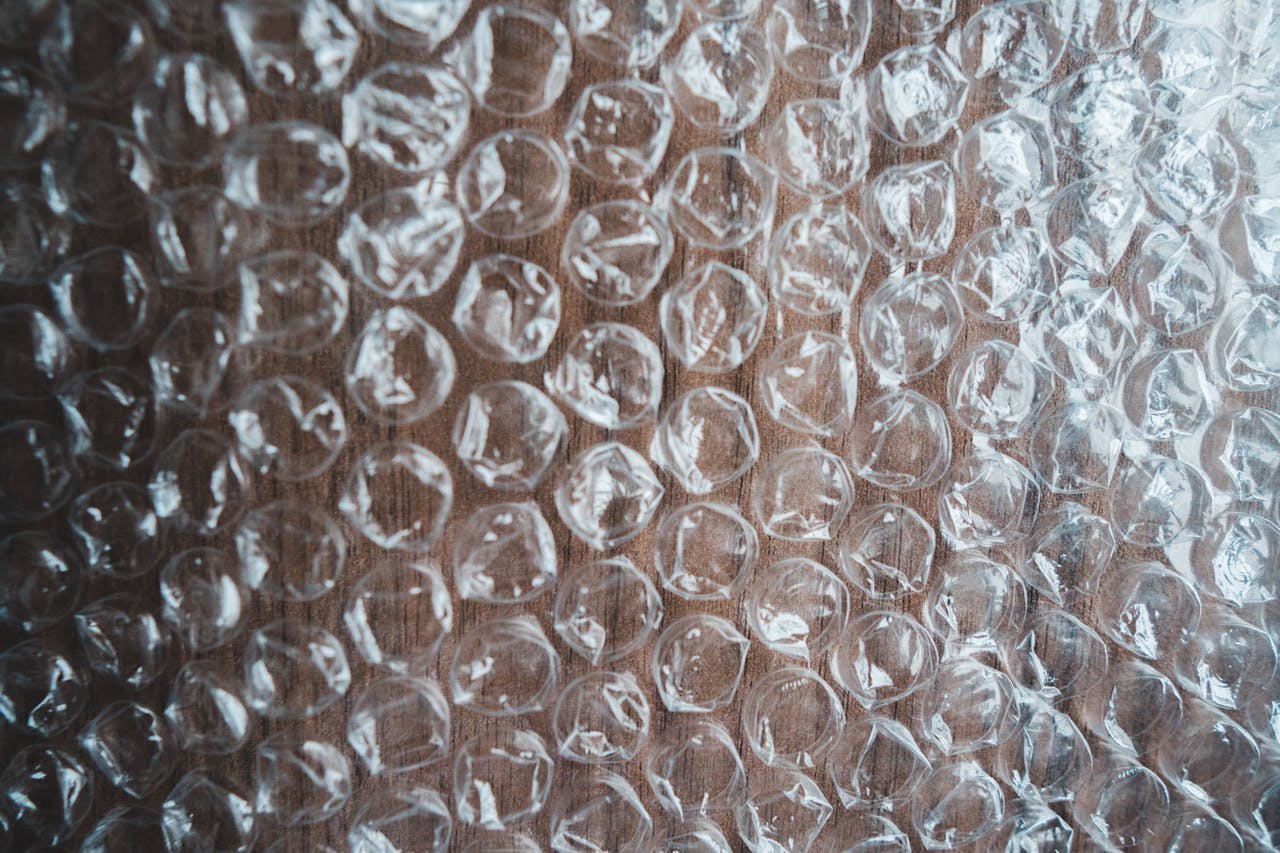
Bubble wrap insulates because each bubble holds still air, and still air resists heat movement far better than solid glass or bare plastic. That creates a thin buffer zone between indoor warmth and the cold surface of the window, easing the sharp chill that can radiate into a room even when the thermostat is steady and the vents are working, especially near large panes. On older, single-pane windows, this simple layer has been reported to cut heat loss by as much as 50%, which can make evenings feel calmer, reduce cold spots near couches, and help rooms hold heat longer after the heat cycles off overnight in plain terms.
Pick the Right Bubble Size
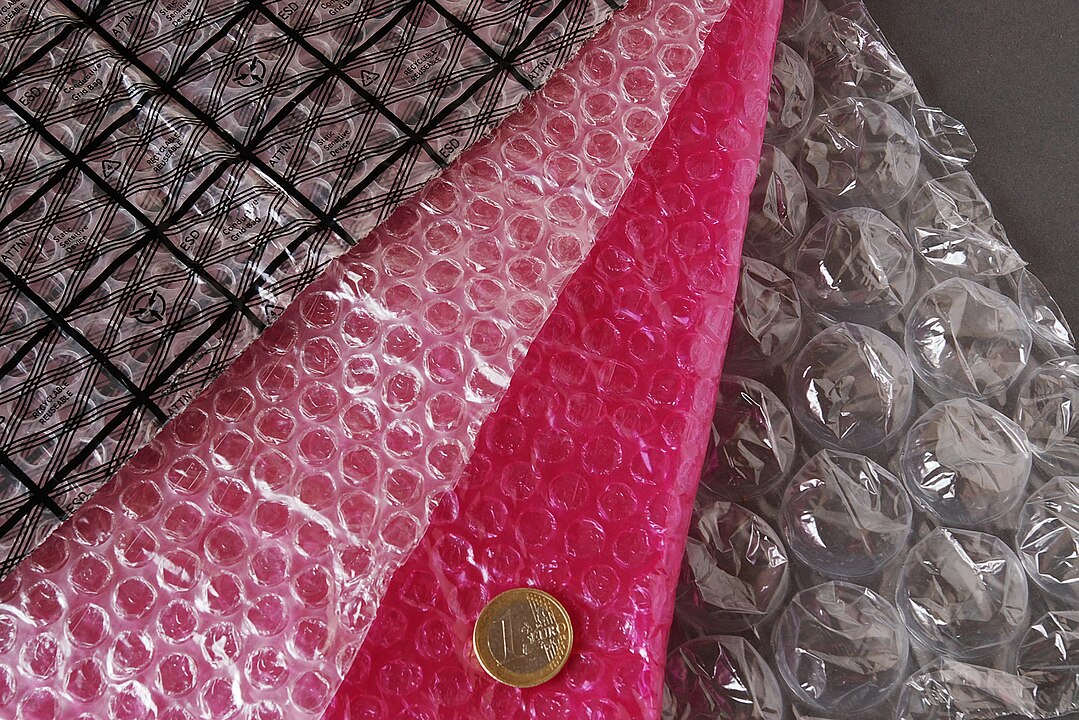
Not all bubble wrap performs the same, and the small details matter more than the joke factor when a room is losing warmth. Larger bubbles generally trap more air per pocket, and sheets with bubbles packed closely together leave fewer channels for drafts to snake through along the glass and settle at ankle height near baseboards. Thicker wrap also tends to sit flatter after cutting, which helps the air layer stay consistent; even basic shipping wrap works, but sturdier rolls are easier to handle, less prone to tearing, and often sold in large, low-cost packs, such as 200 square ft for about $20 for bigger panes now.
Measure for a Clean Fit

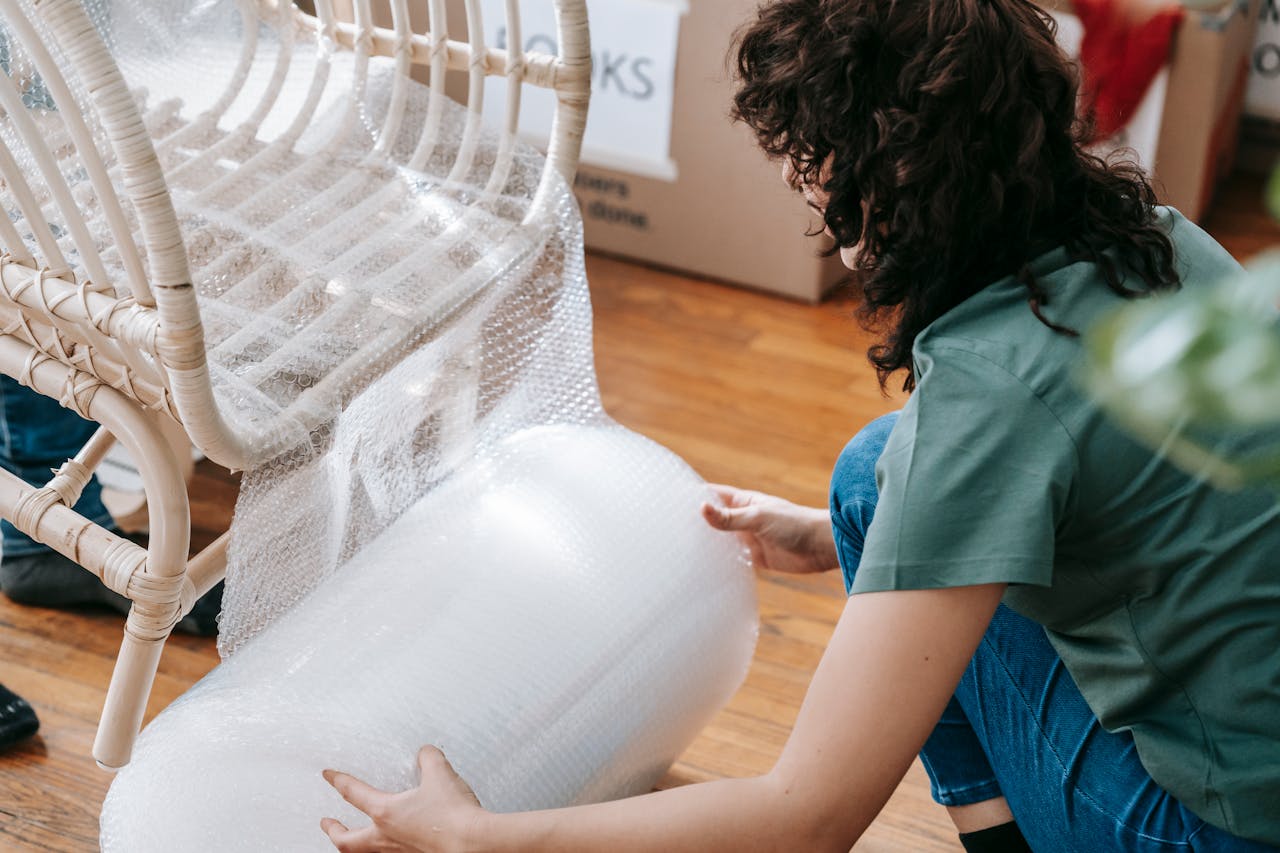
The hack works best when the sheet matches the visible glass area, not the whole frame, because trim, latches, and handles create ridges that break contact. Careful measuring reduces wrinkles, keeps corners from curling, and makes the finished window look deliberate, which matters in living spaces where the fix stays up for weeks and gets noticed in daylight. Sharp scissors or a utility blade makes cleaner edges around muntins and tight sashes, and a neat fit helps the wrap stay put through repeated freeze and thaw cycles; a straightedge, light pencil marks, and labeled pieces keep work tidy around divided panes.
Use Water as the Adhesive
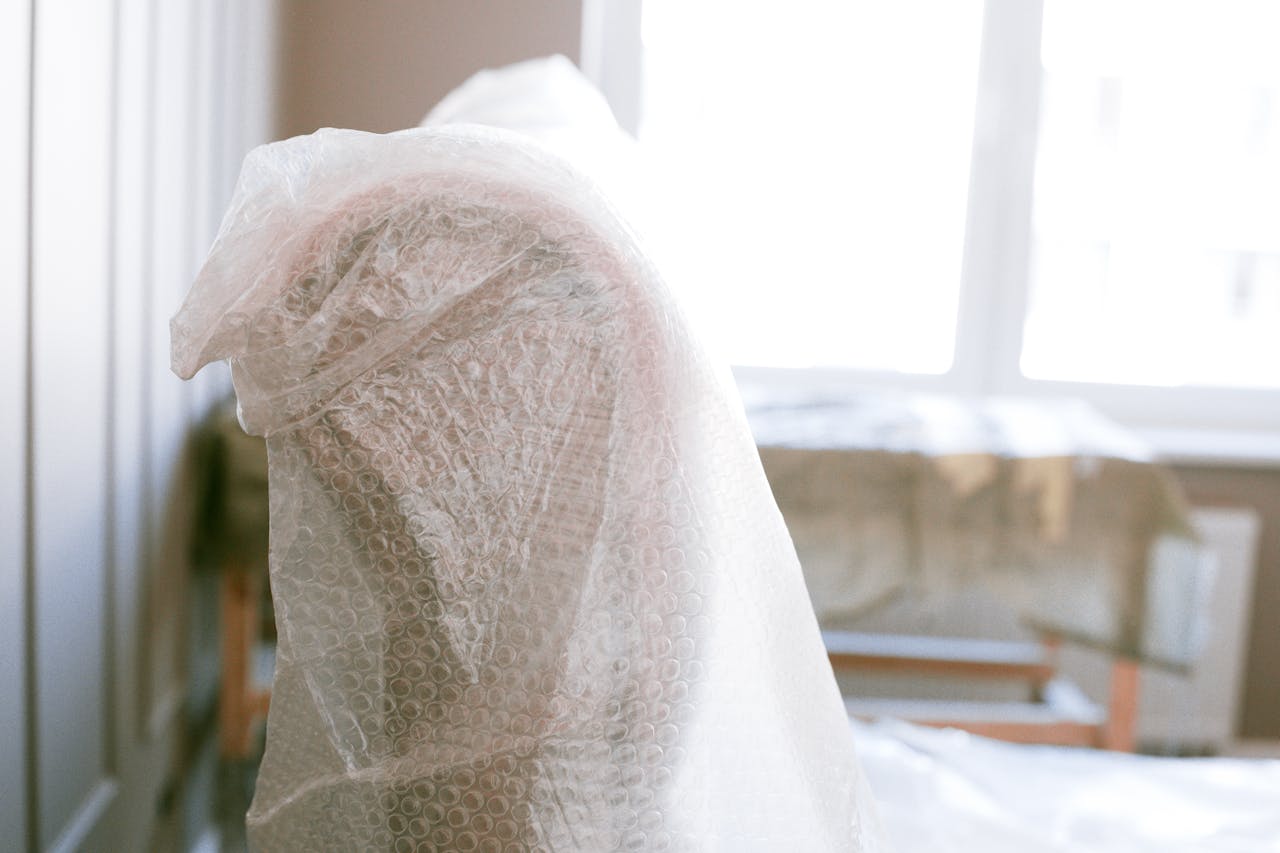
Tape can leave residue, tug at paint, and turn a simple idea into a sticky cleanup job, so water is the quiet hero of the method. A fine mist on the glass lets the plastic cling by surface tension, holding the sheet in place without permanent marks, bulky seams, or loud strips running across the pane that catch dust. For best contact, the bubble side faces the glass so the air pockets sit against the cold surface, while the flatter side faces the room, wipes more easily, and can be smoothed with a dry cloth from the center out; a quick re-mist resets grip, and excess water can be dabbed before it reaches trim in seconds.
Start With the Draftiest Rooms

Bubble wrap is most satisfying where discomfort is obvious, like a bedroom that runs cold at night, a home office that loses heat by midafternoon, or a living room anchored by a big picture window. Targeting the worst offenders first delivers the biggest comfort gain for the least effort, which is why the hack spreads by word of mouth every winter and can change how a whole floor feels. It also helps diagnose the real problem: if the chill remains, the draft may be coming from gaps at the sash, loose trim, or a tired seal that needs weatherstripping, not just the pane itself, so priorities get clearer on day one.
Mind Condensation and Moisture

Any added layer changes how moisture behaves on glass, so a little awareness keeps the fix from creating a new nuisance behind the scenes. In humid homes, condensation can collect behind the wrap during cooking, showers, or sharp temperature drops, and trapped moisture can linger against wood trim, painted sills, or older caulk lines, softening finishes over time. Quick checks every few days, plus peeling back and drying the pane when needed, helps prevent musty odors and staining; wiping the sill dry matters, too, and opening a vent fan during steamy moments can reduce repeat fogging in winter if needed at night.
Keep Light While Cutting the Chill
One reason this hack sticks around is that it rarely blocks daylight completely, which matters during short winter days and long indoor afternoons. Clear wrap softens the view and blurs fine detail, but it still lets natural light brighten walls and floors, keeping rooms from feeling shut down for the season or overly dependent on lamps and overheads. Clarity varies by brand and bubble size, so some windows take on a gentle frosted effect; many people reserve the hack for side rooms and bedrooms, where comfort matters more than a perfect view, and keep front-facing windows clear for a brighter feel in daytime too.
Pair It With Simple Sealing
Bubble wrap helps the pane, but air leaks often start at the edges where sashes meet frames, and that is where warmth can quietly escape first. Removable rope caulk, draft tape on the sash, or fresh weatherstripping can amplify the effect by reducing the pressure differences that pull cold air indoors and make curtains flutter on windy nights. Used together, these small fixes calm the whole window area, so the wrap acts as the final insulating layer, smoothing out temperature swings; checking that locks pull sashes tight can stop the thin whistle of air that makes rooms feel colder than the thermostat suggests first.
Know When to Skip It
This is a temporary winter tactic, not a cure for every window, and some situations call for a different tool or a lighter touch. On newer, well-sealed double-pane units, the gain may be modest, and condensation risks can outweigh the comfort boost, especially in kitchens and bathrooms where moisture is already high and surfaces cool quickly. It is also a poor match for frequently opened windows, emergency exits, or any area where clear sight lines matter; in those spots, a shrink-film kit, insulated curtains, or a well-fitted shade can be the smarter choice in busy homes with daily traffic and pets at home daily.