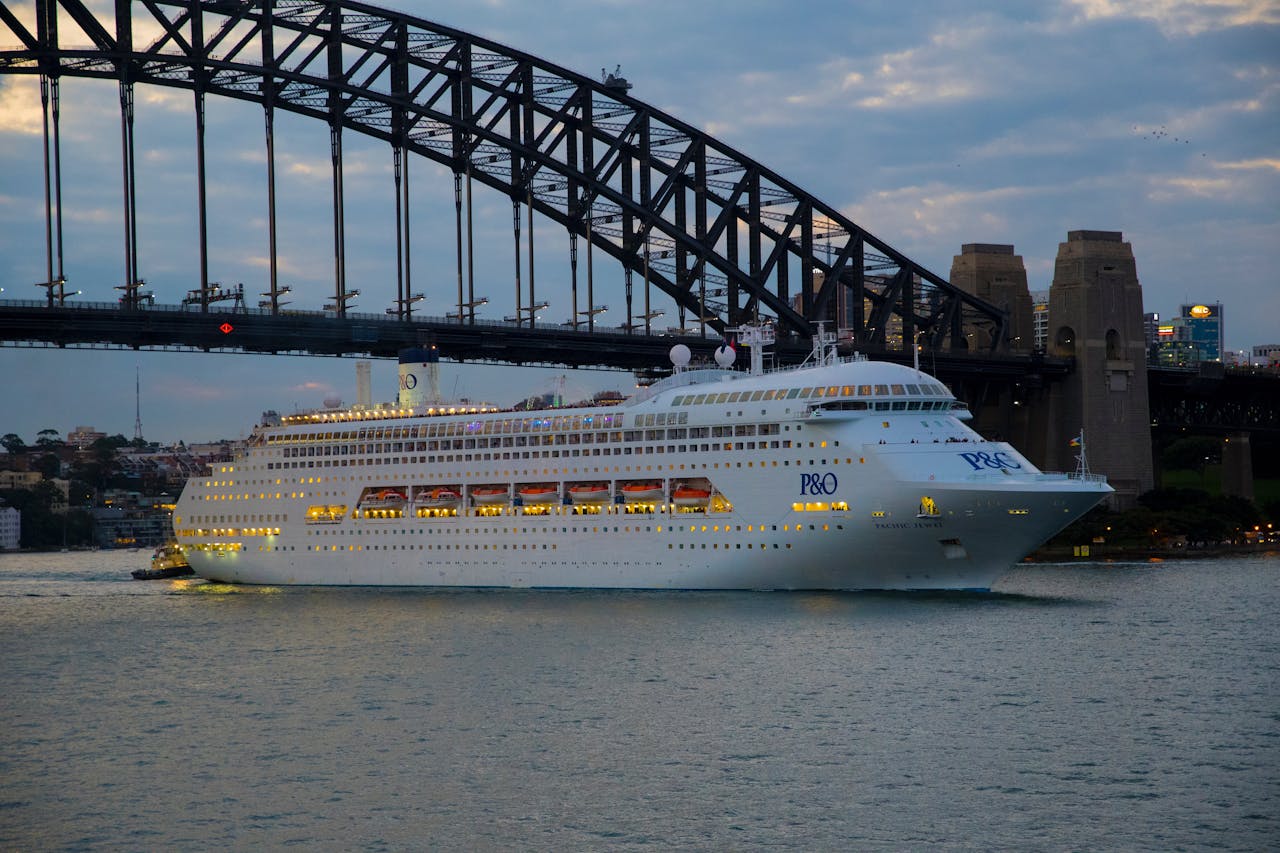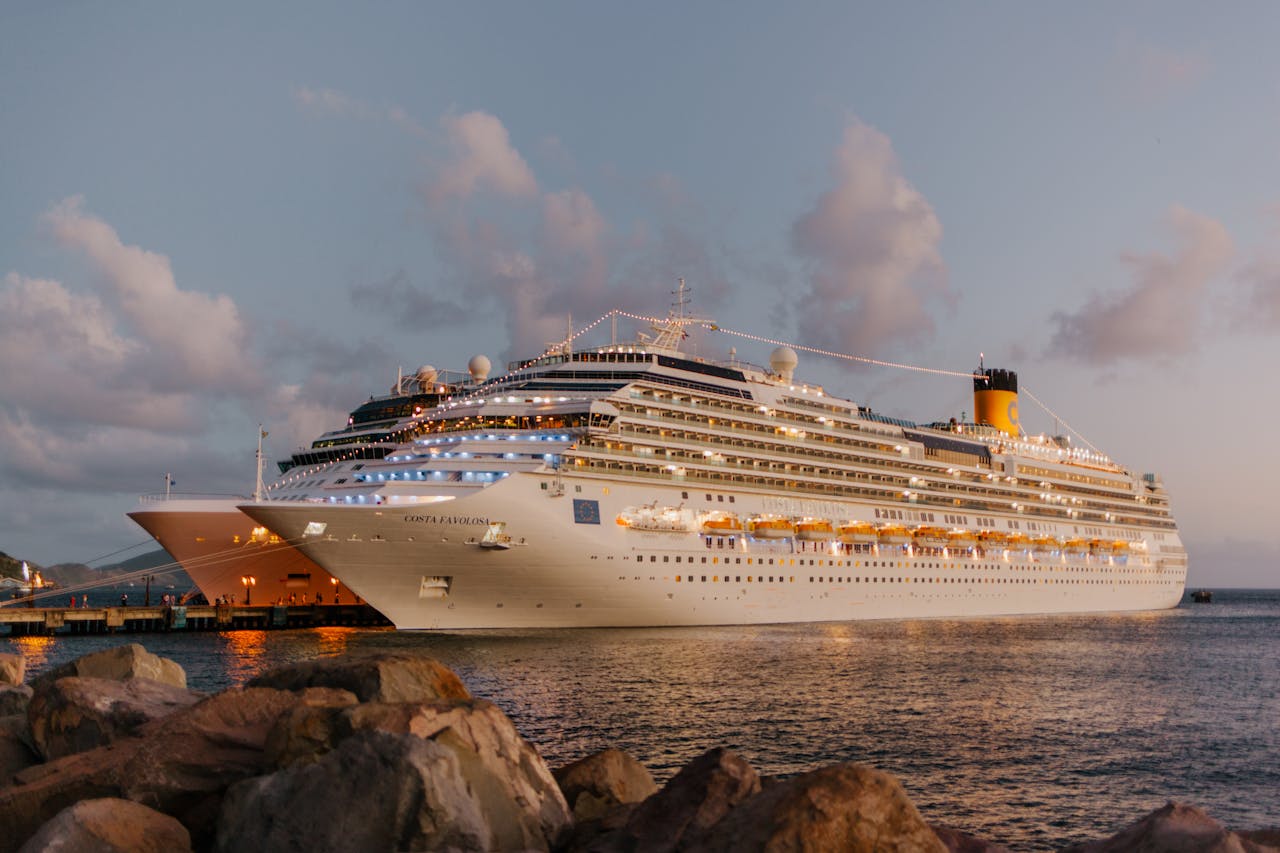
Mallorca sells a postcard dream, but Palma’s port can unload a small town of visitors before breakfast.
When three giant ships overlap, the old city’s lanes turn into a moving queue, not a vacation stroll.
So the island’s leaders are tightening the welcome mat, not to ban cruises, but to slow the surge.
The aim is simple: fewer peak-day crushes, more breathing room for residents, workers, and visitors.
This shift is tied to overtourism debates, rising rents, and the feeling that public space is being rented out.
Cruises also bring a tricky math problem: big numbers ashore, but not always big spending on the island.
Ports love predictable volume, yet islands run on fragile systems like water, waste, roads, and emergency care.
Mallorca’s cap signals a new line in the sand for Mediterranean cruising: growth is no longer automatic.
The Problem Palma Can No Longer Ignore
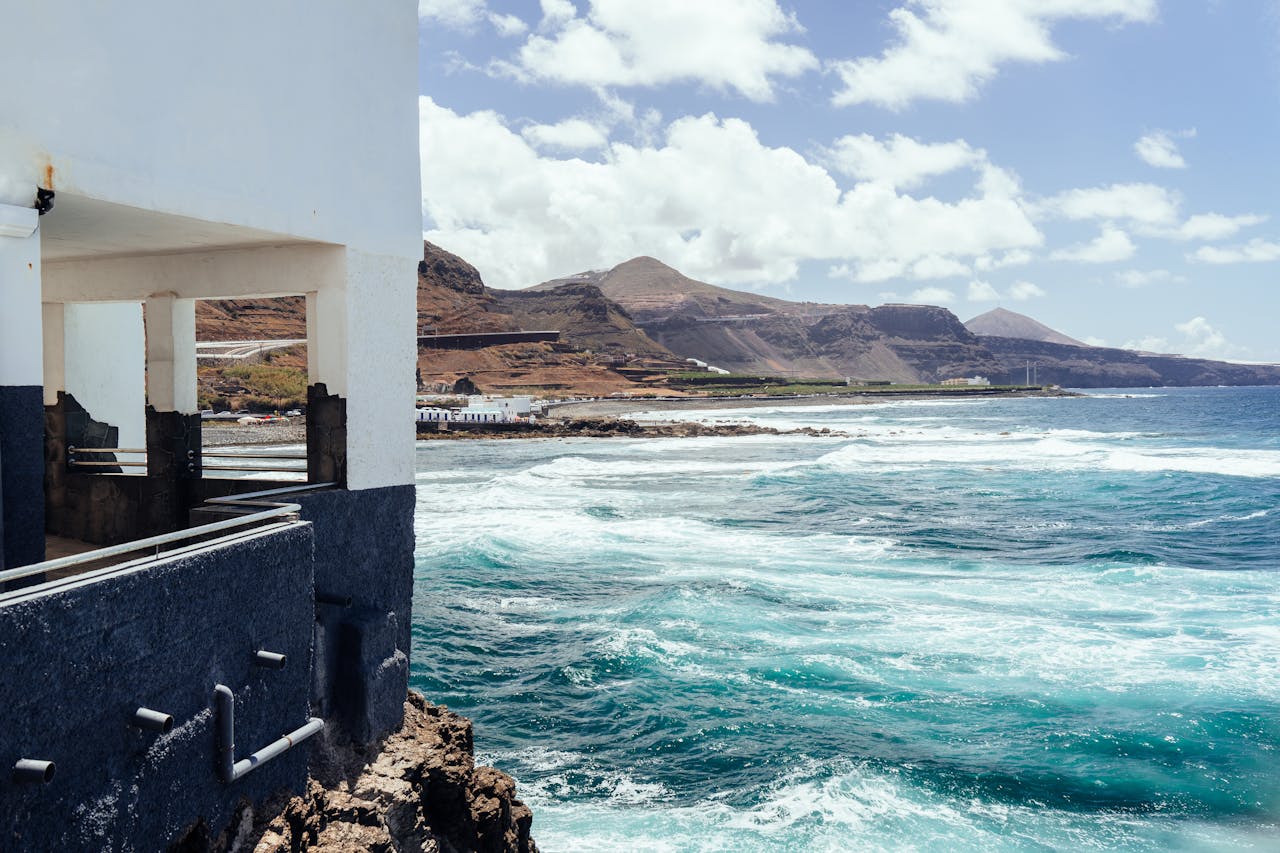
On busy days, Palma gets hit twice: crowds in the old town and traffic snarls at the same choke points.
Excursions funnel people to the same cathedral views, the same shopping streets, the same buses. Residents time errands like military ops.
Even tourists feel it when every café line is forty deep and the beach path feels like a parade route.
Local protests over tourism have made cruise days an easy symbol to rally against. The island can’t treat it like background noise.
What The New Cap Actually Does
The policy targets overlap, not ships in general, by limiting how many can dock and unload visitors on the same day.
In Palma, the cap stays at three cruise ships per day, and only one can be a mega ship above 5,000 passengers.
That reshapes the worst afternoons, because the crunch comes from simultaneous arrivals, not from the yearly total alone.
The deal also formalizes oversight, with a governance committee set to meet at least twice a year.
Cruise lines still get access to a headline port, but they have to spread calls across the calendar instead of stacking them.
For the port, fewer spikes can mean smoother security, cleaner streets, and less pressure on buses and tour operators.
For the city, it is a way to claim control without cutting off tourism jobs that depend on a steady season.
Mallorca first moved this way in the early 2020s, and the latest agreement keeps that framework in place.
Why Big Ships Hit Islands Harder
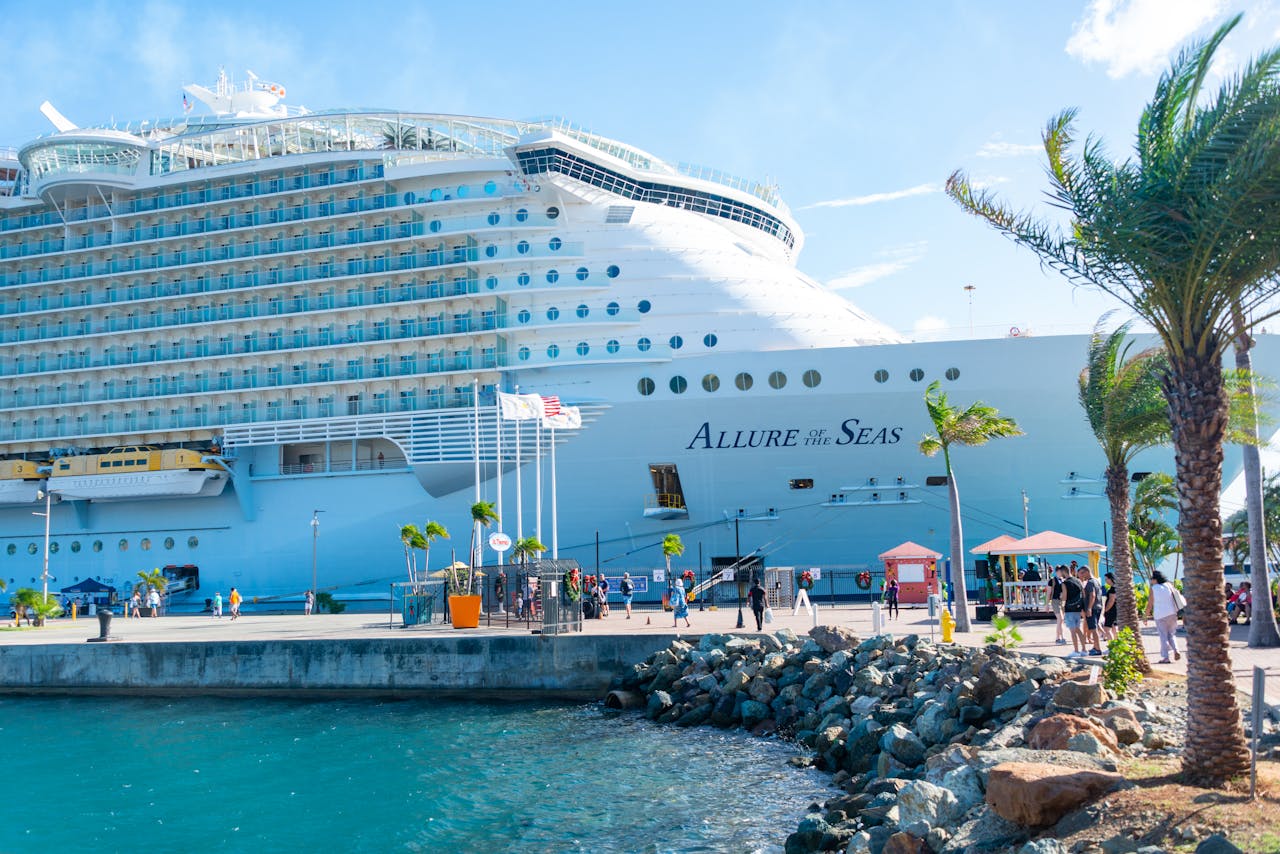
An island can feel crowded long before it is full, because most visitors converge on a tiny, photogenic core.
Large ships move like a wave: thousands disembark within minutes, then flood the same few routes to the same sights.
If tender boats are involved, ports add another bottleneck, and delays spill into the rest of the day’s schedule.
Emergency services can’t scale overnight, so a sharp spike strains clinics, policing, and basic response times.
Local systems feel it too, from trash pickup to public toilets, because usage jumps while staffing stays flat.
When cruise guests leave by late afternoon, the island absorbs the wear, but the ship carries away many sales.
That imbalance is why islands talk about quality, not just quantity, even when the headline numbers look great.
The Housing And Worker Pressure Cooker
Cruise limits are not a housing policy, but they land inside a wider squeeze on rents and space across Mallorca.
Tour demand and short-term rentals can push locals outward, and service workers get priced farther from their jobs.
Long commutes lead to turnover, which raises costs for businesses and quietly lowers service quality for visitors.
Voters care less about passenger totals than about whether their kids can still live nearby and build a life.
Cutting peak cruise traffic becomes a visible lever, even if the deeper fix needs housing rules and enforcement.
Emissions, Waste, And Water Stress
A cruise ship at berth is basically a floating hotel, and islands feel the energy demand concentrated in one spot.
When ships run engines in port, they add local air pollution on days when the city is already packed tight.
Ports are pushing shore power so ships can plug in, but the grid upgrades are expensive and take years.
Waste is another hidden load: more visitors mean more trash, more treatment needs, and more cleanup on streets.
Water can be the quiet limit in summer, when locals and tourists draw from the same finite supply.
By trimming the biggest surges, officials buy time to modernize infrastructure instead of constantly playing catch-up.
What Cruise Lines And Ports Get In Return
Cruise companies prefer clear rules over sudden bans, because they plan itineraries years ahead.
A predictable cap lets lines market Palma without gambling on last-minute cancellations. It also rewards smarter spacing across ports.
Ports benefit too, because staggered calls reduce staffing chaos and improve the guest experience on the pier.
Some places steer traffic toward home-porting, where travelers spend more nights, meals, and taxis locally.
What Visitors Will Notice On The Ground
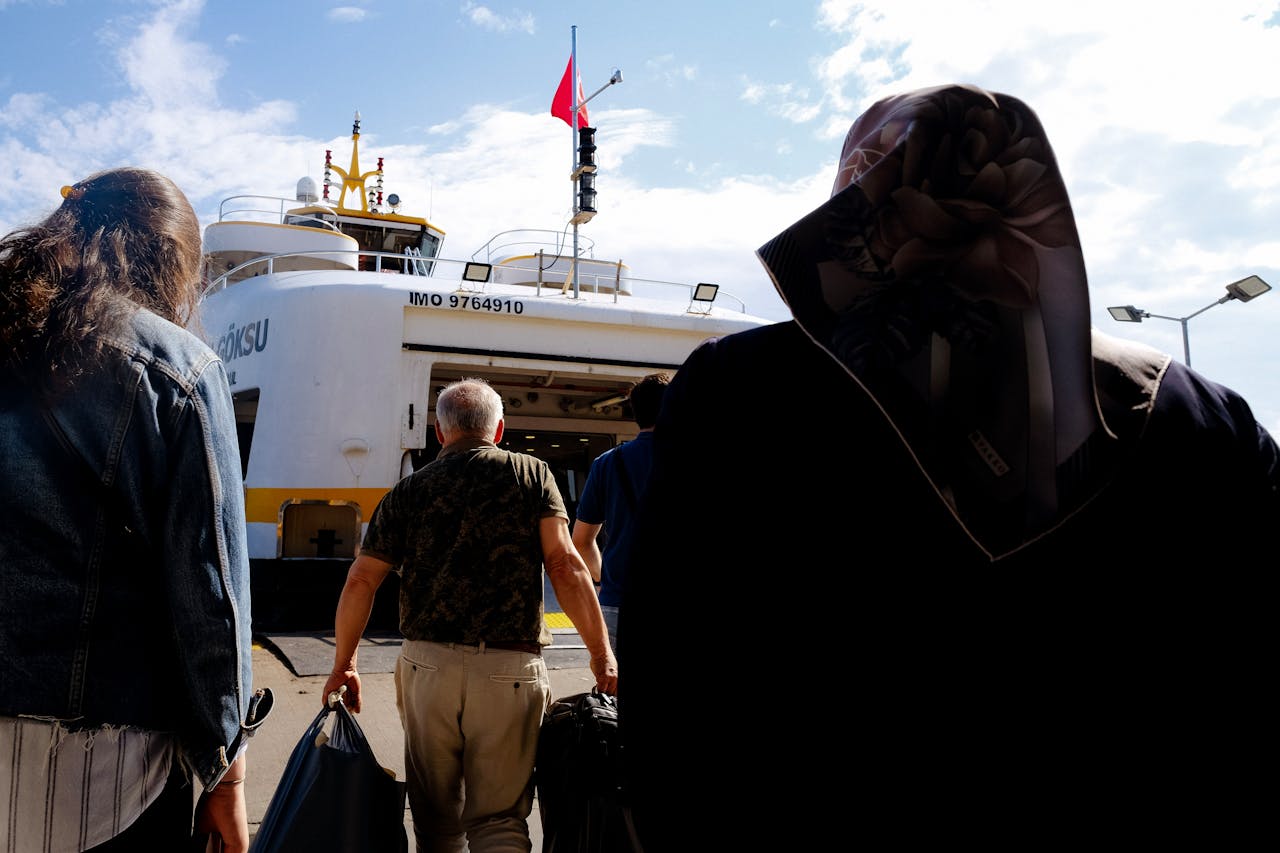
If the cap works, the first difference is simple: fewer moments when the old town feels like an airport terminal.
Tours may shift earlier or later to dodge peak hours, and independent travelers will find more breathing room in cafés.
Planning still matters: popular sights fill up, so timed entry and off-peak wandering will feel like the real cheat code.
The Bigger Signal For Mediterranean Cruising
Mallorca is not alone; Mediterranean destinations are testing limits as residents demand a say in how tourism grows.
The industry is shifting from pure volume to managed flow, with ports coordinating schedules like air traffic. The winners handle spikes well.
For travelers, it may mean fewer mega-ship pileups and more time in smaller ports that can actually breathe.
For Mallorca, the message is clear: visitors are welcome, but daily life has to stay livable. Expect more caps like this.