
Airports can feel like a finish line, but for U.S.-bound travelers, admission is never automatic. U.S. Customs and Border Protection screens close to a million international arrivals daily, and nearly all are processed without complications. Still, a small number are pulled aside, questioned, or refused entry, sometimes after long flights and carefully booked itineraries. Confusion often starts with a simple misconception: a visa, ESTA approval, or even a green card is permission to request admission, not a promise. The decision happens at the port of entry, where officers weigh identity, intent, and eligibility under U.S. immigration law. Knowing how that process works can turn a scary headline into something more practical and predictable, and help travelers prepare calmly.
Entry Requirements Depend On Status And Route

Requirements shift based on citizenship, residency, and how someone arrives. CBP notes that U.S. citizens generally use a U.S. passport for international air travel, while land or sea arrivals may use certain Western Hemisphere Travel Initiative documents, including trusted traveler cards. Many visitors enter on a visa, while Visa Waiver Program travelers can stay up to 90 days for tourism or business with ESTA approval, but prior travel to Cuba on or after Jan. 12, 2021, or to certain countries listed under VWP restrictions can trigger a visa requirement and extra screening on arrival, even for routine vacations.
Secondary Inspection Is Common, And Not Always Ominous
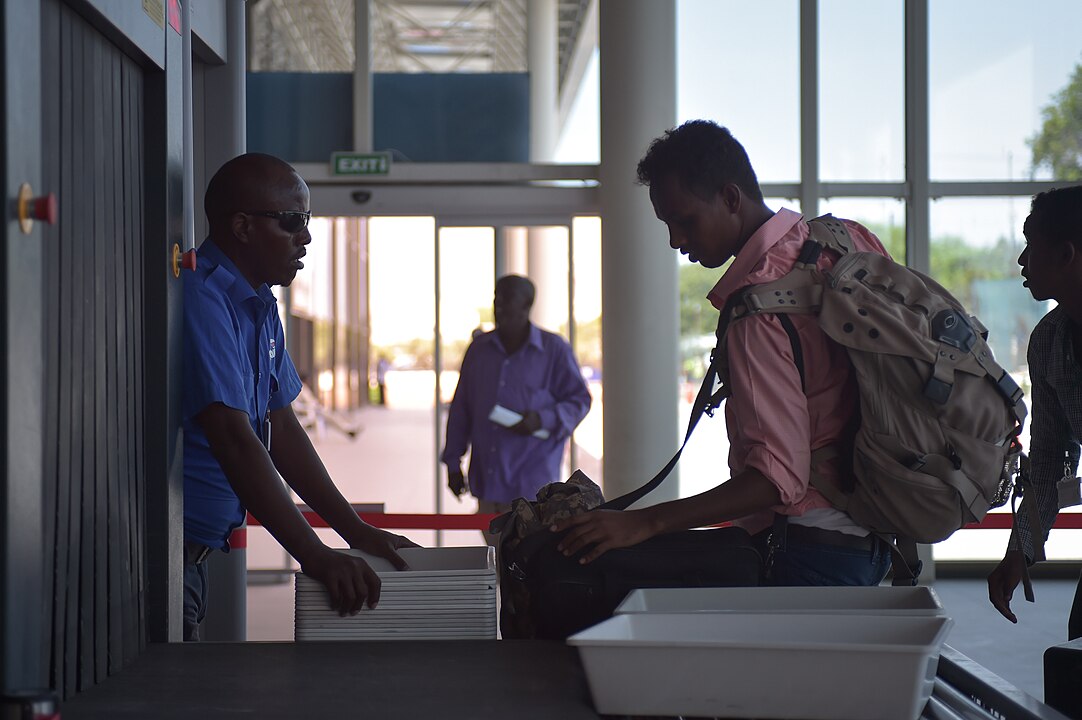
Secondary inspection is a separate area where CBP can verify details without slowing the main line, and it does not automatically mean wrongdoing. Referrals can happen for mundane triggers, such as similar names, incomplete travel history, a new passport, or a visit pattern that looks unusual for the stated purpose, as many universities caution international travelers. Inside, officers may review luggage, confirm addresses and contacts, run additional database checks, and take biometrics; a calm, consistent explanation often matters more than perfect wording, after which entry can be granted, deferred, or refused.
Inadmissibility Can Turn On Health, Crime, Or Security
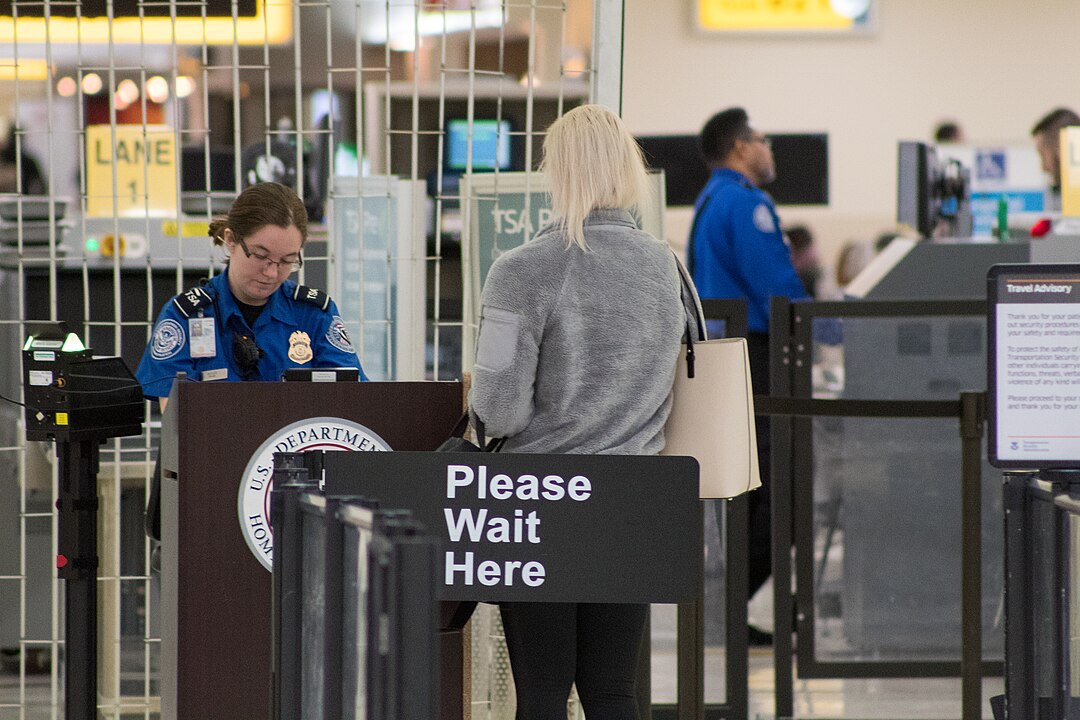
U.S. immigration law lists grounds of inadmissibility that can bar noncitizens, ranging from certain communicable diseases of public health significance to criminal history and security-related activity. Terrorism-related grounds are broad, covering engagement, support, or training, and officers may treat false documents or inconsistent answers as signs of fraud. Even factors tied to financial self-sufficiency can arise through the public charge rules, where officials assess whether an applicant is likely to become primarily dependent on government support during a stay, using a totality-of-the-evidence approach.
Phones And Laptops Can Be Searched At The Border

CBP states it has authority to search electronic devices at ports of entry, and it distinguishes between basic searches and advanced, forensic-style searches with additional approvals. The agency reports that in FY 2025, it processed more than 419 million travelers at ports of entry and searched devices of 55,318 international travelers, making the practice uncommon but real. Civil liberties groups note that U.S. citizens cannot be denied entry for refusing to provide passwords, yet the standoff can still mean hours of detention, device seizure, and a paper trail that follows future trips, especially for noncitizens.
ESTA Or Visa Approval Can Be Revoked Or Reconsidered
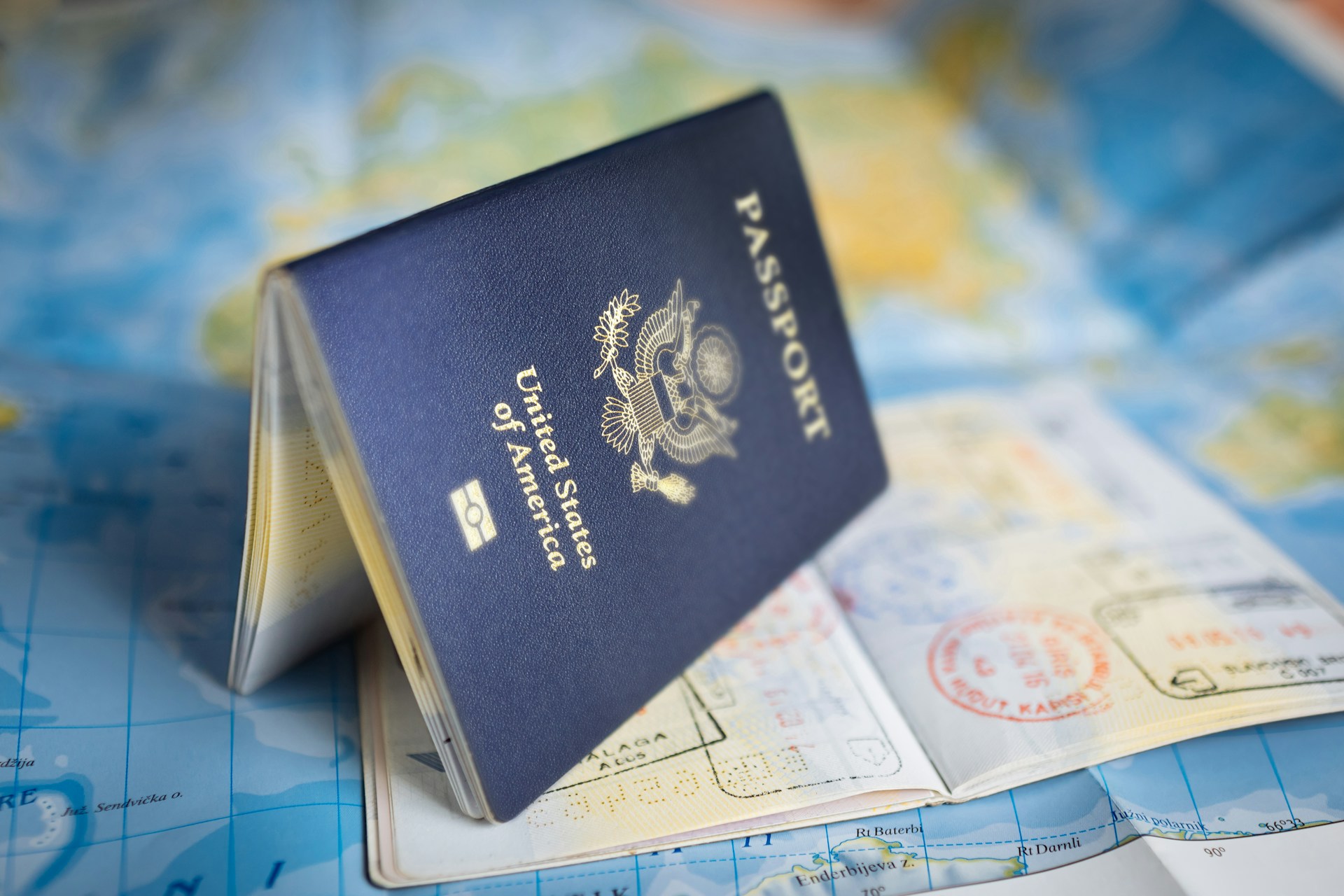
Travel authorization can change between booking and arrival, and it is not a guarantee of admission. State Department guidance notes that Visa Waiver Program eligibility can be lost after certain travel history, including visits to Cuba on or after Jan. 12, 2021, which can force a full visa application instead. Consular officers have wide discretion and visa denials are usually hard to challenge, while CBP can still question intent at the airport; in Dec. 2025, the administration proposed expanding ESTA vetting to require five years of social media handles and other identifiers, via a mobile app, as early as Feb. 8, 2026.
Green Card Holders Can Still Face Hard Questions
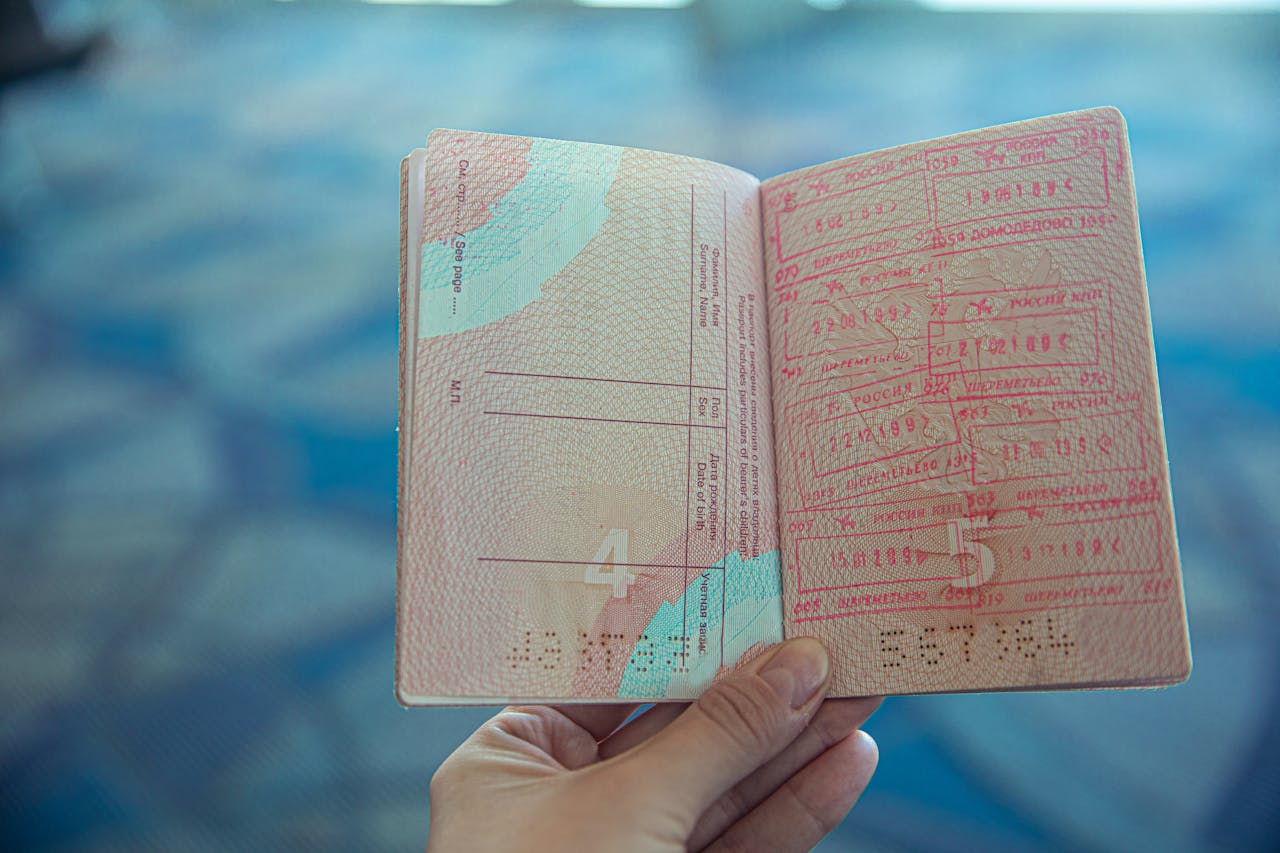
Lawful permanent residents generally have a strong right to return, but long absences can trigger scrutiny at reentry. Immigration experts note that trips beyond 180 days can raise questions about abandonment of residence, and CBP may press for proof of U.S. ties such as employment, a lease, tax filing, or close family. A valid green card or reentry permit is usually enough for routine travel, but those unable to return within the time allowed may need a Returning Resident (SB-1) visa, and even compelling reasons like caring for a sick relative do not guarantee smooth entry, so documentation matters in the moment.
Denial Can Mean A Flight Home, Detention, Or Fast Removal

When CBP decides a noncitizen is not admissible, outcomes vary, and the turn can feel abrupt after hours in a windowless back room. Some travelers are allowed to withdraw an application for admission and return on the next flight, often at the carrier’s expense, while others are held for secondary screening to resolve a specific concern such as health questions, prior overstays, or document problems. More serious cases can involve detention, expedited removal, and multi-year bars to reentry; even asylum claims at the airport may be routed into accelerated screening as federal policy shifts, sometimes within a single day.
After A Refusal, Options Are Limited But Not Zero

Immediate remedies at the airport are scarce for noncitizens, and decisions are often made quickly with limited room to contest the outcome on the spot. For permanent residents, a reason generally must be provided, and speaking with an immigration attorney or a nonprofit legal clinic can help sort whether a mistake, a missing document, or a deeper eligibility issue is driving the refusal. Visa denials often have little formal review, but travelers may reapply, seek a waiver of ineligibility where available, or file a DHS inquiry to correct errors when repeated secondary screening suggests bad data in the system later.