
Air travel feels easier when people understand the logic behind airport rules. Many familiar objects behave differently in a pressurized cabin or crowded terminal, and regulations shaped by years of experience help prevent avoidable risks. Travelers who prepare thoughtfully avoid the stress of last-minute searches, rushed repacking, or losing items they meant to keep. When these boundaries are clear, the early steps of a journey feel smoother, calmer, and far more predictable. Awareness becomes a practical tool that supports both safety and comfort.
Liquids Larger Than 3.4 Ounces

Liquids larger than 3.4 ounces are a frequent checkpoint headache because larger containers complicate the screening process and require officers to examine bags more closely. Everyday toiletries, sauces, and gels fall under a uniform limit, and travelers often lose treasured products at the lane. Packing travel-size bottles inside one clear quart bag and separating essential medications for inspection prevents surprises. Stashing full-size items in checked baggage or mailing them ahead keeps the trip smoother. These modest preparations cut congestion and speed processing, and spare travelers the frustration of discarding items needed at their destination.
Sharp Objects and Cutting Tools
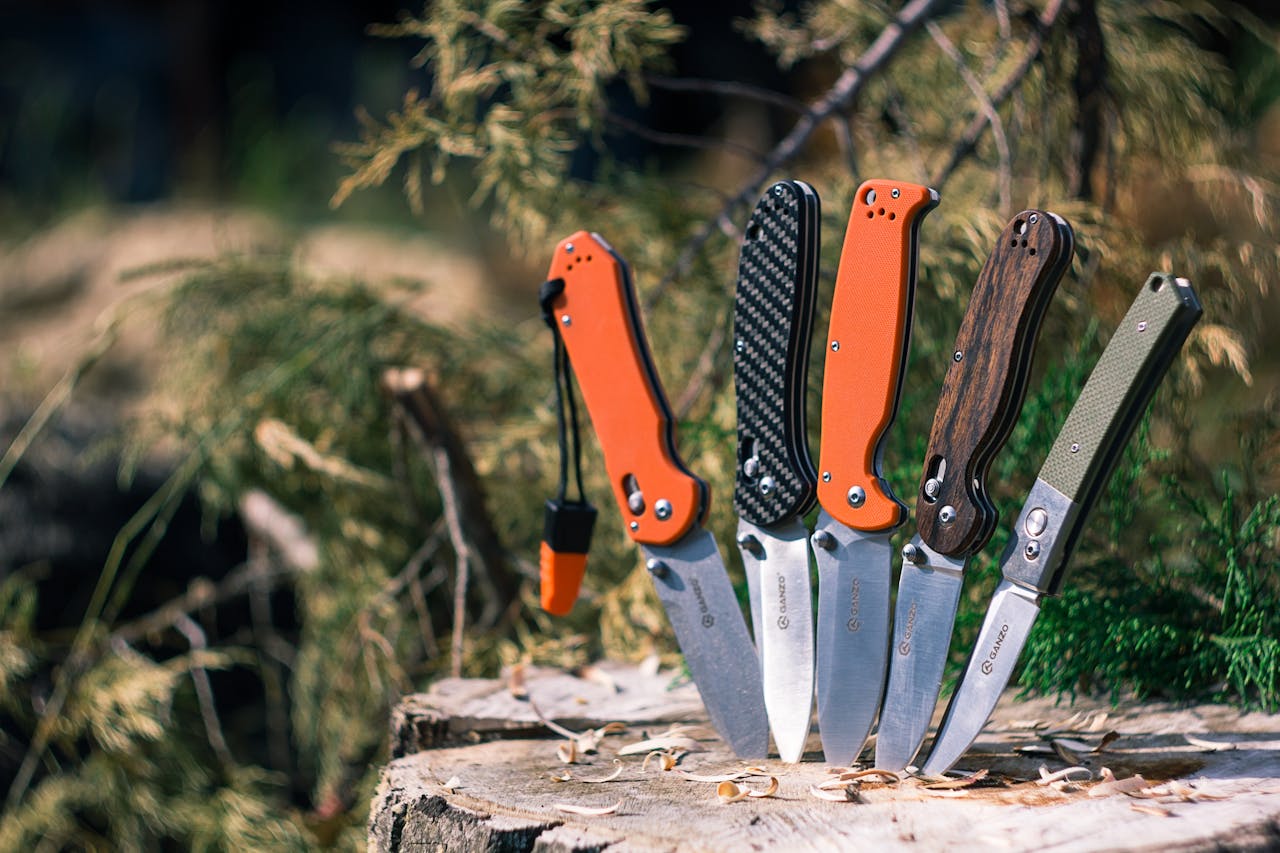
Sharp objects and cutting tools that feel routine at home become hazards in the confined space of an aircraft cabin. Security officials look for pointed scissors, hobby blades, box cutters, and exposed razor cartridges since even small edges can cause injury. When flagged, these items are usually seized or require the traveler to check luggage before boarding. Packing such tools in checked bags, shipping them ahead, or choosing rounded alternatives avoids delays, keeps passengers safe, and prevents the hassle of last-minute repacking. Travelers who plan carpentry, crafts, or repairs often find that renting locally or mailing tools ahead saves both time and money and keeps the airport routine predictable.
Spare Lithium Batteries and Power Banks
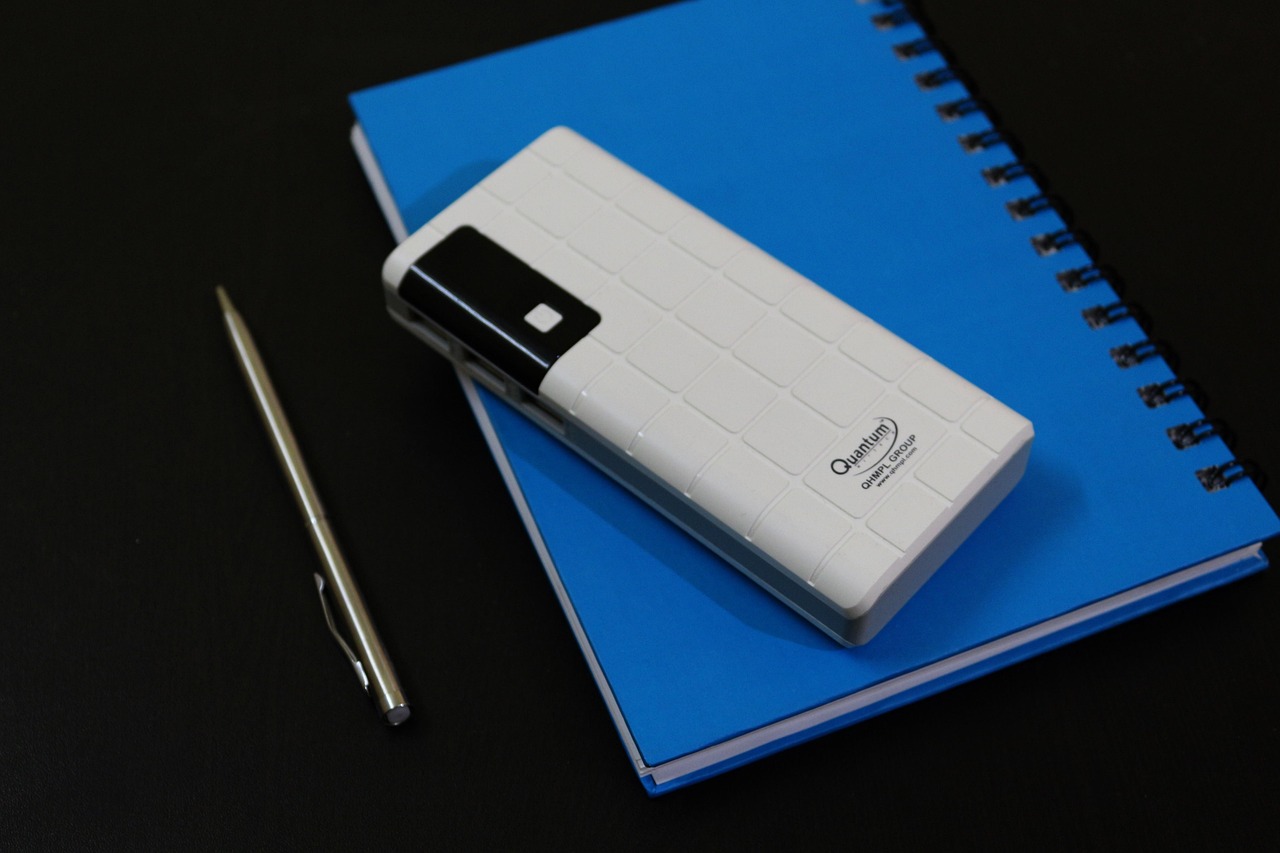
Spare lithium batteries and power banks receive strict scrutiny because damaged cells can overheat and ignite, and a cabin fire is particularly dangerous. Many airlines allow these items only in carry-on and enforce watt-hour limits, meaning travelers must know battery ratings and secure terminals. Storing spares in original packaging or insulated sleeves, labeling capacities, and checking carrier policies before departure prevents confiscation. Thoughtful packing protects devices and reduces the chance of in-flight incidents. These habits also shorten inspections and keep travel plans on schedule, avoiding the awkward delay of explaining equipment at security where time is tight.
E-Cigarettes, Vapes, and Cartridges
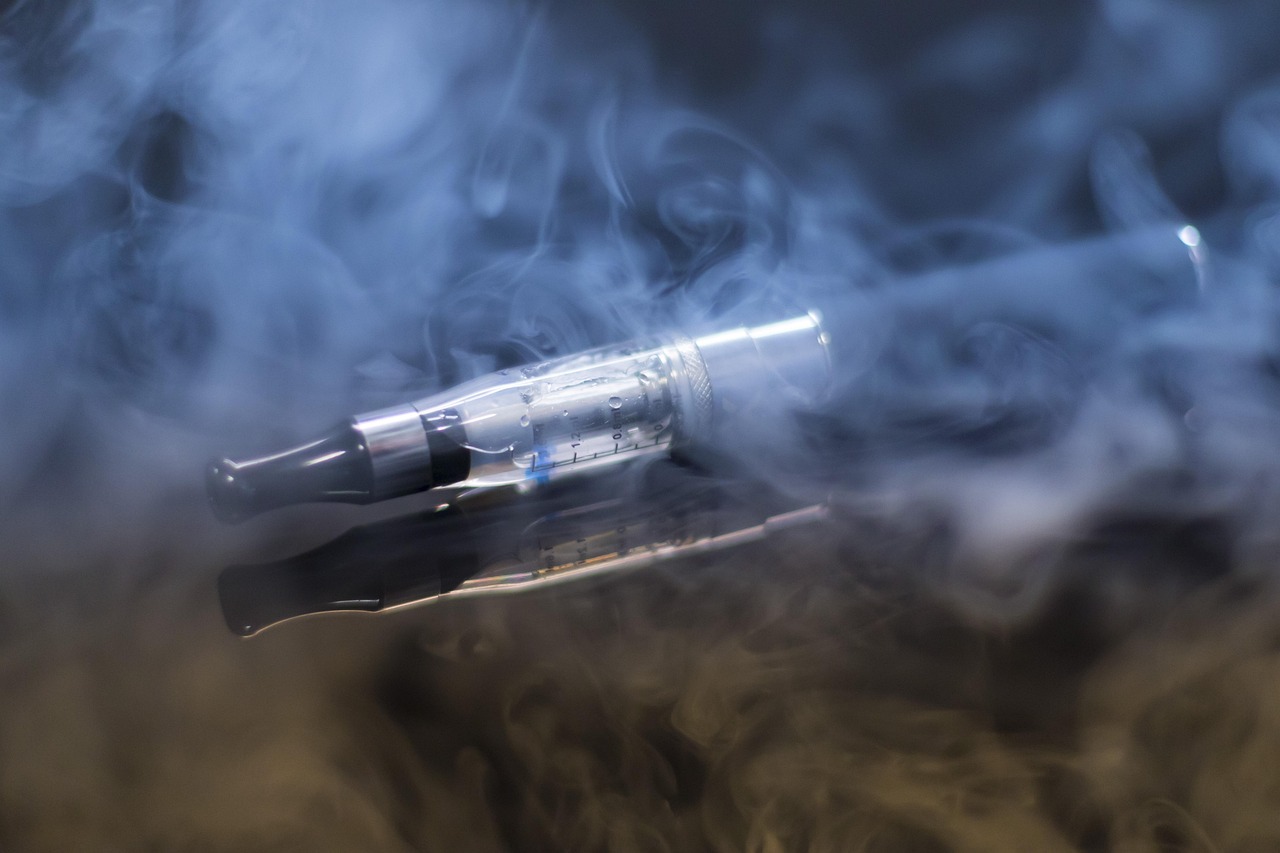
E-cigarettes, vapes, and cartridges sit where battery rules meet liquid restrictions, creating packing confusion for casual travelers. Devices generally must travel in carry-on luggage, stay powered off, and have cartridges that comply with the liquid-size rule. Loose coils, damaged tanks, or unclear packaging can leak e-liquid or spark, prompting deeper inspection and potential confiscation. Some countries restrict nicotine products entirely, so international travelers should research rules before departure. Organizing devices in a sealed pouch and keeping them accessible for security speeds the process and prevents awkward gate-time surprises that derail itineraries.
Flammable Liquids, Fuels, and Solvents

Flammable liquids, fuels, and solvents create a clear hazard in a pressurized cabin because vapors can spread and ignite quickly; even sealed containers can leak when pressure changes. Items such as lighter fluid, certain paints, hobby fuels, and potent cleaners are routinely refused in carry-on and may be banned from checked baggage depending on composition. When materials are needed for work or craft, shipping them via freight or buying replacements at the destination is usually safest. Travelers who plan logistics in advance avoid confiscation and delays and keep their trip from starting amid scrambling and upset.
Worksite Tools and Heavy Equipment

Worksite tools and heavy equipment are ordinary on job sites but problematic in the cabin due to force and mass; hammers, crowbars, heavy wrenches, and many multi-tools can injure people or damage the aircraft if mishandled. Security rarely allows them through, so professionals travel with tools in checked luggage or ship gear ahead. Electric tools and exposed blades attract extra scrutiny and may require special packing. Travelers who plan projects often rent tools locally to avoid gate hassles. Properly packing and documenting shipments reduces delays and preserves both equipment and schedule in tight travel windows.
Sporting Equipment and Clubs

Sporting equipment and clubs are common travel essentials yet often act as blunt instruments in a crowded cabin; baseball bats, golf clubs, hockey sticks, and ski poles typically exceed carry-on safety rules. Airlines require these items checked in sturdy cases to protect gear and nearby luggage, and oversized items may incur extra fees. Athletic travelers confirm case dimensions and carrier policies in advance and use durable packing materials to prevent damage. Carefully planned logistics keep competitions on schedule and prevent last-minute issues at the gate, which is especially helpful when travel days are already compact and unforgiving.
Pepper Spray and Self-Defense Devices
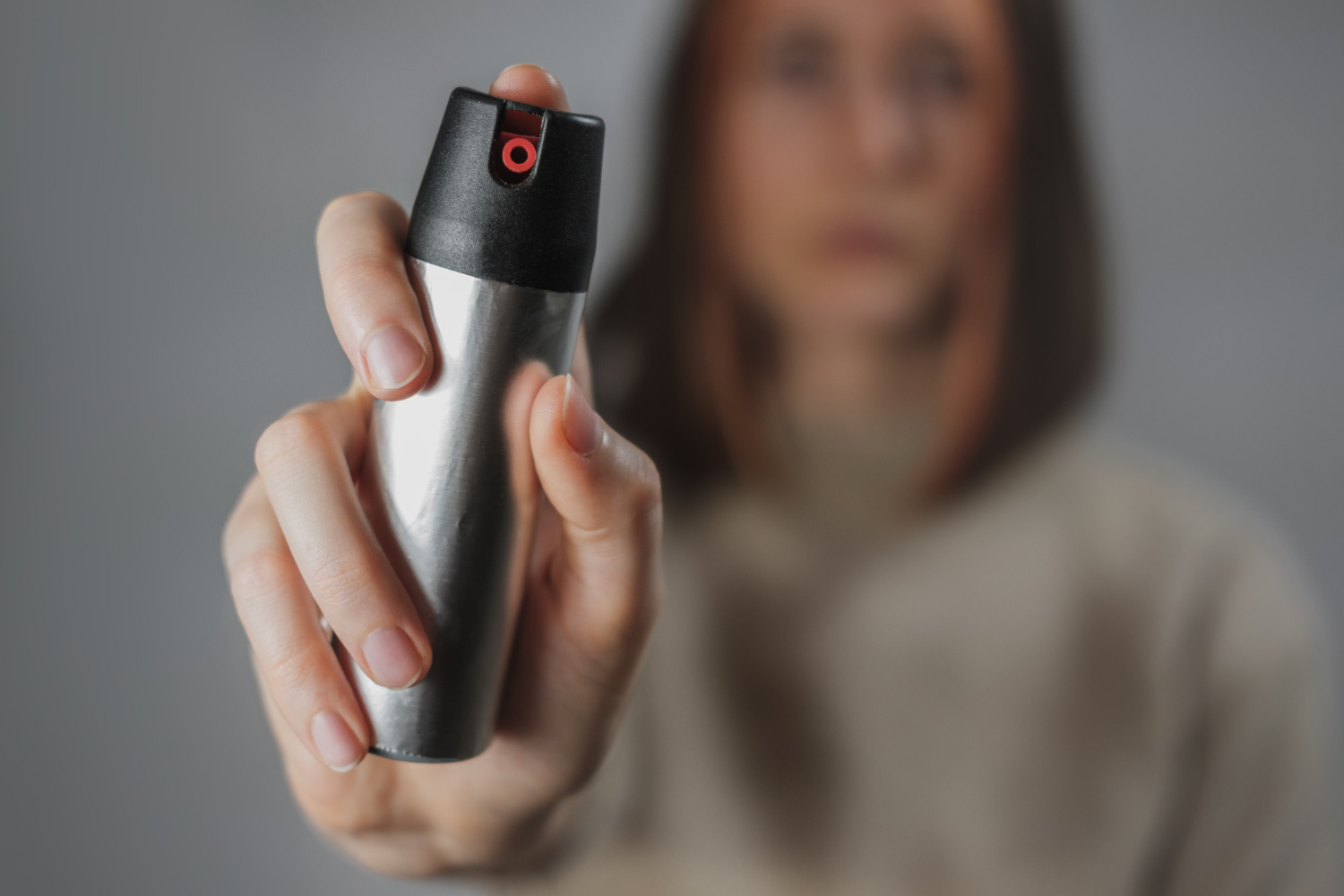
Pepper spray and many self-defense devices pose significant risk aboard aircraft because a single accidental discharge could affect dozens of people in a closed cabin. Airports and carriers strictly limit or ban these items in carry-on baggage and regulate them tightly in checked luggage. Travelers who value personal safety often choose nonchemical alarms or certified, compliant alternatives when flying. That choice avoids confiscation and ensures peace of mind without creating hazards for others. Preparing alternatives and knowing local allowances prevents tense moments at screening and keeps the trip running smoothly.
Firearms and Ammunition
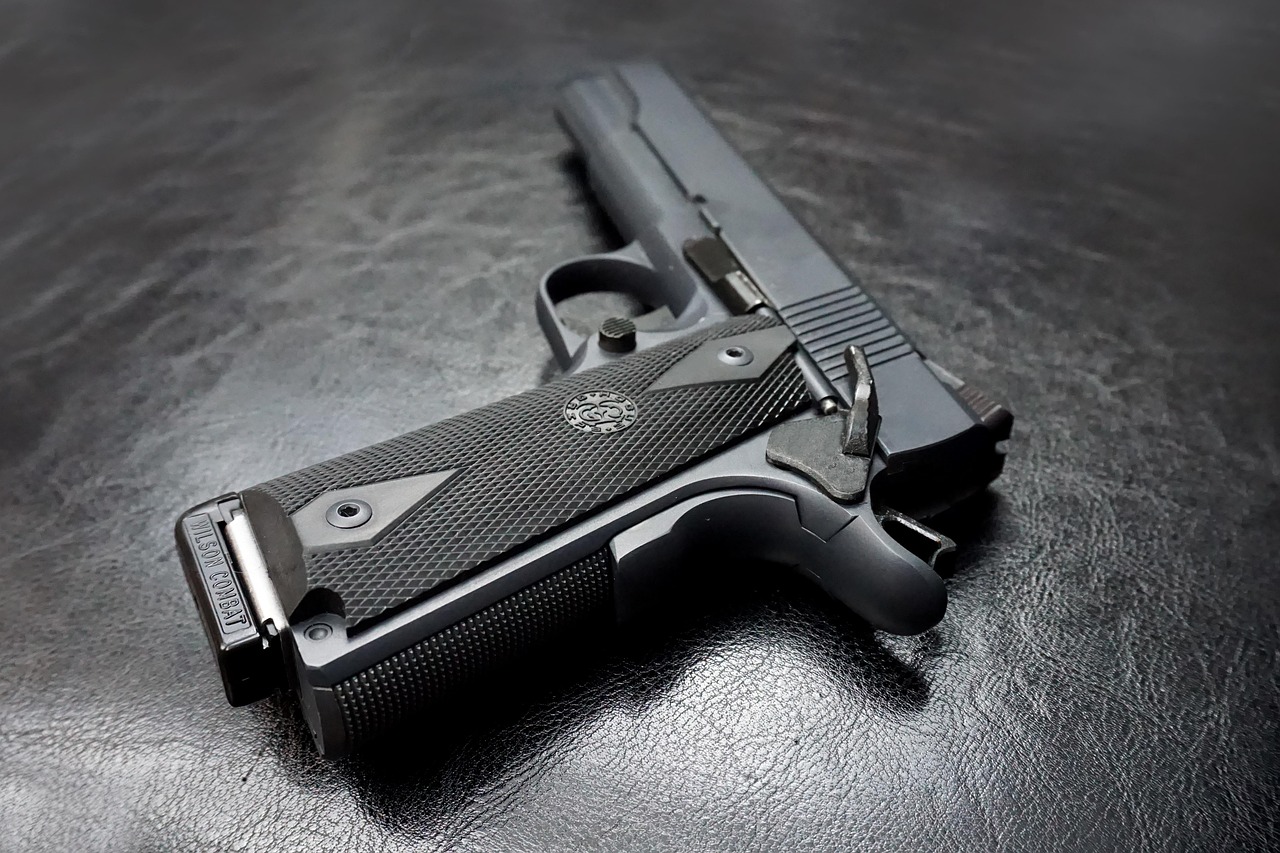
Firearms and ammunition require meticulous compliance and can never be carried in the cabin. When transport is lawful, firearms must be unloaded, locked in an approved hard-sided case, and declared at check-in; ammunition requires secure, approved packaging and often quantity limits. Mistakes can lead to fines, confiscation, or legal trouble that disrupts travel plans. Travelers should contact airlines and review destination rules well in advance, assemble necessary documentation, and arrive early to complete declarations. Precision and planning turn a complex requirement into a predictable routine.
Large Lithium-Powered Transport Devices

Large lithium-powered transport devices such as hoverboards and many e-scooters often contain integrated battery packs that exceed airline watt-hour limits and present a fire risk that is difficult to inspect; many carriers ban them in both carry-on and checked baggage. Travelers who rely on these devices typically ship them via approved freight services, remove batteries when permitted, or rent alternatives at the destination. Planning this logistics ahead prevents gate-time refusals, unexpected fees, and the frustration of leaving costly items behind at the checkpoint.