When families clear a grandmother’s home under deadline, decisions get made at the speed of logistics, not memory. Boxes fill, donation piles grow, and ordinary objects disappear before anyone has time to ask where they came from or why they mattered. Months later, regret still starts with one small realization: the missing pieces were not only decorative or old-fashioned, they carried rituals, craft, and stories that held the family’s emotional map.
Designers and vintage specialists flag the same overlooked categories. Their advice is practical and human: keep what was built well, used often, and loved for decades.
Books That Hold Family Inscriptions
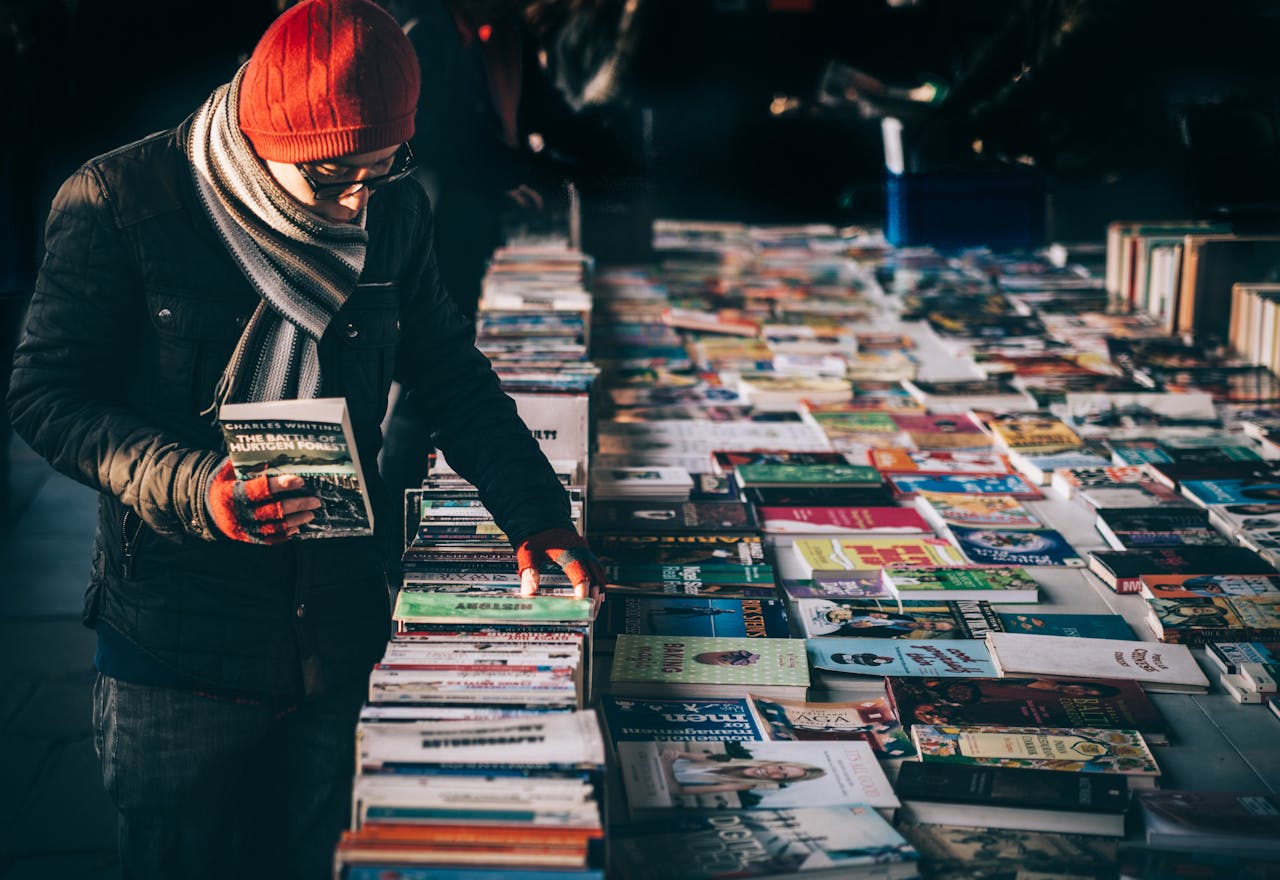
Old books are easy to underestimate during a rushed cleanout because they look dusty and replaceable. In practice, they often carry specific family evidence: penciled notes, dated inscriptions, gift messages, pressed flowers, and bookmarks from shops that no longer exist. Designers also value vintage bindings for texture and depth, especially when cloth covers, deckled pages, or unusual typography survive in good condition.
Rare editions matter, but monetary value is only one layer. Even common copies can anchor a room and a family archive at once, preserving reading habits and quiet histories that cannot be reconstructed later.
Vintage Pyrex Dishes
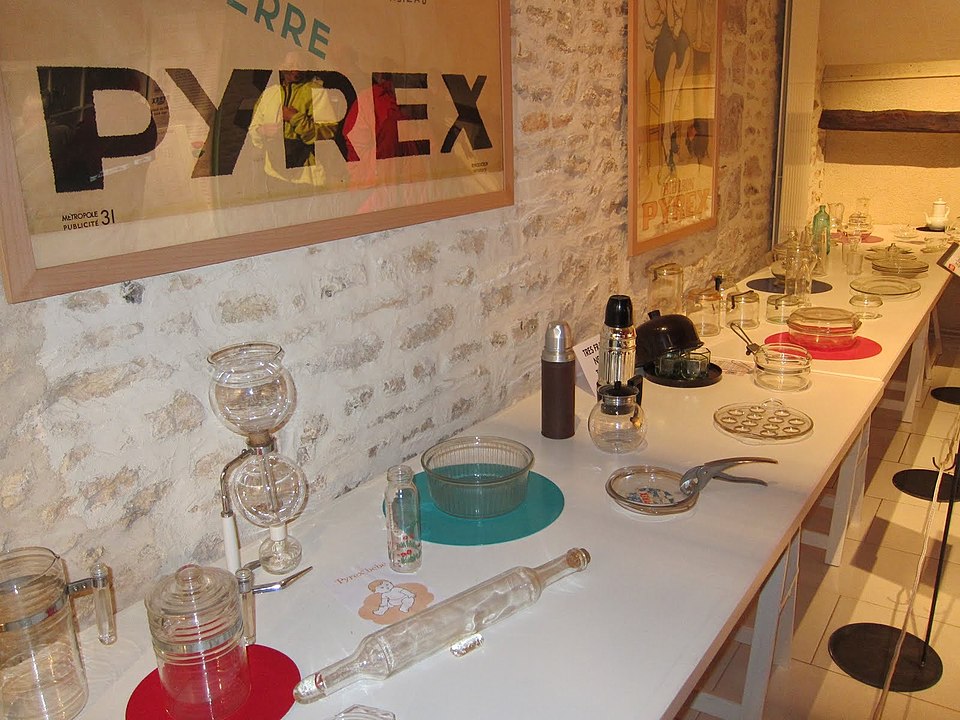
Vintage Pyrex often gets dismissed as old casserole ware, yet collectors and home cooks keep chasing it for a reason. Mid-century patterns, sturdy glass, and practical shapes made those dishes daily workhorses, then family keepsakes. During quick estate sorting, painted motifs can look ordinary, so pieces land in giveaway boxes before anyone carefully checks pattern names, production eras, or condition.
What makes these dishes special is the overlap of utility and memory. A single baking dish can still serve holiday food while carrying the visual signature of earlier generations, turning an ordinary meal into family tradition.
Real Silver Worth Saving
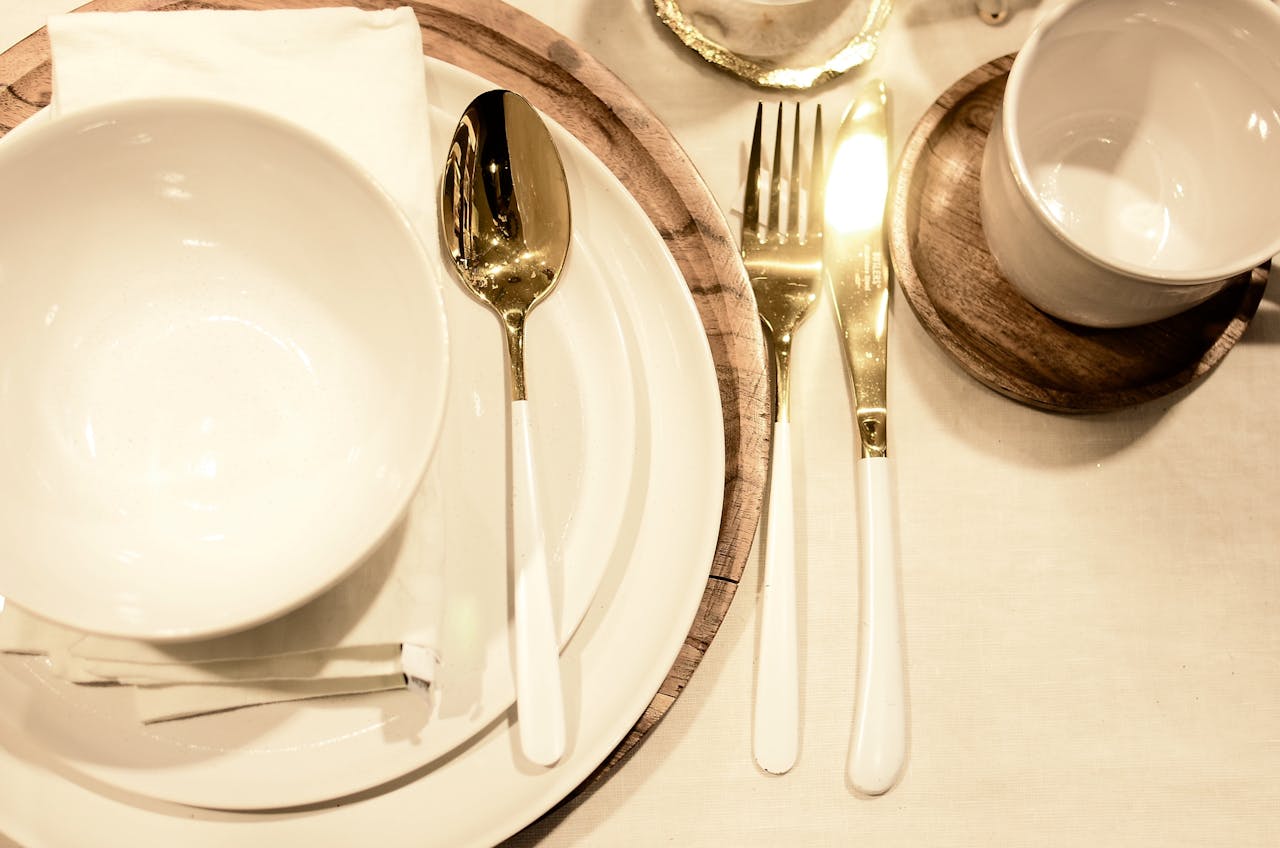
Real silver is often mistaken for plated ware during hurried cleanouts, especially when tarnish hides detail and hallmarks go unread. Yet sterling flatware, serving trays, and small bowls can hold material and decorative value. Designers still mix silver into modern rooms because it reflects light, adds contrast, and carries craftsmanship that mass production rarely matches.
Condition matters less than many families assume. Tarnish can be removed, missing pieces can be found over time, and worn sets still function for holidays or Sunday dinners. Keeping silver protects both a financial asset and a thread of family ceremony.
Heirlooms With Provenance
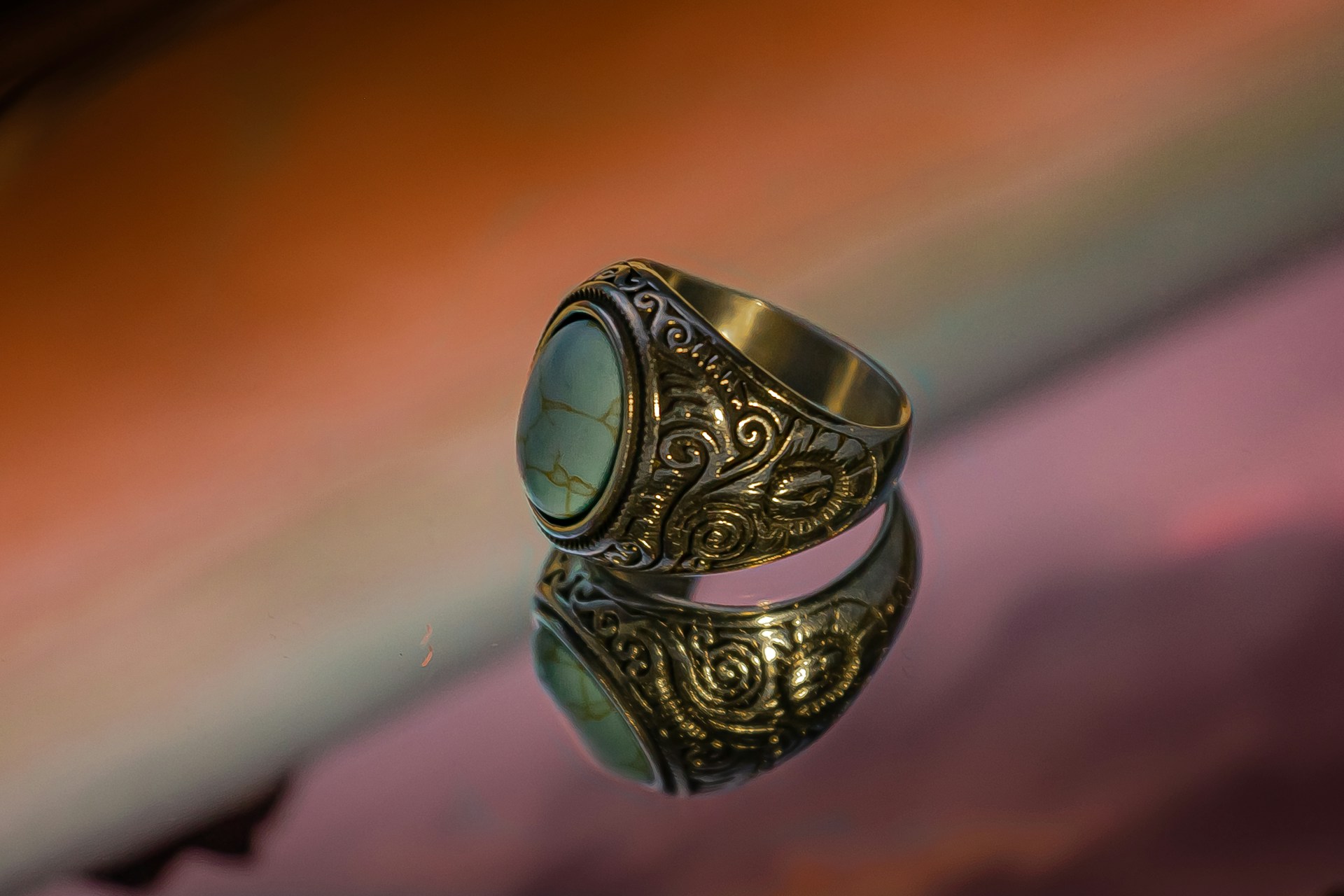
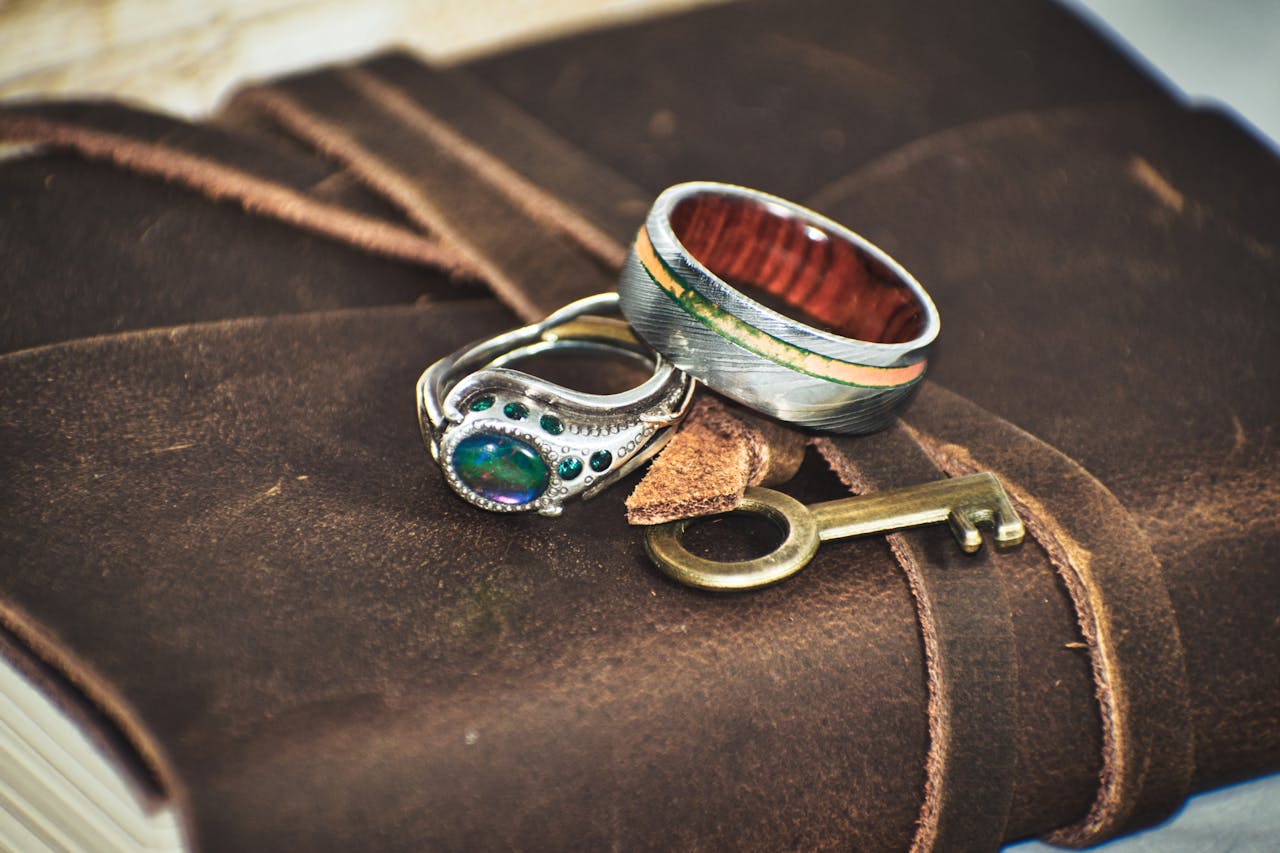
Family heirlooms disappear fastest when no one pauses to identify them. A ring, a carved chair, a pocket watch, or a hand-stitched textile can look like clutter unless relatives document who owned it, where it came from, and when it entered the family. That context, often called provenance, shapes both emotional meaning and clear resale credibility, especially for antiques passed through generations.
Even when an heirloom is modest in market value, it can still serve as a family anchor. Passing down one well-understood object often preserves more history than storing boxes of unlabeled keepsakes that no one can place later.
Cast-Iron Cookware
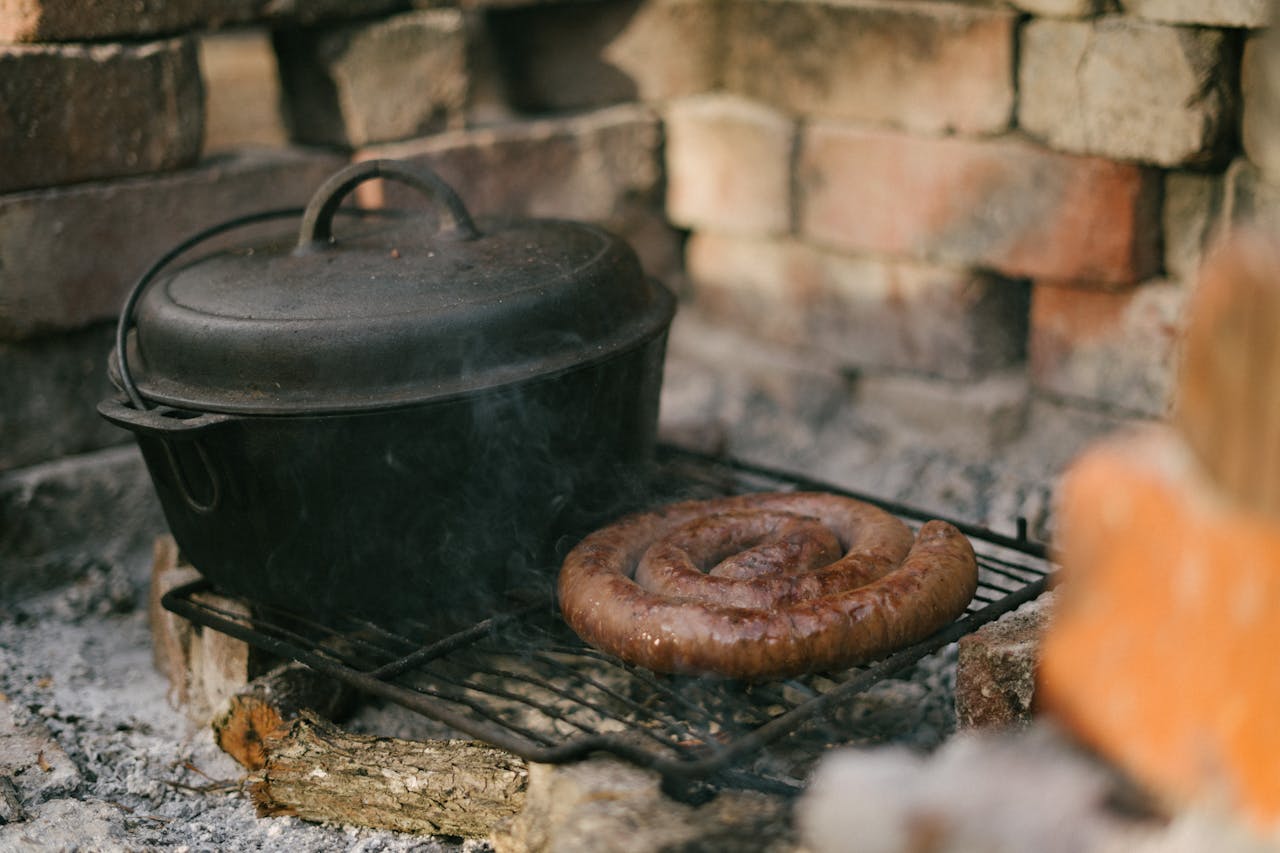
Cast-iron cookware is one of the most commonly discarded regrets after a fast cleanout. Heirloom skillets can look ruined when rusted, darkened, or sticky with old seasoning, but most can be restored with patient cleaning, re-seasoning, and regular use. Unlike fragile nonstick pans, cast iron is built for decades of high heat and heavy cooking, which is why older pieces still outperform newer alternatives in many kitchens.
Practical value is only half the story. A restored pan often reconnects families to recipes, smells, and routines, making weeknight cooking feel linked to earlier generations rather than detached from them.
Rattan Decor and Furniture
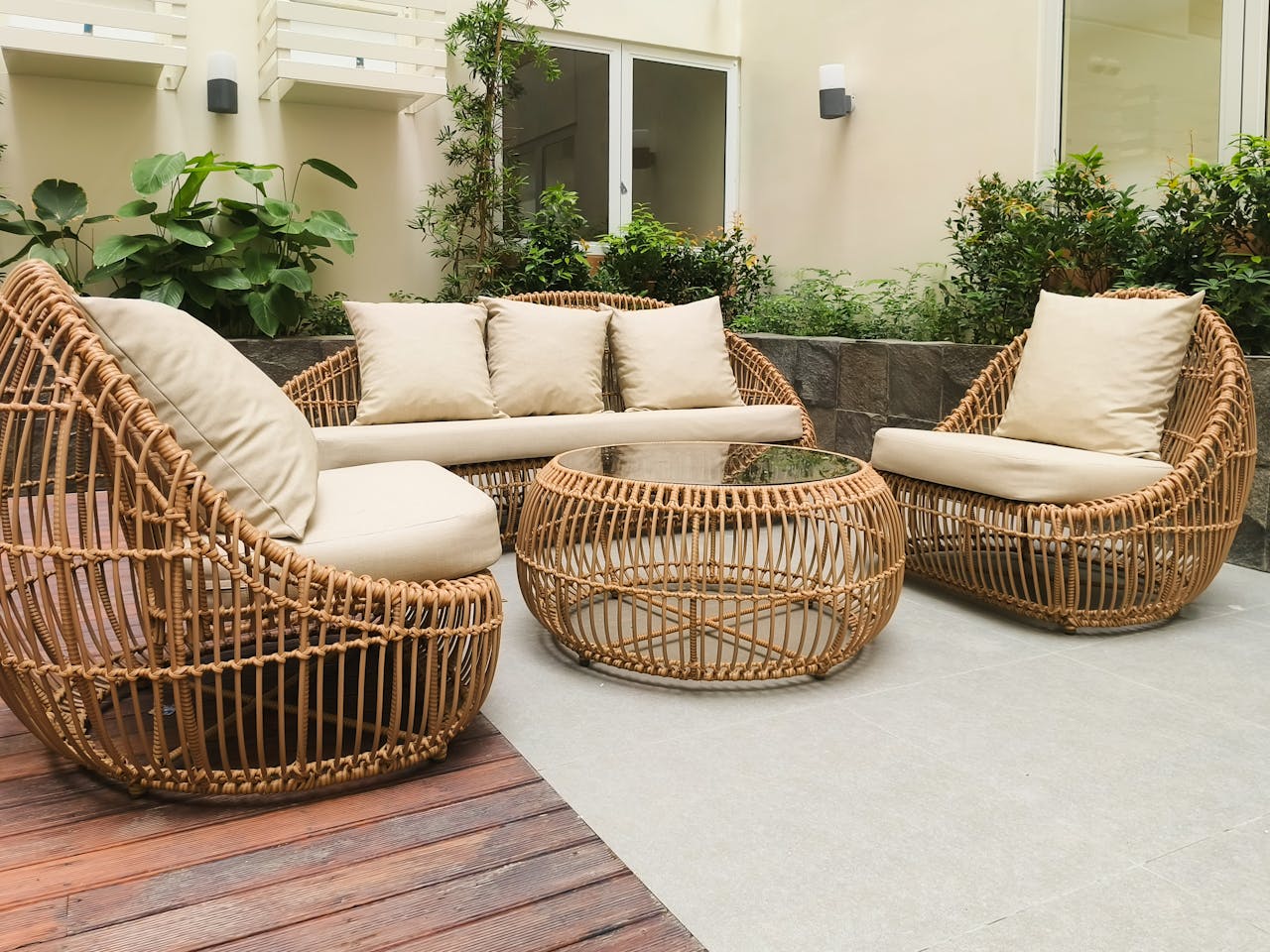
Rattan pieces often get labeled as dated porch furniture, then removed before anyone considers how adaptable they are. Baskets, side chairs, mirrors, and shelving made from rattan can be refreshed with gentle cleaning, light sanding, and updated finishes without losing character. Designers value them for texture, warmth, and organic balance in rooms filled with tile, glass, or metal.
There is also a sustainability argument for keeping rattan. Reusing durable natural-fiber pieces reduces waste and preserves handmade details that are harder to find in fast furniture. In many homes, one revived piece softens an entire room.
Sentimental Everyday Objects
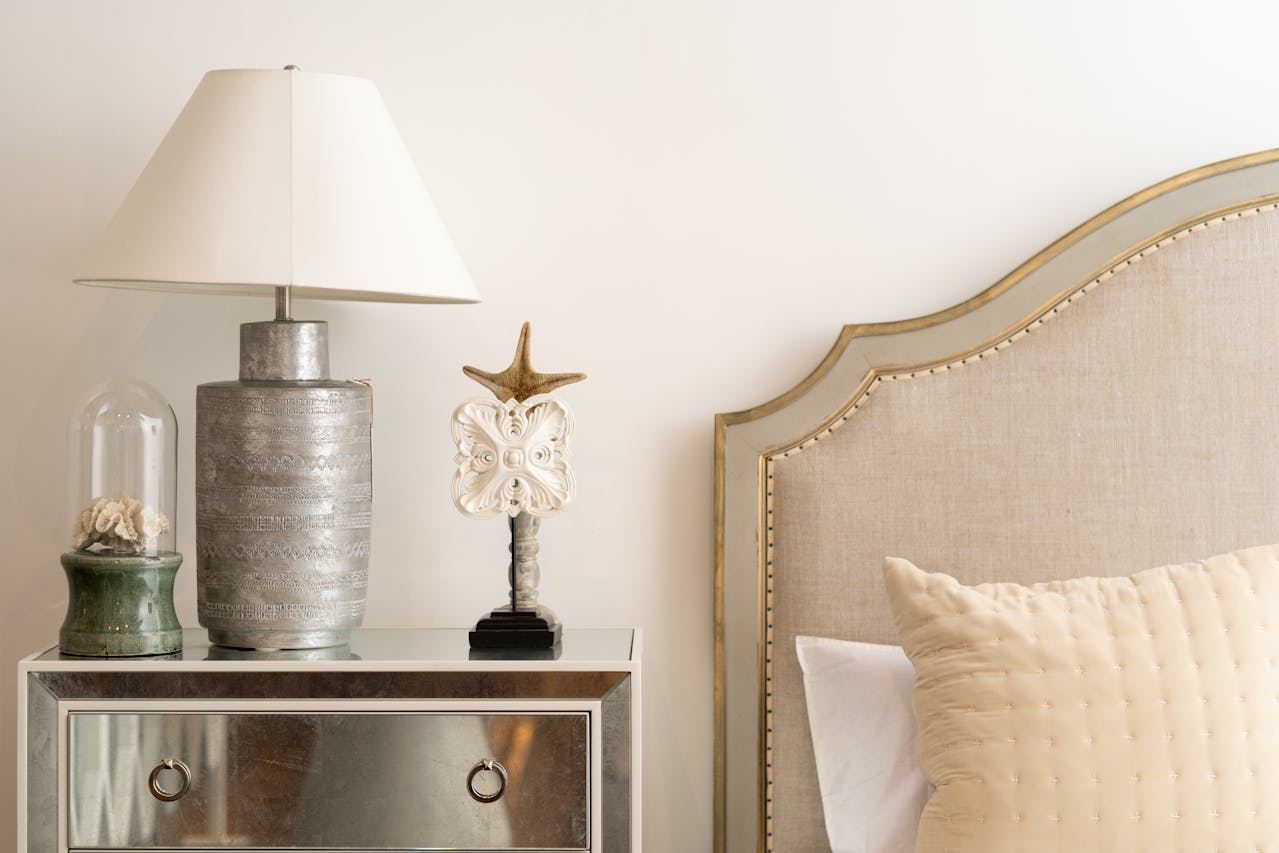
Some of the deepest regret comes from discarding ordinary objects that looked replaceable at first glance: a sewing box, a kitchen timer, a bedside lamp, a recipe tin, or a framed snapshot with handwritten dates on the back. These items rarely appear valuable on appraisal charts, yet they hold the intimate scale of daily life and family rhythm that formal heirlooms often miss.
Grief specialists often note that memory is sensory and concrete. A familiar object can steady a person through loss because it carries touch, routine, and voice. Keeping a few everyday pieces allows memory to stay lived, not just archived in stories.
The Button Jar
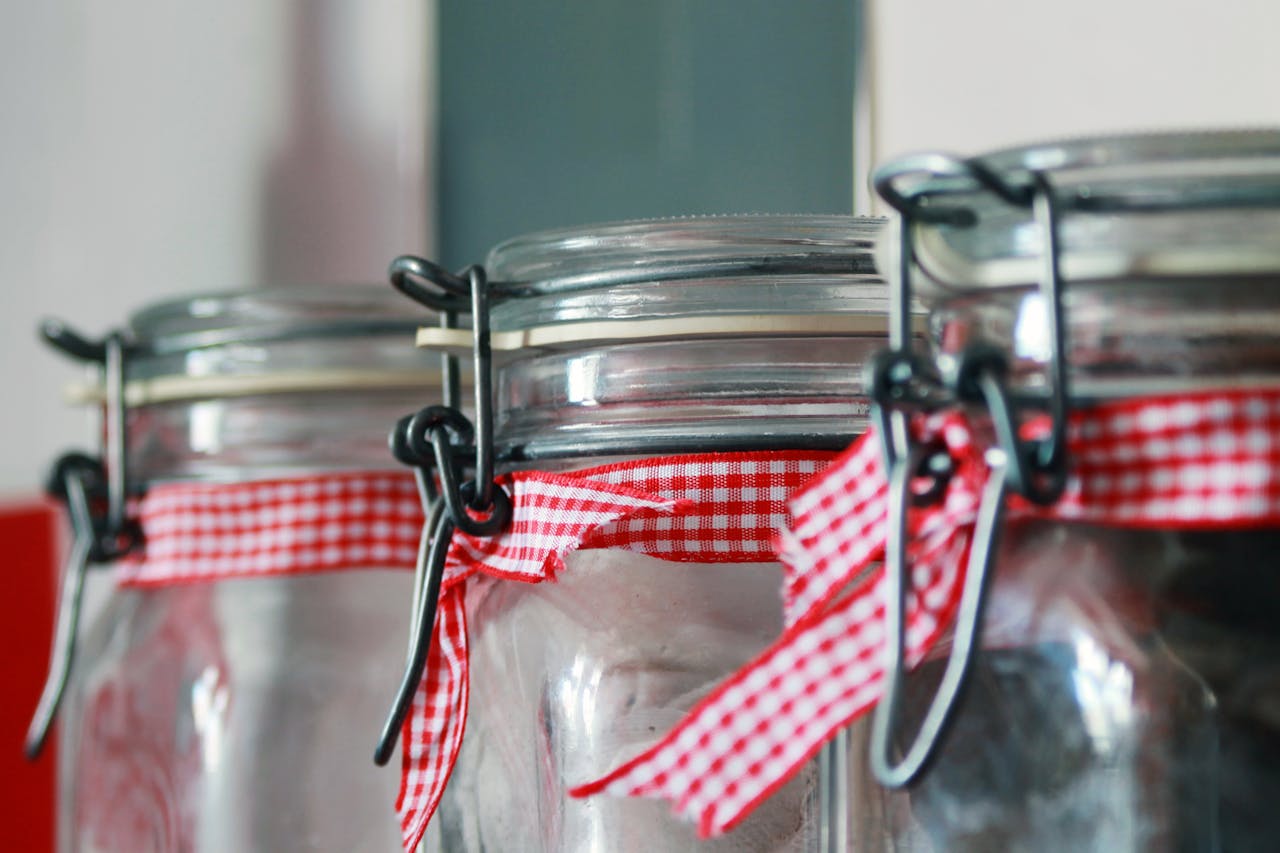
A jar of mixed buttons is one of the easiest things to toss because it looks random and unfinished. Yet button collections from older homes often include shell, metal, glass, and early plastic varieties that are difficult to match today. They remain useful for repairs, and they also function as a small design archive, showing changes in clothing quality, manufacturing, and thrift across decades.
For many families, button jars hold childhood memory in a concentrated form: the sound of glass on a table, color sorted by hand, and stories told during mending. Keeping that jar preserves practical utility and a gentle family ritual.