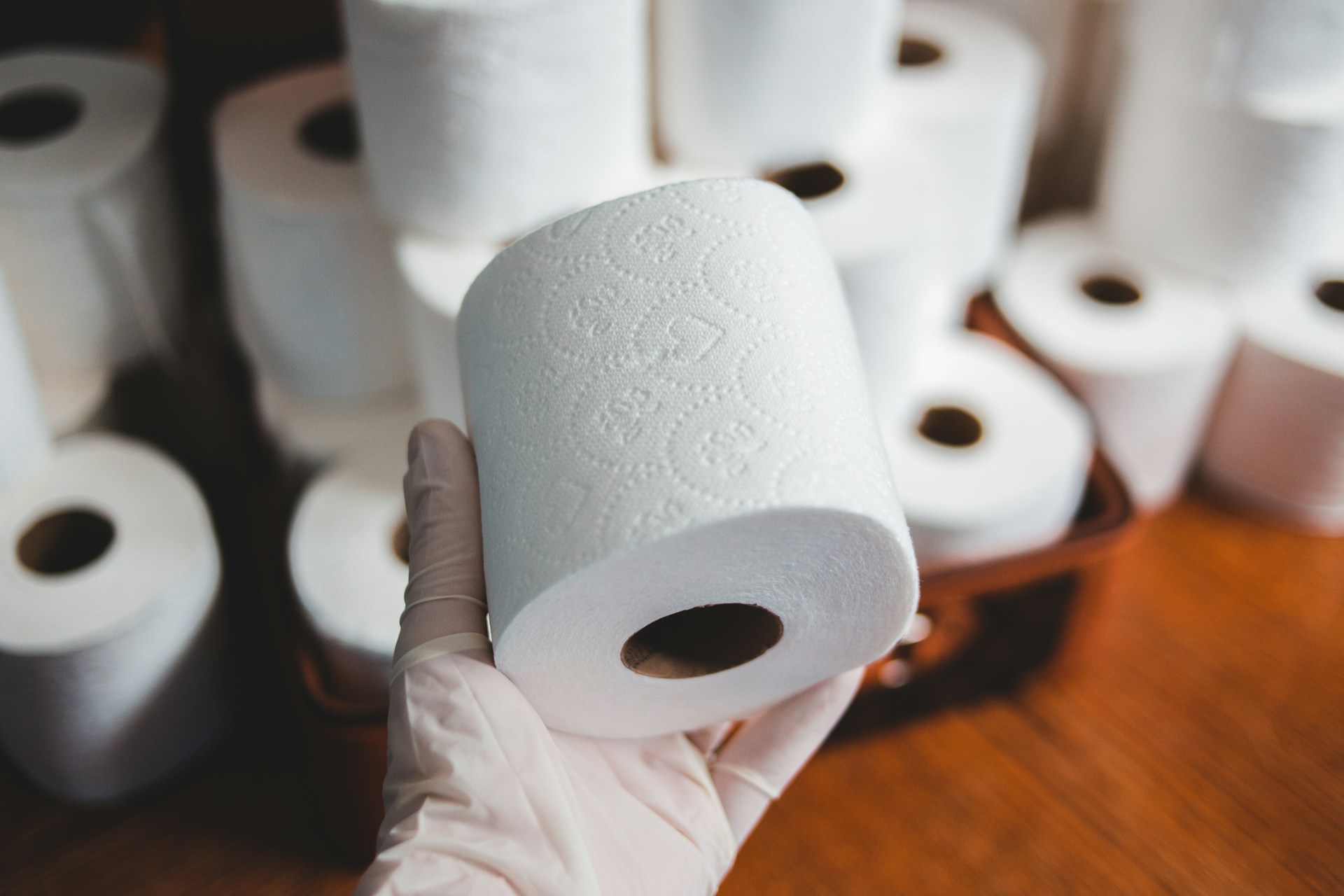
During every supply scare, families promise they will never get caught short again. Closets fill with giant packs, extra packs, then backup packs, and the stash starts to feel like security itself.
What looks like preparedness slowly turns into a storage challenge no one planned to manage. Paper is still paper: heat and moisture speed deterioration, sunlight weakens fibers, and pests treat soft rolls as shelter. Public health agencies also link poor moisture control and pest activity to indoor health risk. By the time the final bundle is opened, comfort and absorbency may no longer match what was paid for at checkout.
Hidden Cost of Oversized Stockpiles
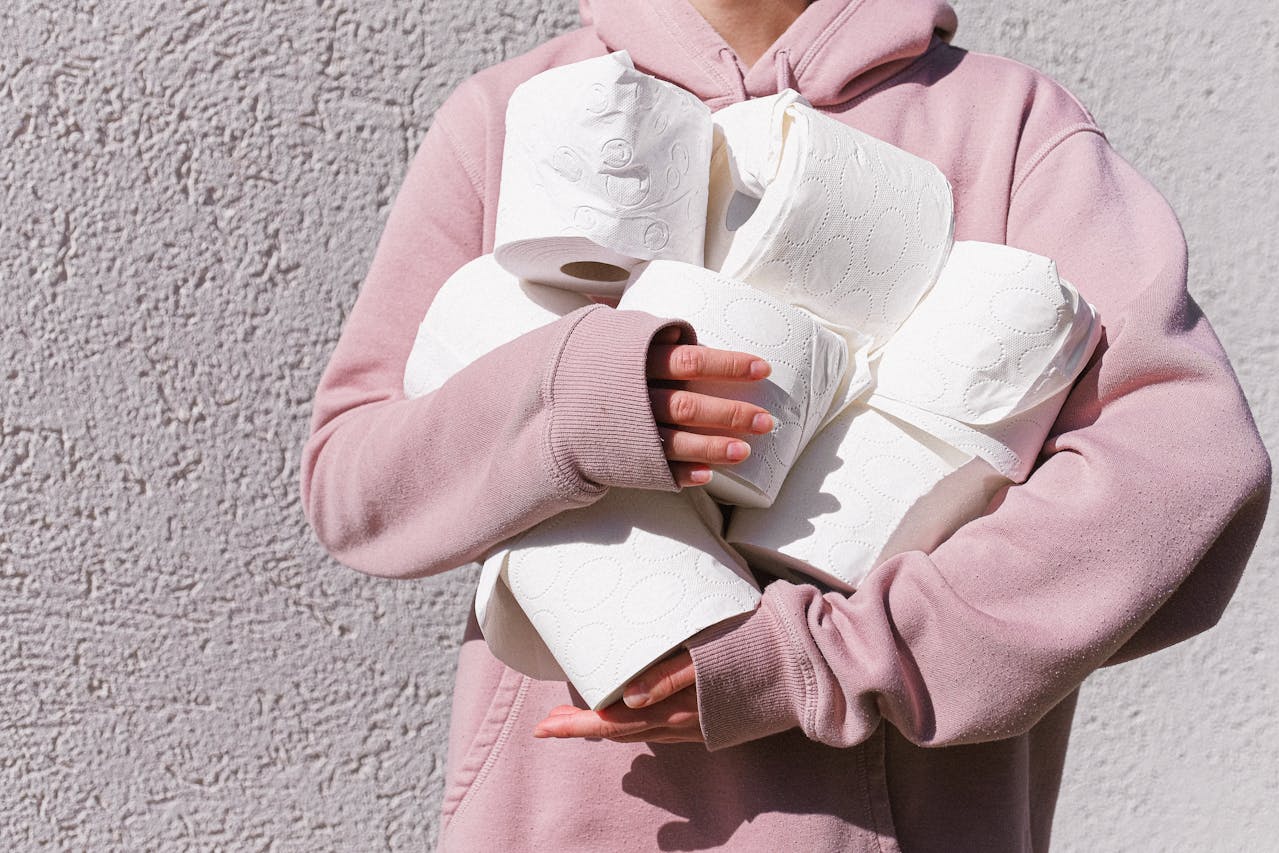
Bulk buying can feel rational, but value depends on storage quality as much as sticker price. When paper goods sit for long periods in unstable rooms, households trade checkout savings for slow product decline. The shift is subtle at first: slight roughness, weaker tear pattern, and that stale boxed smell that signals age.
Conservation research on cellulose shows the same pattern across paper types: degradation accelerates when moisture and warmth persist. The real question is not only how many rolls were purchased, but whether the home can protect them through the full storage cycle without turning convenience into waste.
Heat Speeds Fiber Fatigue
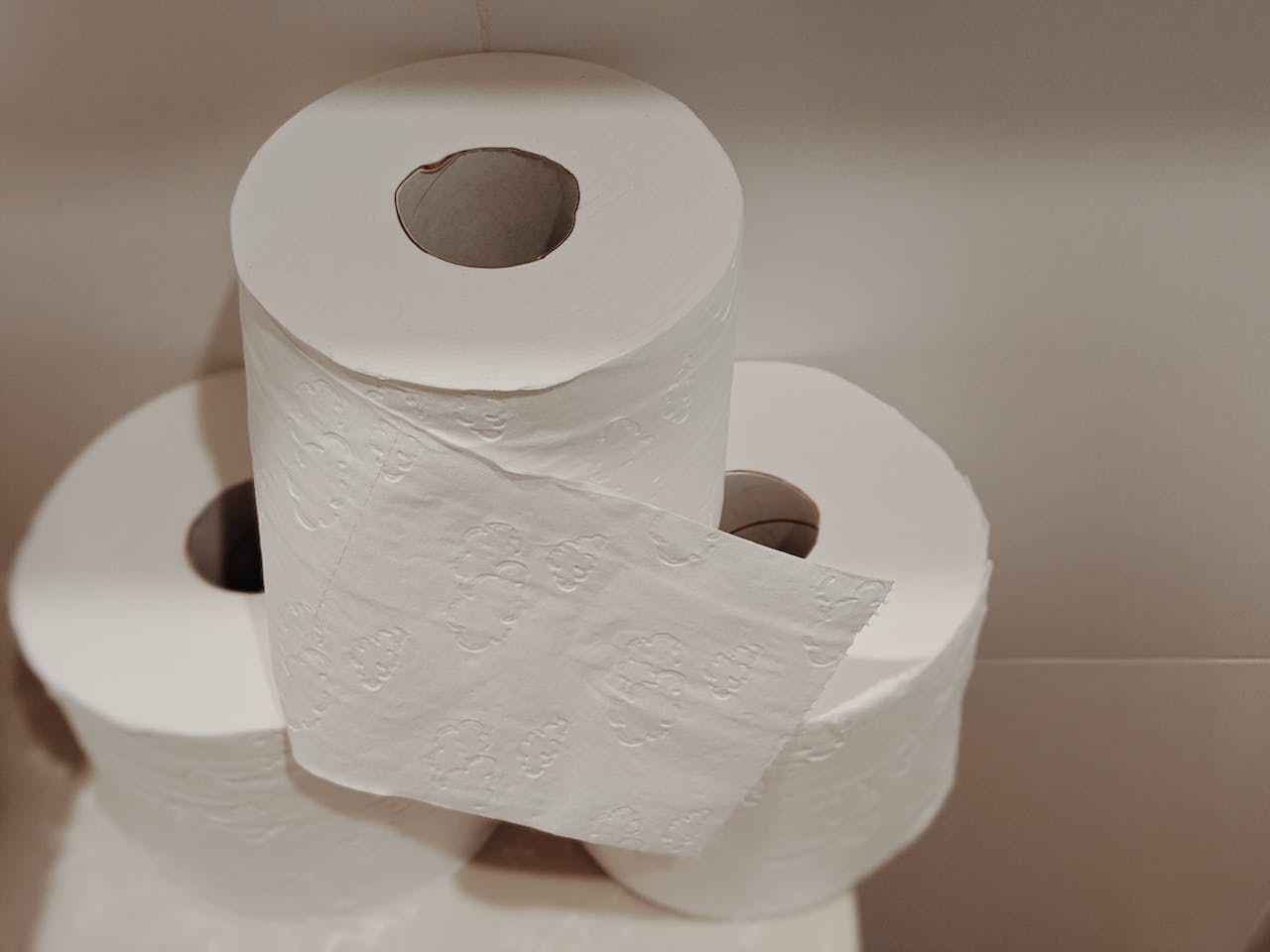
Heat does not have to be extreme to cause trouble over time. Closets near water heaters, uninsulated garages, and attic-adjacent shelves can expose paper to repeated warm spikes that dry and stress the fibers. Each cycle leaves rolls a little less flexible, so sheets tear faster and shed lint when pulled.
Library preservation guidance has long shown that cooler conditions slow paper aging, while elevated temperature contributes to faster deterioration chemistry. In practical home terms, bulk paper kept away from heat sources usually stays closer to its original feel, strength, and reliability when finally opened months later.
Humidity Steals Softness and Strength
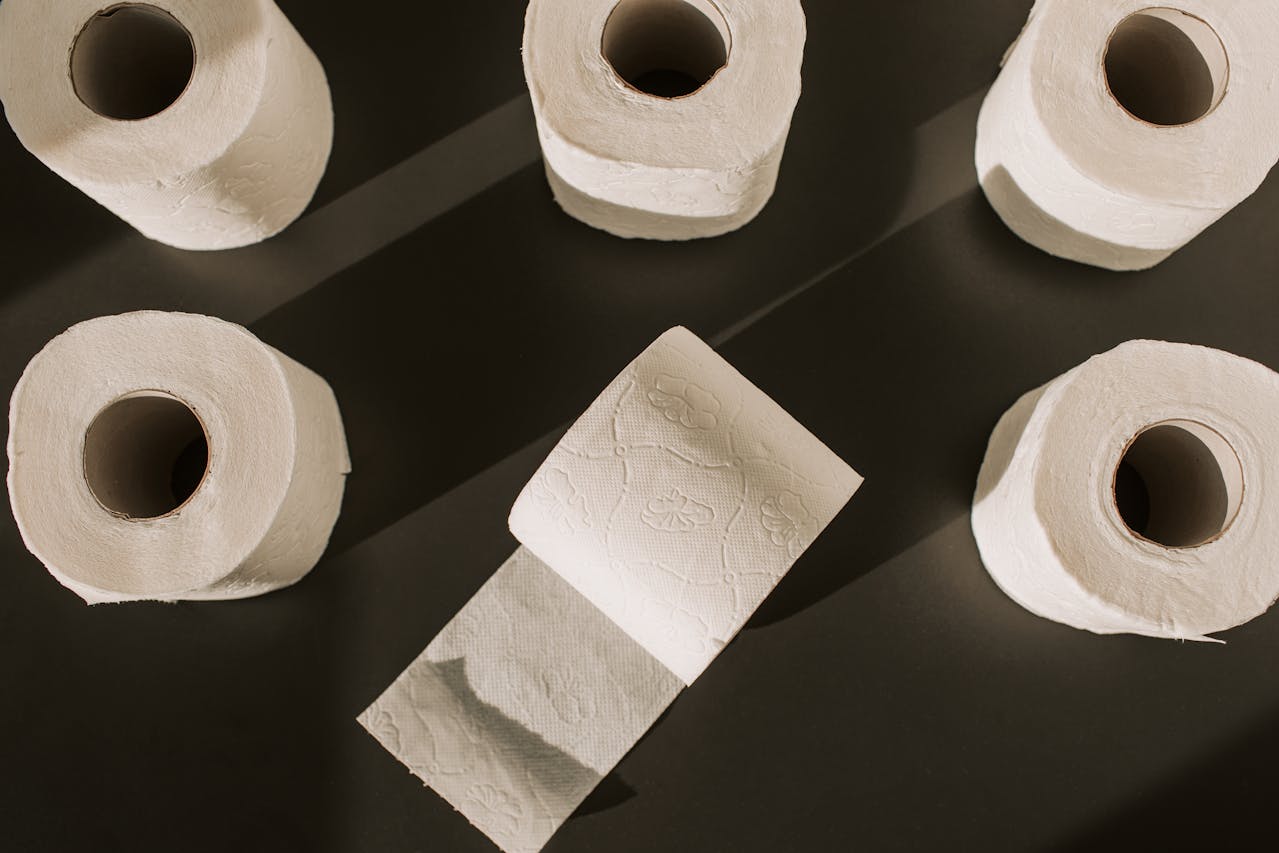
Humidity is where bulk storage plans often fail. Paper pulls moisture from air, releases some of it, then absorbs again, and that repeated swing changes texture. Rolls that started soft can feel denser, slightly tacky, or oddly fragile, especially in monsoon months or homes with weak ventilation.
EPA guidance recommends keeping indoor humidity in a controlled range because high moisture supports mold and other indoor air problems. For paper storage, the same rule matters twice: it protects air quality and helps preserve product performance. Stable conditions are not just comfort; they keep stock usable across long refill cycles.
Sunlight Breaks Down Paper Fibers

A bright storage corner may look clean, but light exposure quietly shortens paper life. Outer layers fade first, then fibers lose resilience, and the roll stops behaving like fresh tissue. What remains is usable in an emergency, yet less absorbent and more likely to crumble under pressure.
Preservation science identifies photodegradation as a real pathway of paper damage, especially in lower-quality paper. In homes, that translates into a simple rule: daylight and even persistent artificial glare should stay away from long-term paper storage. Dark, enclosed storage is not old-fashioned advice; it is material protection.
Pest Pressure Turns Storage Into Shelter
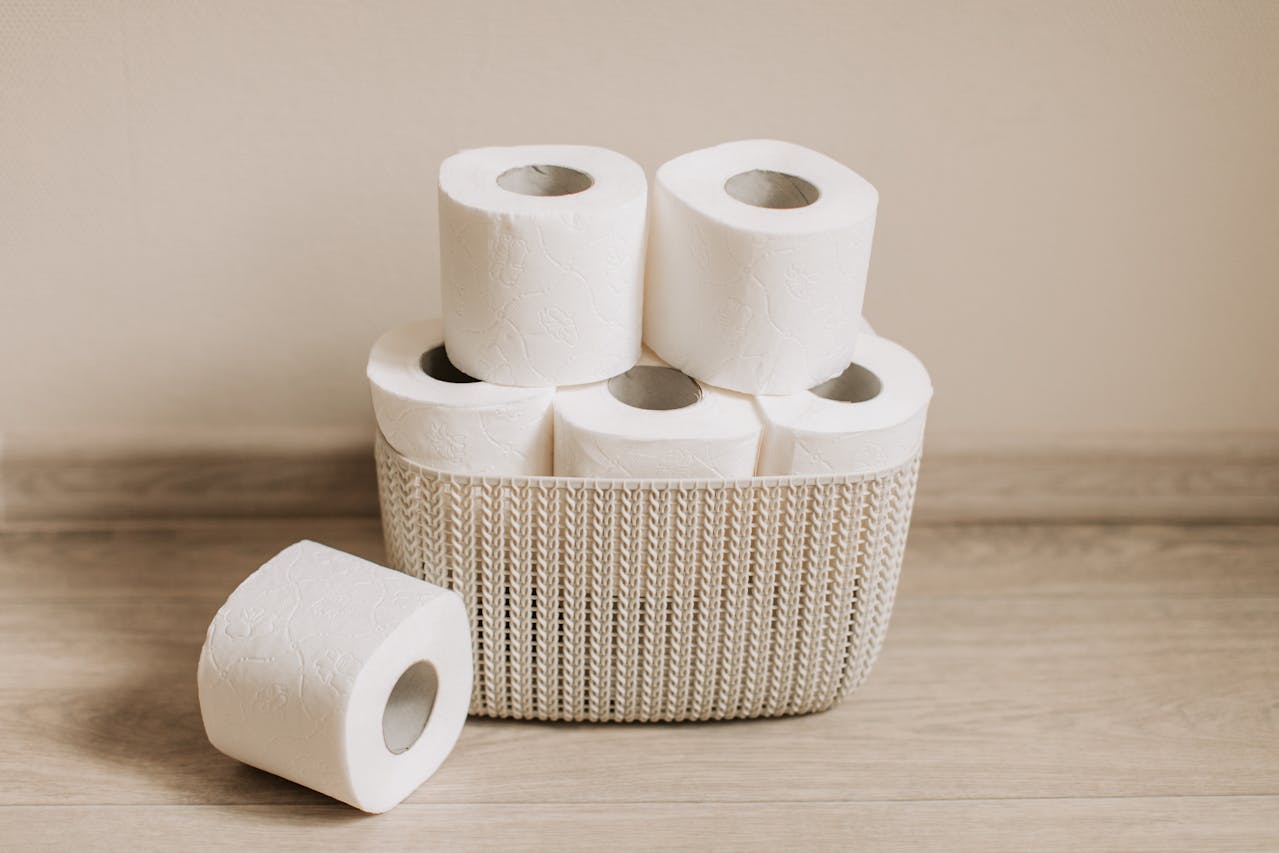
Large paper stockpiles create quiet, padded zones that attract pests looking for cover. Once rodents settle nearby, sanitation risk rises fast because contamination comes from droppings, urine, saliva, and nesting debris, not only direct contact. At that point, replacement is safer than trying to salvage affected packs.
CDC guidance notes that rodent infestations around homes drive disease spread and that nesting material and waste require careful cleanup. Keeping paper off floors, sealed, and inside hard-sided storage reduces shelter opportunities and makes warnings easier to spot before damage spreads through nearby supplies.
Airborne Dust and Allergens Accumulate
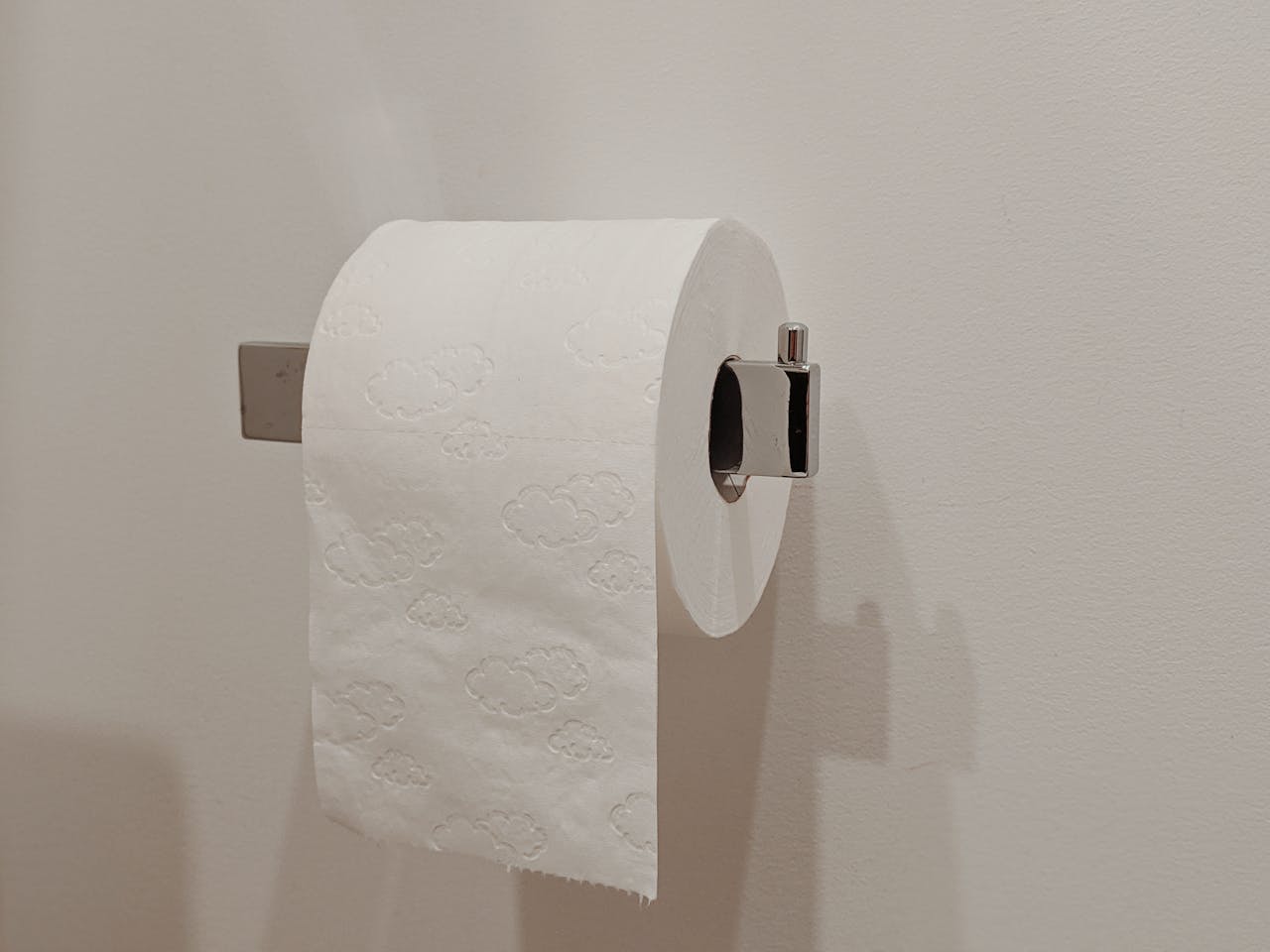
Even without visible pest activity, long-idle paper gathers what indoor air leaves behind. Dust settles into exposed roll edges, and poorly ventilated storage can concentrate particles that trigger discomfort in sensitive households. The product may look intact, yet each use can release what it collected over time.
EPA indoor air guidance links moisture, dust, and biological pollutants with irritation risk, especially in vulnerable groups. Long-term paper storage works best in clean, dry spaces with routine wipe-downs and regular stock checks. Clean inventory rotation is not overkill; it is basic indoor hygiene in active homes.
Bathroom Storage Creates a Moisture Trap
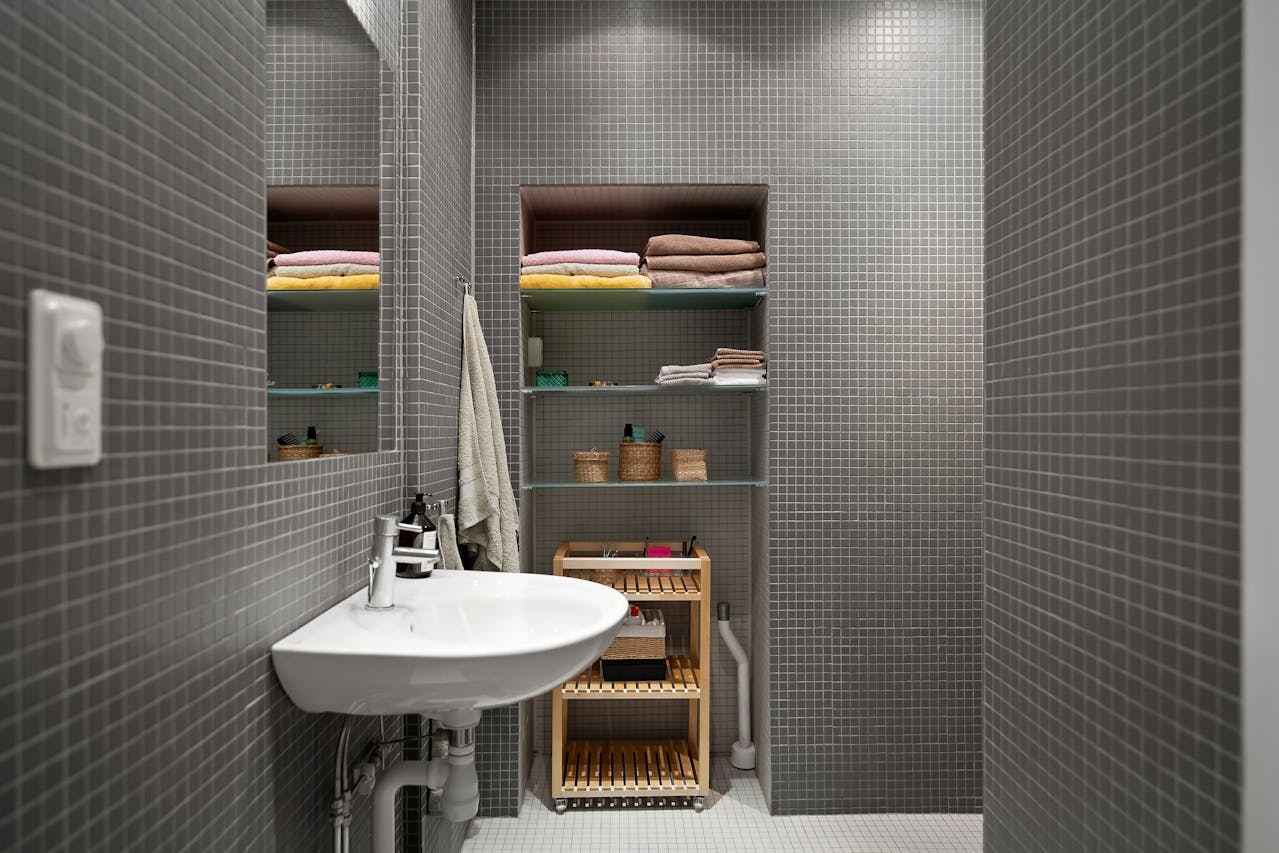
Bathrooms are convenient, but steam cycles make them weak long-term warehouses. Daily showers push humidity up, surfaces cool, and paper near tubs or under sinks absorbs that shifting moisture load. Over months, texture changes become clear even when rolls stay wrapped and appear clean.
EPA moisture-control guidance highlights bathroom ventilation and humidity management for reducing mold and indoor pollutants. The same approach protects paper goods: keep only short-use quantities in the bathroom, and store reserve stock in a drier room. Convenience helps daily use, but stable climate preserves backup supplies over time.
Packaging Helps, but It Is Not Armor
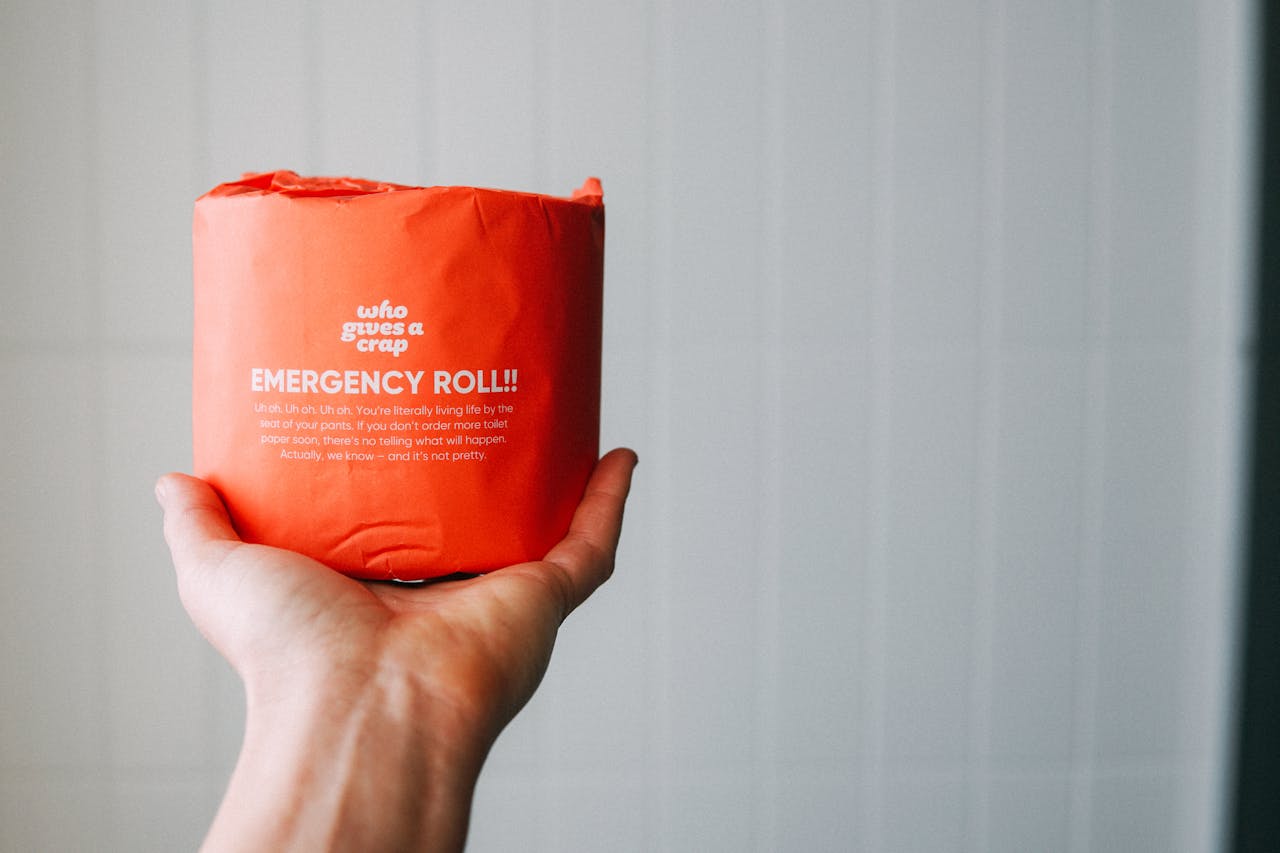
Original plastic wrap helps, but it is not a complete shield. Tiny tears, loose seams, and repeated handling let humidity, dust, and odors creep in before damage becomes obvious. Soft packaging also cannot reliably stop gnawing once pests are active in a storage area.
Public health and pest-control guidance prioritizes removing shelter conditions and sealing entry points, not trusting packaging alone. For bulk paper, that means wrapped rolls plus hard bins, elevated shelves, and routine inspection. Storage succeeds when barriers work in layers, rather than relying on thin film built for shipping. Too.