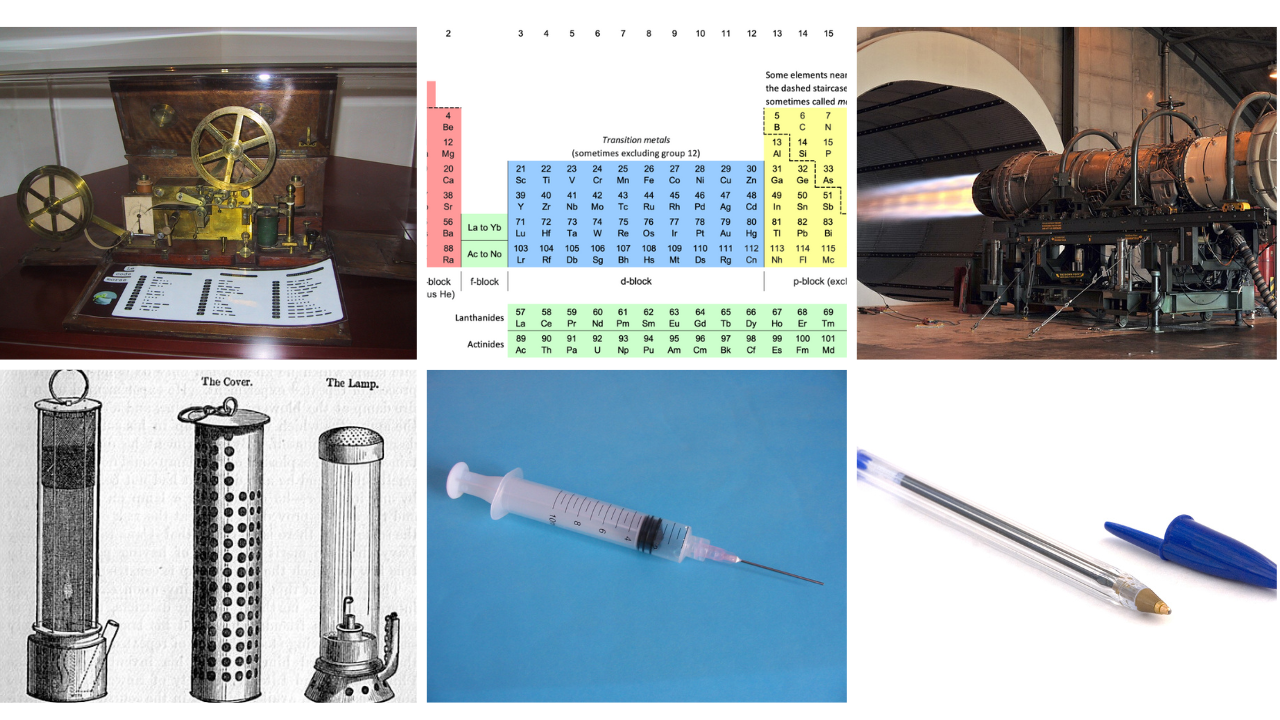
History loves a lone genius, but invention is often a crowded room. The same need shows up in two places, and two minds chase the same fix. Sometimes the work is truly independent; sometimes ideas drift through lectures, letters, and lab gossip. Either way, the result is a useful echo: parallel breakthroughs that reveal what becomes possible when tools, materials, and knowledge finally line up. These twin origin stories carry rivalry, missed credit, and occasional collaboration, but they also show how progress spreads its risk. Patents and headlines usually crown one name, yet the quieter partner often shaped the method or the proof. Seen together, these inventions feel less like coincidences and more like inevitabilities.
Calculus, Twice Over
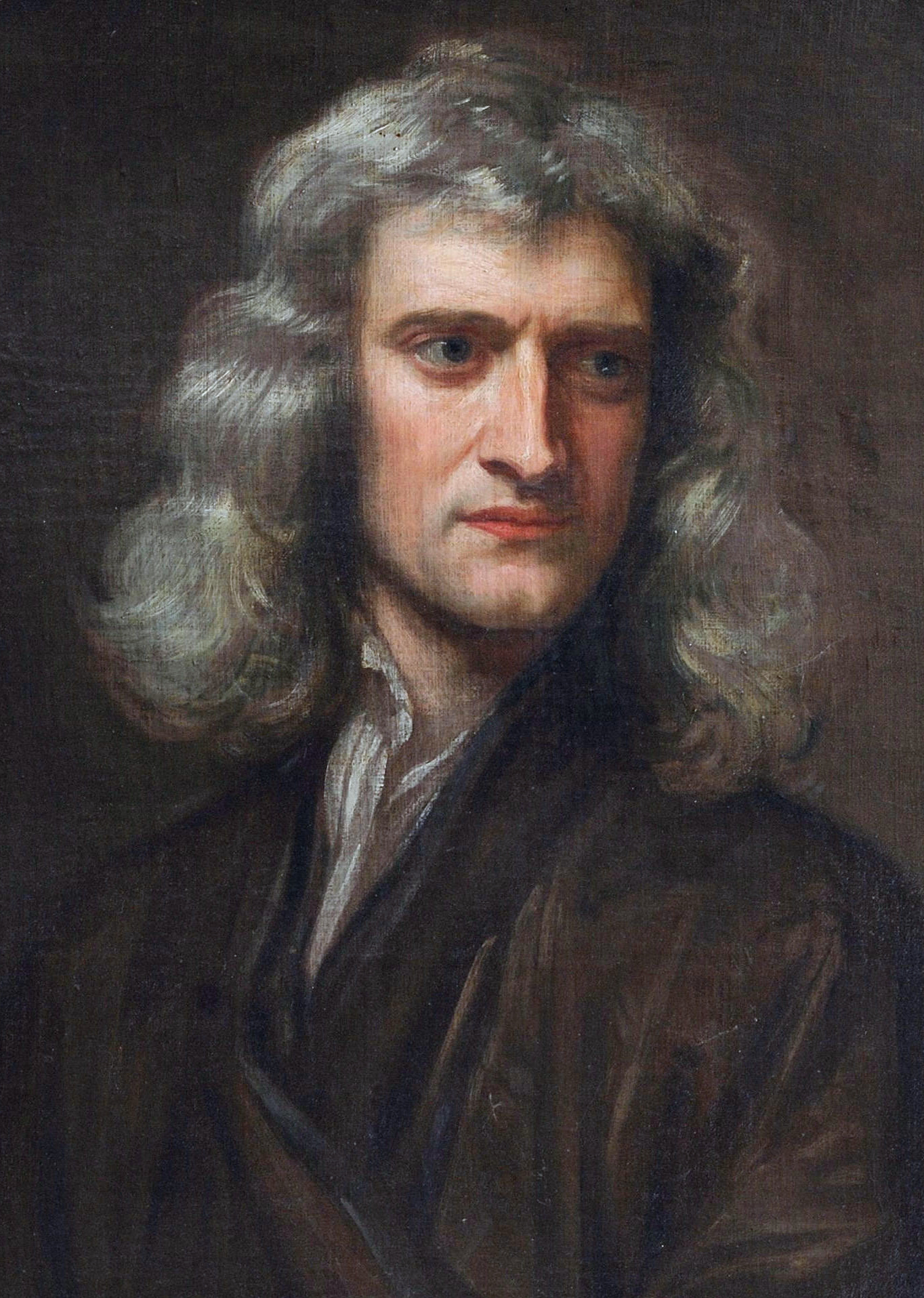
In the late 1600s, Isaac Newton built calculus to model motion, while Gottfried Wilhelm Leibniz, working independently, published a clearer notation that still dominates textbooks and engineering notes. Both were chasing the same leap: measuring change in real time, whether in curves, falling bodies, or planetary paths, without breaking every problem into tiny geometric hacks. The priority dispute turned ugly, but the near-simultaneous arrival fits the era. European science had outgrown older methods, and the paired discoveries delivered a shared toolset for physics, navigation, mechanics, and later industrial design.
The Telephone’s Same-Day Race
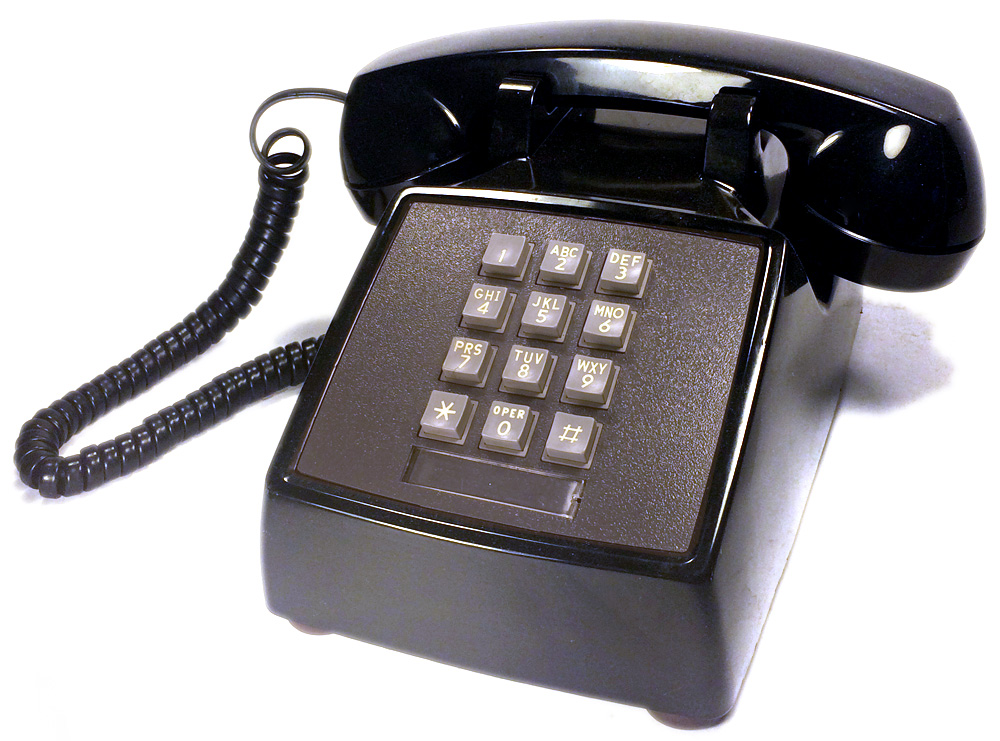
On Feb. 14, 1876, Alexander Graham Bell filed a patent application and Elisha Gray filed a caveat, each describing a way to transmit speech electrically using a vibrating diaphragm and varying current. Telegraph engineers had been experimenting with multiple tones on one wire, harmonic ideas, and sensitive receivers, so the jump from clicks to voice was already being rehearsed in labs and workshops. What decided the story was timing and documentation, not a single lightning bolt. Two men reached the same threshold, and one arrived first, then spent years defending it through demonstrations, patent fights, and lawsuits.
The Light Bulb’s Parallel Glow
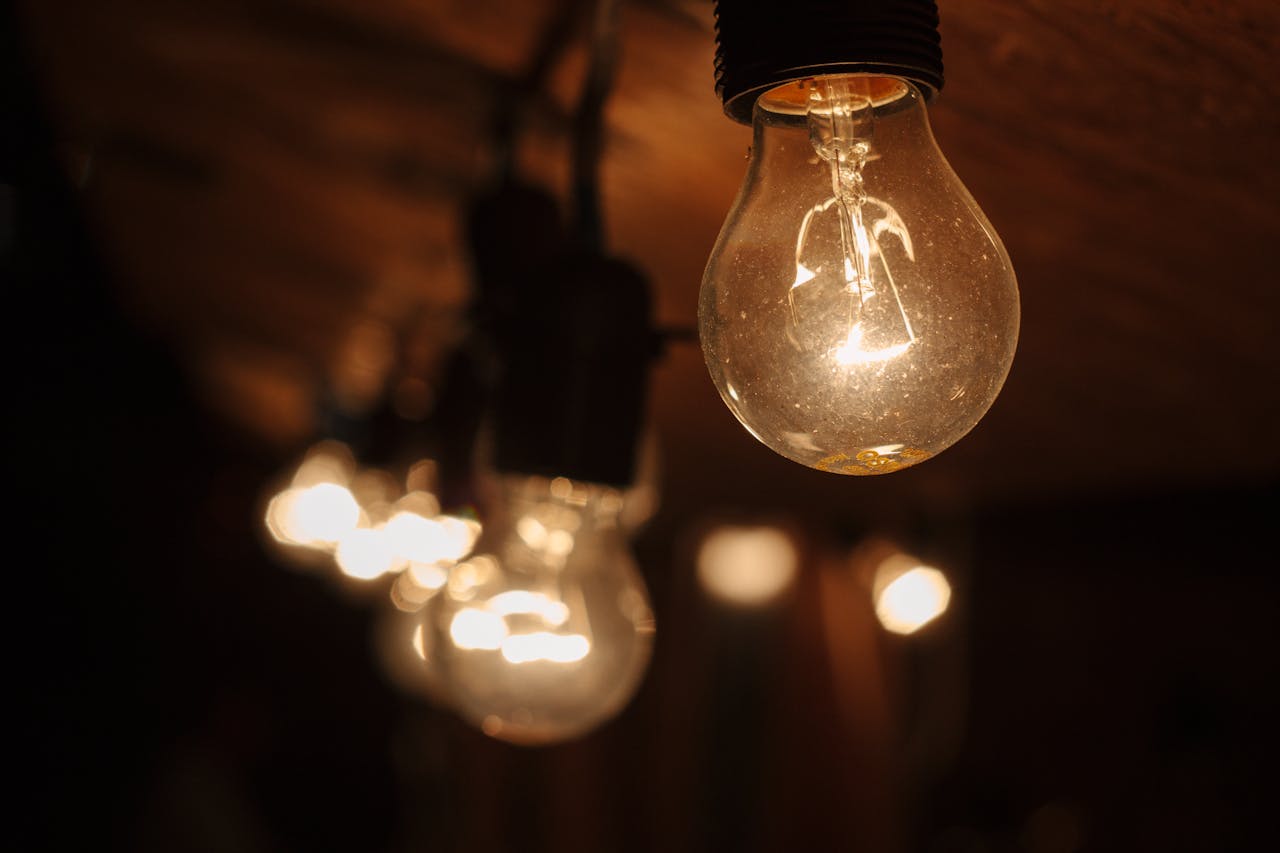
Incandescent light was a materials problem, not a magic trick, and many early bulbs failed fast. Joseph Swan demonstrated workable carbon-filament lamps in Britain in 1878 and 1879, while Thomas Edison pursued similar solutions in the United States soon after, refining longevity, sockets, and manufacturing. Both needed the same recipe: a stable filament, a strong vacuum, and safe wiring that would not overheat in real homes. Swan proved a room could be lit; Edison proved the lighting could be standardized, installed, and maintained at scale. Their parallel work turned electric light from novelty into infrastructure.
Photography’s Double Debut
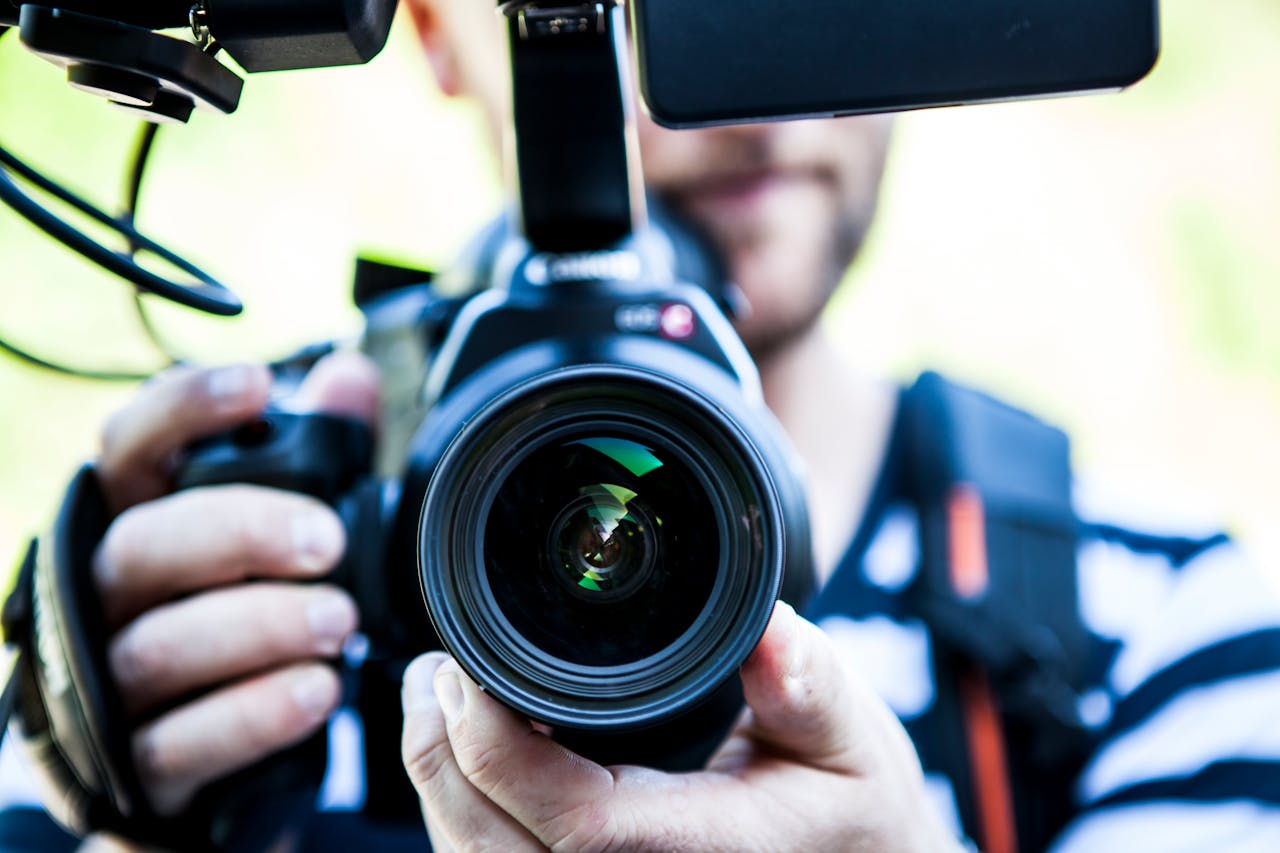
In 1839, two independent breakthroughs proved that light could make images endure. Louis Daguerre’s daguerreotype delivered sharp, mirror-like plates, while William Henry Fox Talbot’s paper negatives made reproduction possible, a quieter feature that later shaped publishing. The public saw a sudden twin announcement, but both paths were built on slow chemistry, long exposures, and a grim pile of failed experiments before the first stable results. Daguerre offered spectacle and detail; Talbot offered scalability and iteration. Photography’s future needed both instincts, arriving side by side in the same crowded year.
The Periodic Table, Drawn Twice
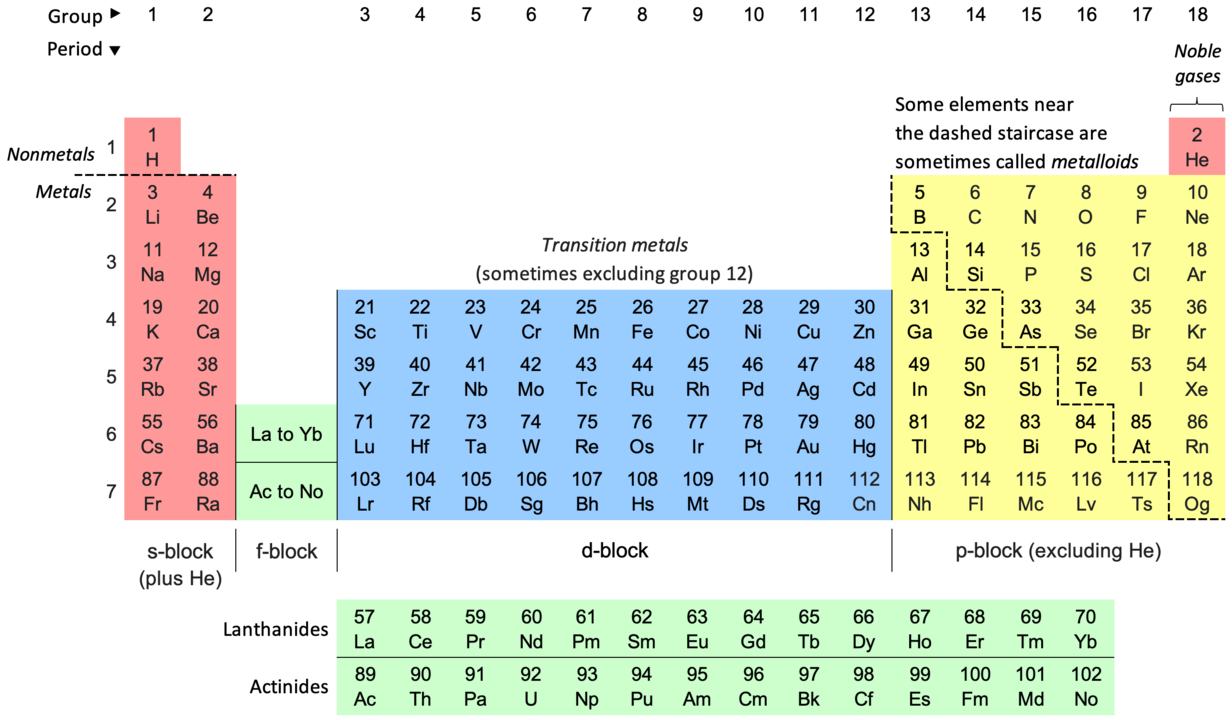
By 1869, chemistry needed order, and two thinkers supplied it almost at once. Dmitri Mendeleev arranged the elements into a periodic table and left gaps for unknown ones, while Julius Lothar Meyer developed a closely related classification from repeating trends in weight and behavior. Mendeleev pushed prediction, treating the gaps as promises; Meyer strengthened the pattern’s credibility with careful comparisons across families of elements and their reactions. Two maps emerged from the same swelling data, and the discipline finally gained a structure sturdy enough to guide discovery, not just catalog what was already on the shelf.
Oxygen, Recognized More Than Once
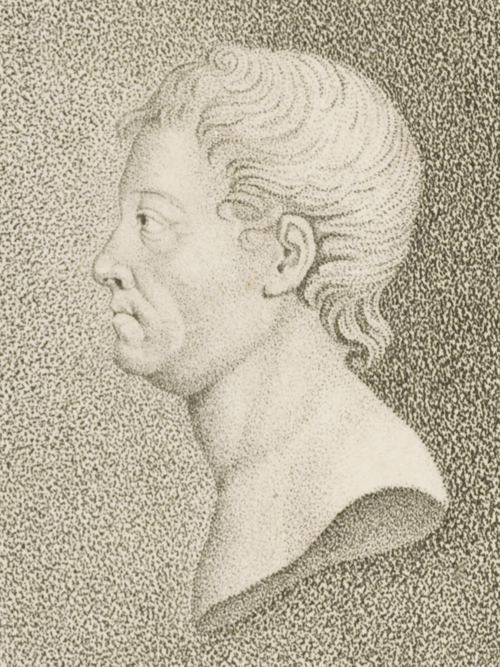
Oxygen’s story is a relay, not a solo. Carl Wilhelm Scheele produced the gas in the early 1770s, Joseph Priestley later published on its striking effects on flame and breathing, and Antoine Lavoisier reframed it as a new element and named it oxygen. The experiments were straightforward, but the meaning was not, because the old phlogiston model was still the default story of burning and rusting. Once the interpretation clicked, combustion and respiration made new sense, and careful measurement replaced metaphor. The same gas had been in multiple flasks; it took multiple minds, and a shift in theory, to understand it.
Radio’s Many-Born Beginning
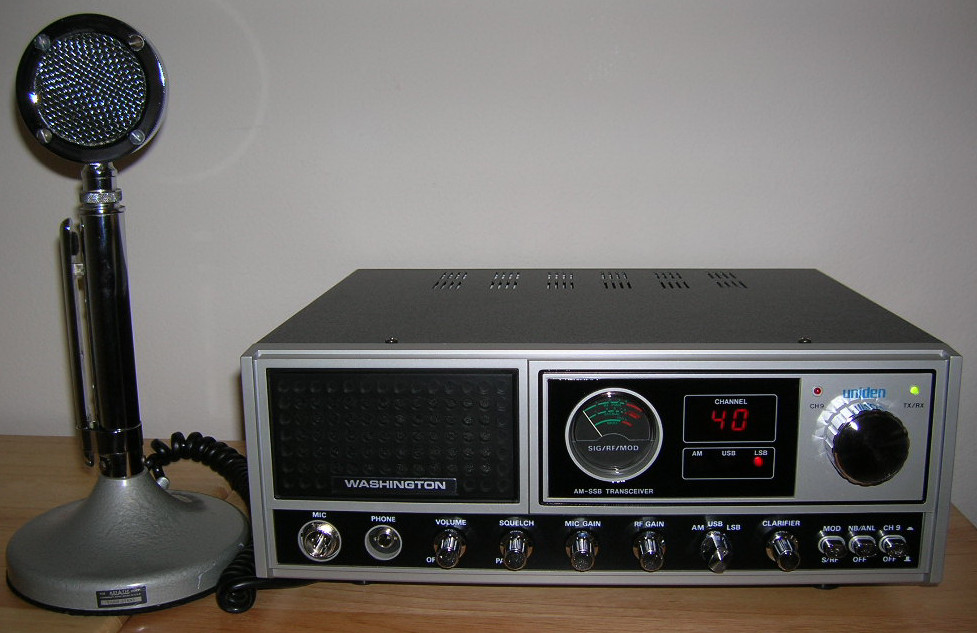
Radio emerged when theory and hardware finally met, and several inventors could assemble a working chain. Nikola Tesla pursued wireless transmission in the 1890s, while Guglielmo Marconi built practical long-distance signaling and patented aggressively; Alexander Popov demonstrated related receiving work in the same era. Each drew from the same ingredients: proven electromagnetic waves, improving detectors, and demand from ships and coastal stations. That is why radio feels crowded at birth. Once the components existed, invention became range tests, reliability tweaks, and execution, with credit following whoever scaled first.
Jet Engines, Two Paths to Thrust

Jet propulsion arrived twice because piston engines were running out of headroom. Frank Whittle patented a turbojet in Britain in 1930, and Hans von Ohain developed a similar turbojet in Germany in 1935, largely in parallel as turbine theory and metallurgy improved. Both teams fought the same enemies: heat, compressor surge, blade strength, and fuel control, problems that shred prototypes and budgets. Early jet flights soon proved the concept, and aviation stepped into a new era of speed and altitude. The idea did not belong to one workshop; it belonged to the moment, when materials and urgency finally matched the math.
The Hypodermic Syringe’s Twin Birth

In 1853, Alexander Wood in Scotland and Charles Gabriel Pravaz in France independently created hypodermic syringes for delivering drugs beneath the skin, a sharp break from slow oral dosing. The need was obvious: precise dosing and faster relief than pills could offer, especially with morphine, surgical pain, and localized treatment that doctors could observe in minutes at the bedside. The mechanism was simple, but the impact was enormous. Two designs converged on the same needle-and-plunger logic, and medicine gained speed, precision, and new questions about safety, misuse, dosing errors, and control in emergencies.
The Telegraph’s Parallel Wiring
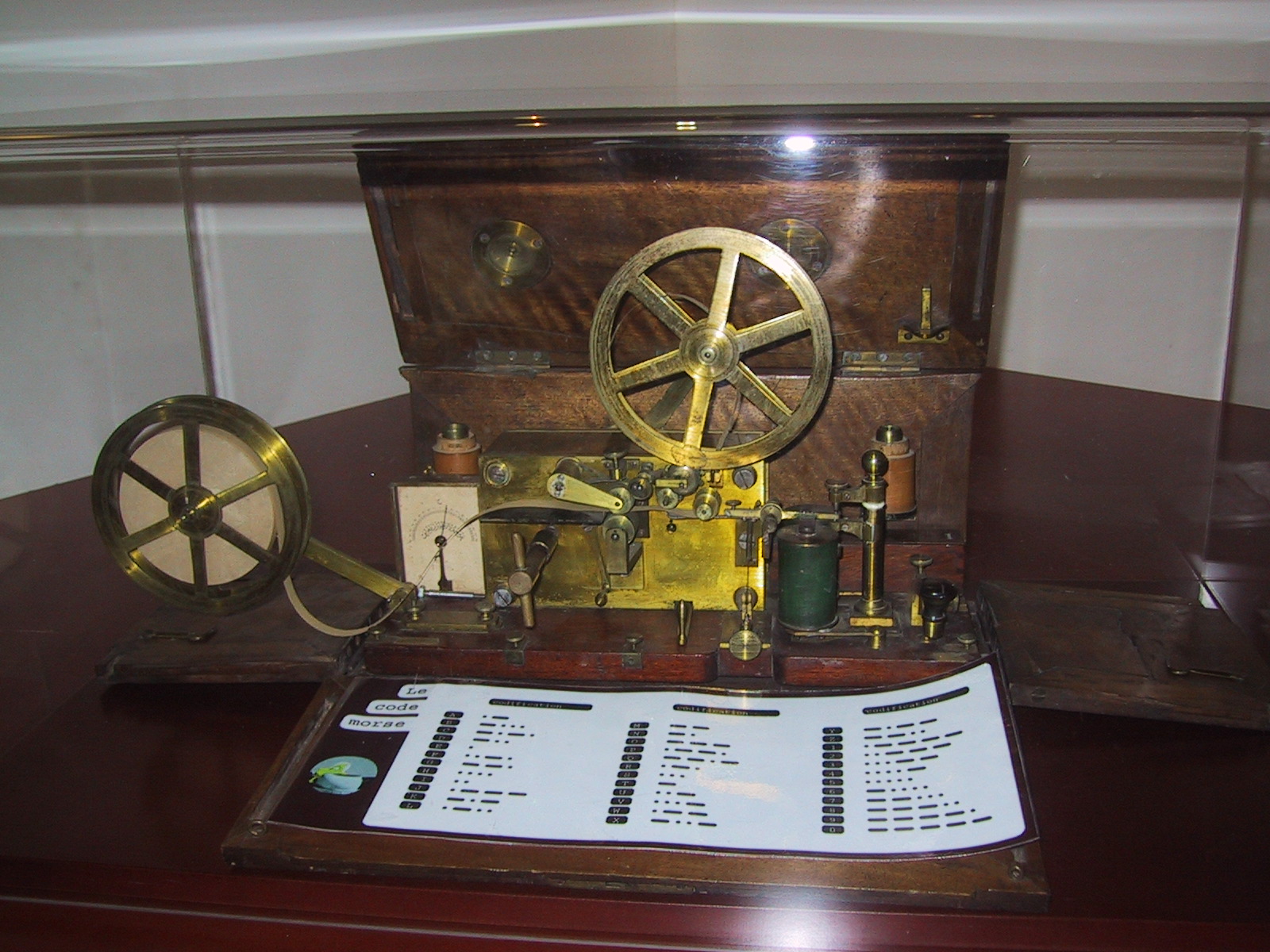
The electric telegraph arrived on two tracks, shaped by different needs. In 1837, William Fothergill Cooke and Charles Wheatstone patented needle-based systems in Britain and pushed them into railways; in the United States, Samuel Morse, with Alfred Vail, developed a recording telegraph and the code that carried messages. Different interfaces, same promise: language traveling faster than any vehicle, shrinking news cycles and changing commerce and diplomacy. Once batteries and magnets became dependable, distance turned into a circuit. Parallel systems made the idea credible, then made it unavoidable across continents.
The Miners’ Safety Lamp Rivalry

In 1815, mine explosions demanded a lamp that would not ignite firedamp, and two answers appeared almost at once. Sir Humphry Davy’s gauze lamp cooled the flame, while George Stephenson’s design used small openings to prevent flame spread, each aiming to keep light from becoming a fuse. Accusations followed, but miners judged by survival, not prestige, and both lamps influenced safer routines underground. The deeper story is urgency: when a problem is deadly and common, solutions converge. Innovation here was not vanity; it was protection carried into the dark, shift after shift, with every safe return as the only verdict.
The Ballpoint Pen’s Two Lives
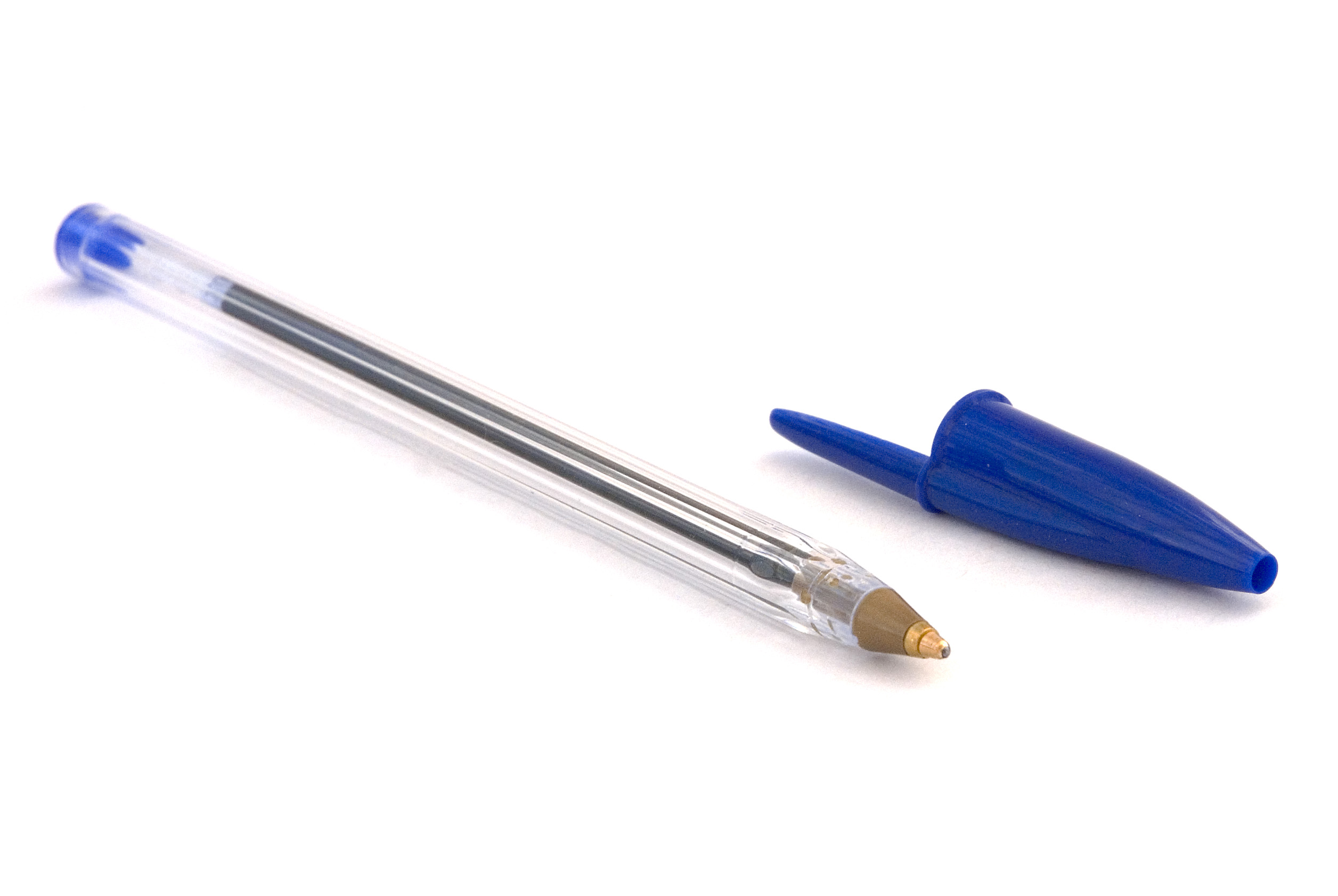
The ballpoint pen was invented, then rescued from obscurity. John J. Loud patented a ballpoint in 1888 for marking rough materials like leather, but it was too crude for everyday writing; decades later, László Bíró refined the same core idea and patented his version in 1938, pairing it with thicker, quick-drying ink. Better inks, better machining tolerances, and better mass production made the difference, not the tiny rolling ball itself. That second arrival turned a clever mechanism into a global habit, from offices to classrooms. The first inventor was not wrong; he was early, and the world had not caught up yet.