A beep at self-checkout can feel ordinary, then the screen pauses and an associate steps over. That quick interruption shows how retail security has shifted from simple cameras to layered systems that spot mismatches in real time. Walmart, like many big chains facing tens of billions in yearly losses from inventory shrink, now leans on checkout analytics, cameras, and sensors that compare scans with what gets bagged. Most flags are honest miss-scans, handled quietly, but the same tools also deter organized theft with surprising speed. For shoppers it can feel like a quick reset, not a confrontation, even during busy hours.
The Lane Pause Comes Fast

At many Walmart self-checkouts, the first signal is a register that pauses mid-transaction. When the system senses a mismatch between what was scanned and what appears in the bagging area, the screen can lock and alert an associate in real time.
The intent is simple: catch problems early, before a receipt prints and confusion builds. Most flags are routine miss-scans or double-scans, handled calmly, but the same pause also interrupts patterns that rely on speed, crowding, and distraction. Over time, repeated discrepancies leave a clearer trail than a single camera glance ever could, supporting review without drama at the lane.
Cameras Now Compare Scan To Bag
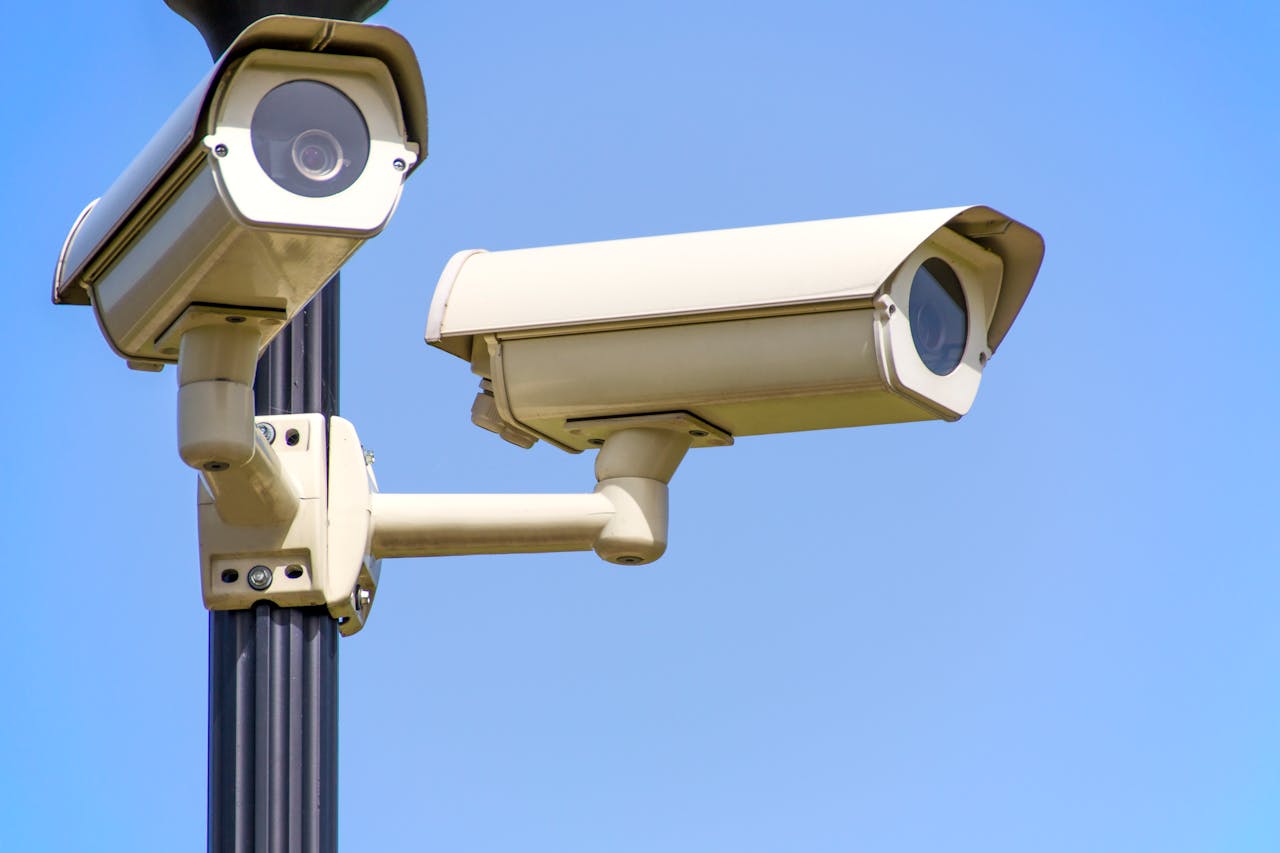
Walmart has expanded self-checkout monitoring beyond basic recording. AI-powered video analytics can compare what appears on the counter with what gets scanned and then bagged, looking for mismatches that suggest a missed item.
This matters because the system can react while the transaction is still open, instead of relying on a later audit. Object recognition is used to separate common errors from behavior that looks intentional, even when hands move fast or items overlap. The goal is deterrence with minimal disruption: a short pause, a quick check, and the line keeps moving while the store reduces shrink pressure quietly.
Smarter Barcodes Reduce Miss-Scans
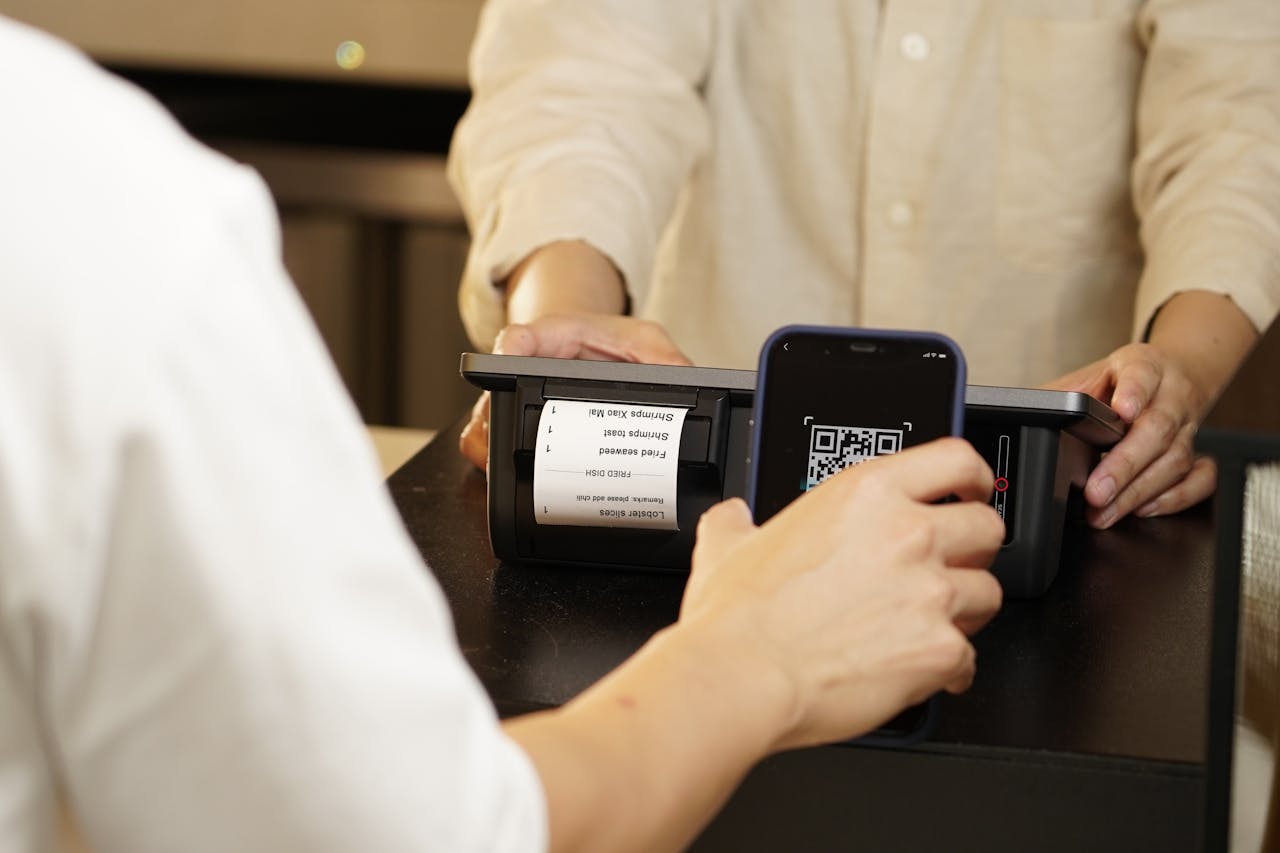
Some Walmart items now carry enhanced barcodes, including versions scanners can read from multiple angles. The practical win is fewer rescans, fewer delays, and fewer accidental misses when packaging is glossy, curved, or handled quickly.
From a loss-prevention view, it narrows the gap between what moves across the counter and what gets recorded at checkout. Because the code can be captured from more positions, a skipped scan is more likely to register as a mismatch instead of fading into the flow. Paired with camera analytics, it helps reduce both honest errors and intentional miss-scans during peak hours in crowded stores.
RFID Can Confirm Items Without Perfect Scans

Barcodes work only when the scanner sees the label, which is not always easy with a full cart. Walmart has explored RFID and similar tags that can verify items without a clear line of sight, helping track inventory from shelf to register.
RFID matters because it can confirm multiple items at once, improving accuracy and tightening inventory records. Even when used in limited ways, it can reduce manual rescans. From a security angle, it shrinks the space where inventory loss can hide between what is physically present and what the checkout system records, especially during rushed self-checkout traffic at busy locations.
Exit Sensors Still Matter

Even with smarter checkouts, the backstop remains: electronic article surveillance. Security tags and exit sensors catch items that were not deactivated at checkout, triggering an alert at the doors.
That final checkpoint protects against simple mistakes and deliberate skips that slip past the register. It reduces guesswork for staff because the alarm points to a missed control step, not a vague suspicion. When it works well, the response is routine and fast, often ending with a quick fix at customer service. Combined with cameras and checkout analytics, it keeps deterrence steady without turning every exit into a scene.
Most Flags Lead To A Simple Fix

When a lane locks, the next step is usually an associate, not a confrontation. The alert pulls a human check into the loop, since many issues are simple slipups like a missed scan, a double scan, or a bagging mix-up.
Checkout video analytics can show what triggered the pause, then staff can correct the transaction and move things along. Handled well, it is a brief interruption and a calm reset, not a public spectacle. That tone matters because it keeps honest shoppers from feeling targeted while still discouraging repeat abuse. It also signals that the store watches patterns over time, not one awkward moment at the register.
Sensors Add A Second Opinion

Modern self-checkout is less about a single scan and more about cross-checks. Walmart uses a mix of cameras and smart sensors that can notice when an item appears in the bagging area without a matching scan, then prompt a pause.
That second opinion helps reduce both false alarms and missed problems when items pile up fast and packaging looks similar. As the tech improves, the process can feel smoother because fewer honest errors become long interruptions. At the same time, the store keeps deterrence steady against repeated mismatches, helping limit theft-related costs that can ripple into staffing and prices over time.
Walmart Says It Is Not Using Facial Recognition

New security tools always raise the same question: whether shoppers are being identified, tracked, or scored. Walmart has said it does not use facial recognition to target customers, focusing instead on behavior monitoring and checkout analytics.
That distinction matters, because the described systems look at what happens at the register, not who is walking the aisles. Privacy advocates still watch the space closely as AI expands, and future uses could change the conversation. For most people, the visible impact is a brief pause to correct a scan, not the feeling of being followed. Clear policies help build trust at scale.