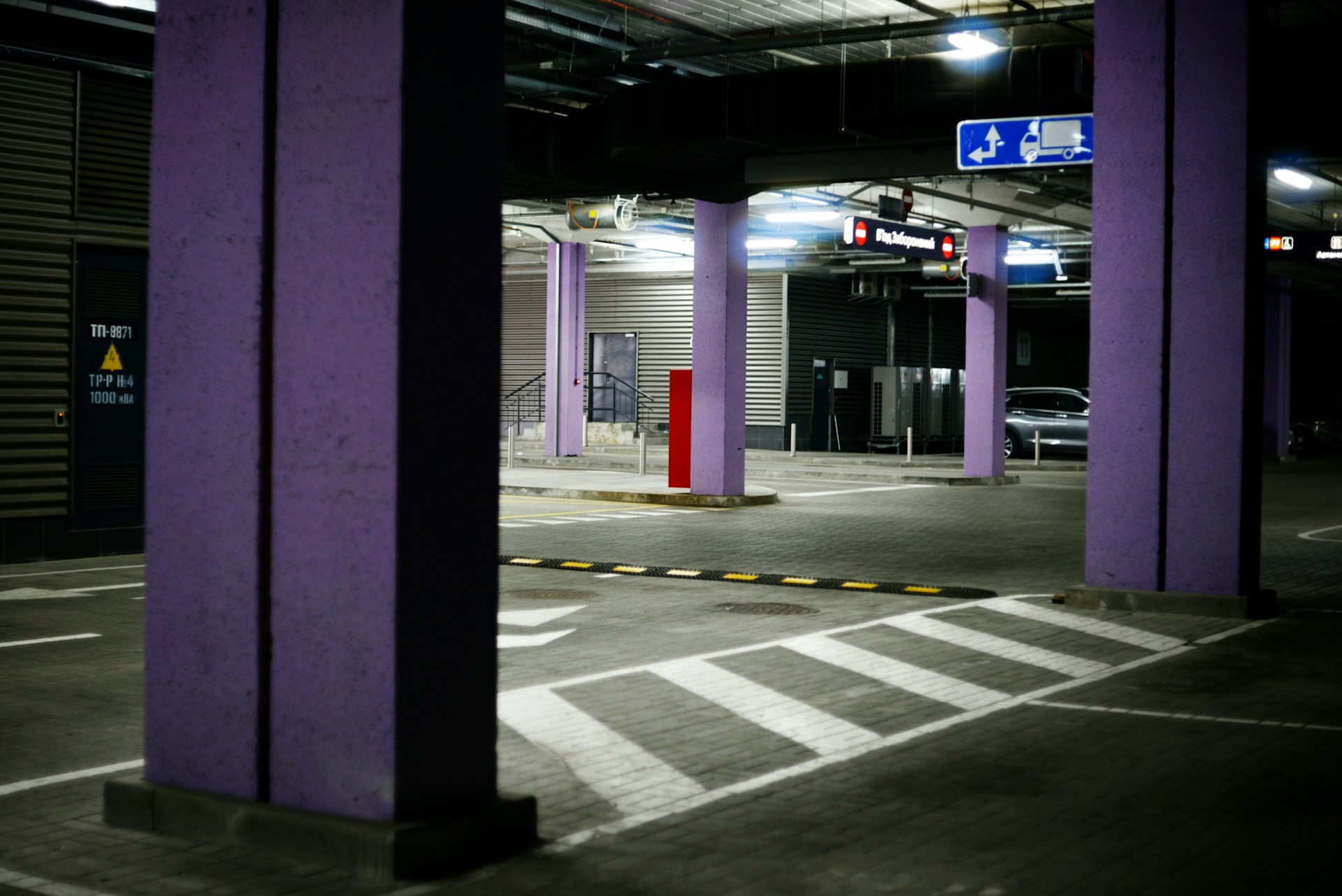
Across the country, a new shade is quietly reshaping parking lots, airport loops, and suburban shopping centers. Purple rectangles now appear between the familiar blue disability icons and regular white lines, prompting double takes from drivers who are not sure what they are seeing. What looks like a quirky design trend is actually a coordinated effort to honor military service in everyday spaces. As more curbs turn violet, the color is slowly rewriting how communities show gratitude in the most ordinary routines.
Purple Spaces Honor Military Service

Purple parking spaces began as a straightforward idea: clearly marked stalls reserved for veterans returning from active duty service. City councils wanted a color that stood apart from blue disability markings yet still felt respectful and easy to read in a busy lot. As violet bands appeared near city halls and main entrances, many veterans described a quiet jolt of recognition, realizing that ordinary errands now included a small, daily signal that neighbors had not forgotten the years they spent overseas, the missed milestones at home, and the long flights that once ended without any welcome beyond a crowded terminal. The color made each stall feel noticed so
Recognition For Wounded Service Members
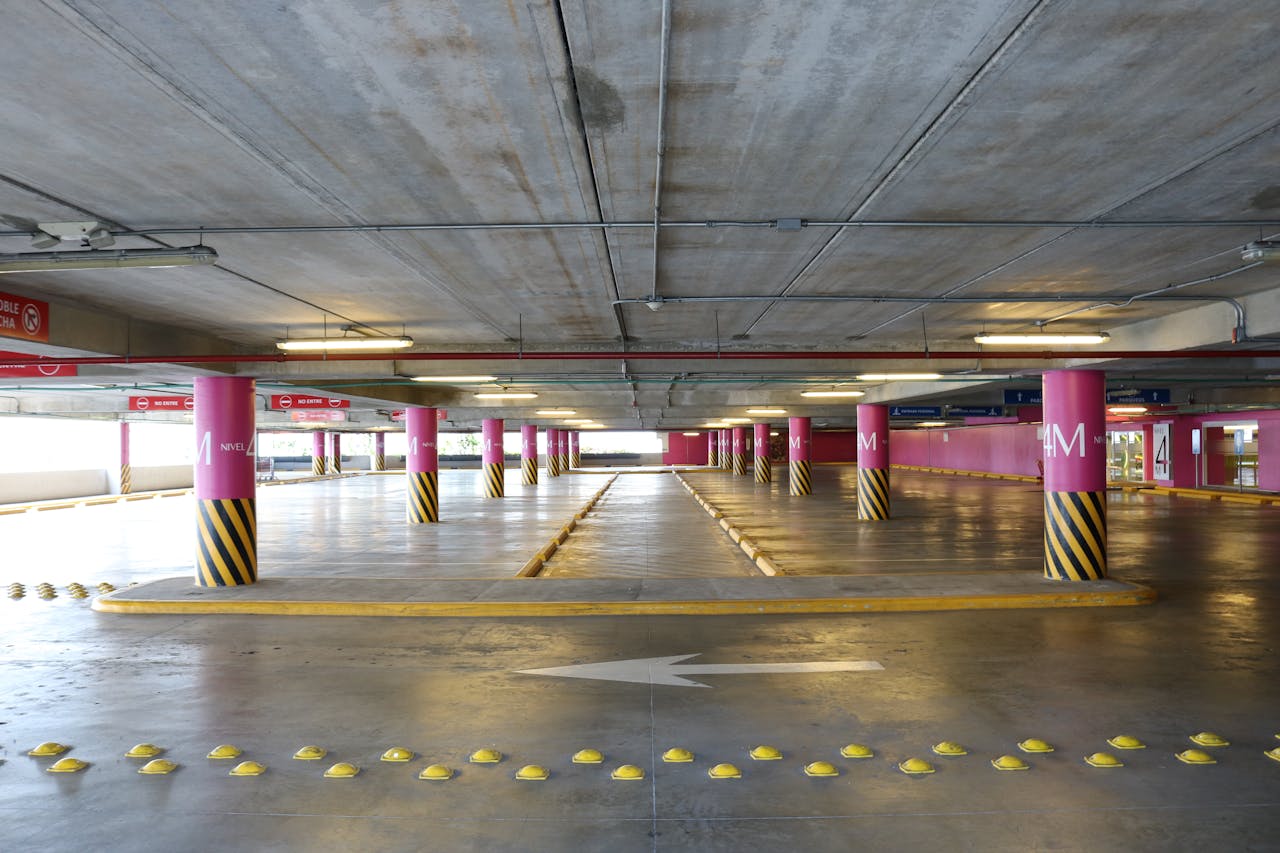
As purple programs expanded, many states chose to highlight veterans wounded in the line of duty, aligning the color with existing honors such as formal medals and citations. That decision shifted the spaces from a broad thank you to a more pointed recognition of those who carried visible or invisible injuries back into civilian life. For some drivers with Purple Heart plates, pulling into a violet stall became a rare moment when old pain and public space met gently, without speeches, ceremony, or questions from strangers. Many businesses, clinics, and arenas followed, knowing that a shorter walk, a clear symbol, and a small pocket of ease could carry weight up.
Airports Turn Purple Into A National Signal
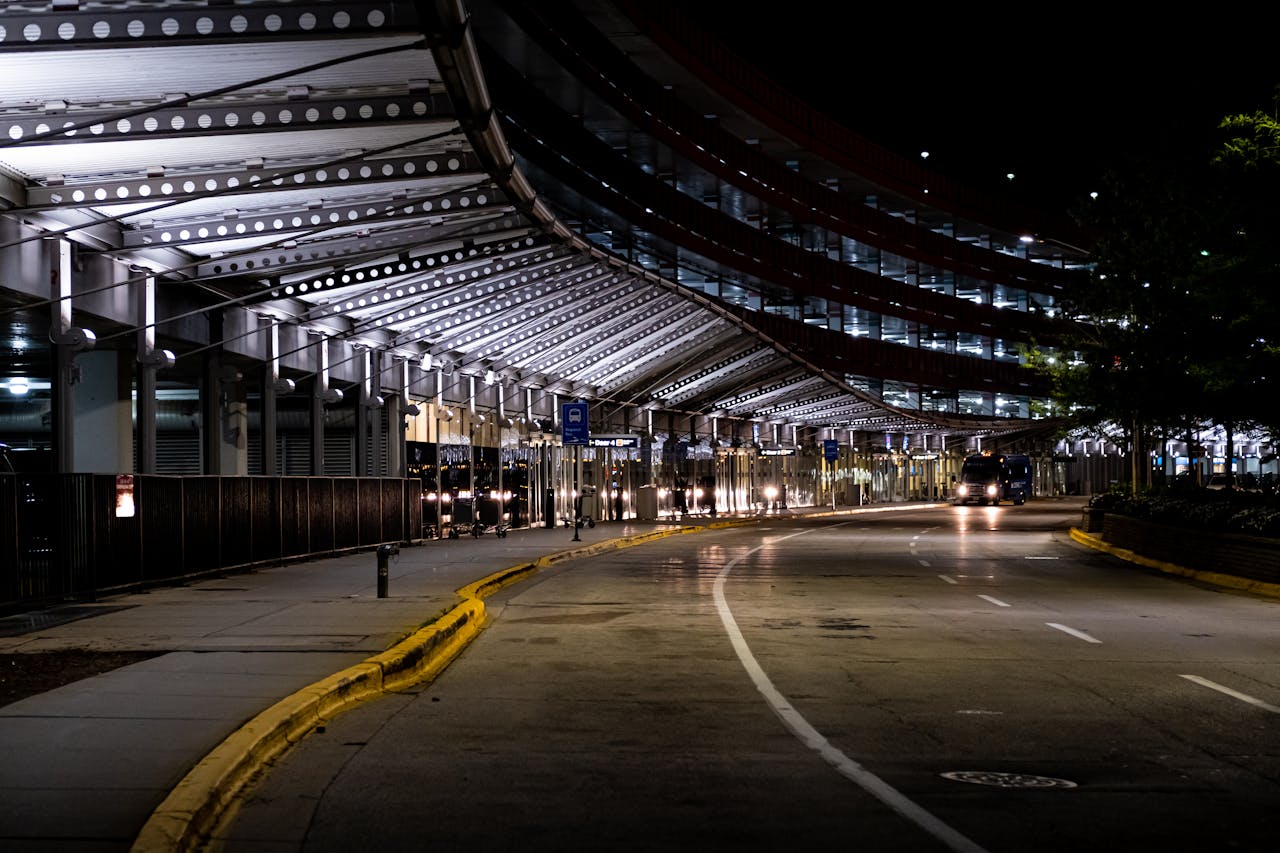
Airports quickly turned purple parking into a highly visible signal, placing the stalls near departure doors, security checkpoints, and baggage claim exits where traffic is thickest. Transportation planners treated the color as one more layer in a broader push to make terminals less bewildering, especially for travelers juggling luggage, kids, or mobility aids after long flights. For veterans, spotting a violet band at the curb could soften the edge of travel days that still echo with memories of uniformed returns and hurried goodbyes in crowded halls. Soon bus depots and train stations copied the idea, so the shade now links busy hubs with small town platforms.
Retailers Bring The Color To Daily Errands

As civic lots embraced purple, national retailers began to mirror the trend outside supermarkets, warehouse clubs, and malls where families spend most weekends. For corporate teams, the math was simple: repainting a few stalls cost little compared with the goodwill it generated among shoppers with parents, siblings, or children who served. Some companies added clear signs explaining the color, while others trusted regulars to spread the story, letting the symbol travel through casual conversations in parking aisles and checkout lines. Over time many shoppers expected violet spaces near the entrance, and when they saw none, the lot could feel a touch out of step.
Rules Clarify Who May Use The Stalls

New colors in public space always raise questions, and purple was no exception, so early programs quickly ran into confusion over who could use the stalls. Some veterans hesitated to pull in without clear permission, while other drivers treated the color as decorative, assuming anyone could park there in a rush. City officials responded by tying use to veteran plates or placards and training officers on the rules so enforcement felt steady, fair, and grounded in the promise behind the paint. Clear signs helped fit the new color into existing rules, so people stopped guessing. In time most drivers simply treated purple stalls as another normal part of the lot so.
Small Towns Add Their Own Mark Of Respect

In small towns with long military histories, residents did not want recognition to stop at airports or city centers, so they pushed to add purple spaces near libraries, post offices, and feed stores. Because neighbors often know who served and who still carries scars, the color can feel especially personal in these places. A familiar truck pulling into a violet stall is not anonymous there; it is part of a living story that locals share across school events, church suppers, and handwritten notices tacked to bulletin boards. The sight of those stripes beside gravel shoulders and brick storefronts reminds many that distant wars still reach their quiet streets too.
Parking Stalls Become Gateways To Support
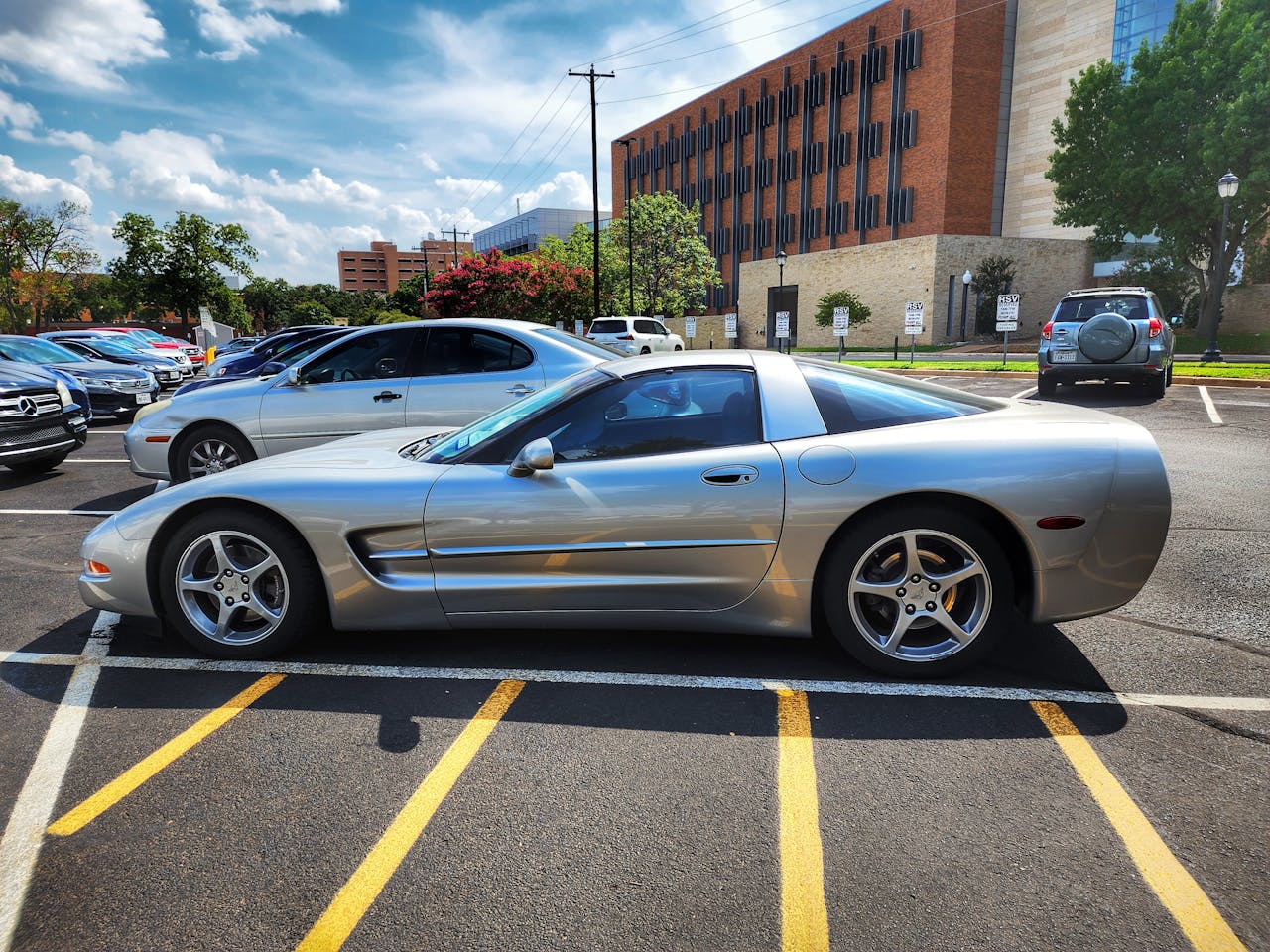
As purple stalls became more common, veteran support groups saw a chance to turn visibility into practical help by linking the spaces to local resources. Some cities tested subtle signs or small QR codes near the posts, pointing toward hotlines, counseling, housing assistance, or job programs designed for those leaving service. The goal was not to crowd the symbol but to tuck lifelines nearby so that a quick scan before stepping out of the car could open doors that might have felt distant or hard to navigate. For veterans wary of paperwork and long lines, that small link can feel easier to approach, turning a routine stop into a quiet first move towards support.
Durable Paint Keeps The Message Bright

Keeping purple paint bright turned out to be its own challenge, especially in regions where hot sun, snow, and heavy truck traffic quickly chew through surface coatings. Early stalls faded or chipped within a season, blurring into the pavement and undermining the sense of intention that the color was meant to carry. Contractors responded with tougher formulas and better prep work so the lines stayed crisp, signaling that the promise attached to those spaces is meant to last, not wash away with the next storm. Fresh, sharp edges matter more than looks; they tell veterans and drivers that the program is not a passing gesture but a steady feature, present every day
Education Campaigns Cement The Meaning
Even with paint on the ground and signs in place, many communities found they needed simple explanations before purple became widely understood. Short media pieces, city newsletters, and school announcements walked residents through the meaning, stressing that the stalls were about honoring veterans rather than creating another confusing category of reserved parking. As the story spread, drivers began to read the color almost automatically, the way they read blue icons, and compliance improved without heavy enforcement or public shaming. Eventually the shade carried the message so stalls needed little explaining and a quick glance across the asphalt gave enough.