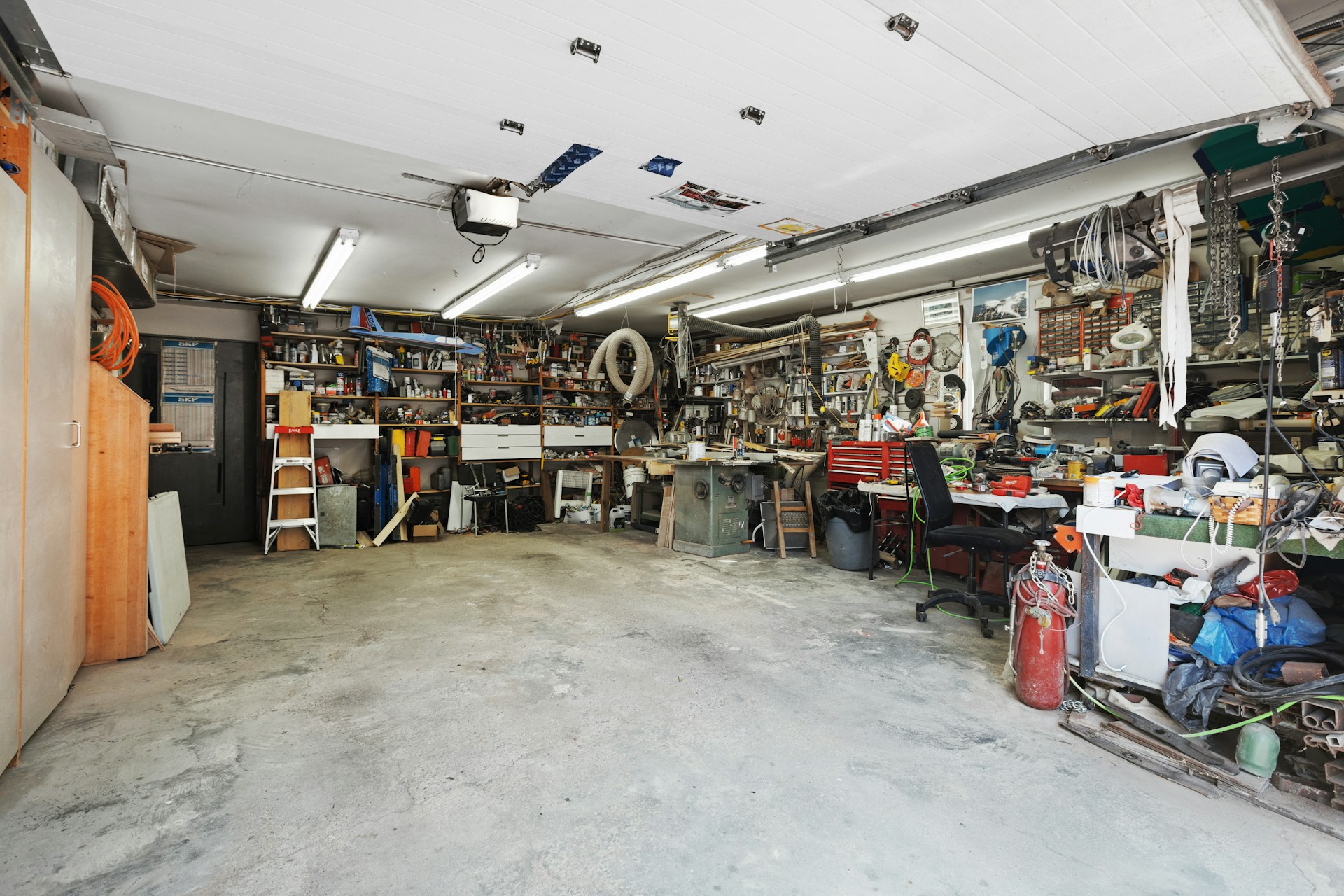
Garages are built for utility, but storage habits can quietly add risk. Heavy loads climb upward, chemicals settle near heat, and walkways shrink until daily tasks feel awkward. Chargers and power tools make clutter less forgiving.
Inspectors flag the same patterns because they repeat everywhere. Most days nothing happens, so the layout seems fine until it is tested. A bumped shelf or a small leak can change the day.
These eight hazards focus on simple control: clear paths, stable weight, and contained products. The fixes are ordinary, but they cut surprises and speed cleanup. A calmer garage stays easy to maintain all year.
Gasoline And Solvents Stored Loose
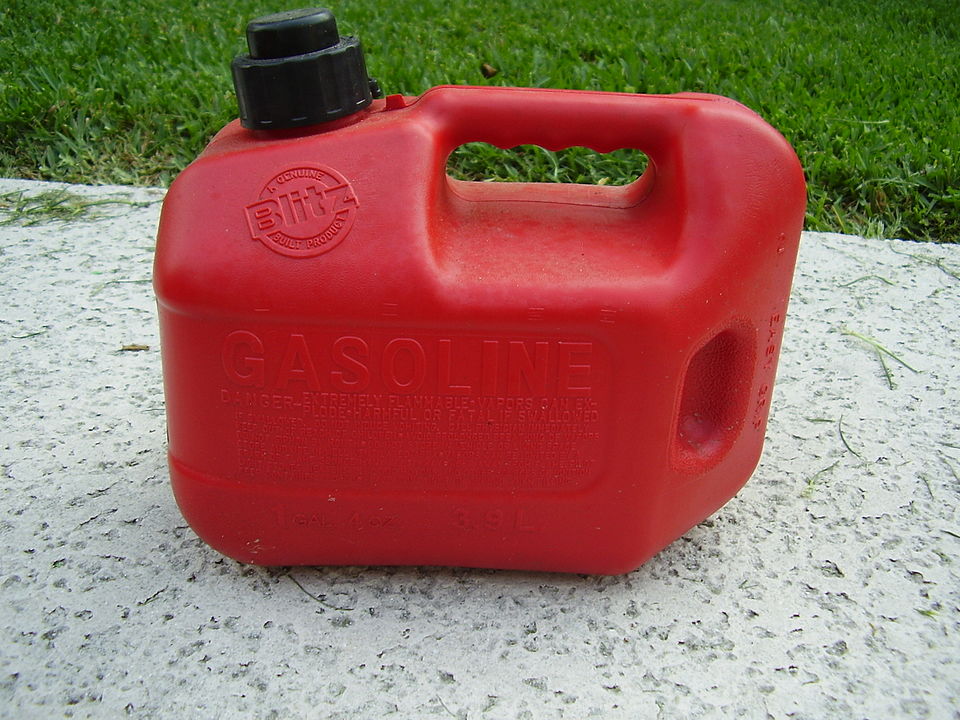
Gasoline, paint thinner, and degreasers often end up on the floor because it feels convenient. Inspectors worry when containers are dented, uncapped, or stored where they get kicked, because vapors can linger low and spills spread across concrete. Old bottles with fading labels add confusion during a rushed cleanup.
Approved containers with tight lids reduce vapor release and keep contents clear. A stable shelf in a cooler corner works better than a crowded workbench.
A shallow tray catches drips and makes leaks obvious. Keeping only small quantities and removing sticky, smelly, or corroded cans prevents slow seepage and messy surprises.
Propane Cylinders Kept Inside

Propane cylinders get parked beside lawn gear because it feels tidy and close to the door. Inspectors flag indoor storage because cylinders can vent, and garages contain switches, motors, and other ignition sources. Even a small release can collect in low spots when airflow is poor, in summer.
Safer practice is storing cylinders upright outdoors in a shaded, ventilated spot. A simple rack keeps them stable and away from doors and vents.
Valves should be fully closed and protected from knocks. If the collar is bent, the valve looks damaged, or an odor is noticed, exchanging the cylinder beats guessing and keeps storage predictable.
Combustibles Crowding Heat Sources
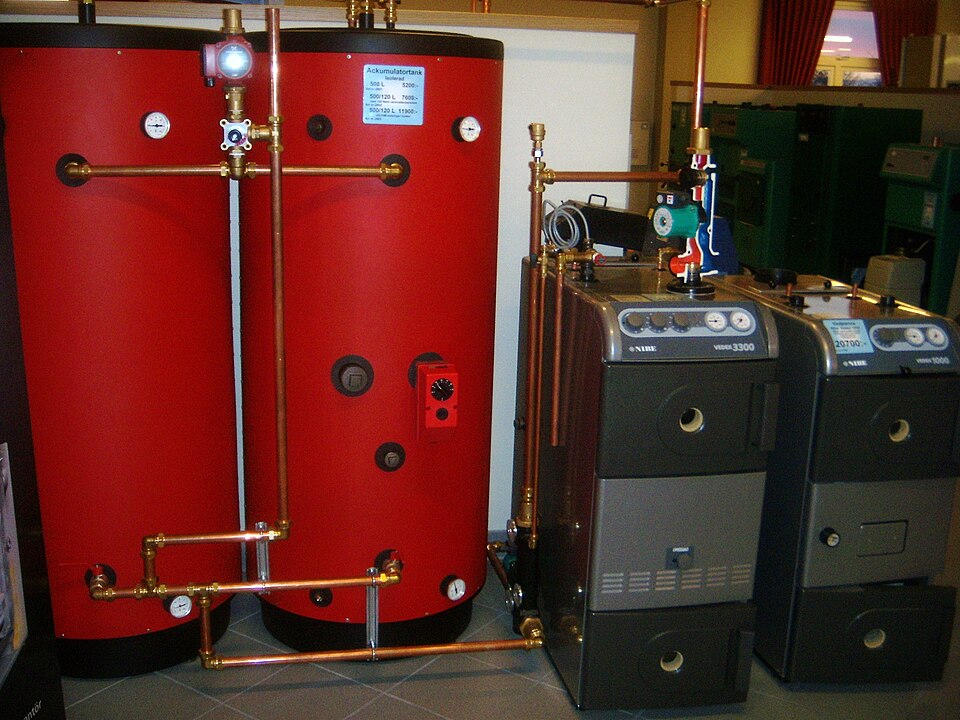
Water heaters and furnaces in garages often get boxed in by paint, paper, and spare lumber. Inspectors watch these zones because heat sources need clearance and airflow, and clutter hides leaks or corrosion. The risk rises when flammables sit within arm’s reach of a hot compartment or vent. Tight stacking also invites bumps while parking.
A marked no-storage perimeter on the floor makes the rule obvious. Moving cardboard and chemicals to a different wall keeps the area boring, which is the goal.
Clear space also makes service easier and faster. When the slab stays visible, drips and damp spots get noticed early and small repairs stay small.
Blocked Exits And Pinched Walkways

A garage can quietly erase the simplest safety feature, a clear path to a door. Inspectors often see bins stacked in front of side exits, bikes leaning into door swings, and tools that force awkward stepping around edges. When hands are full, those tight lanes turn movement into a stumble risk.
Aisles should connect the house door to an exterior exit in one continuous line. Wall storage helps only when shelves stay flush and predictable.
Heavy items belong low and handles should not protrude. If the path cannot be walked in the dark, storage is doing too much and should be trimmed back. Clear floor space also speeds cleanup.
Unanchored Shelving That Can Tip
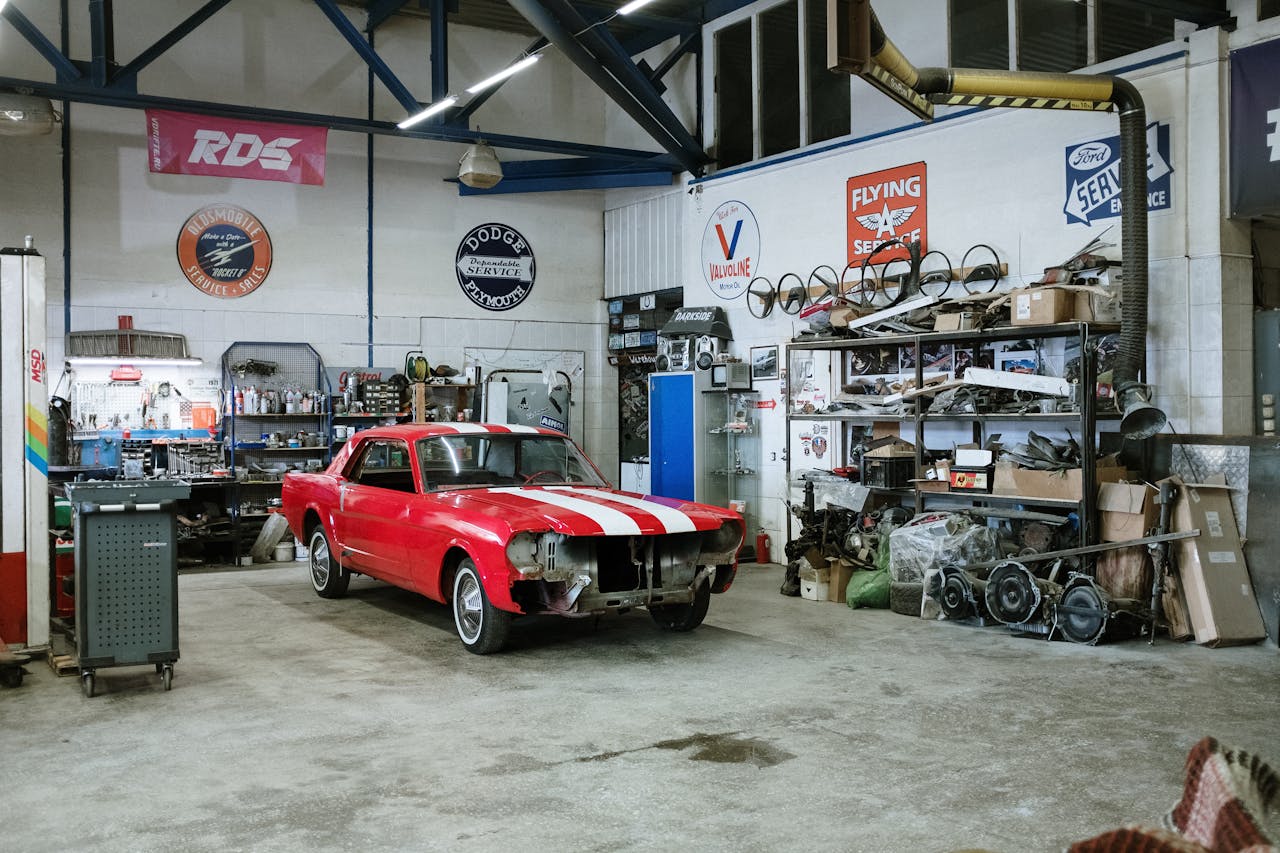
Tall shelving looks organized until it shifts under real use. Inspectors flag freestanding units loaded high because a bump from a car door or a dragged ladder can tip a top-heavy rack on uneven concrete. Plastic bins slide forward, and door vibration can loosen weak setups.
Anchoring shelves to studs with brackets or anti-tip straps turns a wobbly tower into stable storage. Keeping the heaviest bins on the lowest levels reduces leverage. Spreading weight side to side matters, too.
Labels and a step stool reduce frantic pulling. A quick shake test should feel solid, and any sway is a signal to lighten the top and tighten the frame.
Overloaded Overhead Racks And Hooks
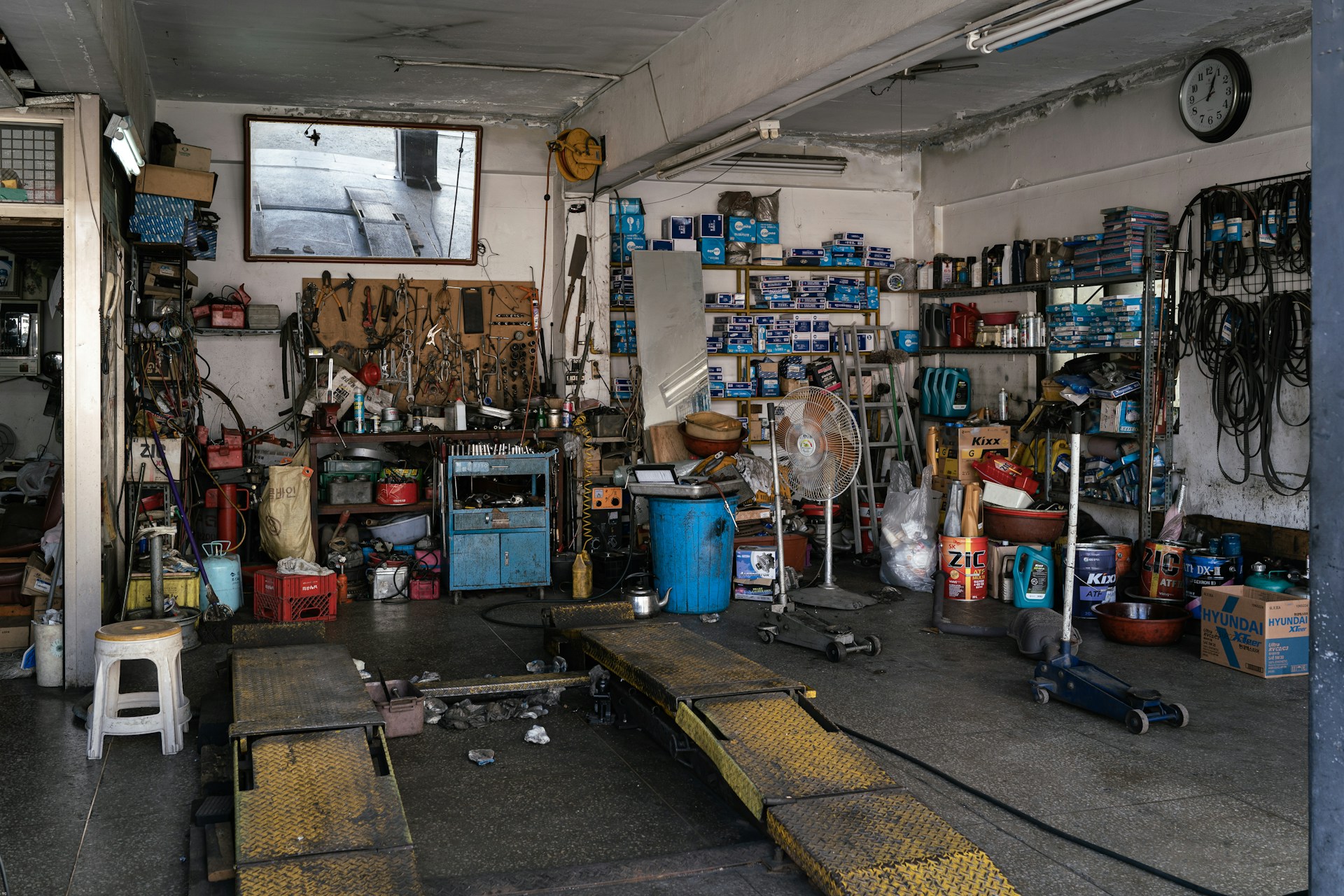
Overhead racks and ceiling hooks reclaim space, but inspectors look for sloppy installs and overloaded platforms. Fasteners that miss framing can loosen as temperatures swing and the opener vibrates the ceiling. When weight is stored above cars and walkways, failure becomes a falling-object problem.
The safer approach is treating overhead storage as light-duty only. Seasonal decor, empty luggage, and soft goods belong up high, while dense totes stay on low shelving.
Loads should be distributed evenly and kept within the manufacturer rating. A seasonal bolt check and a quick look for sagging keeps the system honest before it drifts.
Charging Batteries In Cluttered Corners
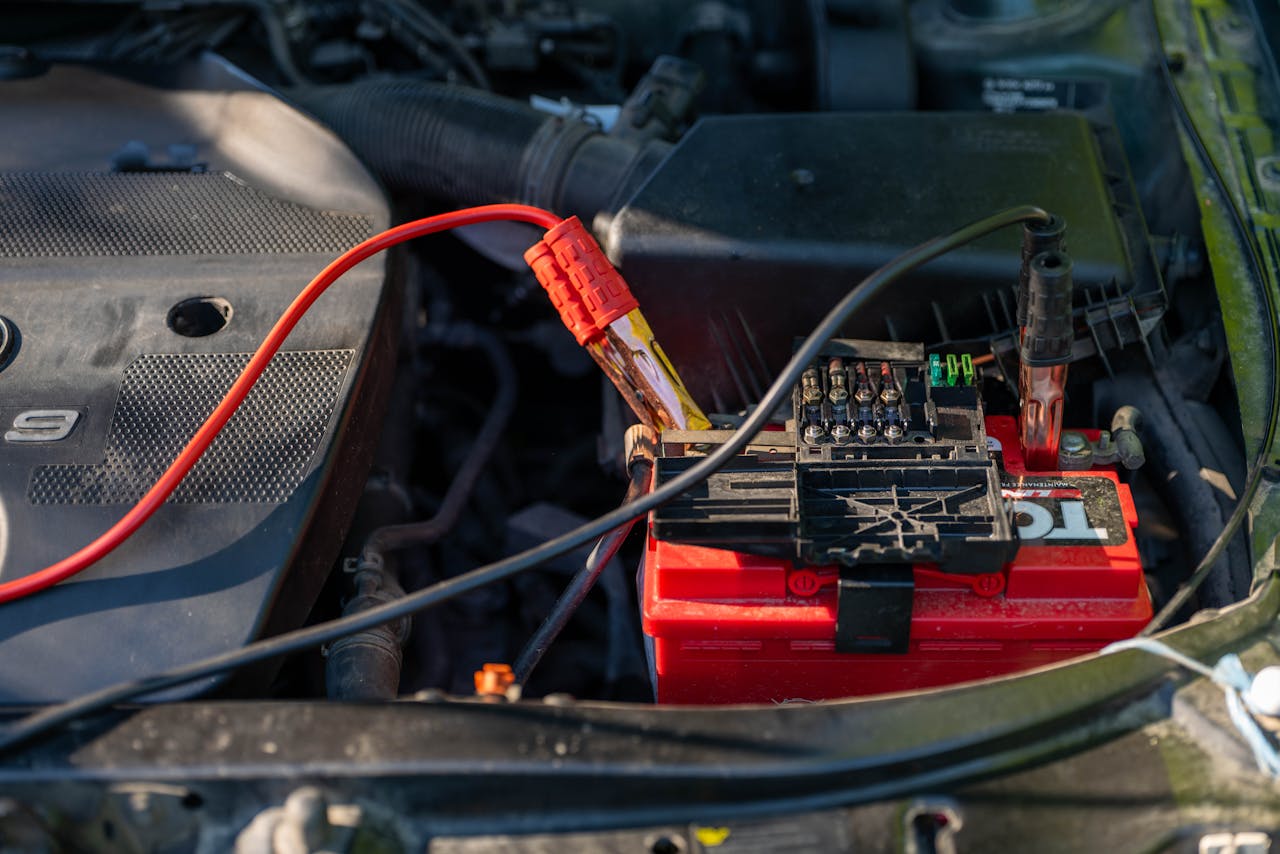
Garages have become charging hubs for tool packs, e-bikes, and yard equipment. Inspectors get uneasy when charging happens on cardboard, near paint shelves, or under piled boxes, because heat needs space and clutter traps it. Damaged cords and cheap adapters add another weak link.
A dedicated charging spot on a noncombustible surface keeps the area controlled. Using the manufacturer charger and keeping cords untangled reduces stress on plugs and ports.
Any pack that swells, smells unusual, or runs hotter than normal should be removed from service. Store it away from combustibles until drop-off, and keep charging areas clear year round.
Incompatible Chemicals Mixed Together
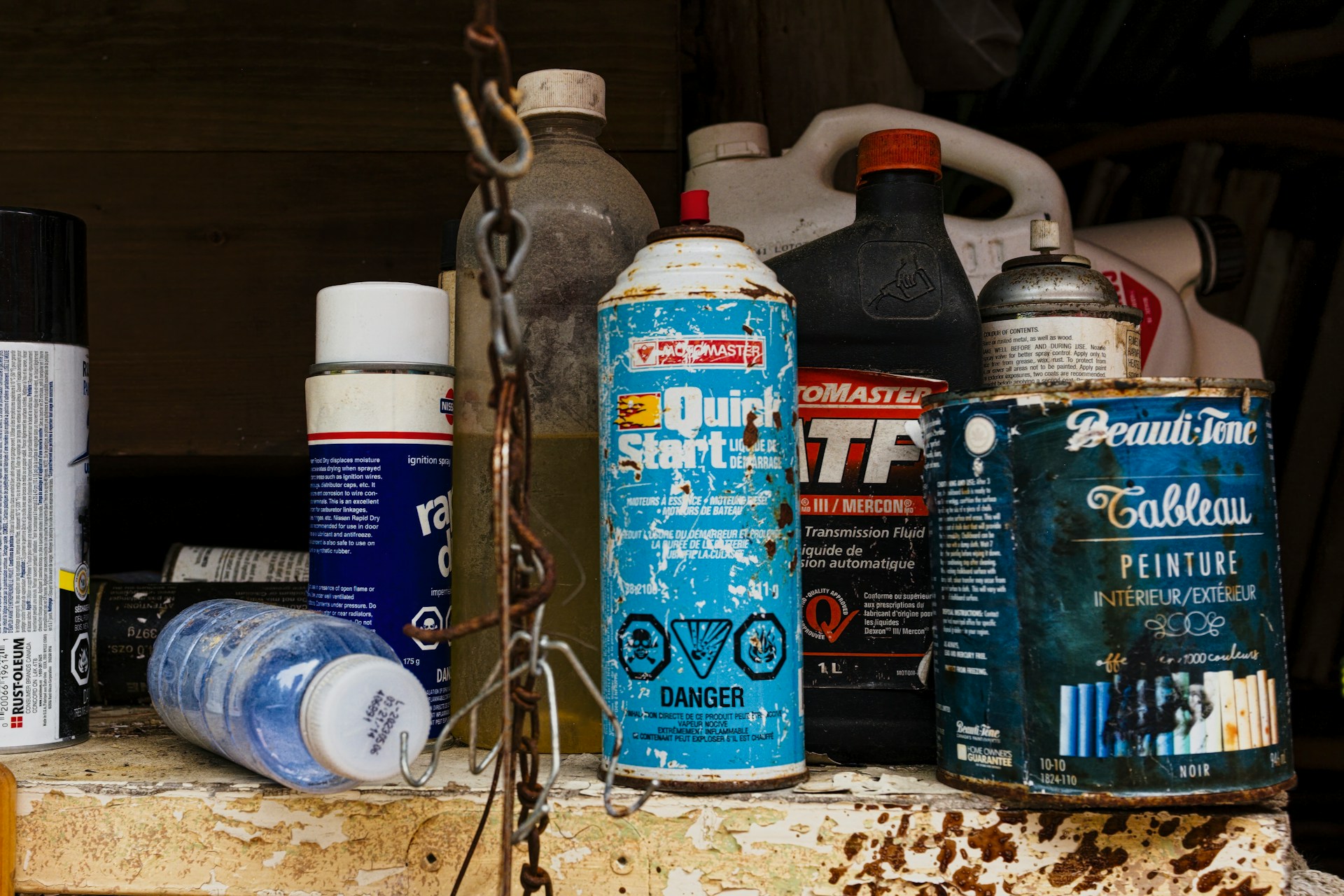
Garages collect a chemistry shelf: cleaners, fertilizers, pool products, and paint supplies packed together because they all look like bottles. Inspectors flag faded labels, loose caps, and leaks because products can mix, and some combinations react badly. Heat and humidity speed up surprises.
Keeping products in original containers with tight lids is the baseline. Separating by type, with oxidizers and acids far from fuels and solvents, reduces accidental cross-contact.
Lidded bins prevent tipping, and dry storage keeps powders stable. A yearly purge of expired items and a trip to a hazardous drop-off keeps the shelf calm and predictable.