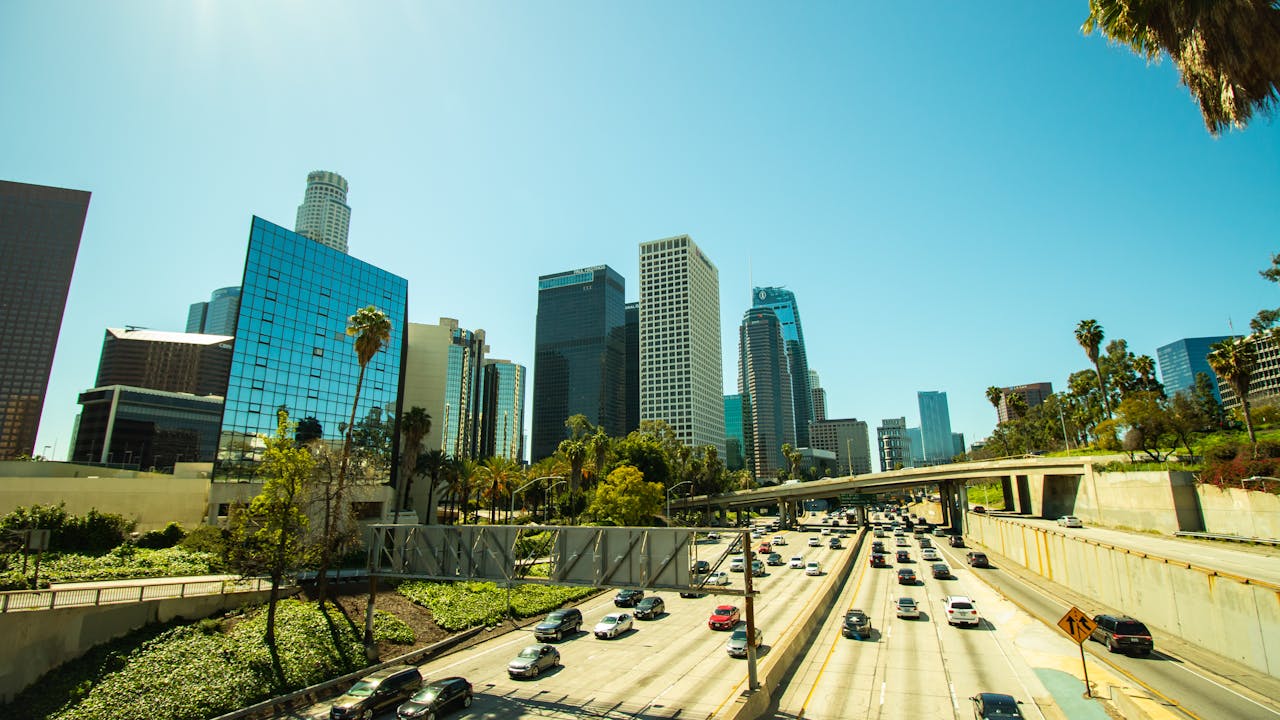
California’s promise has long come with a premium, but the premium is now squeezing the middle more than the margins. Renters and steady earners are watching rent, insurance, and groceries rise faster than pay and deciding the bargain no longer holds. Moving-truck data points to a consistent outward drift that looks structural, not seasonal. Since 2020, remote and hybrid work have widened options, and a move can feel like the only clean reset. Many departures stay close to home, trading a famous zip code for breathing room while keeping ties within reach. The result is a quiet reshuffling of neighborhoods and classrooms.
Moving Trucks Keep Pointing Outward
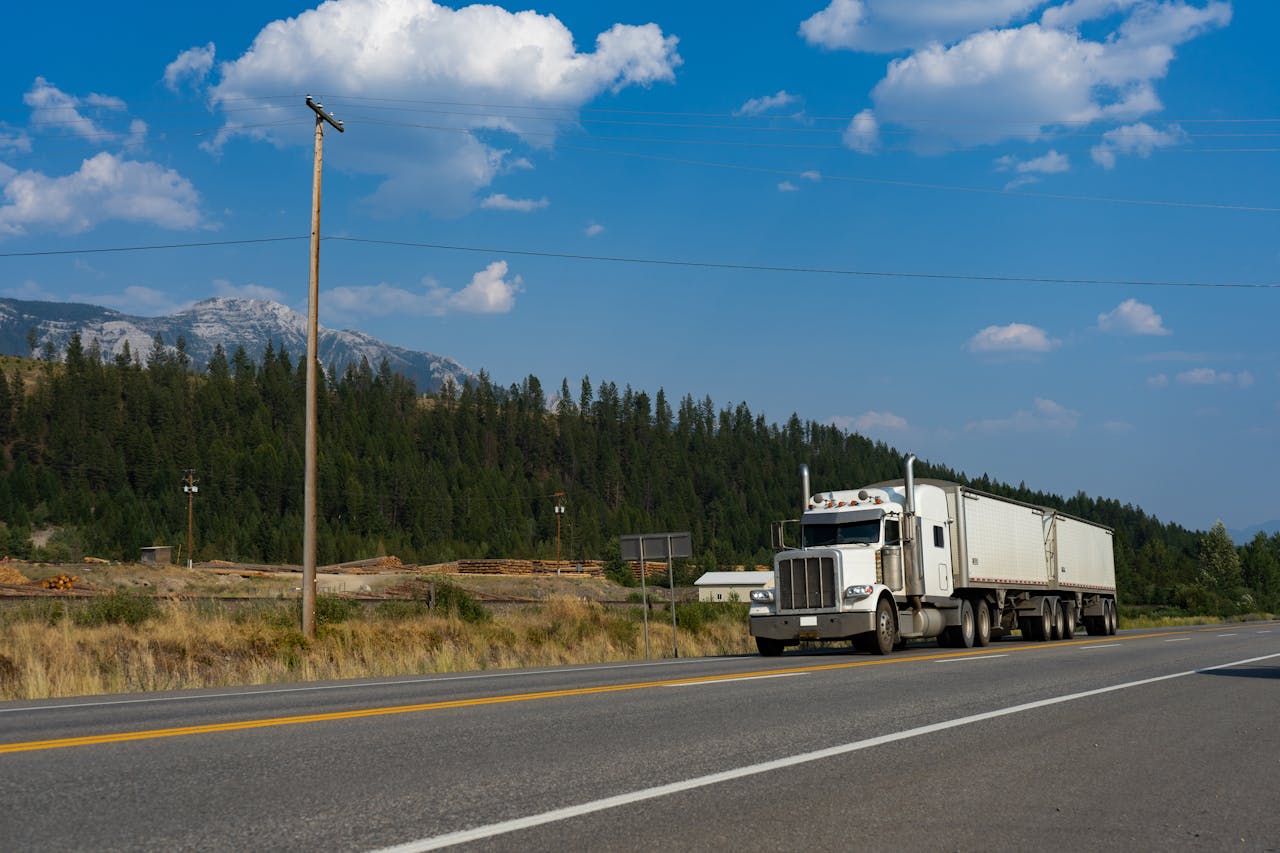
U-Haul’s one-way rentals are not a perfect census, but they capture everyday decisions at scale. After analyzing more than 2.5 million one-way trips, the company again placed California last on the U-Haul Growth Index, and the state has ranked last for six straight years.
The data also shows California with the largest gap between departures and arrivals among states in that tracking. In 2025, about 50.6% of one-way U-Haul customers were leaving California, versus 49.4% arriving. That slim difference, repeated across renters, families, and job changers, becomes a steady leak of middle-income stability. It is quiet, but real.
Housing Costs Break the Bargain
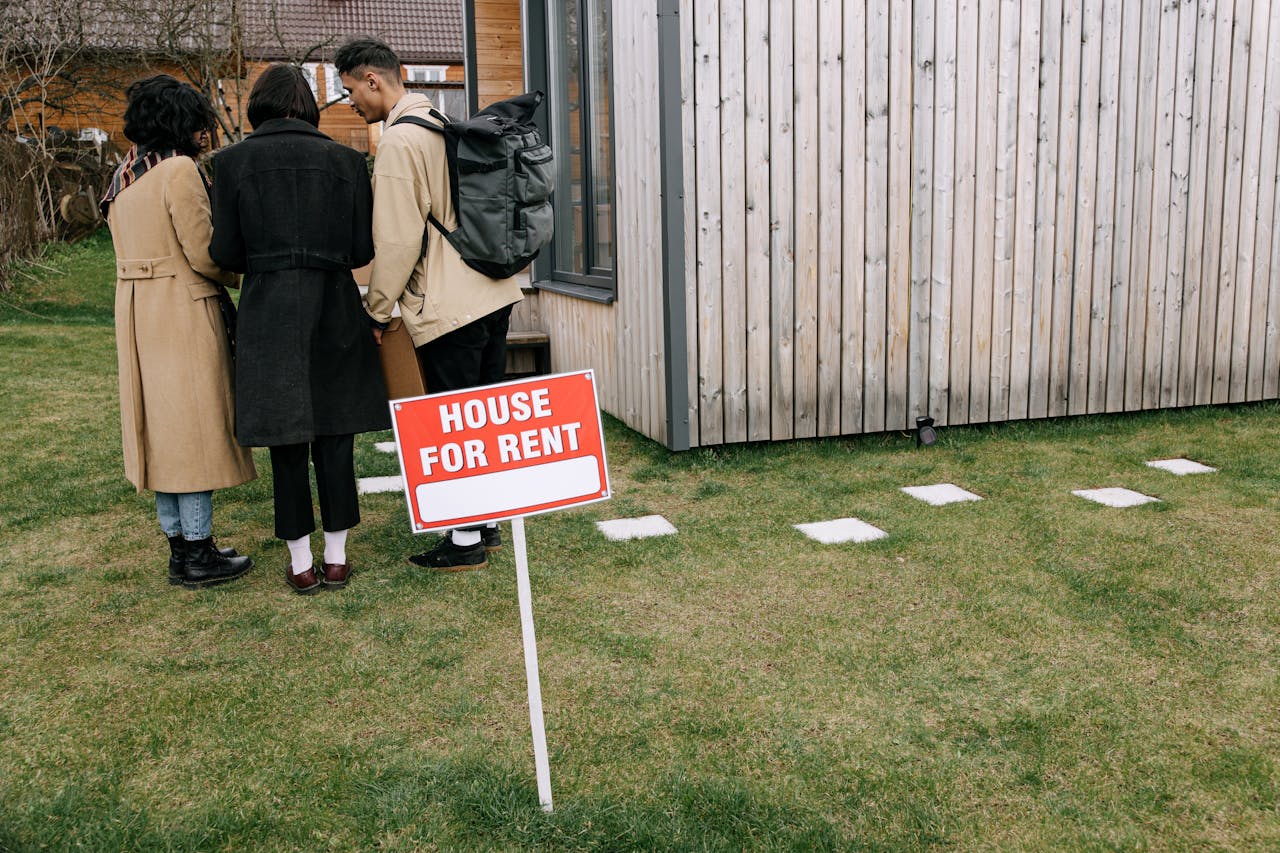
Housing is where the pressure stops being abstract. Researchers consistently point to affordability as the top reason Californians leave, and home prices are about 57.8% higher than the national average.
Over the past five years, monthly payments on mid-tier homes climbed fast while wages grew more slowly. Rent renewals can arrive with a jump that erases savings plans, and starter homes often come with bidding wars. For many households, the choice narrows to smaller space, longer commutes, or a new state where a normal paycheck can still buy a normal roof.
When a home becomes a moving target, long-term planning collapses.
The Rest of the Budget Keeps Rising

Even households that can handle rent feel the squeeze in the smaller line items that never stop multiplying. California’s overall cost of living is roughly 12.6% above the national average, with energy, food, transportation, and insurance pushing the total.
Budgets break when several categories rise at once: a higher electric bill, pricier gas, steeper premiums, and grocery totals that refuse to settle. Middle-income families often do not need one catastrophic expense to tip. They just need a few months where everything costs a little more, all at the same time.
In that moment, moving is not a grand upgrade. It is quick relief.
Life Events Hit Harder Here

California’s outflow is often powered by ordinary life events that arrive on a deadline. U-Haul avoids guessing motives and instead points to shifts like marriage, children, jobs, education, and family needs as common triggers for relocation.
Those milestones are expensive everywhere, but high baseline costs in California make the timing sharper. A new baby can turn a one-bedroom into a crisis, and a job change can make a longer commute suddenly impossible. When the current place stops fitting the current life, families move, even if they loved the view.
It is less about leaving a state and more about keeping a household intact.
Most Movers Stay Close

For many movers, the goal is not to escape California’s culture, but to keep it within reach without paying for it daily. Most who leave do not go far, and top destinations include Arizona, Nevada, Oregon, Washington, and Texas.
Staying relatively close preserves family support, friend circles, and professional networks. It also makes the logistics less punishing, from weekend visits to shared custody and caregiving. The pattern suggests a regional reshuffle: people are not rejecting the California identity, they are relocating the budget while keeping the map familiar.
The move is often a short hop with a long-term payoff.
Opportunity Elsewhere Feels More Real

Lower-cost states are not only cheaper, they often make the same paycheck feel larger. The reference pattern highlights places like Texas and North Carolina, where job growth and relatively affordable housing keep attracting Californians.
In those markets, the path to homeownership can look clearer, and higher homeownership rates hint at why the move feels like progress, not retreat. Not every destination stays affordable forever; Florida, for example, has become harder for many middle-class families as demand and prices rise. Still, when wages and housing stay aligned, relocation can restore financial security quickly.
Risk Adds Weight to the Decision

Cost is usually the first weight on the scale, but safety and environmental risk can be the final nudge. Some residents cite wildfires, crime, and broader environmental concerns as triggers that affect when they leave, even if those issues were not the original plan.
Repeated disasters carry an emotional toll when smoke or evacuation zones become familiar. Once a household is already stretched by rent and bills, the added sense of risk makes moving feel like basic management, not panic. It turns a maybe-later idea into a signed lease across the border.
Families start asking what they can control. Peace of mind becomes a line item.
Political Culture Becomes a Secondary Push

Researchers also note political patterns in migration, though they describe politics as a secondary factor. In the reference summary, people moving out of California are more likely to lean Republican, while people moving in are more likely to lean Democratic.
That does not mean a ballot is the main cause. Cost of living comes first, then jobs, housing, and family needs. Political culture can become the final push, especially when stress is already high. In practice, many households leave for financial reasons and later describe the move in cultural terms that feel easier to explain.
Money first, then everything else.
Local Services Feel the Shift

One overlooked impact of middle-class out-migration is how it reshapes local services, slowly and then suddenly. When families leave, school enrollments can fall, retail demand softens, and service businesses lose the customers who keep the lights on.
Over time, cities with sustained outflow can face tighter budgets and slower sales-tax growth, which makes funding less predictable for schools, transit, and public safety. The shift can change a neighborhood’s feel: fewer kids in parks, fewer regulars at diners, and more turnover on once-stable blocks.
It becomes a feedback loop that makes the next move easier for everyone.