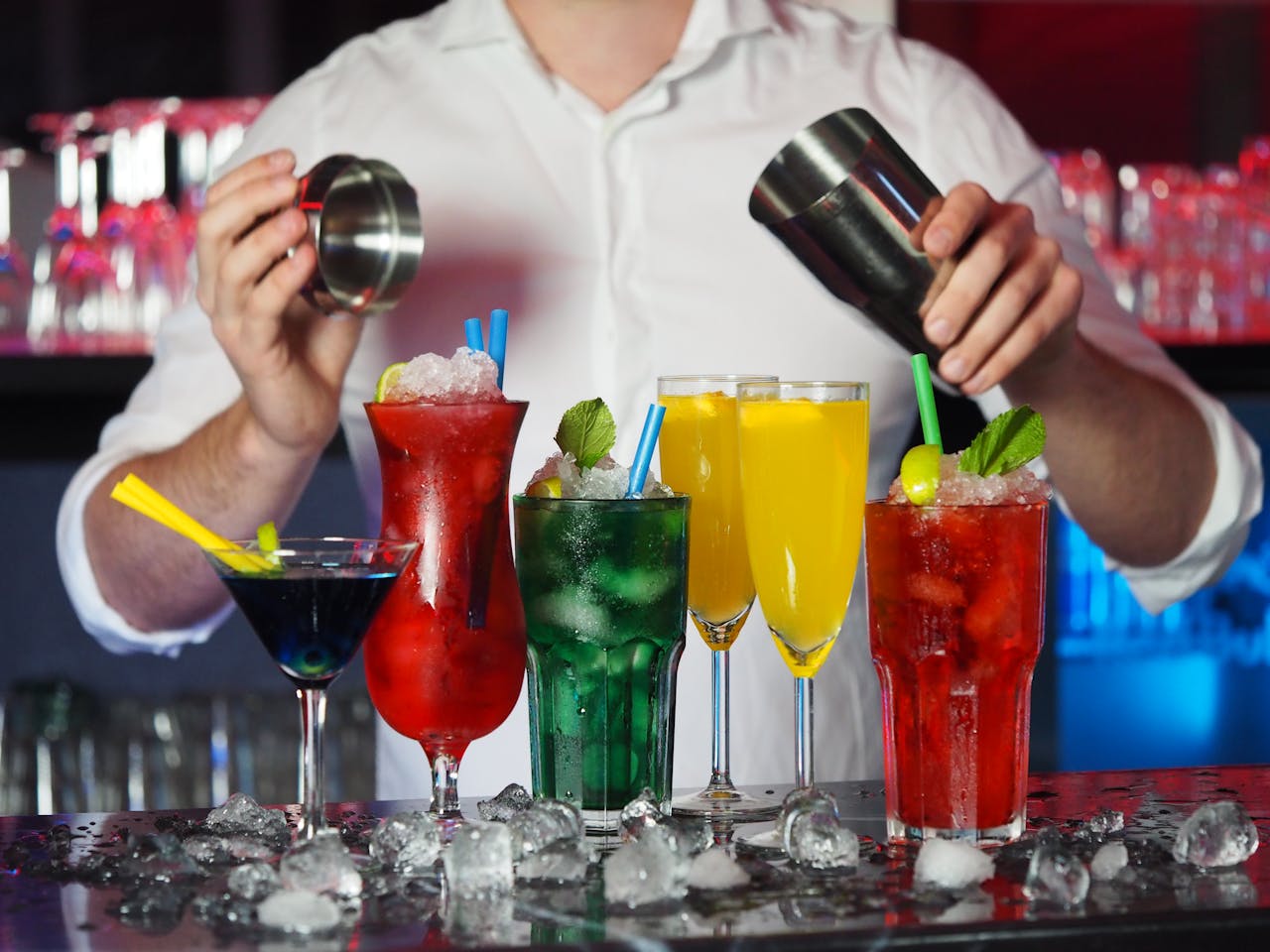
In bars from Atlanta to London, the tiniest cocktail on the tray is becoming the loudest signal on the menu. Mini martinis and other short pours, often around 1.5 to 3 ounces, are being framed as stylish, budget-aware, and easier on next-day mornings. But the shift carries a harder edge. When glass size shrinks faster than drink strength, groups can misread what they are consuming, then over-order in social rounds. Across 2025 and early 2026, menus and market data point in the same direction: moderation is fashionable, yet miscalculation still happens. That tension is where the trend feels fresh and where regret starts.
The Tiny Glass Looks Affordable Until The Total Lands
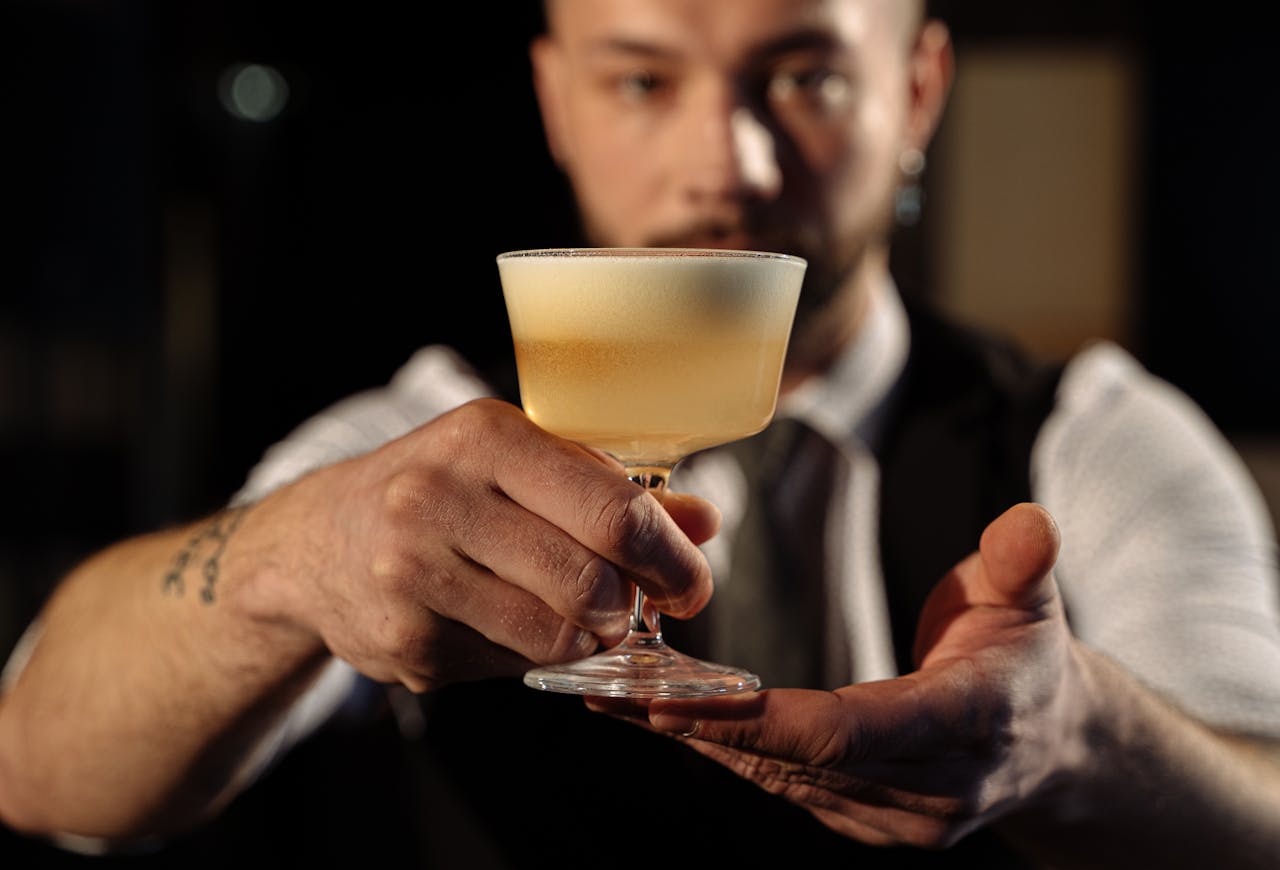
Small-format cocktails are being sold as the smart middle lane between abstaining and going full strength, and in many cases they really do lower the per-order spend. But the emotional math can turn fast. A tiny pour feels harmless, so an extra round seems trivial, and two or three add-ons can erase the savings that made the first order attractive.
Recent menu reporting shows mini martinis often priced as an easy entry point, while bars promote them as approachable starters before dinner. That framing works commercially, yet it also blurs the line between tasting and full-night consumption when group momentum takes over.
Small Format Does Not Mean Small Impact
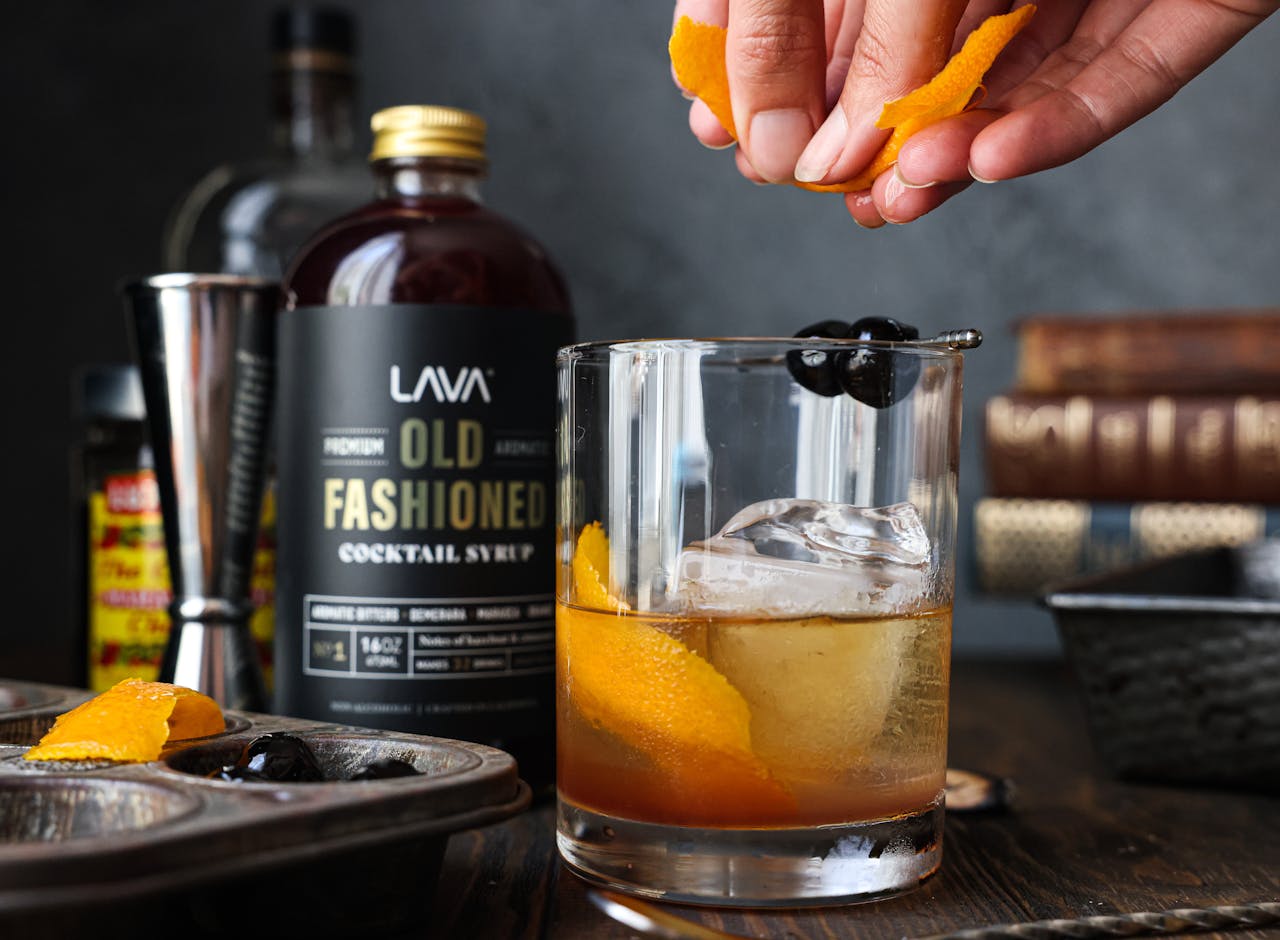
The visual signal of a two-sip drink is softness, but the liquid inside is often spirit-forward and concentrated. Many mini serves use the same base alcohol as full cocktails, only in less volume, which means guests can underestimate cumulative intake when pours come in quick succession and stay cold enough to disappear fast.
Public-health definitions do not track glass style, only alcohol content. A U.S. standard drink is based on 14 grams of pure alcohol, not on whether the serve looks tiny, elegant, or playful. That gap between appearance and ethanol load is where small-format confidence can drift into late-night regret.
The Starter Drink Can Quietly Become A Full Session
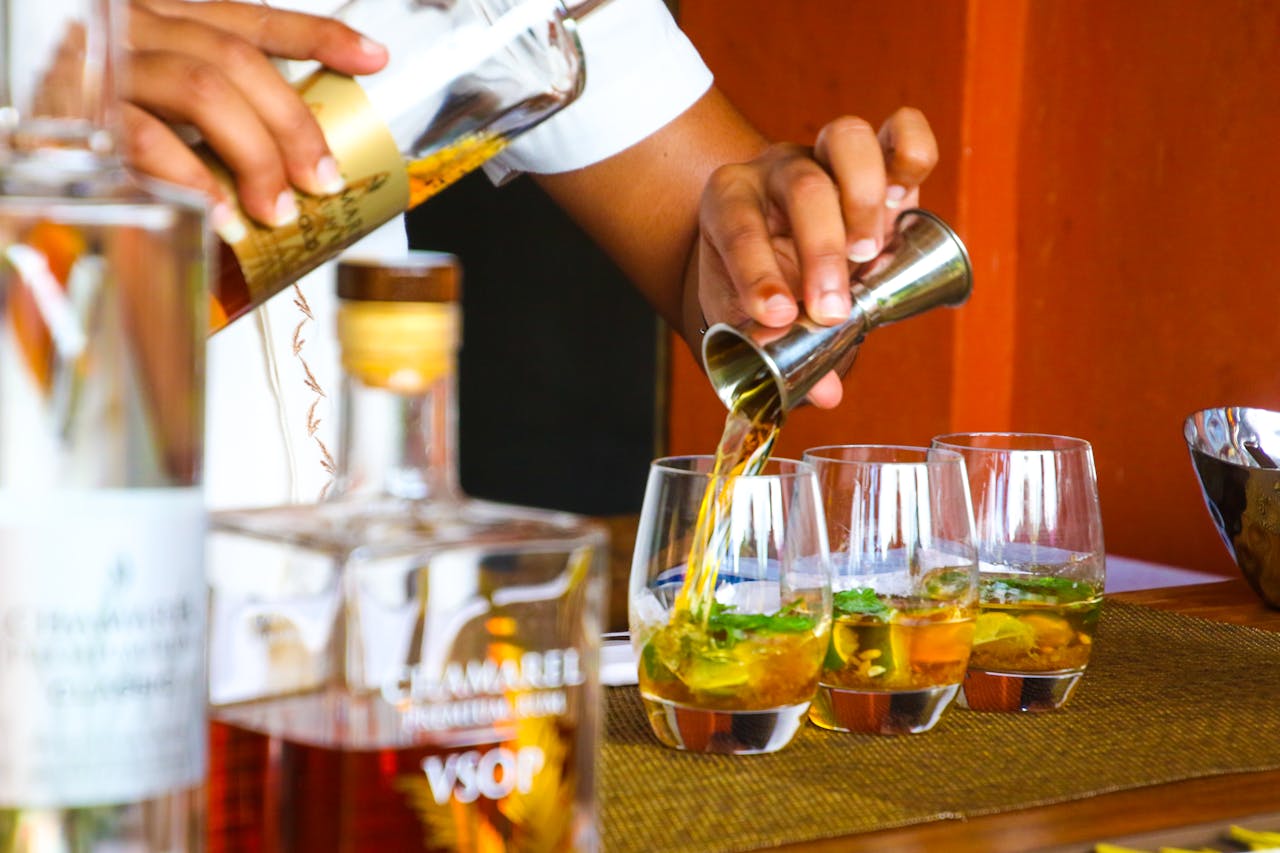
Mini cocktails are often positioned as opening acts, a way to sharpen appetite, set tone, and make a table feel festive in minutes. That role is precisely why they spread so quickly on social menus. The downside is pacing confusion: when the first pour feels like an amuse-bouche, ordering behavior can shift from deliberate choice to automatic repetition.
Several bartenders describe small martinis as a first step before wine or dinner service, not the main event. In practice, a first step still counts. Once tiny serves become ritualized at the top of a meal, total intake can rise even when every order looks restrained on its own.
Cute Branding Makes Strength Harder To Read
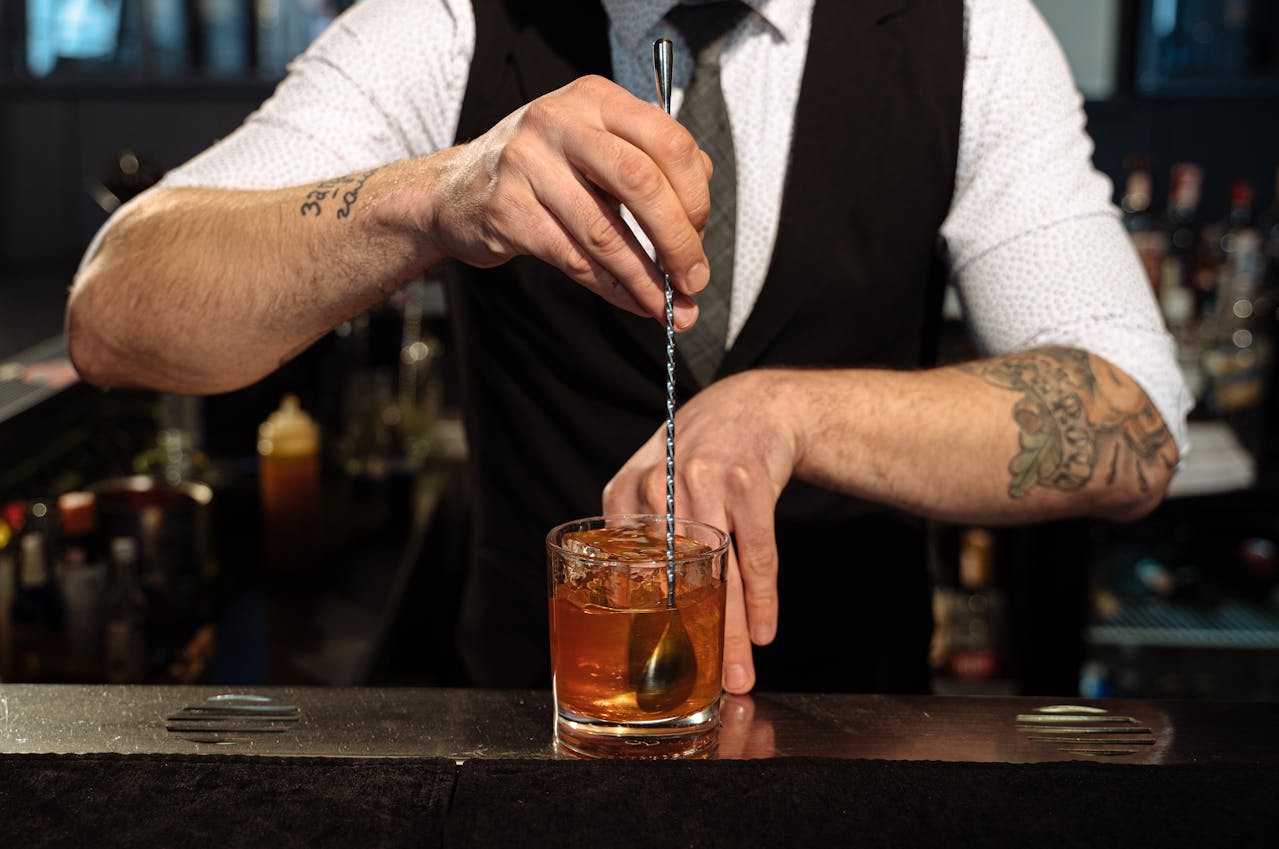
Names like teeny tini, mini negroni, and little martini are charming by design, and bars use that tone to lower the social pressure around ordering. The problem is cognitive, not moral. Whimsical language can make guests track mood and aesthetics while paying less attention to proof, dilution, and sequence across the evening.
Most menus still communicate ingredients more clearly than alcohol load per serve, especially in compact happy-hour formats. When labeling emphasizes personality over potency, people rely on intuition, and intuition is weak at estimating alcohol in mixed drinks served across different glass sizes.
Moderation Culture Is Rising But So Is Decision Fatigue
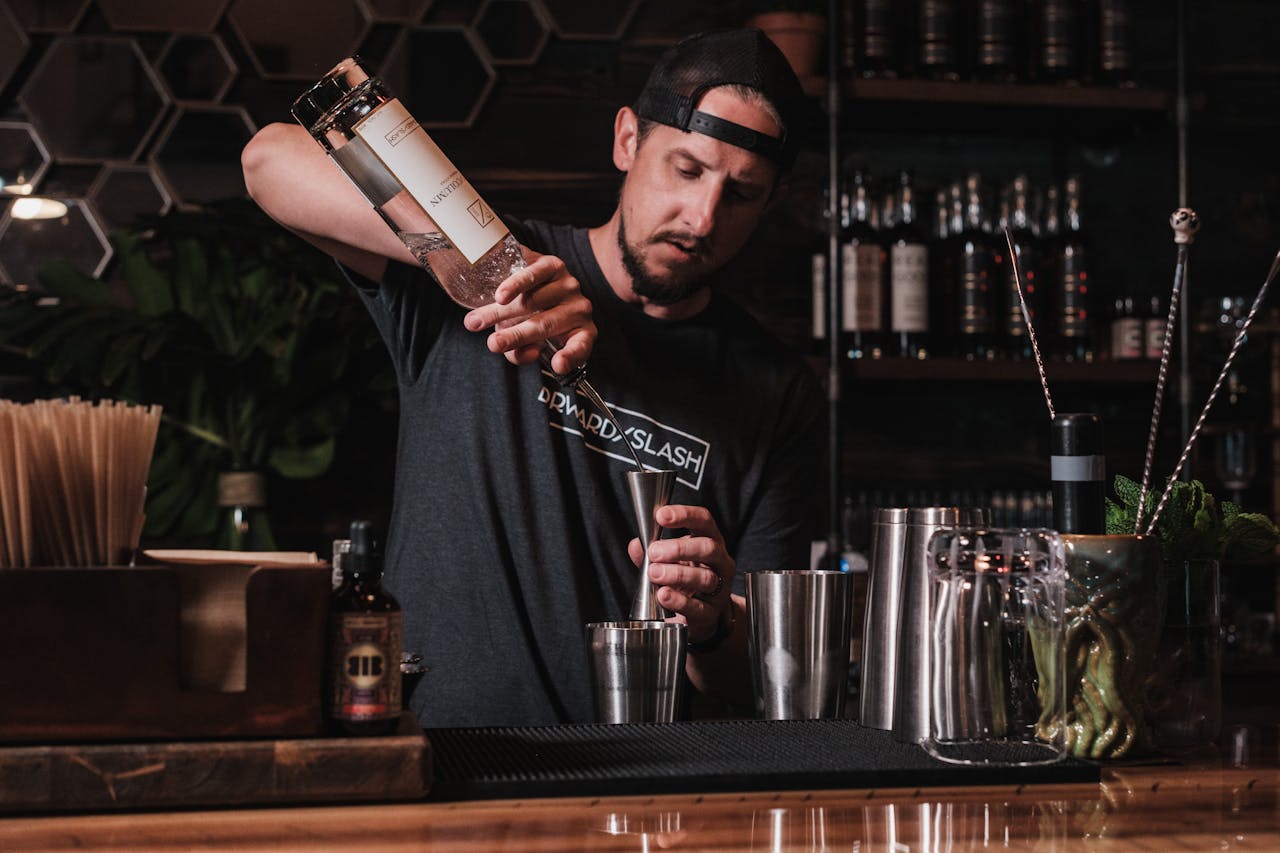
By early 2026, the broader beverage market shows a strong moderation shift, from lower overall drinking frequency to rapid growth in no-alcohol alternatives. Bars are responding with smaller pours, split serves, and flexible menus that let a table toggle between full-proof and low-proof choices without social friction.
That flexibility is useful, but it adds decision fatigue in real time. Guests now juggle strength, price, sequence, and sleep impact in the same order cycle. When every choice feels optimized, people can lose track of the simplest question: whether the next drink really improves the night or only extends it.
Service Gets Faster While Reflection Gets Shorter
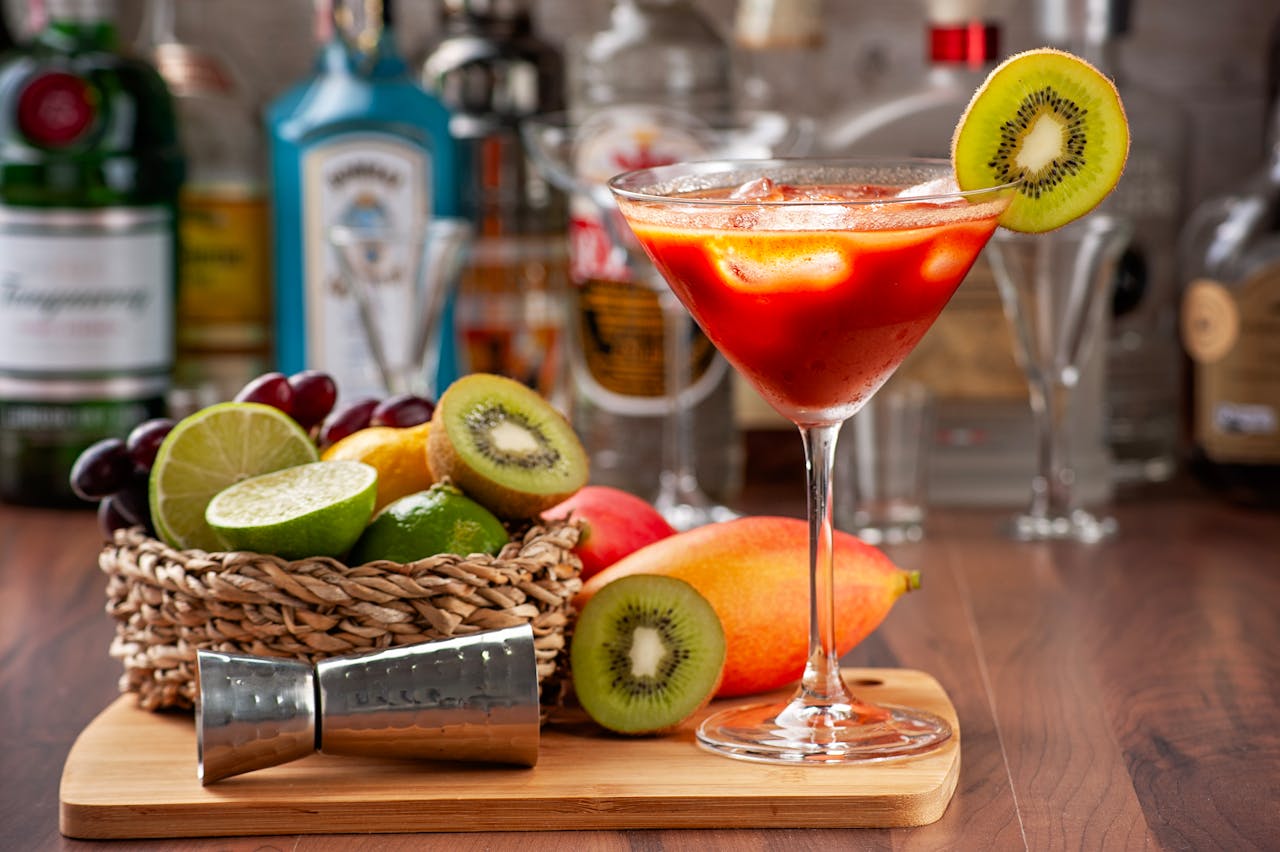
From an operations view, tiny cocktails can move quickly, reduce mid-shift waste, and keep energy high at peak hours. Pre-batched freezer pours also help bars deliver consistent texture in a crowded room. The guest benefit is obvious: less waiting, easier sampling, and fewer abandoned full-size drinks sitting warm on a table.
The drawback is social speed. Faster rounds compress the pause that once existed between one decision and the next. In that compressed rhythm, conversation can stay bright while self-check signals arrive slightly late, which is one reason small-format nights can feel unexpectedly heavy the next morning.
The Value Debate Is Really About Price Per Ounce
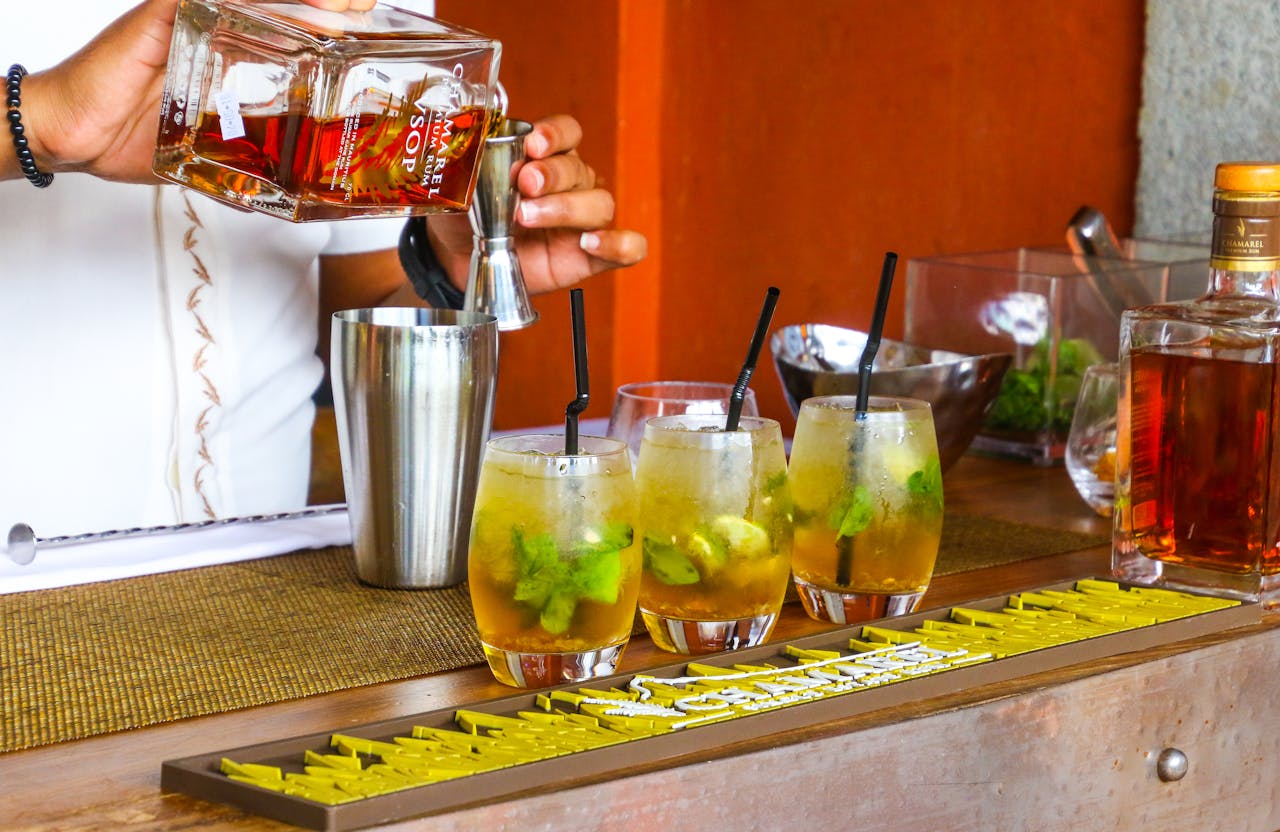
Small cocktails can improve access when absolute ticket price is lower, especially for guests who want one precise flavor without committing to a full pour. Still, the hidden argument sits in price per ounce, not sticker price. A miniature drink may feel reasonable at first glance while costing more relative to volume than a standard serve.
That gap does not automatically make the format unfair. It reflects labor, glassware, prep, and positioning. But it does create a trust test. If portion logic is not transparent, a trend that began as playful hospitality can start reading as aesthetic shrinkflation in a fragile consumer economy.
The Healthier Future Is Precision Not Restriction
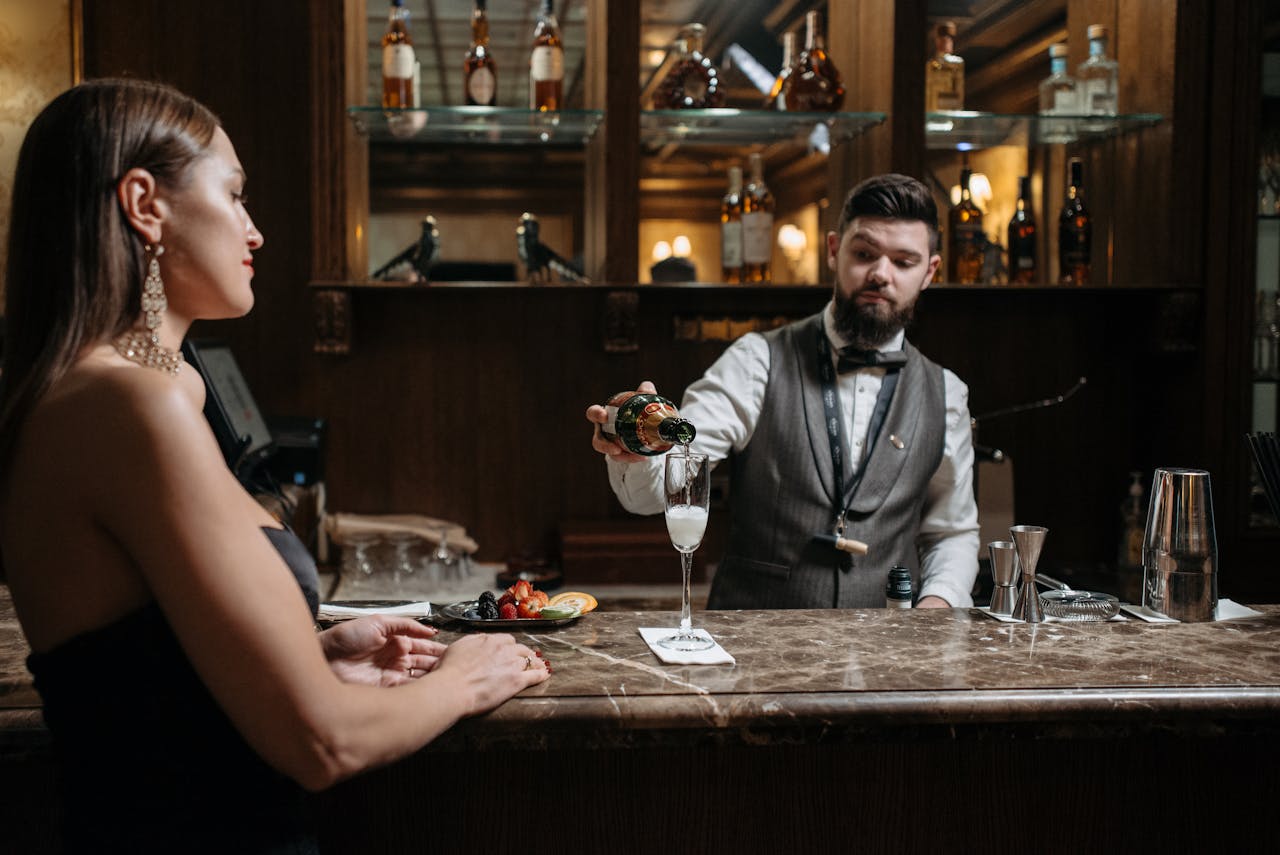
The most credible version of this trend is not moral panic and not blind celebration. It is precision hospitality: smaller, colder, better-built drinks, clearer strength cues, and pacing tools that protect the mood of the room. Some bars are already there, treating size as a design choice rather than a pricing trick.
As 2026 unfolds, two-sip cocktails will likely stay because they solve real problems around cost, stamina, and menu exploration. The regret narrative eases only when presentation, potency, and transparency align. When those three move together, tiny pours stop feeling like a compromise and start feeling like craft.