
9 Strange Rituals People Performed to Ward Off Bad Luck

Rituals That Steady Mood And Memory
Leeloo The First/Pexels
From knocks on wood to red strings and strange amulets people keep inventing rituals to push bad luck a bit farther away each day.

Across cultures and generations, people have met fear with small, deliberate rituals meant to keep bad luck at arm’s length. A knock on a tabletop, a murmur against the evil eye, a charm tied to a bag handle all promise a sliver of control when life feels unpredictable. Some of these customs still slip quietly into daily habits, while others survive mainly in stories. Together they reveal how deeply people negotiate with fate in ordinary moments. Each ritual holds a memory of someone trying not to feel helpless.

Knocking On Wood To Muffle Fate

Wood
Maria Ilaria Piras/Pexels

In many countries, knocking on wood works like a quick insurance policy against tempting fate. After speaking of good news, people tap a table, doorframe, or even a nearby tree to keep jealous forces from listening. Folklore links the habit to spirits that once lived in sacred trees and to later beliefs tied to holy relics and altars. Whatever the root, the soft rap of knuckles still helps people relax after they dare to hope out loud, as if putting a lid on danger.

Flinging Salt Over The Left Shoulder
salt
Lorena Martínez/Pexels

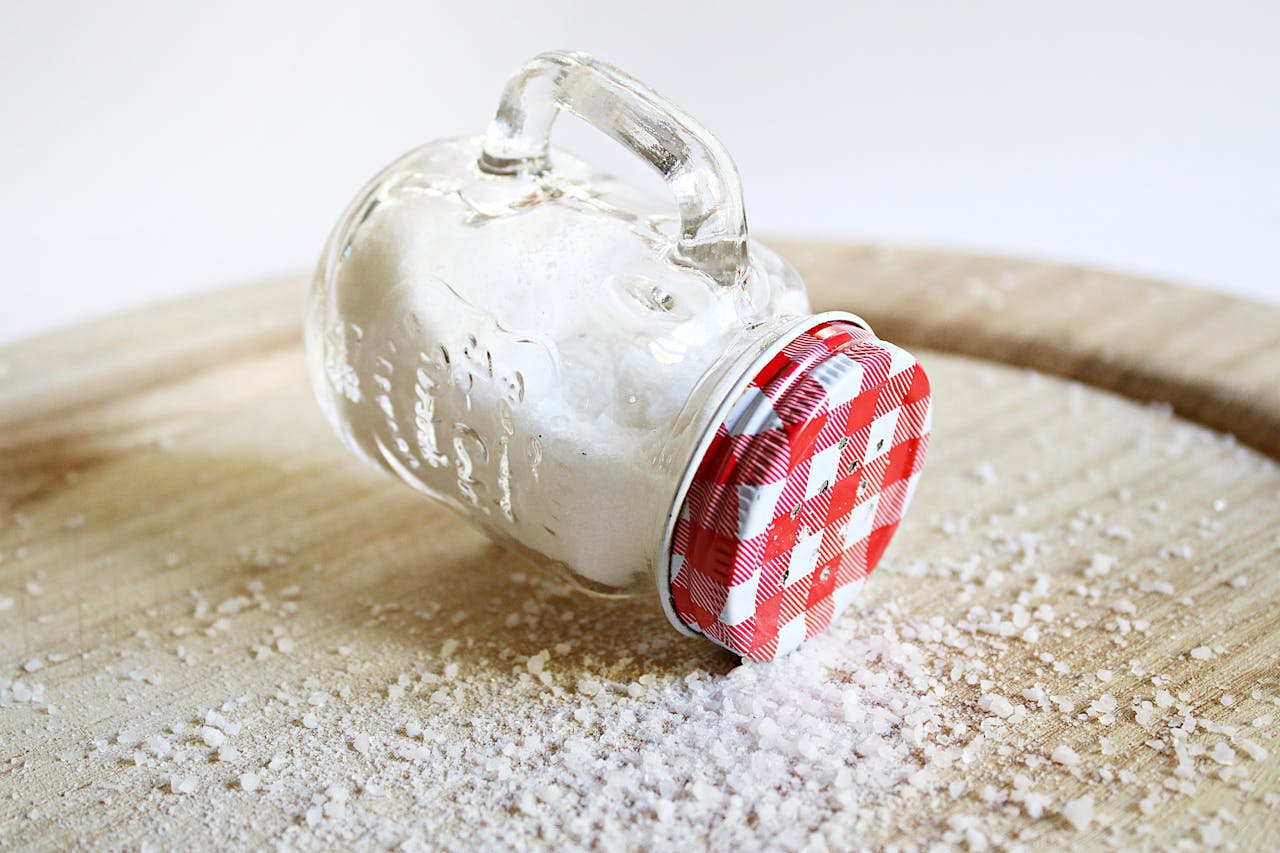
Spilled salt has long meant trouble in European folklore, so the response had to be fast and simple. A small pinch goes over the left shoulder, where old stories placed the devil or lurking spirits just out of sight. Those sharp grains are meant to hit misfortune in the eyes before it can settle in and spread. The custom dates back to a time when salt was precious, yet many modern kitchens still see that quick, almost automatic flick of the hand.

Whispered Ftou Ftou Ftou In Greece

Santorini, Greece
Aleksandar Pasaric/Pexels

Across Greece, talk about illness, envy, or sudden success often ends with a soft ftou ftou ftou. The sound mimics spitting without the mess, and it is aimed at confusing the evil eye before it locks on and does harm. Parents use it for babies, new houses, exam results, even a fresh haircut at the salon. The words carry a mix of humor and seriousness, turning casual gossip into a tiny ritual of protection shared across generations and neighborhoods.

Red Strings Against The Evil Eye
Red Strings Against The Evil Eye
zoe pappas/Pexels

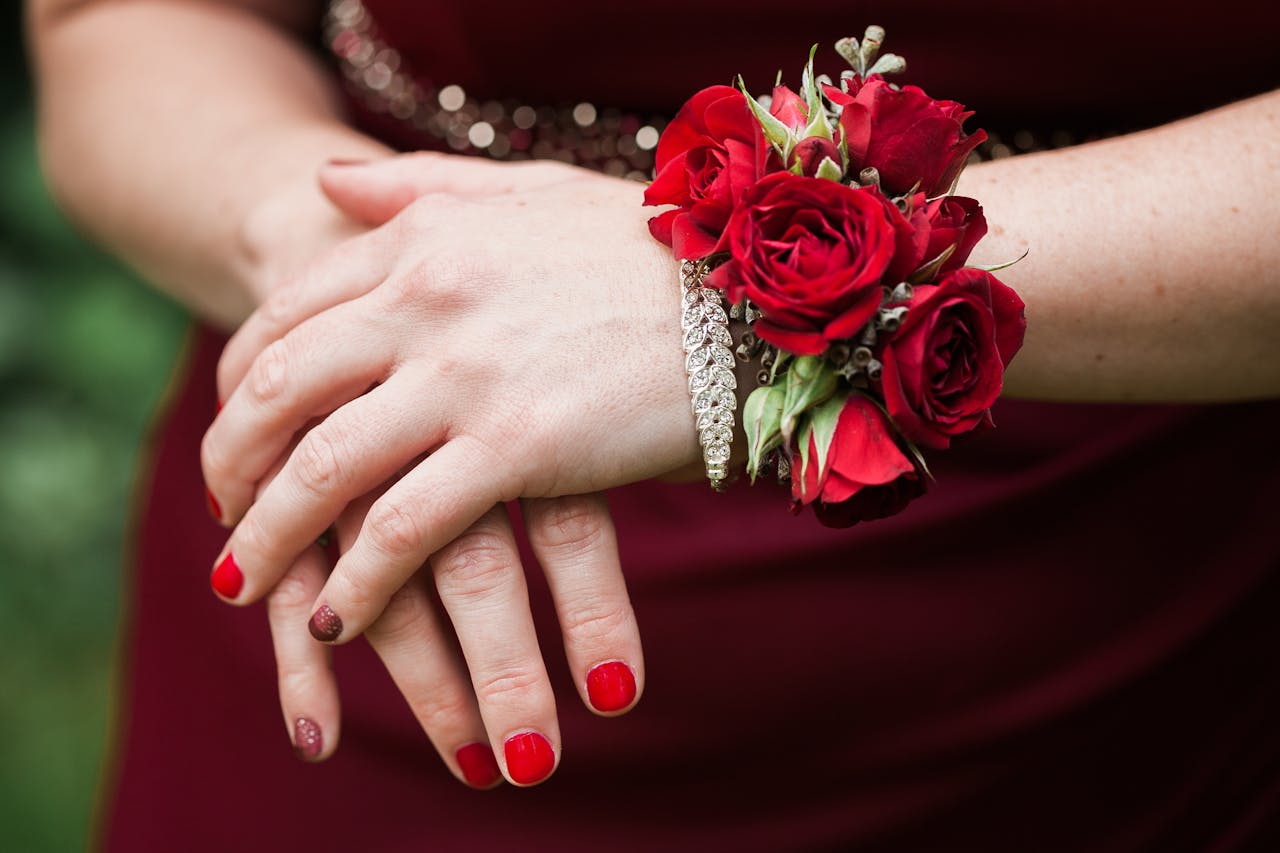
From Jerusalem to Latin America, a thin red string tied around a wrist or crib rail serves as armor against bad luck and the sting of envy. In some traditions it is wrapped at a holy site or blessed by a spiritual guide before being cut into cords for family and friends. The color is tied to life, blood, and stubborn energy that refuses to fade. Though mass produced versions now exist, many wearers still treat each thread as a quiet, personal shield.

Japanese Omamori That Must Stay Closed
Omamori
Leongboy1, Own work, Public Domain/Wikimedia Commons

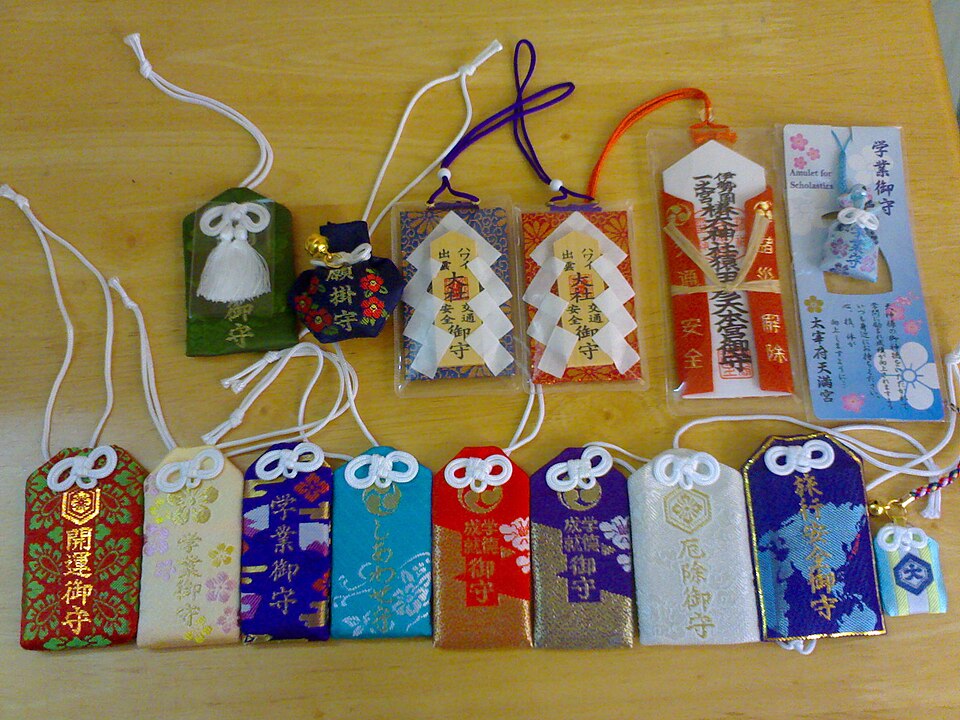
Across Japan, fabric pouches called omamori dangle from schoolbags, rearview mirrors, and apartment keys as compact guardians. Each one comes from a shrine or temple and carries a prayer for travel, health, exams, or simple good fortune in everyday life. People are told not to open the pouch, or the blessing may slip out and vanish. Even when the cloth fades and the cord frays, it is hard to throw away something that has silently watched over commutes, tests, and hard seasons.

Filipino Pagpag After A Funeral

pagpag
Rated Korina, CC BY 3.0/Wikimedia Commons

In many Filipino communities, leaving a wake means making one extra stop before going home, a ritual called pagpag. Mourners visit a shop, a food stall, or another house to shake off any spirit that might have followed them from the vigil. The pause keeps grief from clinging too tightly and protects the household from uneasy visitors drawn by sorrow. Over time, the custom has blended with the comfort of eating and talking together after a hard final goodbye, softening the walk back to normal life.

Scotland’s Midnight First Footers

Edinburgh, Scotland
Enric, CC BY-SA 4.0 / Wikimedia Commons

On Hogmanay in Scotland, the first person who crosses a home’s threshold after midnight is believed to set the tone for the year ahead. The ideal first footer is tall and dark haired, carrying gifts like coal, bread, or whisky as symbols of warmth, food, and plenty. Families once took this so seriously that neighbors planned routes in advance and children waited outside for their moment. Even where the custom has faded, stories about lucky arrivals still color New Year memories and small town legends.

Sitting On The Suitcase Before A Journey

Suitcase
Vlada Karpovich/Pexels

In Russian households, the last moments before a big trip often include a quiet pause called sitting on the suitcase. Everyone stops rushing, sits together for a minute among packed bags, and lets the room grow still enough to hear small sounds. The habit is said to help travelers remember what they might have forgotten and to invite a calm, safe road ahead. For many families, the ritual matters just as much as tickets, passports, and phone chargers lined up by the door.

Winged Phallus Amulets In Ancient Rome
Winged Phallus Amulets In Ancient Rome
Unknown creator, CC BY-SA 2.5/Wikimedia Commons

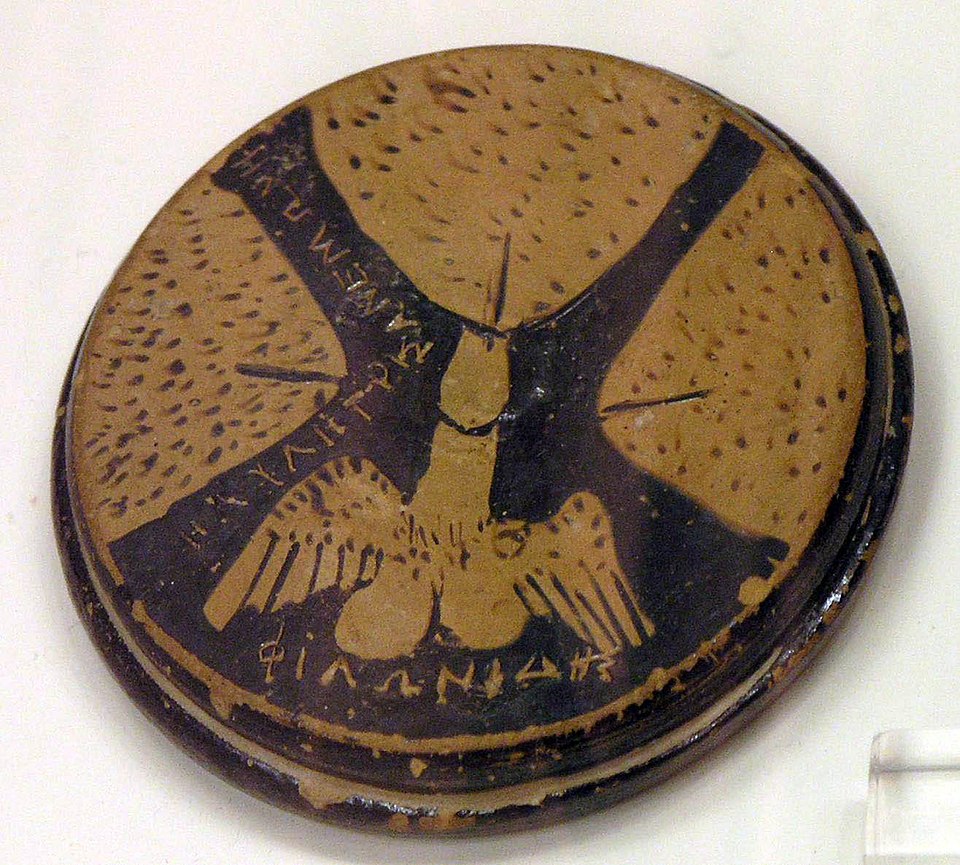
Ancient Romans sometimes trusted a very bold charm to block misfortune, a small figure shaped like a winged phallus known as the fascinus. These amulets hung above doorways, on jewelry, and even from chariots to fight the evil eye with shock and laughter, not quiet prayer. To modern visitors they look strange, even crude and out of place in a museum case. To Roman parents and shopkeepers, they once promised strong health, luck in trade, and protection that could outrun any jealous glance.


0 Shares:
You May Also Like
Read More

9 Department Stores Closing Scores of Locations

# 9 Department Stores Closing Scores of Locations Department stores used to feel permanent, like part of the architecture of childhood and city life. Now many of those anchors are shrinking fast, closing locations in waves that rarely make front page news but quietly reshape whole neighborhoods. Behind the scenes are high leases, heavy debt, and shoppers who split their spending between discount chains and online carts. Vacant escalators and dark display windows tell a simple story. A retail model that once promised everything under one roof is giving way to something leaner. ## Macy’s Macy’s is still a powerhouse during major holidays, yet the brand is actively pulling back from underperforming malls. The company has laid out a multiyear plan to shut dozens of weaker stores while concentrating investment on flagships, luxury beauty, and smaller off mall formats. Mall managers see the closures as a turning point. Once Macy’s leaves, it is rare for another full line department store to take on that footprint, so mixed use redevelopment quickly becomes the realistic path. ## JCPenney JCPenney has been in survival mode for years, cutting locations, rewriting brand strategy, and revamping stores that still perform. Recent rounds of closures tend to target aging malls where traffic has thinned and renovation would be expensive. What remains is a leaner chain focused on reliable basics, home goods, and private labels meant to keep middle income families coming back. In towns that lose a Penney’s anchor, the absence is obvious, especially during back to school and holiday shopping. ## Sears Sears once taught Americans how to outfit entire homes, from tools to appliances to Sunday clothes. Now the chain is down to a small scattering of locations after repeated closure waves and years of financial strain. Each shutdown feels less like a surprise and more like the last chapter of a very long story. Former Sears buildings are becoming storage facilities, entertainment centers, or simply sitting empty, with faded brand signs still clinging to the concrete and sparking memories. ## Kmart Kmart’s decline has shadowed Sears, often sharing owners, parking lots, and final liquidation banners. From blue light specials and busy discount aisles, the company has slipped to only a few remaining stores spread across the map. Many communities have watched their local Kmart shut with little fanfare, replaced by smaller chains or nothing at all. The closures leave behind wide aisles, low ceilings, and a wave of nostalgia for an era when a weekend stop at the discount department store felt routine. ## Hudson’s Bay Hudson’s Bay carried deep Canadian roots and grand downtown buildings, but tradition could not offset heavy costs and changing shopping habits. The chain has now closed or sold off most department store sites, even as it experiments with other concepts and real estate plays. City blocks that once framed holiday window displays are being redrawn as office towers, hotels, or residential projects. For longtime shoppers, the loss of such a historic name lands harder than a typical retail exit. ## Debenhams Debenhams anchored many British high streets, balancing affordable fashion with familiar cosmetics halls. After years of pressure from online rivals and discount players, the company finally collapsed, shuttering its remaining department stores and moving the brand into a digital only format. Those closures left large gaps in central shopping districts, where new tenants range from fast fashion outlets to leisure complexes. The Debenhams name survives on screens, but the physical experience of wandering its floors has become a memory. ## Bon Ton Bon Ton and its sister banners once stitched together a network of regional department stores across smaller American cities. When the company slid into bankruptcy, liquidation arrived swiftly and took hundreds of locations with it. In many markets there was no immediate replacement, only darkened anchors and clearance signs that slowly came down. Local shoppers lost a familiar place to find dresses, coats, and home goods, and mall owners gained another big box puzzle to solve in a difficult leasing climate. ## Lord & Taylor Lord and Taylor carried an air of old school elegance, especially at its historic urban flagships. Years of ownership changes, aggressive discounting, and the shock of the pandemic finally pushed the brand into a full store closure plan. The physical chain is gone, even as the name continues online under new management. Grand buildings that once hosted fashion shows and elaborate window displays are being sliced into offices and coworking hubs, turning a traditional department store into a flexible workplace. ## Stage Stores Stage Stores never enjoyed global name recognition, but its regional chains filled a quiet role in small towns and rural hubs. When the company could not recover from mounting losses, it closed hundreds of locations under banners such as Goody’s and Peebles. Those anchors often sat in modest shopping centers that lacked other large apparel options. After the closures, shoppers in those communities were left with long drives to bigger cities or a heavier reliance on parcel deliveries for everyday clothing. Department stores closing by the dozens signal more than a shift from one retail brand to another. They mark the end of a specific way of browsing, where escalators, perfume counters, and wedding registries lived in the same building. As these anchors are carved into apartments, clinics, offices, and gyms, the spaces stay busy, but the mood changes. What was once a shared social ritual around sales events and window displays is dissolving into scattered errands across many smaller formats. Excerpt: Familiar department stores are closing by the dozens, leaving hollow anchors behind and nudging shoppers toward a new retail map!.