Style after 60 rarely depends on louder clothes or strict rules. It usually comes from sharper judgment: knowing what feels right, what photographs well, and what still looks polished at 8 p.m. as it did at 8 a.m. Women with lasting elegance tend to edit harder than they buy, choosing pieces that respect comfort, proportion, and movement.
They are not trying to look younger or louder. They are trying to look like themselves, with clean lines, fabrics, and details that hold up in real life. The choices they avoid are rarely dramatic. They are small habits that quietly dilute presence, and once removed, everything looks clearer.
Clothes That Need Constant Adjusting
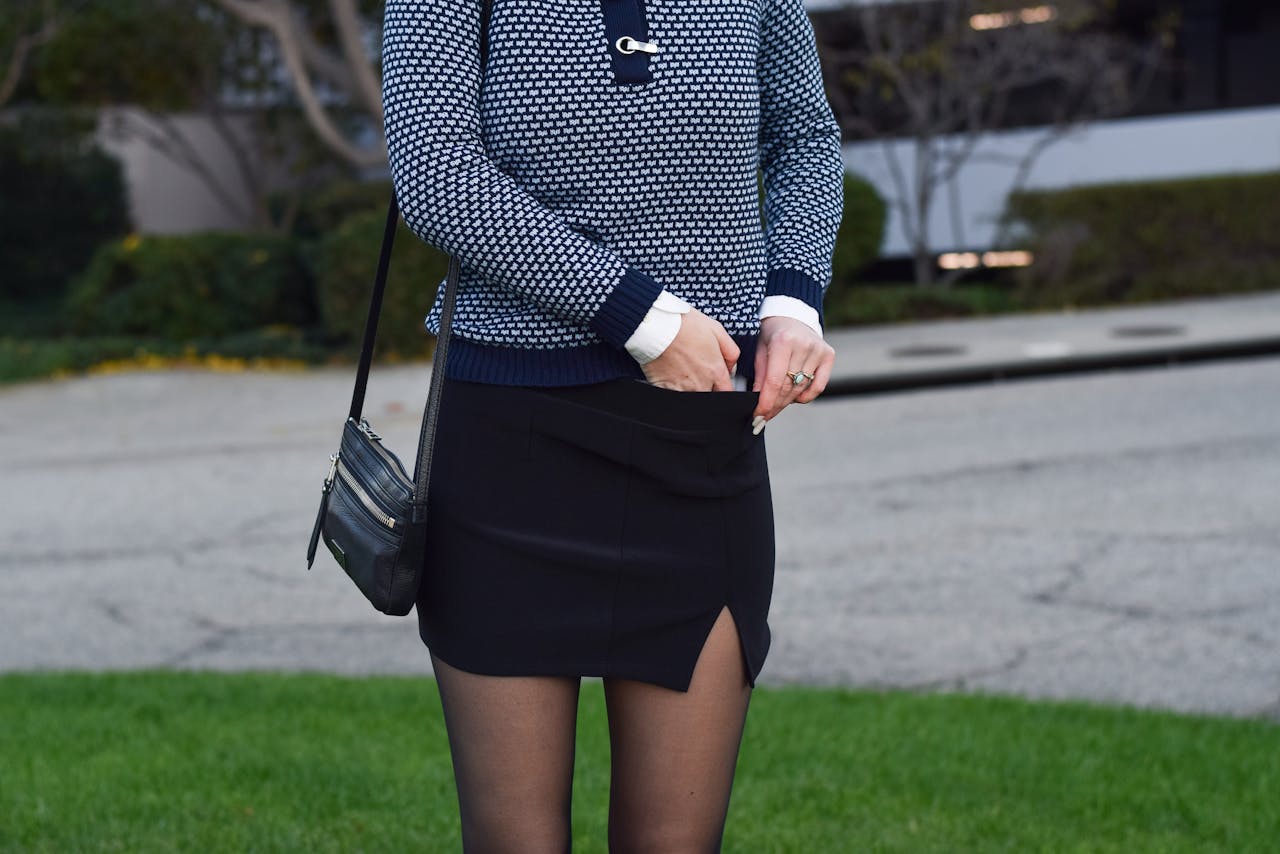
Classy women over 60 usually skip clothes that need constant fixing. A blouse that slips off one shoulder, trousers that twist, or a dress that rides up can turn any outing into a tug-and-adjust routine. Even expensive pieces lose charm when they demand attention every few minutes.
They tend to choose garments that stay in place and move cleanly from car seat to dinner table. The effect is subtle but powerful: posture stays relaxed, gestures look natural, and confidence reads before the outfit does. Getting dressed becomes easier, and the day feels longer in the best way. That reliability is what makes elegance look effortless.
Extreme Fits That Fight Natural Proportion
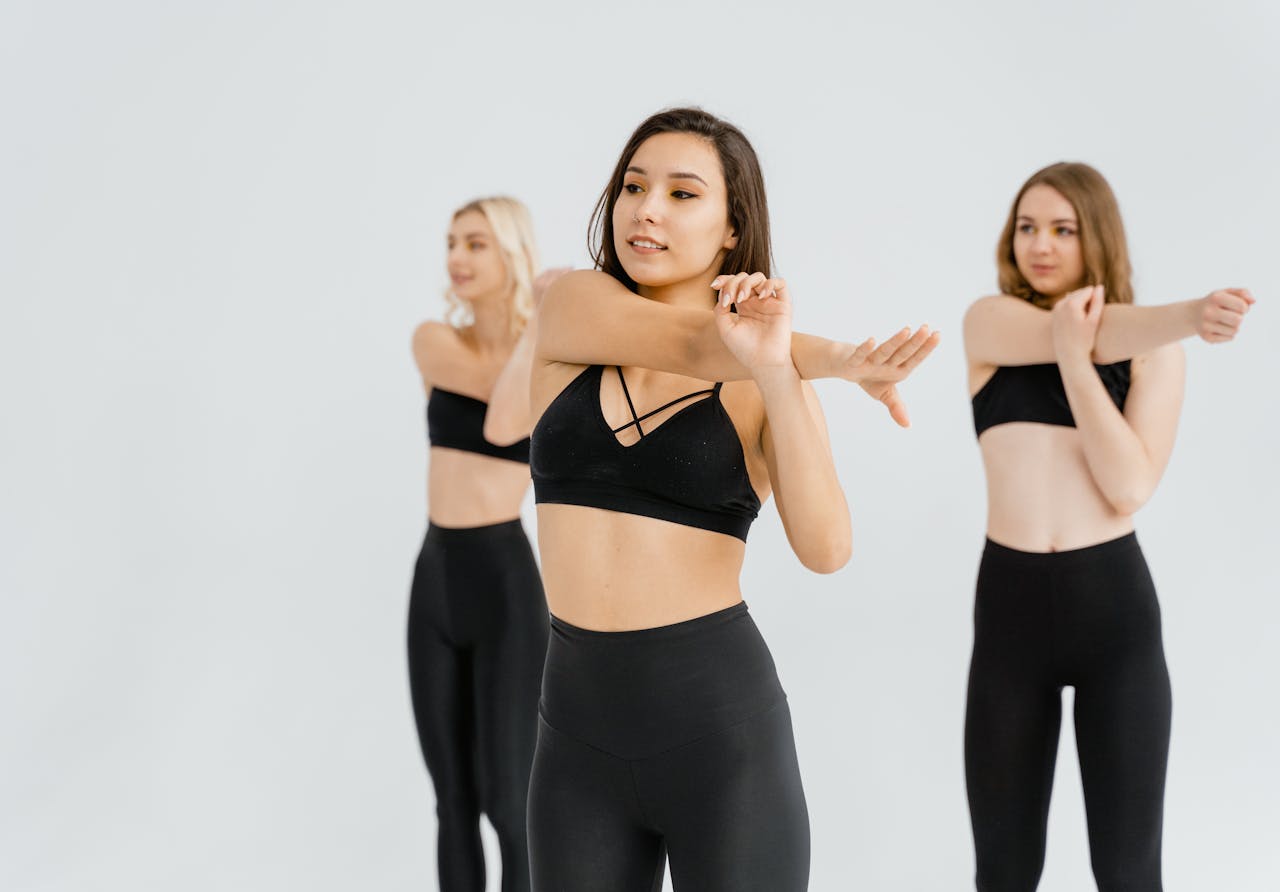
They also avoid extremes that fight proportion, whether that means very tight fits or oversized shapes with no structure. Overly snug pieces can feel restrictive and show every crease in motion. Fully loose silhouettes can hide the frame and make the whole look feel unfinished, even with great accessories.
A refined approach balances volume with shape. A relaxed pant with a neat knit, or a fluid top with a defined shoulder, keeps comfort without losing polish. Nothing looks forced, and nothing feels like costume. The body looks supported rather than squeezed or swallowed by fabric. The outfit reads calm, not conflicted.
Fabrics That Look Tired Too Fast
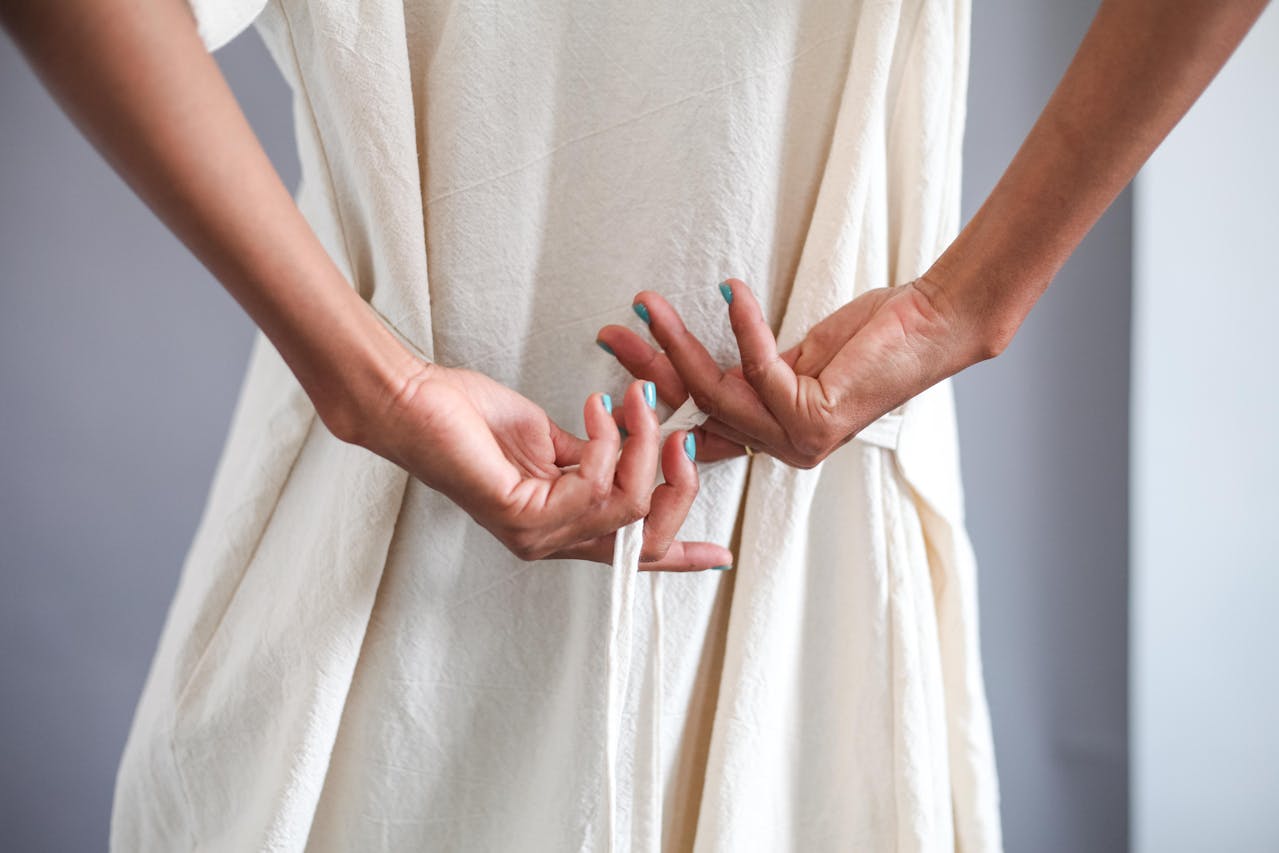
Another quiet no is fabric that looks good for ten minutes and tired by lunchtime. Thin synthetics can cling, trap heat, and wrinkle in awkward places, especially during long days. When material feels fussy, the wearer often looks less at ease, no matter how stylish the color or cut.
Classy dressers usually lean toward breathable cottons, soft wools, quality denim, silk blends, and knits with recovery. These fabrics drape better, age better, and keep their shape after movement. The outfit still feels effortless, but it holds its standard from morning to evening and from season to season. That consistency builds trust in a wardrobe.
Shoes That Look Great but Wear Poorly

Elegant women over 60 rarely treat shoes as an afterthought. A beautiful pair that pinches or slips can change gait, shorten patience, and drain energy before the day is half done. People notice movement first, and discomfort is nearly impossible to hide once walking slows and shoulders tense.
They often choose shoes with support, stable balance, and enough room through the toe without looking clinical. A polished loafer, modern block heel, or refined sneaker can carry a look all day. Comfort does not lower style; it protects it, and it keeps social plans enjoyable instead of exhausting. Good shoes preserve both mood and posture.
Flat Outfits With No Texture Contrast
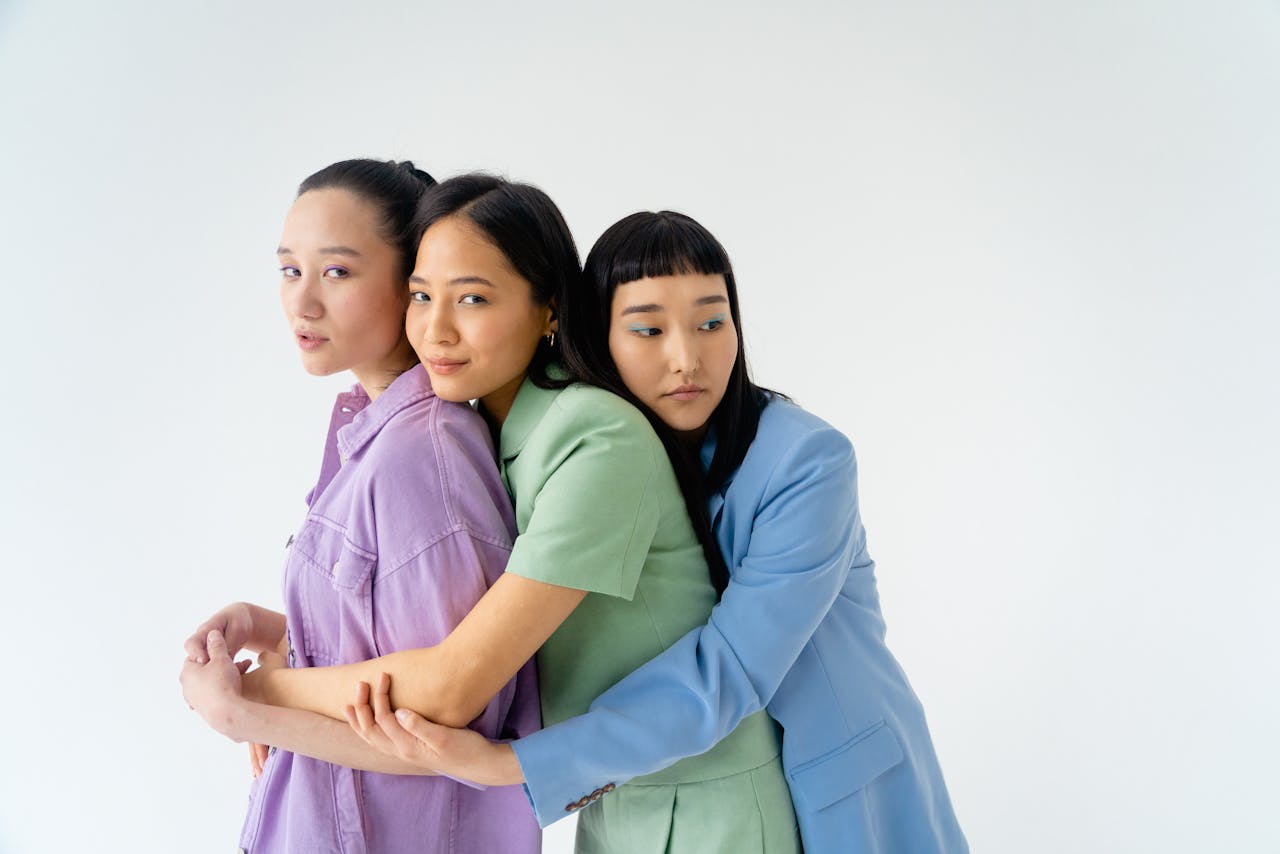
Many avoid dressing in one flat note from head to toe, especially when every piece is the same weight and tone. A single-color outfit can be chic, but without contrast in texture, line, or finish, it may read dull instead of deliberate. The eye needs quiet variation to stay engaged.
That variation can be simple: matte wool with soft leather, a smooth trouser with a textured knit, or ivory layered with cream and camel. These combinations feel rich without noise. The result is calm, modern depth that reads expensive even when pieces are not, and photographs beautifully in natural light. Subtle contrast gives the face more life.
Chasing Every Trend at Once
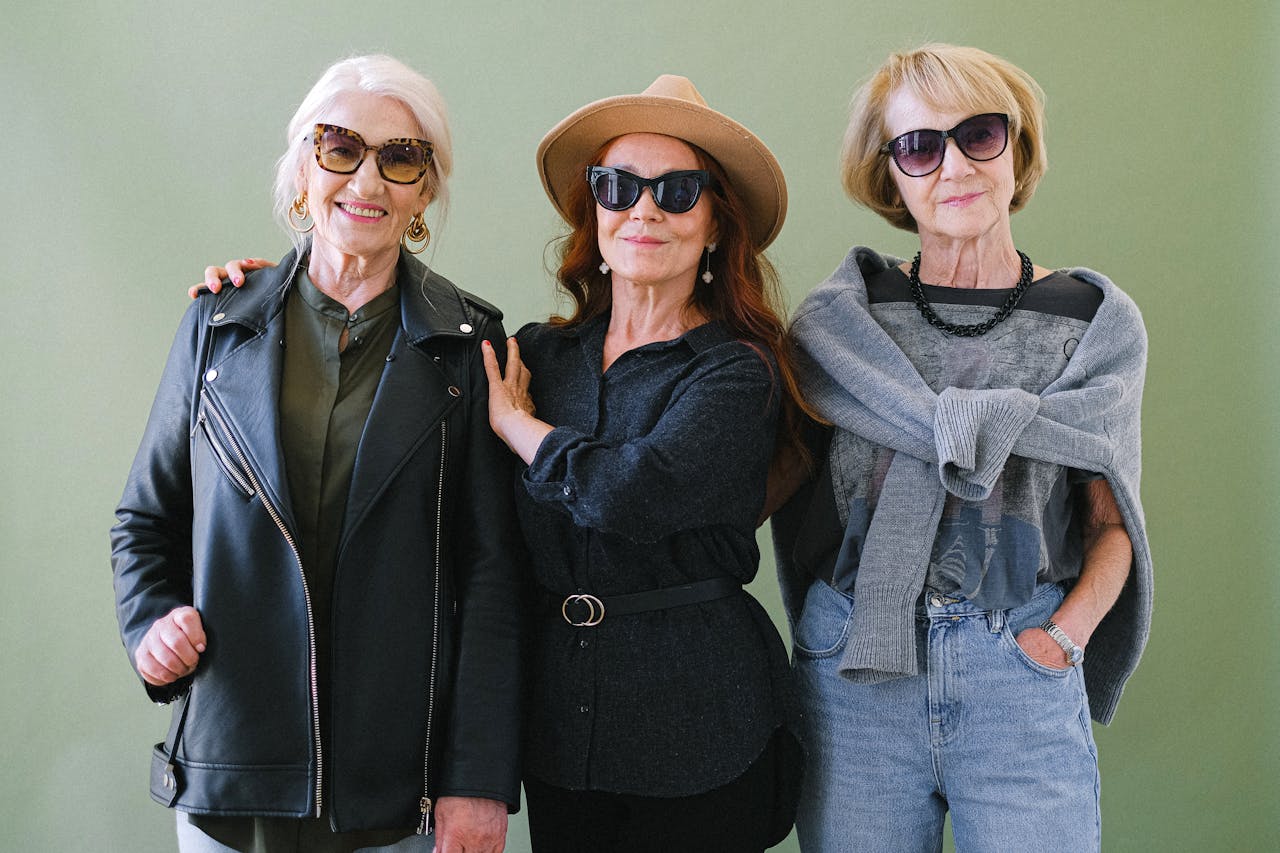
Classy women over 60 usually do not chase every trend cycle. Constantly swapping wardrobes for the latest micro-look often creates clutter, regret, and outfits that feel disconnected from personal identity. A trend can be fun, but wearing five at once usually weakens the entire impression and dates photos quickly.
Most polished dressers keep a strong base of timeless pieces, then add one current detail with intention. It might be a fresh shoe shape, a new jacket length, or a modern bag proportion. That selective update keeps style alive without turning dressing into a costume change every season. Personal style stays strong.
Too Many Statement Pieces in One Look
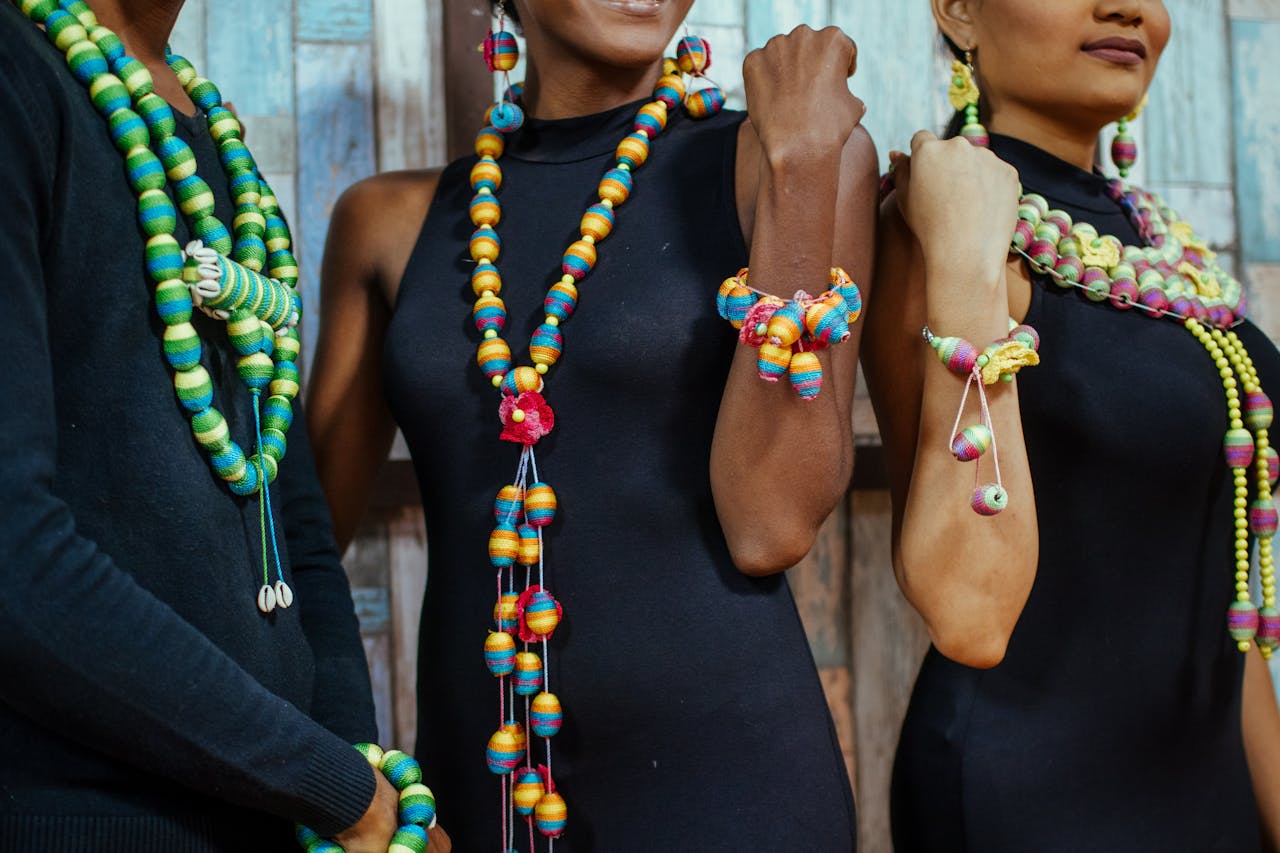
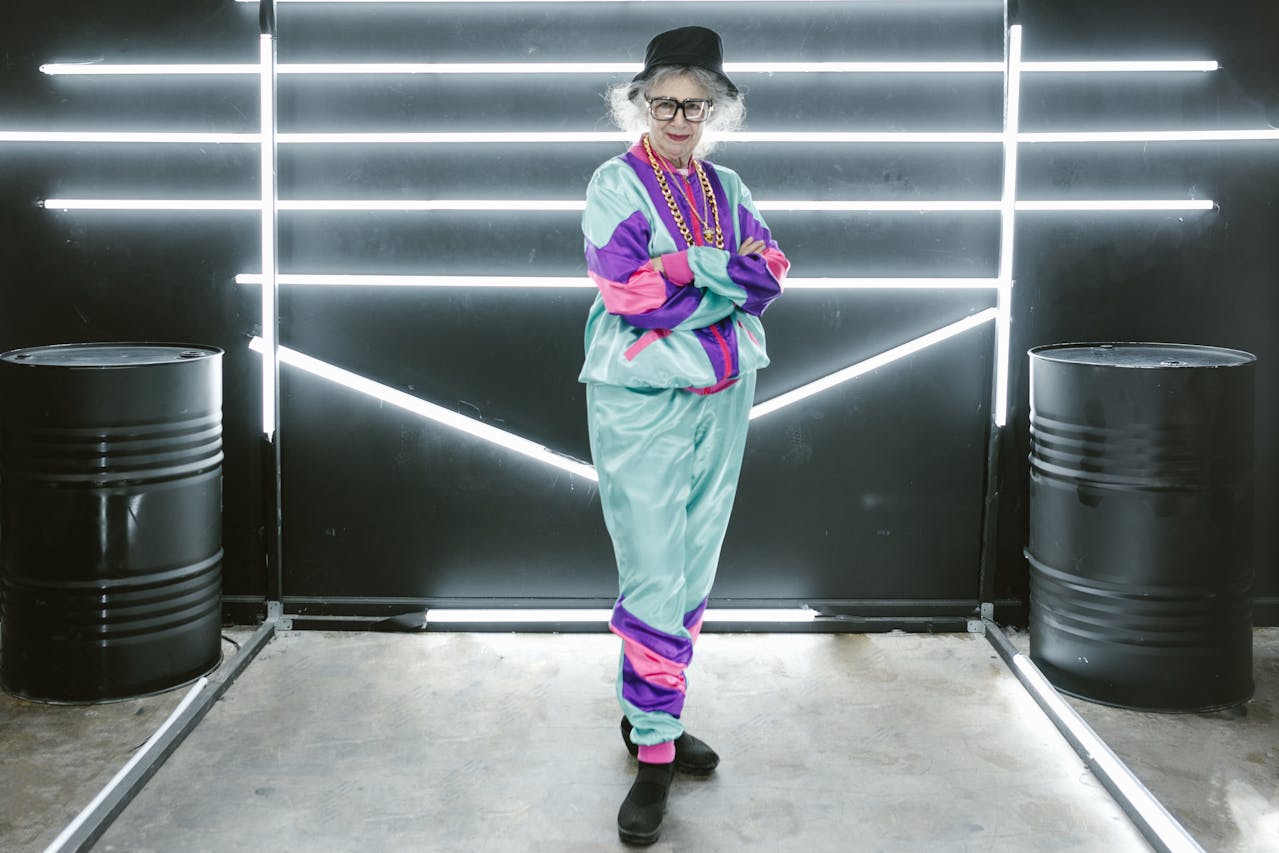
They also tend to avoid piling on statement pieces in the same look. Bold earrings, layered necklaces, ornate belts, oversized rings, and high-shine bags can compete for attention until nothing really lands. When every element demands the spotlight, the person can disappear behind the styling, and the look feels noisy.
A cleaner strategy is choosing one focal point and letting everything else support it. If jewelry carries the look, keep the neckline simple. If the coat is dramatic, keep accessories restrained. This quiet editing makes outfits feel intentional, not overloaded, and elegance becomes clearer at first glance.
Skipping Tailoring When Fit Is Almost Right
Another choice they quietly avoid is wearing garments straight off the rack when the fit is almost right but not quite. Slightly long hems, sleeves that break at the wrong point, and waistlines that sit too low can make even premium clothes look borrowed. Small fit issues create constant visual noise.
Tailoring solves that noise quickly. A simple hem, a sleeve adjustment, or a gentle waist shape can transform how a piece sits and moves. The garment looks custom, the body looks balanced, and the closet suddenly works harder with fewer items. Precision is often the real luxury, not a bigger logo. Small fixes create major clarity.
Ignoring Foundation Layers Under Clothing

Classy dressers over 60 rarely ignore what sits underneath the outfit. Visible lines, slipping straps, and the wrong base layer can distort clean tailoring and distract from otherwise polished clothing. When foundations are off, people often blame the dress or jacket, even though the issue starts below the surface.
They usually choose supportive, smooth underlayers matched to fabric weight and neckline. The goal is not control for its own sake, but a clean canvas that lets clothes fall correctly. With the right base, garments skim instead of cling, silhouettes stay crisp, and confidence feels steady through long days and evenings.
Holding Onto Outdated Cuts and Colors
Finally, they avoid holding onto cuts and color habits that no longer serve their face, routine, or lifestyle. A once-loved shape can become limiting when body proportions shift, and a familiar shade can flatten features under changing light. Loyalty is admirable, but style thrives on gentle evolution and fresh perspective.
The most elegant women revisit their wardrobe with clear eyes each season. They keep what still works, tailor what can improve, and release what feels dated in motion. That mindset is neither strict nor sentimental. It is practical, self-aware, and quietly magnetic in every room, without chasing approval.