A new year often brings fresh plans, but Jan. 1 brought fresh barriers. New U.S. immigration restrictions are now in effect, tightening entry for travelers from seven countries and extending limits that already touched more than a dozen others. At the same time, the H-1B program moved away from a purely random lottery toward selection that favors higher wages. The changes land in ordinary places: check-in counters, consular interviews, and HR inboxes, where small details decide whether a reunion, a semester, or a start date moves forward or slips away. The ripple travels fast, even when headlines feel distant overnight.
The Calendar Flip Became a Policy Line
The rules did not arrive gradually; they clicked on with the new year. As of Jan. 1, new travel limits signed last year are being enforced, meaning eligibility can change based on when a ticket was bought versus when a traveler tries to enter. That timing matters because immigration decisions often hinge on status at the moment of travel. For families and employers, the adjustment has been less about politics and more about logistics: confirming documents, rechecking appointments, and learning which plans still qualify under the updated restrictions. Even a small mismatch can turn a routine trip into a hard stop.
Seven Countries Now Face Steeper Entry Barriers

Travelers from seven countries are now facing sharper hurdles when trying to enter the United States: Burkina Faso, Laos, Mali, Niger, Sierra Leone, South Sudan, and Syria. The administration frames the move as a safety and security measure, but the lived experience is usually quieter: a visa interview that ends in a denial, a return flight bought in a panic, or a trip postponed without a clear end date. The change can hit tourists and business visitors, but it also reaches deeper, affecting families working through reunification and students trying to keep their timelines intact. Names on a passport now carry more weight.
Existing Restrictions Still Cover More Than a Dozen Nations
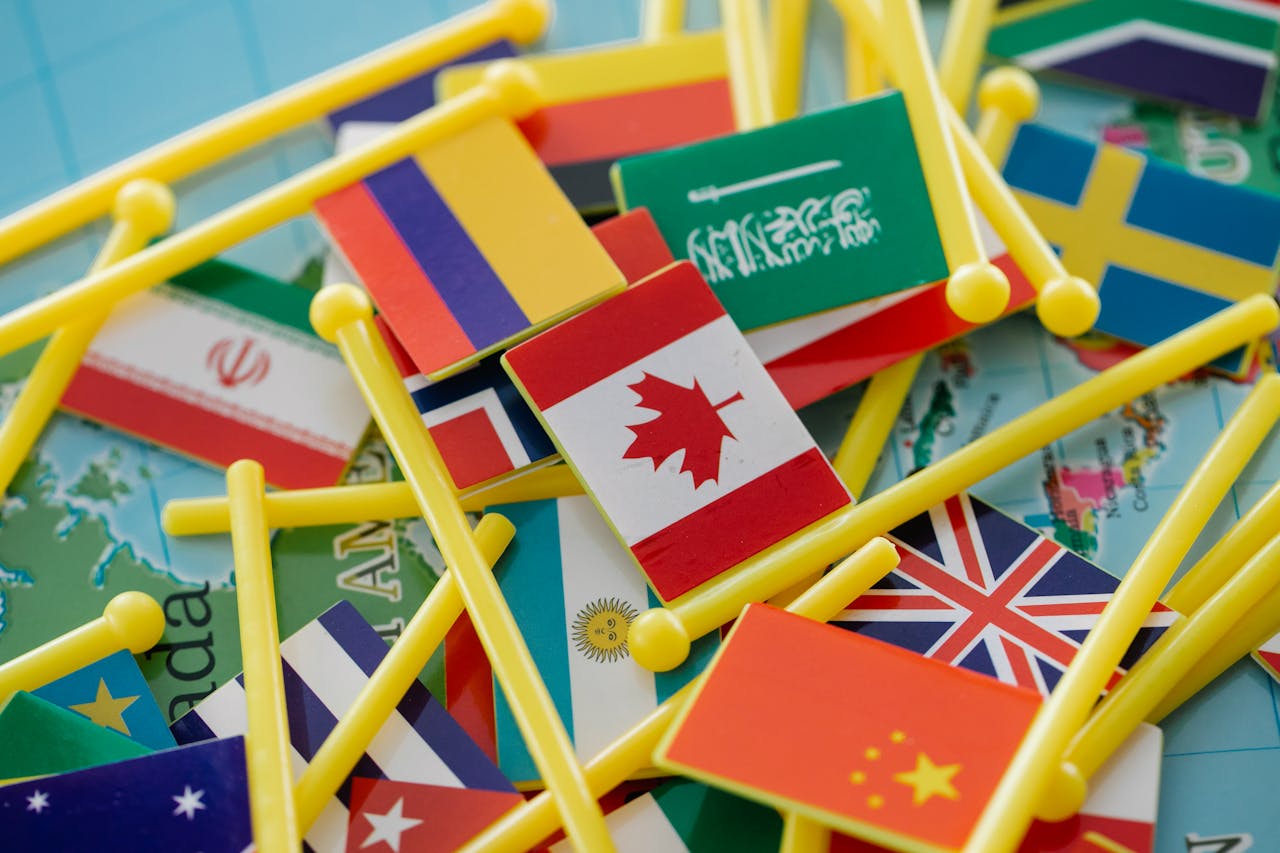
The new limits sit beside restrictions that were already in place for more than a dozen countries, creating a layered system rather than a single ban. Those earlier constraints include Afghanistan, Burma/Myanmar, Chad, Equatorial Guinea, Eritrea, Haiti, Iran, Libya, the Republic of the Congo, Somalia, Sudan, Venezuela, and Yemen. For travelers, the practical effect is a map of uneven access, where neighbors can face totally different outcomes at the same airport. Over time, that unevenness changes habits: trips get rerouted, meetings move online, and families learn to plan around uncertainty as if it were weather.
More Difficult Often Means Slower, Pricier, and Less Predictable
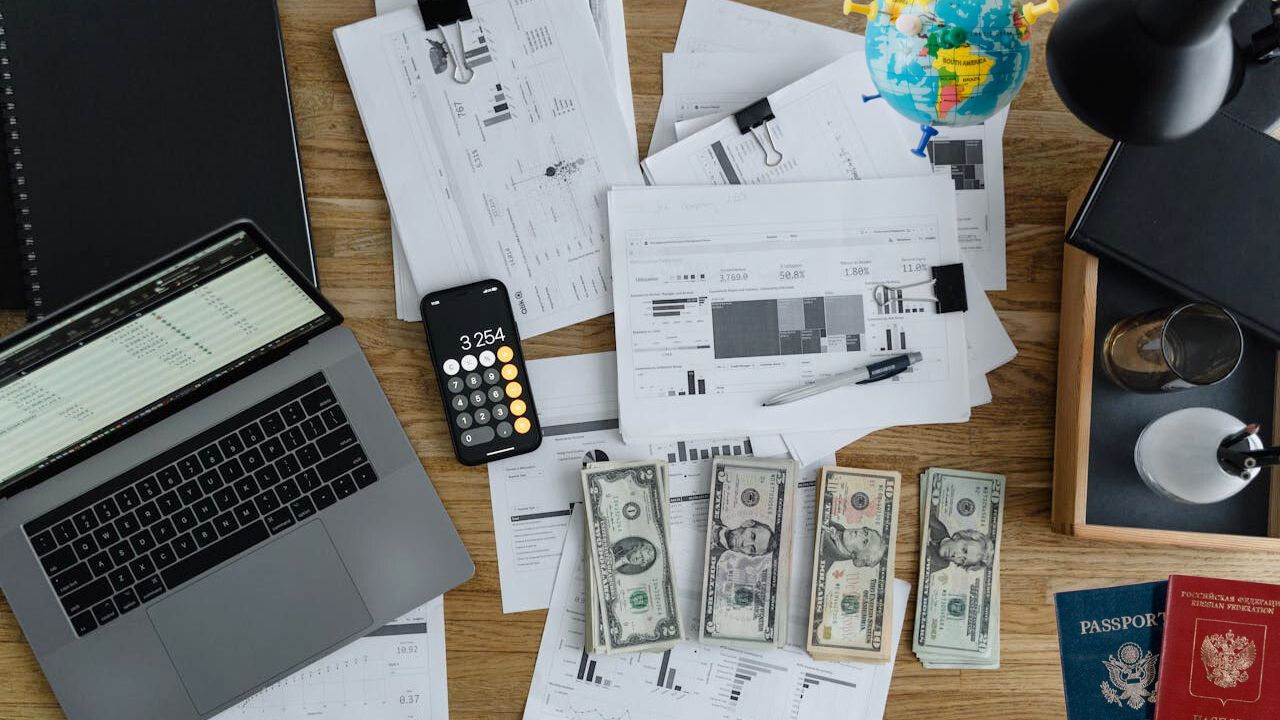
Policy language can sound abstract, but the friction shows up in small costs that stack up. Added scrutiny can mean extra paperwork, longer waits for consular appointments, and decisions that arrive too late to save a nonrefundable fare. Some travelers discover the shift only after they have arranged time off, paid tuition deposits, or signed a short-term lease tied to a program start. The hardest part is not always the refusal itself, but the uncertainty around it, because it keeps households from choosing a backup plan with confidence. Each delay forces new calculations about money, timing, and pride. All at once.
Security Justifications Collide With Claims of Unequal Targeting
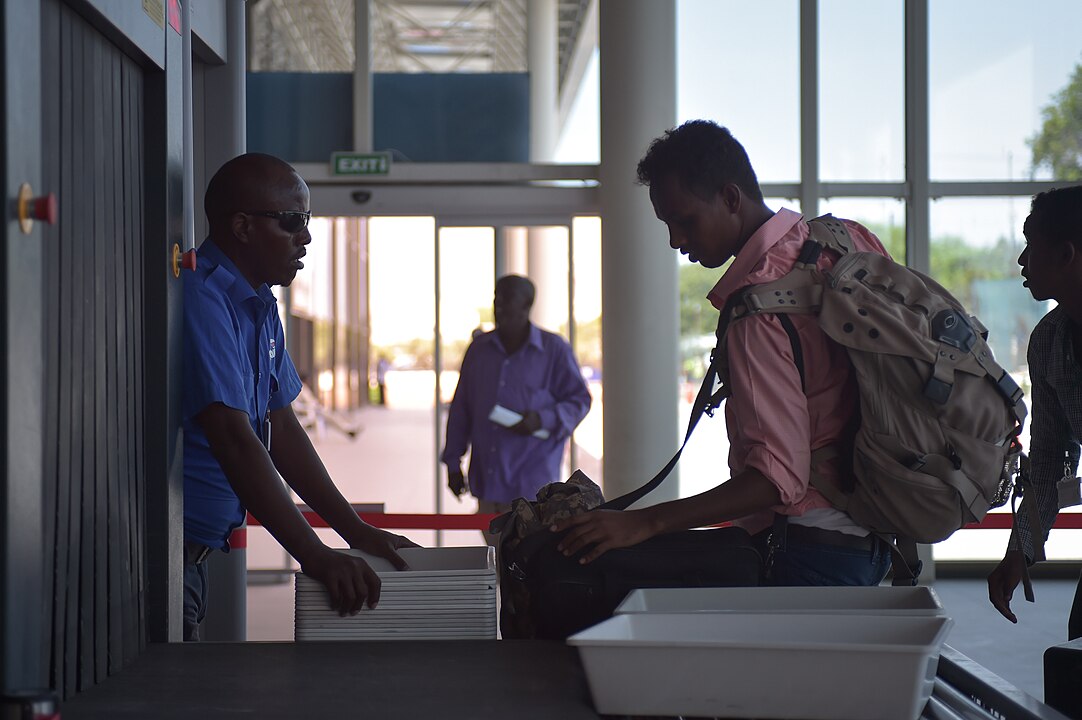
The administration has cited safety and security concerns as the reason for restricting travel from the newly added countries. Advocates for immigrants argue the pattern is not neutral, contending that Muslim and African nations are being targeted in ways that feel stigmatizing. That tension shapes how the rules are read abroad, where policy can sound like a judgment, not just screening. The debate turns personal fast, because the people impacted most often have ordinary reasons for travel: family care, study, and work that supports relatives back home. Even supporters admit the human cost is real, and visible. Now.
Family Travel Becomes a Paperwork Marathon

When entry rules tighten, the first casualties are often the quiet trips: a parent coming for a birth, a sibling visiting after a long separation, a spouse trying to line up vacation days with a short window of approval. The new restrictions can interrupt those plans with little warning, especially when a traveler’s eligibility depends on consular decisions that are hard to predict. Families end up rebuilding timelines from scratch, swapping celebratory flights for legal consultations and spreadsheets. The emotional strain is simple: time keeps moving, but reunions get pushed into an undefined later. Again and again.
Students and Scholars Feel the Deadline Pressure
Academic schedules are unforgiving, which is why travel restrictions can hit students and researchers in a uniquely cruel way. A missed visa issuance can mean losing a semester, forfeiting housing, or watching a lab slot vanish. Even when a program is supportive, start dates are tied to funding cycles and campus policies that do not pause for geopolitics. For many international students, the U.S. dream is built on a chain of small permissions that must align at once: entry, enrollment, and proof of stability. When any link breaks, the setback can reverberate through a degree plan. That is the real cost of uncertainty.
Airports Turn Into the Front Line of Enforcement
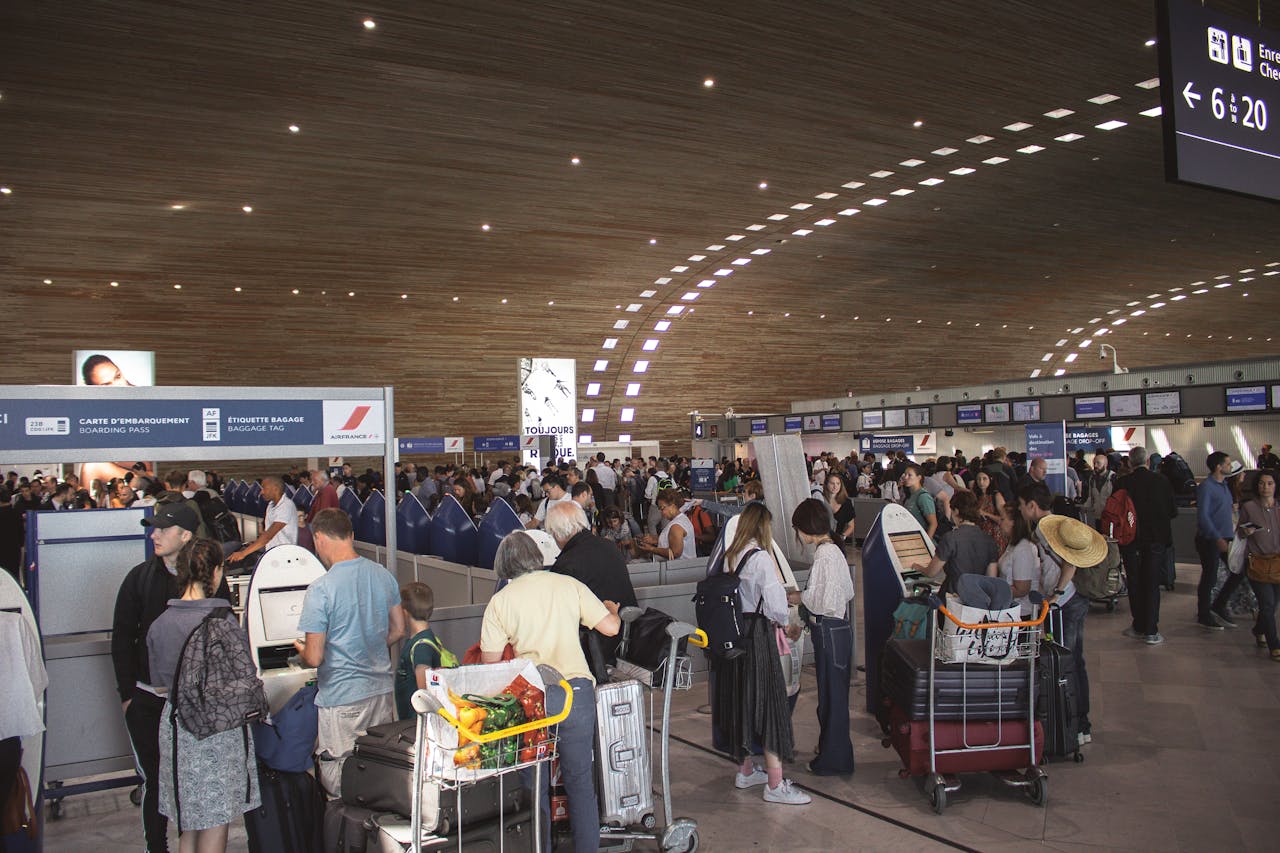
Restrictions may be written in Washington, but they are enforced under fluorescent light at airports. Airline staff must decide quickly whether a passenger has the right documents to board, because carriers can face consequences for transporting someone who will be refused entry. That pressure creates a conservative instinct, where uncertainty leads to a denial at the counter rather than a gamble at the gate. Travelers end up printing confirmations, saving screenshots of approvals, and padding itineraries for extra questions. In that tense space, policy becomes personal, measured in minutes and missed connections.