American city travel is sending a mixed signal in 2026. National snapshots show broad cooling in violent crime, yet several metros posted category-level increases that can change how safe a night feels on the ground. Advisors are not calling for panic. They are rebuilding itineraries around timing, route simplicity, and fewer late transitions between crowded zones. The figures used here are preliminary year-end police submissions, but they show where headline progress and lived street comfort still diverge. That tension is quietly reshaping domestic trip design, city by city. Foreign advisories also flag protest hotspots.
Atlanta, Georgia

Atlanta’s year-end police totals showed a clear rise in two categories that shape visitor comfort in busy corridors. Robbery moved from 514 to 651, and aggravated assault rose from 2,641 to 3,085 in the Major Cities Chiefs comparison. Those shifts matter for advisors planning convention and weekend travel, especially around major downtown events.
The response has been practical, not alarmist: earlier dinner blocks, fewer late transfers between nightlife zones, and tighter hotel-to-venue movement. Advisors tracking Atlanta now treat timing and route simplicity as core trip design, especially on high-footfall event nights.
Boston, Massachusetts
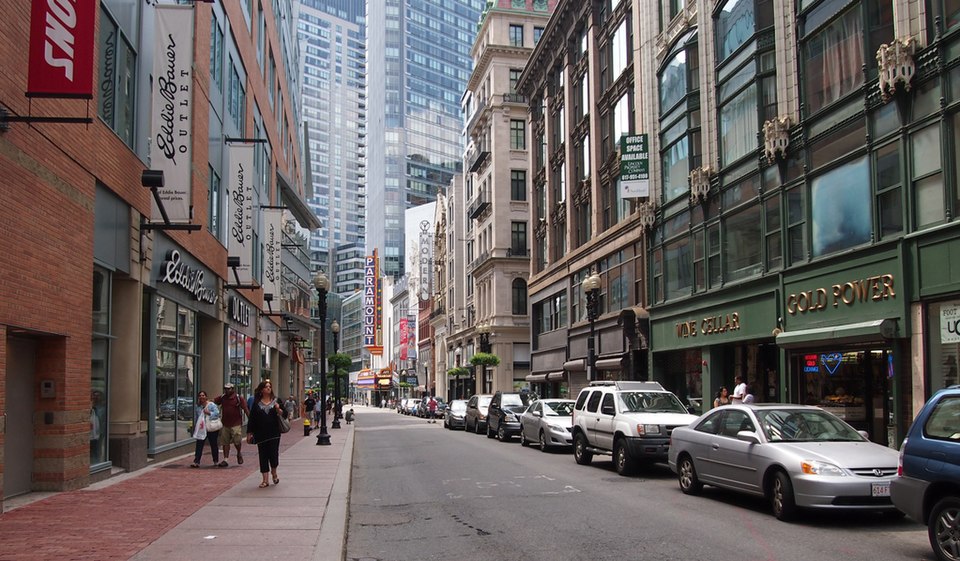
Boston is often framed as a low-friction city break, but recent numbers added a harder edge to risk planning. In the same year-end police comparison, homicide counts rose from 24 to 31. Other categories moved downward, yet this single rise still affects how advisors frame late-night movement in dense entertainment areas and transit-heavy corridors.
Instead of broad warnings, itineraries now hinge on micro-decisions: rail and rideshare timing after major events, lodging near evening stops, and less cross-city hopping late in the day. The emphasis is steadier pacing, predictable transport, and fewer transition points after dark.
Fort Worth, Texas
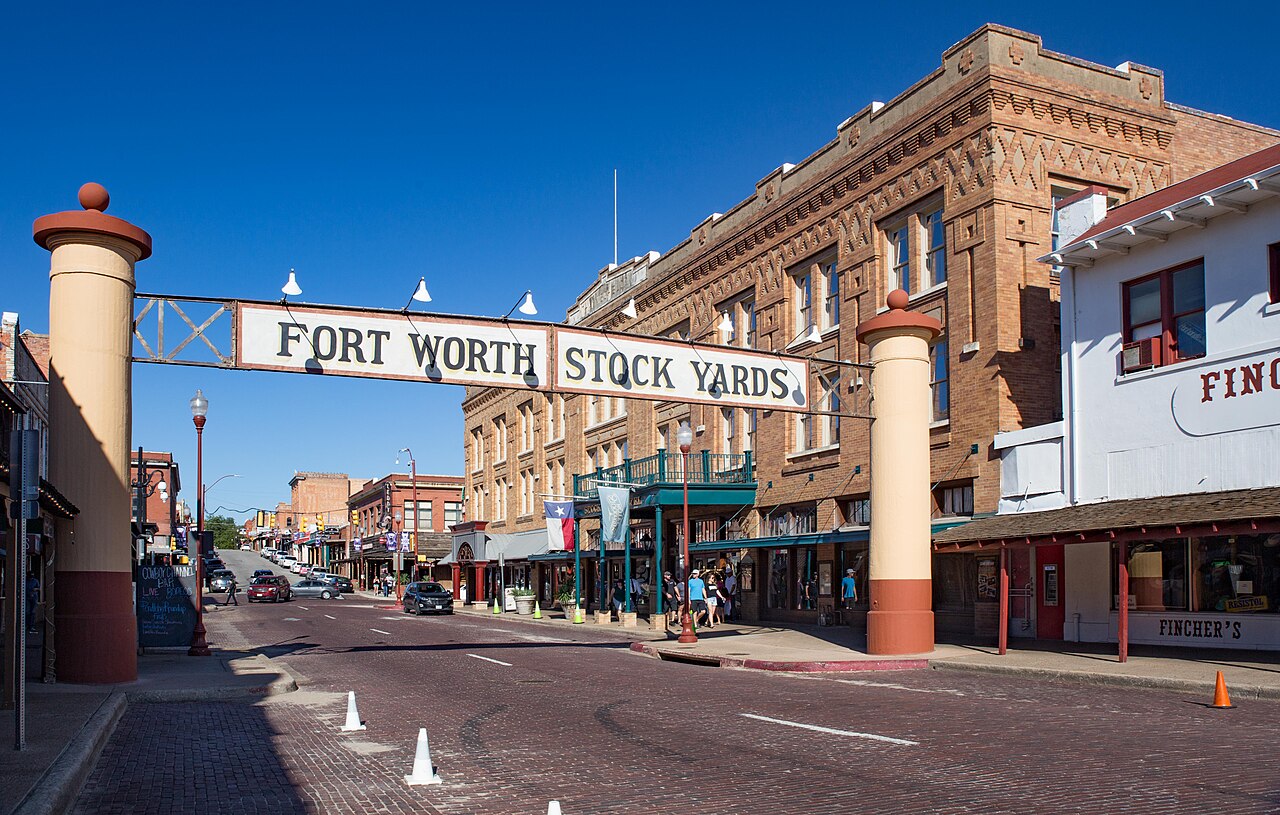
Fort Worth posted a direct warning sign in the current cycle, with homicides increasing from 75 to 81 in the year-end city police dataset. Even where other violent categories fell, that upward move is enough for advisors to treat certain time windows with added care, especially around event exits and low-traffic connectors after midnight.
Planning here is not built on fear, but on friction control. Advisors now favor compact evening plans, pre-booked rides, and clear return windows to reduce street exposure late at night. The city remains highly visitable, yet smoother itineraries are now treated as essential, not optional.
Milwaukee, Wisconsin

Milwaukee’s figures also broke from the broader cooling trend, with homicides rising from 132 to 142 in the latest year-end comparison. Robbery and aggravated assault were down, but advisors rarely ignore a category shift that can influence visitor perception and after-hours confidence in unfamiliar districts.
The planning adjustment is disciplined and simple. Trips now lean toward earlier night schedules, direct transport between restaurants and hotels, and fewer spontaneous detours once crowds thin out. Advisors describe Milwaukee as culturally rich, while noting that route clarity remains central to stress-free stays.
Oklahoma City, Oklahoma
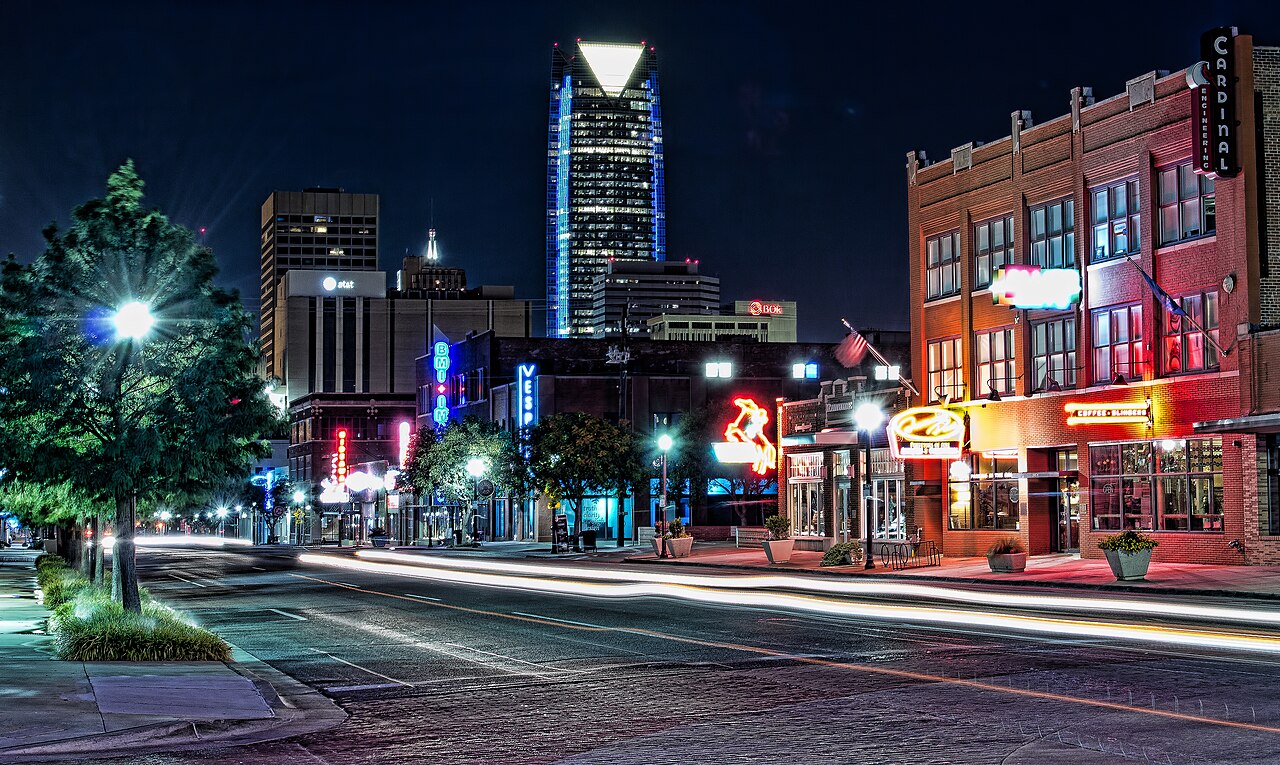
Oklahoma City’s key pressure point was aggravated assault, which moved from 3,524 to 3,748 in the police tally comparison. Homicide, rape, and robbery declined, so this is not a blanket deterioration story. Still, advisors read category-specific increases as a sign to tighten evening logistics in districts with mixed foot traffic.
The fix is operational, not dramatic: clustered activities, fewer long transfers after dark, and lodging chosen for predictable returns from dining and events. That means less itinerary sprawl and more deliberate pacing. Advisors frame Oklahoma City as manageable when movement plans stay clean and simple.
Pittsburgh, Pennsylvania
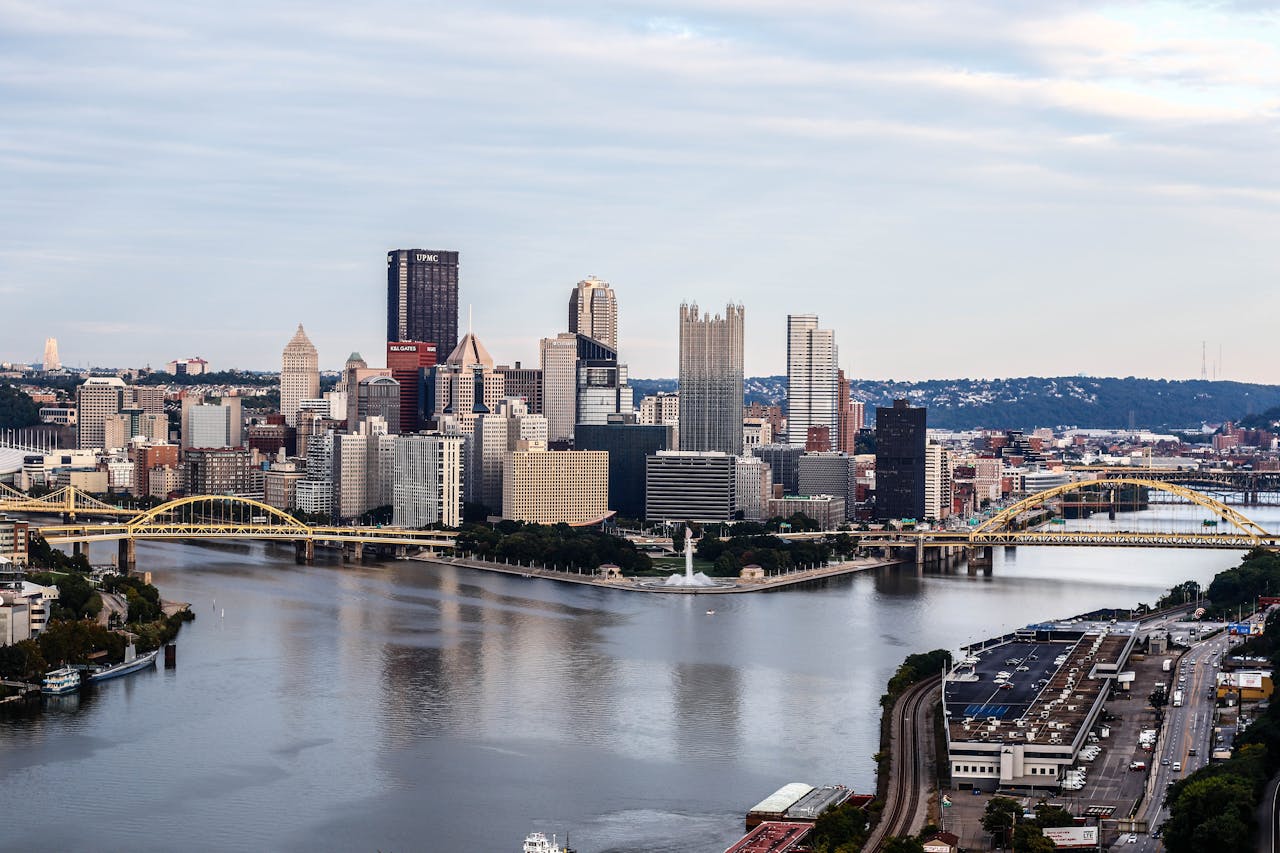
Pittsburgh’s profile shifted in a way advisors take seriously, even without a broad surge across all categories. Rape rose from 95 to 163, and aggravated assault increased from 930 to 948 in the year-end comparison, while homicide and robbery moved lower. That mixed pattern makes risk communication more nuanced.
Advisor strategy now favors consistency over spontaneity. Evening segments are shortened, multi-stop nightlife plans are trimmed, and transport links are locked in before dark. The goal is straightforward: preserve what Pittsburgh does well while reducing late-hour strain through clear sequencing and fewer exposure points.
Salt Lake City, Utah

Salt Lake City posted one of the clearest category jumps, with rape increasing from 291 to 356 in the latest year-end police comparison. Homicide, robbery, and aggravated assault each declined, but advisors do not treat that as a reason to ignore a significant shift in a sensitive offense category.
As a result, trip design now emphasizes certainty: direct hotel access after events, fewer late transfers, and close attention to venue surroundings at closing time. Advisors still position Salt Lake City as a strong base for urban and mountain itineraries, while building evenings around clearer transit plans and calmer handoffs.
San Diego, California
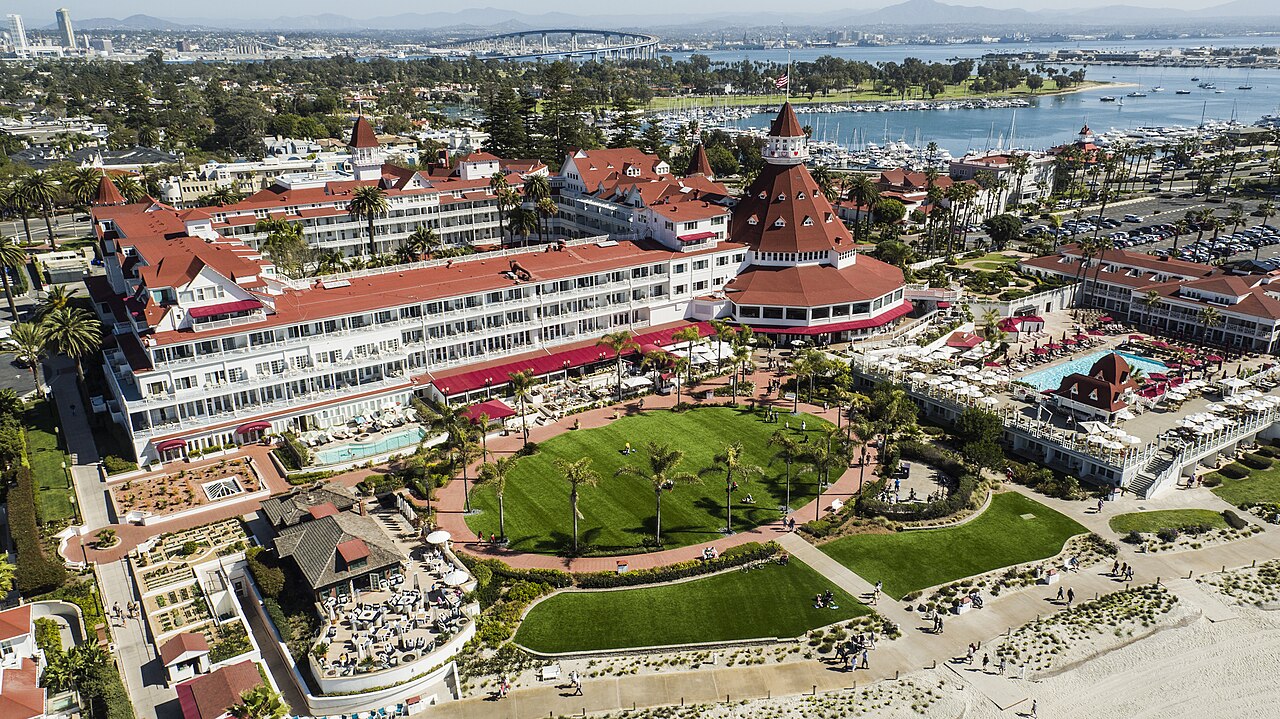
San Diego’s year-end data showed rape rising from 308 to 335, even as homicide, robbery, and aggravated assault moved down. Advisors read that pattern as a reminder that broad improvement can coexist with targeted stress points. For travelers, mixed signals often feel confusing, which is why planning detail matters.
Current itineraries in San Diego favor predictability: earlier returns from nightlife districts, direct rides over multi-leg transfers, and lodging choices that reduce late-hour street exposure. The city remains an urban-coastal destination, but advisors treat nighttime logistics as central to comfort and trip quality.
Wichita, Kansas
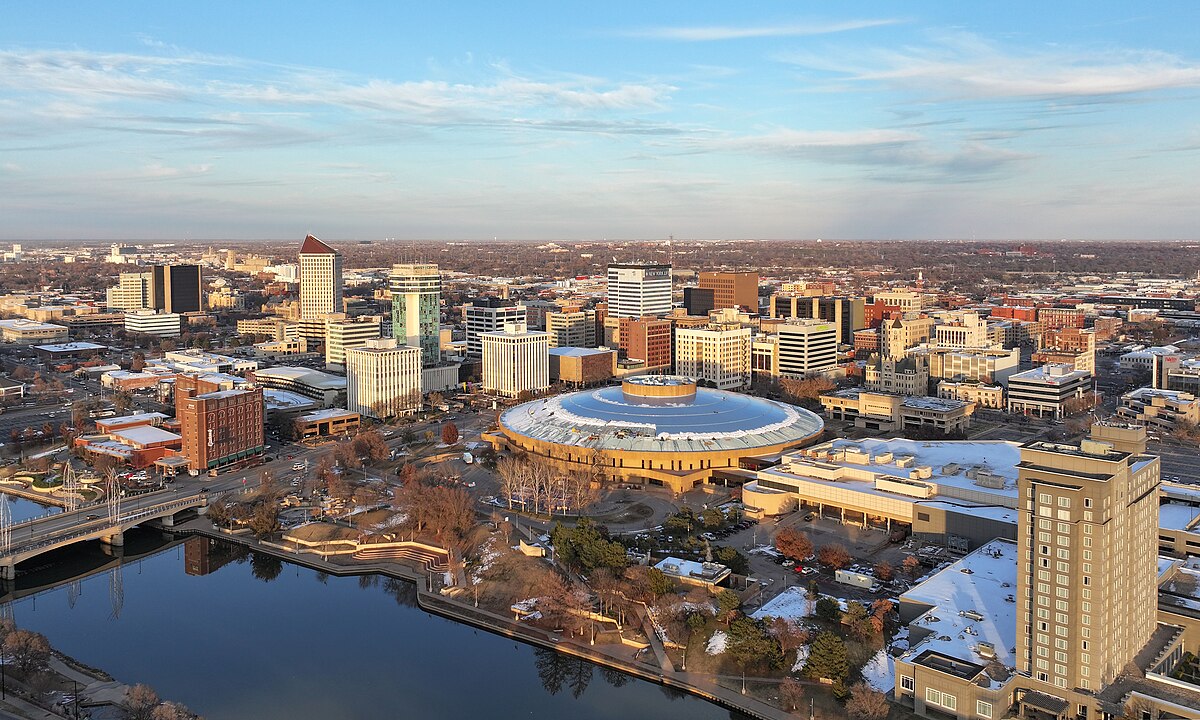
Wichita registered increases in two categories that advisors track closely for urban stays. Homicides rose from 30 to 37, and rape climbed from 381 to 445 in the latest year-end city dataset, while robbery and aggravated assault declined. That split profile reinforces a practical message rather than a dramatic one.
For current travel planning, advisors tighten structure: earlier dinner-to-hotel transitions, fewer late unplanned stops, and more reliance on known corridors. Wichita still offers strong museums, aviation history, and an easy pace, yet planning now stresses lower-friction movement after dark and steadier returns.