A move to a small U.S. city often starts with a hopeful script: cheaper housing, lighter traffic, friendlier neighbors, and weekends that feel slower in the best way. For many households, that script holds for a season, then cracks under everyday costs. Rent resets higher, starter homes draw bidding fights, and basic services like child care, primary care, and transit prove thinner than expected.
Regret rarely comes from one dramatic event. It builds through monthly math, where paychecks stay local but expenses act like a larger market. By year two, many families realize the move solved one problem and created others.
Bozeman, Montana
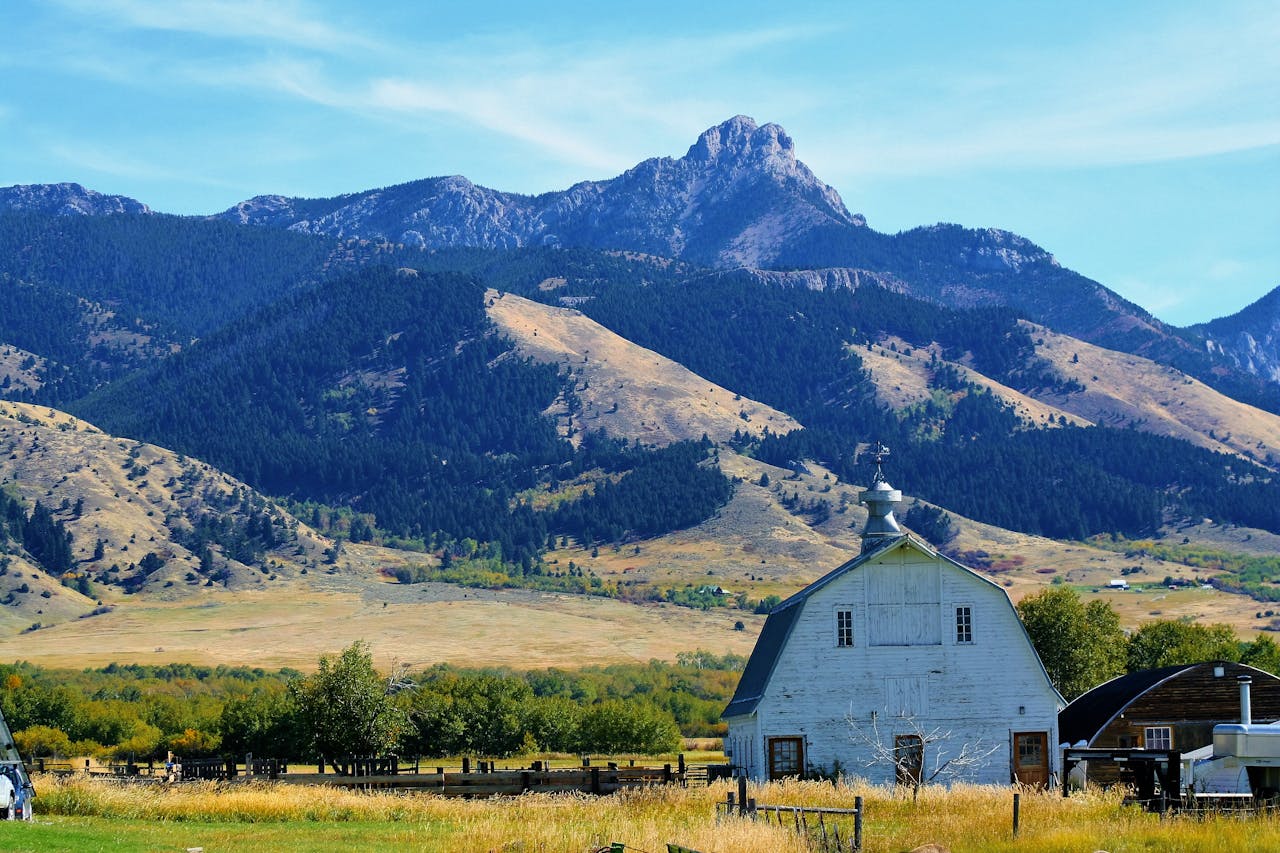
Bozeman still looks like a postcard town, and that visual promise pulls in people every month. The challenge appears after move-in, when housing costs keep climbing while many local pay scales lag behind. What felt manageable during the search can become tight after the first lease renewal, especially once utilities, insurance, and commuting costs are added.
Most regret stories here sound practical, not dramatic. Residents often love the trails, the schools, and the pace, yet feel worn down by a budget that has no cushion left for surprises. For newcomers without high remote salaries, that pressure shows up quickly.
Bend, Oregon
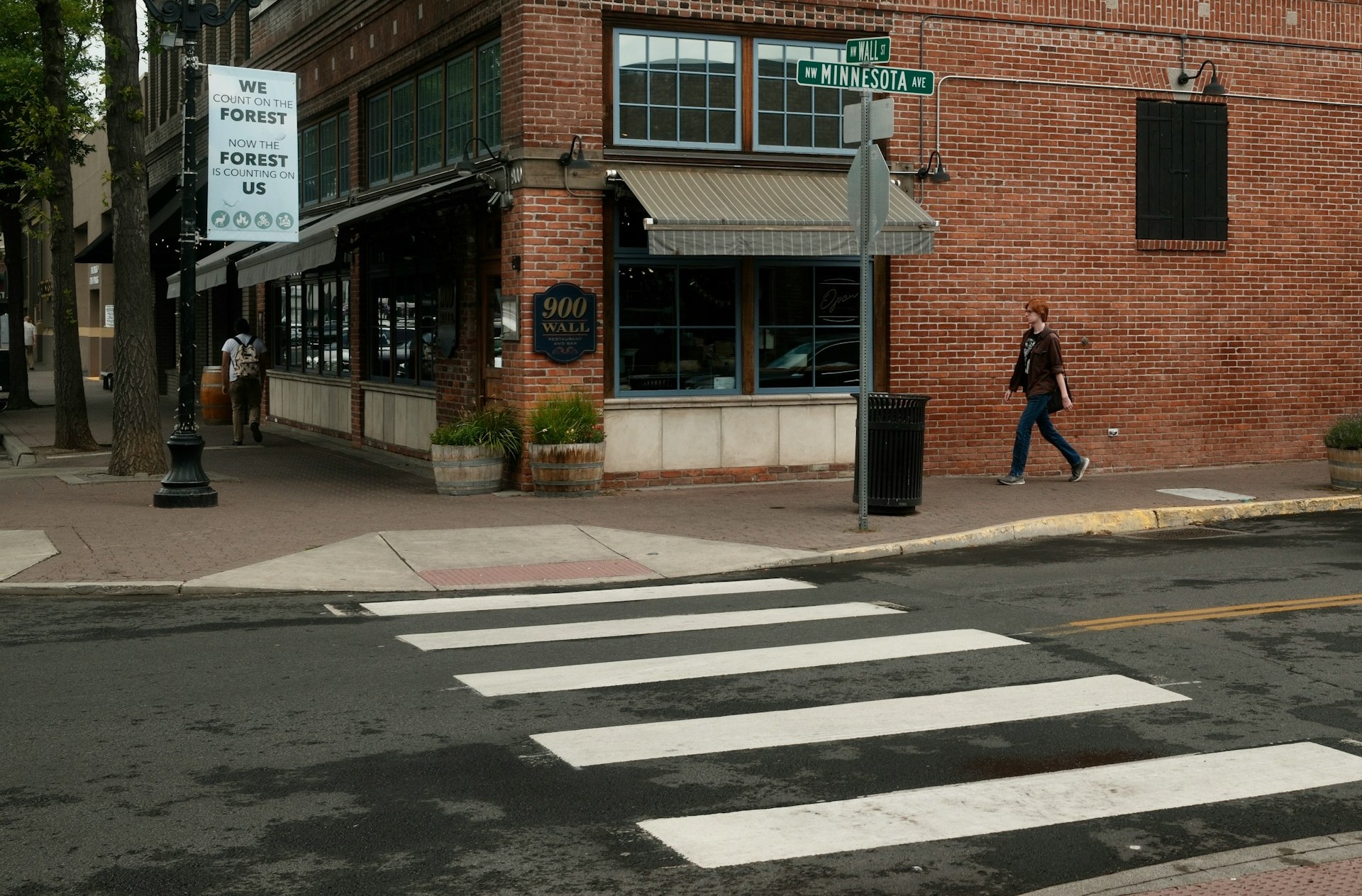
Bend offers real quality of life, from river paths to a strong outdoor culture, and many newcomers genuinely enjoy the first year. Then the cost structure starts to show itself. Housing availability stays limited in key neighborhoods, and prices can feel disconnected from what service workers, teachers, and young families earn locally.
Regret tends to grow slowly. People are not unhappy with the city’s character; they are tired of constant trade-offs between rent, distance, and long-term stability. The place still feels right emotionally, but the numbers keep pushing back. Waiting lists and bidding wars wear people down.
Flagstaff, Arizona

Flagstaff attracts people who want four seasons, mountain air, and a college-town rhythm that feels lively without feeling overwhelming. The hard part is affordability. Housing pressure has stayed intense, and many households end up spending too much of their income just to stay in the area where they work.
The regret is often quiet and cumulative. A family cuts discretionary spending, then delays savings goals, then postpones bigger plans entirely. Nothing collapses overnight, yet the financial squeeze becomes the defining part of daily life, which is not what most movers expected. Even careful plans can feel temporary.
Burlington, Vermont
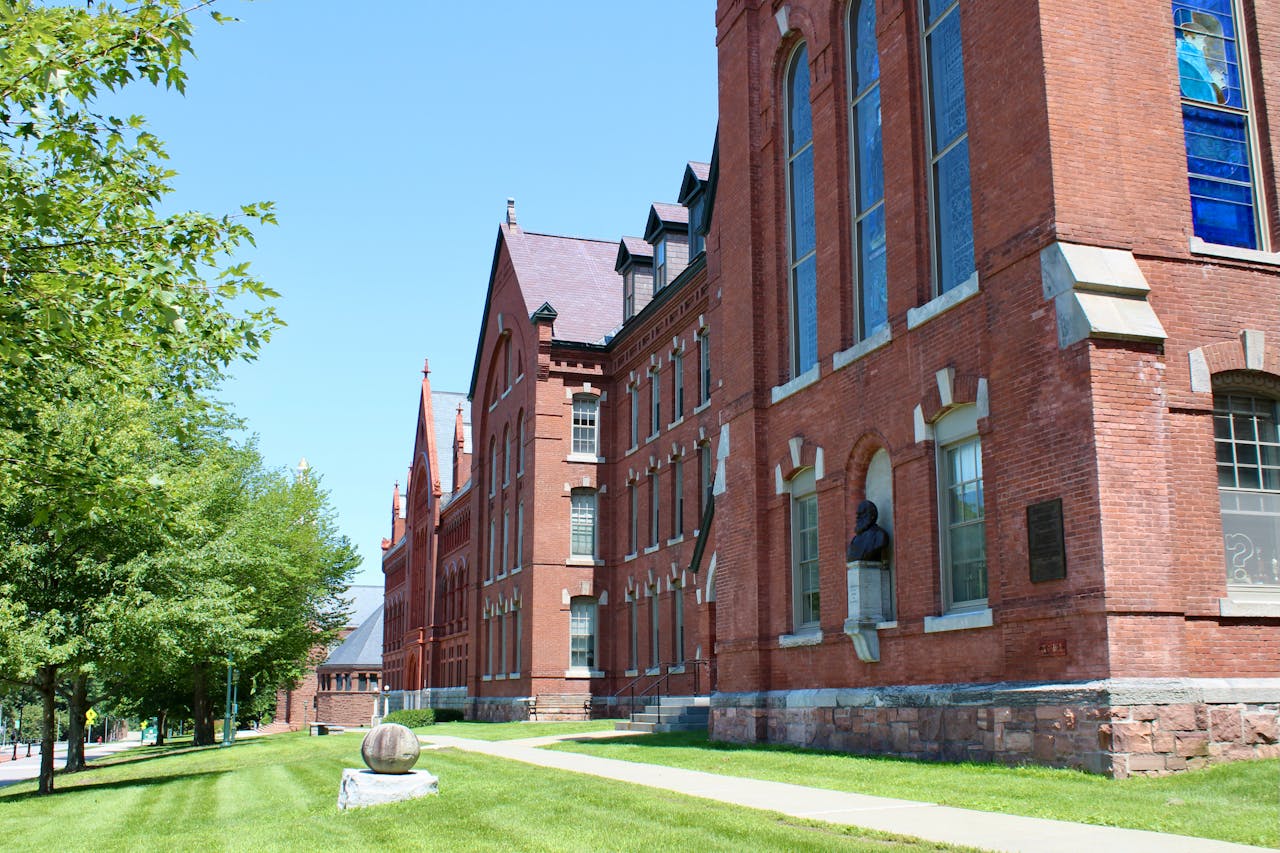
Burlington wins people over with walkable blocks, lake views, and a cultural scene that feels warm and grounded. But tight housing supply can turn a hopeful move into a long, stressful search. Rentals move quickly, options narrow fast, and newcomers often settle for units that cost more and offer less than planned.
Regret here usually comes from uncertainty, not dislike. Residents value the community and still want to stay, yet month-to-month housing insecurity makes it hard to build routines. The city feels welcoming, while the market often feels unforgiving. Winter utility bills can add another layer of stress.
Coeur d’Alene, Idaho
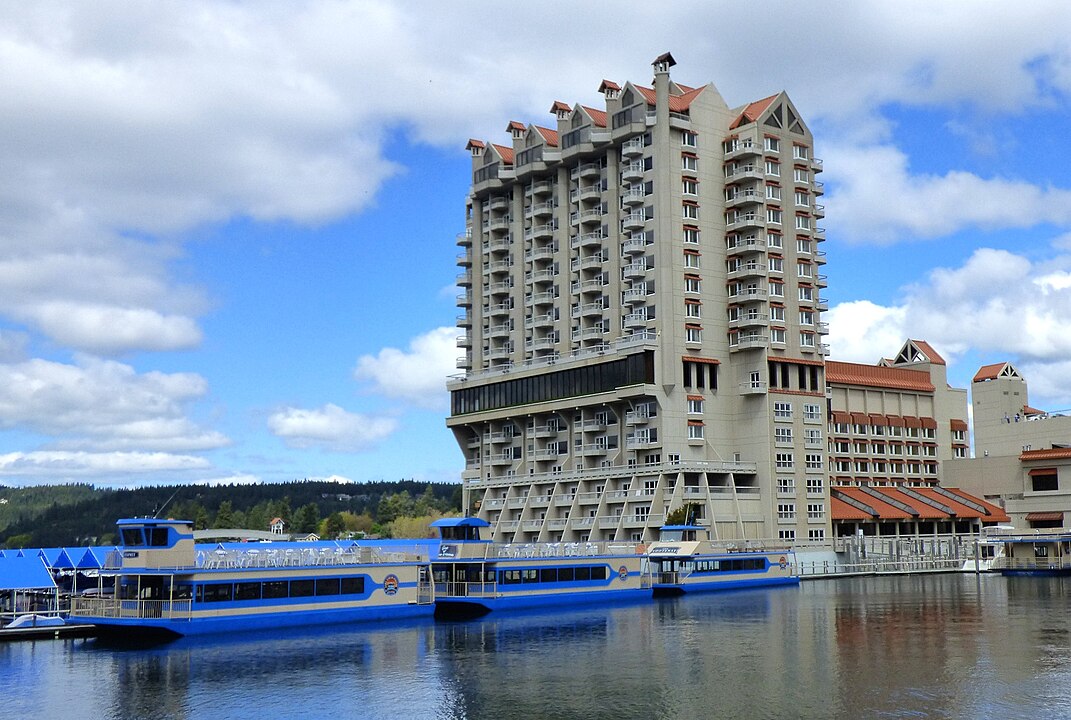
Coeur d’Alene promises scenic calm and a slower pace, which is exactly why many households relocate there. The friction appears in everyday affordability. As demand has grown, housing and living costs have risen, and local wages do not always keep pace with that shift.
Many people describe a split experience: strong lifestyle satisfaction on weekends, financial strain during the workweek. Regret usually comes from that mismatch. Residents can admire the setting and still feel boxed in by recurring bills, limited options, and the sense that stability keeps moving just out of reach. That tension shows up for many.
St. George, Utah

St. George continues to draw newcomers with sunshine, clean neighborhoods, and quick access to open desert landscapes. It often feels like an easy place to reset. Yet rapid growth has brought persistent housing pressure, and families with ordinary incomes can struggle to find options that remain affordable over time.
Regret tends to surface after the honeymoon period. Costs that looked temporary start to feel permanent, and households begin trimming essentials instead of extras. The city still offers comfort and beauty, but financial breathing room can be harder to maintain than many expected. That shift surprises many.
Santa Fe, New Mexico

Santa Fe has a distinct identity that people fall for quickly: art, architecture, deep history, and a pace that feels human. The challenge is that daily logistics can be tougher than the lifestyle image suggests. Housing is limited at attainable prices, and routine services can be harder to access smoothly than newcomers assume.
Regret usually is not about culture or community. It comes from friction in basics, where finding a suitable home, managing recurring costs, and coordinating care or work needs takes more effort than planned. Over time, that strain can overshadow the city’s magic. The adjustment can be steep.
Asheville, North Carolina
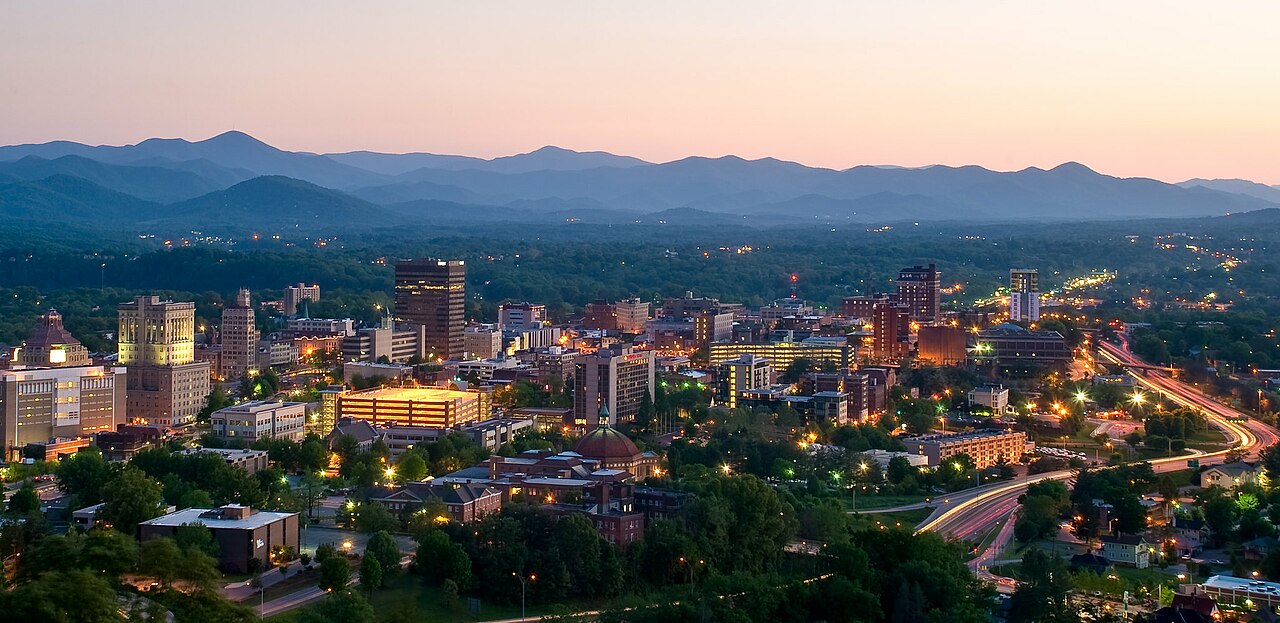
Asheville remains one of the most desired small cities in the South, with mountain scenery, local food, and a creative identity that attracts steady migration. Popularity, however, has intensified pressure on housing and everyday affordability, especially in neighborhoods close to jobs and services.
Regret often grows through repeated compromises. A household accepts higher rent to shorten a commute, then cuts back elsewhere, then faces another increase the next year. People still appreciate the city’s spirit, yet many feel the cost of staying has risen faster than local life can reasonably support. Year by year.
Kalispell, Montana
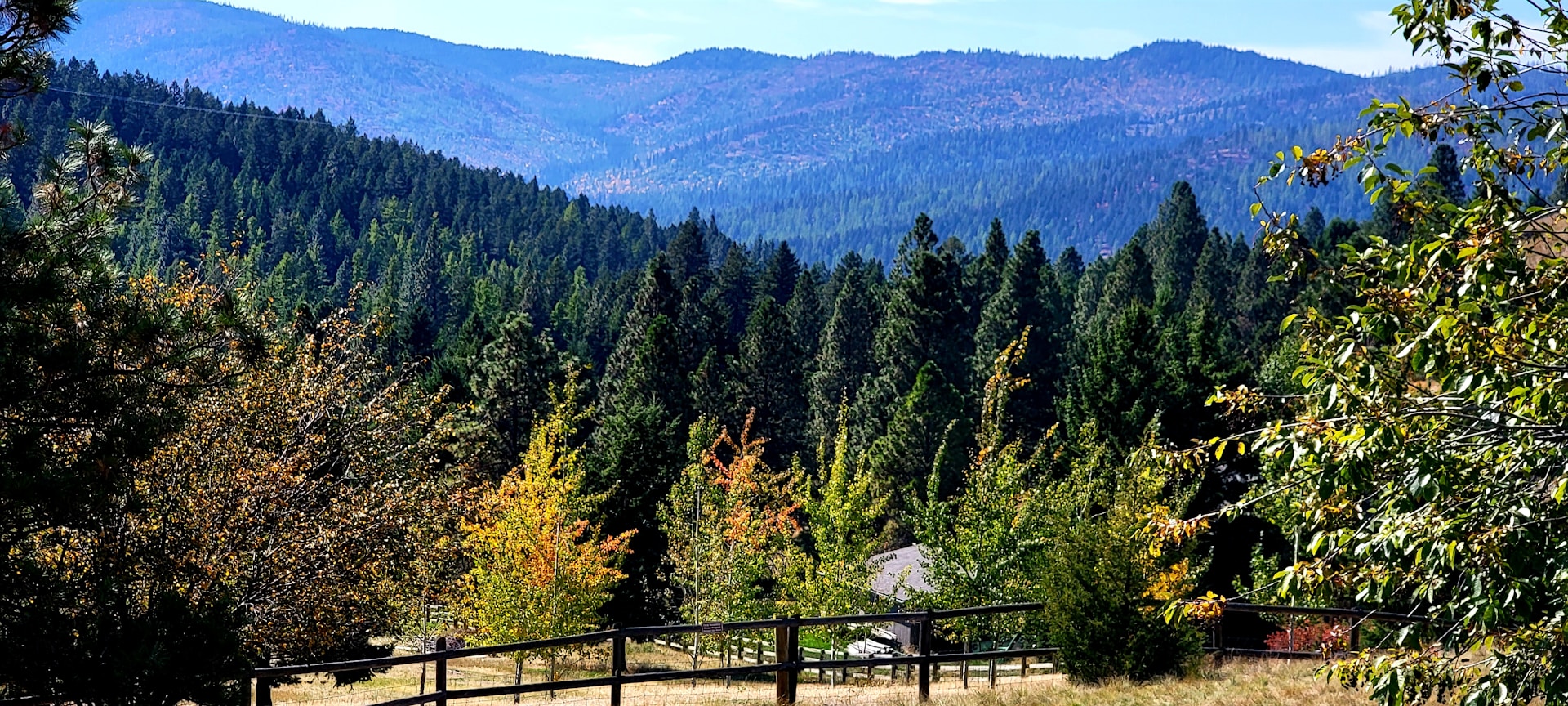
Kalispell appeals to people chasing space, scenery, and a calmer tempo than larger Western hubs. That appeal has accelerated growth, and growth has brought strain. Housing options at attainable prices remain limited, while infrastructure and services continue adapting to a larger population.
Regret usually takes the form of fatigue. The move delivers beauty and access to nature, yet day-to-day planning becomes harder than expected once rent, transport, and basic household costs settle into place. Families who came for simplicity can end up managing a schedule and budget that feel anything but simple. That contrast stings.
Traverse City, Michigan
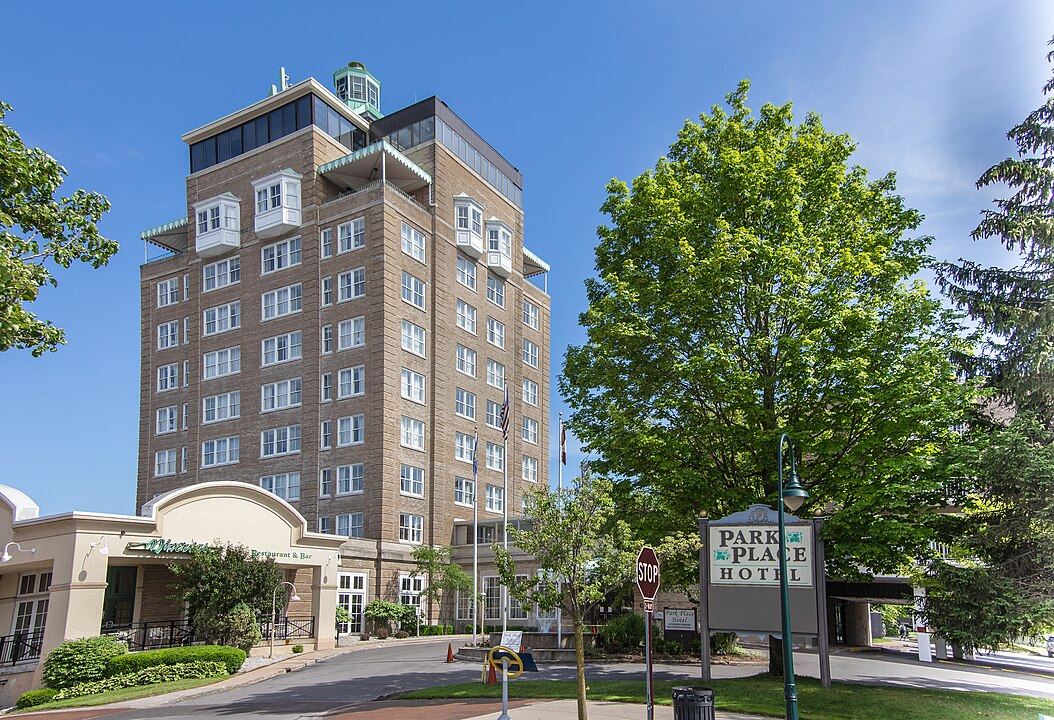
Traverse City is easy to romanticize, and for good reason. Waterfront views, strong local food, and seasonal energy create an immediate sense of possibility. The difficulty appears in year-round affordability, where housing supply and wage realities often pull in opposite directions for working households.
Regret here is usually about sustainability. Residents may love the community and still feel stretched by limited inventory, rising ownership costs, or rents that outgrow local earnings. The city can remain likable, yet long-term stability can feel fragile when everyday expenses keep climbing. Winter makes it clearer.