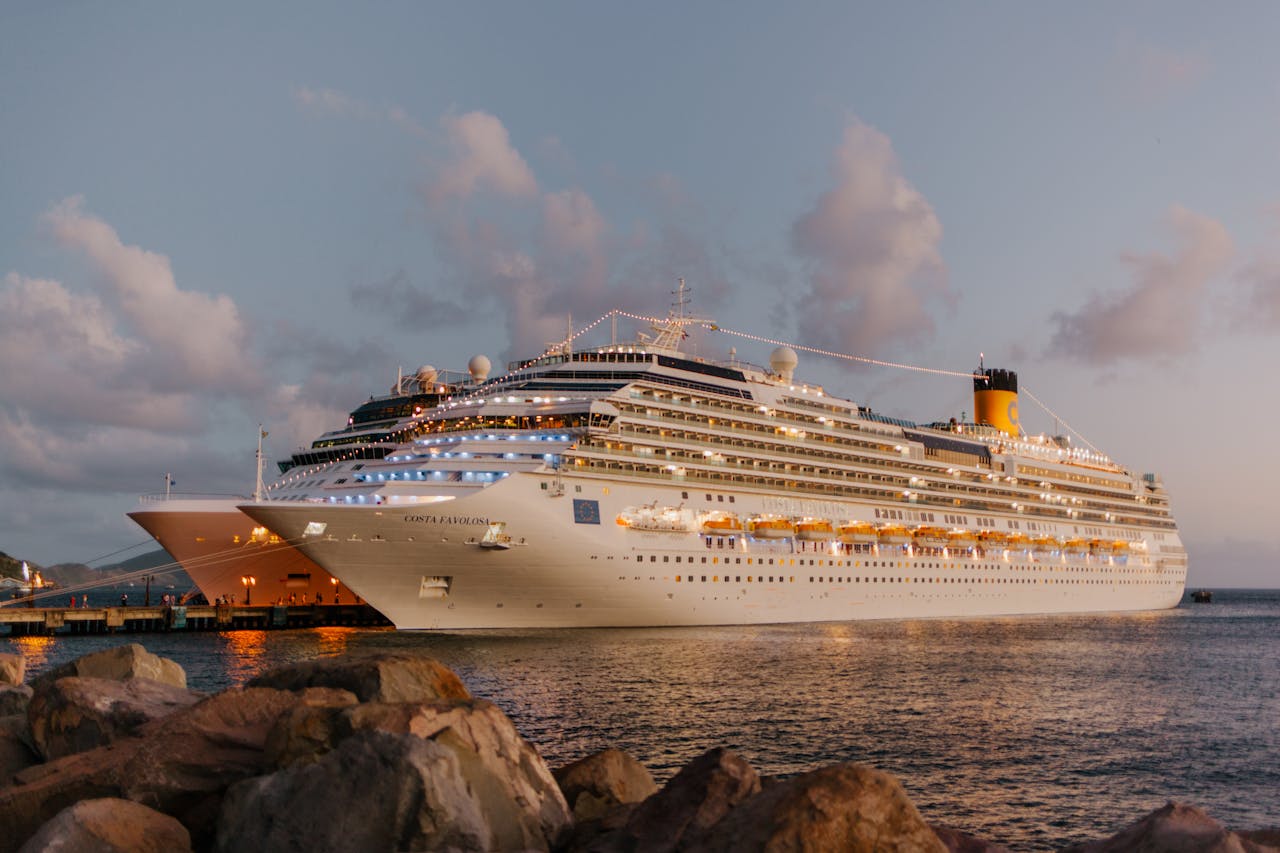
Cruises attract opinions, often from people who have never stepped onboard. First-timers imagine buffet lines, strict dress codes, and days trapped at sea. Regular cruisers describe something looser: a moving resort where plans are optional, ports keep changing the view, and small comforts add up. Ships range from family playgrounds to quiet, adult-leaning escapes, and the rhythm is choose-your-own, not a group march. Sea days can feel restorative when sunrise coffee, live music, and a slow promenade replace errands. That gap is why frequent cruisers become friendly myth-busters at dinner and in airports. Small details reset expectations.
Only Retirees Go on Cruises

Regular cruisers correct this one by pointing to the crowd at dinner, not the stereotype. A single sailing can hold toddlers racing to splash zones, teens posted in arcades, couples settling into comedy, friends in the sports bar, solo travelers at hosted tables, and grandparents arriving early for the best theater seats. The mix shifts with school calendars and itineraries, so summer Caribbean skews younger while Alaska in shoulder season leans older, and short weekend sailings, music charters, and holiday routes often draw multigenerational reunions and a higher-energy, party-ready crowd that drowns out the cliché.
Everyone Gets Seasick
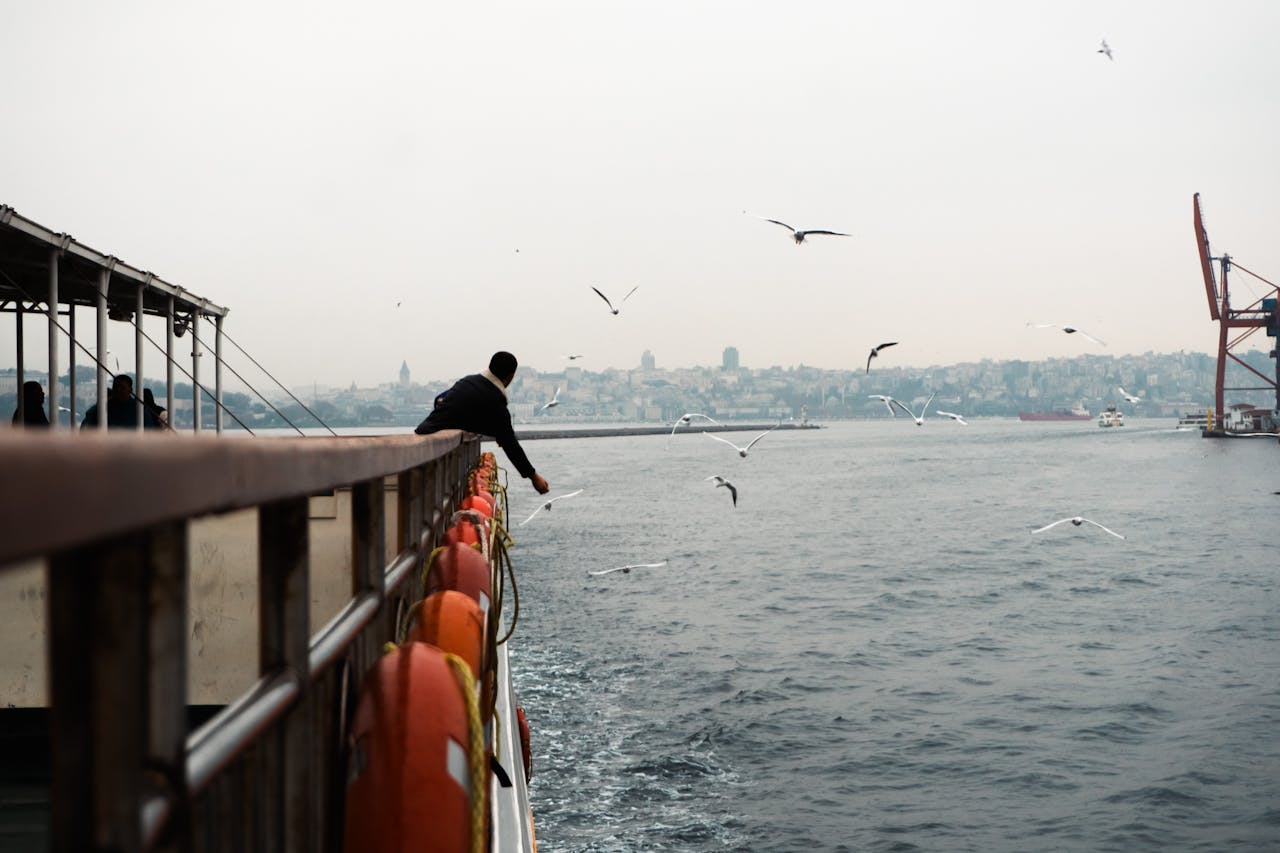
Seasoned cruisers treat seasickness as a variable, not a guarantee, and they start with ship size, route, and cabin placement. Modern vessels use stabilizers and smart routing, so many passages feel like a gentle building sway, especially on larger ships, in calmer seasons, and on itineraries with frequent ports instead of long open-ocean stretches, while midship cabins on lower decks stay the steadiest. When weather turns, regulars lean on simple fixes: time on deck, light carbs, hydration, ginger, and proven medication, plus skipping heavy alcohol, so motion rarely becomes the defining memory of the trip for most newcomers.
Cruise Ships Are Always Dirty and Germy

Regular cruisers push back on the idea that a ship is automatically a germ trap, because outbreaks are costly, public, and disruptive for everyone onboard. Crews clean constantly in elevators, dining rooms, restrooms, and gyms, keep sanitizer stations everywhere, swap serving utensils, and ramp up measures quickly when reports tick up, including extra wipe-downs, modified self-serve, and reminders at every doorway. Most sailings stay uneventful, and the boring truth is that good handwashing, ventilation, and time in open air, backed by medical teams, usually do more than any rumor that spreads online after a bad voyage or two.
Shore Excursions Must Be Booked Through the Ship
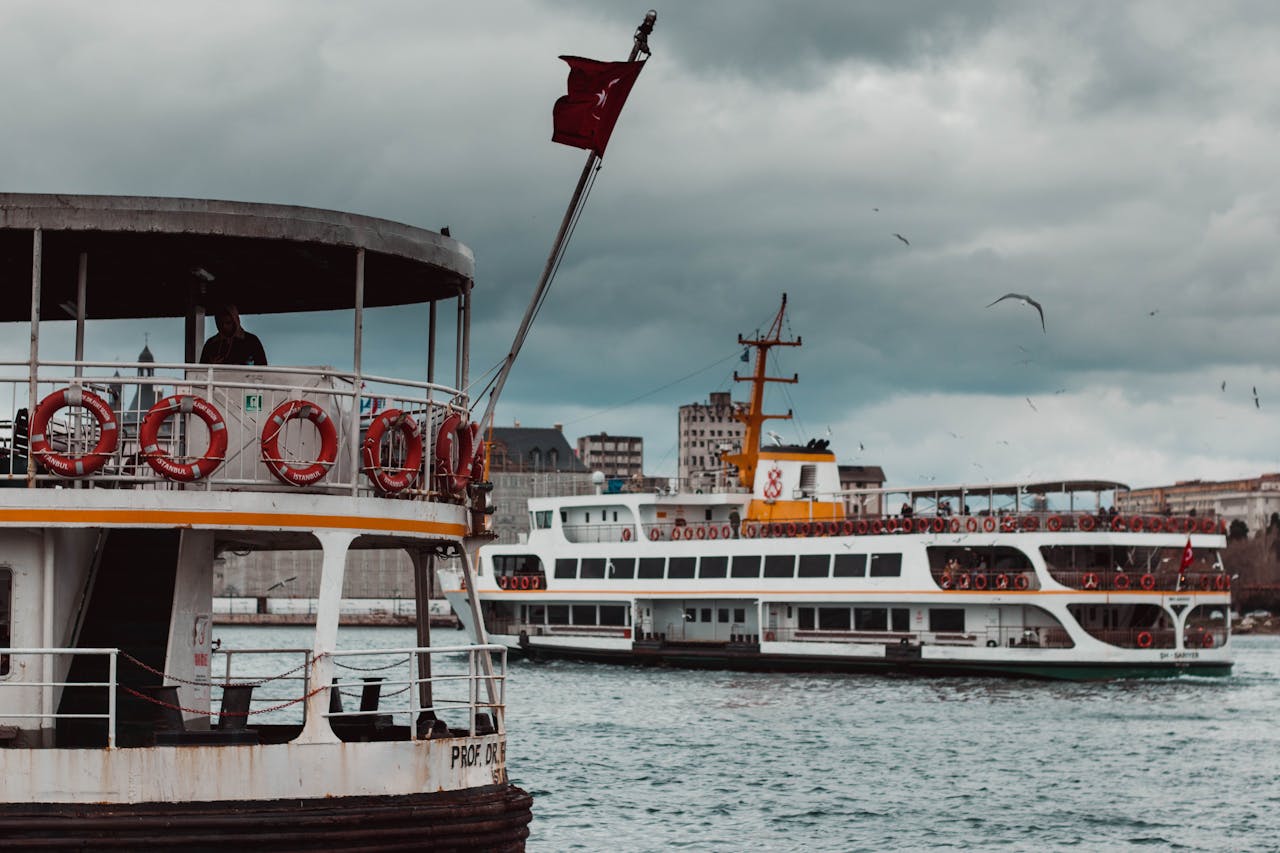
Frequent cruisers explain that ship-run excursions are convenient, not mandatory, and ports reward planning. Independent days can mean a small-group food tour, a museum morning, a beach club with reserved chairs, or a simple old-town walk, often with more freedom and a price that leaves room for a quiet specialty-coffee splurge back onboard. The hard rule is timing: the ship will wait for its own tours, not late private rides, so regulars choose reputable operators, build buffers for tender lines and traffic, track ship time, keep the port agent number handy as well, and aim to return early enough for a shower before dinner.
Everything Onboard Is Included

This myth sticks because the fare does include a lot: the cabin, main dining, casual bites, shows, pools, and plenty of small comforts between ports. Regular cruisers mention the common add-ons that vary by line, like gratuities, alcohol, specialty restaurants, Wi-Fi, soda, specialty coffee, spa services, photo packages, and some classes, plus occasional service charges on certain purchases. Once expectations are set early, nothing feels sneaky, and experienced guests watch the onboard app or daily folio, choose one or two splurges, prepay what helps, and skip the rest while still feeling well fed and entertained most nights.
Interior Cabins Are Miserable
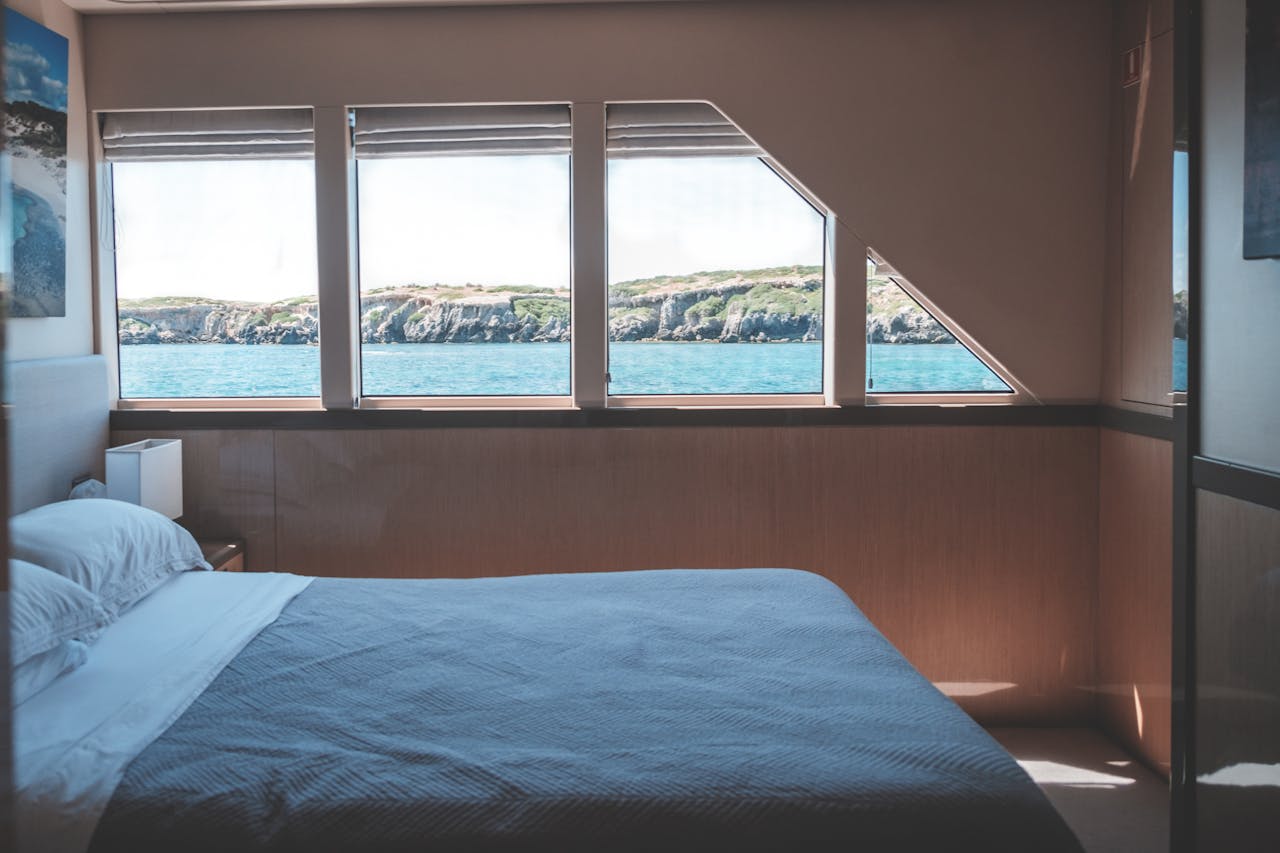
Cruise veterans frame cabins like hotel categories, not a single cramped box, and they defend inside rooms more than outsiders expect. An interior cabin can be quiet and pitch-dark for deep sleep, ideal for light-sensitive sleepers and afternoon naps, priced for travelers who treat the room as a reset button between deck time, shows, and port days, and newer ships add smart storage, thoughtful lighting, and, on some sailings, virtual portholes. Balconies are lovely, but many regulars would rather pay for better location, fewer noise surprises, or an upgraded dining package, and still wake up rested and ready for the next stop.
Formal Night Requires Tuxedos and Ball Gowns
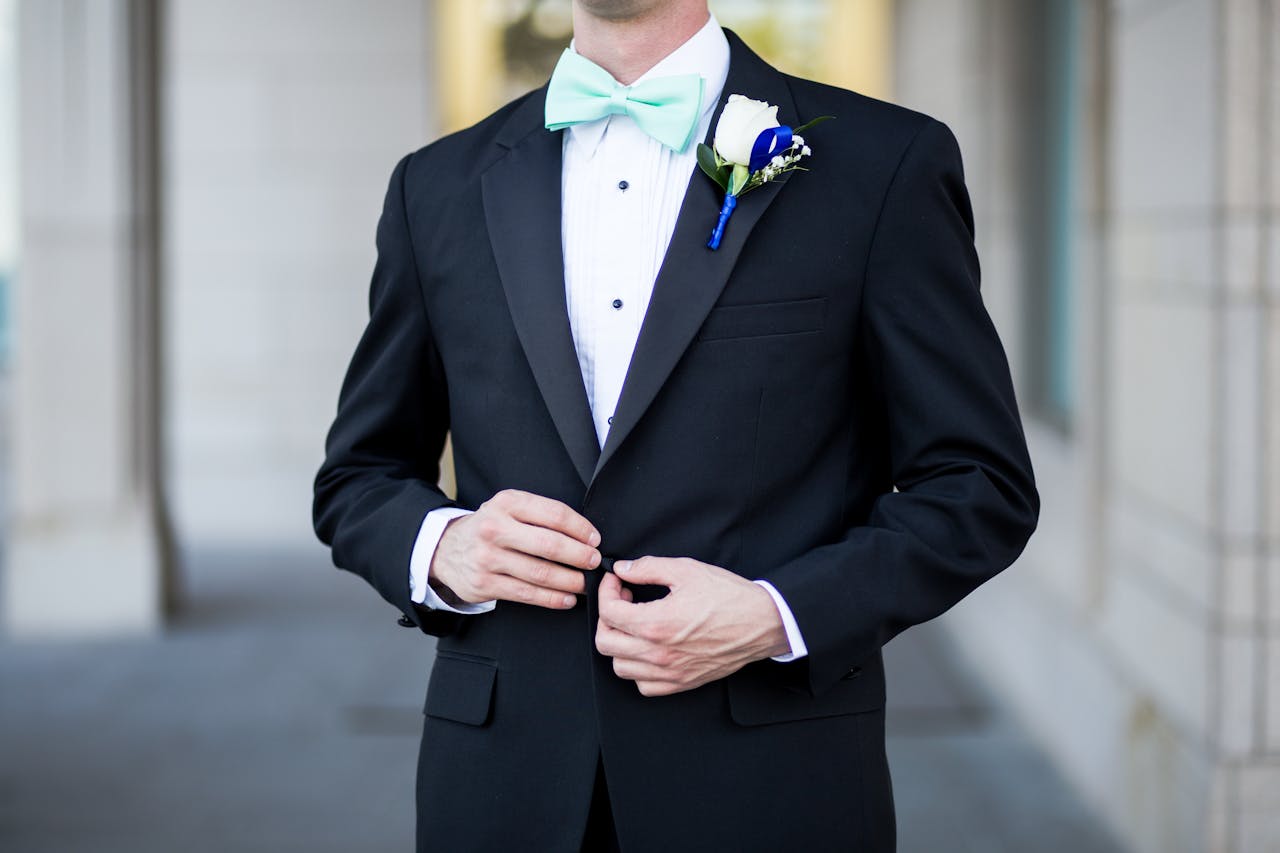
Regular cruisers smile at the red-carpet fantasy, then explain how relaxed most dress codes have become on mainstream lines. On many ships, formal night is optional fun: some guests dress up for photos and steakhouse reservations, while others keep it simple with neat pants, a collared shirt, and clean shoes before heading to trivia, karaoke, or the late show. Luxury sailings and certain venues can lean dressier, and theme nights vary by itinerary, but enforcement is usually limited to avoiding swimwear and ripped denim, so one versatile outfit keeps dinner, shows, and portraits easy without turning packing into a project.