Americans keep returning to Europe for the same reasons: walkable beauty, late dinners, and cities that feel like living museums.
What is changing is the door. More sites and city managers now rely on timed entry, name-matched tickets, reservations, and caps on mass arrivals. It is crowd control, fraud prevention, and a nod to resident fatigue.
The trip can still feel effortless, but it runs better when planning is treated as part of the experience. A missed slot can mean a long wait, a sold-out morning, or a quick pivot to a different neighborhood café, still hungry for the view. Officials keep saying: arrive ready, or arrive later.
Paris, France
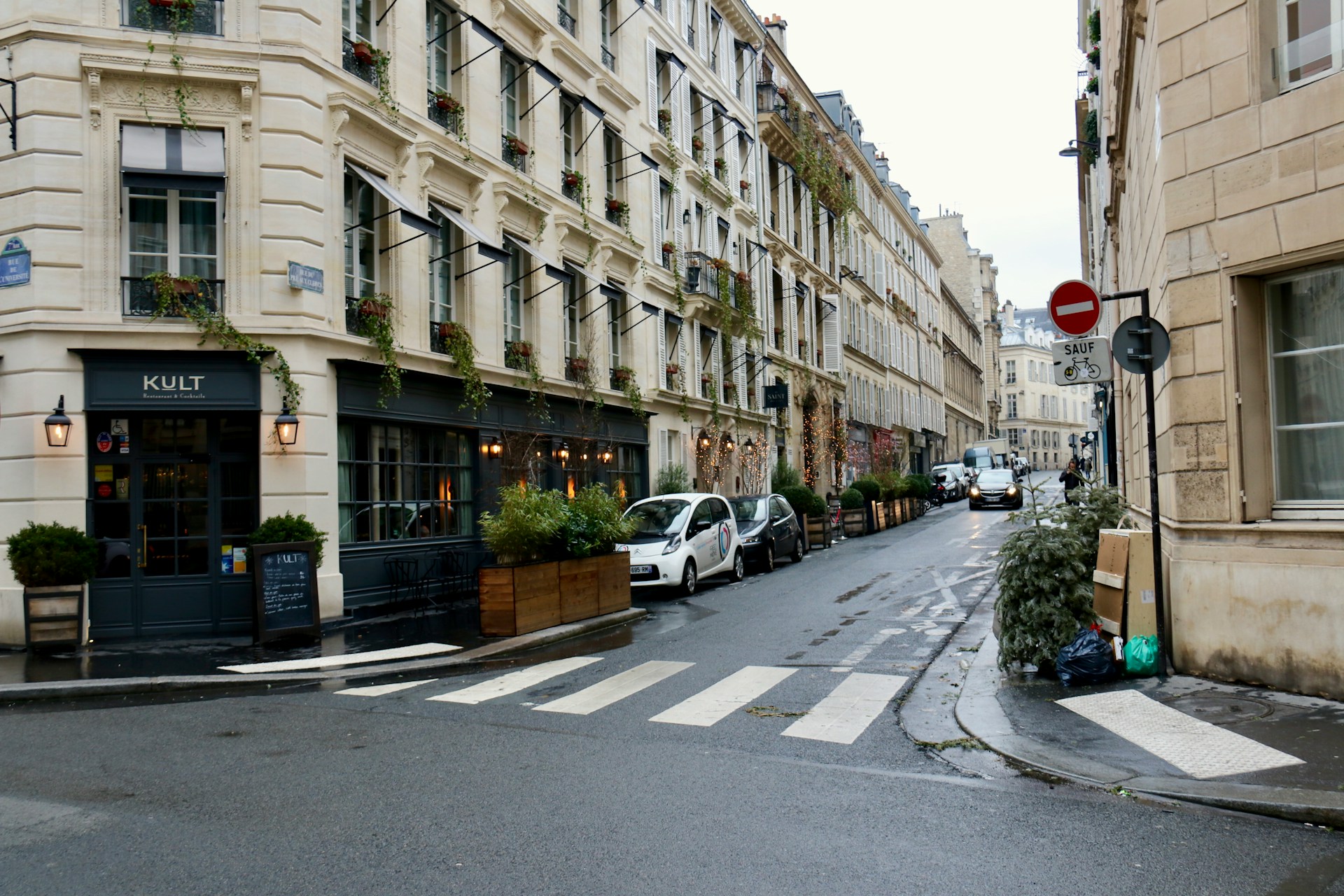
Paris has tightened the rhythm at its biggest magnets by leaning hard on timed entry. The Louvre pushes visitors toward reserving a specific slot, and some peak stretches shift to reservation-only so entrances do not turn into a daylong queue. Free or reduced entry comes with proof requirements, so paperwork matters.
That detail reshapes a classic Paris morning. A late metro or a long café stop can snowball into a missed window, and security lines still exist even with a booking. The upside is calmer galleries and fewer crush points near the Pyramid, where staff can keep people moving without turning the forecourt into a shouting match.
Rome, Italy
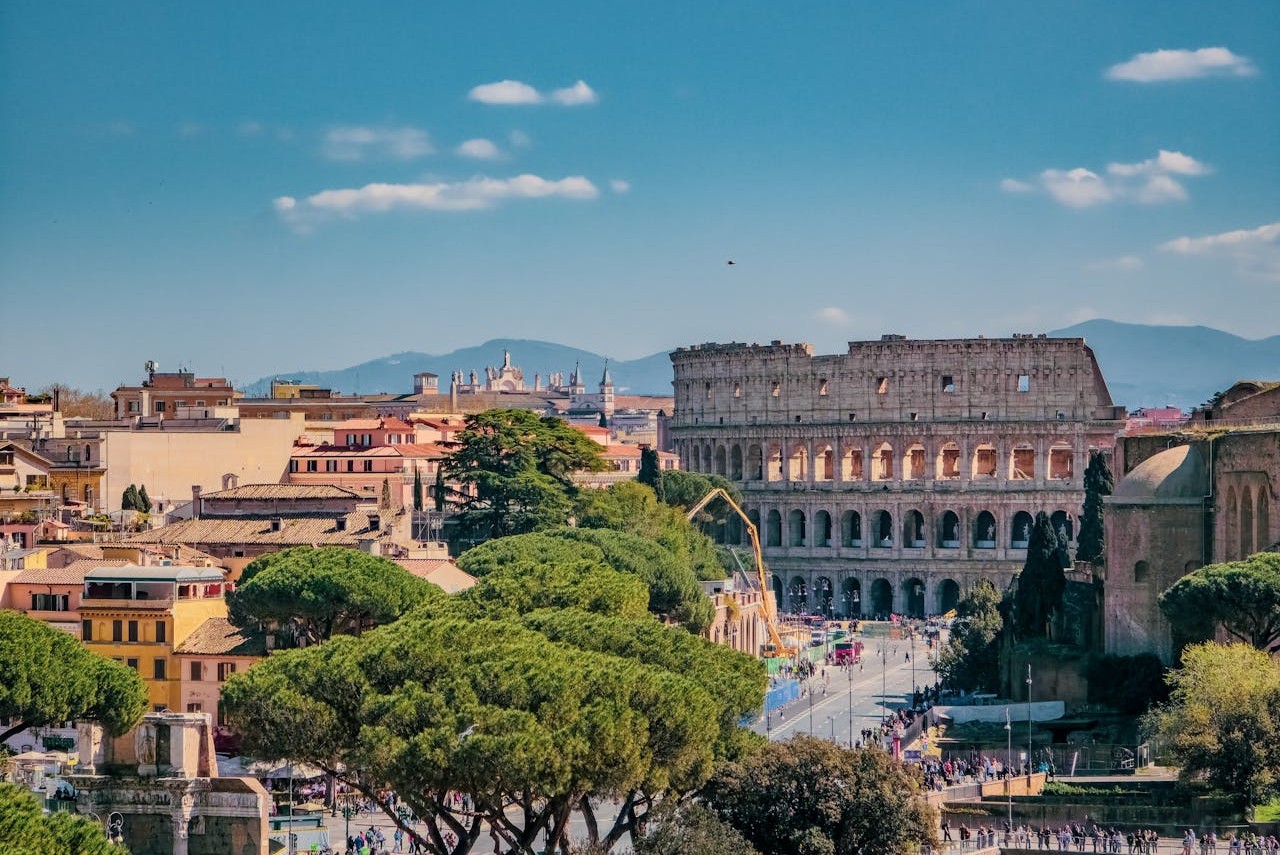
Rome’s Colosseum has tightened ticketing after years of sellouts and reseller games. Many visits require advance purchase on the official system, and higher-demand areas like the Arena or Underground run on booked entry times with limits per buyer. Even free categories are booked online.
At the gate, staff can ask for an ID that matches the name on the ticket, which makes casual transfers risky. The upside is fewer bottlenecks in narrow corridors and less chaos at turnstiles. Arriving early matters because security screening can eat the buffer. The tradeoff is that a wrong name or missed slot can become a detour through help desks.
Venice, Italy
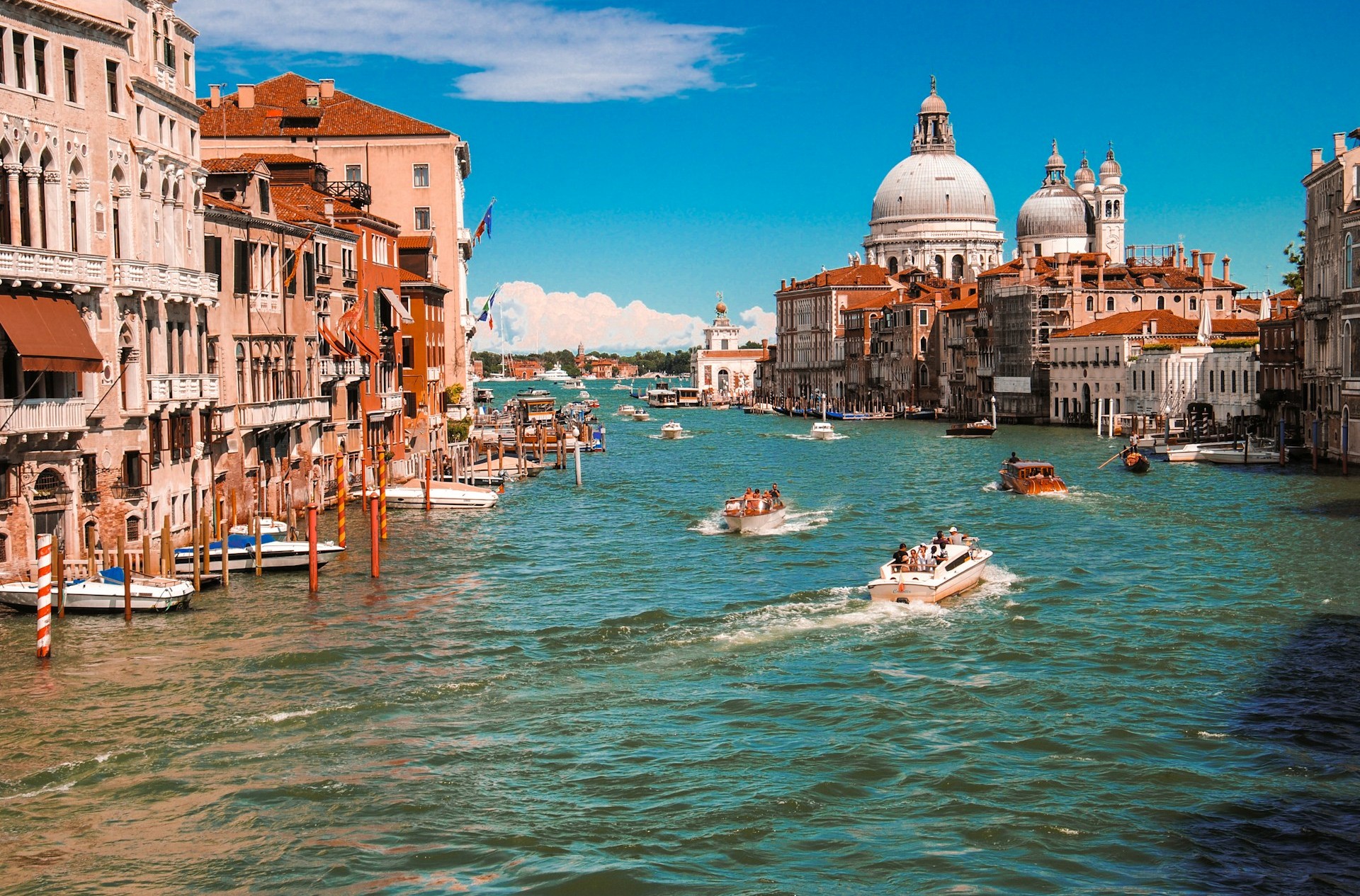
Venice now treats peak day-trips like a managed flow. On designated busy dates, day visitors entering the historic center during set daytime hours must register and pay an access fee, then carry a QR-style voucher that can be checked at key entry points. The rule targets the mid-morning crush that can freeze bridges and vaporetto stops.
The friction is intentional. Last-minute booking can cost more, exemptions still require registration, and officials get better data on how crowds actually move. For travelers, it means the most famous detour in Italy has a small gatekeeping step, and skipping it can quickly ruin the day fast.
Amsterdam, Netherlands
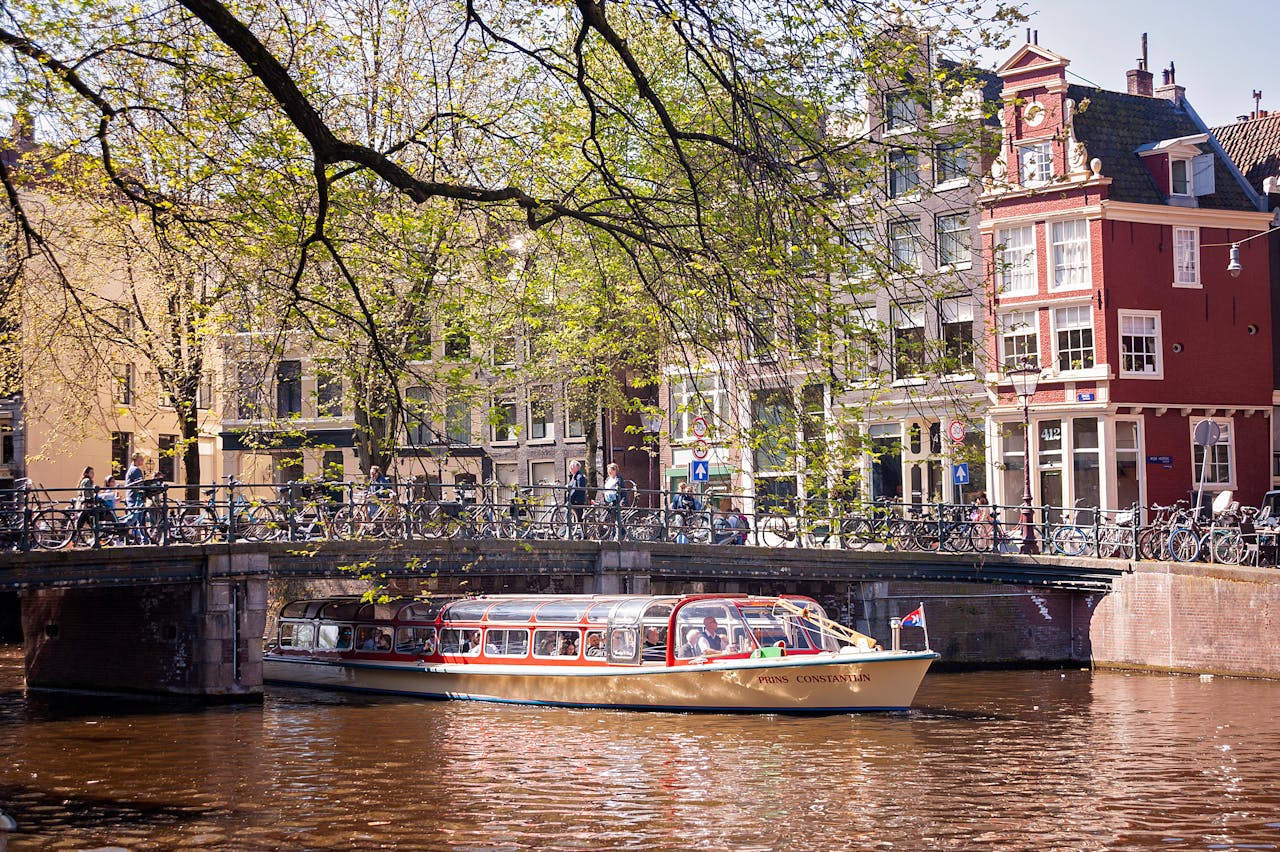
Amsterdam is tightening entry indirectly by limiting how mass tourism arrives. The city has moved toward caps on cruise traffic, aiming to cut ocean cruise calls to 100 a year from 2026 and to reduce river cruise calls to about 1,150 a year, paired with plans to move the central terminal by 2035.
That is crowd control in shipping form. Fewer ship days mean fewer large groups stepping off into the canal belt at the same hour, which eases pressure on trams, bridges, and narrow sidewalks. For visitors, it nudges travel toward trains and longer stays, and it makes the city feel less like a conveyor belt on peak afternoons too.
Barcelona, Spain
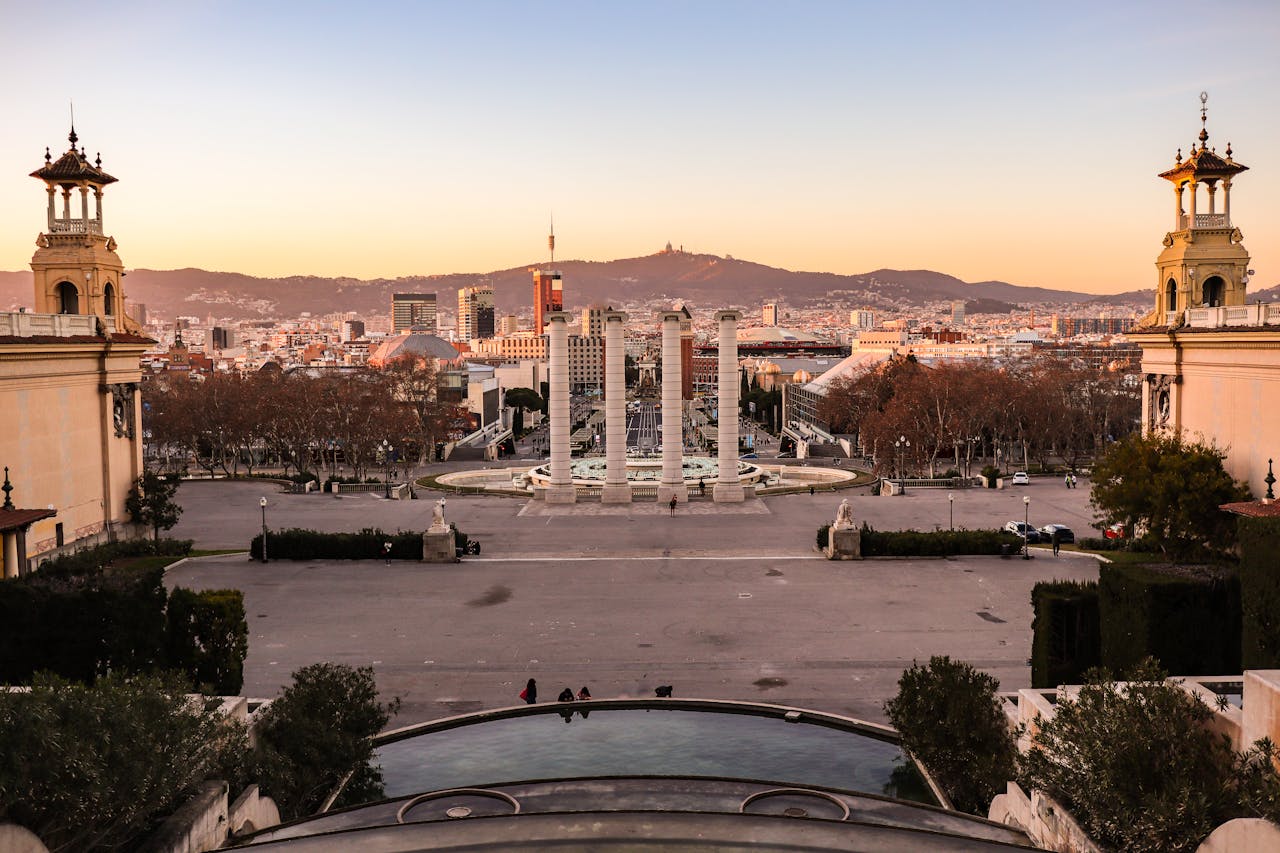
Barcelona has tightened entry where crowds hit hardest, and Park Güell is the clearest example. The monumental zone runs on timed tickets and a fixed capacity cap of about 1,400 visitors per hour, so access is a scheduled commitment rather than a casual stroll. Some time bands are reserved for neighbors.
The cap changes the ground-level experience. Outside lines shrink, bottlenecks around mosaics ease, and staff can protect fragile surfaces without constantly redirecting foot traffic. It also changes planning: popular slots vanish in spring and summer, and late arrivals cannot count on entry at the gate once the hour fills.
Athens, Greece
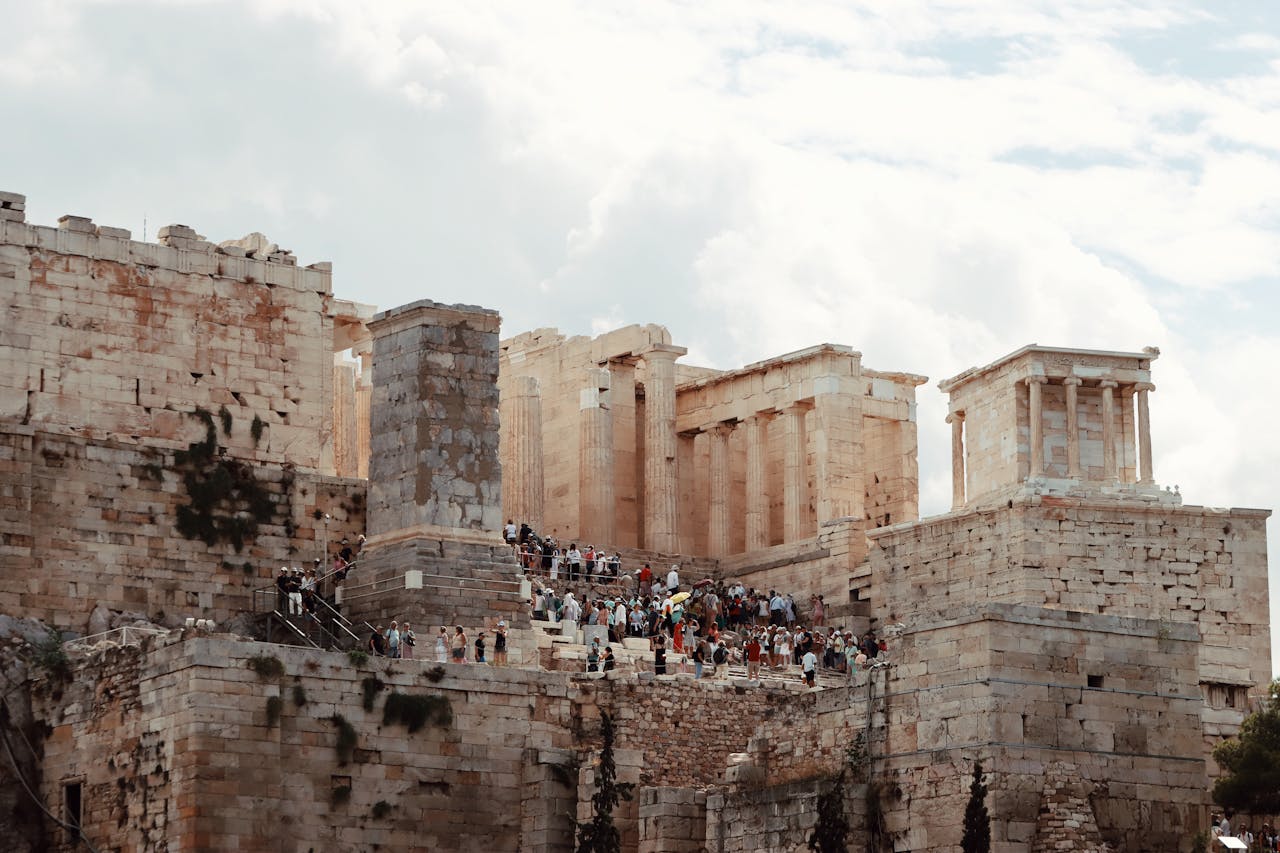
Athens tightened access at the Acropolis by making entry time-based. Since Apr. 1, 2024, tickets are tied to a selected slot, with only a narrow grace window around it, which reduces the midday crush on steps, gates, and narrow paths. Visitors are advised to arrive early because screening and climbs take time.
That rule reshapes a day in the city. Morning plans hinge on the booking, and a late arrival can mean losing the smoothest entry entirely, especially in high season. The upside is steadier flow near the Parthenon and fewer pileups on hot afternoons, when shade is scarce and the site’s stone radiates heat for everyone.
Dubrovnik, Croatia
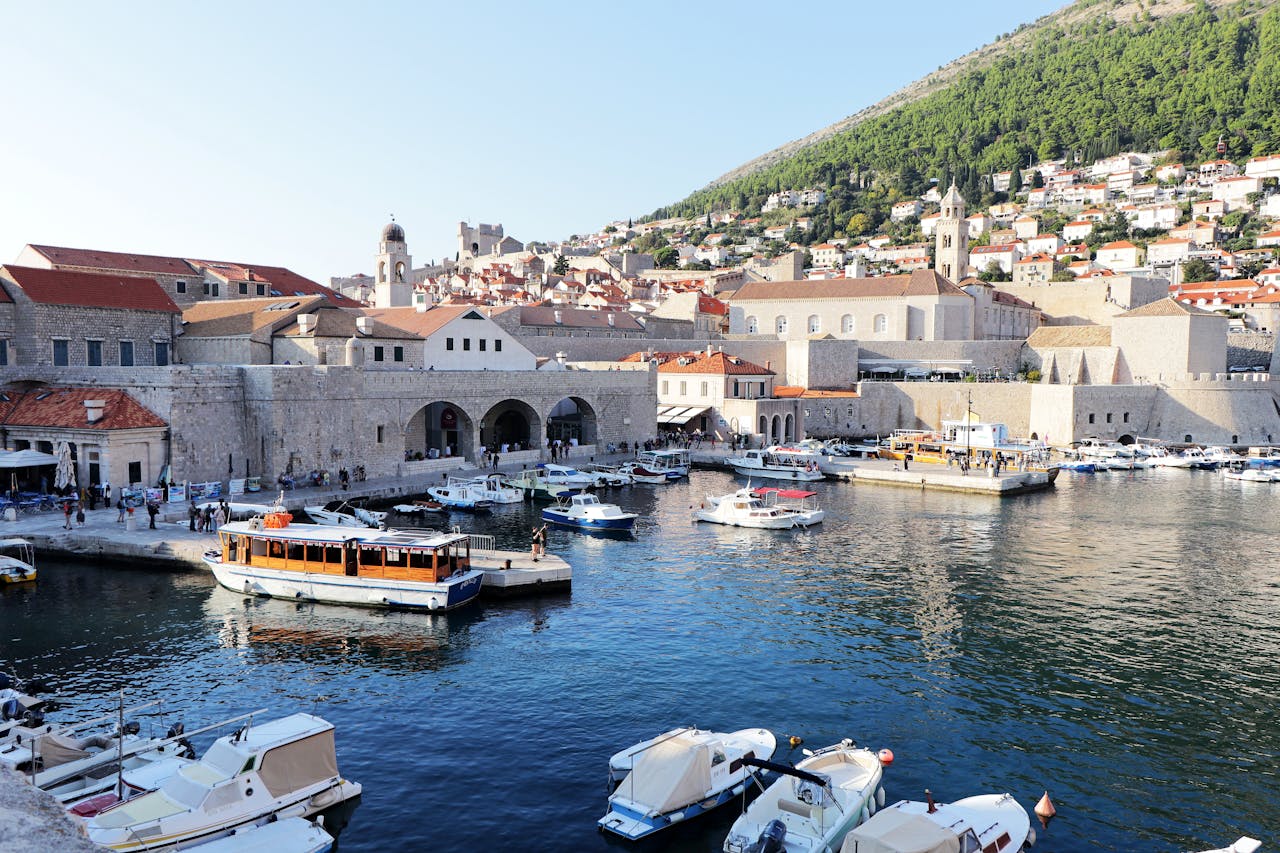
Dubrovnik’s Old Town is small enough that one surge can turn it into a slow-moving knot. To keep the historic core functional, officials moved to cap cruise arrivals to two ships a day, with a combined ceiling of about 5,000 passengers, so gates are not flooded at once.
That limit acts like an entry rule for the whole city center. Fewer mass drop-offs mean fewer tour clusters stacking on Stradun and fewer backups at the city walls. Residents get a more predictable day, and visitors get a better chance at seeing stone lanes without shoulder-to-shoulder pressure. It is less about exclusivity than keeping a medieval street plan from buckling.
Prague, Czech Republic
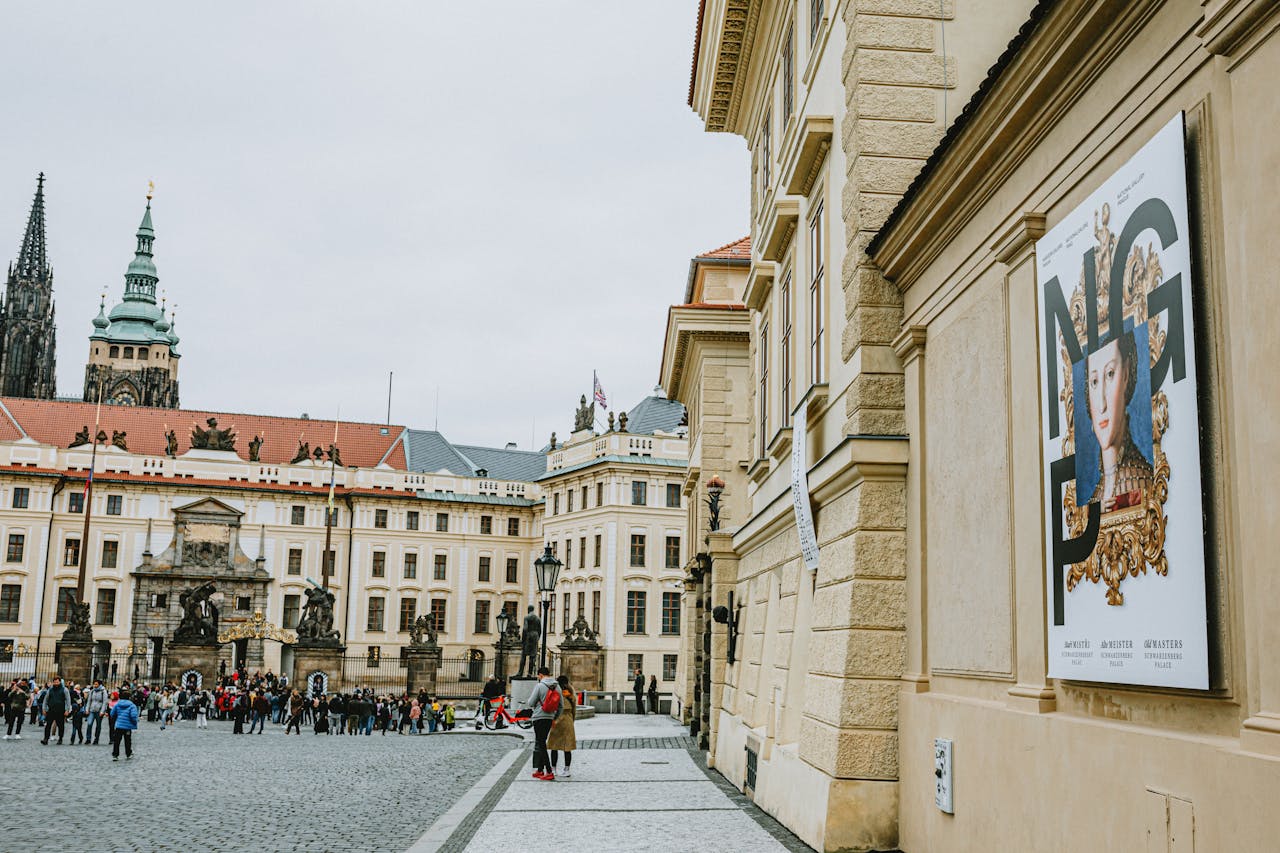
Prague’s tightening is aimed at nighttime behavior, not museum doors. City councillors approved a ban on organized pub crawls run by travel agencies during overnight hours, enforced between 10 p.m. and 6 a.m., after years of noise and disruption in the historic center.
The rule does not ban drinking. It bans a specific format that turns streets into a moving party line, and it forces tour companies to redesign routes, shorten schedules, or switch to quieter walking themes. For visitors, the change is subtle but real: evenings feel less like a circuit and more like a city, with fewer loud clusters dominating squares after midnight.